
No products in the cart.
Why Artists Return to the Same Subject
A painter finishes a landscape, puts the canvas aside and begins another painting of the same place.
Then another.
The mountain has not moved. The arrangement of buildings is familiar. The same bend in the river appears again, perhaps from a slightly different position or beneath a different sky.
To someone looking at the paintings for the first time, it may seem as though the artist is repeating an idea rather than discovering a new one.
But repetition in art is rarely as simple as making the same picture twice.
A familiar subject can become a way of investigating light, colour, memory, composition and the act of looking itself. Each return gives the artist an opportunity to notice something that was overlooked before, test a different approach or discover how their own understanding has changed.
For some painters, the subject becomes a lifelong companion.
For others, repetition is a deliberately structured experiment, with each artwork forming part of a larger series.
Understanding why artists return to the same subject reveals something important about painting: the image is not simply a record of what the artist sees. It is also evidence of how the artist chooses to look.
Why Do Artists Paint the Same Subject Repeatedly?
Artists return to familiar subjects for several reasons.
A repeated subject allows them to study changes in light, weather and atmosphere. It provides a consistent starting point for experimenting with composition or materials. It can reflect a personal connection to a place or object, or help an artist develop a visual language over time.
Sometimes the purpose of repetition is comparison.
When an artist keeps one element relatively constant, changes in other elements become easier to recognise.
A painter might arrange the same group of bottles under different lighting. The objects remain familiar, but the shadows, colours and sense of space change.
Another painter might return to the same coastline every winter. Over several years, the paintings could record changes in weather, the landscape and the artist’s own approach.
Repetition can also be conceptual rather than observational.
An artist may repeat a shape, gesture, image or symbol to investigate memory, identity, routine, industrial production or the way images circulate through society.
The key is to distinguish repetition of subject matter from repetition of artistic purpose.
Two paintings can depict the same thing while asking entirely different questions.
The Difference Between Repetition and Copying
Repetition and copying are not quite the same.
Copying generally involves reproducing an existing image or work, whether for study, training, reproduction or another purpose.
Repeating a subject means returning to a motif, object, person or place and making a new artistic response.
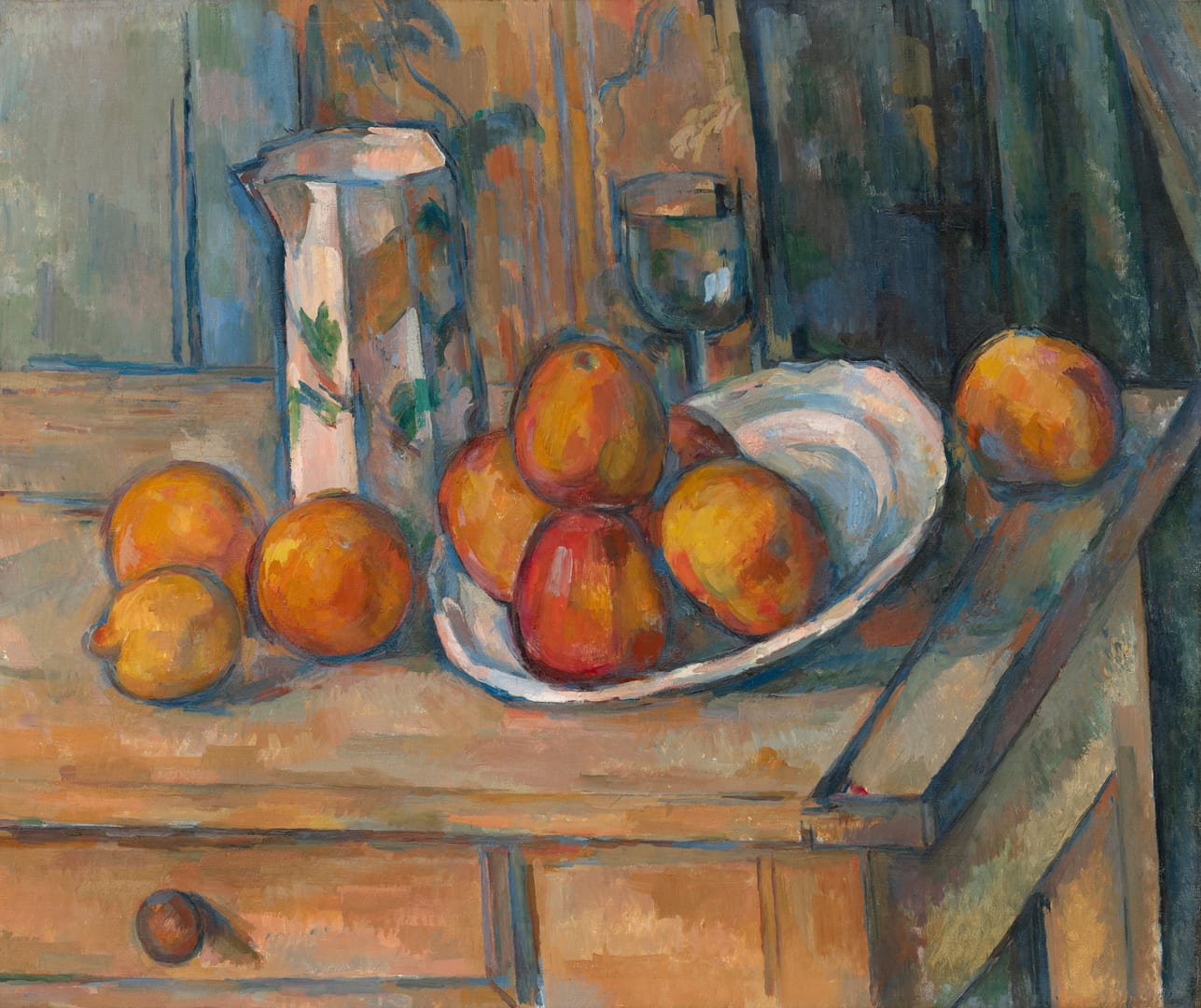
Consider two paintings of a bowl of fruit.
If an artist carefully reproduces the first painting, matching its composition and details, the second is a copy of an existing image.
If the artist rearranges the fruit, changes the viewpoint, alters the colours or explores a different visual idea, they are returning to the subject rather than necessarily copying the earlier work.
The distinction can become more complicated in conceptual art, where an artist may deliberately repeat an image with very little apparent variation.
In such work, the repetition itself may be central to the meaning.
A series can make us aware of differences that would otherwise go unnoticed, or draw attention to the significance of producing the same image repeatedly.
Whether repetition is observational, formal or conceptual, the important question is what changes through the process.
Claude Monet: Painting the Same Place in Different Light
Claude Monet is one of the best-known examples of an artist who developed entire series around repeated subjects.
During the 1890s, he made groups of paintings depicting haystacks, rows of poplar trees and the façade of Rouen Cathedral.
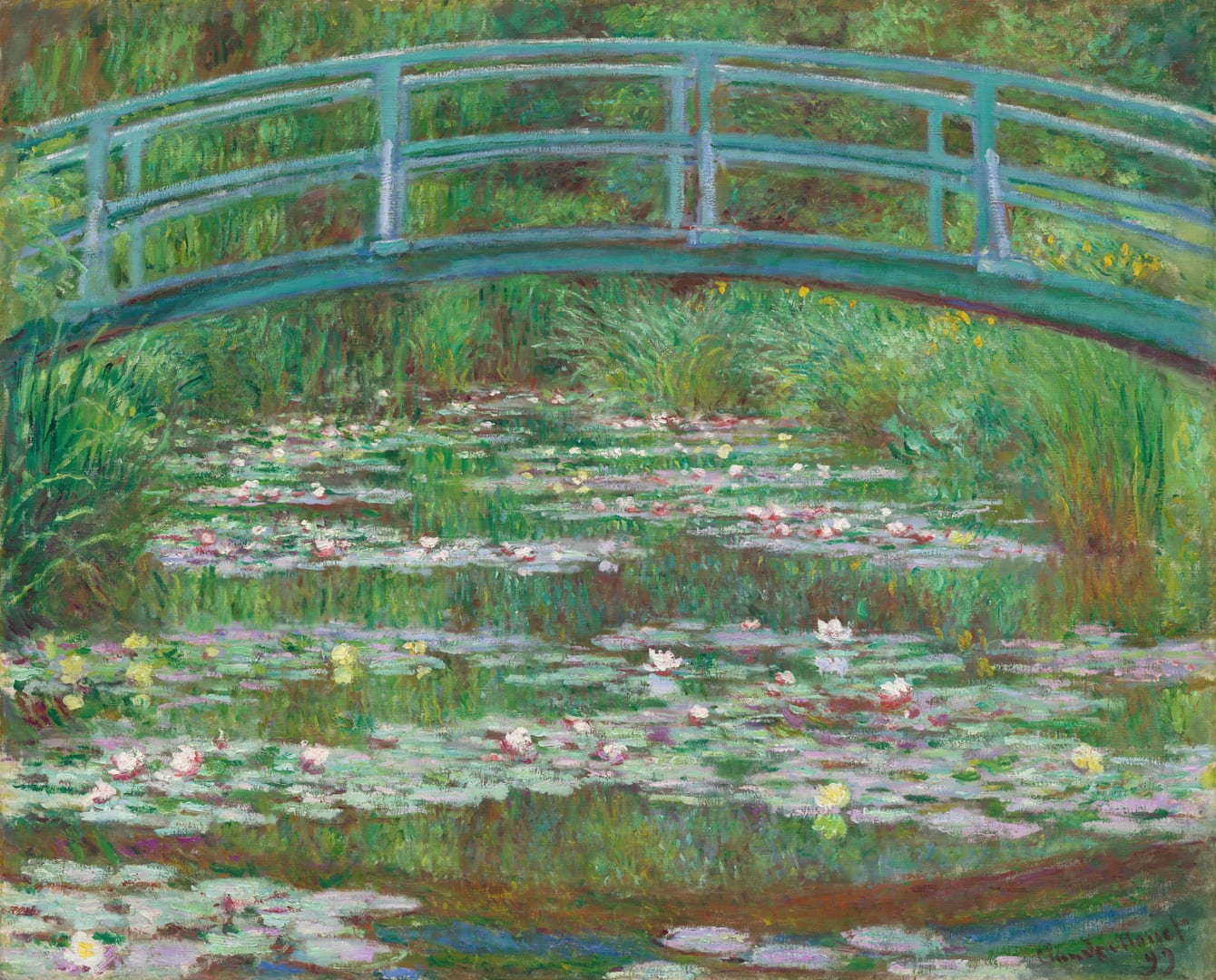
Later, the water-lily pond at his garden in Giverny became one of the central subjects of his work.
These paintings are sometimes described as attempts to capture the same scene at different times of day.
That is true, but it is only part of the story.
Monet was interested in how changing conditions transform what we believe we are looking at.
A haystack may appear solid and clearly defined in one painting. In another, mist softens its outline. Under a different light, the boundary between the object and its surroundings becomes less certain.
The physical subject remains recognisable, but the experience of seeing it changes.
The Haystacks Series
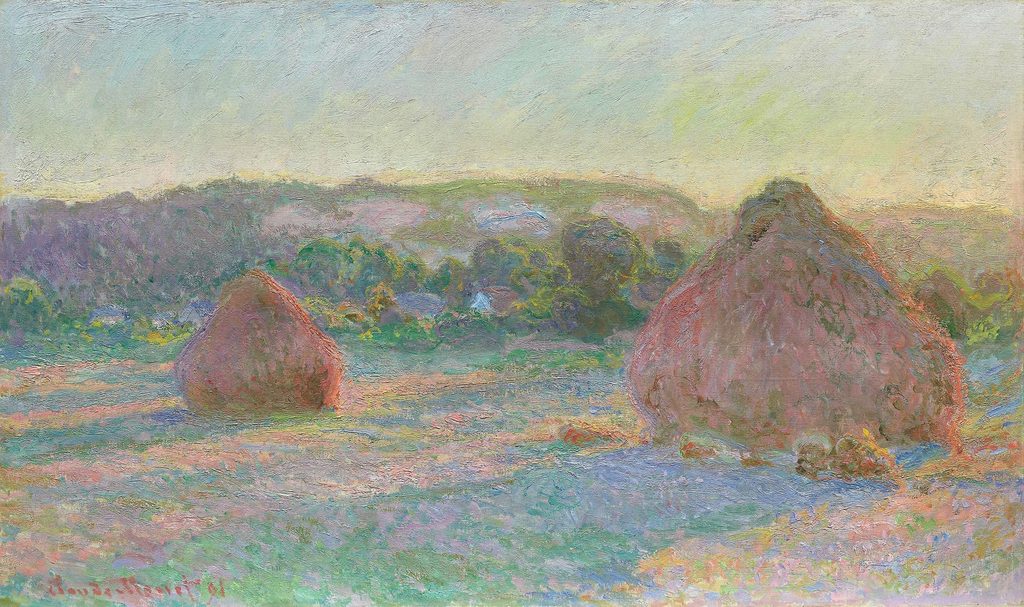
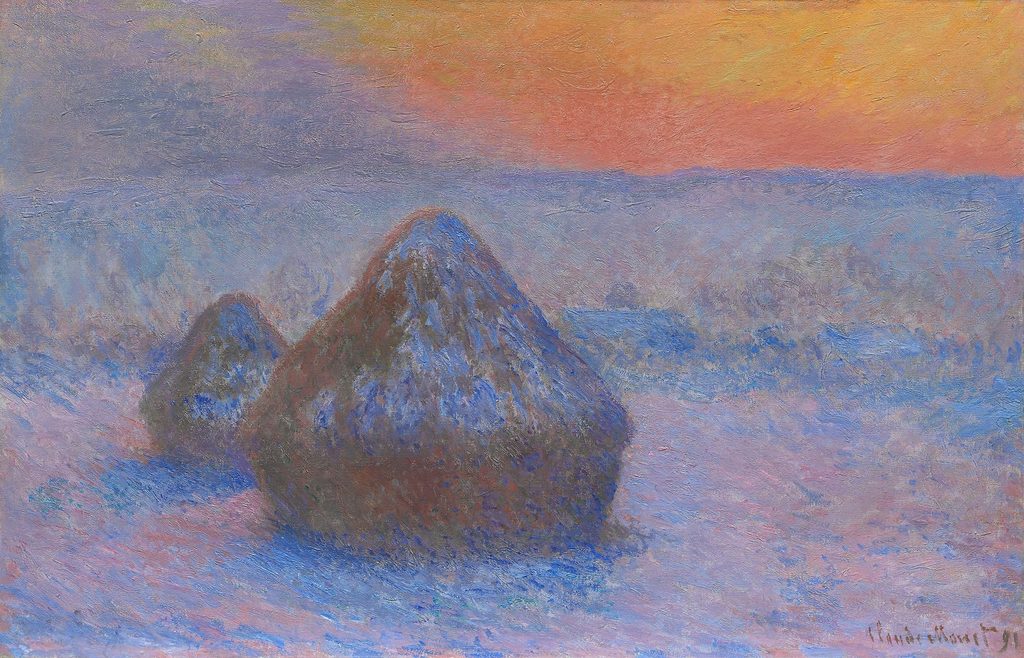
The haystacks, more precisely stacks of harvested grain, provided Monet with a relatively stable subject close to his home.
Their simple shapes made changes in light especially visible.
Across the series, the forms appear beneath different skies, in different seasons and at different times of day.
The colour of the shadows changes. The surrounding fields become warmer or cooler. The stacks sometimes stand sharply against the landscape and sometimes seem almost to dissolve into it.
One painting cannot communicate all those differences.
By returning to the motif, Monet could examine qualities of perception that only became apparent through comparison.
The paintings are individual works, but they also gain another dimension when seen together.
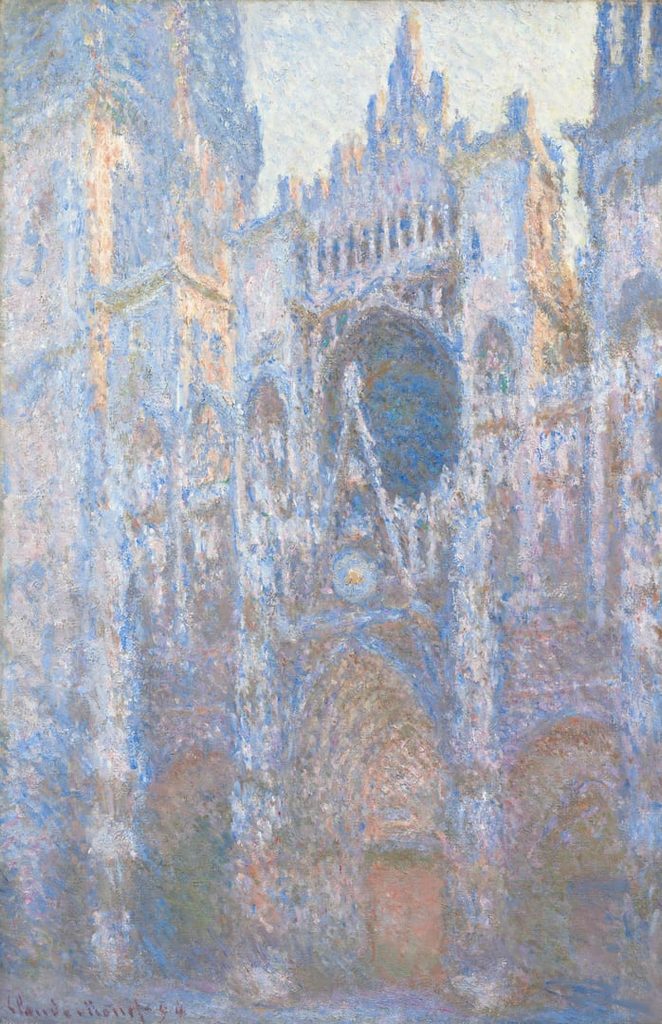
Rouen Cathedral
Monet’s paintings of Rouen Cathedral take this investigation further.
The cathedral façade is complex, with deeply recessed forms, carved stone and an elaborate architectural structure.
Yet Monet treated it as something visually changeable.
In some versions, the stone appears warm and luminous. In others, cooler colours and softer boundaries produce a different impression.
The building itself remains in place.
What changes is the relationship between light, colour, atmosphere and the viewer’s perception of its surface.
Monet worked on multiple canvases as conditions changed, returning to the paintings rather than completing each one in a single uninterrupted session.
This approach demonstrates why a repeated subject can become useful.
Once the artist no longer needs to search for something new to depict, attention can shift towards how the familiar subject appears.
Paul Cézanne and the Return to Mont Sainte-Victoire
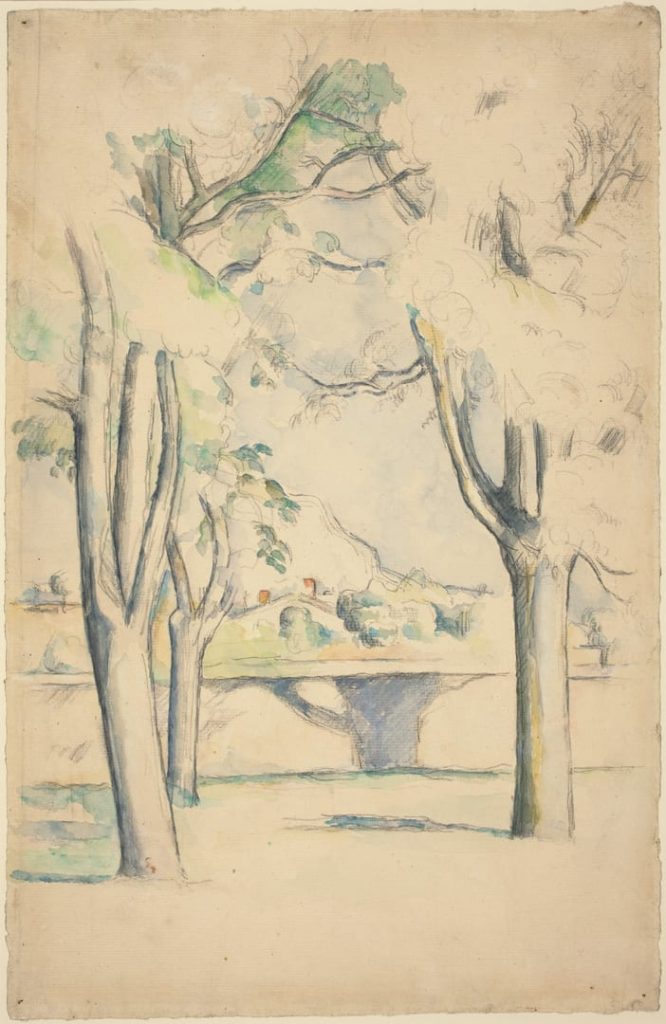
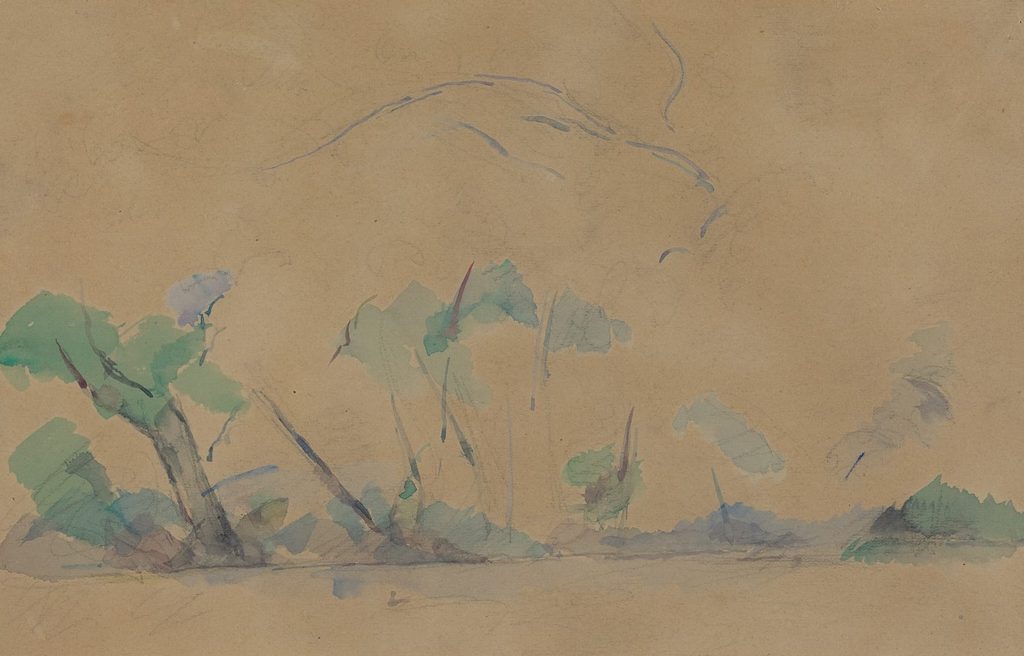
Paul Cézanne returned repeatedly to Mont Sainte-Victoire, the mountain near Aix-en-Provence in southern France.
Unlike Monet’s series, which often emphasised fleeting atmospheric effects, Cézanne’s landscapes are frequently concerned with the structure of what he saw.
He examined how land, trees, buildings, sky and the mountain itself could be organised through relationships of colour and form.
In Mont Sainte-Victoire and the Viaduct of the Arc River Valley, painted in the 1880s, the landscape is constructed through a carefully considered arrangement of planes.
Later depictions of the mountain become increasingly open in their handling, with forms suggested through passages of colour.
The mountain remains recognisable across the works, but the paintings do not all describe it in the same way.
Cézanne’s repeated engagement with the subject shows how a familiar landscape can support a sustained investigation into the possibilities of painting.
The purpose is not simply to produce an accurate view of a particular mountain.
It is to understand how a landscape can be translated into a painted structure.
This helps explain why returning to a subject can remain fruitful for years.
The artist’s questions may change even when the subject does not.
Giorgio Morandi: A Lifetime of Ordinary Objects
Giorgio Morandi approached repetition through an apparently much narrower world.
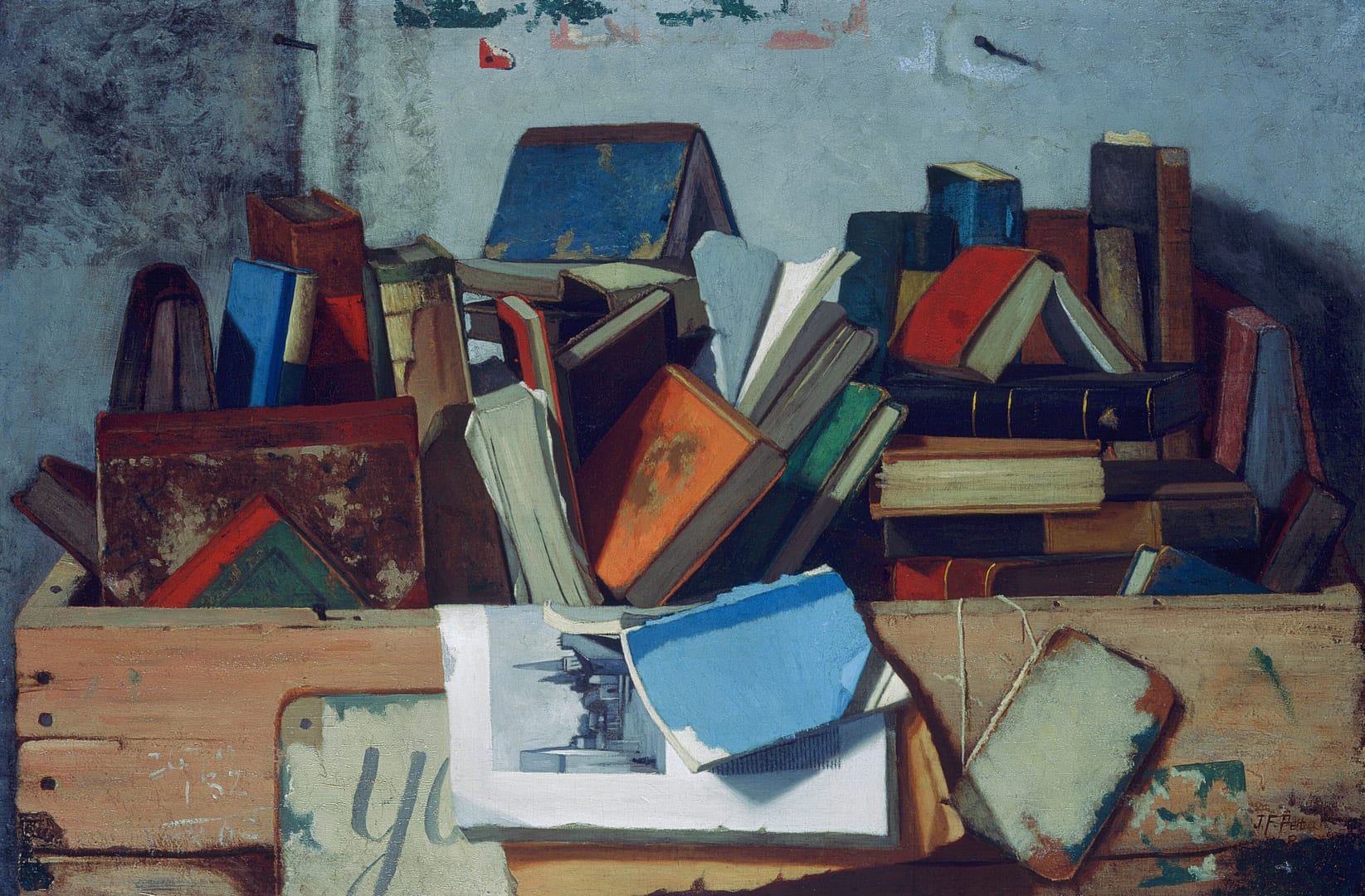
Many of his paintings depict simple domestic objects: bottles, jars, boxes, vessels and containers arranged together on a surface.
There is often very little happening in the conventional sense.
The objects do not tell an obvious story. They are not especially luxurious or unusual. They may appear in closely related arrangements across multiple paintings.
Yet the differences matter.
A bottle moves slightly forward. One object becomes partly hidden behind another. The interval between two forms changes. A pale background becomes warmer or cooler.
Morandi’s restrained palette makes these relationships particularly important.
Without dramatic subject matter or elaborate settings, attention turns to proportion, spacing, edges and the quiet relationship between objects.
A group of bottles can begin to resemble a small arrangement of architectural forms.
A narrow space between two objects may become as important as the objects themselves.
This is one of the most revealing effects of repetition.
When we know what is being depicted, we can begin to pay closer attention to how it is depicted.
Morandi’s practice also challenges the assumption that artists must continually discover new subjects to remain inventive.
His art suggests that prolonged attention to a limited group of things can lead to an extraordinary range of visual decisions.
Hokusai and the Many Views of Mount Fuji
Repetition is not limited to European painting.
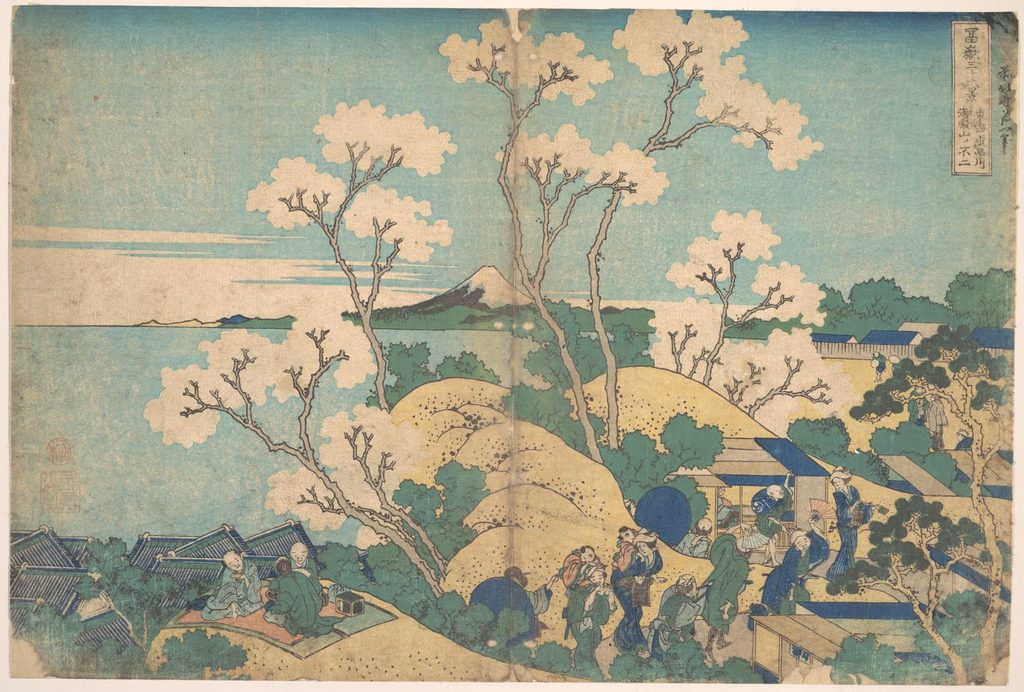
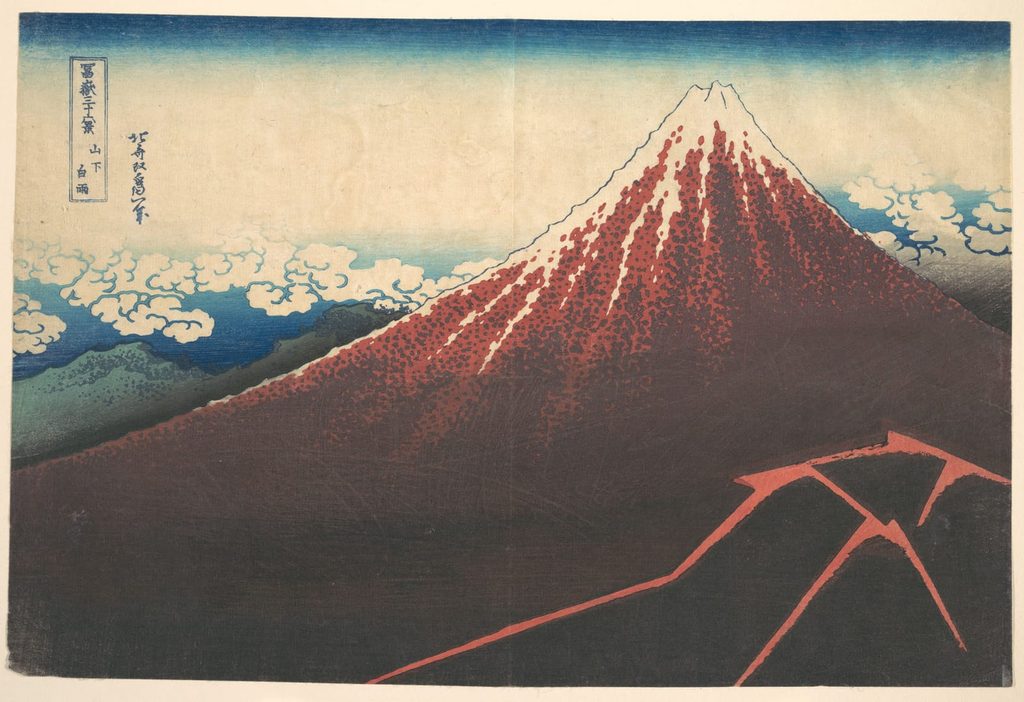
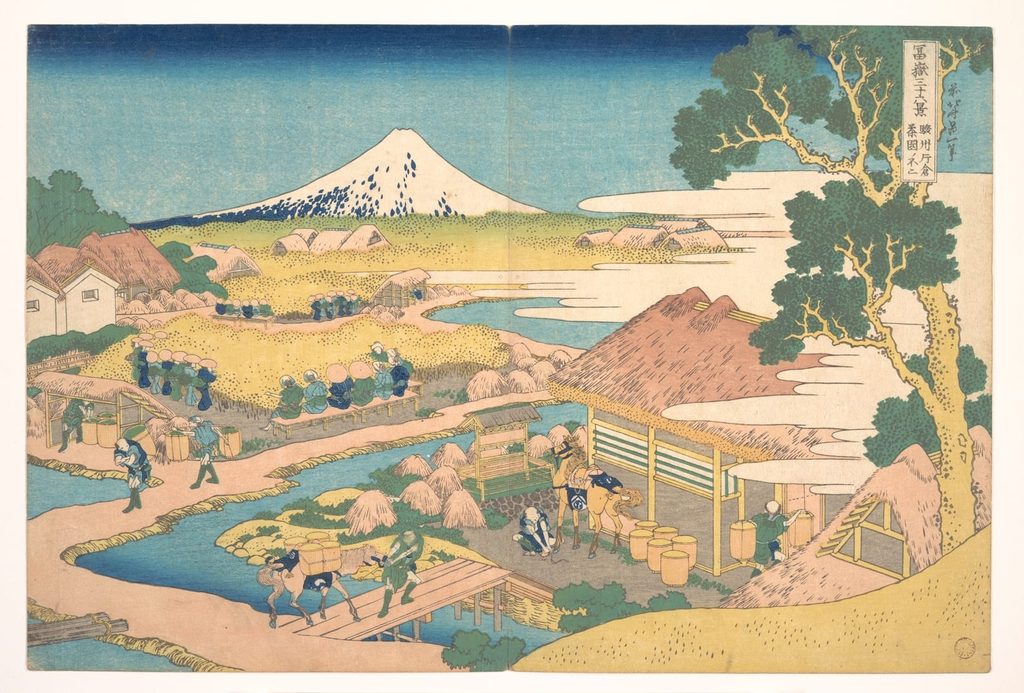
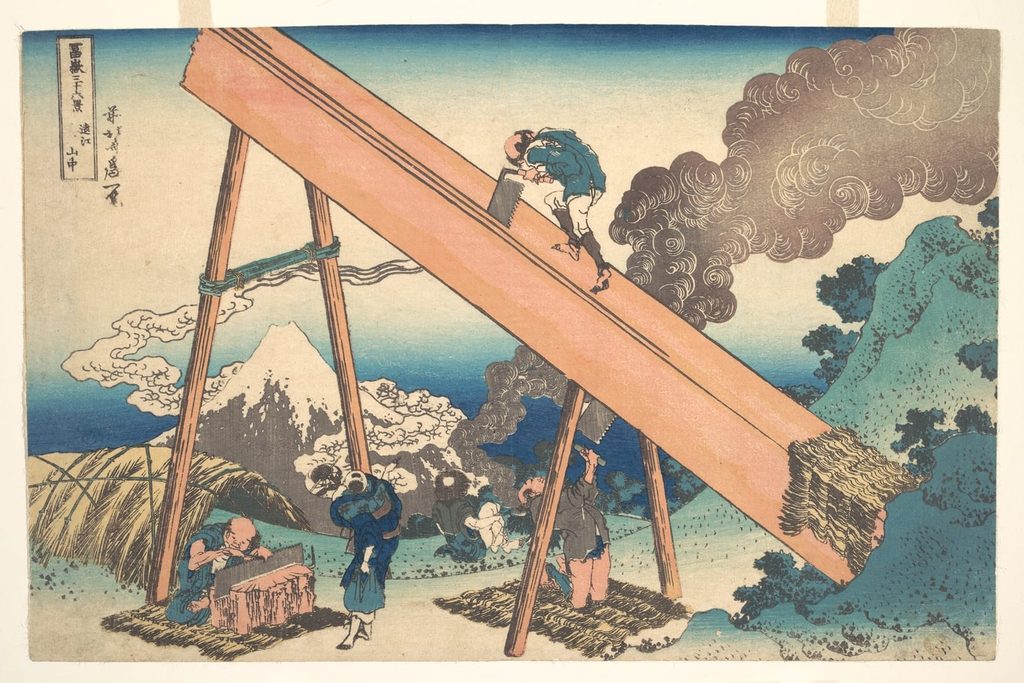
Katsushika Hokusai’s celebrated series Thirty-six Views of Mount Fuji provides another way of understanding the repeated motif.
Produced as woodblock prints in nineteenth-century Japan, the series presents the mountain from different places and under different conditions.
Mount Fuji is sometimes prominent and immediately recognisable. Elsewhere, it appears at a distance or becomes one element within a wider scene of human activity.
The repeated subject provides continuity, but each composition offers a different encounter.
The mountain can be a distant point of stability behind movement and labour, a dramatic physical presence or a form glimpsed through an arrangement of other shapes.
The series demonstrates that repetition does not always involve a fixed viewpoint.
An artist can return to a subject through different locations, distances, seasons and compositional structures.
Seen together, the works describe not only the mountain but the many ways it belongs to the surrounding world.
That wider sense of context is part of what makes the series so enduring.
Repetition Helps Artists Notice Small Differences
One of the less obvious benefits of repetition is that familiarity can sharpen observation.
The first time an artist encounters a subject, attention may be occupied by its general appearance.
A landscape seems to consist of a horizon, a group of trees and a particular arrangement of colours.
On returning, the artist may notice more specific relationships.
The ground slopes differently than expected. A line of trees has a rhythm that was previously overlooked. Shadows change the apparent position of a building.
A third visit might reveal something else.
The subject has become familiar enough that the artist can move beyond recognising it and begin observing its finer distinctions.
This is not necessarily a conscious, methodical process.
Artists may develop familiarity through repeated drawing or painting without setting out to conduct a formal study.
But the effect can be significant.
The more closely a subject is observed, the less ordinary it may become.
What initially seemed simple can reveal considerable complexity.
When Repetition Becomes a Personal Language
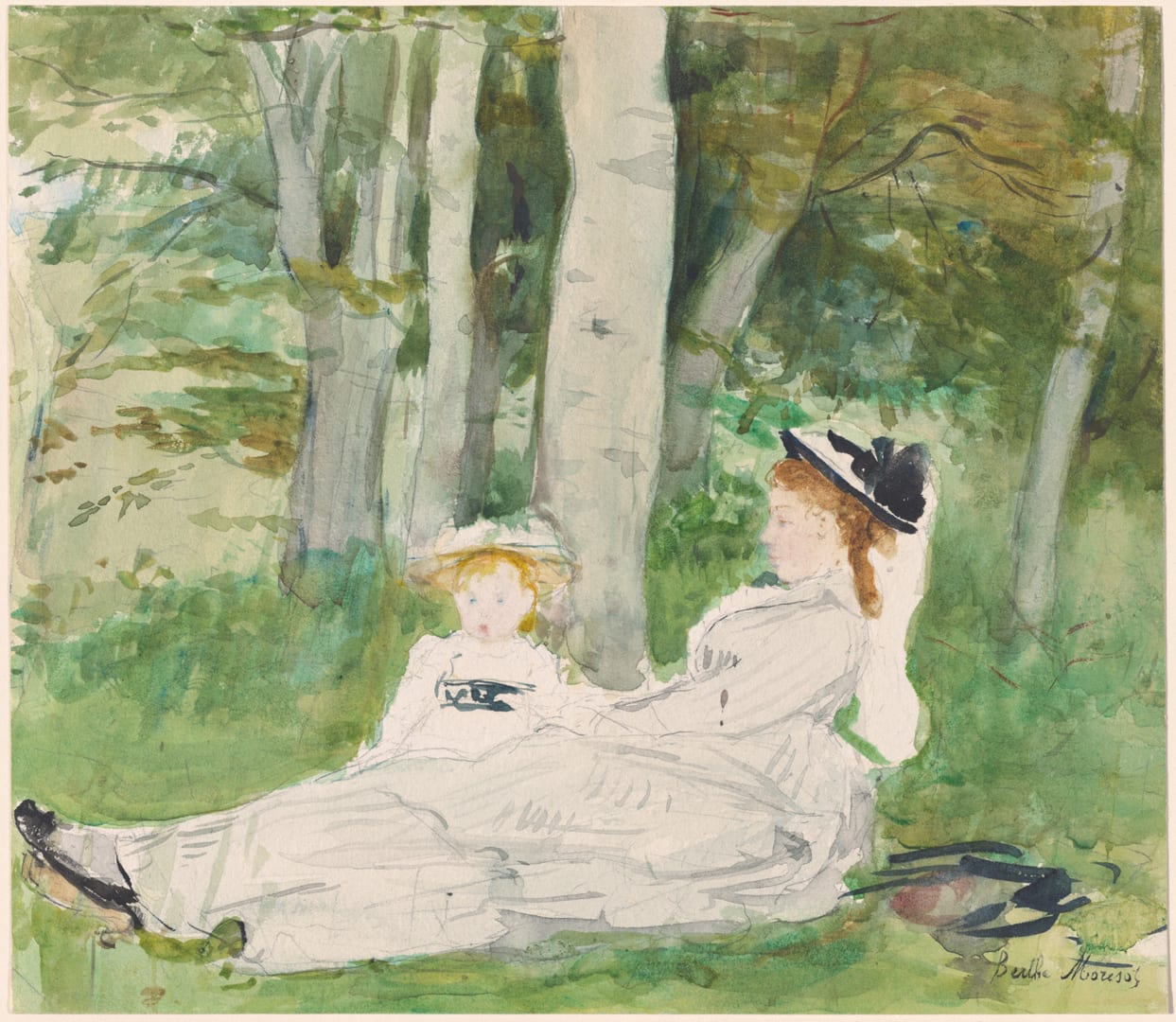
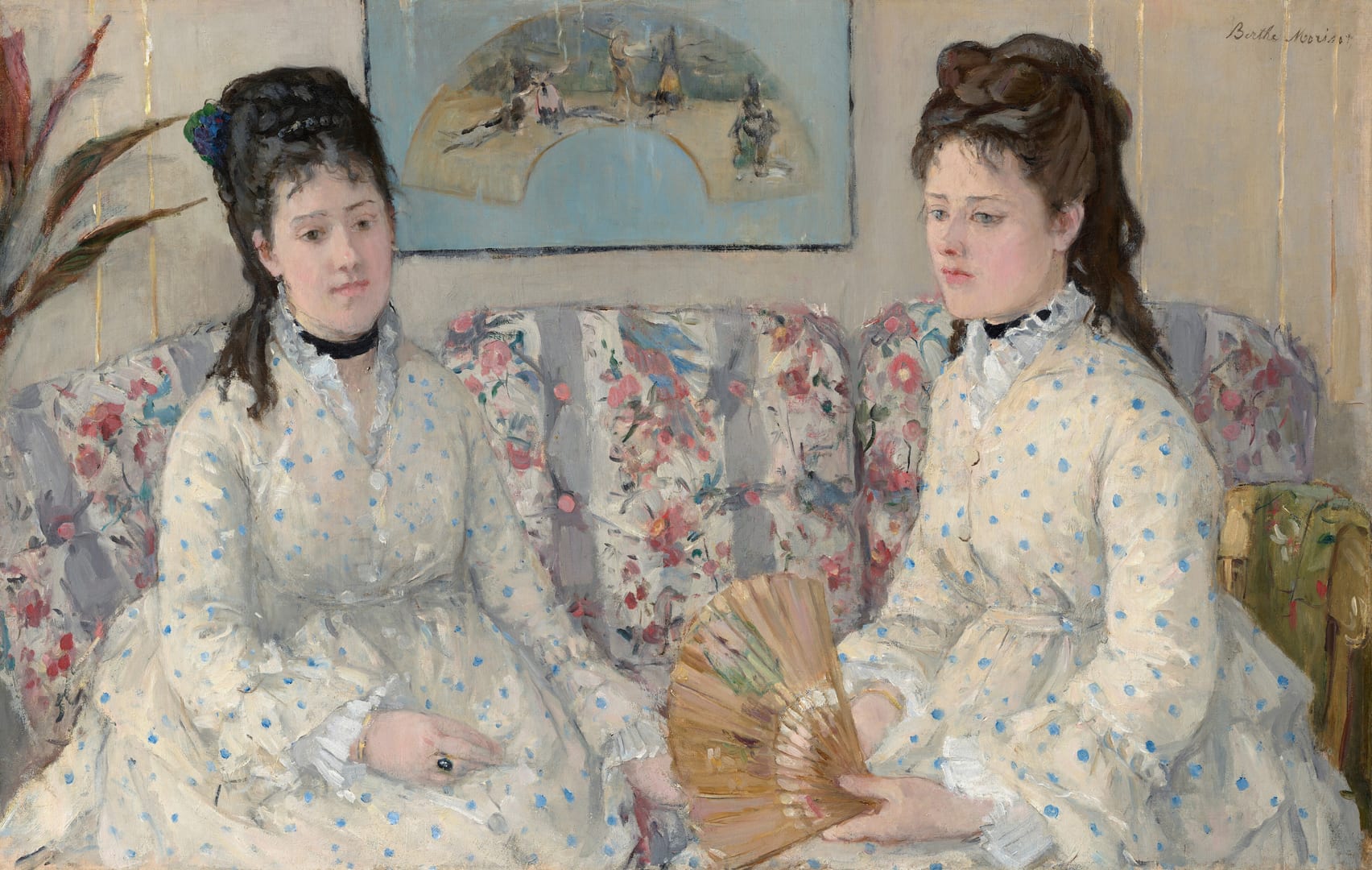
An artist’s recurring subject may eventually become strongly associated with their work.
Certain forms, places or figures begin appearing across years of paintings.
Viewers recognise the subject, but they may also begin recognising the artist’s particular way of handling it.
Repeated motifs can become part of a visual language.
This language may involve preferred colours, rhythms, gestures, compositions or materials.
A painter who returns frequently to the human figure might gradually develop a characteristic way of describing posture or expression.
Another who paints coastal landscapes may become interested less in geographical accuracy than in the relationship between land, sea and shifting weather.
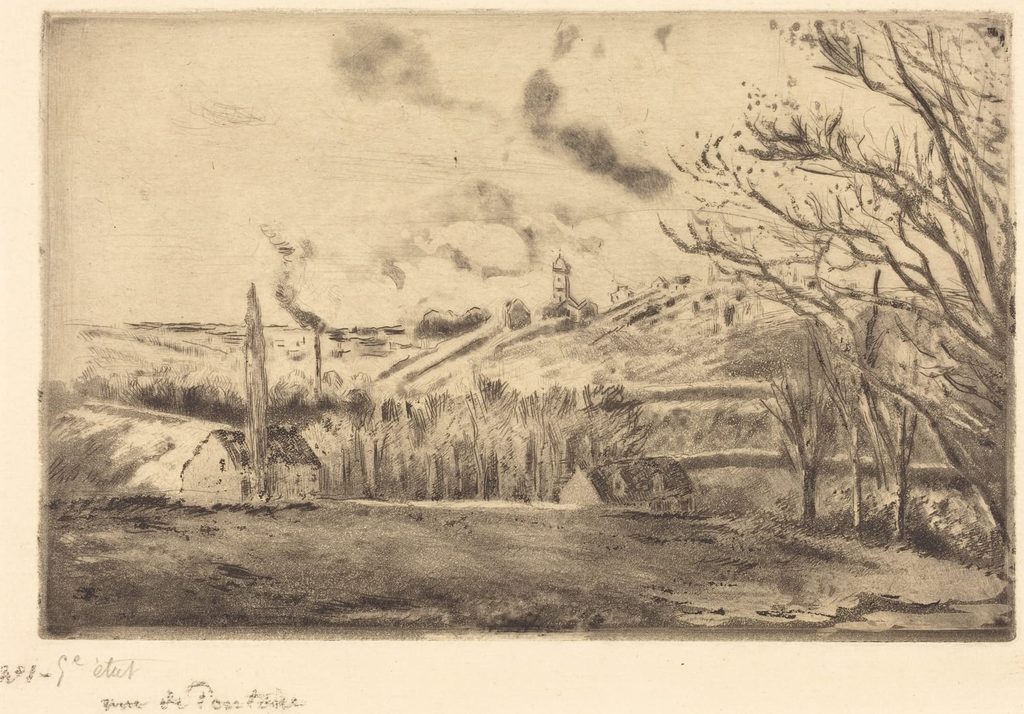
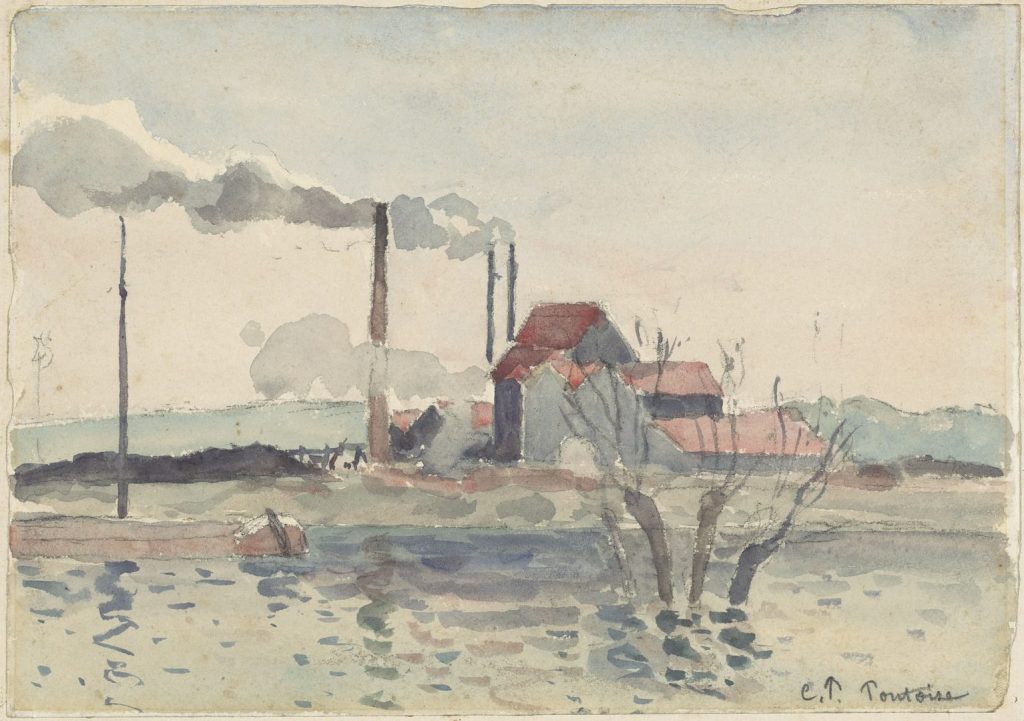
Over time, the repeated subject provides continuity through which changes in style become visible.
We can compare early and later works and see how the artist’s interests have developed.
Repetition, then, can be a way of recording artistic development.
The subject acts as a point of reference against which change can be recognised.
Memory Changes the Subject
Not every return to a subject is based on direct observation.
Some artists revisit places, objects or people through memory.
The difference between painting what is present and painting what is remembered can be substantial.
A remembered landscape may contain details that would be absent from a literal view. Its colours might be intensified, its proportions altered or its atmosphere shaped by emotional associations.
Returning to that landscape years later may produce another interpretation.
The place may have changed. The artist certainly has.
This helps explain why a repeated subject can carry personal significance without becoming repetitive in a conventional sense.
A painting made from memory is not necessarily an attempt to reconstruct an earlier experience perfectly.
It can be a way of examining what remains of that experience and how it has changed.
The familiar subject becomes a means of exploring time.
Repeated Subjects in Portraiture
Portrait artists also return to the same people.
A family member, friend, partner or long-term model may appear repeatedly across an artist’s work.
These portraits can reveal different aspects of a person, but they also record the changing relationship between artist and sitter.
One image may be formal and carefully composed. Another may be informal, with the figure appearing distracted or absorbed in an ordinary activity.
The subject is recognisably the same, yet the paintings may feel quite different.
Time plays a role here too.
Faces age, postures change and relationships develop.
A repeated portrait subject can provide continuity across an artist’s career while registering changes that would be difficult to understand from a single image.
It also raises an interesting question: is a portrait a record of how a person looks, or of how an artist sees that person at a particular moment?
A series of portraits makes the distinction harder to ignore.
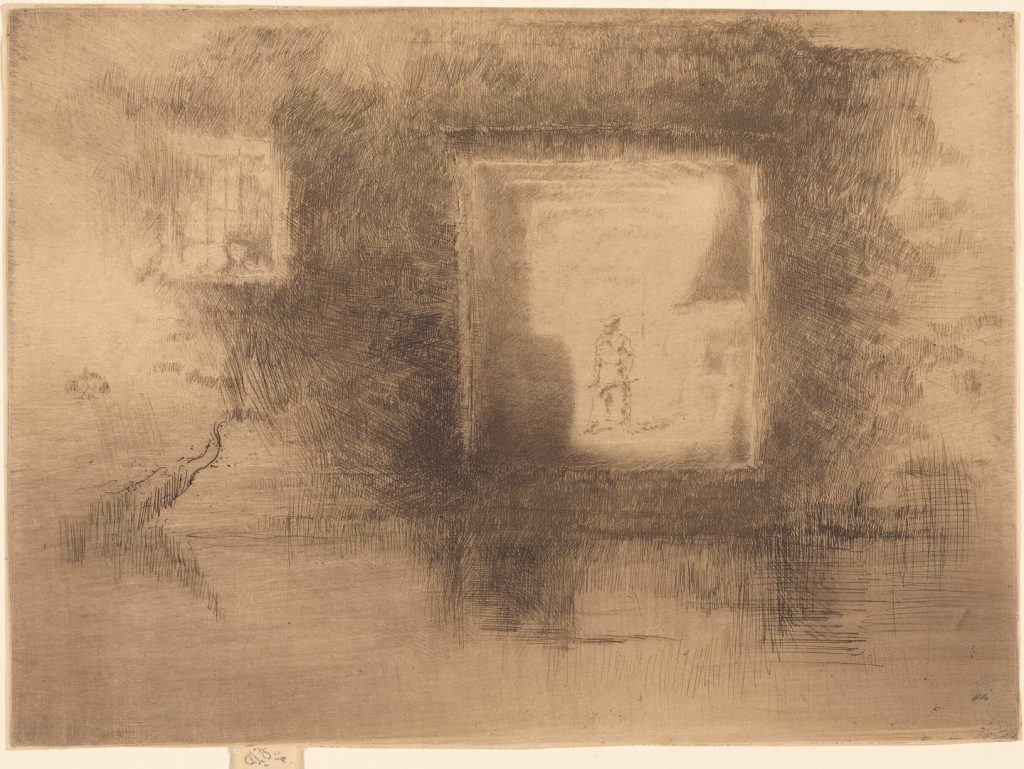
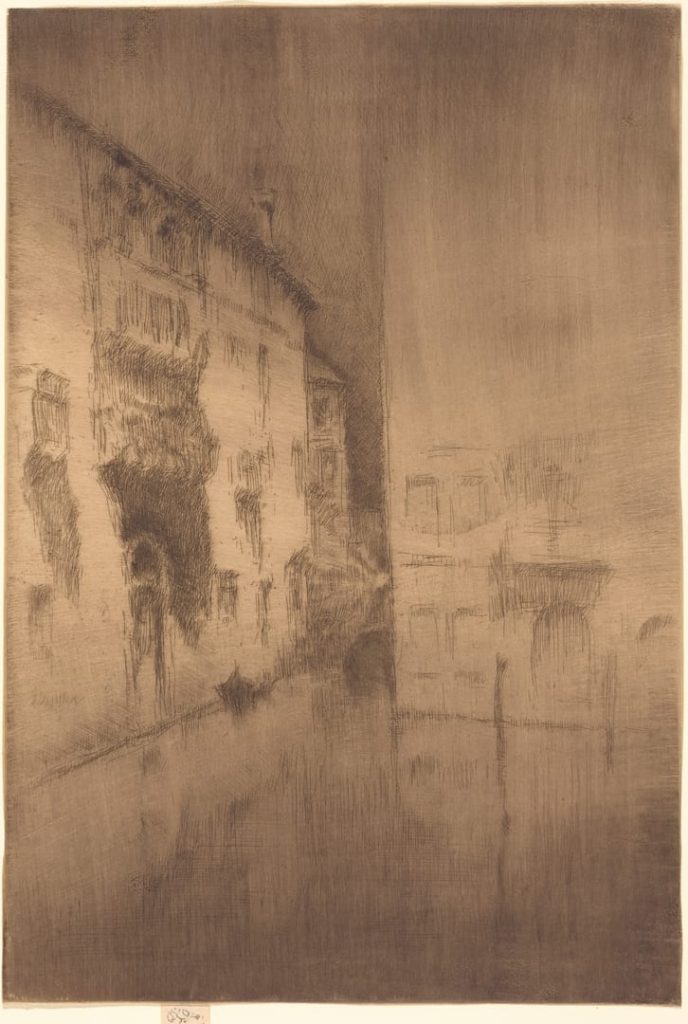
Repetition in Abstract and Contemporary Art
In abstract art, repetition may have little to do with depicting the same visible subject.
An artist might repeat a square, a line, a colour field or a particular gesture.
Each repetition can alter the relationship between forms.
A small change in scale may affect the whole composition. A repeated mark might produce rhythm across a surface. Slight variations in pressure or spacing can make apparently identical shapes feel different.
Repetition may also become part of the physical process.
An artist might work through a sequence of actions, applying, removing or layering material.
The repeated gesture can produce results that are not entirely predictable.
In other forms of contemporary art, repetition raises questions about reproduction, mass production, labour or the circulation of images.
Repeated images can make us consider what happens when something is seen too often, or whether an image changes in meaning through its context.
The same visual strategy can therefore serve very different purposes.
Repetition is not a style in itself.
It is a method that artists can use to investigate many kinds of questions.
Is Repetition a Sign That an Artist Has Run Out of Ideas?
Not necessarily.
It is possible for repeated work to become formulaic. An artist may repeat familiar choices without investigating anything new.
But that is not an inevitable consequence of returning to a subject.
The distinction lies partly in what each work contributes.
Does the artist examine a new visual problem?
Does the composition change?
Is there a different relationship between subject and material?
Does the repeated motif allow a development in technique, atmosphere or meaning?
These questions are more useful than simply counting how often a subject appears.
A painter who makes twenty versions of a landscape may be investigating twenty different visual problems.
Another artist might change subject matter constantly while relying on the same compositional habits.
Novelty of subject and originality of approach are not identical.
An unfamiliar subject does not automatically produce an interesting painting.
Equally, a familiar subject does not prevent a painter from discovering something new.
Why Repeated Subjects Can Be Interesting to Viewers
When several related works are displayed together, the viewer begins comparing them almost automatically.
We notice which elements remain consistent and which change.
A darker sky alters the atmosphere. A shift in viewpoint changes the relationship between foreground and distance. The removal of one object makes the empty space around the remaining forms more significant.
This can create a slower, more attentive way of looking.
Instead of asking which painting we prefer immediately, we begin considering what distinguishes them.
A group of related works can also reveal decisions that might go unnoticed in isolation.
A particular colour may appear incidental in one painting but become recognisable as a recurring concern across several.
An unusual composition may seem accidental until we notice that the artist has been investigating similar arrangements elsewhere.
For this reason, seeing several works by the same artist can deepen our understanding of an individual painting.
We begin to recognise the questions that connect the works.
How to Compare Paintings of the Same Subject
A useful way to explore repetition is to compare works slowly and deliberately.
Begin with the obvious similarities.
Identify the subject, viewpoint, major shapes and general composition.
Then look for changes.
Has the artist moved closer or further away? Has the light shifted? Does one image use a cooler palette? Are the brushstrokes broader or more controlled?
Consider the space around the subject.
In a still life, small changes in the arrangement of objects can transform the composition.
In a landscape, moving the horizon slightly can alter the relationship between land and sky.
Next, think about emphasis.
Perhaps one painting concentrates on the subject’s physical form, while another emphasises atmosphere.
Finally, consider how the works feel when viewed together.
Do they seem to belong to a single investigation? Do they mark different stages of an artist’s development? Do they challenge your initial understanding of the subject?
There does not have to be one correct interpretation.
The important thing is to notice that the differences may be as meaningful as the similarities.
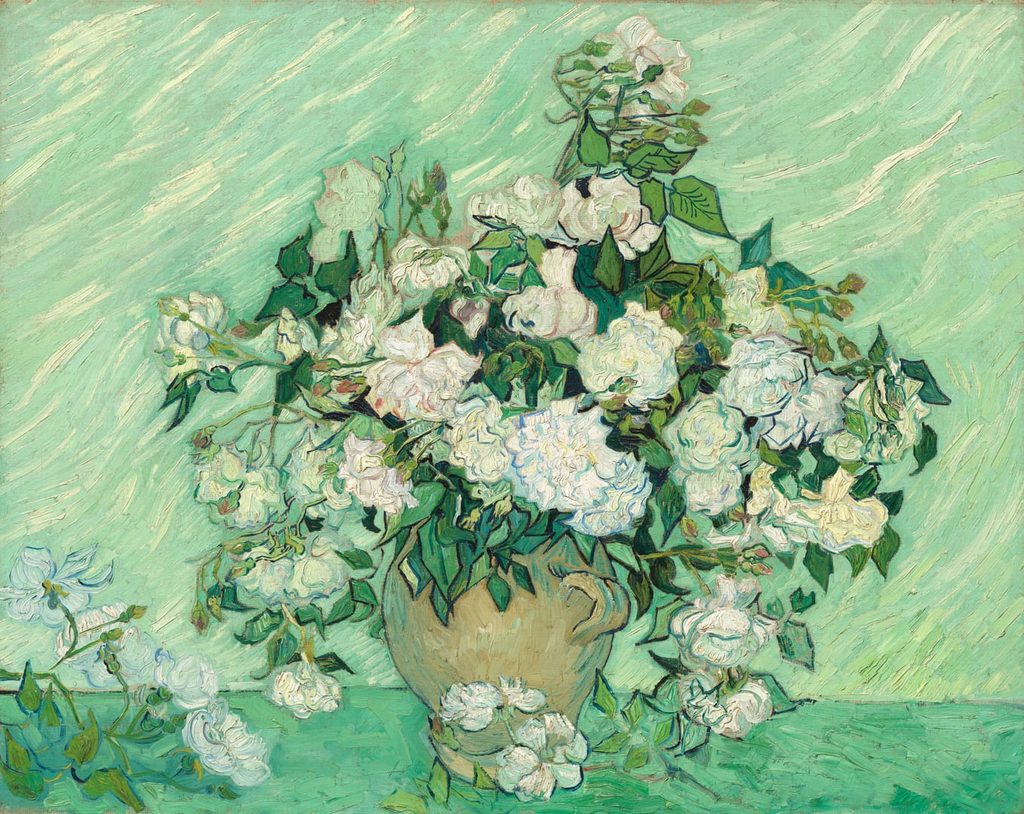
Why Some Artists Never Really Leave a Subject Behind
Sometimes a subject returns after a long absence.
A painter might revisit a landscape first painted decades earlier. The new work may be very different in scale, technique or composition.
Nevertheless, something about the subject still commands attention.
It may be connected to personal history. It may offer an unresolved artistic challenge. It may simply contain possibilities the artist has not exhausted.
This is especially interesting because artistic development is not always a movement away from earlier concerns.
An artist may return to an old subject with new materials, greater experience or a different understanding of what the image can do.
The return can expose how much has changed.
In this sense, repetition can be a way of measuring artistic time.
The subject remains a point of reference while the artist’s approach evolves around it.
Frequently Asked Questions About Repetition in Art
Why did Monet paint the same thing repeatedly?
Monet returned to subjects such as haystacks, Rouen Cathedral and water lilies to investigate changing light, colour and atmosphere. By depicting familiar motifs under different conditions, he could examine how perception changes over time.
What is a recurring motif in art?
A recurring motif is a subject, image, shape, symbol or visual element that appears repeatedly within an artwork or across several works by an artist.
What is a series of paintings?
A painting series is a group of works connected by a shared subject, idea, method or visual structure. Each painting can stand independently while also contributing to the larger group.
Why do artists paint the same landscape more than once?
Artists may revisit landscapes to observe changes in season, weather, light or viewpoint. They may also use the familiar subject to investigate composition, materials, memory or their own developing style.
Is repetition common in contemporary art?
Yes. Repetition appears in painting, printmaking, sculpture, photography, installation and conceptual art. It can establish rhythm, emphasise differences, explore a process or question the meaning of repeated images.
Can two paintings of the same subject be equally original?
Yes. Originality does not depend entirely on choosing a previously unused subject. Artists can produce distinct works through their observation, interpretation, materials, composition and handling.
Seeing Familiar Things Differently
A repeated subject can appear modest.
A bottle on a table. A particular mountain. A pond, a face or a view from a familiar window.
Yet the decision to return to that subject can lead to years of artistic investigation.
Repetition gives an artist time to discover differences that might escape a single encounter. It allows ideas to develop without requiring the constant introduction of new subject matter.
For viewers, it offers a similar opportunity.
When we see several works connected by a recurring motif, we can begin to recognise how much of an artwork depends on the artist’s choices rather than the subject alone.
The same landscape can become an investigation of light, structure or memory.
The same objects can create a different arrangement of space.
The same face can reveal changing time and attention.
An artist may return to a subject because it is familiar, but familiarity does not mean there is nothing left to discover.
Sometimes the more closely something is known, the more there is to see.
Leave a Reply