
No products in the cart.
Buy Landscape Paintings: How to Choose Contemporary Art
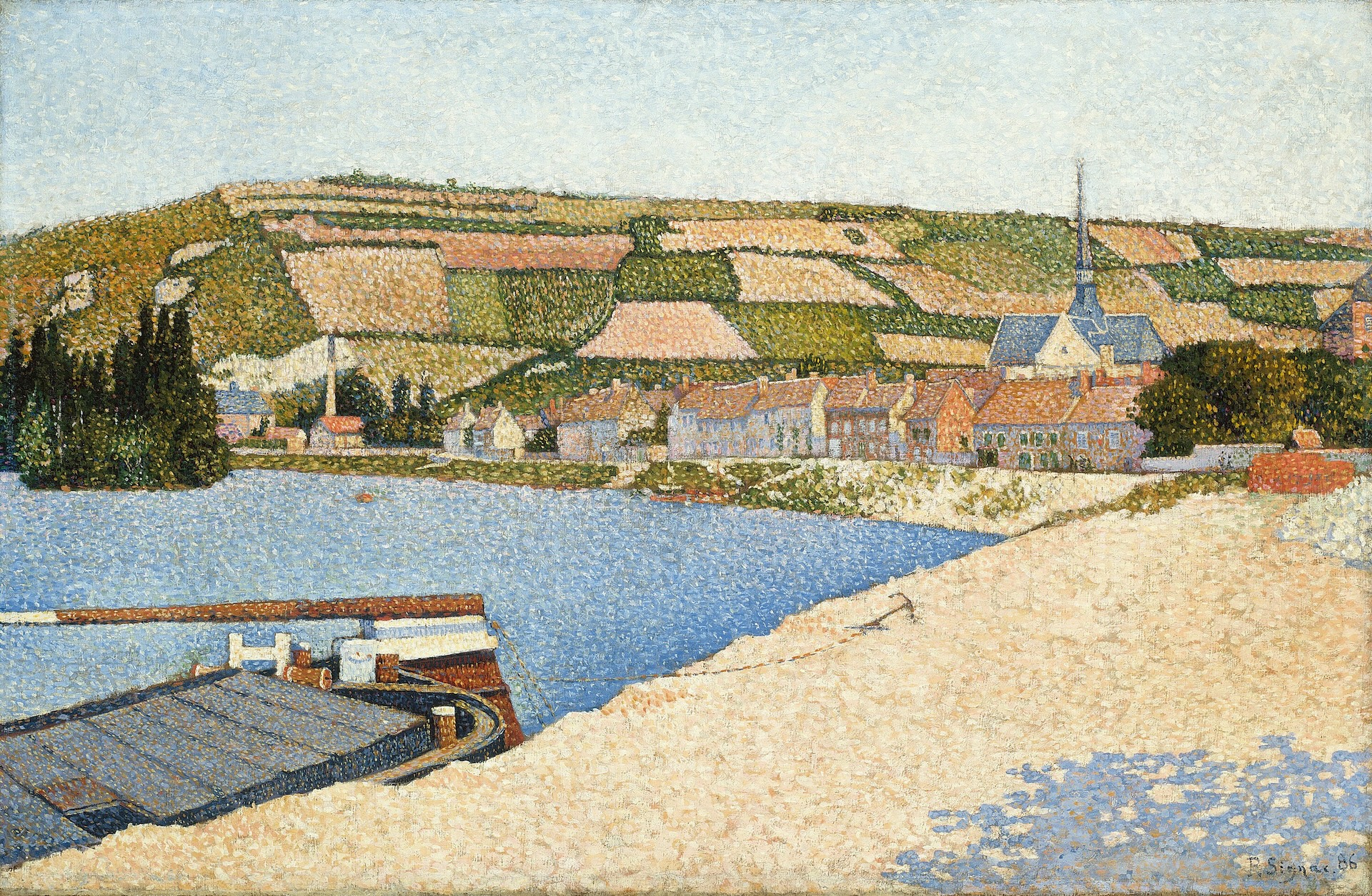
Imagine three artists standing on the same stretch of the Sussex coast.
One paints the scene exactly as it appears, carefully observing the cliffs, water and changing light.
Another is interested in the colours. The coastline becomes a series of broad shapes, with little concern for precise detail.
The third barely paints the landscape at all. Instead, the painting is built from the feeling of being there: wind, movement, distance and the particular quality of an overcast afternoon.
All three have made landscape paintings. Yet the results could hardly be more different.
This is what makes choosing contemporary landscape art so interesting.
You are not simply choosing a picture of somewhere beautiful. You are choosing how an artist sees and interprets a place.
If you are looking to buy landscape paintings, understanding the differences between subject, atmosphere, technique and artistic approach can help you find something that holds your attention long after the first impression.
What Makes a Landscape Painting Contemporary?
Landscape painting has existed for centuries, but contemporary artists continue to find new ways of interpreting the natural world.
A contemporary landscape painting does not have to be abstract, experimental or difficult to understand.
It may be a recognisable view of the South Downs, a windswept coastline or a quiet woodland path.
What makes the work interesting is the artist’s response to the subject.
Some painters work directly outdoors, observing changes in light and weather. Others develop paintings in their studios using sketches, photographs, memories or imagination.
Certain artists focus on the landscape’s physical appearance. Others are more concerned with its atmosphere, structure or emotional associations.
Contemporary landscape painting includes realistic, impressionistic, expressive and abstract approaches.
When choosing a painting, it helps to understand where your own interests lie.
Do you want to recognise the place immediately, or are you more interested in how the artist has interpreted it?
1. Start with the Landscape, but Look Beyond the Location
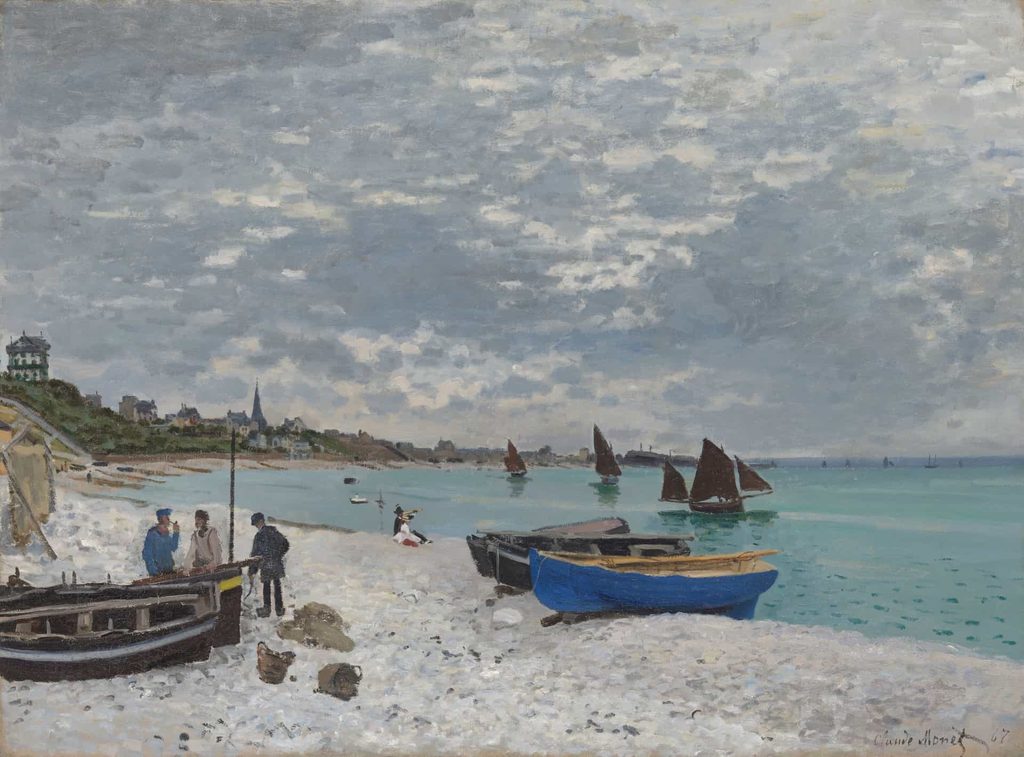
The subject is often what first attracts someone to a landscape painting.
Perhaps it depicts a coastline you visited as a child, a familiar stretch of countryside or a place you have always wanted to explore.
A personal connection can make an artwork particularly meaningful.
But a painting does not need to show somewhere familiar to be worth owning.
Imagine two paintings of the South Downs.
The first shows rolling green hills, a narrow footpath and a distant line of trees. The view is immediately recognisable.
The second uses bands of green, ochre and blue. The hills have been simplified, the perspective altered and the colours exaggerated.
Both depict the same landscape, but they offer different experiences.
The first may remind you of walking through the countryside. The second might capture something less literal, such as the rhythm of the hills or the openness of the landscape.
Neither approach is inherently better.
When comparing landscape paintings, ask yourself whether you are attracted to the actual place or to the way the artist has painted it.
If the location were unfamiliar, would the artwork still interest you?
That question can help distinguish a painting you genuinely enjoy from a picture you like mainly because of its subject.
2. Choose the Atmosphere You Want to Live With
Landscapes are constantly changing.
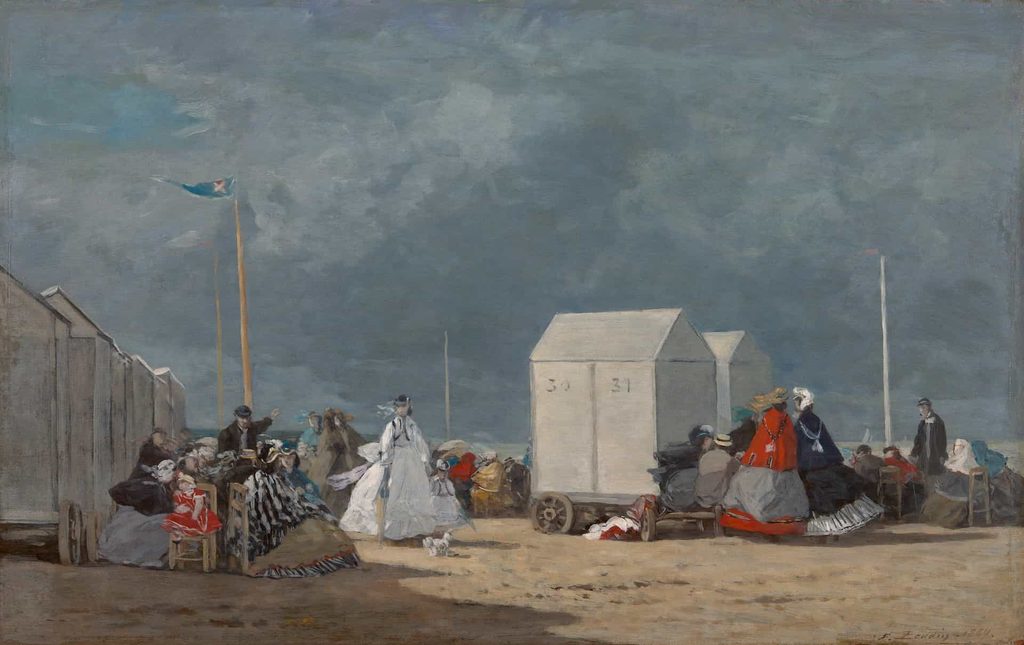
A field in the early morning can look entirely different by late afternoon. A familiar beach may feel peaceful in bright sunshine and almost unsettling beneath a heavy sky.
Painters often use these changes to create atmosphere.
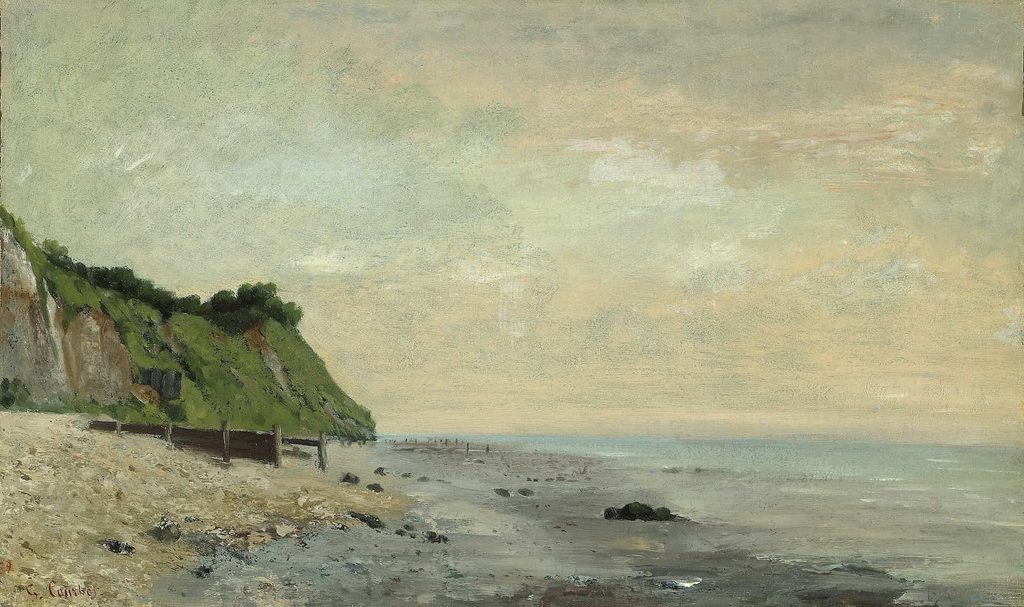
Consider a coastal landscape dominated by soft greys, pale blues and a low horizon.
It may suggest stillness, distance or the quiet of an empty beach.
Now imagine the same coastline painted with dark clouds, strong contrasts and energetic brushstrokes.
The second painting might communicate movement, tension or the force of the weather.
Neither needs to reproduce the scene exactly to make those qualities convincing.
Colour, light, texture and composition all contribute to the effect.
When choosing a painting, try to describe its atmosphere without naming the subject.
Is it quiet or energetic?
Open or enclosed?
Warm or cool?
Does it suggest the stillness before rain, the brightness of summer or the fading light of an autumn evening?
The answer may tell you more about why you like the painting than the location itself.
A useful test is to imagine seeing it on an ordinary winter afternoon, rather than under gallery lighting.
Would you still want to look at it?
3. Decide How Much Detail You Enjoy
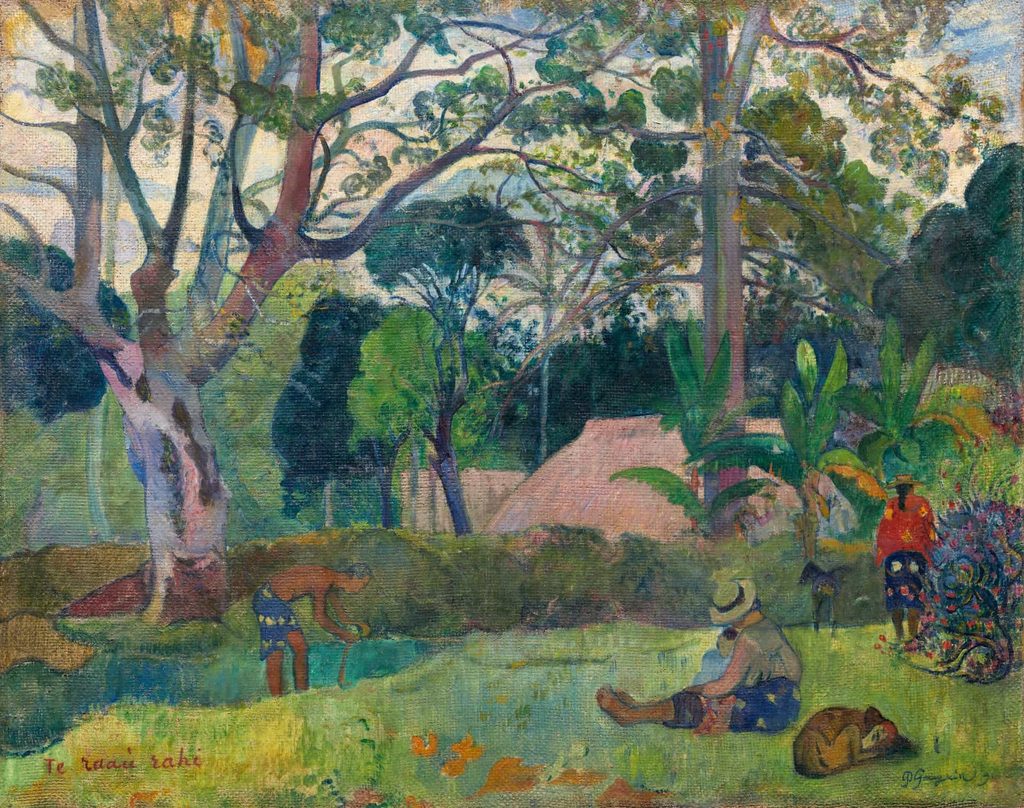
Contemporary landscape paintings sit across a broad spectrum, from carefully observed realism to almost complete abstraction.
Understanding this spectrum can help you recognise your own preferences.
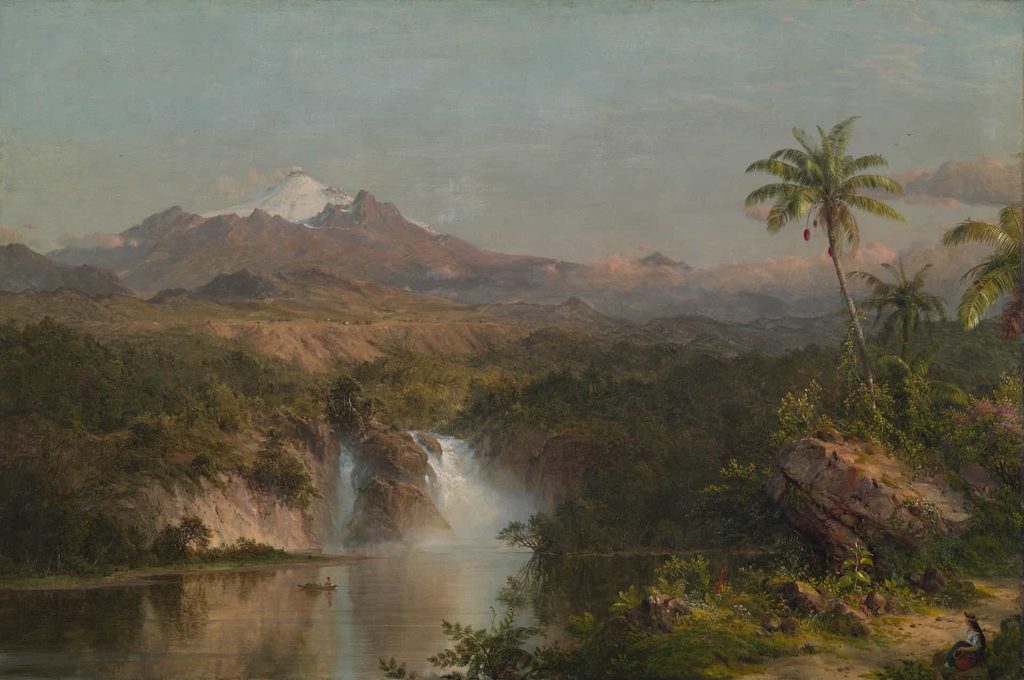
Realistic landscape paintings
Realistic paintings give considerable attention to recognisable features.
Trees, buildings, rivers and distant hills may be depicted with accurate proportions and carefully observed light.
These paintings can appeal to people who enjoy the particular character of a place.
However, realism does not necessarily mean photographic detail. An artist still makes decisions about what to include, what to simplify and where to direct your attention.
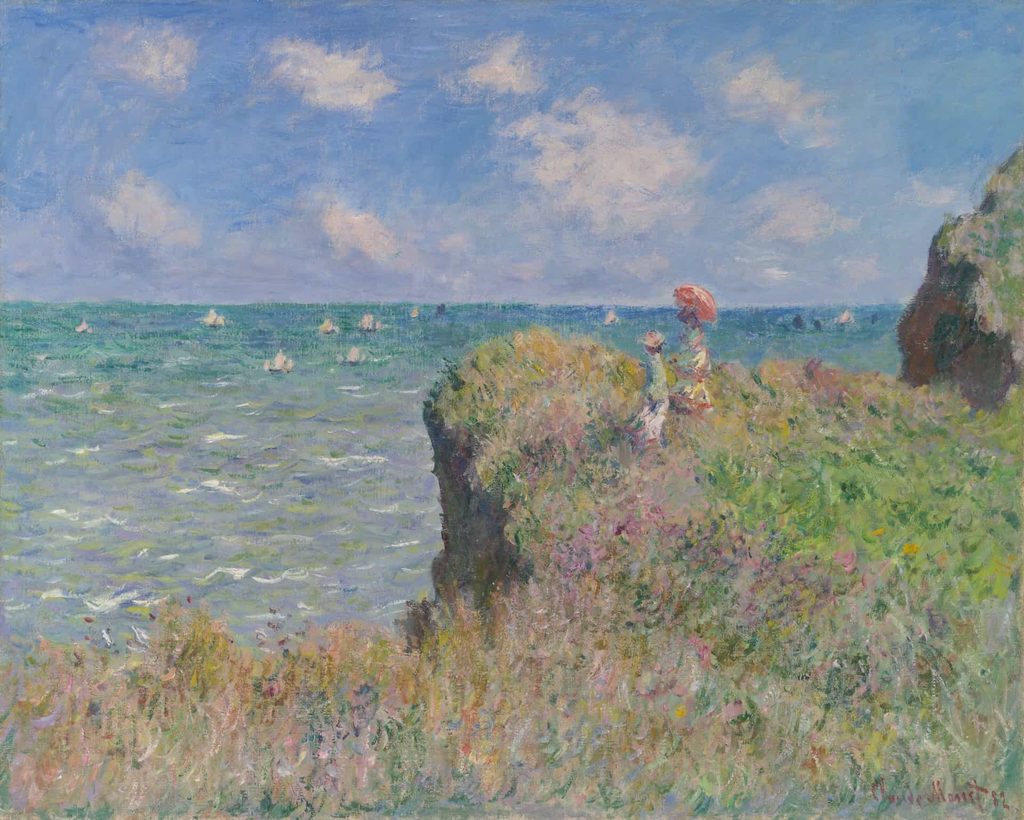
Impressionistic and expressive landscapes
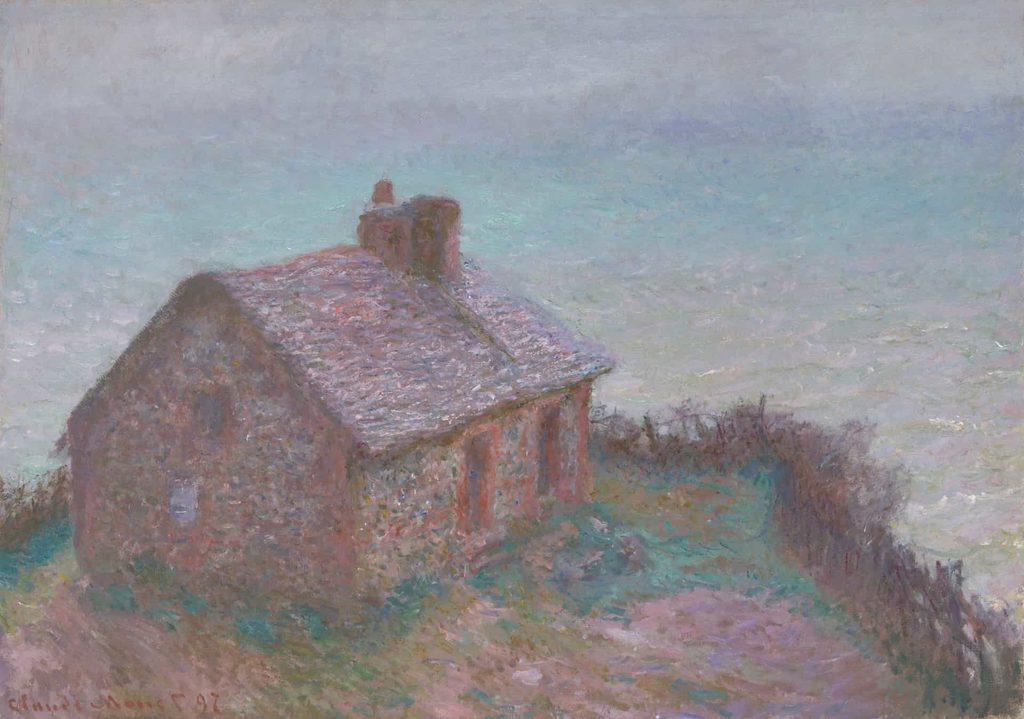
An impressionistic landscape often gives greater emphasis to light, colour and the immediate experience of looking.
Brushstrokes may remain visible, and small details may be suggested rather than described.
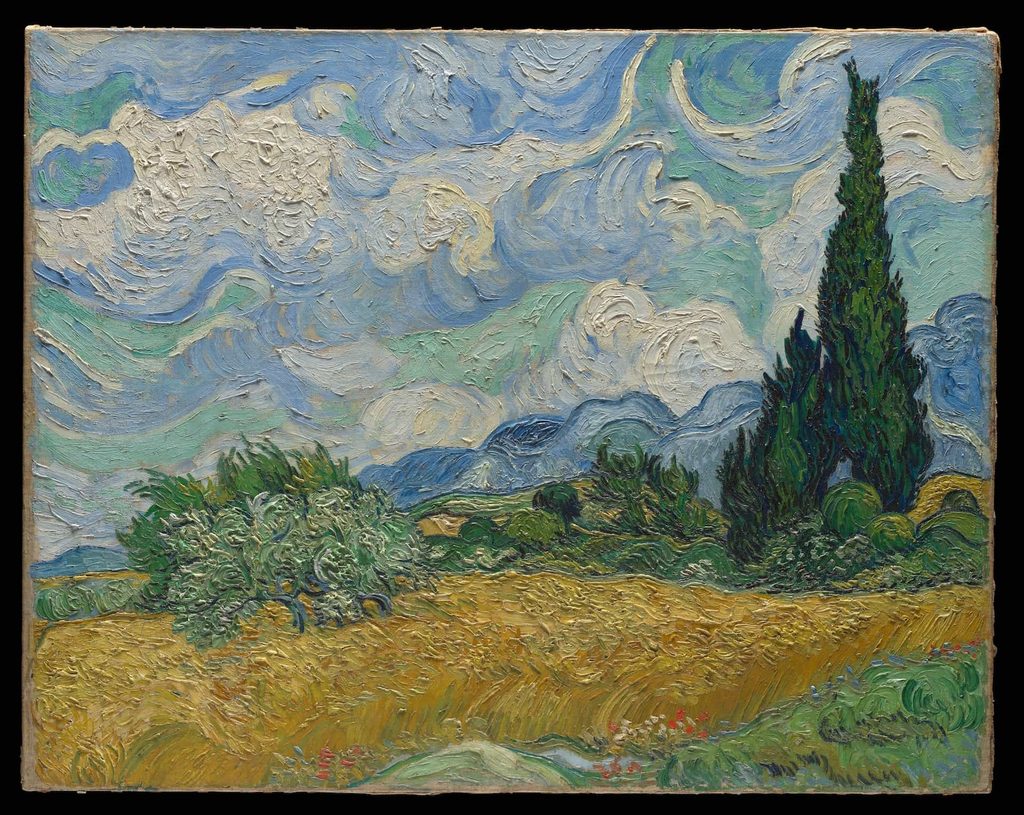
Expressive paintings can take this further, using exaggerated colour, energetic marks or altered forms.
A field might contain colours that were never literally present, yet still communicate the experience of walking through it.
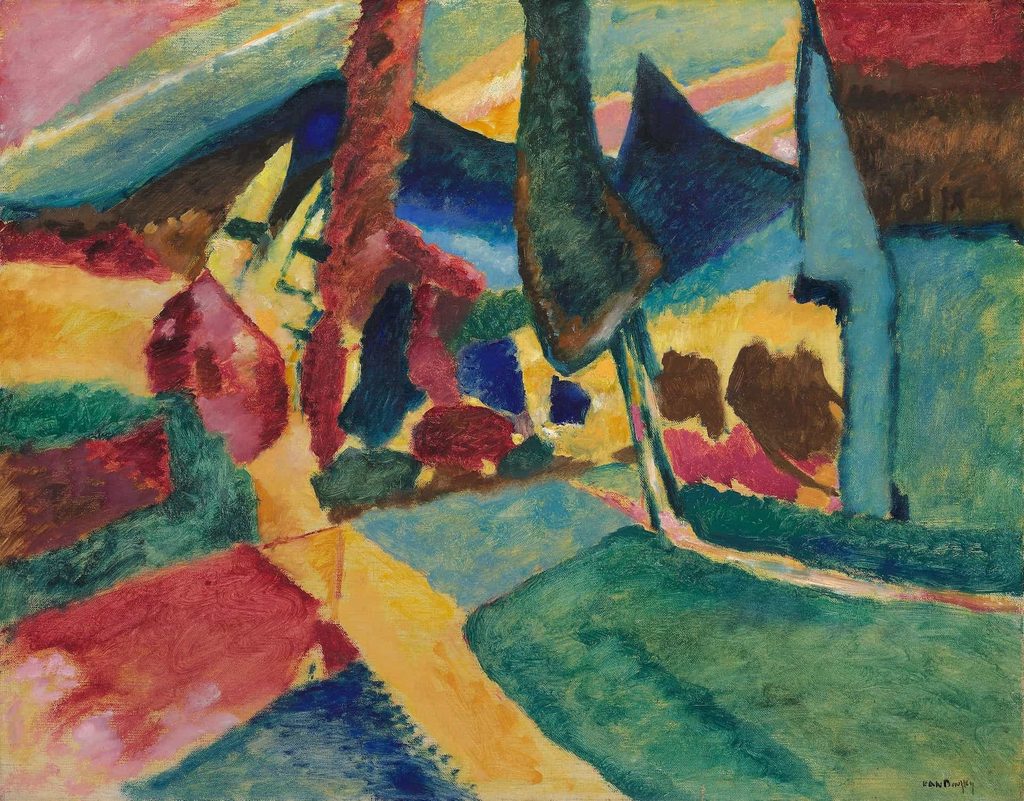
Abstract landscape paintings
Abstract landscape art may use only a few recognisable references to the natural world.
Horizontal bands can suggest land and sea. Layers of colour may evoke distant hills. Repeated marks might resemble trees, grasses or flowing water.
Sometimes the connection to a landscape becomes apparent only after you learn about the artist’s process.
When looking at abstract landscapes, try not to concentrate on identifying every shape.
Instead, notice the balance of colour, movement, space and texture.
You may discover that a painting with very little recognisable detail feels more connected to a familiar landscape than a carefully realistic view.
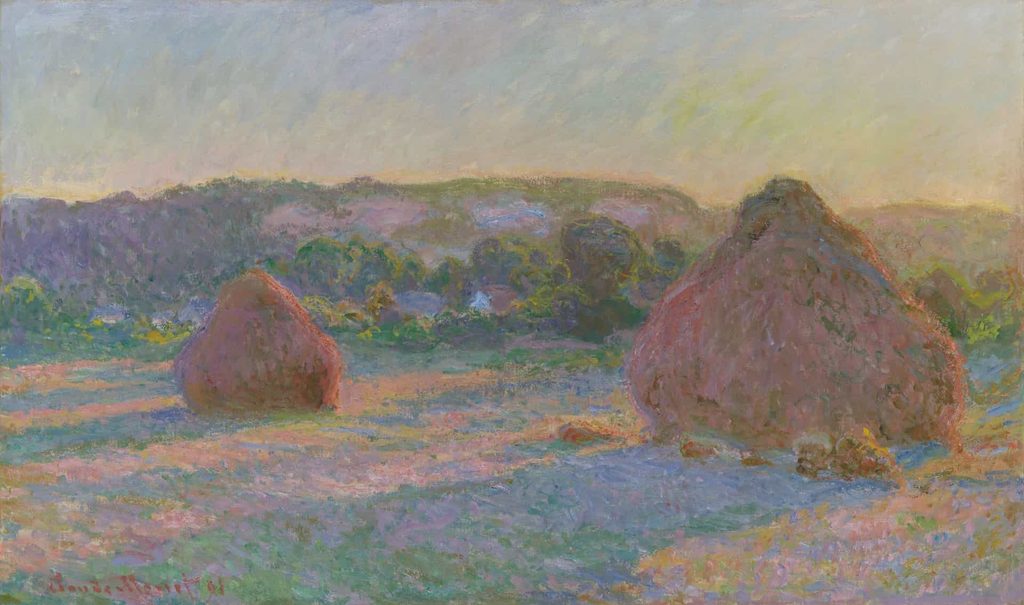
4. Pay Attention to Light, Weather and Season
Landscape painters often return to the same locations repeatedly.
Not because they have run out of places to paint, but because the subject changes.
A chalk hillside in January has a different character from the same hill in July.
Winter sunlight is low and can produce long shadows. Summer often brings stronger greens, warmer colours and different patterns of light.
After rain, a landscape may appear darker and more saturated.
Along the coast, cloud cover, changing tides and reflections can transform a view within hours.
Some artists are particularly interested in these temporary conditions.
They may work quickly outdoors to record an impression before the light changes.
Others make sketches and photographs, then develop a painting over several weeks.
As a buyer, think about whether a particular time of day or season attracts you.
You might find yourself repeatedly drawn to misty mornings, dark winter skies or the colours of late summer.
Recognising these preferences can make searching for original landscape paintings more rewarding.
Instead of looking for any painting of the countryside, you begin looking for the particular qualities that matter to you.
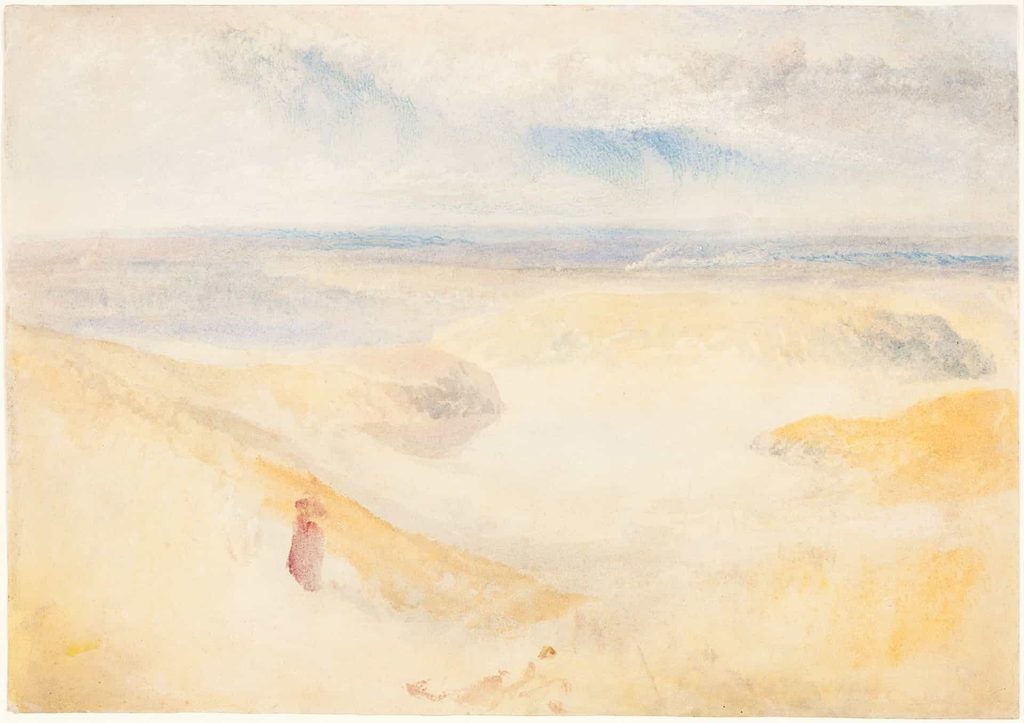
5. Understand What Different Painting Materials Offer
The medium can influence how a landscape looks and how you experience it.
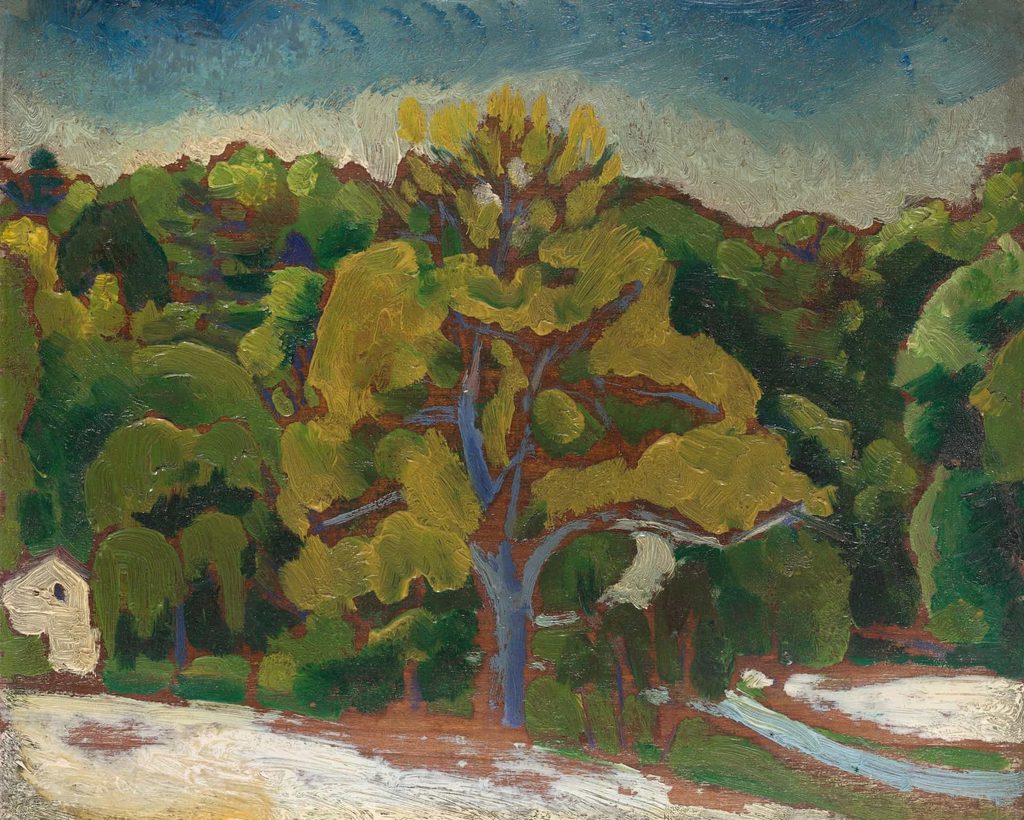
Oil landscape paintings
Oil paint allows artists to blend colours gradually, build layers and create a wide variety of surface effects.
Some oil landscapes have smooth transitions between tones. Others contain thick, visible brushstrokes that catch the light.
Look closely at how the paint has been applied.
The surface itself may be an important part of the artwork.
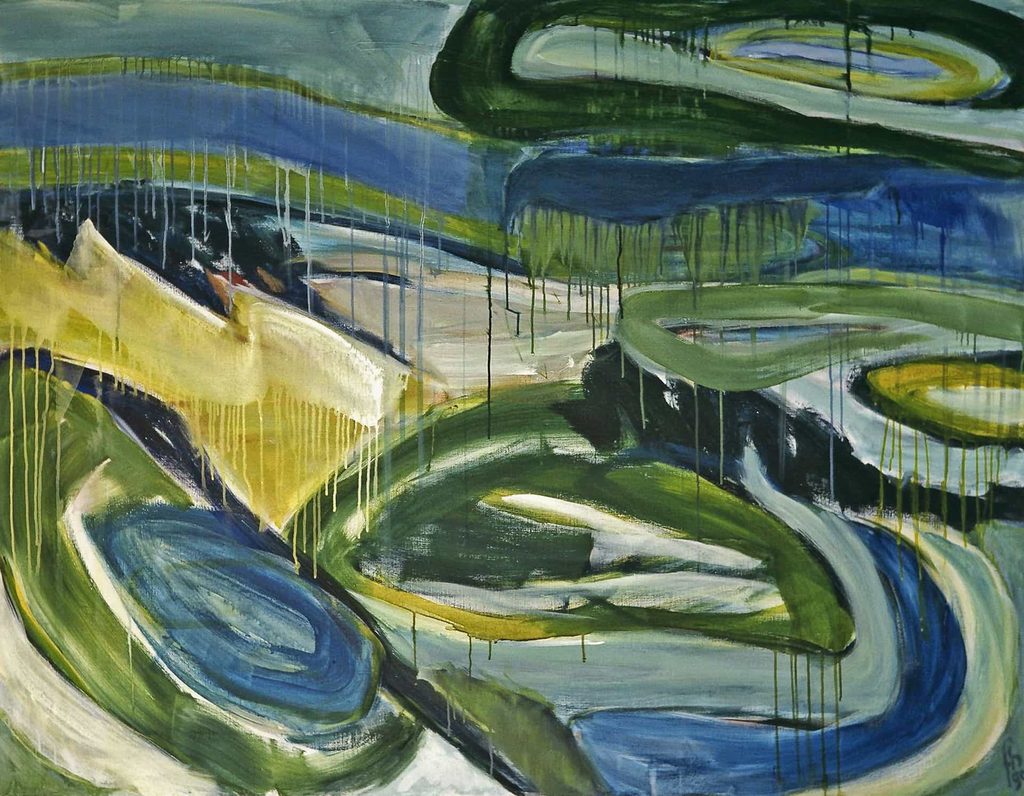
Acrylic landscape paintings
Acrylic paint dries relatively quickly and can be used in thin layers, solid blocks of colour or heavily textured applications.
It is particularly versatile, and contemporary artists use it for everything from precise realism to bold abstraction.
An acrylic landscape is not necessarily flatter, brighter or less detailed than an oil painting. Much depends on the artist’s technique.
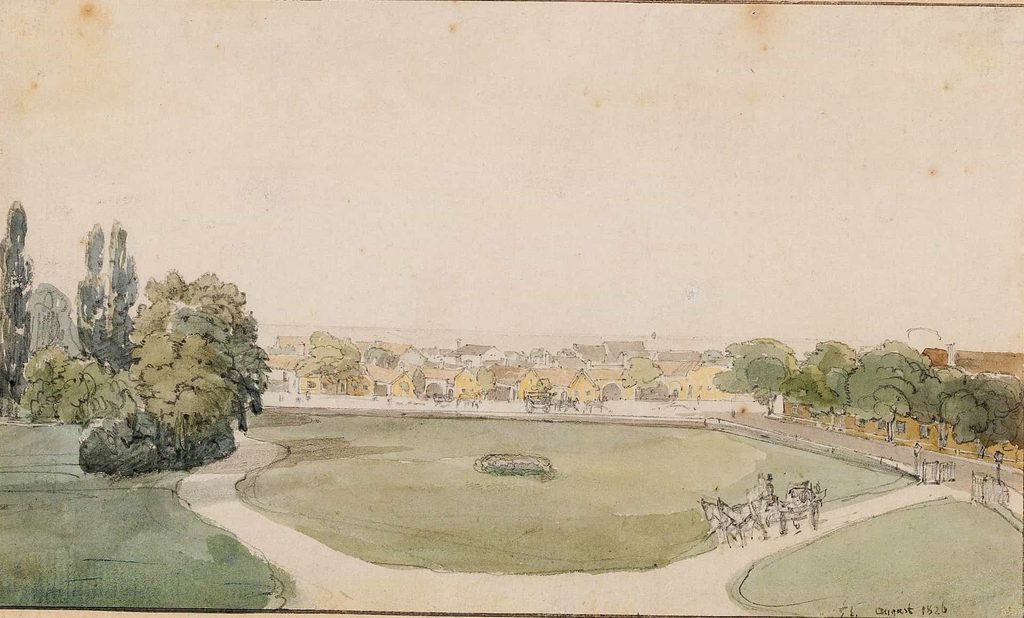
Watercolour landscapes
Watercolour often makes use of transparent washes and the white of the paper.
It can be especially effective for suggesting mist, reflections, distant hills and subtle changes in light.
The materials encourage a different kind of mark-making, where areas of untouched paper may be as important as the painted sections.
Original watercolours generally benefit from suitable framing and protection.
Mixed-media landscapes
Some contemporary artists combine paint with drawing, collage, ink or other materials.
They may build up, scrape back or partially obscure sections of the image.
These methods can give the work a physical complexity that is difficult to appreciate in photographs.
When buying original landscape art, ask what materials have been used and whether the artist considers the surface and texture important to the finished work.
6. Look at How the Artist Has Composed the Landscape
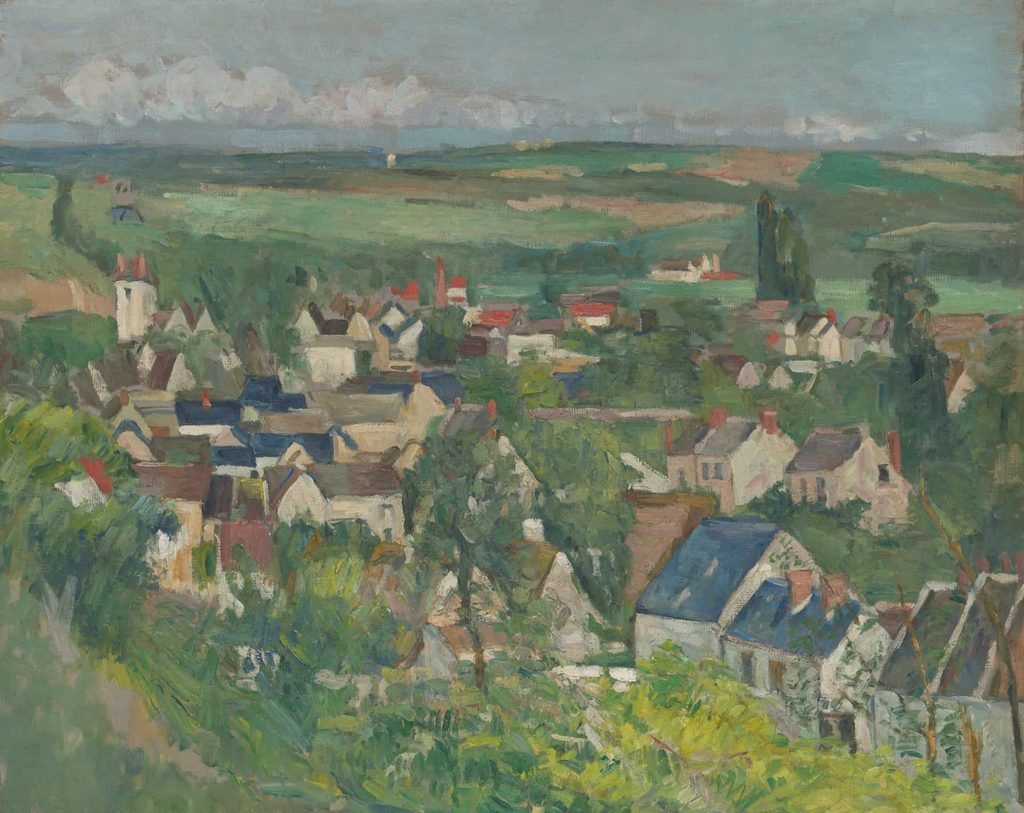
Two paintings can depict the same location, use similar colours and still produce entirely different effects.
Often, the difference lies in composition.
The horizon is a good place to begin.
A low horizon gives more space to the sky. This can emphasise weather, light and openness.
A high horizon brings more attention to the ground, perhaps revealing paths, fields, rocks or patterns in the landscape.
Now consider how your eye travels through the painting.
A winding river may lead you towards distant hills.
A path disappearing between trees can suggest movement into the scene.
A large dark shape in the foreground may make the distant landscape appear brighter.
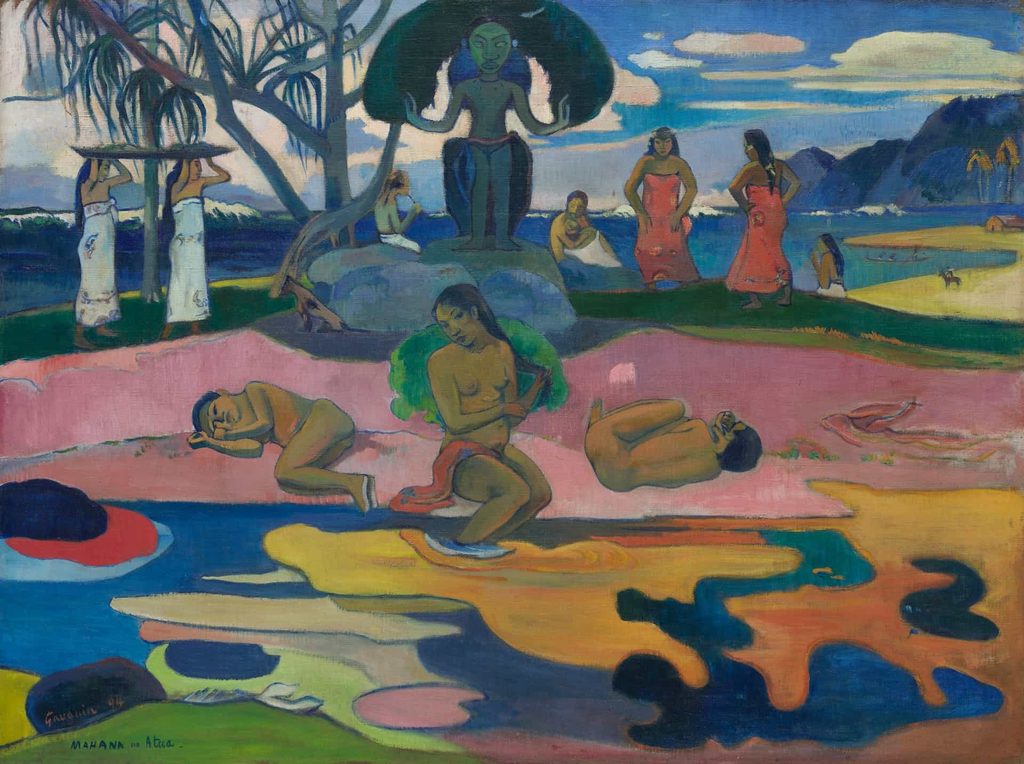
Some artists deliberately avoid traditional perspective. They flatten the view, simplify its forms or arrange the landscape almost as a pattern.
Try looking at a landscape painting from a few metres away.
Notice where your eye goes first.
Then move closer and examine how the artist has arranged the different parts.
A painting does not need a dramatic subject to be visually interesting. Sometimes its appeal comes from the relationship between a few carefully considered shapes.
7. Think About Scale and Where the Painting Will Hang
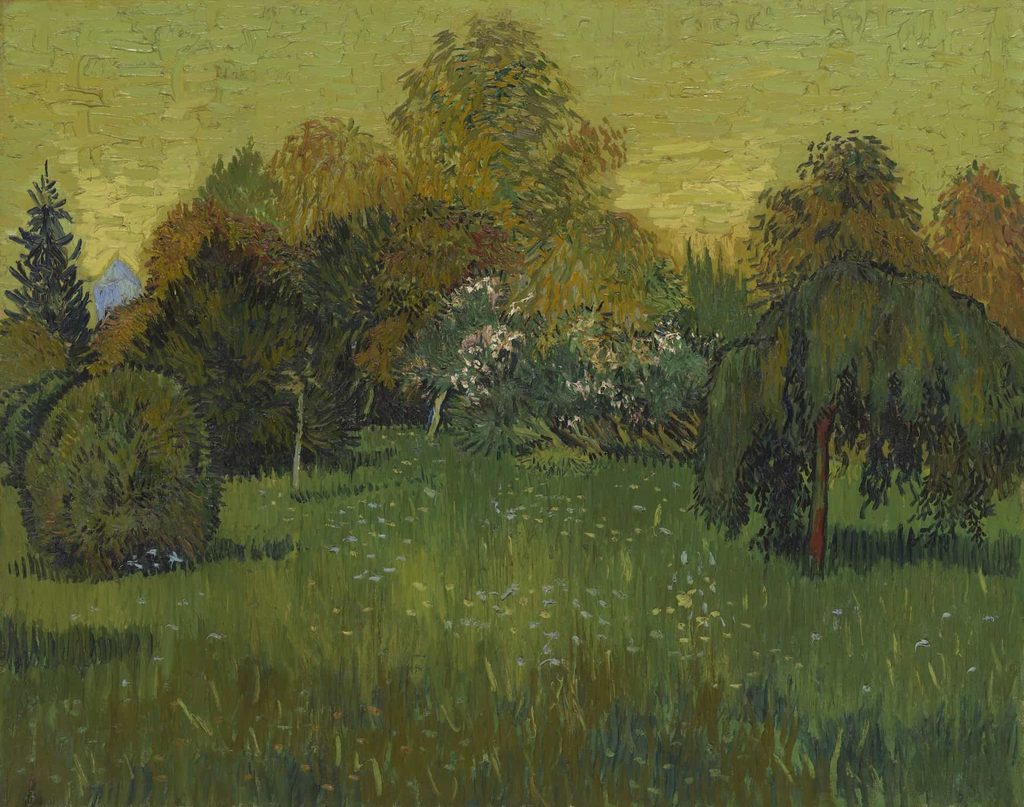
A small landscape can feel intimate.
It may encourage you to approach closely, noticing individual marks and subtle changes in colour.
A large painting can have a more immediate physical presence, particularly when its composition suggests a wide, open space.
But bigger is not always better.
A small oil study of a windswept field may be more compelling than a large canvas of the same subject.
Before buying, check the dimensions of the artwork and, if it is framed, the overall dimensions.
Measure the intended wall rather than relying on an impression of how much space is available.
You can mark out the approximate size with removable tape or paper.
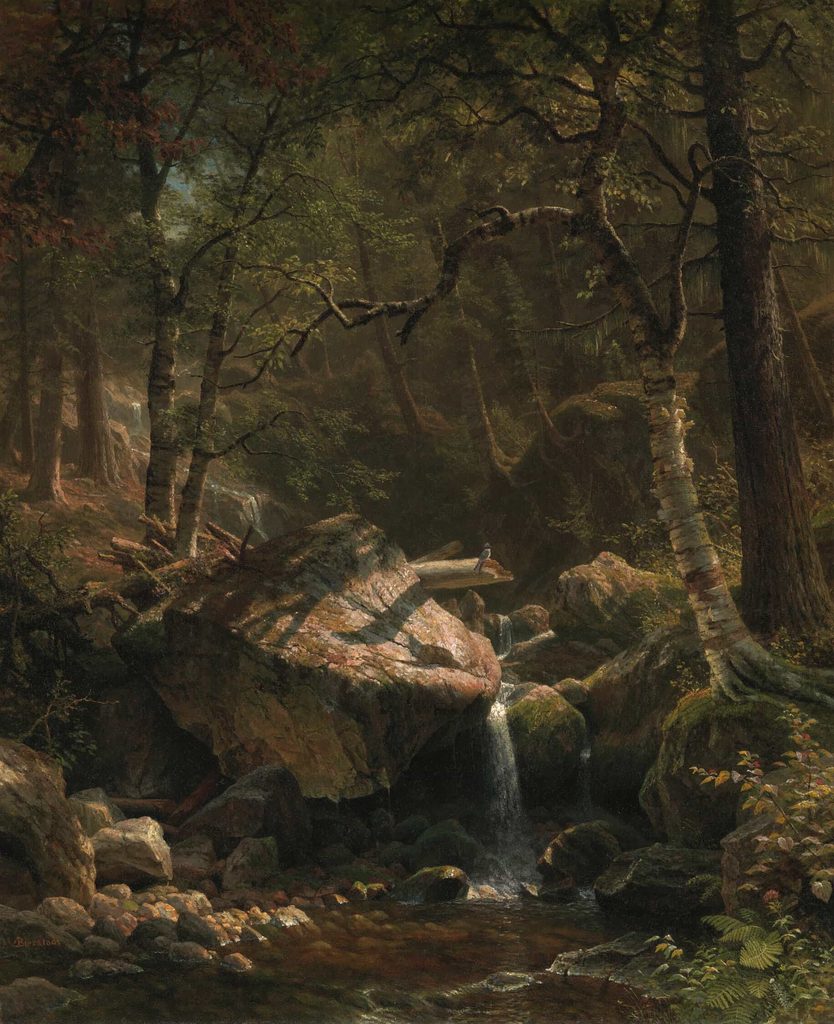
Consider the viewing distance as well.
A large painting needs sufficient space for you to appreciate its composition. A smaller work may be particularly effective somewhere you can see it closely.
Lighting also matters.
Strong direct sunlight can damage some materials over time, while reflections or uneven lighting may affect how you see the painting.
Try to choose a suitable position without allowing the room’s existing colours to dictate the artwork you buy.
Furniture and decoration can change.
A painting you genuinely enjoy may remain with you for many years.
8. Learn How the Artist Approaches the Landscape
One of the most interesting questions to ask about a landscape painting is how it began.
Was it painted outdoors, directly from observation?
Did the artist make a series of sketches before returning to the studio?
Was it developed from photographs?
Or is it a remembered landscape, assembled from different places and experiences?
These approaches can produce very different results.
Painting outdoors, often called plein air painting, allows an artist to respond directly to changing conditions.
Studio painting provides opportunities to reconsider the composition, develop layers and work over a longer period.
Some artists work almost entirely from memory.
Others combine observation, photography and imagination.
None of these methods automatically produces better art.
What matters is how the artist uses their chosen process.
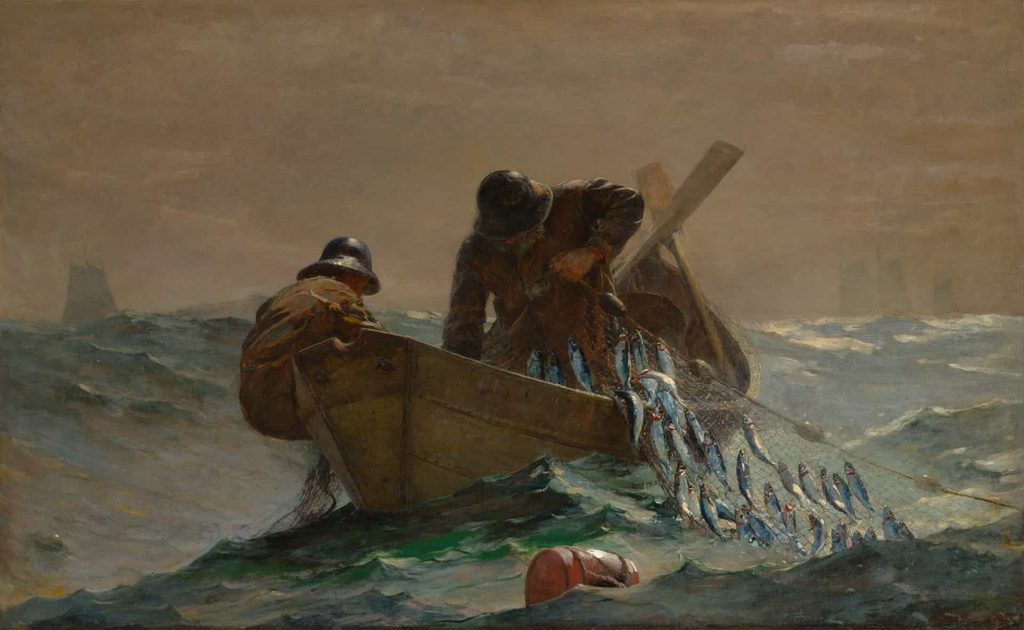
You may find that understanding the story behind a painting changes how you see it.
A seemingly simple landscape might belong to a series made over several years.
An abstract painting could have begun with repeated visits to one particular stretch of coastline.
Learning about the artist’s approach can help you appreciate the decisions behind the finished work.
9. What to Check Before Buying a Landscape Painting
Once you have found a painting you would like to own, there are a few practical details worth confirming.
Check the artist’s name, the title of the work, the medium and the dimensions.
Establish whether you are purchasing a unique original painting or a reproduction.
If the work is framed, ask whether the frame is included in the price.
Examine the condition, particularly the surface, edges and canvas or panel.
If purchasing online, request additional photographs showing texture, scale and the painting in natural light.
Ask about the artist’s background and whether the artwork belongs to a wider series.
Make sure you understand the full purchase price, delivery arrangements and any relevant returns terms.
Keep the invoice and any accompanying documentation.
If you are considering several paintings, compare them without concentrating entirely on price or size.
Which one continues to interest you?
Which one reveals something different when you return to it?
Which painting would you most regret missing?
These questions will not make the decision for you, but they can help you choose with greater confidence.
Frequently Asked Questions
What should I look for when buying a landscape painting?
Consider the subject, atmosphere, style, composition, medium and size. Look at the artist’s approach to the landscape and check the artwork’s condition, originality, framing and price before buying.
Are contemporary landscape paintings a good choice for a home?
They can be. Landscape paintings offer a wide variety of subjects, colours and styles, from quiet coastal scenes to energetic abstract compositions. Choose a work you enjoy looking at rather than one selected only to match the room.
Are abstract landscape paintings still considered landscapes?
Yes. Abstract landscape paintings can interpret natural forms, colours, light and space without depicting a recognisable location. Some retain identifiable features, while others suggest the experience of a landscape through colour and composition.
Is an original oil painting better than acrylic?
Neither medium is inherently better. Oil and acrylic have different working properties, but both can produce durable, detailed and expressive paintings. The artist’s technique, the quality of the work and its condition matter more than the medium alone.
Where can I buy original contemporary landscape paintings in the UK?
Independent art galleries, artists’ studios, open studio events, exhibitions and reputable online art platforms are all places to find original landscape paintings. Visiting a gallery allows you to examine the artwork’s texture, colour and scale before buying.
Finding a Landscape Painting You Want to Keep Looking At
A good landscape painting can change the way you remember a place.
A familiar coastline becomes something different through an artist’s choice of colour. An ordinary field takes on a particular atmosphere because of the light. A stretch of countryside you have never visited begins to feel strangely recognisable.
When choosing contemporary landscape art, the most useful question is not simply whether the scene is beautiful.
It is whether the artist has made you see something in it that you might otherwise have missed.
Look at the place, the atmosphere, the materials and the composition.
Learn something about the person who painted it.
Then return to the work itself.
The landscape may be familiar, but the painting should give you a reason to look again.
Leave a Reply