
No products in the cart.

Artist of History: Vincent van Gogh – Master of Emotion
Vincent van Gogh is one of the most recognisable names in art history, yet during his lifetime, he struggled with obscurity, financial hardship, and mental illness. His unique artistic style and emotional depth have made him a defining figure of modern art. His paintings, filled with swirling brushstrokes and bold, expressive colours, were ahead of their time and are now considered some of the most celebrated works in art history.
Though largely unrecognised in his lifetime, Van Gogh’s art is now displayed in world-renowned institutions, including the Museum of Modern Art in New York and the Van Gogh Museum in Amsterdam. His work continues to resonate because of the raw emotion he infused into his paintings, his deeply personal subject matter, and his innovative techniques that bridged the gap between impressionism and expressionism.
This blog explores Van Gogh’s life, from his struggles with mental illness to his artistic breakthroughs, his relationships with fellow artists, and his tragic end. It will also examine his most famous works and how they shaped the trajectory of modern art.
The Early Life of Vincent van Gogh
Vincent van Gogh was born in 1853 in the Netherlands into a deeply religious family. His father was a Protestant minister, and faith played a significant role in his early years. From a young age, Van Gogh showed an interest in drawing, often sketching rural landscapes and people. However, he struggled to find a clear direction in life and pursued several different careers before committing to art.
One of his earliest professional roles was as an art dealer for Goupil & Cie, a prestigious firm that sold artworks in The Hague, London, and Paris. While working in the London branch, Van Gogh became increasingly disillusioned with the commercial art world. His strong opinions on art and his growing emotional instability led to conflicts with his employers, ultimately resulting in his dismissal.
After leaving the art trade, Van Gogh turned to religion, following in his father’s footsteps. He worked as a missionary in Belgium, living among coal miners and preaching to impoverished communities. However, his unorthodox methods and extreme devotion—giving away all his possessions and living in poverty—concerned church officials, who eventually dismissed him from his post. Disheartened but still searching for purpose, he decided to dedicate himself entirely to painting at the age of 27.
Throughout his life, Van Gogh maintained a close relationship with his younger brother, Theo. Their correspondence, spanning nearly two decades, offers deep insight into Van Gogh’s thoughts, struggles, and artistic development. Theo, who worked as an art dealer, was one of Van Gogh’s greatest supporters, both emotionally and financially. These letters provide an intimate view of Van Gogh’s inner world, documenting his ambitions, frustrations, and evolving artistic vision. Read Van Gogh’s letters at the Van Gogh Letters Archive.
The Making of an Artist: Van Gogh’s Artistic Evolution
Van Gogh’s artistic journey was marked by continuous experimentation and deep emotional expression. His evolution as an artist can be traced through distinct periods, each influenced by his surroundings, personal struggles, and exposure to new artistic movements. From his early dark, earthy tones to the vibrant, swirling colours that defined his later work, his style underwent a dramatic transformation.
Early Works and The Dutch Period (1880-1885)
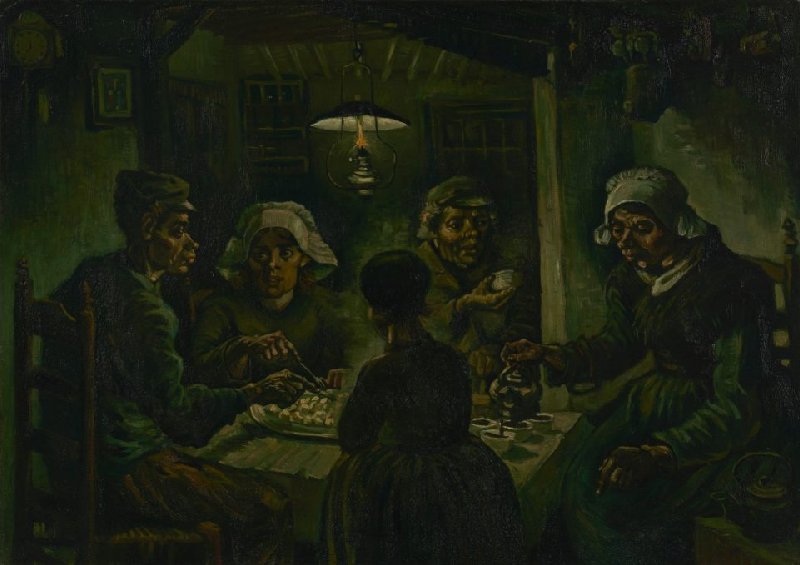
During the early 1880s, Van Gogh’s artistic focus was heavily influenced by Realism. He was deeply drawn to the working-class people of rural Europe, portraying their harsh lives with sincerity and empathy. His paintings from this period often featured sombre, muted tones, reflecting the difficult realities of his subjects.
One of his most significant early works, The Potato Eaters (1885), captures a family of peasants gathered around a dimly lit table. The painting is characterised by rough brushwork and an emphasis on raw, unidealised figures. It was Van Gogh’s first major attempt at storytelling through art, illustrating his deep concern for social issues. Despite its later recognition as a masterpiece, the painting was initially criticised for its dark colour palette and rough execution. Explore The Potato Eaters at the Rijksmuseum.
Paris and the Influence of Impressionism (1886-1888)
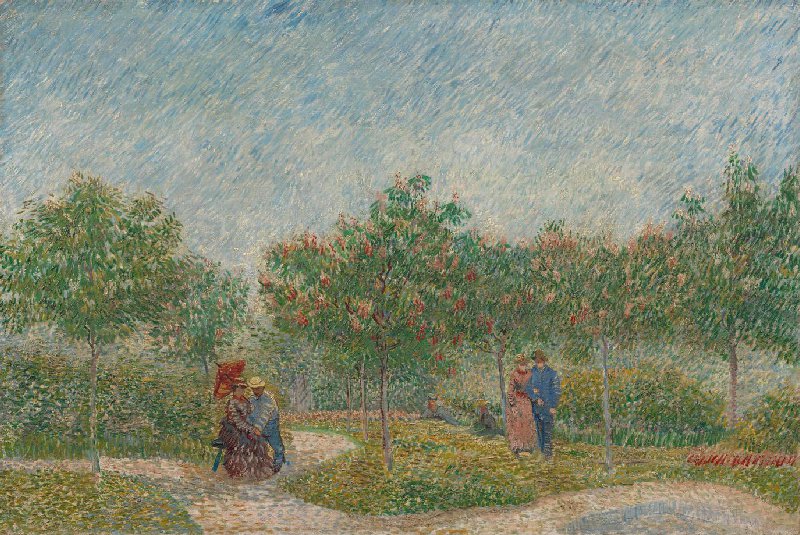
In 1886, Van Gogh moved to Paris, where he was introduced to the world of Impressionism and the emerging Post-Impressionist movement. During this time, he met artists such as Émile Bernard and Paul Gauguin, who encouraged him to experiment with lighter, more expressive colours and dynamic brushwork.
Exposure to the works of Impressionist painters like Claude Monet and Edgar Degas significantly altered Van Gogh’s artistic approach. He abandoned the dark, moody tones of his earlier paintings and instead adopted a brighter palette with delicate yet energetic strokes. His subjects expanded to include Parisian cafés, bustling streets, and still lifes infused with a newfound vibrancy.
It was during this period that Van Gogh developed his signature expressive style, incorporating bold outlines and swirling motion into his compositions. He also began experimenting with complementary colours, layering them to create striking contrasts that would later define his most famous works.
Van Gogh’s Self-Portraits: A Glimpse into His Psyche
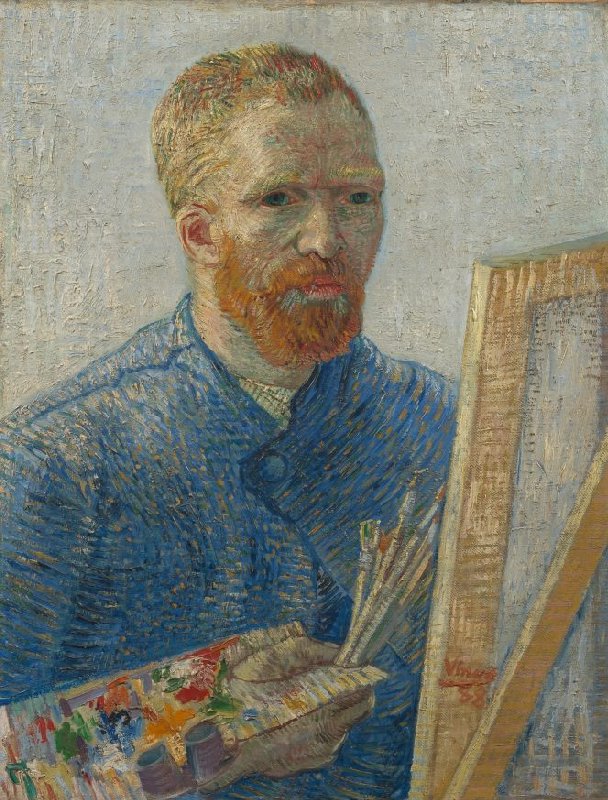
Throughout his career, Van Gogh painted over 30 self-portraits, offering a deeply personal insight into his emotional state. His self-portraits range from intense, introspective studies to expressive, almost tortured representations of his mental struggles.
These works were not merely self-reflective exercises but also a means of practice and artistic development. Lacking the funds to hire models, Van Gogh often used himself as his subject, continuously experimenting with colour, texture, and technique. The self-portraits also serve as a visual diary of his psychological battles, revealing his moments of hope, frustration, and despair.
His striking Self-Portrait with Bandaged Ear (1889), painted after his infamous ear injury, is one of the most recognisable images in art history. It captures both his resilience and fragility, reinforcing the deep connection between his personal life and his artistic output.
The South of France and Van Gogh’s Most Iconic Works
By 1888, Van Gogh was growing restless with the fast-paced life of Paris and longed for a new environment that would inspire him. He set his sights on the south of France, a region known for its vibrant light, rich colours, and peaceful landscapes. His move to Arles marked a turning point in his career, leading to some of his most famous and emotionally expressive paintings.
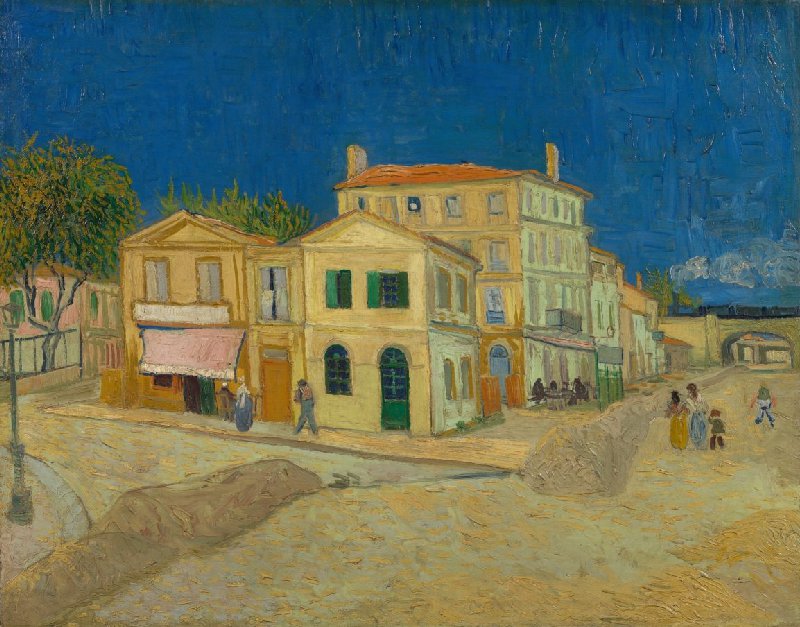
Move to Arles and The Yellow House (1888)
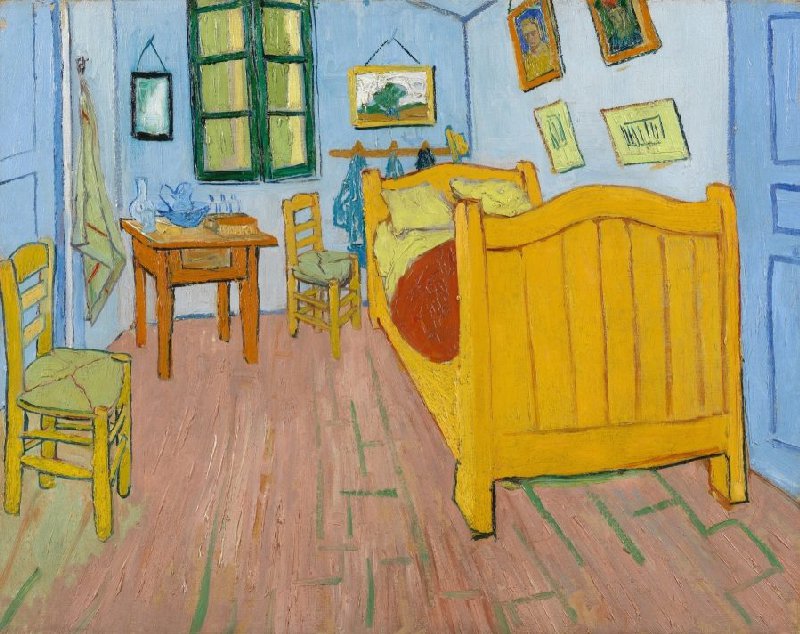
In early 1888, Van Gogh left Paris for Arles, hoping to escape the grey skies of the city and immerse himself in the warmth of the Mediterranean. He envisioned Arles as the perfect place to establish an artistic retreat, where like-minded painters could work together in harmony.
Van Gogh rented a modest home, later known as The Yellow House, which he painted in a bright, joyful palette to reflect his optimism about the future. The painting The Yellow House (1888) captures the charm of the sunlit streets and the sense of possibility he felt upon arriving.
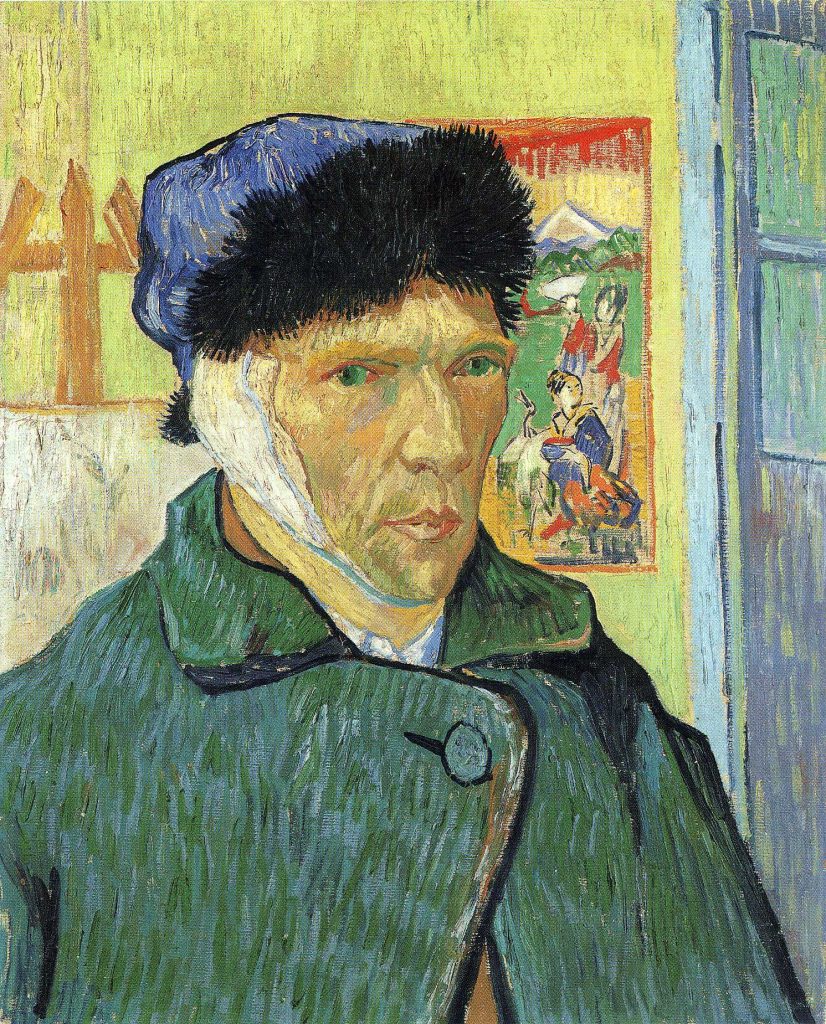
Paul Gauguin and the Infamous Ear Incident
Determined to bring his vision of an artist’s community to life, Van Gogh invited Paul Gauguin to join him in Arles. At first, the two artists engaged in deep discussions about colour, technique, and artistic philosophy. However, their contrasting personalities led to frequent arguments.
Their time together culminated in one of the most infamous incidents in art history—Van Gogh’s self-mutilation of his ear. After a heated dispute with Gauguin in December 1888, Van Gogh, in a state of extreme distress, cut off part of his own ear. He later wrapped it in paper and presented it to a woman at a local brothel, a disturbing act that signified his deteriorating mental state.
The incident marked the beginning of a downward spiral, leading to multiple hospitalisations and further isolation.
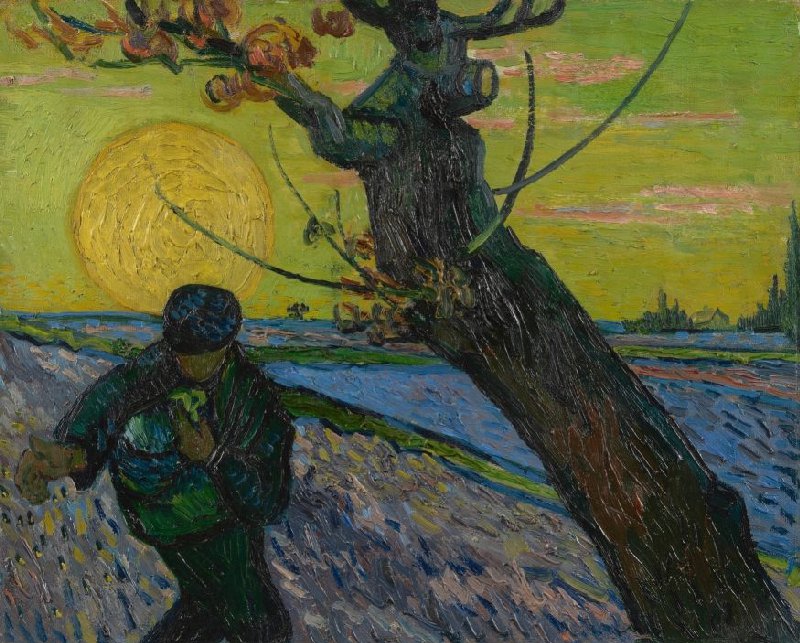
Masterpieces from Arles and Saint-Rémy
Despite his struggles, Van Gogh’s time in the south of France was also a period of incredible creativity. Some of his most famous works were painted during this time, capturing the unique vibrancy and movement that defined his later style.
- Van Gogh Sunflowers series – These paintings, created as decorations for Gauguin’s arrival, feature rich, swirling yellows that symbolise warmth and hope. See Sunflowers at the National Gallery in London.
- Café Terrace at Night – Painted in Arles, this piece captures Van Gogh’s fascination with night scenes, featuring a glowing café illuminated against the dark sky. View Café Terrace at Night at the Kröller-Müller Museum in the Netherlands.
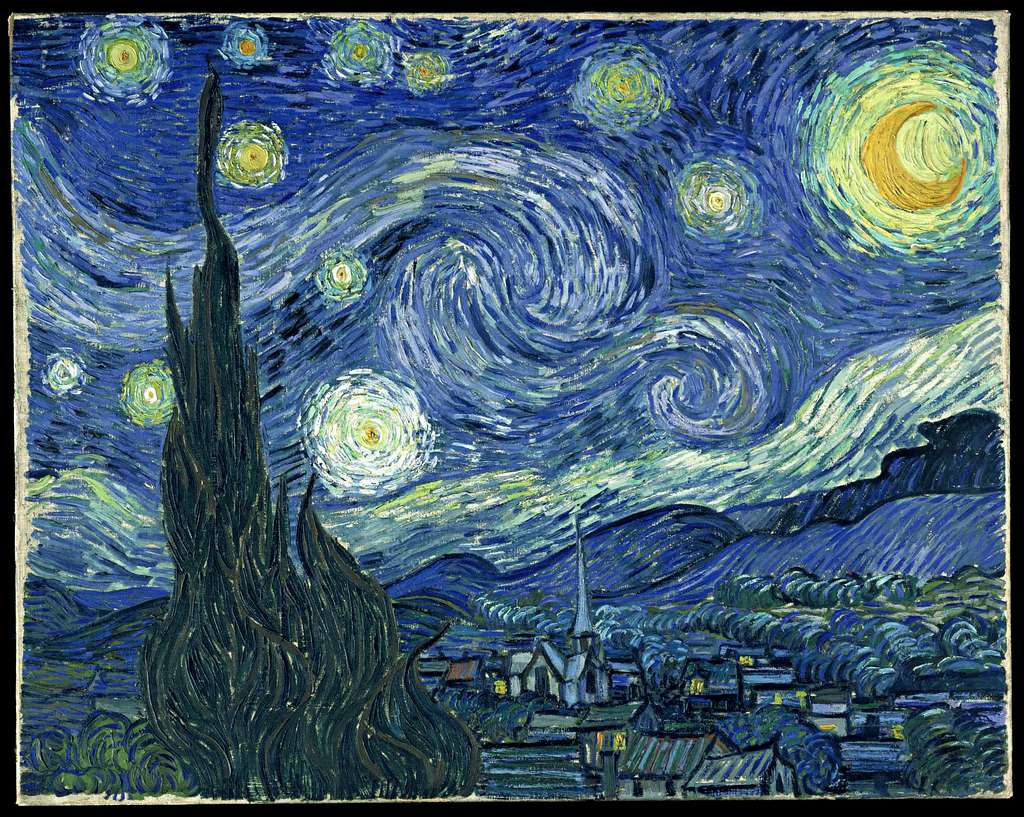
- Starry Night (1889) – Perhaps Van Gogh’s most iconic painting, this work was created while he was voluntarily committed at the Saint-Paul-de-Mausole psychiatric hospital. The swirling sky and luminous stars reflect his emotional turbulence. See Starry Night at the Museum of Modern Art New York.
Struggles with Mental Health and Final Years
By 1889, Van Gogh’s mental health had deteriorated significantly. Following a series of breakdowns, including the infamous ear-cutting incident, he made the decision to voluntarily admit himself to a psychiatric hospital. Despite his struggles, this period was one of intense creativity, with many of his most famous works emerging during his final years.
Saint-Rémy and Time in Psychiatric Hospitals
Van Gogh was admitted to Saint-Paul-de-Mausole, an asylum in Saint-Rémy-de-Provence, where he spent a year under medical supervision. Though he battled depression and hallucinations, he continued to paint prolifically, producing over 150 works during his stay. His surroundings became his inspiration, as seen in his depictions of the hospital’s gardens, nearby wheat fields, and the famous swirling skies of Starry Night.
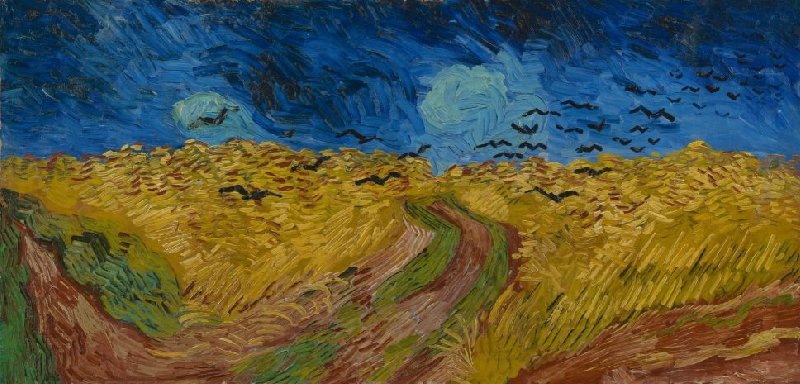
Move to Auvers-sur-Oise (1890)
Hoping for a fresh start, Van Gogh left Saint-Rémy in May 1890 and moved to Auvers-sur-Oise, a village near Paris. He was placed under the care of Dr. Paul Gachet, a physician who was also an art enthusiast. Initially, Van Gogh seemed hopeful, painting at a relentless pace and producing some of his most emotionally charged works.
During his time in Auvers, he created the powerful Wheatfield with Crows, a painting often interpreted as a reflection of his inner turmoil. The stormy sky, dark crows, and golden wheat fields convey both beauty and despair.
Tragic Death
On 27 July 1890, Van Gogh walked into a wheat field and shot himself in the chest. He managed to return to his inn, where he died two days later at the age of 37. His brother Theo rushed to his side, but despite medical efforts, Van Gogh succumbed to his injuries.
Theo, devastated by Vincent’s death, fell into deep grief and poor health. Just six months later, he too passed away. The two brothers are buried side by side in Auvers-sur-Oise, symbolising their inseparable bond.
Learn more about Van Gogh’s final paintings at the Musée d’Orsay
Van Gogh’s Legacy and Influence
Although Van Gogh lived much of his life in poverty, obscurity, and mental turmoil, his artistic vision laid the foundation for some of the most significant movements in modern art. Today, he is considered one of the most influential artists of all time, celebrated for his emotionally charged works, innovative use of colour, and expressive brushwork. His legacy extends beyond just his paintings—his deeply personal letters, his tragic life story, and his impact on avant-garde art movements have ensured his continued relevance in art history.
Posthumous Fame: How Van Gogh Became World-Famous
Despite creating nearly 900 paintings and over 1,100 drawings in just a decade, Van Gogh was virtually unknown during his lifetime. He only sold one confirmed painting, The Red Vineyard, which was purchased by Belgian artist Anna Boch in 1890 for 400 francs. While his work was admired by a few artists and critics, the general public and art market remained indifferent to his creations, largely because his unique style was ahead of its time.
After his death in 1890, Van Gogh’s art might have remained in obscurity if not for the tireless efforts of Johanna van Gogh-Bonger, the widow of his brother Theo. As the guardian of Van Gogh’s artistic legacy, Johanna played a crucial role in introducing his work to the world.
- Preserving and publishing Van Gogh’s letters – One of Johanna’s most significant contributions was publishing Van Gogh’s letters, particularly his deeply personal correspondence with Theo. These letters provided insight into Van Gogh’s struggles, inspirations, and artistic philosophies, helping people connect with him on a more human level.
- Strategic exhibitions and sales – Johanna actively promoted Van Gogh’s work by organising exhibitions across Europe, showcasing his paintings in major art capitals such as Paris, Amsterdam, and Berlin. She carefully curated which pieces were sold, ensuring that key works went to important museums and collectors who would preserve his legacy.
- Building the Van Gogh market – By the early 20th century, interest in Van Gogh’s work had started to grow. Artists, critics, and collectors began to see the genius in his bold brushstrokes and vibrant colour palette, increasing the demand for his paintings.
Johanna’s dedication led to Van Gogh becoming one of the most recognised names in art history. His paintings are now housed in prestigious museums, and his troubled yet inspiring story has captivated the world.
Read about Johanna van Gogh-Bonger’s role in preserving Van Gogh’s legacy
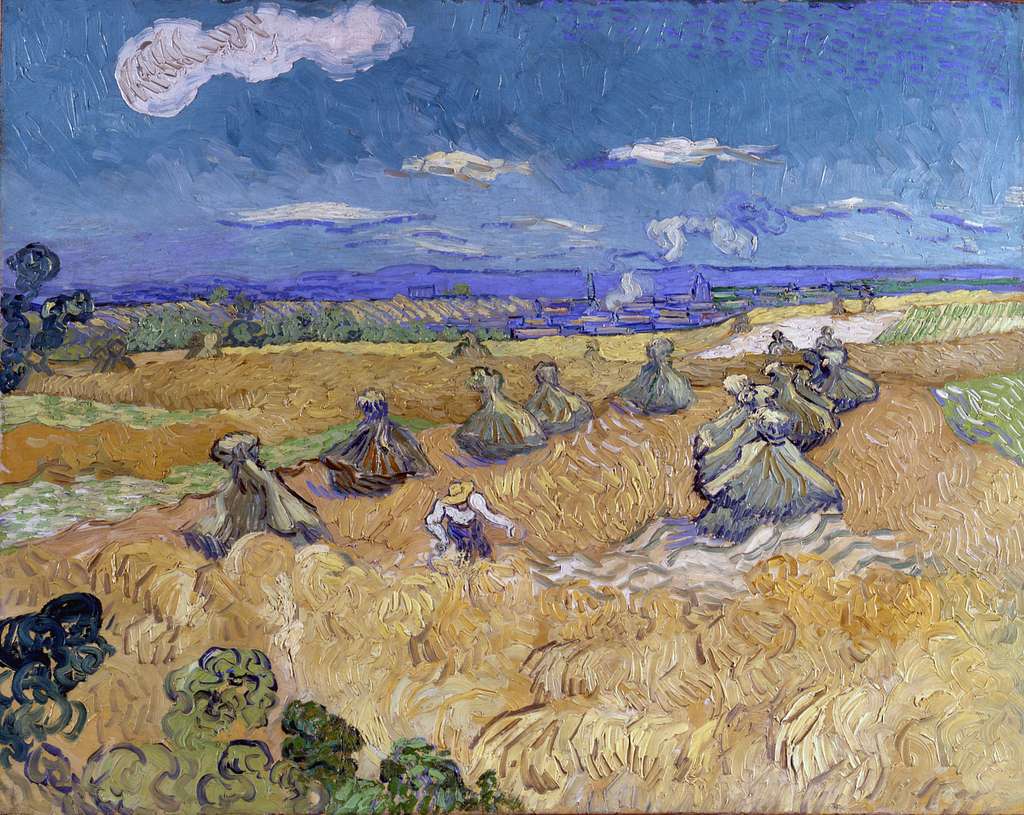
Wheat Fields with Reaper, Auvers
Van Gogh’s Impact on Avant-Garde Art
Van Gogh’s influence on art is immeasurable. His innovative approach to painting set the stage for the expressionist movement, which prioritised emotion over realism. His use of thick, impasto brushstrokes, exaggerated colours, and swirling compositions inspired artists who sought to break away from the constraints of traditional painting.
- Expressionism and emotional depth
- Van Gogh’s paintings were not just representations of the physical world; they conveyed deep emotions and psychological intensity.
- Artists such as Edvard Munch, famous for The Scream, and Egon Schiele were heavily influenced by Van Gogh’s ability to express raw emotion through colour and form.
- The German expressionists, including Ernst Ludwig Kirchner and Franz Marc, adopted Van Gogh’s bold colours and dynamic movement in their own work.
- Post-impressionism and fauvism
- Van Gogh’s use of non-traditional colours and expressive lines helped bridge the gap between impressionism and later movements like fauvism.
- Artists such as Henri Matisse and André Derain, who pioneered fauvism, were inspired by Van Gogh’s unconventional use of colour to evoke mood and energy.
- Abstract expressionism
- Even in the mid-20th century, Van Gogh’s techniques influenced abstract expressionists like Jackson Pollock and Willem de Kooning.
- His philosophy that painting should express the artist’s inner emotions rather than just depict reality became a guiding principle for many modern painters.
Through these movements, Van Gogh’s legacy shaped the evolution of modern art, reinforcing his role as a pioneer of artistic self-expression.
Explore Van Gogh’s influence on modern art at Tate
Most Expensive Van Gogh Paintings: The Value of His Work Today
While Van Gogh died penniless, his paintings are now among the most expensive and sought-after artworks in the world. Over the years, collectors and museums have spent millions to acquire his masterpieces, solidifying his place as one of the greatest artists in history.
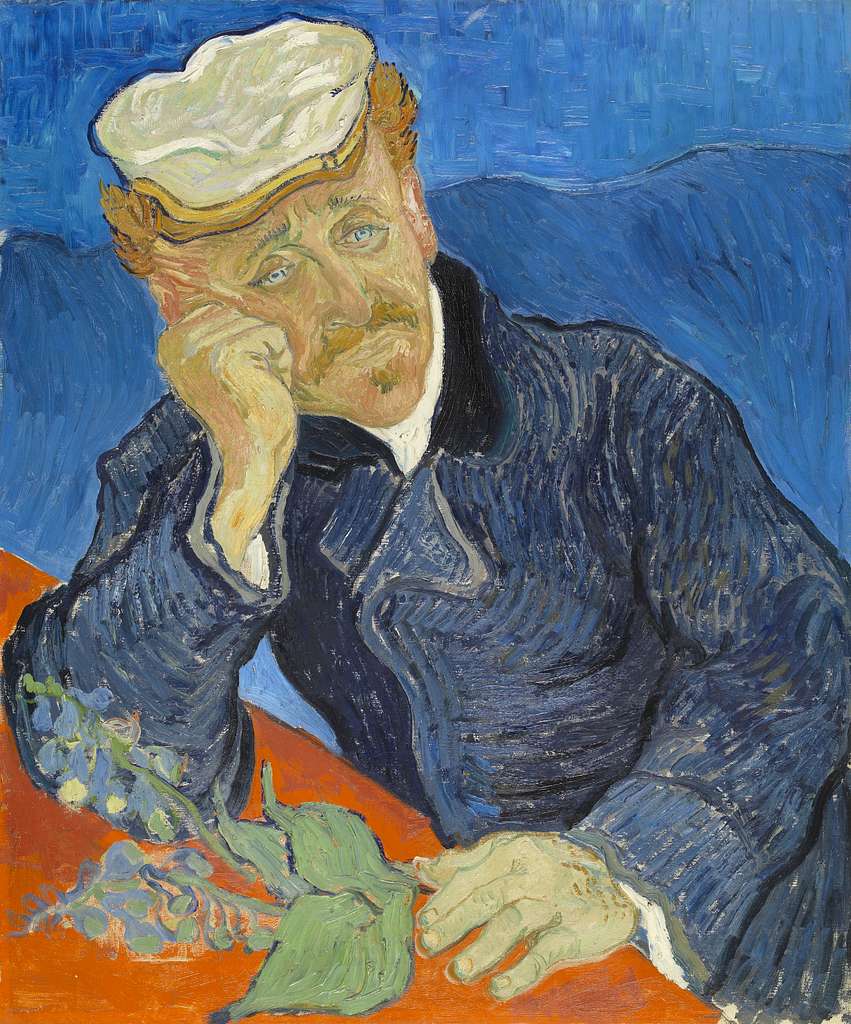
- Portrait of Dr. Gachet – Sold for 82.5 million dollars in 1990, this painting remains one of the most expensive artworks ever sold at auction. It depicts Dr. Paul Gachet, the physician who cared for Van Gogh in his final months.
- Irises – Sold for 53.9 million dollars in 1987, Irises is one of Van Gogh’s most vibrant and emotionally charged flower paintings, created while he was in Saint-Paul-de-Mausole psychiatric hospital.
- Sunflowers – While not the highest-priced Van Gogh painting, his Sunflowers series is among the most famous. Versions of Sunflowers are held in multiple collections, including The National Gallery in London and The Van Gogh Museum in Amsterdam.
The extraordinary value of Van Gogh’s paintings today is a testament to his lasting impact on the art world. His works are displayed in the most prestigious museums, and exhibitions dedicated to him continue to attract millions of visitors.
Why Van Gogh’s Legacy Continues to Inspire
More than a century after his death, Van Gogh remains an enduring symbol of artistic passion, resilience, and creativity. His paintings are celebrated for their emotional depth, and his personal story resonates with those who have faced struggles in their own lives.
- His life story—marked by rejection, perseverance, and posthumous success—has inspired countless books, films, and documentaries, including Loving Vincent (2017), the world’s first fully painted animated film.
- His letters offer a rare insight into the mind of a genius, making him one of the most well-documented artists in history.
- His influence spans beyond painting, impacting graphic design, film, and even popular culture.
Van Gogh’s art and personal journey continue to move, educate, and inspire people worldwide, proving that even in the face of adversity, creative expression can leave an indelible mark on history.
More than a century after his death, Vincent van Gogh remains one of the most celebrated and influential artists in history. His ability to convey raw emotion through bold colours and expressive brushwork makes his work timeless. Whether capturing the beauty of a sunflower, the turbulence of a night sky, or the loneliness of a café scene, Van Gogh’s paintings continue to resonate with audiences around the world.
Despite his struggles with mental health and personal hardships, Van Gogh’s determination to create art never wavered. His life serves as a poignant reminder of the challenges that many artists face, both creatively and emotionally. His journey—from obscurity and rejection to global recognition—offers hope and inspiration to those who persevere in their artistic pursuits.
Today, Van Gogh’s paintings are housed in the world’s most prestigious museums, and his exhibitions continue to draw millions of visitors. Whether you have admired The Starry Night, Sunflowers, or Wheatfield with Crows, experiencing Van Gogh’s work in person is an unforgettable experience.
Join discussions about Van Gogh’s impact at The Van Gogh Forum.
Leave a Reply