
No products in the cart.
Art prints explained, a beginner’s guide to styles, sizes, and paper
Art prints are one of the easiest ways to bring colour, character, and a sense of story into a room. The choice can feel overwhelming at first. There are styles that range from limited edition giclée to screen print. There are different paper types, textures, and finishes. There are sizes that follow A series standards, and there are popular frame sizes that do not. On top of that, you can pick between canvas prints, poster prints, wall prints, and metal prints, each with its own strengths. This guide walks you through the essentials, step by step, so you can choose well, spend wisely, and enjoy the results for years.
1) What an art print actually is
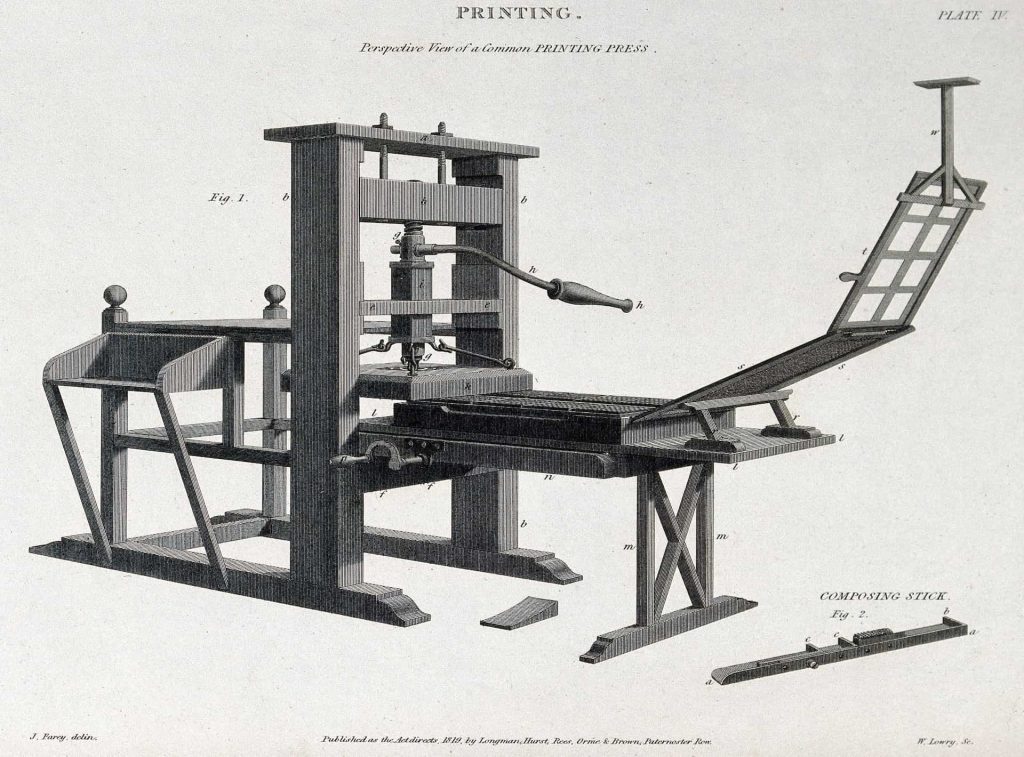
An art print is a work on paper or another flat surface that is produced through a printing process. That simple sentence covers two very different things.
- Original printmaking. The image is conceived for a print process such as woodcut, linocut, etching, lithograph, screen print, or letterpress. The artist makes a plate, a block, a stone, a screen, or a digital matrix. The print is the original artwork, often in a numbered edition.
- Reproduction printing. The image begins as a painting, drawing, photograph, or digital artwork. A high quality scan or file is printed using archival methods to produce faithful reproductions. These can be open edition or limited edition.
Both paths can produce beautiful results. What matters is the method, the materials, and the honesty of the description. If a seller explains the process, names the paper and inks, gives the edition size when relevant, and shows clear photographs, you are on solid ground.
2) Print styles at a glance
Think of this as a quick map. If a term is new, you can skip to the deeper section below.
- Giclée fine art print. Archival pigment inks on acid free, often cotton rag paper. Excellent colour accuracy and longevity. Ideal for photography and detailed illustration.
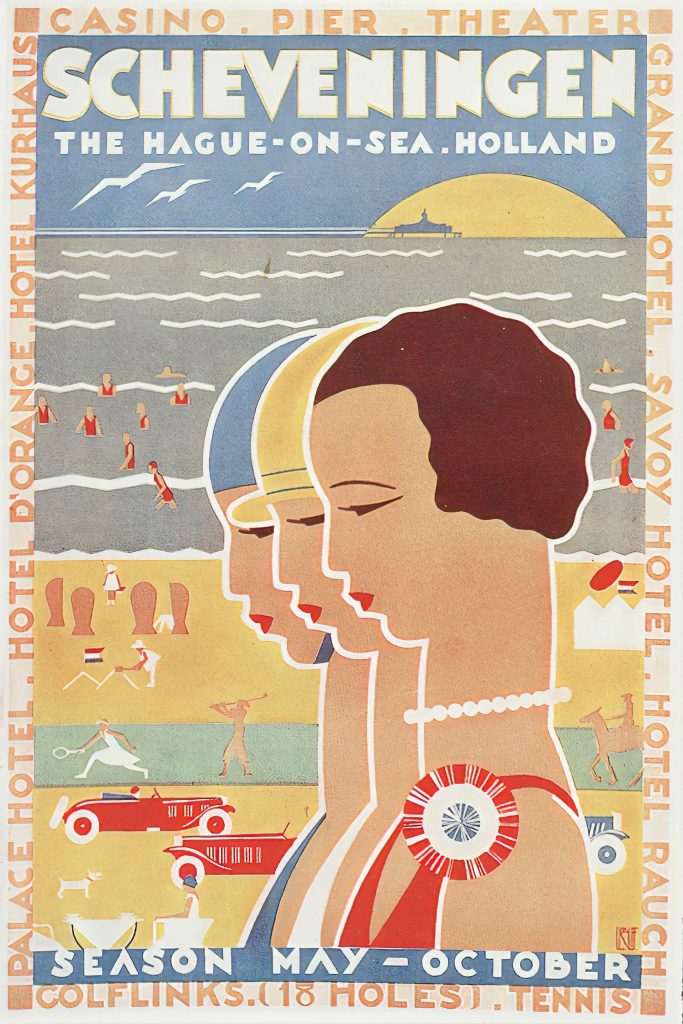
- Screen print. Ink pushed through a mesh using a stencil. Bold colour, flat areas, and a tactile surface. Often produced in short editions by hand.
- Lithograph. Ink drawn or transferred to a plate and printed under pressure. Smooth tonal shifts and a classic look, widely used in twentieth century editions.
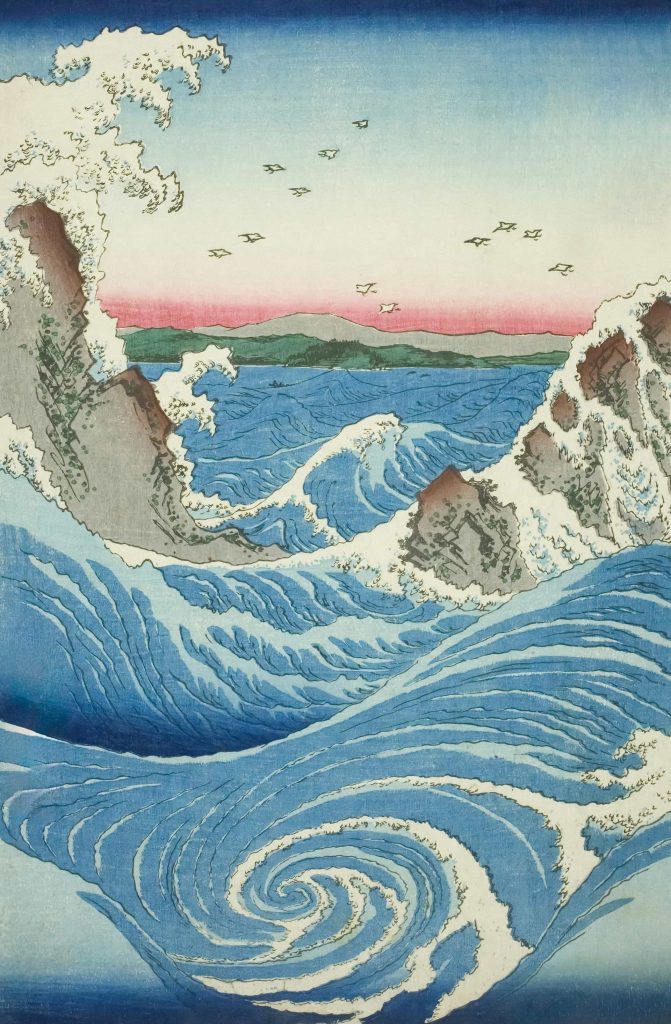
- Linocut and woodcut. Relief printmaking cut by hand. Strong lines, rich blacks, and a visible impression you can feel.
- Etching and aquatint. Intaglio processes on metal plates. Fine line and beautiful texture.
- Risograph. Stencil based duplicator with soy inks. Slight misregistration and grain that suits graphic work.
- Letterpress. Raised type or blocks pressed into paper. Crisp edges and a debossed bite.
- Digital C type and inkjet photo prints. Photographic processes on resin coated or fibre papers. Popular for contemporary photography.
None of these is automatically better than the others. Choose by the way you want the finished print to look and feel.

3) Sizes and aspect ratios made simple
Standard frame and print sizes in centimetres
- 21 x 30
- 30 x 40
- 40 x 50
- 50 x 70
- 60 x 80
- 70 x 100
These are common in high street frames. They are not the same as A series paper sizes. Many artists and photographers work to one set or the other, so always check both print size and paper size in the listing.
A series paper sizes
- A5, A4, A3, A2, A1
Each step halves or doubles the previous size while keeping the same proportions. This is handy for posters and prints that sit well with standard frames.
Aspect ratios to watch
- 4:5 or 2:3 are common for photographs.
- 5:7 and 11:14 are used for traditional prints, especially in North American framing.
- Square formats are popular for abstracts and modern photography.
If the frame and print do not share the same ratio, add a window mount that balances the margins. A mount can turn an odd ratio into a clean presentation and gives visual breathing room around the image.
Choosing scale for your room
- Above a sofa. Aim for artwork that spans roughly two thirds of the furniture width.
- Over a bed. A single large print looks calm. A pair creates symmetry. A trio adds rhythm.
- Hallways. Narrow spaces suit tall and slim formats or a neat line of small frames.
- Stairwells. Work in a loose cluster that rises with the stairs.
Measure first. Mask the outline with low tack tape on the wall to test height and spacing.
4) Paper types and what they mean
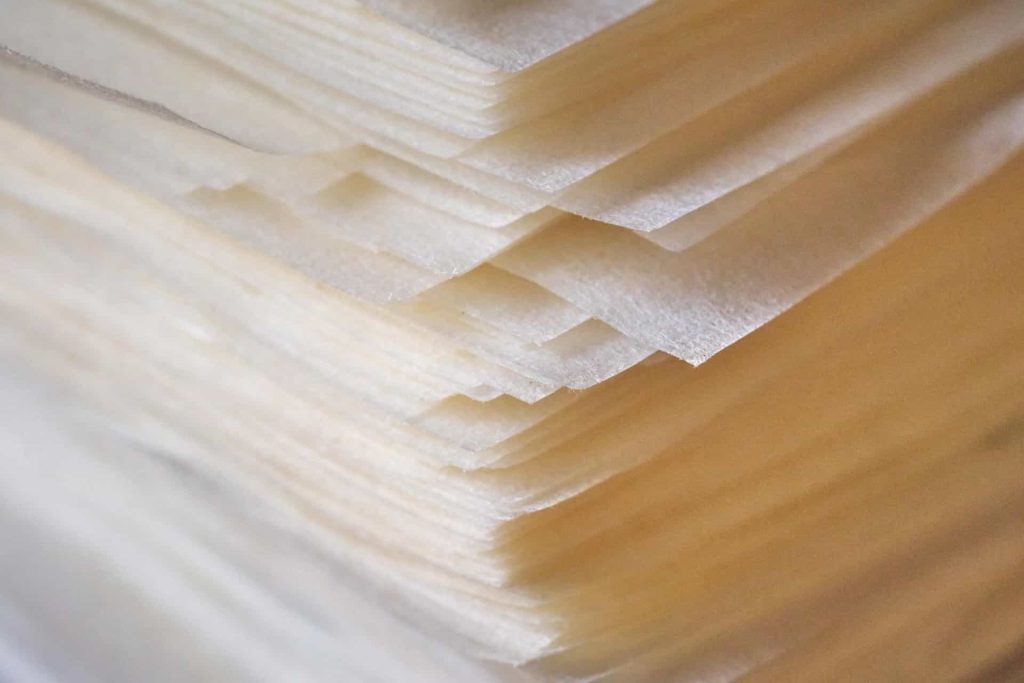
Paper is not just a surface. It is a core part of the look and the longevity of a print.
Cotton rag
Made from cotton linters, usually 100 percent cotton. It is acid free and often has a soft matte surface with delicate tooth. Cotton rag suits giclée prints and gives a natural, museum grade look. Blacks feel rich but not glossy. Colour is accurate and softly luminous.
Alpha cellulose
High quality wood pulp paper. Look for acid free and lignin free grades. Many excellent fine art papers are alpha cellulose and are more affordable than cotton rag, while still offering good archival properties.
Baryta fibre paper
A fibre base paper with a barium sulphate layer. It has a slight sheen and deep, neutral blacks. Photographers use it for a classic darkroom look in an inkjet process.
Coatings and optical brightening agents
Some papers use optical brighteners to make whites look cooler. They can shift slightly over time. If you want the longest life, look for OBA free papers. If you want punchy whites for posters and wall prints at an everyday budget, OBAs are perfectly fine.
Weight and feel
Measured in gsm. Anything from 230 gsm to 320 gsm feels premium. Heavier is not always better if the surface does not suit the artwork. Smooth paper suits line work and photography. Textured paper flatters painterly images and digital art with soft edges.

Why this matters
The same image will look different on different papers. If colour accuracy and longevity are priorities, pick a named fine art paper and archival pigment inks. If you want a bold graphic poster for a home office, a sturdy satin poster stock is perfect.
5) Processes in a little more depth
Giclée fine art printing
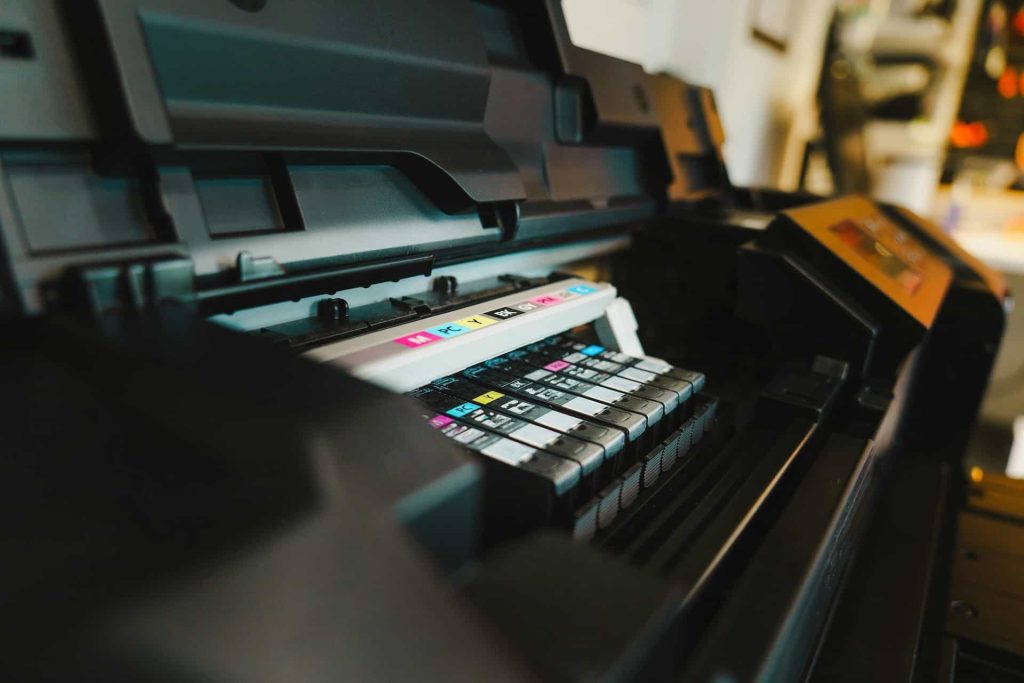
This is a high quality inkjet process that uses pigment inks and finely tuned colour profiles. Expect smooth gradients, precise detail, and long life under normal indoor conditions. The term giclée can be misused. Trust printers and artists who name the printer model, the inkset, and the paper stock.
Screen printing
Colour is pulled by hand through a mesh screen that has been blocked out to form a stencil. Each colour requires its own screen and pass. The result is crisp, layered colour with edges you can see and ink you can feel. Short editions are common and the artist’s hand is alive in the result.

Creating a multi-color linocut. On the left are two gouged plates. The top one still shows the ink residue after printing in gradient colors. Below that, the other plate with black ink. On the right are plates for rolling out the ink, with three ink rollers, a tube of yellow, and a pot of red ink.
Linocut and woodcut
A block is carved, inked, and printed onto paper. Relief prints offer strong shapes, energetic lines, and slight variations from one print to the next. That variation is part of the charm and is why collectors like original printmaking.

Lithography and etching
Both are traditional processes with long histories. Lithography excels at smooth transitions. Etching offers delicate line and soft tone when combined with aquatint. If you are new to collecting, these processes are a good way to own original prints by artists you admire.
Risograph and letterpress
Riso uses soy inks and a stencil drum. Colours overlap with a pleasing grain and misalignment that feels human. Letterpress presses raised type or blocks into paper for a crisp, tactile bite. Both suit graphic design and illustration.
6) Canvas prints, poster prints, wall prints, and metal prints
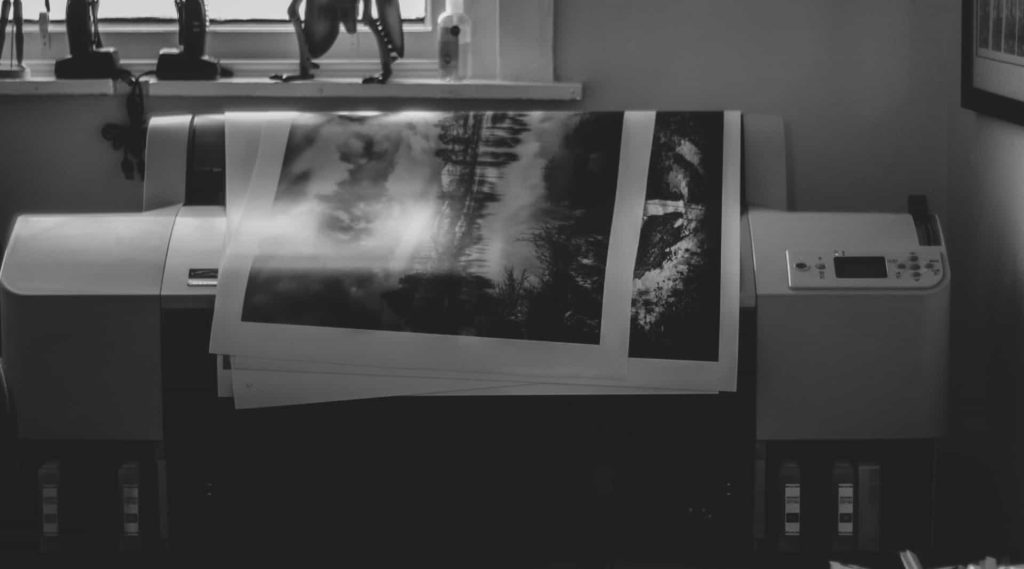
These terms describe the substrate rather than the image. Each has a place.
Canvas prints
The image is printed on canvas, then stretched over timber bars. Canvas prints suit painterly work and interiors that prefer a soft, frameless look. They do not require glazing, which keeps reflections low. Quality checks to make.
- Archival or at least pigment inks
- Stretcher bars that are kiln dried and straight
- Neat corner folds and good tension
- A protective spray or coating if the room has bright light
Very cheap canvas can look dull if dye inks are used on thin fabric. If the price seems too good to be true, it probably is.

Poster prints
Printed on lighter weight paper and usually sold at open edition prices. Perfect for students, renters, and seasonal refreshes. A standard frame will keep the print flat. Posters are an honest, affordable route to experiment with colour and scale.
Wall prints
A flexible term that usually means any framed print ready to hang. The quality varies by paper, mount board, and glazing. If you see this phrase in a listing, scan for materials. Ask for the exact paper type and whether the glazing is glass or acrylic.
Metal prints
The image is infused into a coated aluminium sheet using heat and pressure. Metal prints are crisp, modern, and easy to wipe. They suit kitchens, hallways, and minimal interiors. They are robust, but still avoid direct steam and harsh cleaners. If you want deep blacks and clean lines, metal prints can look excellent.
7) Framing, mounts, and glazing
Frames
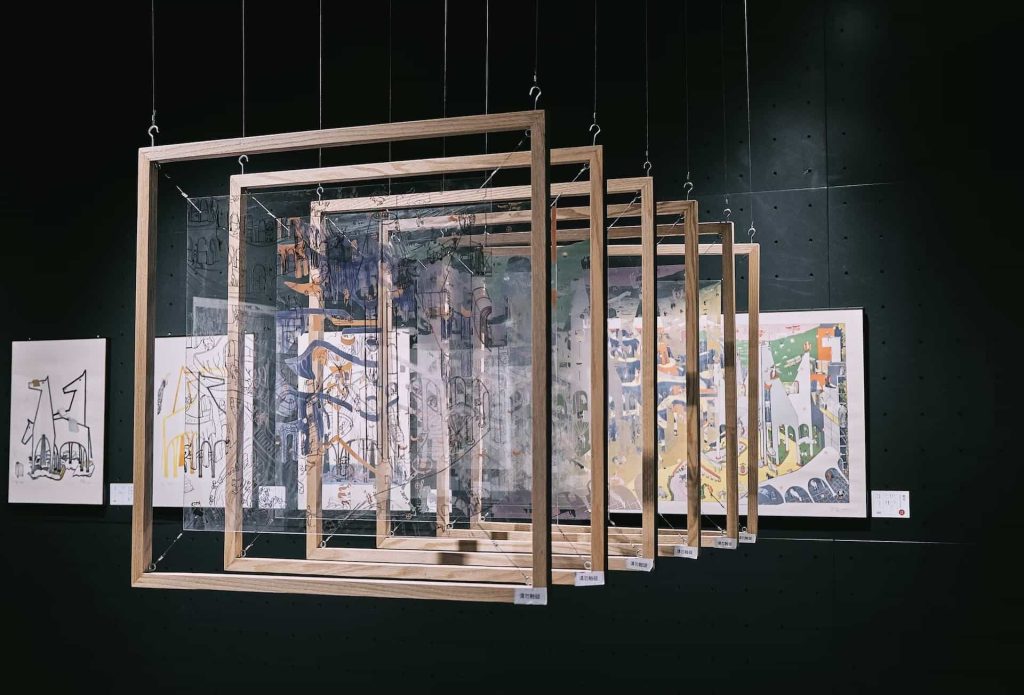
Timber frames bring warmth and depth. Aluminium frames give a sharp, architectural edge. Composite frames vary in quality. The profile should match the artwork style and the room. Thin profiles suit modern work. Chunkier mouldings can anchor traditional prints or textured paper.
Mounts and borders
A window mount creates a white margin around the image. It protects the print by spacing it away from the glazing and gives the eye a place to rest. Standard borders of 5 to 8 centimetres look balanced on medium sizes. For large prints, a wider mount can look elegant. Some giclée prints are produced with a printed border for signing and numbering. Check the listing for image size versus paper size so you know what will be visible inside the frame.
Glazing
Glass is clear and weighty. Acrylic is lighter and shatter resistant. Both are available with UV protective coatings that help reduce fading. If a room is bright, consider acrylic with UV protection. If reflections are an issue, look for low reflection glazing. Clean glazing gently with a microfibre cloth.
Hanging height and spacing
Centre the artwork around 145 to 155 centimetres from the floor in most rooms. Leave breathing space from furniture tops. For a gallery wall, keep gaps consistent, usually three to five centimetres.
8) Colour, resolution, and file quality made easy
You do not need to become a print technician to make good choices. A few basics help.
- Resolution. For a clean print, files should be at least 240 to 300 dpi at the final print size.
- Colour space. sRGB is common on the web. Printers often work in wider gamuts. If you are commissioning a print from your own file, ask the printer which profile they prefer.
- Proofs. If colour accuracy is critical, ask for a small proof on the chosen paper before committing to a large run.
- Expectations. A print on matte cotton rag will look different from the same image on glossy photo paper. Think about the mood you want.
9) Editions, certificates, and pricing
Open and limited editions
Open editions can be printed over time. Limited editions have a fixed number, for example 50 or 100, and each print is numbered and signed. Limited editions usually cost more due to scarcity and the extra care involved.
Certificate of authenticity
Look for a certificate that states the title, the artist, the process, the paper, the inks when relevant, the edition size, and the signature. Keep the certificate with your purchase.
What affects price
- The artist’s reputation and demand
- Edition size and position in the edition
- Print process and labour
- Paper type and size
- Framing and glazing
- Provenance and condition if buying on the secondary market
Smart ways to save
- Buy unframed prints and frame locally using a standard frame size.
- Choose open edition giclée from a trusted artist or gallery.
- Start with poster prints to test colour and scale in a room, then invest in a larger piece once you are sure.
10) Care, cleaning, and display
- Keep prints away from direct, harsh sunlight.
- Avoid hanging above radiators or where steam collects.
- Dust frames and glazing with a soft, dry cloth.
- For canvas prints, use a dry microfibre cloth.
- For metal prints, wipe gently with a slightly damp cloth if needed, then dry.
- When storing unframed prints, use acid free sleeves and backing boards. Do not roll tightly unless necessary and never store in damp spaces.
11) Room by room ideas
Living room
A single large giclée on cotton rag makes a calm focal point. A grid of three at 50 x 70 centimetres feels tidy and architectural. Metal prints can introduce a sleek accent in contemporary interiors.
Bedroom
Soft palette abstracts or photography on matte paper look restful. Canvas prints reduce glare if a window sits opposite the bed.
Kitchen
Poster prints work well behind acrylic glazing that you can wipe. Metal prints suit splash zones if positioned away from direct steam and heat.
Bathroom
Humidity is the challenge. Small metal prints can work in a well ventilated room. Avoid paper prints unless glazed and placed where moisture does not gather.
Home office
Graphic wall prints, black and white photography on baryta paper, or typographic posters can energise a workspace without distraction. Keep glare low if the artwork faces a screen.
12) Style guide to help you choose
Photography
Pick baryta or satin photo paper for deep blacks and crisp detail. For minimal glare in bright rooms, use a high quality matte photo paper. Metal prints also suit high contrast images.
Illustration and graphic design
Screen prints, risographs, and giclée on smooth paper all work. The choice depends on whether you want the tactile feel of hand pulled colour or the precise control of pigment printing.
Painting reproductions
Giclée on cotton rag gives a painterly look that respects brush texture. Canvas prints suit interiors that want a frameless, soft presence and fewer reflections.
Kids rooms and student spaces
Poster prints are light on budget and easy to switch. Use standard frames so updates are simple.
13) Sustainability and materials
Look for papers from mills with responsible sourcing. Many fine art papers carry environmental certifications and are produced with care for water and energy use. Wood and aluminium frames can be recycled. Buying one good frame and switching prints seasonally is another practical way to reduce waste. For canvas prints, ask about timber from well managed sources. For metal prints, check the recyclability of the aluminium panel.
14) Buying checklist you can screenshot
- Do I love the image and does it suit the room
- Is the process named clearly
- What is the exact paper and is it acid free
- Are the inks archival pigment or equivalent
- What is the print size and the paper size
- Is the print open edition or limited and numbered
- Is framing included and what is the glazing
- What is the returns policy if it arrives damaged
- Do I have a place ready on the wall with measured spacing
15) Frequently asked questions
What is a giclée print and is it worth the price
A giclée uses pigment inks and fine art paper to achieve accurate colour and long life. It is usually worth the investment if you want a calm surface, subtle tones, and good archival standards.
Should I pick canvas prints or framed paper prints
Canvas gives a soft, frameless look and low reflection. Framed paper prints offer sharper detail and the protection of glazing. In bright rooms, either use non reflective glazing or choose canvas to reduce glare.
What are wall prints
This term often means any framed print ready to hang. As quality varies, check for specific details such as paper stock, mount board, and glazing type.
Are metal prints a good idea
Yes if you like a modern look and want easy cleaning. They suit kitchens, hallways, and bathrooms with good ventilation. Keep them away from steam and do not use abrasive cleaners.
What is the best size for above a sofa or bed
Artwork that spans about two thirds of the furniture width usually looks balanced. Hang so the centre sits around eye height and adjust for tall ceilings.
Do limited editions always hold value better than open editions
Not always. Value depends on the artist’s reputation, demand, and condition. Limited editions add scarcity, which can help, but the artwork still needs an audience who loves it.
16) Glossary in plain English
Archival
Materials designed to last for decades under normal indoor conditions.
Acid free
Paper that resists yellowing. Usually buffered to remain stable.
Cotton rag
Paper made from cotton fibres, often used for high quality giclée prints.
Baryta
A fibre paper with a baryta layer that gives deep blacks and a gentle sheen.
OBAs
Optical brightening agents that make paper look whiter under light.
Edition
The total number of prints made from a single image at a stated size and process.
Artist proof
Marked AP. Prints set aside by the artist, usually a small percentage of the edition.
Mount
A window mount that creates a border between the print and the glazing.
Glazing
Glass or acrylic that protects the print inside the frame.
17) Putting it all together
If you want long life and a quiet, refined surface, choose a giclée on cotton rag and frame it behind good glazing. If you want a bold update without a big spend, pick poster prints in standard sizes and refresh them with the seasons. If you prefer a frameless look, canvas prints provide a soft presence with low reflection. If your interior is sleek and you want clean lines, metal prints offer crisp detail and simple maintenance.
Think about how you live in the space. Consider light, humidity, and how often you rearrange furniture. Match the print to the room, not only the wall. The right piece will make the room feel more itself and will reward you every time you walk past.
18) Quick room plans using your key formats
Canvas prints
- Living room feature above a mantle or sofa, sized around 70 x 100 centimetres for a confident statement.
- Bedroom in soft palette, one large canvas that sits calmly without reflections from a nearby window.
- Stairwell cluster of three canvases in a vertical rhythm that follows the rise.
Poster prints
- Home office gallery wall using frames at 30 x 40 and 50 x 70 centimetres.
- Kitchen breakfast nook with bright graphic posters behind acrylic glazing.
- Playroom or kids bedroom with posters that can be swapped as interests change.
Wall prints
- Lounge alcoves with two framed prints that mirror each other.
- Entry hall paired prints with matching frames and mounts for a tidy welcome.
- Dining room with one centred large piece and two smaller companions for balance.
Metal prints
- Hallway where durability and easy cleaning matter.
- Bathroom positioned away from direct steam with good ventilation.
- Minimalist interiors that prefer a clean edge and no visible frame.
19) Final tips from a careful buyer
- If you are uncertain about colour, order a small print first.
- If your budget allows one splurge, spend it on framing. A good frame and glazing will elevate any print.
- Keep a tape measure and a notepad on your phone with key wall widths. Decisions are easier when you know your sizes.
- Save the certificate of authenticity with the receipt.
- Add bumpers to frame corners so they sit flat against the wall and do not mark paint.
Art prints make spaces feel lived in and personal. They help you test colour, scale, and mood without committing to the price of a painting. Choose with care, keep materials honest, and think about the room as a whole. Whether you end up with a fine art giclée on cotton rag, a cheerful run of poster prints, a framed set of wall prints, or a sharp metal print in the kitchen, the right choice will make your place feel more like home.
Leave a Reply