
No products in the cart.
Modern Artwork in the UK, Must See Galleries, Shows, and Collections
Modern artwork in the UK is one of the country’s quiet superpowers. While visitors often arrive for castles, cathedrals, and countryside, they leave talking about turbine halls filled with sound and light, sculpture parks outside Georgian villas, and experimental installations in converted flour mills.
From national collections that map every twist of twentieth century art, to small but hugely influential regional spaces, the UK is one of the best places in the world to experience modern and contemporary work in depth. This guide to modern artwork in the UK will take you through the must see galleries, shows, and collections, and help you plan trips that actually fit into real life.
Along the way, we will use the phrase modern artwork in the UK as a practical umbrella term. It covers both modern art in the historical sense and contemporary art by living artists, because in practice you encounter them side by side across the country.
What do we mean by modern artwork in the UK
Before planning a gallery weekend, it helps to know what institutions mean when they talk about modern and contemporary art.
In the UK, Tate uses a simple time based definition. It holds the national collection of British art from 1500 to the present day and international modern and contemporary art. Within that, Tate Modern focuses on international modern and contemporary art from around 1900 onwards, while Tate Britain looks after British art across the full period, including a dedicated display of modern and contemporary British work.
Contemporary art is often defined as art of the present day and recent past. Tate describes it as work from roughly the last decade, on a rolling basis. In most UK galleries, you will find modern and contemporary work shown together, with exhibitions that move freely between the early twentieth century and the present.
For you as a visitor, this means that when you search for modern artwork in the UK you are really looking at a living ecosystem. Historic modernists like Barbara Hepworth and Ben Nicholson share wall space with digital artists, installation specialists, and socially engaged practitioners using video, performance, and sound.
The national powerhouses for modern artwork in the UK
The Tate network
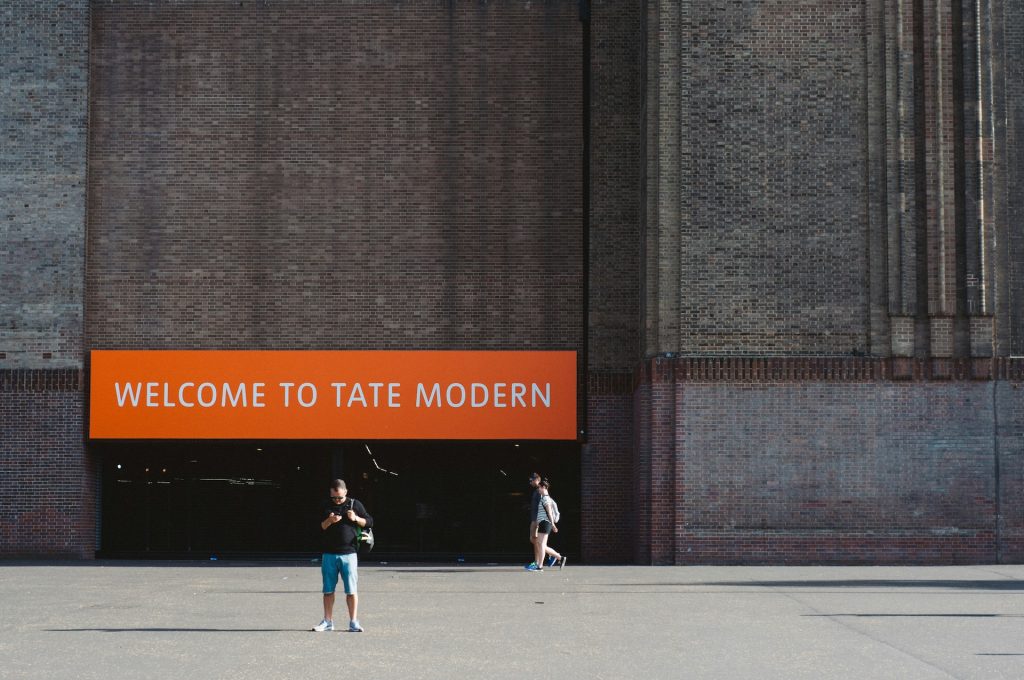
Any serious look at modern artwork in the UK has to start with Tate. Tate is not a single building but a family of sites: Tate Modern and Tate Britain in London, Tate St Ives in Cornwall, and Tate Liverpool in the north of England. Together they hold the national collection of British art from 1500 to today, and an international collection of modern and contemporary work that is among the most important anywhere.
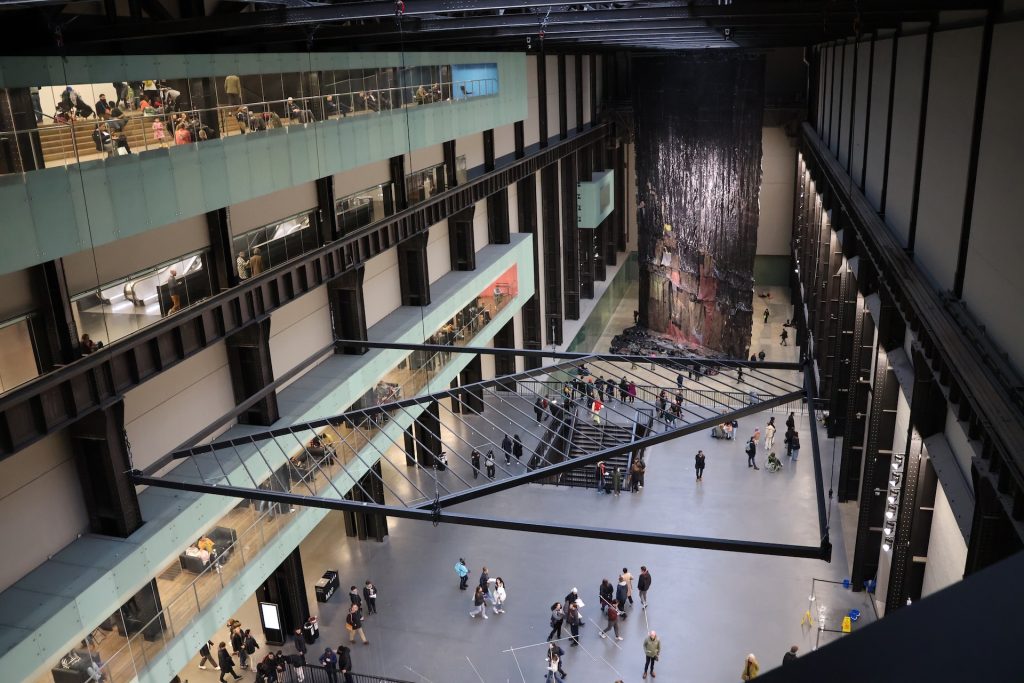
Tate Modern, Bankside, London
Tate Modern occupies the former Bankside Power Station on the south bank of the Thames. It is Britain’s national gallery of international modern and contemporary art, and one of the most visited museums in the world. Inside, you will find large scale installations in the Turbine Hall, themed displays drawn from a collection of tens of thousands of works, and a programme of major temporary exhibitions. If you are interested in modern artwork in the UK at a global scale, this is a non negotiable stop.
Tate Britain, Millbank, London
Across the river in Pimlico, Tate Britain focuses on British art from 1500 to the present day, with a dedicated sequence of rooms for modern and contemporary British work. Here you can trace the story from early modern experiments to post war abstraction, pop art, conceptual art, and the many strands of British practice since 1945. It is also where you will often find displays connected to the Turner Prize and other key events.
Tate Liverpool, the national collection in the North
Tate Liverpool has long been the main northern home for modern artwork in the UK. The gallery is currently undergoing a major redevelopment, due to reopen around 2027, and is temporarily housed in a smaller space at RIBA North on Mann Island. Even in its temporary home, it continues to show works from the national collection and host exhibitions linked to events such as the Liverpool Biennial, one of the country’s most important contemporary art festivals.
Tate St Ives, Cornwall
On the Cornish coast, Tate St Ives looks out over Porthmeor Beach and celebrates the town’s role in post war British modernism. The gallery exhibits work by artists with strong links to St Ives, including Alfred Wallis, Ben Nicholson, and Barbara Hepworth, alongside an international programme of modern and contemporary shows. The expanded building, with its skylit galleries and roof terraces, makes a visit feel like a combined architecture, landscape, and art experience.
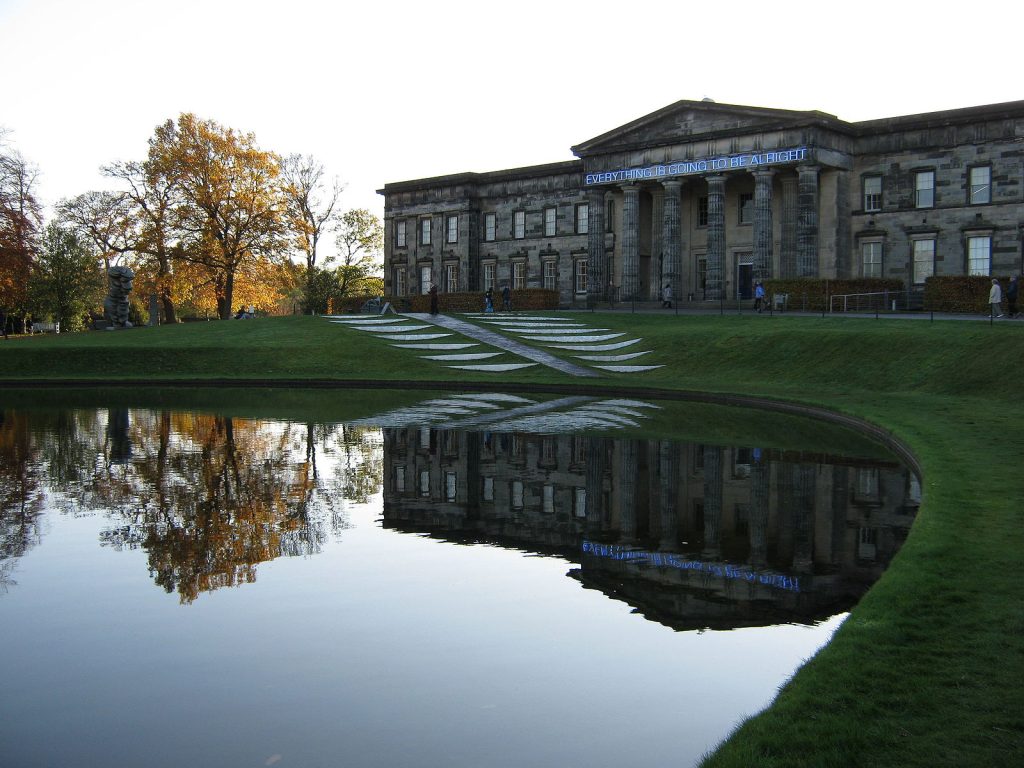
Scottish National Gallery of Modern Art, Edinburgh
Scotland’s main home for modern artwork in the UK is the Scottish National Gallery of Modern Art, part of National Galleries Scotland. It occupies two facing buildings on Belford Road known as Modern One and Modern Two, set in grounds that include sculpture and landscaped gardens. The collection covers more than six thousand works, from painting and sculpture to video, installation, prints, and drawings dating from around 1900 to today. It is one of the most rewarding modern art destinations in Europe, and a key reason to add Edinburgh to any art focused trip.
Modern Artwork in the UK beyond the capitals
A real understanding of modern artwork in the UK means going beyond London and Edinburgh. Some of the country’s most interesting collections and exhibitions are in regional cities and smaller towns.
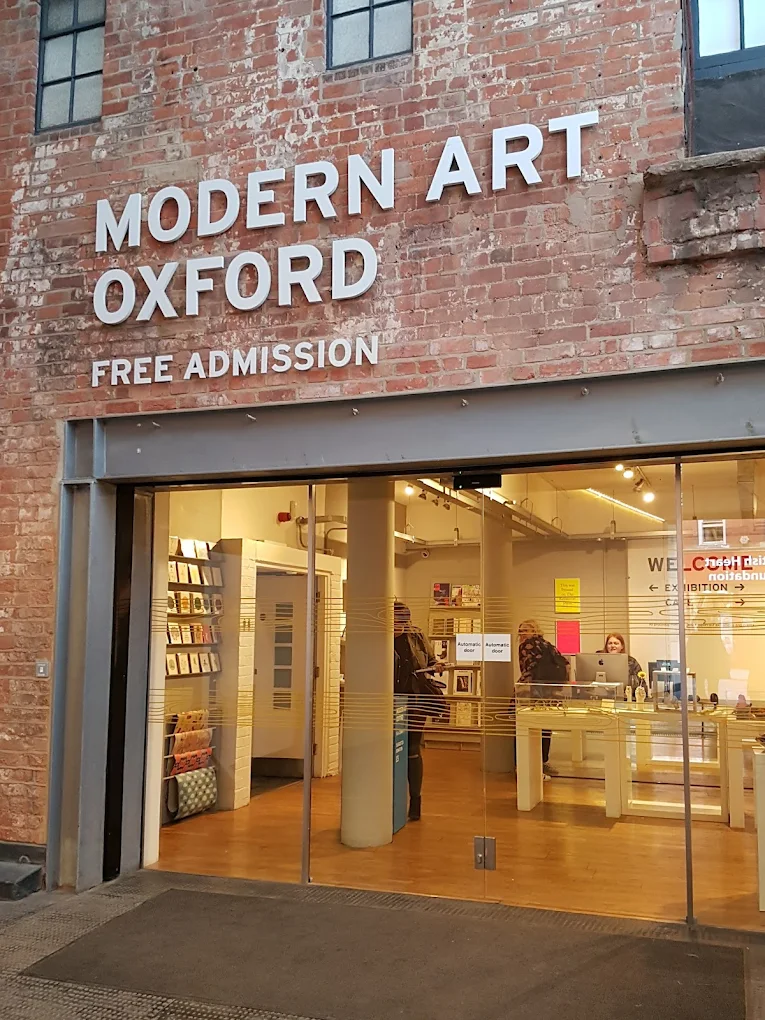
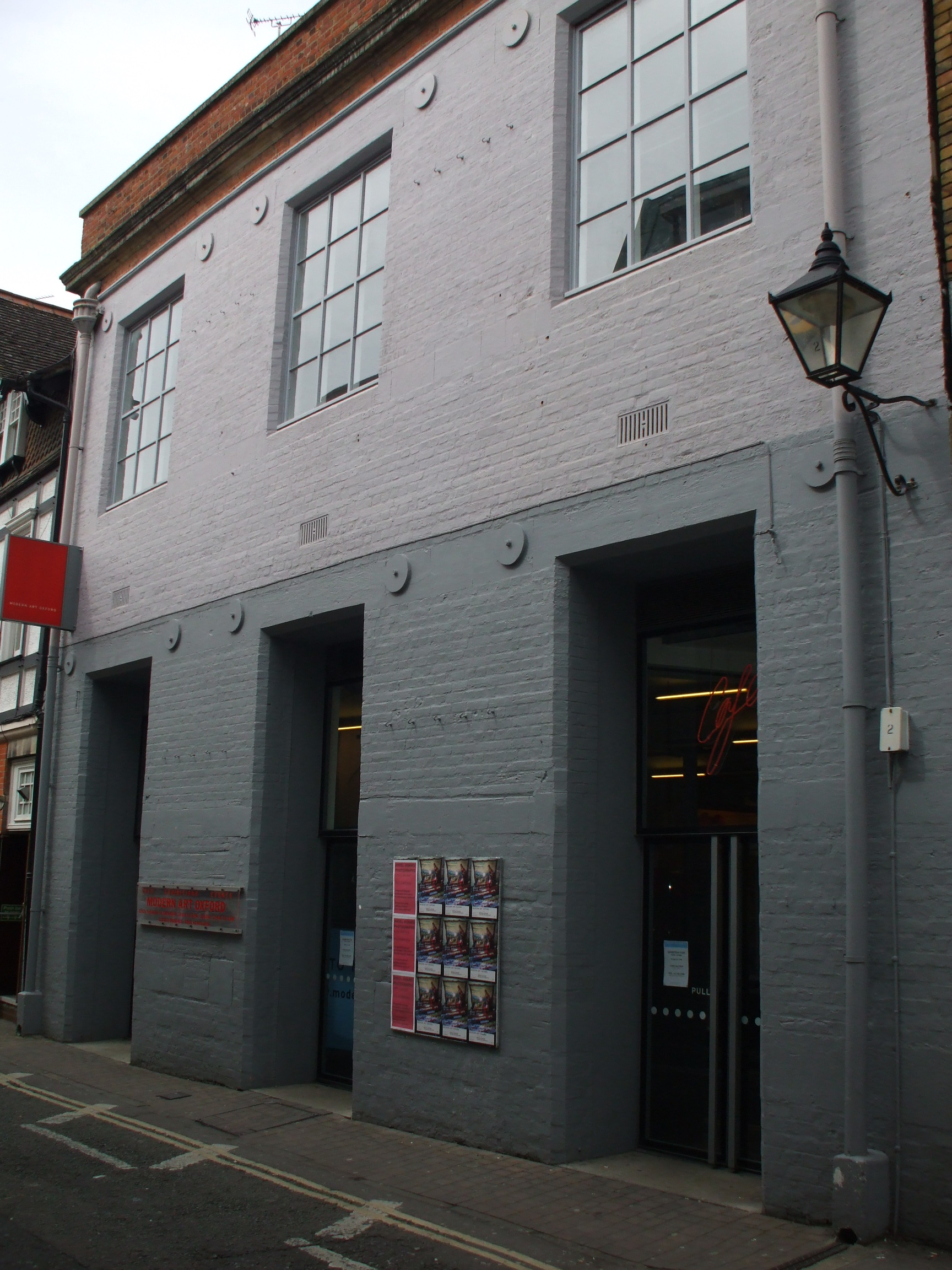
Modern Art Oxford
Modern Art Oxford is one of the country’s leading contemporary art spaces, with an international reputation for bold, experimental programming. The gallery works with artists who push form and media, and it is known for carefully curated solo shows that give you time and space to sit with complex work. If you are in the city for the university or for a weekend break, it is well worth planning in.
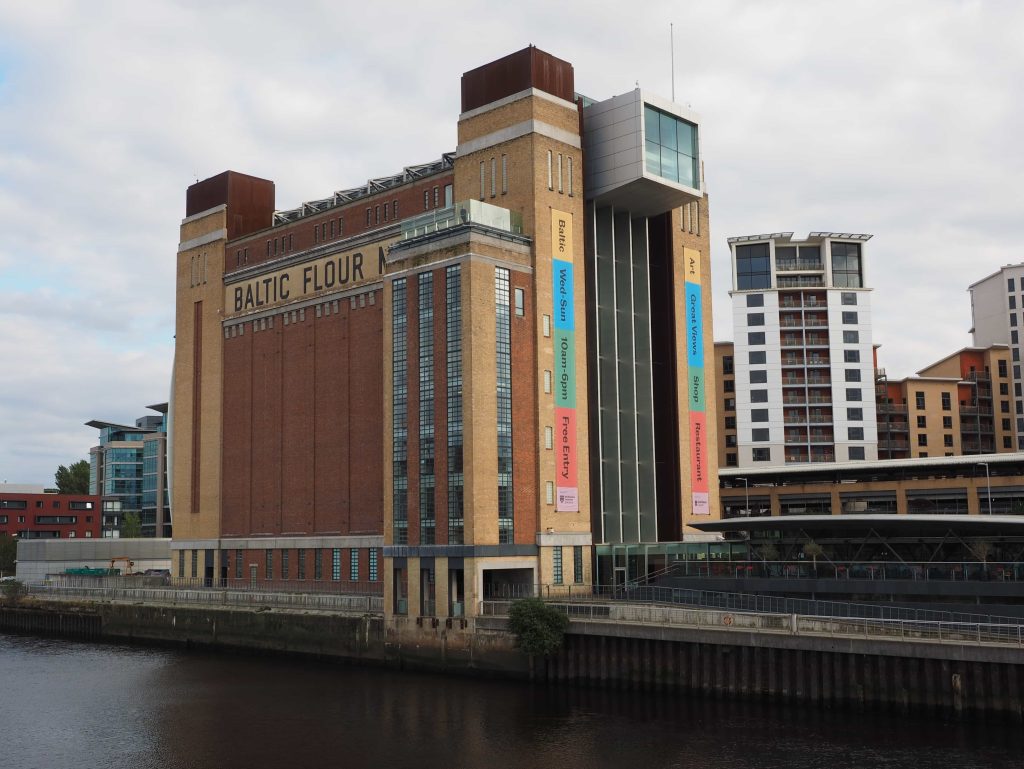
Baltic Centre for Contemporary Art, Gateshead
Baltic is an impressive example of how modern artwork in the UK has reshaped old industrial structures. Housed in a converted flour mill on the Gateshead quayside, it offers four floors of art, two viewing decks, a cafe, shop, library, and even a rooftop restaurant. The programme is free to enter and ranges from large scale installations to focused explorations of particular themes or regions.
Kettle’s Yard, Cambridge
Kettle’s Yard describes itself as a beautiful house with a remarkable collection of modern art and a gallery that presents modern and contemporary exhibitions. The original house, created by former Tate curator Jim Ede, brings together artworks, furniture, and everyday objects into a lived environment; the newer gallery building hosts temporary shows by modern and contemporary artists. For anyone interested in how modern artwork can sit within domestic and historic spaces, it is essential.
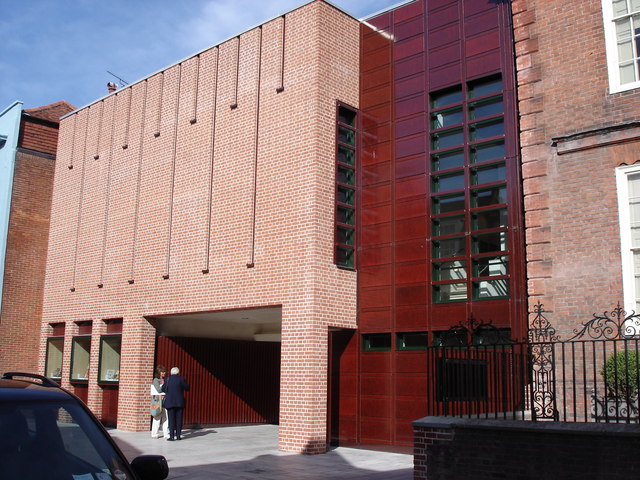
Pallant House Gallery, Chichester
In the south of England, Pallant House Gallery has built a reputation for its outstanding collection of Modern British art, described by one critic as second only to Tate in this area. The collection ranges from post Impressionism and Cubism to pop art and neo romanticism, and the gallery supplements this with a thoughtful exhibition programme and an impressive archive. If you are exploring modern artwork in the UK beyond London, Pallant House is a key stop.
Regional snapshots and art city weekends
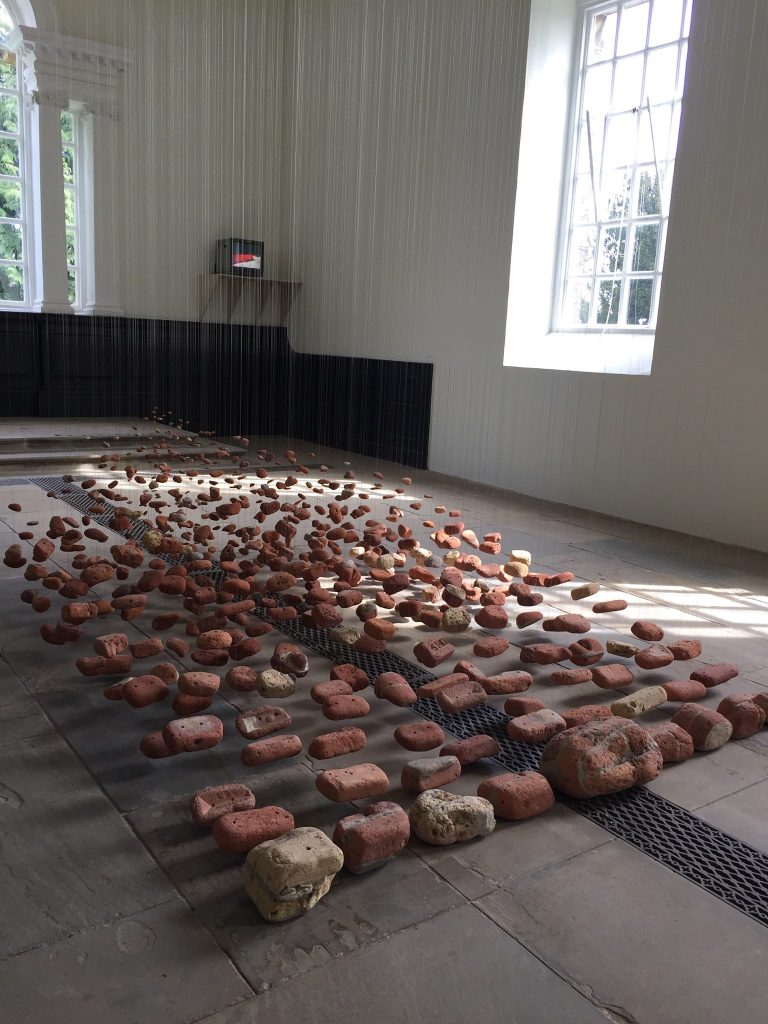
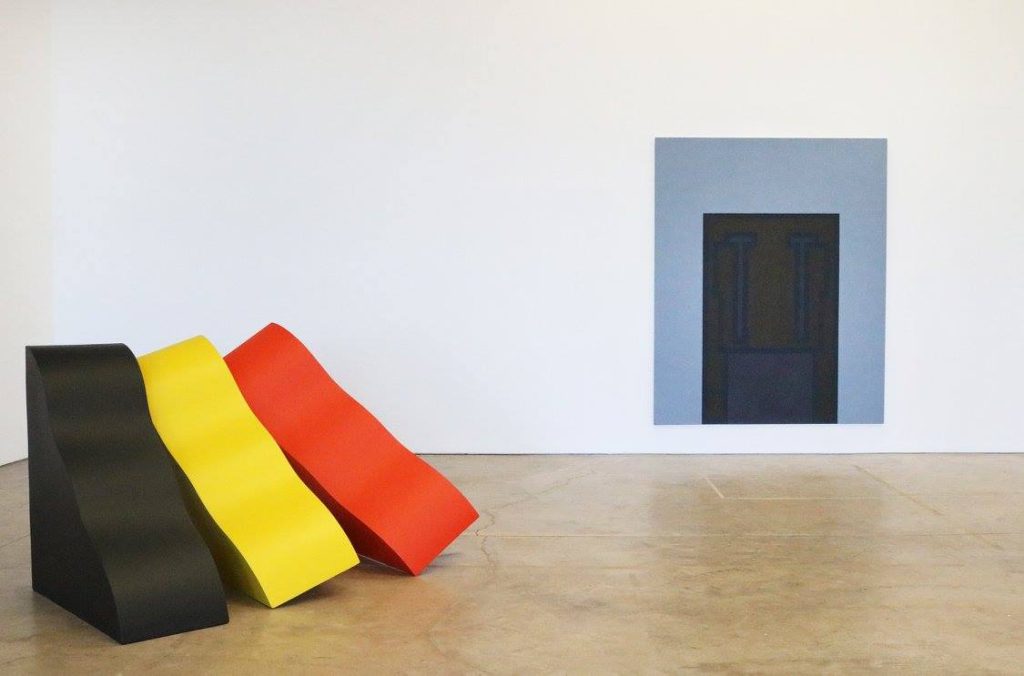
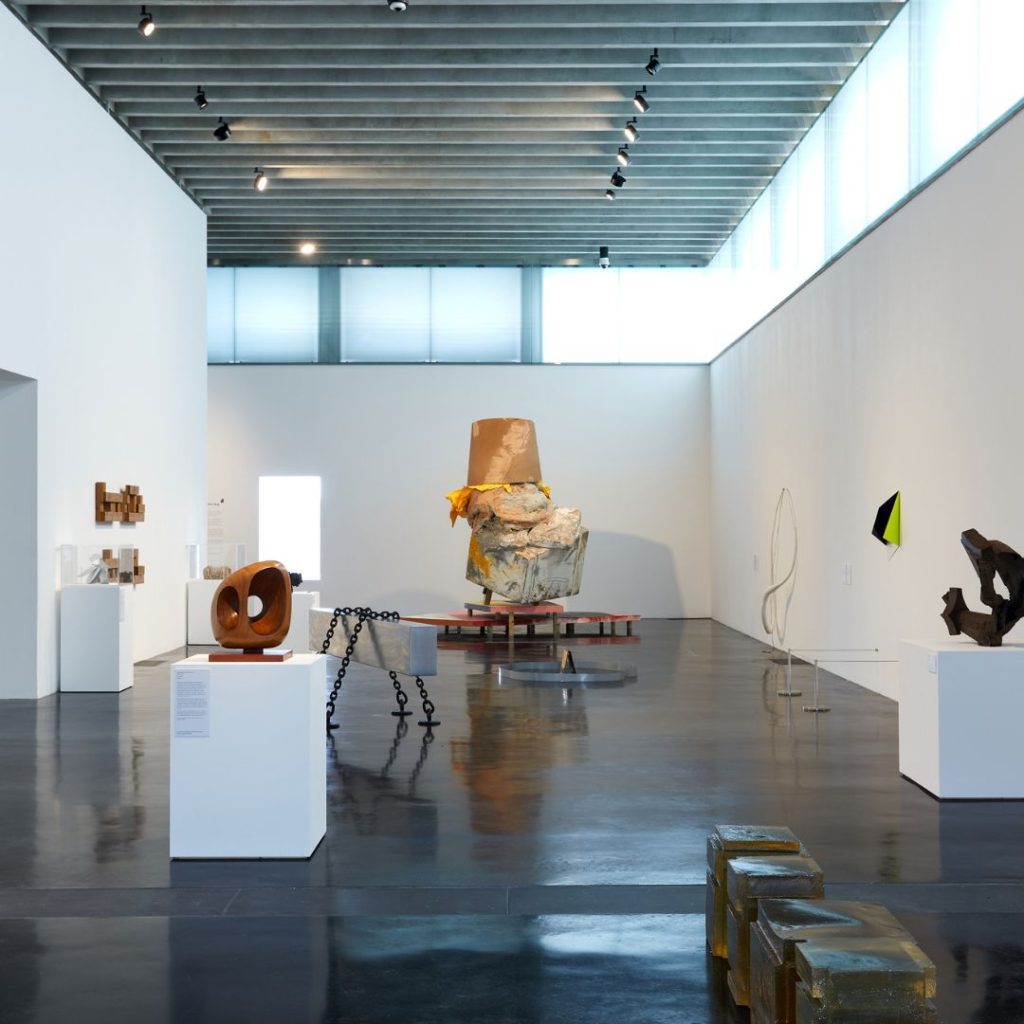
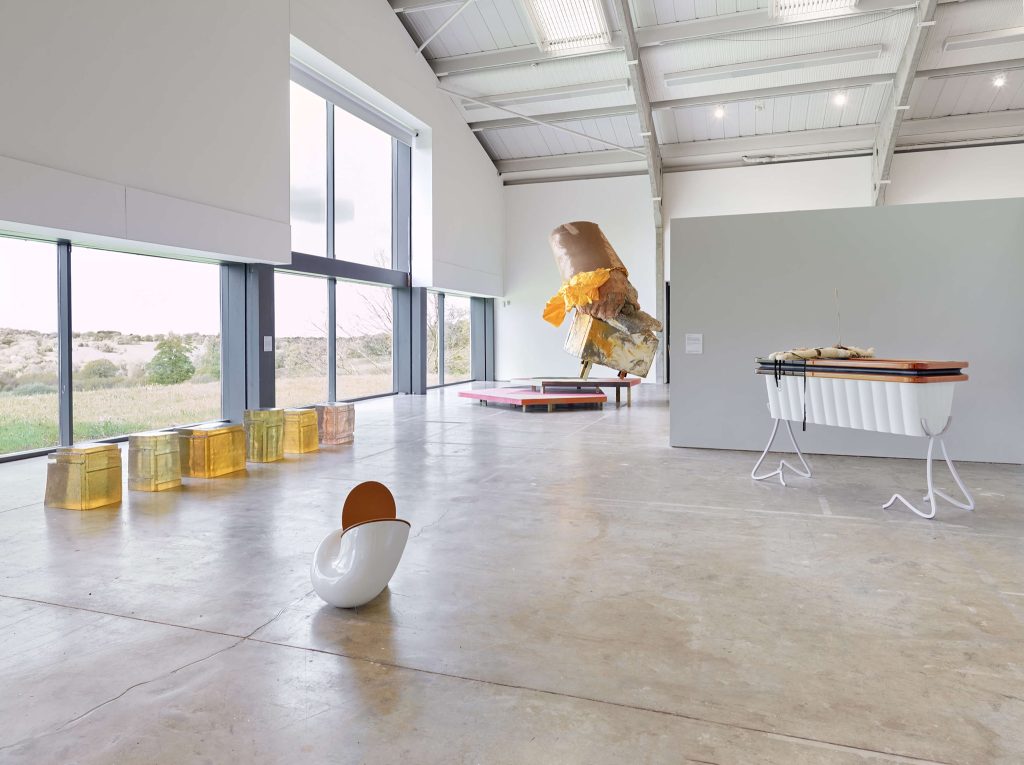
Other cities and regions are constantly adding to the picture. In the north, the Turner Prize, the UK’s most visible contemporary art award, is being hosted at Bradford’s Cartwright Hall Art Gallery in 2025, a reminder of how major events now travel beyond London. Many local museums and galleries combine historic collections with modern and contemporary shows, so it is worth checking what is on whenever you are visiting a new place.
National collections without one fixed home
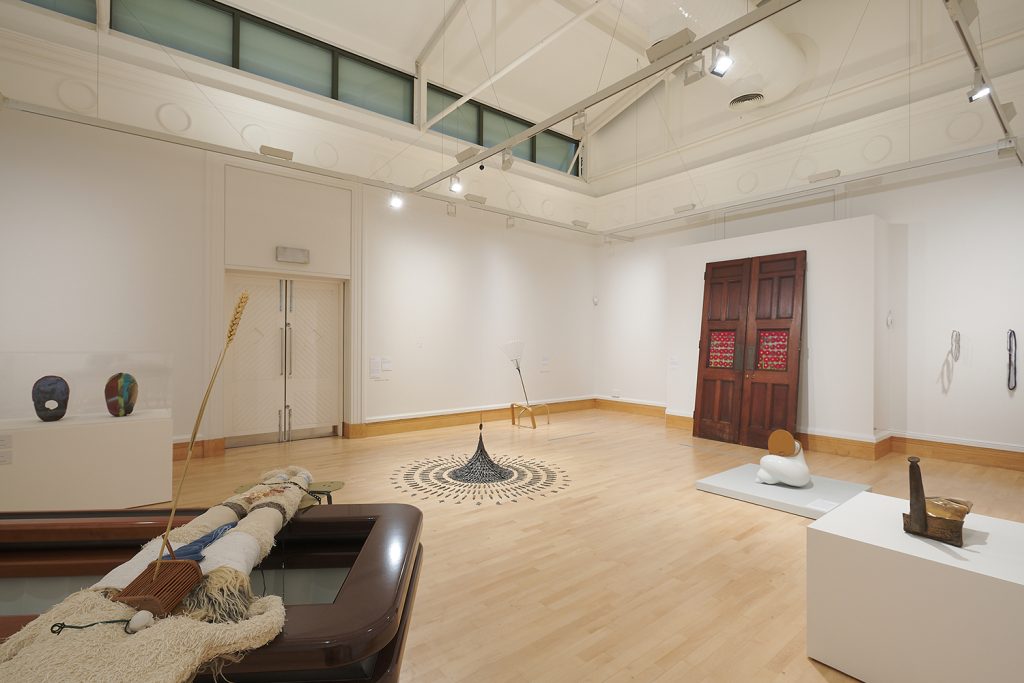
Not all important collections of modern artwork in the UK live in one building. Some exist to be lent out and seen across the country.
Arts Council Collection
The Arts Council Collection is described as the UK’s most widely circulated collection of modern and contemporary British art. It continues to grow through purchases, including support from funds connected to major art fairs such as Frieze. Works travel constantly, appearing in exhibitions from small regional spaces to major national institutions. When you visit a show and see that a work is on loan from the Arts Council Collection, you are looking at part of a national resource designed to be shared.
Government Art Collection
The Government Art Collection is unusual even by UK standards. Rather than being housed in a public gallery, its works are displayed in government buildings in nearly every capital city in the world, making it the most dispersed collection of British art. This means modern artwork in the UK plays a quiet but significant role in cultural diplomacy, greeting visitors to embassies and ministries overseas.
The Ingram Collection of Modern British and Contemporary Art
The Ingram Collection is a major private collection of modern British and contemporary works, with around 650 pieces, more than 400 of them by key artists of the Modern British era. It is actively loaned to exhibitions and used in collaborations with museums, schools, and universities. Again, the guiding idea is that modern artwork in the UK should be seen and worked with, not just stored.
Key London spaces for modern artwork in the UK
London remains the single richest city for modern and contemporary art in the UK. Beyond Tate, several institutions are particularly important.
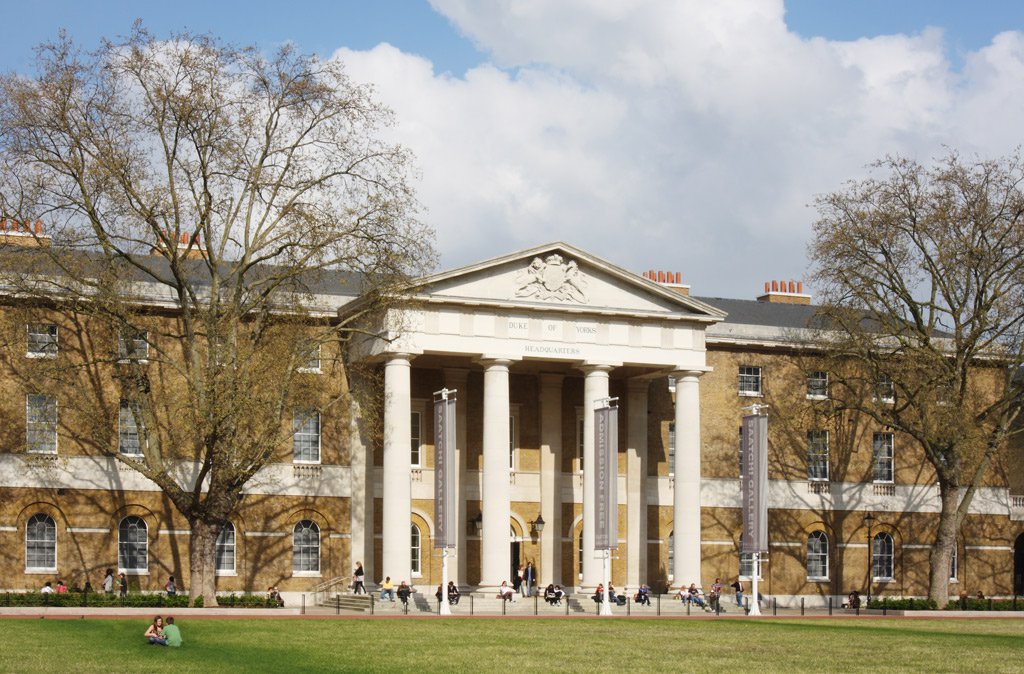
Saatchi Gallery, Chelsea
Saatchi Gallery is an independent contemporary art gallery and registered charity that has been showing emerging and international artists since 1985. It has played an outsized role in the story of Young British Artists, international minimalism, and painting based revivals. In 2025 and 2026 the gallery is celebrating its fortieth anniversary with The Long Now, a large scale exhibition that brings together artists associated with the gallery across four decades alongside new voices. If you are interested in how the market, media, and curatorial practice have shaped modern artwork in the UK since the 1980s, this is a fascinating case study.
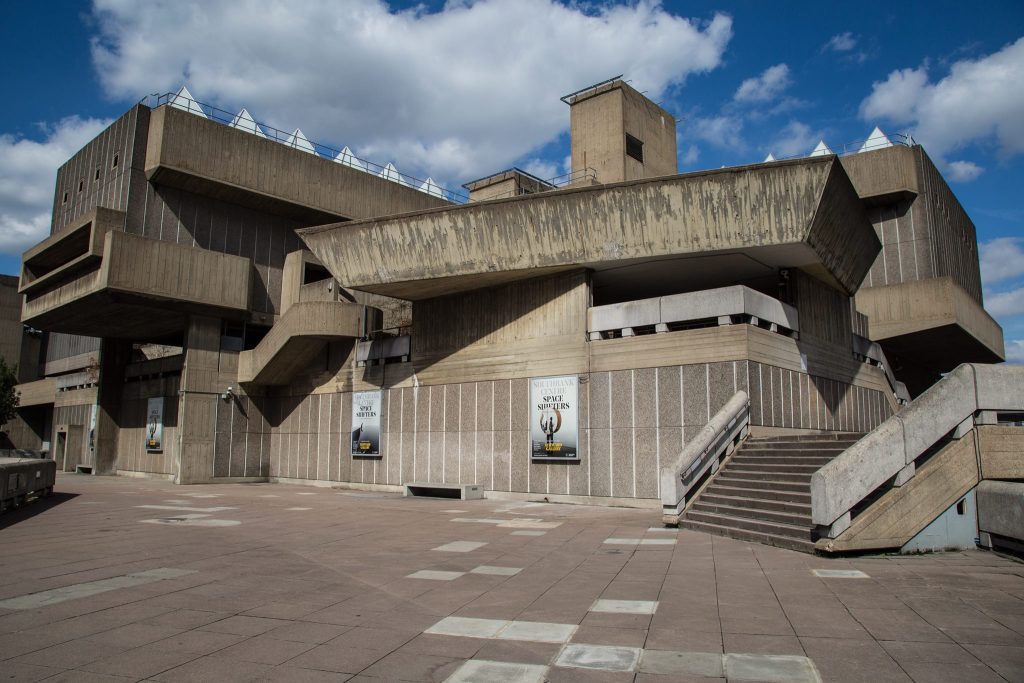
Hayward Gallery, Southbank Centre
The Hayward Gallery, part of London’s Southbank Centre, is a landmark of brutalist architecture and one of the city’s main venues for contemporary art exhibitions and high profile installations. Unlike Tate, it does not have a permanent collection. Instead it hosts three or four major temporary exhibitions each year, often ambitious group shows or surveys of influential artists. The building itself, with its concrete terraces and view across the Thames, has become an icon of modern design in its own right.
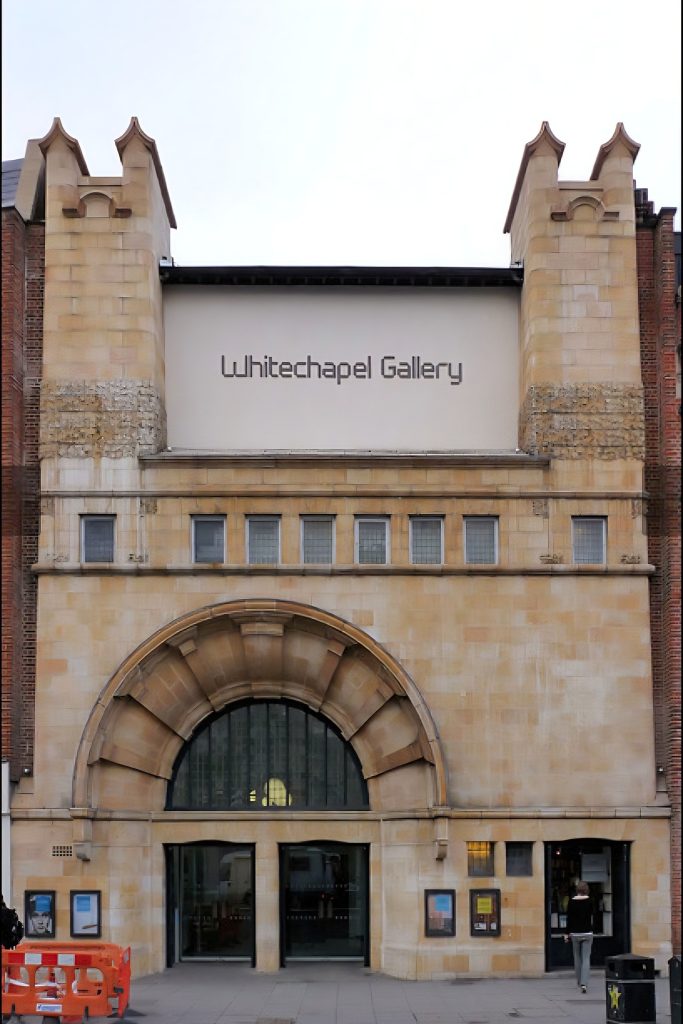
Whitechapel Gallery, East London
Whitechapel Gallery has been a key institution in the story of modern artwork in the UK for more than a century, staging early shows for artists who later became household names. Today it continues to present exhibitions, commissions, and education programmes in east London, supported by public funding from Arts Council England and other partners. Its programme mixes experimental contemporary work, themed group exhibitions, and projects that connect strongly with the local area.
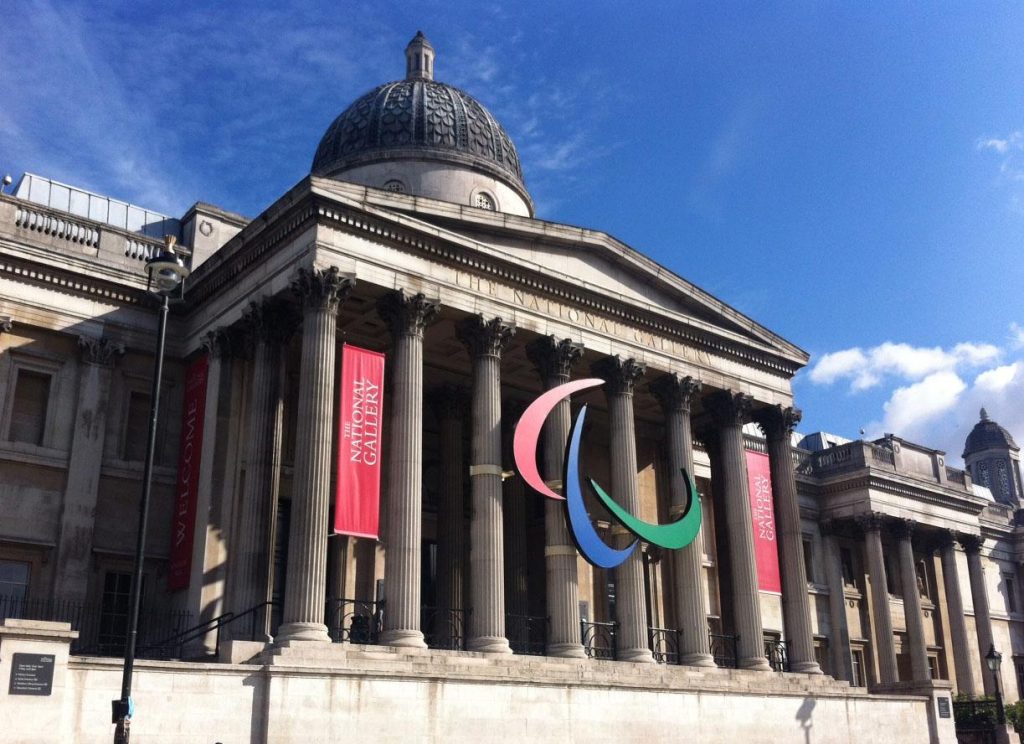
The National Gallery and modern art in dialogue with the past
Although best known for its collection of historic painting, London’s National Gallery now runs a strand of contemporary and modern exhibitions designed to sit in dialogue with its permanent displays. Every three years it stages a major modern and contemporary exhibition, with smaller experimental projects in between, to help visitors think about the historic collection in new ways. This is a good reminder that modern artwork in the UK is not sealed off in separate spaces: it increasingly appears in conversation with older art.
The Courtauld Gallery also reflects this tendency, with exhibition programmes that range from Goya to Impressionism and post Impressionism, tying nineteenth century innovations directly to later modern developments.
Unmissable shows and seasons for modern artwork in the UK
Exhibitions change constantly, so anything named here is a snapshot rather than a permanent list. That said, a few current and recent seasons give a sense of how rich the scene is.
At Tate Modern, recent and upcoming exhibitions focus on artists who explore the relationship between digital images and lived experience, such as Ed Atkins, whose videos and animations investigate how technology shapes the way we see ourselves. Combined with large scale installations in the Turbine Hall and themed collection displays, this makes Tate Modern a must see for anyone tracking global contemporary practice.
Tate Britain is marking the 250th anniversaries of Turner and Constable with a major exhibition that shows how their work pushed landscape painting towards an early form of modernism, with late Turner in particular edging close to abstraction. The National Gallery, meanwhile, is planning a new wing dedicated to modern art, funded by significant private donations and developed in collaboration with Tate, which will further strengthen London’s offer in this area.
At Saatchi Gallery, The Long Now brings together new works by artists associated with the gallery across forty years, alongside new generations. Reviews highlight dramatic installations such as a lake of oil and a suspended spinning car, underlining the gallery’s long term commitment to large scale, immersive contemporary work.
Outside London, Baltic, Modern Art Oxford, Kettle’s Yard, Pallant House, and the Scottish National Gallery of Modern Art all run dynamic programmes that mix established names with emerging voices. In Bradford, the Turner Prize exhibition at Cartwright Hall is bringing national attention to the city’s cultural scene.
Because modern artwork in the UK moves quickly, the best approach is to treat named exhibitions as examples, then always check the current listings on each gallery’s website as you plan your trip.
How to plan your own modern art itinerary in the UK
If you want to build an itinerary around modern artwork in the UK, you can think in layers.
- Anchor cities Start with a few anchor cities where you can spend at least a day or two focused on art. London, Edinburgh, Glasgow, Liverpool, Manchester, Leeds, Newcastle and Gateshead, Oxford, Cambridge, and Brighton all have multiple venues for modern and contemporary work.
- Combine national collections with focused spaces In London, join Tate Modern or Tate Britain with Saatchi Gallery, Hayward Gallery, or Whitechapel. In Edinburgh, mix the Scottish National Gallery of Modern Art with smaller spaces and sculpture parks. In Cornwall, combine Tate St Ives with the Barbara Hepworth Museum and other local studios.
- Add a regional highlight Pallant House in Chichester, Modern Art Oxford, Baltic in Gateshead, Kettle’s Yard in Cambridge, and museum based shows in cities like Manchester, Sheffield, Leeds, and Birmingham are all strong additions if you are already nearby.
- Track travelling exhibitions and prizes Keep an eye on the Turner Prize, which now regularly leaves London, and on touring shows organised by the Arts Council Collection, Hayward Gallery Touring, and major national museums. These can bring high profile modern and contemporary work to places you might already visit for other reasons.
Practical tips for getting more from modern artwork in the UK
Modern and contemporary art can feel intimidating if you are not used to it, but a few simple habits make a big difference.
Read the wall texts, but do not feel ruled by them
Labels and introductory texts give useful context, especially when works refer to specific histories or communities. At the same time, modern artwork in the UK often invites you to bring your own experience. It is fine to sit with a work, note your own response, then check how that lines up with what the curators have written.
Give large installations enough time
Galleries like Tate Modern, Saatchi Gallery, Hayward Gallery, and Baltic specialise in large scale installations that reward slow looking. Plan your visit so you are not rushing from room to room. One or two memorable encounters are better than ticking off everything.
Use audio guides, talks, and tours
Many institutions run free or low cost tours, talks, and family activities that open up modern and contemporary work in more conversational ways. Tate, Baltic, Modern Art Oxford, and Kettle’s Yard all have strong learning programmes designed for different ages and levels of experience. If you are new to modern artwork in the UK, attending one tour midway through your visit can transform how you see the rest.
Balance blockbuster shows with smaller exhibitions
Big name exhibitions are exciting, but some of the most rewarding encounters happen in smaller rooms. At Kettle’s Yard, for example, the house itself is as important as any individual work. At Pallant House and Modern Art Oxford, smaller galleries often host thoughtful, tightly curated shows that stick in the mind. When you look up what is on, treat project spaces and smaller exhibitions as equal to the headline show.
Think beyond painting
Modern artwork in the UK encompasses sculpture, photography, moving image, sound, performance, digital work, socially engaged projects, and more. At the Scottish National Gallery of Modern Art and other major institutions you will find everything from outdoor sculpture parks to video installations and archival displays. Let yourself follow what draws you, rather than feeling you must focus on one medium.
Why modern artwork in the UK matters
Modern artwork in the UK is not just a leisure option. It shapes how the country understands itself and tells its story abroad. The government and arts funding bodies invest in collections that travel across the world, from the Government Art Collection in embassies to touring programmes that take work from big cities to small towns.
At the same time, the infrastructure that supports modern and contemporary art is changing. Tate is refining its financial model and staffing to stay sustainable, while investing in major projects such as the transformation of Tate Liverpool and the continued development of sites like Tate St Ives. The National Gallery is planning a substantial new wing for modern art, in collaboration with Tate, backed by unprecedented donations.
For visitors, this means the landscape of modern artwork in the UK will keep evolving. New spaces will open, existing galleries will expand, and collections will shift emphasis as curators respond to global debates and local realities. If you are building a long term interest in modern British and international art, the UK will remain one of the most interesting places to follow these changes.
Building your own relationship with modern artwork in the UK
You do not need to see everything to build a meaningful relationship with modern artwork in the UK. Start with a single city and a handful of places that appeal to you. Give yourself permission to walk away from work that leaves you cold and spend extra time with pieces that pull you in.
Over time, you will start to recognise threads between spaces and collections: how a painter you first saw at Tate Modern reappears at Pallant House, or how a sculptor’s work in Edinburgh connects with an installation in London. Modern artwork in the UK is a network rather than a checklist. The pleasure is in tracing your own route through it.
If you keep an eye on gallery listings, travel a little beyond the obvious, and mix big names with smaller, more intimate venues, you will quickly find that modern and contemporary art becomes one of the most satisfying reasons to explore the country.
Leave a Reply