
No products in the cart.

The Basics of Art Appreciation: How to Really Look at Art
Art can be intimidating if you feel you are supposed to have the right words or the right education before you are allowed an opinion. In reality, the basics of art appreciation are much simpler. You do not need a degree to enjoy paintings, sculpture or contemporary installations. You need time, curiosity and a few habits that help you really look.
This guide is written with visitors to Town Quay Studios and other galleries in mind. It will walk through what art appreciation actually is, how to look slowly, what to pay attention to, and how to build your own taste with confidence.

What art appreciation really means
Art appreciation is simply the practice of paying serious attention to artworks and the experiences they create. It sits somewhere between art history, which focuses on context and chronology, and collecting, which focuses on ownership.
Good introductory courses on art appreciation stress looking first and facts second. You learn to slow down, describe what you see, notice how a work has been made, and then connect that to ideas, feelings and context. You can add as much history and theory as you like on top, but careful looking is the foundation.
A useful modern term here is visual literacy. Museums and educators use it to describe the ability to read images, not just text, and to think critically about what they show, what they leave out, and how they guide your eye. It is increasingly recognised as a basic life skill, not a niche interest.
So when you hear “art appreciation”, think less of standing in a gallery nodding quietly and more of training your eye and mind to notice.

Myths that put people off looking at art
Before we get into practical steps, it helps to clear away some common myths. Many people arrive at a gallery already feeling wrong footed.
One myth is that you need to know a lot before you can engage with art properly. In truth, most good educators will tell you that you can get a long way with simple questions: what do I see, what do I feel, what might this be about. Background knowledge helps, but it is not a gatekeeper.
Another myth is that there is one correct answer hidden inside each artwork, and that your job is to guess it. Some works do have specific stories or symbols, but good art is usually richer than a single solution. Different viewers notice different aspects and bring their own experiences.
A third myth is that if you do not like something immediately, you are missing something. First impressions matter, but they are not the whole story. Some works are slow burners that only open up after you have spent time with them. Others leave you cold, and that is fine. You are allowed to move on.
If you can let go of those three ideas, you are already much closer to being an active, confident viewer.
A simple framework for really looking at art
There are many formal models for analysing art, but beginners tend to get lost if you throw everything at them at once. A practical way to look that works in Town Quay Studios or any museum breaks down into five steps.

1. First impressions
Stand in front of a work and give yourself a minute without reading the label. Notice your gut response. Do you feel calm, confused, unsettled, intrigued. Are you drawn in or pushed back. Do not censor it.
These first impressions are not the final word, but they matter. They tell you what your eye and body are doing before your brain starts offering explanations.

2. Describe what you actually see
Next, put your attention on describing rather than judging. Imagine you are talking on the phone to someone who cannot see the work. How would you explain it.
Look for:
- subject matter, if there is any
- main shapes and areas
- where the light seems to come from
- what kind of marks have been used
- what colours dominate
The key is to stay concrete. “There is a large dark shape on the left with thin white lines cutting through it” is more useful than “it feels dramatic” at this stage. Formal teaching uses this descriptive phase as the first step in structured art criticism, before moving to analysis and interpretation.
3. Notice how it has been made
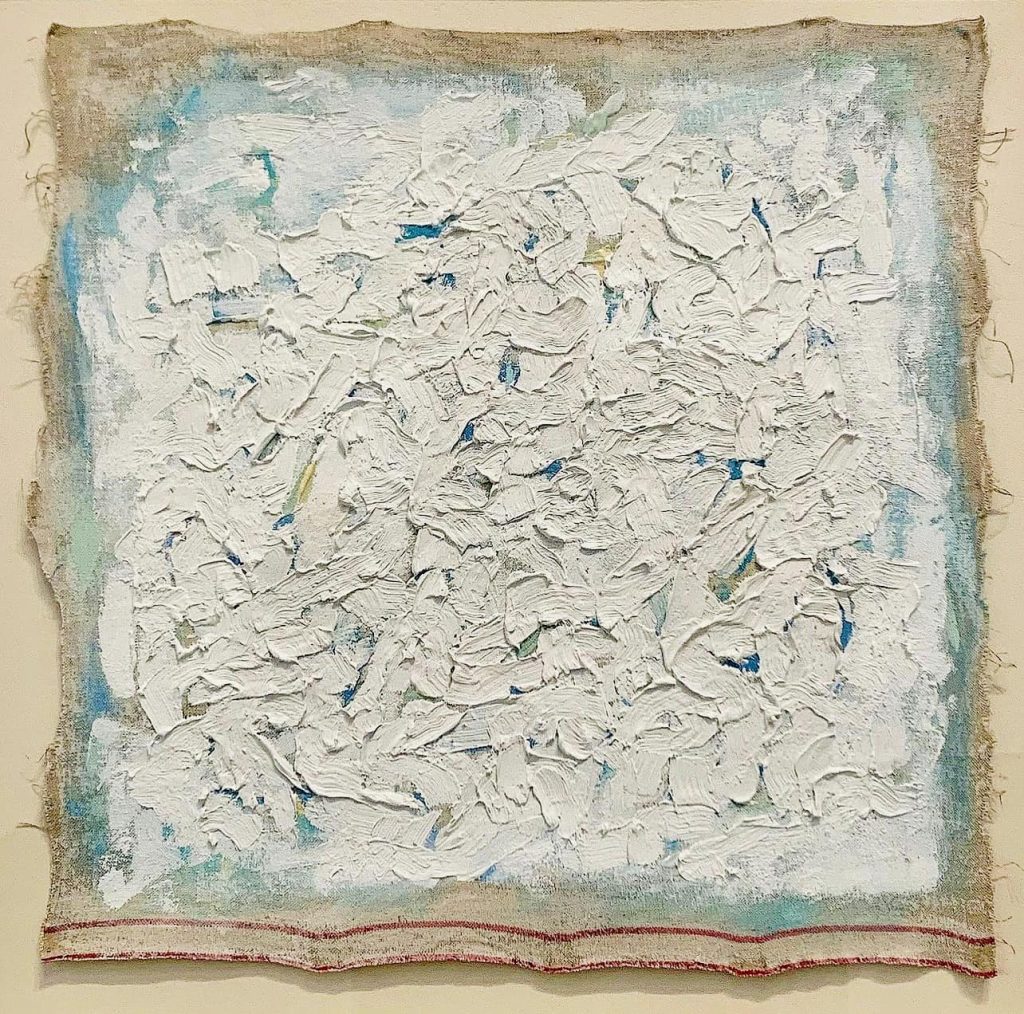
Now start to think about process. Get close enough to see the surface. Is the paint thin or thick. Are there visible brushstrokes, scratches or drips. If it is a drawing, can you see hatching, rubbing out, the weight of the line. If it is a sculpture, can you tell whether it has been carved, cast or assembled.
You do not have to know all the technical terms. Simply asking “how might this have been made” switches you from passive looking to active curiosity. Guides for beginners emphasise that paying attention to materials and techniques is one of the easiest ways to deepen your understanding.
4. Look for structure
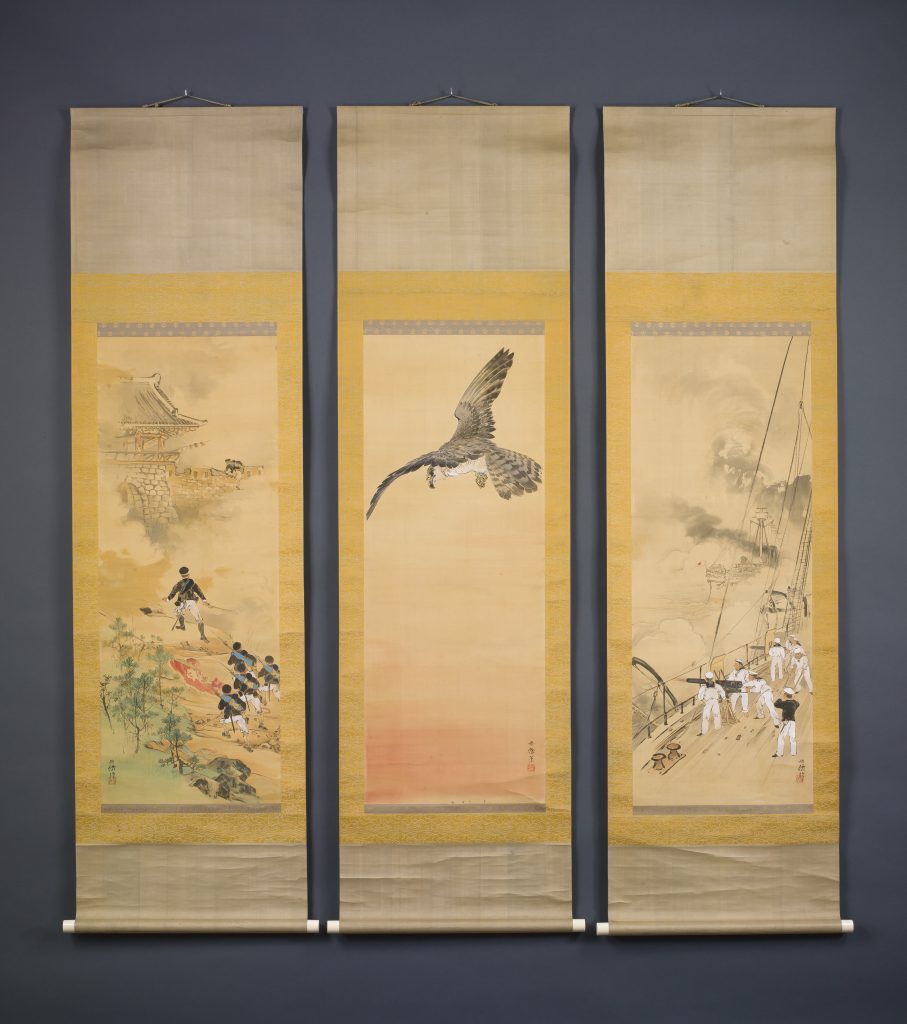
Composition is the quiet structure under the surface. Step back again and see how the work is organised.
Questions that help:
- Where does my eye go first
- Are there strong lines or shapes that lead it around
- Is the work symmetrical or deliberately unbalanced
- Are light and dark evenly spread or concentrated
Education sites often encourage viewers to think in terms of the formal elements of art at this point: line, shape, colour, tone, texture, space. You do not need to recite them like a list, but they give you a toolkit for noticing pattern rather than guessing at meaning straight away.
5. Only then, think about meaning
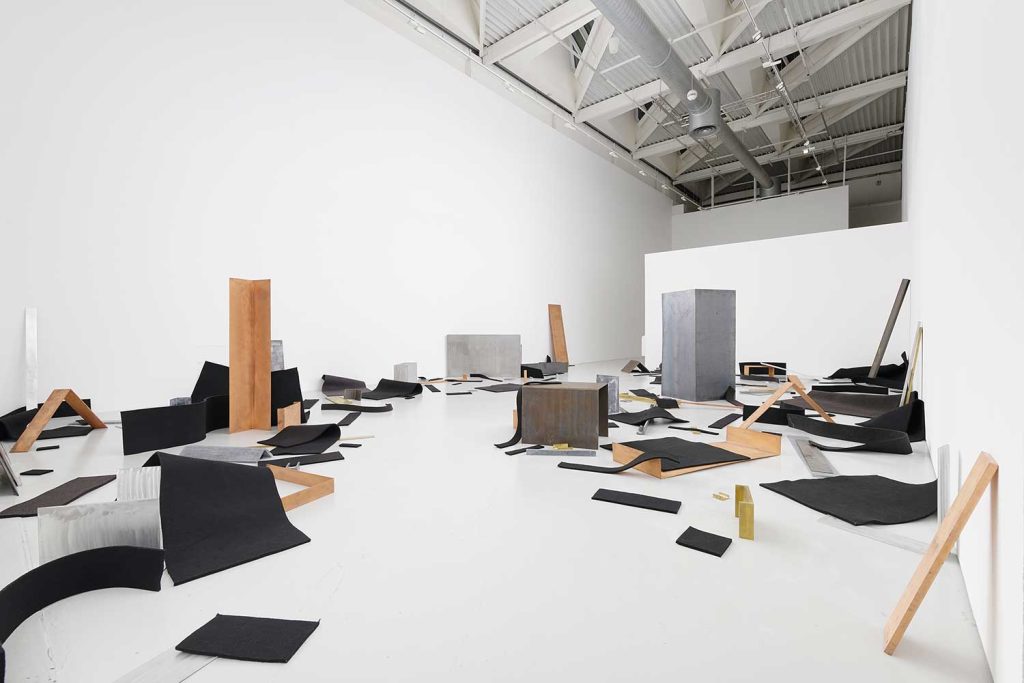
Once you have spent time with what is there, you are in a much better position to ask what it might be about. Meaning can sit in a subject, a mood, a political idea, a memory, or simply in the way something has been made.
Now is the moment to read the label, ask about the artist, and bring in context such as when and where the work was made. Sometimes that information will confirm what you have already sensed. Sometimes it will completely shift your view. Both experiences are valuable.
Frameworks like this are used in museums and universities worldwide, not to bully viewers into agreement, but to give you a reliable way into any artwork, whether it is a renaissance altarpiece or a contemporary abstract on plywood.

How to look at different kinds of art
The basic process does not really change, but different types of art invite you to lean on different parts of it.
Figurative painting and drawing
When a work shows recognisable subjects, it is easy to jump straight into story. Who are these people, what is happening, what is the narrative. That is a natural instinct, and there is nothing wrong with it, but you will get more from the work if you also ask how those stories are told visually.
Pay attention to:
- where faces and hands sit in the composition
- how light and shadow fall, and what they emphasise
- how much detail there is in different parts of the painting
- which colours are reserved for important passages
You will often find that the most emotionally charged parts of the image are also the ones with the highest tonal contrast or the sharpest edges. The artist is using the same visual tools in a portrait or a domestic scene that they would in a non narrative work, but attaching them to recognisable people and objects.

Abstract art
Abstract work can be the most intimidating because there is often little or no subject to latch on to. Guides aimed at beginners usually suggest treating abstract pieces as you would music. You do not ask what a piece of music is a picture of. You notice rhythm, harmony, tension and release.
With abstract art, try focusing on:
- overall mood: quiet, busy, heavy, light
- dominant shapes: sharp, soft, geometric, organic
- movement: do your eyes swirl, zigzag, drift
- contrast: are there sudden jumps from light to dark, or gentle transitions
Once you have a sense of those, you can begin to ask whether anything suggests landscape, architecture, bodies, maps or diagrams, but you no longer feel you must decode a hidden image.

Contemporary installations and mixed media
Large installations, video works or mixed media pieces can add another layer of uncertainty. You might be dealing with sound, text, moving images or unusual materials.
In these situations, it helps to think of the entire space as the artwork. Where are you in relation to it. Do you have to walk round or through it. Are there instructions. Are you meant to sit, stand, listen, or touch.
Consider:
- your own body: are you comfortable, off balance, dwarfed, crowded
- time: does the work loop, change, repeat, or stay still
- materials: do they come from everyday life, technology, nature
Installation based work often speaks directly to contemporary issues such as climate, identity, migration or technology. Reading wall text is more important here, but you are still not obliged to agree. Your own experience of being in the work is part of the meaning.
Practising slow looking
Most people walk far too fast in galleries. Studies that look at how visitors behave suggest that we often give each piece only a few seconds of attention, which is hardly enough time for anything to register beyond “like” or “do not like”. Slow looking is a deliberate antidote to that rush.
You can try a simple exercise. Next time you visit a gallery, pick one work and decide you will stay with it for ten minutes. That will feel long at first. Use the framework above to structure your time. Spend a minute or two just noticing your first impressions. Then move closer and describe what you see in detail. Look at how it has been made. Step back and think about structure. Only in the last few minutes bring in context and personal meaning.
People who run slow looking workshops often report that even short exercises like this change the way participants see every other work in the room. Once you have really stayed with one painting, it becomes obvious how much you were missing when you skimmed over the surface.
Slow looking does not mean you have to do this with every single piece. Think of it more like choosing a handful of works in each exhibition for deeper attention, while allowing yourself to browse more lightly through the rest.

Practical tips for visiting a gallery or museum
Knowing how to look is one thing. Putting it into practice in an actual space, whether that is Town Quay Studios in Shoreham, a contemporary gallery in Brighton or a national museum in London, is another.
Here are some practical ways to make a visit feel manageable rather than overwhelming.
Choose fewer works, not more
You do not have to see everything. In a small gallery it might be realistic to give time to every piece. In a big museum, it certainly is not. Before you start, decide that you will choose maybe five to ten works for proper attention. That takes the pressure off.
Use labels wisely
Labels can be useful, but they can also get in the way if you treat them as answer sheets. Try looking first, then reading. Notice what the label emphasises. Is it giving you historical context, explaining symbolism, or focusing on technique. You can decide how much weight you want to give that in your own reading.
Move with your curiosity
If you are visiting somewhere like Town Quay Studios, you may find that certain pieces catch your eye as soon as you walk in. Let yourself follow that interest, even if it is not what you expected to like. Walk towards the works that hook you, then apply your slow looking habits once you are there.
Notice your energy
Galleries can be tiring. There is a lot of visual information, often in quiet spaces where you are unconsciously trying to be considerate of others. Take breaks. Sit down if there is a bench. It is better to spend an hour in a focused way than three hours in a blur.

Going to exhibitions with other people
Art appreciation is not only a private activity. Talking about what you see with a friend, partner or group can unlock things you might have missed on your own.
The important thing is to avoid turning the conversation into a test. Instead of “what do you think this means”, try questions that invite multiple answers:
- what did you notice first
- which part of the painting keeps pulling your eye back
- does anything surprise you when you look longer
- how does this feel different from the last piece we saw
Education projects that use art to build visual literacy with school pupils often rely on exactly these open questions. They are just as effective for adults.
If you disagree about a work, that is a feature, not a bug. Ask yourself why you respond differently. Are you focusing on different parts of the image, or bringing different experiences.
Building your own taste
One of the quiet pleasures of art appreciation is discovering what you actually like, beyond what you feel you should like. That takes time, repetition and a bit of self observation.
You might notice, for instance, that you keep returning to certain colours or kinds of mark making. Perhaps you realise that you find highly detailed paintings exhausting but could look at simplified, atmospheric pieces for hours. You may realise you love strong narrative scenes, or that you are drawn again and again to works that sit between abstraction and figuration.
A few habits that help:
- take quick photos of works that stay with you, where allowed
- jot down a sentence or two afterwards about why they worked
- revisit the same gallery at different times of year and see what changes for you
Many people assume that taste is fixed. In reality it shifts as you see more, learn more and live more. Keeping an informal record makes that evolution visible and helps you choose work for your own home or studio that will still feel meaningful in years to come.

Art appreciation in everyday life
Looking at art is not confined to white walled galleries. Once you start paying attention, you notice artworks and designed images everywhere: public sculpture in town squares, murals on underpasses, book covers, film posters, social media feeds.
The same skills apply. You can ask what you notice first, how your eye is led around, what emotions the image seems to be aiming for, and whether it succeeds.
This is where art appreciation meets visual literacy most directly. Being able to read images critically helps you navigate advertising, politics and online culture as well as paintings. Museums, schools and universities increasingly frame it as a core part of education, not a luxury.
For Town Quay Studios, which sits physically close to the river and socially close to the everyday life of Shoreham by Sea, this broader sense of art in the world is important. Visiting a show is not just a rare special occasion. It is part of a wider habit of noticing and reflecting that you can bring back to your own street, workplace or kitchen table.
Bringing it back to Town Quay Studios
All of this theory becomes real when you stand in front of an actual painting. In a space like Town Quay Studios, you are close to the work physically. You can see the surface, catch side light on brushstrokes, and move a step or two to change your view.
Next time you are in the gallery, you might try choosing one painting and quietly running through the simple framework in your head. First impressions. Careful description. Attention to how it has been made. Noticing structure. Then bringing in context and personal meaning.
You do not have to announce that you are doing “art appreciation”. No one else needs to know. What matters is that you give yourself permission to slow down and look properly.
The basics of art appreciation are not about memorising movements or impressing anyone with the right vocabulary. They are about building a habit of attentive looking that makes each visit to a gallery, and each encounter with art elsewhere, a bit richer than the last.
The more often you practise that habit, the more you will find that artworks do not sit at a polite distance from everyday life. They become part of how you think, feel and make sense of the world you move through. That is when art appreciation stops being a topic and becomes a way of seeing.
Leave a Reply