
No products in the cart.
Spotlight on British Female Artists: Pioneers of Creativity and Change
The history of British art looks different when women artists are put back into it.
For centuries, women painted portraits, made sculptures, illustrated books, produced prints, experimented with photography and built serious professional careers. Some became famous in their own lifetimes. Others exhibited widely, earned money through their work and attracted important patrons.
Yet many later disappeared from the standard story of British art.
Today that history is being reconsidered.
Artists once treated as exceptions are being understood as part of a much larger tradition. At the same time, contemporary British female artists are working across painting, sculpture, photography, installation, textiles, film and digital media with an extraordinary range of approaches.
There is no single style that defines British female artists.
That is what makes the subject interesting.
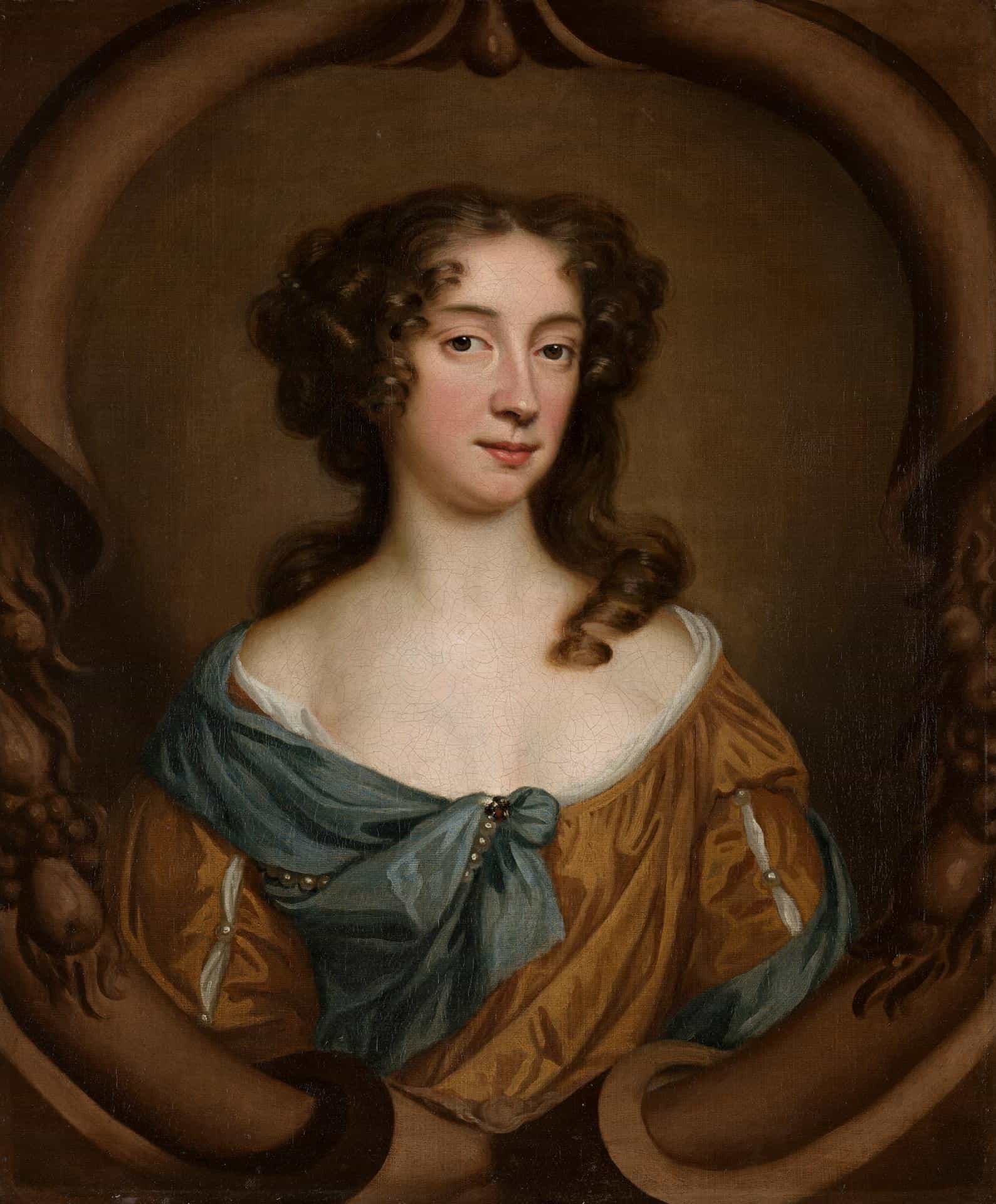
Mary Beale painted portraits in the seventeenth century.
Angelica Kauffman helped found the Royal Academy.
Laura Knight painted dancers, travellers, workers and wartime subjects.
Barbara Hepworth transformed modern sculpture.
Bridget Riley changed how viewers experience colour and optical movement.
Lubaina Himid has used painting and installation to examine history, representation and overlooked lives.
Tracey Emin turned personal experience into public art.
Jenny Saville pushed figurative painting towards monumental physicality.
These artists are separated by centuries, materials and intentions.
What connects them is not a shared visual language but their place within a history that was far richer than traditional accounts often suggested.
What Do We Mean by British Female Artists?
The phrase British Female Artists sounds simple, but British art has never existed within perfectly neat borders.
Some important women artists were born in Britain.
Others were born elsewhere and made Britain central to their careers.
Some were British citizens working internationally.
Others arrived in Britain through migration, education, marriage or political change and became part of British artistic life.
For that reason, it is often more useful to think about women who shaped art in Britain rather than trying to create an unnecessarily rigid definition.
Their work includes:
- Painting
- Drawing
- Sculpture
- Photography
- Printmaking
- Textiles
- Ceramics
- Performance
- Installation
- Film
- Conceptual art
- Public art
- Digital work
The history is not one movement.
It is many overlapping histories.
Were There Female Artists in Britain Before Modern Art?
Absolutely.
One of the most persistent misconceptions about art history is that professional women artists barely existed before the twentieth century.
They did.
The difficulty was not an absence of talent.
Women frequently had less access to professional training, academies, life drawing, commissions and artistic networks. Social expectations could restrict travel, financial independence and participation in public professional life.
Yet women still built careers.
Some worked within artistic families.
Others developed networks of patrons.
Some established studios.
Many exhibited and sold their work.
The greater problem came later, when histories of art were written in ways that frequently left them out.
Recovering British female artists is therefore not simply about adding a few forgotten names.
It changes our understanding of who was actually producing art.
Mary Beale: One of Britain’s Earliest Professional Female Painters
Mary Beale, born in 1633, is one of the most important early British female artists.
She became a successful professional portrait painter at a time when running an artistic career as a woman was unusual and difficult.
Her sitters included members of the clergy, intellectual circles and prominent families.
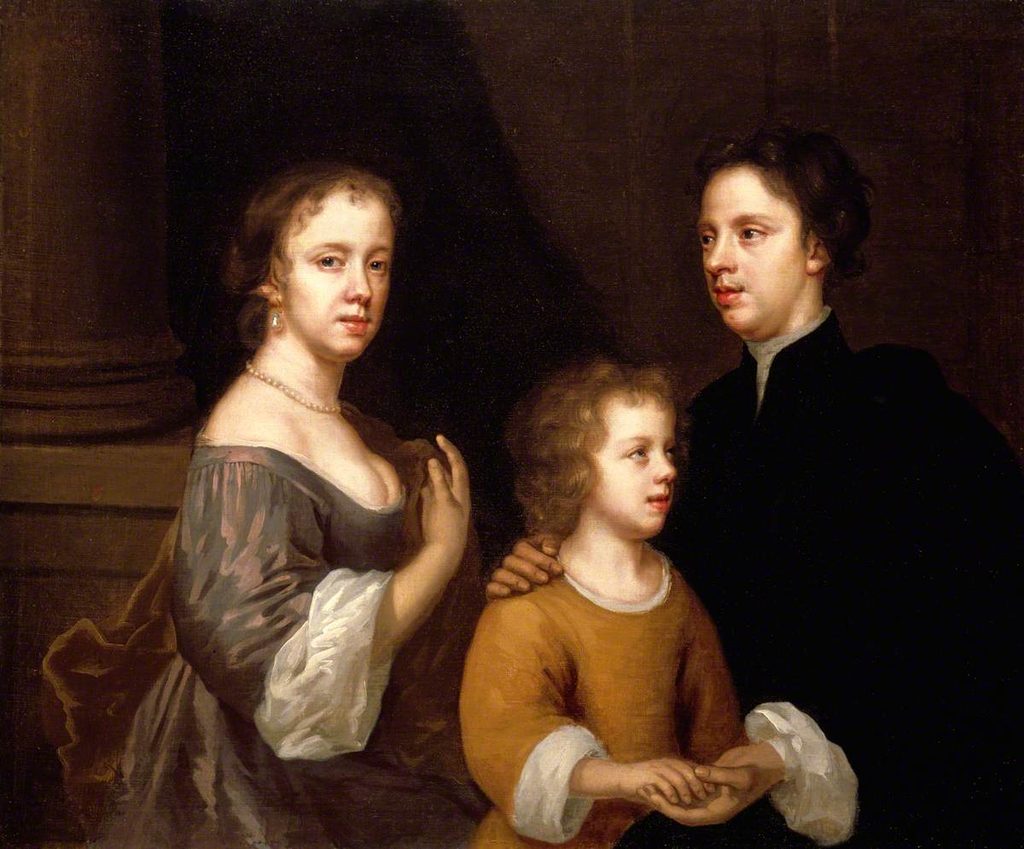
Beale’s story is particularly interesting because her studio appears to have operated as a family business.
Her husband, Charles Beale, assisted with aspects of the studio and kept detailed notebooks concerning materials, commissions and working methods.
This turns the familiar historical image of the male artist supported by an invisible household on its head.
Mary was the professional painter.
Her success also demonstrates that women were not merely making art privately for amusement.
Some were participating directly in Britain’s artistic economy centuries ago.
Joan Carlile and the Seventeenth-Century Woman Artist
Joan Carlile is another important early figure.
Born around 1606, she is among the earliest known British women to practise painting professionally.
Carlile specialised in portraiture and worked within elite social circles.
Her career reminds us that female artistic professionalism did not suddenly appear in the nineteenth or twentieth century.
Women had already been negotiating the boundaries between artistic talent, social position and professional work long before formal institutions became accessible to them.
The surviving evidence is incomplete, which is itself part of the story.
When artists are poorly documented, later generations can easily assume they were unimportant.
Angelica Kauffman: A Founder of the Royal Academy
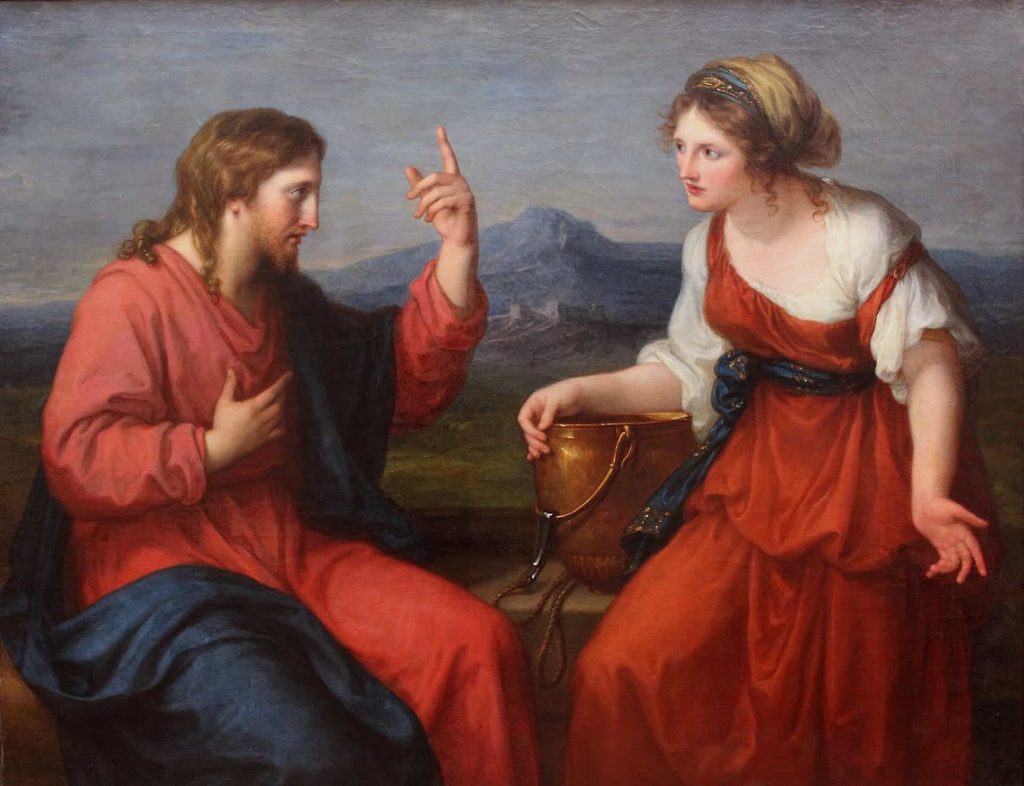
Angelica Kauffman occupies an extraordinary position in British art history.
Born in Switzerland in 1741, Kauffman became internationally successful and established herself in London during the 1760s.
When the Royal Academy of Arts was founded in 1768, she was one of its original members.
Only two women were among the founding group: Kauffman and Mary Moser.
Kauffman worked across portraiture and history painting.
History painting was particularly significant because it was traditionally regarded as one of the highest artistic genres.
Women faced serious barriers in this field because studying the nude body was considered necessary training, yet female students were often denied the same access to nude models as men.
Kauffman’s ambition therefore matters.
She was not simply succeeding within a supposedly suitable area of women’s art.
She was competing within the most prestigious territories of European painting.
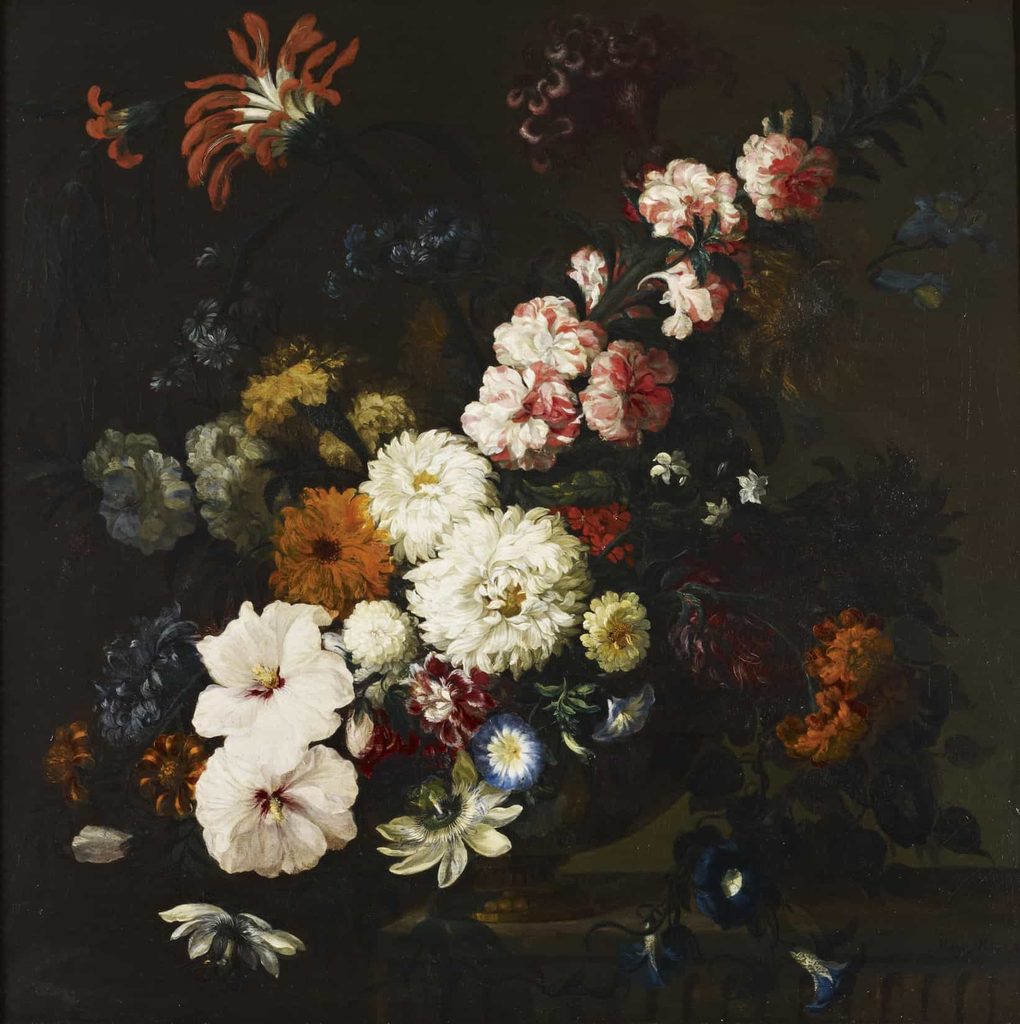
Mary Moser: Painter and Royal Academy Founder
Mary Moser was the other female founding member of the Royal Academy.
She became particularly known for flower painting.
Today, floral subjects can sometimes be dismissed as decorative or minor.
That judgement tells us more about traditional hierarchies of art than about the quality of the work.
Botanical and flower painting demanded careful observation, composition and technical control.
Moser achieved considerable professional recognition.
Yet something revealing happened after Kauffman and Moser.
Women did not suddenly gain equal access to the Royal Academy.
For generations, their presence remained exceptional.
The doors had technically opened, but they did not remain equally open.
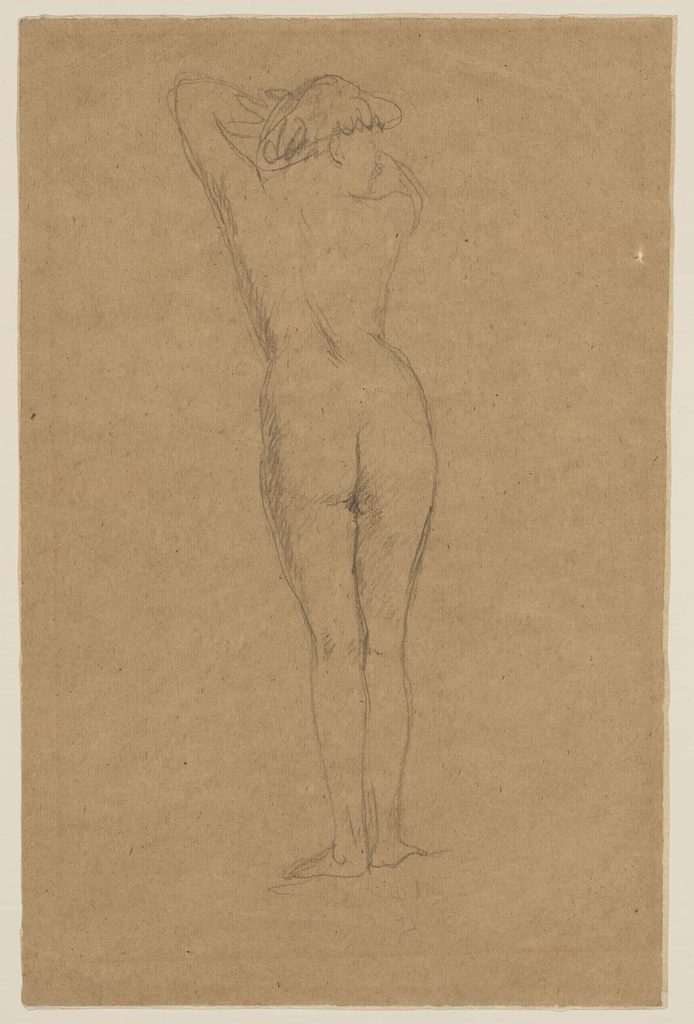
Why Was Art Training More Difficult for Women?
Formal artistic education mattered enormously.
Artists needed to understand:
- Anatomy
- Perspective
- Composition
- Drawing
- Painting techniques
- Materials
- Art history
- The human figure
- Professional practice
But women were often prevented from accessing the same training as men.
Life drawing was a particularly significant problem.
Studying nude models was considered fundamental to ambitious figure and history painting. Yet social conventions made it unacceptable in many institutions for female students to work from nude male models.
This created a strange contradiction.
Women were judged against artistic standards developed through training they were sometimes not permitted to receive.
Restrictions slowly changed, but inequality in art education persisted well into the nineteenth century.
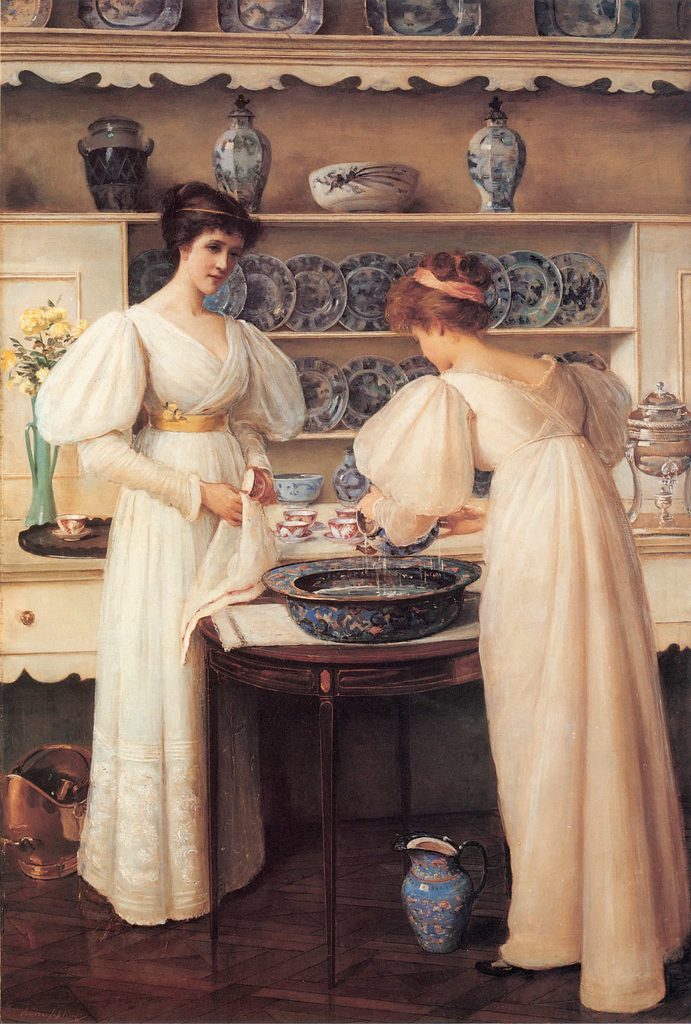
The Society of Female Artists
By the nineteenth century, women artists increasingly created their own professional structures.
The Society of Female Artists was established in the 1850s and held its first exhibition in London in 1857.
It later became the Society of Women Artists.
The organisation gave women a route to exhibit and sell work when many major institutions remained difficult to access.
This is important because exhibitions create careers.
Artists need their work to be seen.
They need reviews.
They need collectors.
They need commissions.
They need other artists.
Without access to exhibition networks, talent alone has limited opportunity to develop into a sustainable profession.
Women-led artistic organisations helped create those opportunities.
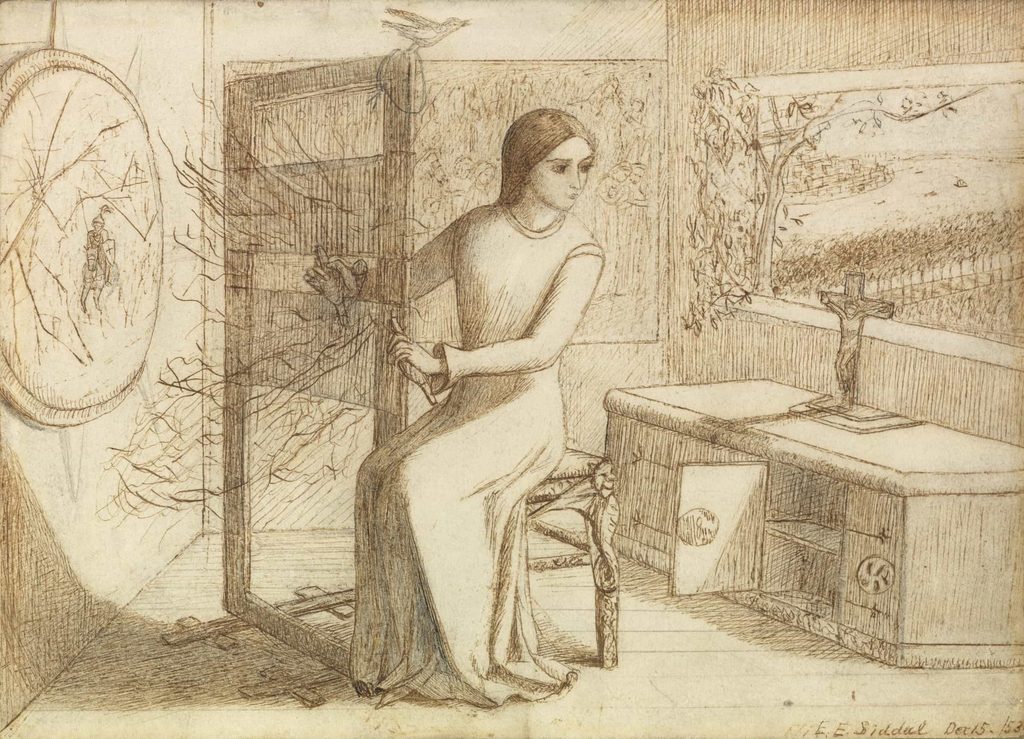
The Pre-Raphaelite Women
The story of the Pre-Raphaelites is usually dominated by names such as Dante Gabriel Rossetti, John Everett Millais and William Holman Hunt.
Women often appear in that story as models or romantic partners.
But women also made art.
Elizabeth Siddal is perhaps the best-known example.
Siddal famously modelled for several Pre-Raphaelite painters, including Millais, but she was also a serious artist and poet.
Her drawings and watercolours have a distinctive, spare character.
Other women connected with Pre-Raphaelite circles also produced important work, including Evelyn De Morgan, Marie Spartali Stillman and Lucy Madox Brown.
Their growing recognition has helped change the way the movement is understood.
The women around artistic movements were not necessarily standing outside the creative process.
Sometimes they were part of it.
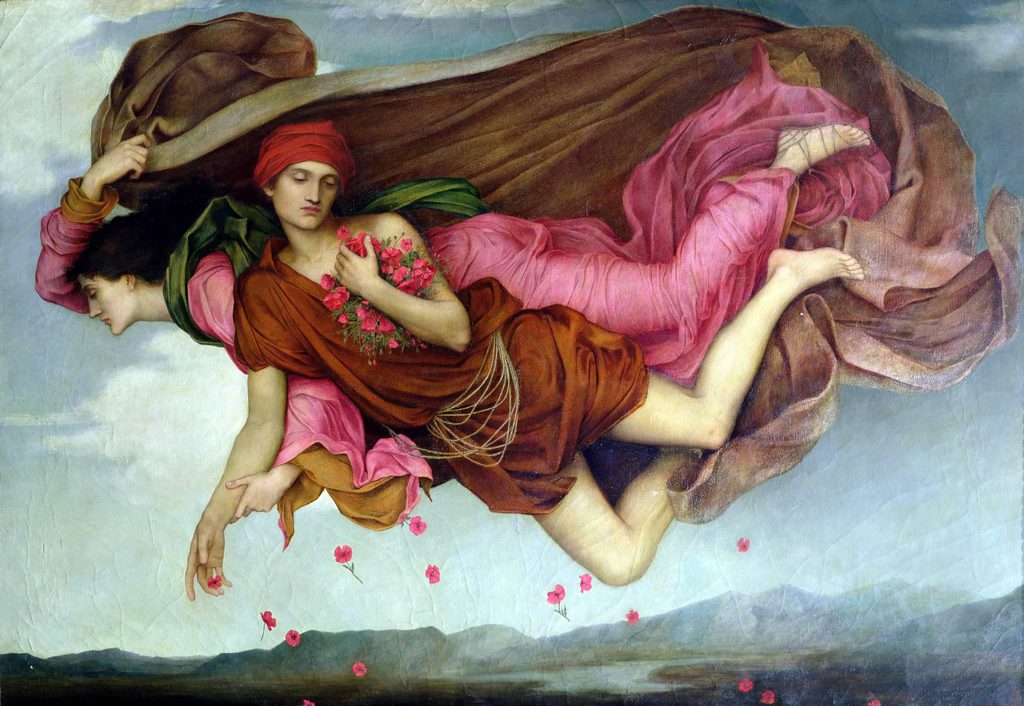
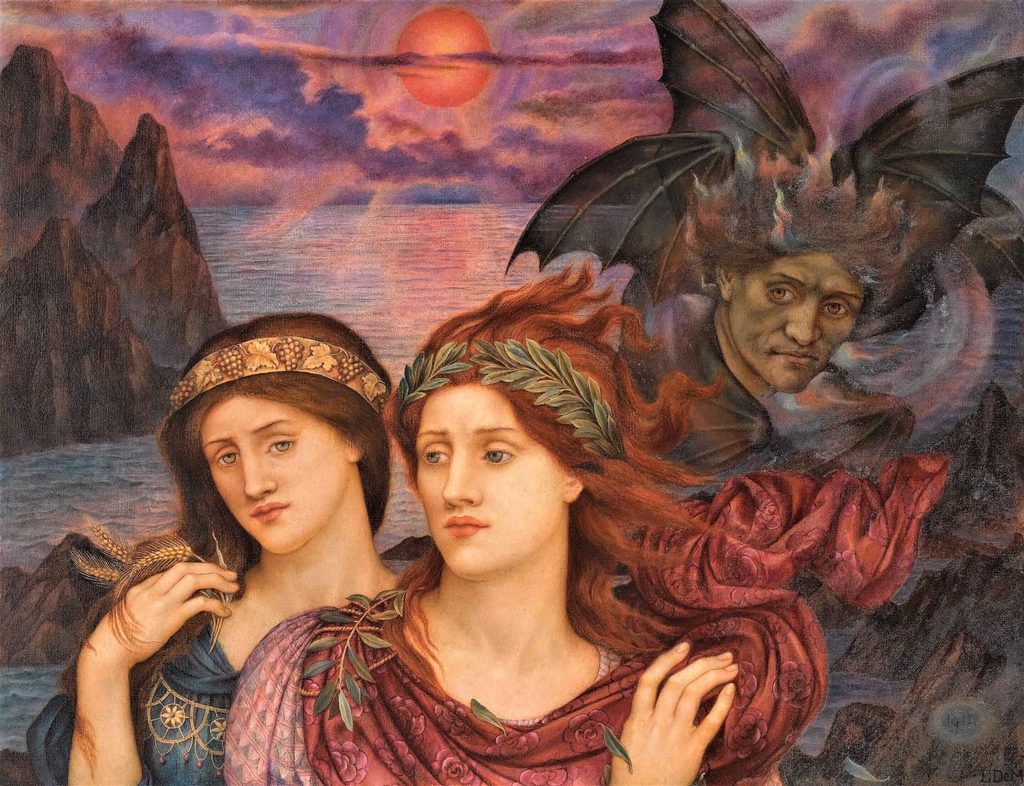
Evelyn De Morgan: Symbolism, Myth and Spirituality
Evelyn De Morgan became one of the most distinctive British painters of the late nineteenth and early twentieth centuries.
Her paintings often combine human figures, mythology, spiritual symbolism and rich colour.
Works such as Night and Sleep and The Gilded Cage show an artist interested not simply in beauty but in morality, freedom, conflict and the position of women.
De Morgan’s technical ability is immediately apparent.
Yet her subject matter deserves equal attention.
She often used symbolic imagery to explore ideas that were political or philosophical beneath their decorative surface.
Her work demonstrates why looking again at British female artists can reveal much more complex histories than the idea of women simply painting genteel domestic subjects.
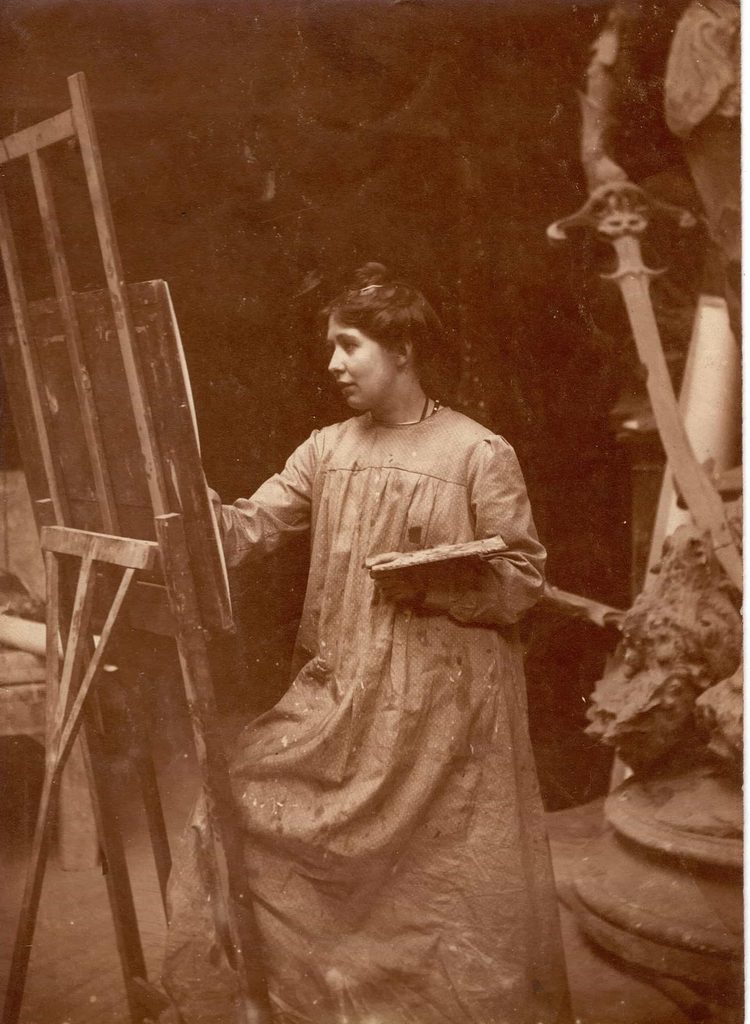
Women, Suffrage and Art
As campaigns for women’s political rights grew, art became one of the ways ideas were communicated.
Women produced posters, illustrations, banners, jewellery, textiles and graphic material for suffrage organisations.
Art could advertise meetings.
It could make political demands visible.
It could create a recognisable identity for a movement.
Artists and designers including Sylvia Pankhurst contributed visual work to the suffrage campaign.
This widened the meaning of professional artistic practice.
A powerful image did not need to hang in a gallery.
It could appear on a banner carried through the street.
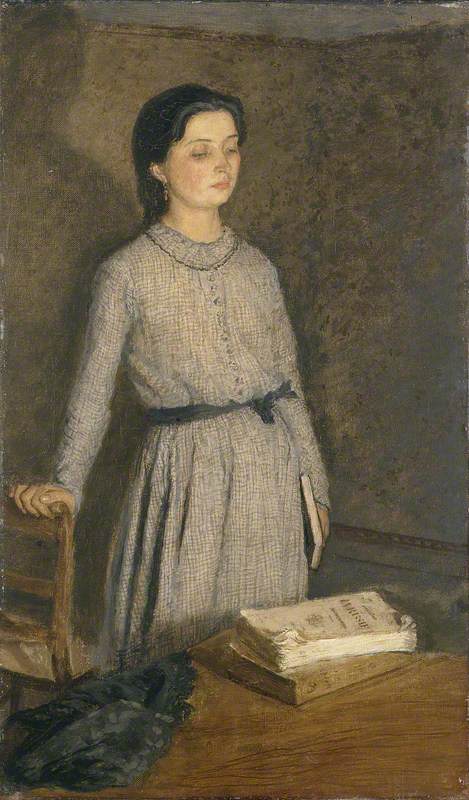
Gwen John: The Power of Quiet Painting
Gwen John offers a very different kind of artistic independence.
Born in Wales in 1876, she trained at the Slade School of Fine Art and later settled in France.
Her paintings are often small and restrained.
Women sit quietly in rooms.
Colours are muted.
Compositions change only slightly between paintings.
Nothing seems designed to demand attention.
Yet the more closely you look, the more deliberate the paintings become.
John explored repeated subjects with extraordinary patience.
She is an important reminder that artistic innovation does not always arrive through spectacle.
Sometimes change comes through concentration.
Her reputation has grown substantially, and she is now widely recognised as a significant figure in British modern art rather than simply the sister of painter Augustus John.
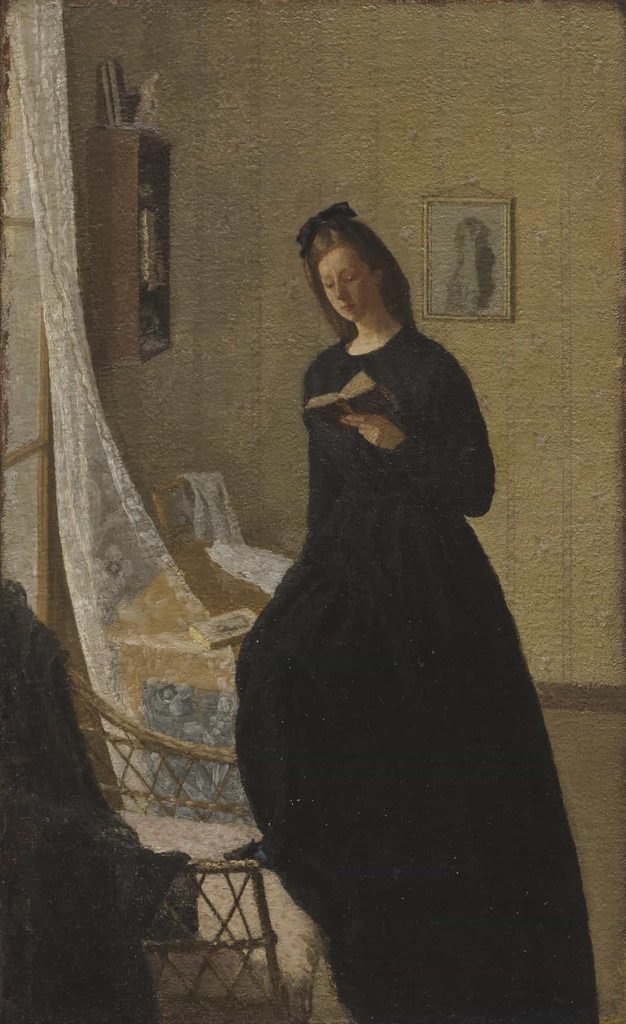
Vanessa Bell and Bloomsbury
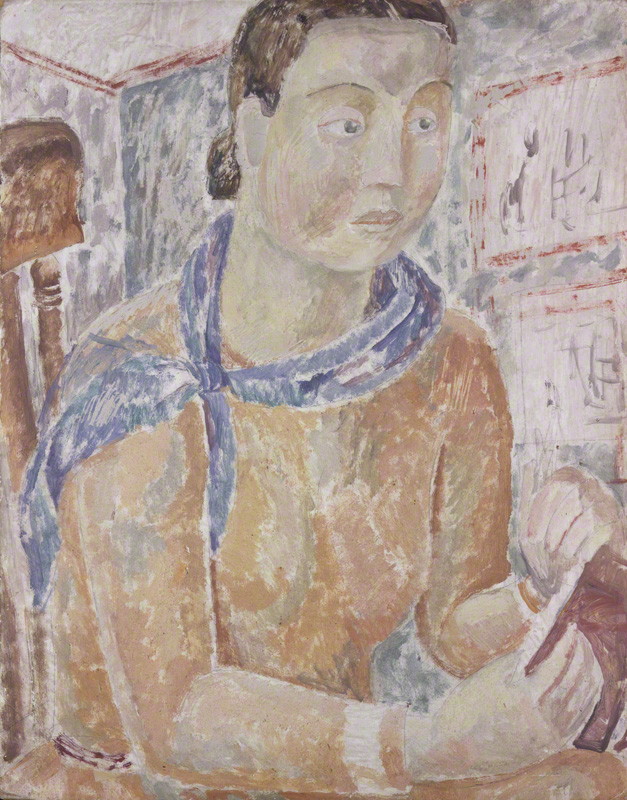
Vanessa Bell was a central figure within the Bloomsbury Group.
Painter, designer and member of one of Britain’s most influential cultural circles, Bell experimented with Post-Impressionist colour and increasingly simplified forms.
She worked across painting and decorative design.
This refusal to treat fine art and applied art as completely separate was important within Bloomsbury.
Bell’s work also raises questions about domestic space.
Homes, interiors, furniture and decoration were not merely backgrounds to artistic life.
They could become part of it.
At Charleston in Sussex, art spread across walls, furniture, objects and rooms.
Living and making were intertwined.
Laura Knight: Painting Modern Life
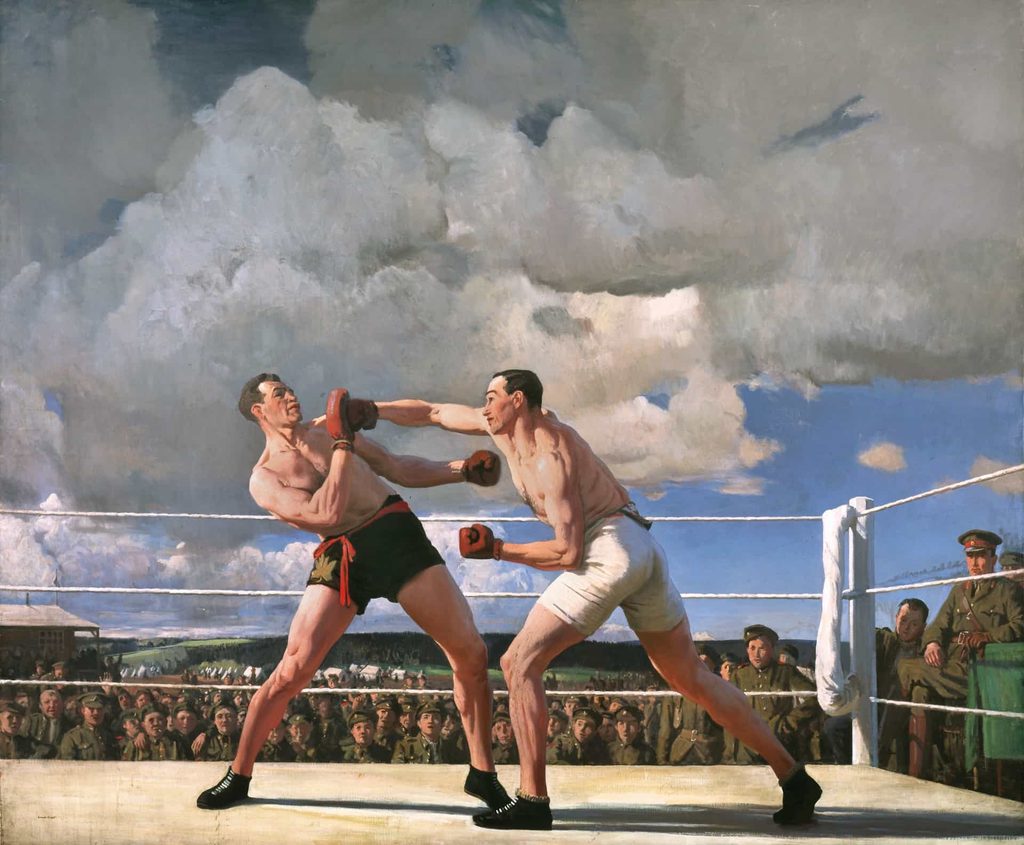
Dame Laura Knight became one of the most prominent British artists of the twentieth century.
Her subjects included ballet dancers, theatre performers, circus life, travellers and wartime workers.
Knight was interested in people at work.
Backstage spaces appear frequently.
Rather than only painting the polished performance, she often looked behind it.
One of the most important moments in her career came in 1936 when she became the first woman elected as a full Royal Academician since the eighteenth-century founders.
That date is worth considering.
Angelica Kauffman and Mary Moser had helped found the Royal Academy in 1768.
Yet another woman would not become a full member for well over a century.
Knight’s success therefore marked both personal achievement and an institutional change that had taken an extraordinarily long time.
Women Artists and the First World War
War changed opportunities for British women, including artists.
Women entered jobs and public roles that had previously been dominated by men.
Artists documented factories, hospitals, transport, military work and changing social life.
But official recognition remained uneven.
The problem became even clearer during the Second World War.
Women were making essential contributions across wartime Britain, yet artistic commissions and institutional support did not always reflect that reality equally.
Artists such as Laura Knight helped make women’s wartime labour visible.
Paintings could record social change while it was happening.
Barbara Hepworth: Changing British Sculpture
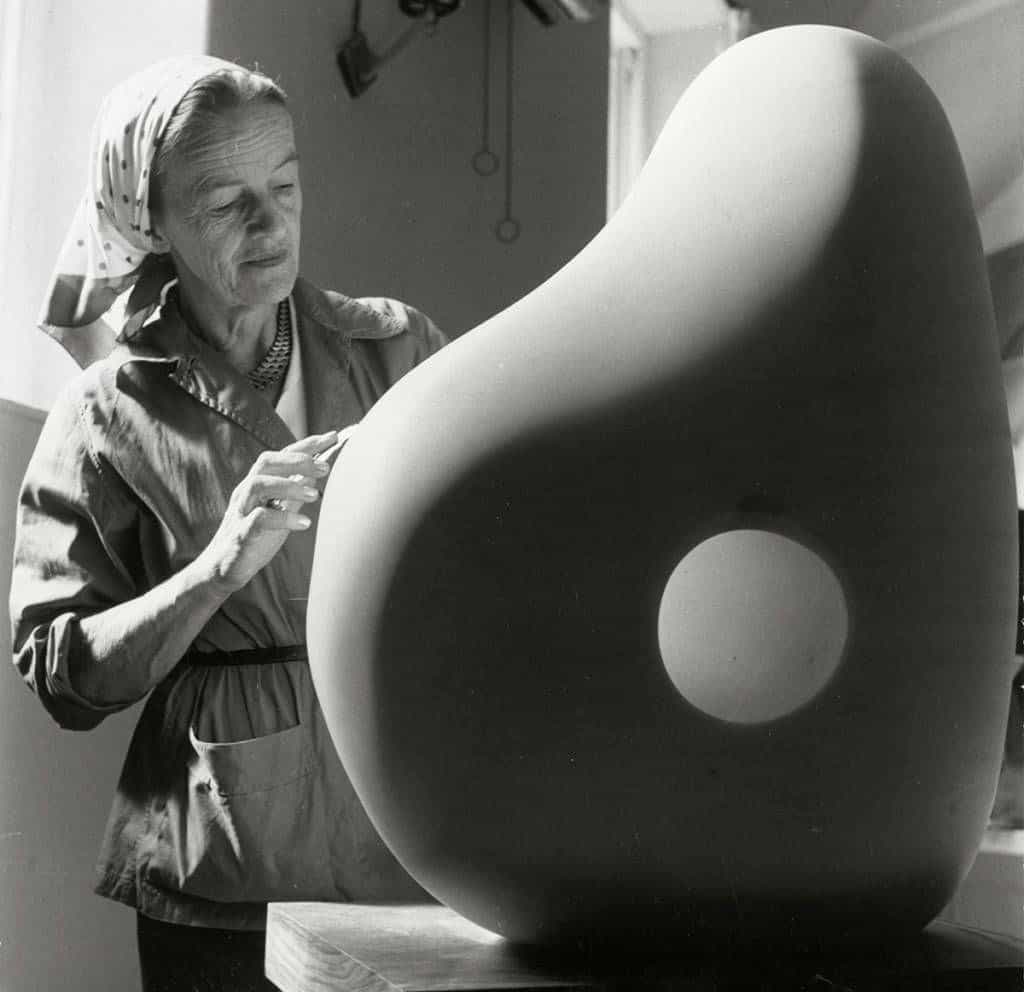
Barbara Hepworth is one of the most important British sculptors of the twentieth century.
Her work moved beyond conventional representation towards simplified organic forms.
Stone, wood and bronze became openings, curves, relationships and spaces.
One of the distinctive features of Hepworth’s sculpture is the void.
A hole cut through a form is not simply empty.
It becomes part of the sculpture.
The landscape visible through an opening changes the object.
Light passes through it.
Space becomes material.
Hepworth spent much of her later life in St Ives, Cornwall, where the relationship between sculpture, landscape and environment became particularly important.
Her work helped establish British modern sculpture internationally.
Calling Hepworth merely an important female sculptor would undersell her.
She is one of the central figures of modern British sculpture.
Why Barbara Hepworth Still Matters
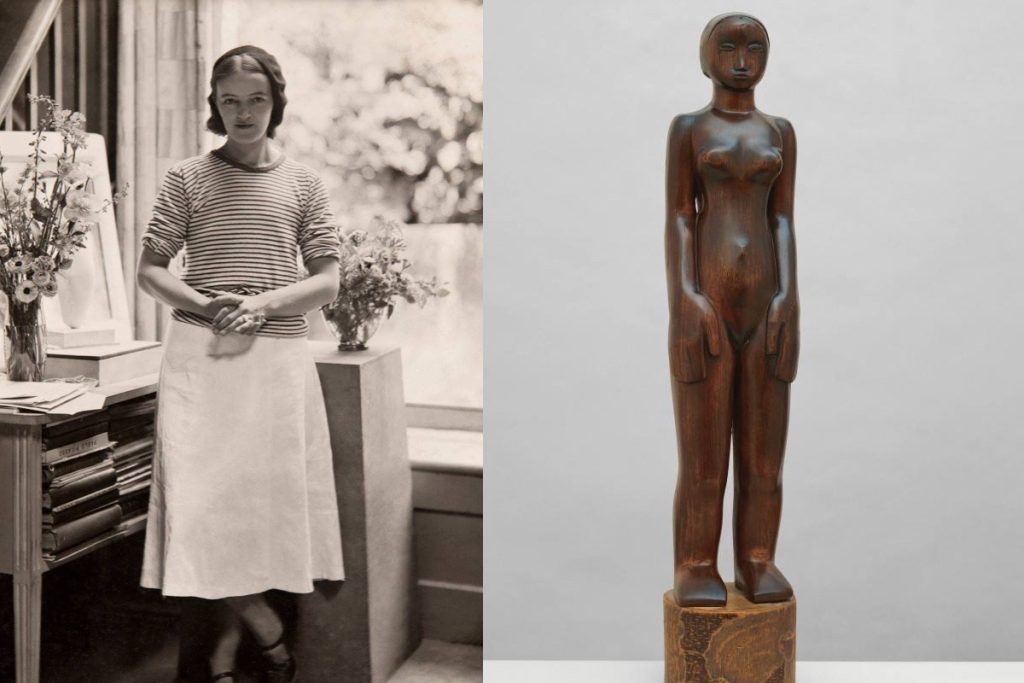
Hepworth’s sculpture demonstrates something fundamental about modern art.
Representation does not have to disappear completely for an artist to move towards abstraction.
Bodies, landscapes and natural forms remain somewhere beneath many of her shapes.
Her sculptures often feel bodily even when they do not depict a body.
They can suggest:
- Bones
- Shells
- Figures
- Landscapes
- Seeds
- Caves
- Heads
- Relationships between people
This balance between recognition and abstraction remains influential.
Bridget Riley and the Art of Seeing
Bridget Riley took British art in another direction.
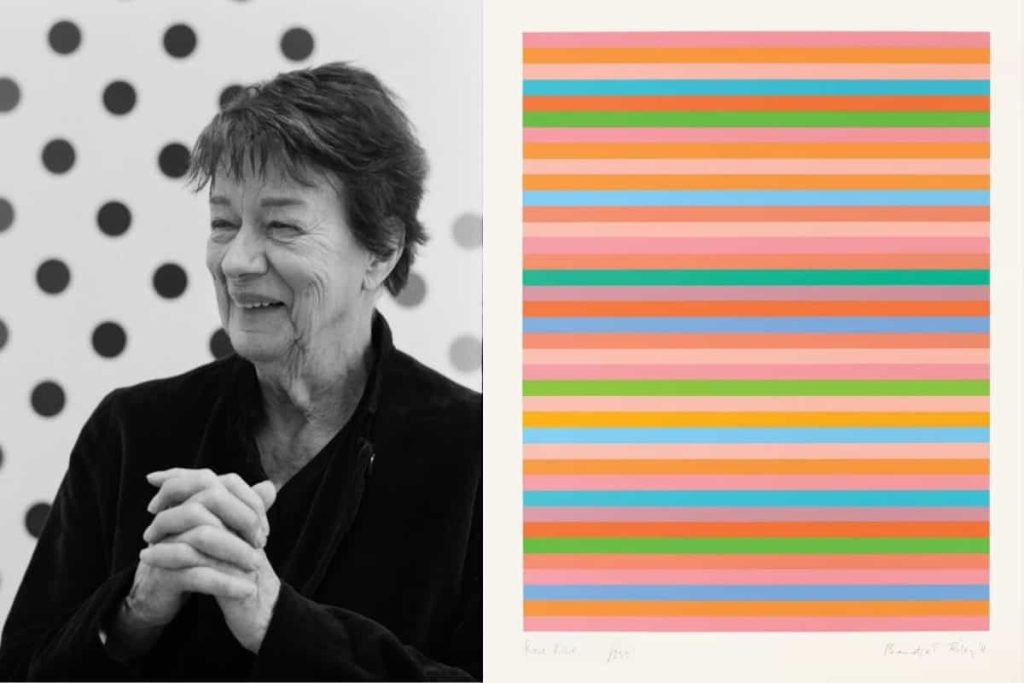
Her paintings are associated with Op Art, a form of abstraction that investigates visual perception.
Lines bend.
Patterns vibrate.
Colours seem to shift.
Flat surfaces appear to move.
Riley’s paintings make the viewer physically aware of seeing.
The image does not simply sit still while we observe it.
Our eyes become part of what happens.
Her work demonstrates the extraordinary breadth of British female art.
There is no obvious visual relationship between a Gwen John interior, a Barbara Hepworth sculpture and a Bridget Riley painting.
Yet all three changed the possibilities of British art.
Pauline Boty and British Pop Art
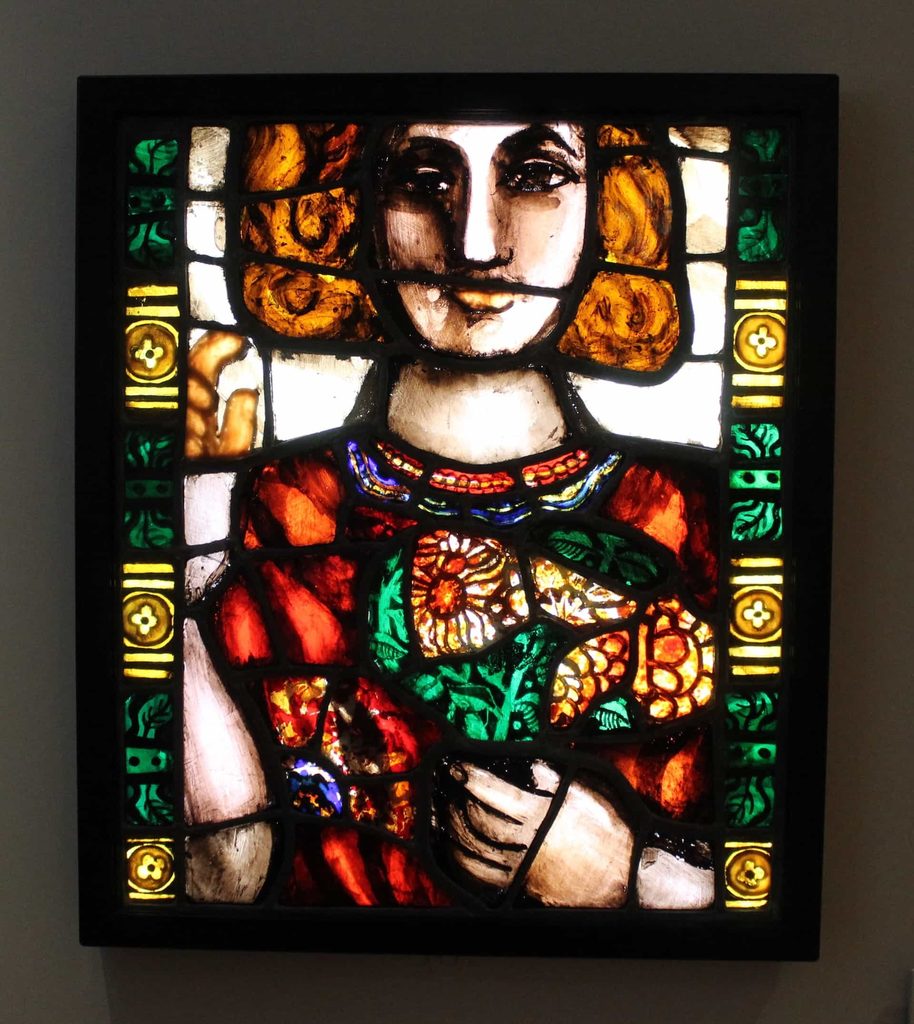
Pauline Boty deserves far more attention than she received for many years.
She was one of the few prominent women associated with British Pop Art in the early 1960s.
Her paintings brought together popular culture, celebrity, sexuality, politics and bold colour.
Boty appeared within the world she was commenting on.
She understood cinema, advertising and celebrity culture from inside contemporary life.
Her career was tragically short. She died from cancer in 1966 at only 28.
For years, her work received far less attention than that of male Pop artists.
Its rediscovery has helped broaden our understanding of what British Pop Art actually was.
Prunella Clough: Finding Art in the Industrial Landscape
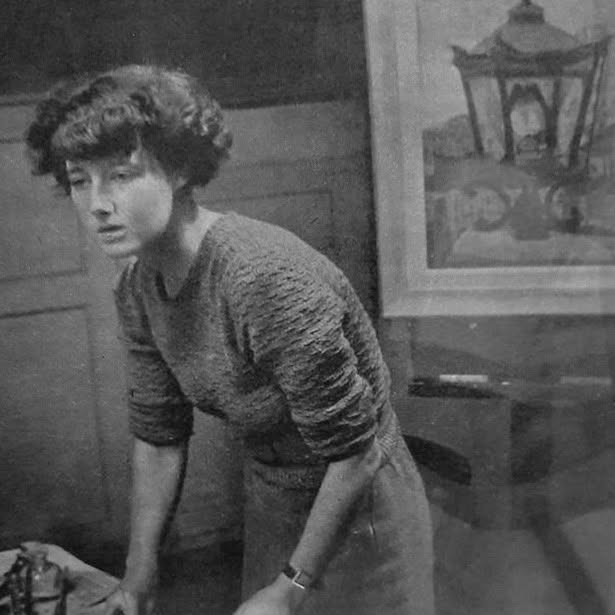
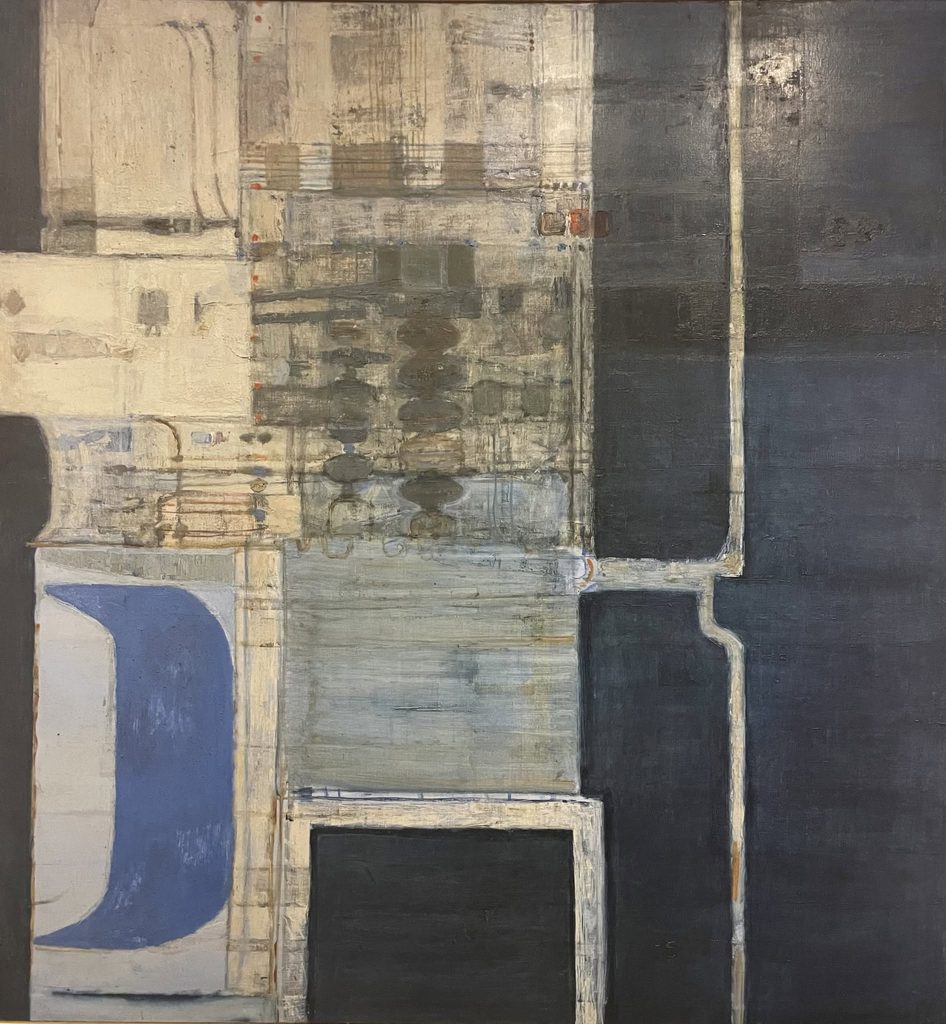
Prunella Clough took inspiration from places that might easily be overlooked.
Factories.
Industrial yards.
Lorries.
Fishermen.
Mechanical objects.
Urban fragments.
Her paintings gradually became more abstract, but traces of observed places and objects often remained.
Clough found visual interest in ordinary working environments rather than picturesque landscapes.
This ability to notice what others pass by is one of the recurring strengths in twentieth-century British painting.
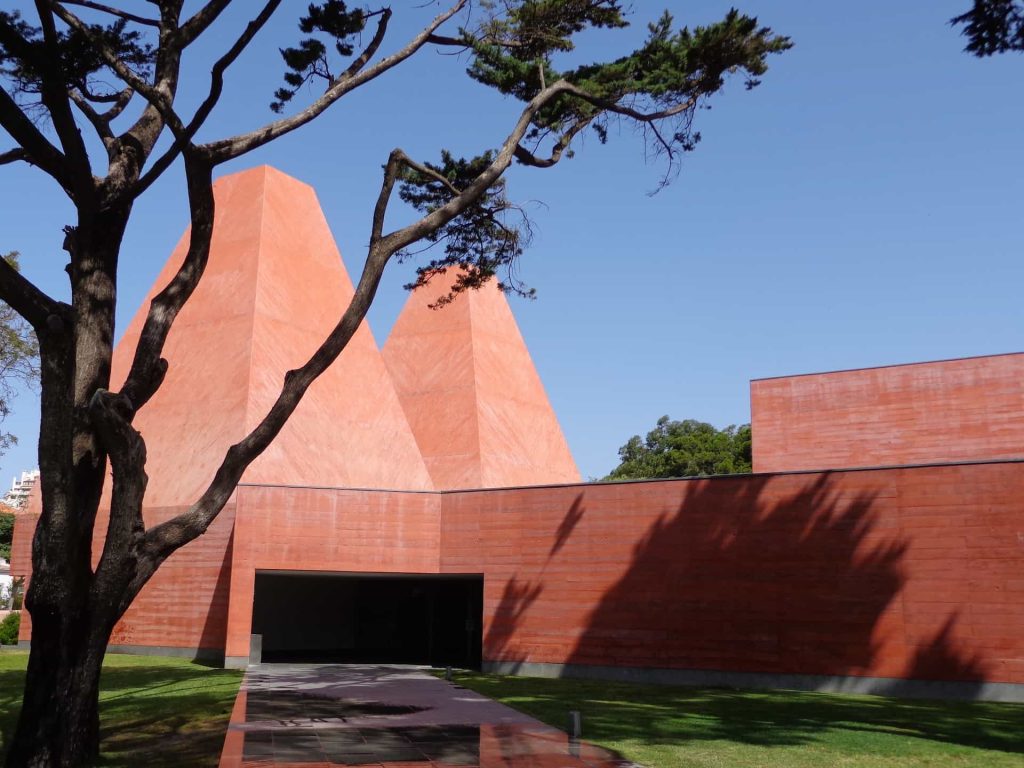
Paula Rego: Storytelling Without Comfort
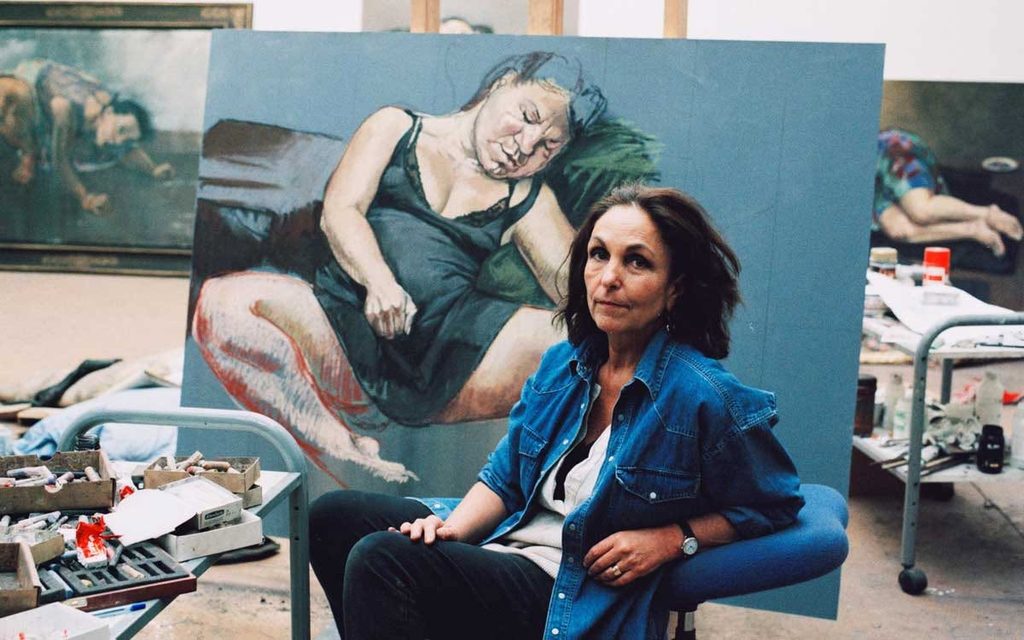
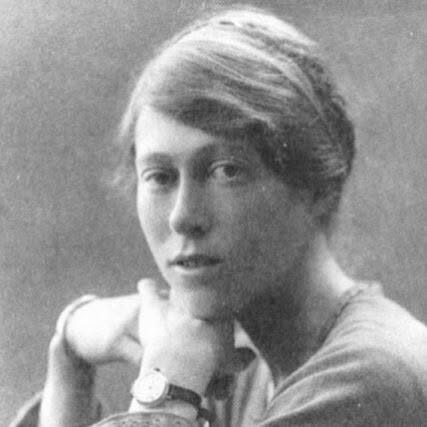
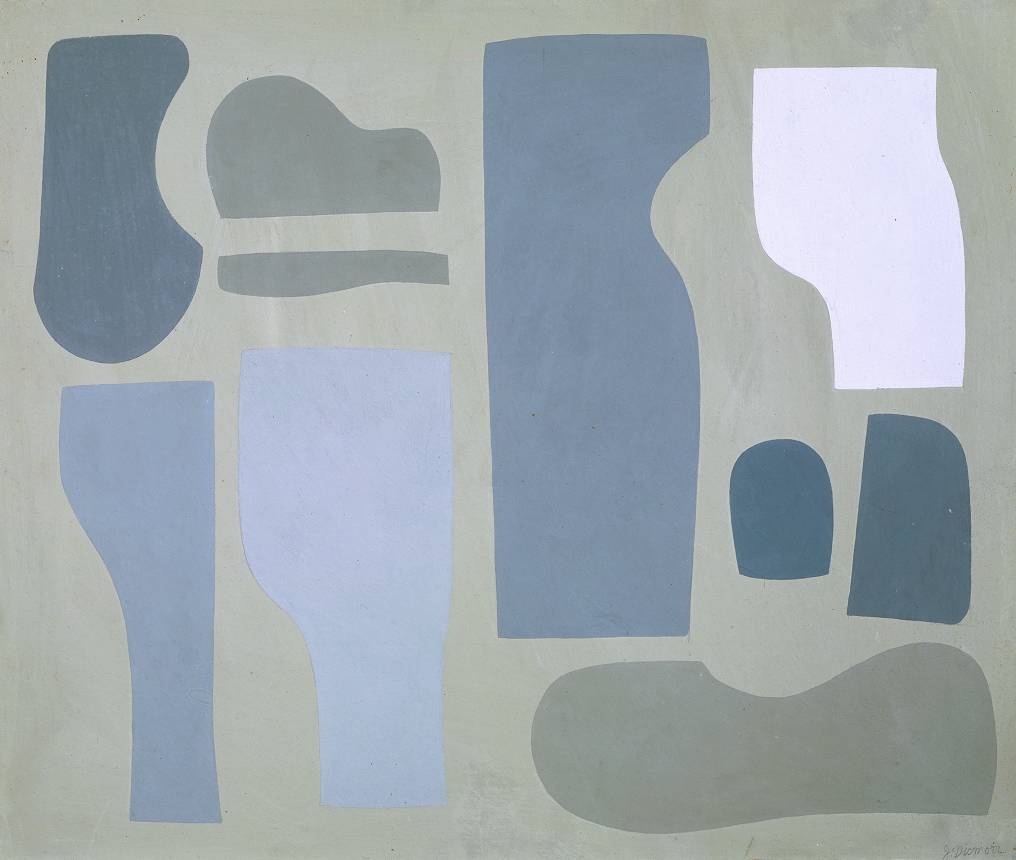
Paula Rego was born in Portugal but spent much of her artistic life in Britain and became one of the major figures in British contemporary art.
Her paintings and pastels often draw on stories.
Fairy tales.
Folklore.
Family relationships.
Politics.
Childhood.
Power.
But Rego rarely makes these subjects comfortable.
Figures can appear stubborn, vulnerable, threatening or psychologically complicated.
Women and girls are not passive decorations.
They occupy space.
They act.
They resist.
Rego’s figurative art demonstrates how storytelling can be psychologically unsettling without becoming obscure.
The Women’s Art Movement in Britain
The 1970s brought major changes in the way female artists organised, exhibited and challenged institutions.
The Women’s Liberation Movement influenced artists to question:
Who was represented in museums?
Whose work was collected?
Who received exhibitions?
How women were depicted?
What counted as serious art?
Why certain materials were valued more than others?
Feminist art did not develop into one visual style.
Some artists used performance.
Some photography.
Some painting.
Some textiles.
Some film or installation.
What connected much of this activity was a willingness to question structures that had previously seemed natural.

Lubaina Himid: Rewriting Who Appears in British Art
Lubaina Himid has played a major role in British contemporary art since the 1980s.
Born in Zanzibar and raised in Britain, she became closely associated with the British Black Arts Movement.
Her work has examined colonial histories, racism, cultural memory and the absence of Black people from dominant versions of European art history.
Himid has often used painted figures.
Sometimes they appear on freestanding cut-out forms rather than conventional canvases.
This allows figures to enter the viewer’s physical space.
Her work asks difficult questions about visibility.
Who gets remembered?
Who disappears from history?
Who has been represented only through somebody else’s viewpoint?
In 2017, Himid became the first Black woman to win the Turner Prize.
Her importance extends far beyond that award.
She helped change the conversation around what British art history could contain.
Claudette Johnson and the Black Figure
Claudette Johnson emerged through the Black British arts movement of the 1980s.
Her large drawings and paintings focus strongly on the human figure.
Figures often fill the paper.
Bodies can extend beyond its edges.
The scale creates presence.
Johnson’s work is particularly important in discussions of representation.
The Black figure is not treated as a secondary character within somebody else’s narrative.
It occupies the centre.
The viewer has to encounter it directly.
Her work has gained substantial institutional recognition in recent years, but its central concerns have been present for decades.

Tracey Emin and Personal Experience
Tracey Emin became one of the most recognisable figures associated with the Young British Artists of the 1990s.
Her work includes drawing, painting, textiles, neon, sculpture, installation and film.
Personal experience is often central.
Love.
Sex.
Grief.
Memory.
Illness.
Desire.
Childhood.
Relationships.
Emin’s work helped challenge the idea that autobiography was somehow too private or too emotional to become serious art.
Some of her work has been deliberately uncomfortable.
That discomfort is often part of the point.
It collapses the distance between the artist’s life and the artwork.
Rachel Whiteread and the Shape of Empty Space
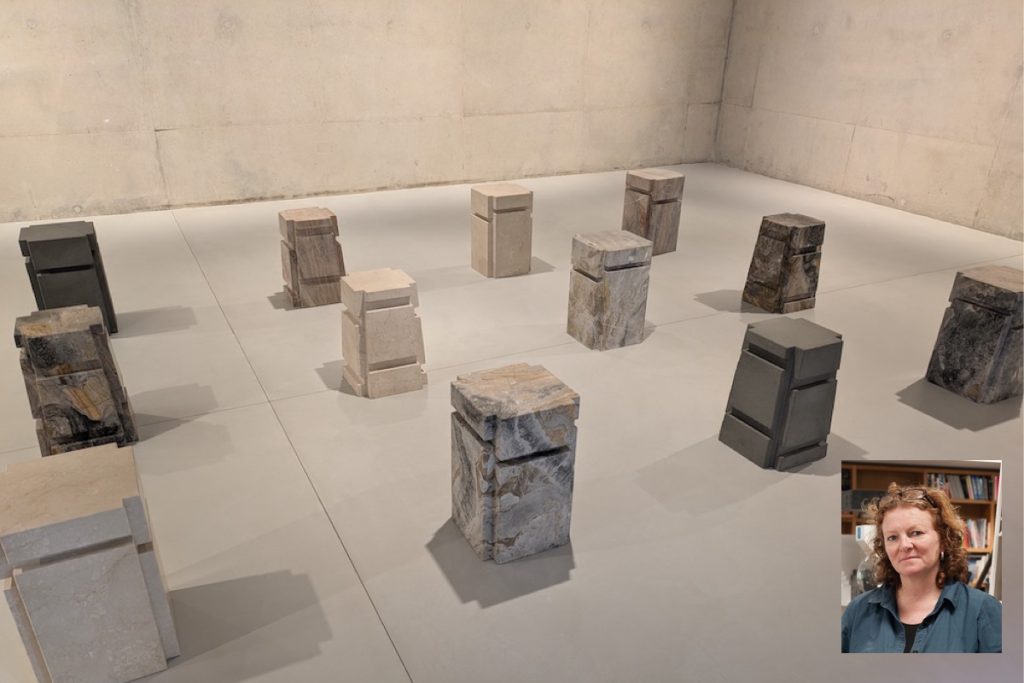
Rachel Whiteread changed sculpture by paying attention to the spaces around objects.
She became known for casting negative spaces.
The space underneath a chair.
The inside of a room.
The interior volume of a house.
Instead of sculpting the object itself, Whiteread can make the absence solid.
Her 1993 work House cast the interior of an entire East London terrace house in concrete.
That same year she became the first woman to win the Turner Prize.
Whiteread’s work can feel quiet, but its ideas are radical.
Empty space becomes physical.
Memory becomes architectural.
Absence becomes something we can walk around.

Jenny Saville and the Monumental Body
Jenny Saville brought a new physical force to figurative painting in the 1990s.
Her bodies often dominate very large canvases.
Flesh becomes landscape.
Paint can appear thick, bruised, stretched and layered.
Saville’s work resists the polished body familiar from fashion and advertising.
Instead she examines weight, skin, pressure and physical presence.
The scale matters.
A body that might traditionally have been looked at becomes large enough to confront the viewer.
Saville helped establish a renewed interest in ambitious figurative painting at a time when installation and conceptual work dominated much discussion of British contemporary art.
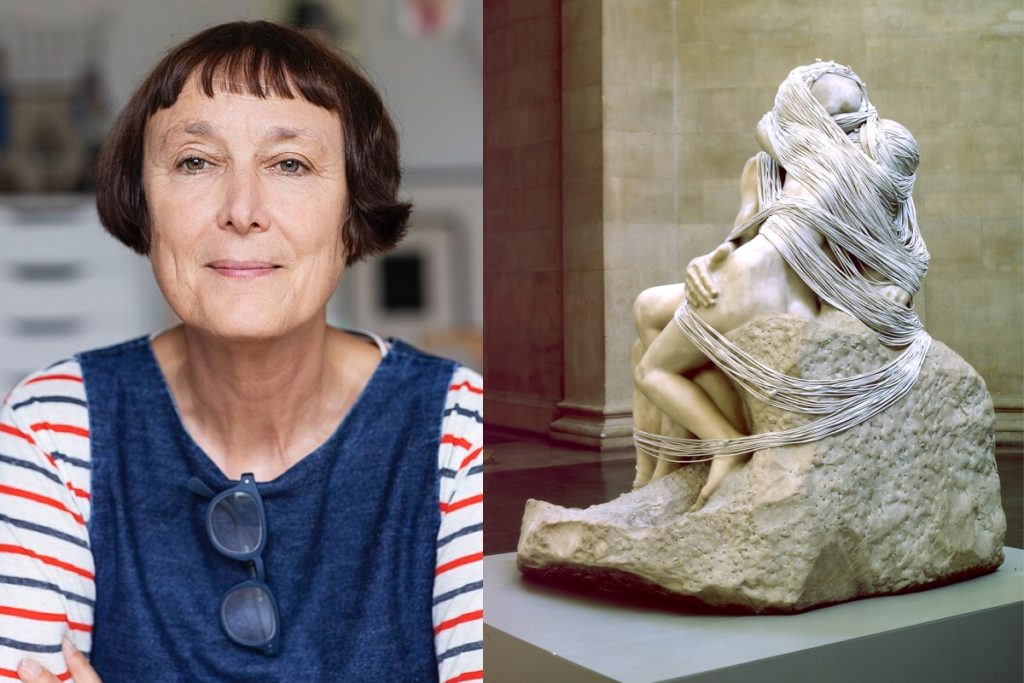
Cornelia Parker: Transformation and Suspended Moments
Cornelia Parker has made some of the most memorable installations in recent British art.
She frequently takes familiar objects and subjects them to transformation.
Crushing.
Exploding.
Stretching.
Suspending.
Rearranging.
The resulting installations often freeze a moment that should be impossible to stop.
Objects hang in space as if time has been paused.
Parker’s work demonstrates how sculpture can be as much about events and histories as about solid form.
Tacita Dean: Film, Time and Observation
Tacita Dean works with film, photography, drawing and found imagery.
She is particularly associated with analogue film.
In a culture increasingly dominated by instant digital images, Dean’s attention to physical film has become part of the meaning of her work.
Time, chance, disappearance and memory recur.
Her work can demand patience.
That quality connects, surprisingly, with much older forms of observational art.
Looking takes time.
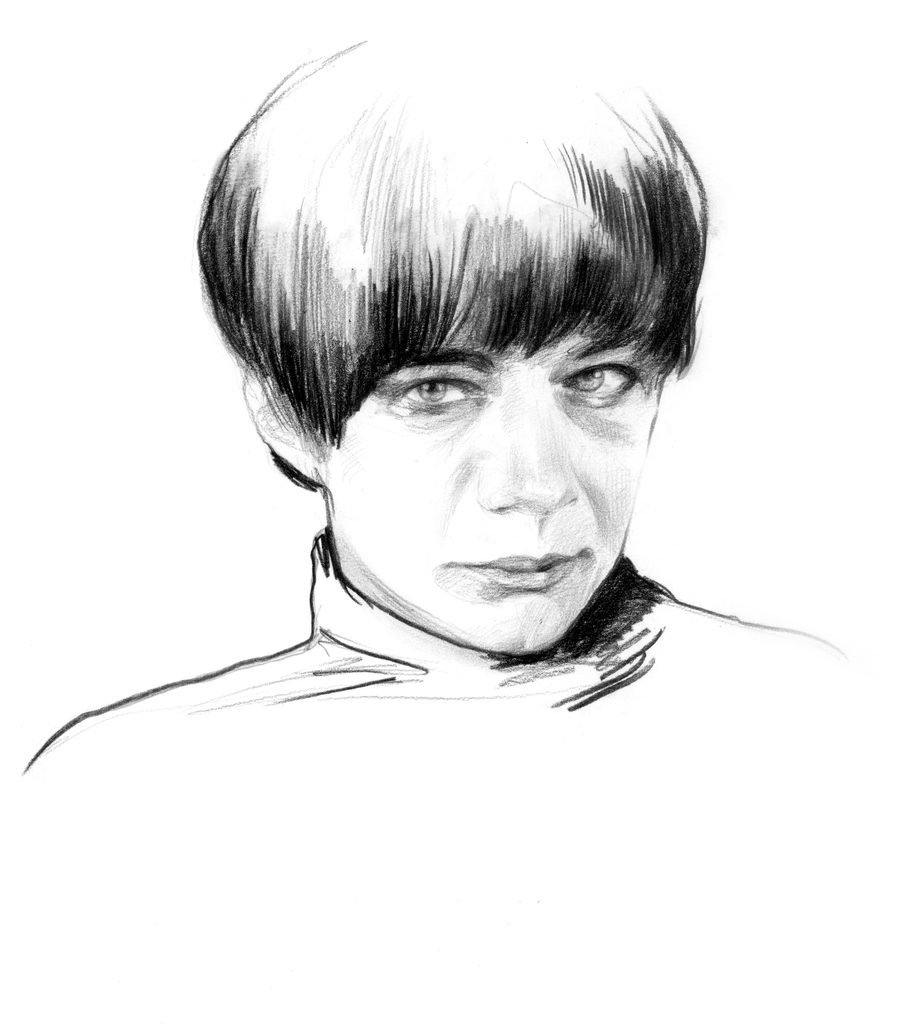
Contemporary British Female Artists
British art today contains an enormous range of female artists working across different media and traditions.
Some continue to push painting in new directions.
Others work through film, sculpture, photography or installation.
Names worth exploring include:
- Lubaina Himid
- Claudette Johnson
- Tracey Emin
- Rachel Whiteread
- Cornelia Parker
- Jenny Saville
- Tacita Dean
- Fiona Rae
- Cecily Brown
- Chantal Joffe
- Sarah Lucas
- Rachel Jones
- Jadé Fadojutimi
- Flora Yukhnovich
- Barbara Walker
- Joy Labinjo
- Rebecca Salter
Hurvin Anderson is not a woman and therefore does not belong on this list, a useful reminder that artist lists need to be checked rather than copied mechanically from search results.
The important point is that contemporary British female artists do not form a single school.
One artist might use loose figurative painting.
Another geometric abstraction.
Another video.
Another cast concrete.
Another drawing.
Another historical archives.
There is no requirement to make “women’s art”.
They simply make art.
British Female Painters to Know
For readers particularly interested in painting, a useful starting list includes:
- Mary Beale
- Angelica Kauffman
- Mary Moser
- Elizabeth Siddal
- Evelyn De Morgan
- Gwen John
- Vanessa Bell
- Laura Knight
- Prunella Clough
- Pauline Boty
- Bridget Riley
- Paula Rego
- Lubaina Himid
- Claudette Johnson
- Tracey Emin
- Jenny Saville
- Chantal Joffe
- Cecily Brown
- Jadé Fadojutimi
- Flora Yukhnovich
- Rachel Jones
- Joy Labinjo
The differences between these artists are as important as the similarities.
Compare them rather than searching for one definition of female painting.
British Female Sculptors to Know
Sculpture also has a remarkable history of women working in Britain.
Barbara Hepworth is essential.
So are Rachel Whiteread, Cornelia Parker and Sarah Lucas.
Earlier sculptors deserve more attention too.
Women faced particular prejudices in sculpture because nineteenth-century critics sometimes argued that carving stone or working physically with sculptural materials was inappropriate for women.
That assumption looks absurd now.
The history of women sculptors exposes how artistic categories themselves became entangled with ideas about gender.
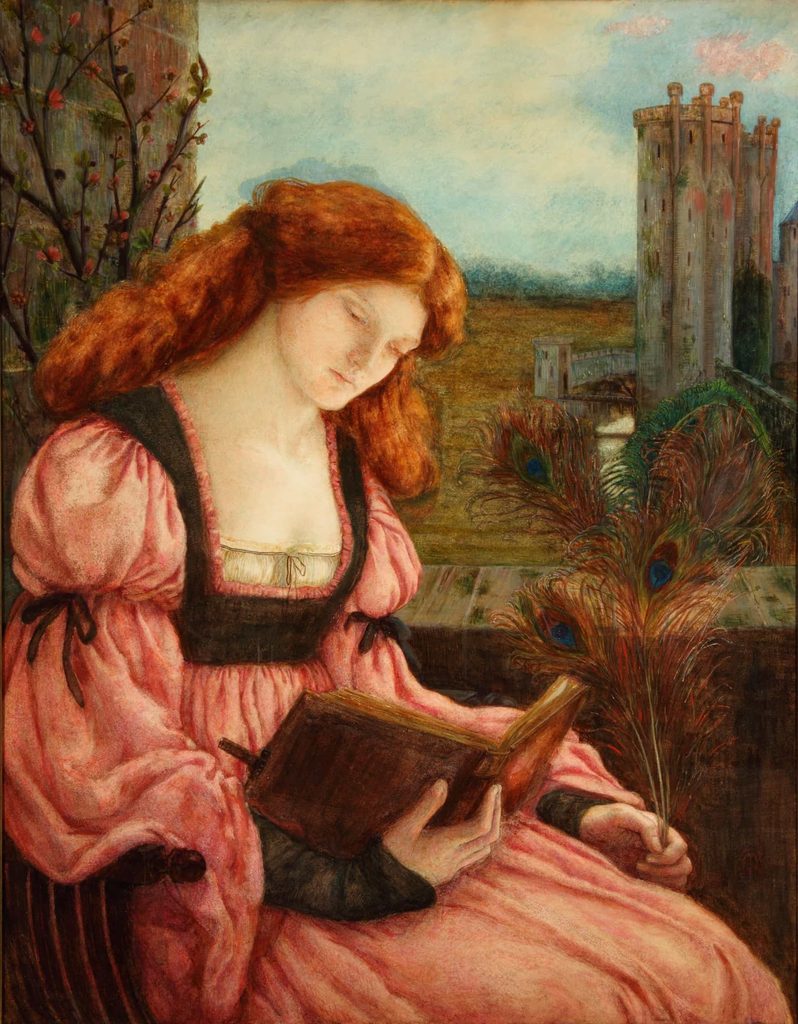
Why Were So Many Female Artists Forgotten?
This is one of the most interesting questions in art history.
There is no single explanation.
Access to formal education mattered.
Institutional membership mattered.
Collectors mattered.
Museum acquisitions mattered.
Critics mattered.
Art-history books mattered.
Inheritance mattered.
Archives mattered.
Even an artist who succeeded during her lifetime could disappear if museums did not acquire her work or historians stopped writing about her.
Attribution could create further problems.
Works by women were sometimes credited to male artists, relatives or studios.
Others remained unidentified.
The result is that absence from an old textbook cannot be taken as proof that an artist lacked importance.
Sometimes it reveals the priorities of the textbook.
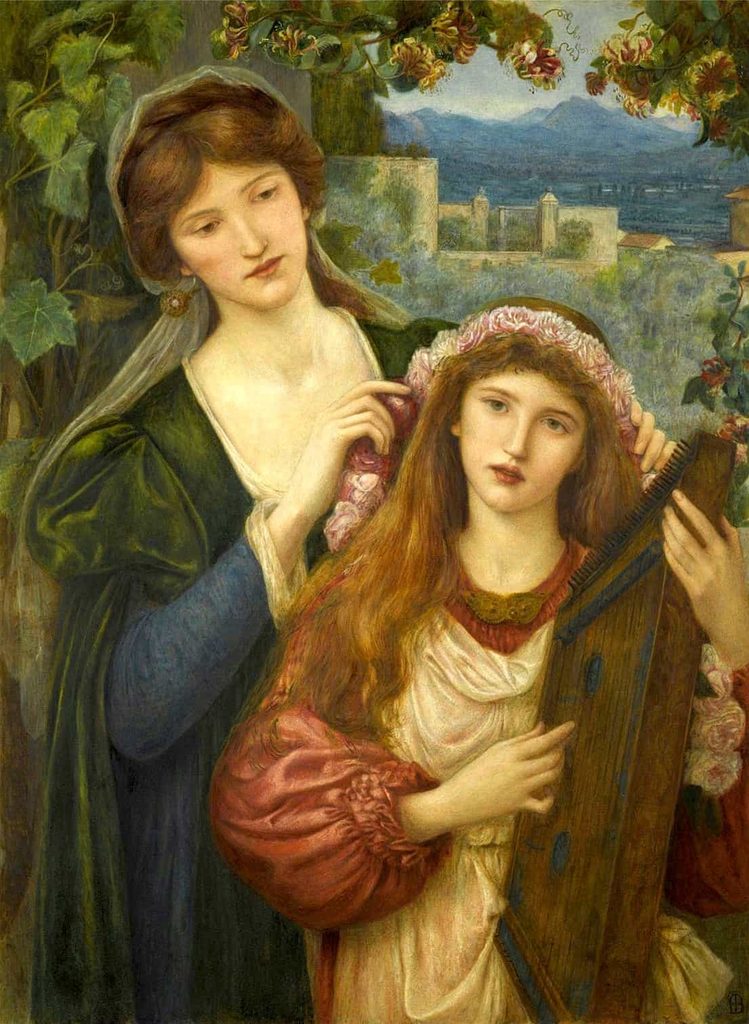
Why Rediscovering Women Artists Matters
Rediscovery should not mean pretending every forgotten artist was a hidden genius.
That would simply create another distorted history.
The goal is better evidence.
When overlooked artists are researched properly, we gain a more accurate picture of how art developed.
Movements become more complicated.
Networks become clearer.
Influences change.
The boundaries between professional and domestic work become less rigid.
Materials previously dismissed as craft or decoration can be reconsidered.
Most importantly, viewers gain more art to look at.
That should be reason enough.
Why Does Representation in Museums Matter?
Museums do more than store objects.
They help shape public memory.
If visitors repeatedly encounter art made primarily by one group, it can begin to look as though that group produced most significant art.
Collections therefore influence how history feels.
Increasing the visibility of British female artists is not about removing male artists from the story.
It is about making the story more accurate.
Mary Beale does not diminish Van Dyck.
Barbara Hepworth does not diminish Henry Moore.
Bridget Riley does not diminish other British abstract painters.
Adding knowledge does not reduce what was already there.
It expands it.

What Can Artists Learn from British Female Artists?
One of the strongest lessons is persistence, but that is not the only one.
Mary Beale demonstrates professional organisation.
Angelica Kauffman demonstrates ambition.
Gwen John demonstrates concentration.
Laura Knight demonstrates observation.
Barbara Hepworth demonstrates the importance of space.
Bridget Riley demonstrates that seeing itself can become a subject.
Pauline Boty demonstrates how popular culture can enter painting.
Paula Rego demonstrates the power of uncomfortable stories.
Lubaina Himid demonstrates how history can be questioned through images.
Rachel Whiteread demonstrates that absence can become material.
Jenny Saville demonstrates that the human body can still generate new painting.
The lesson is not to imitate their styles.
It is to notice how differently each artist defined a problem and found her own visual response.
How to Explore British Female Artists
Do not begin by trying to memorise dozens of names.
Choose one artist.
Look at ten works.
Notice what changes.
Then look at somebody completely different.
Compare Gwen John’s quiet interiors with Jenny Saville’s monumental bodies.
Compare Barbara Hepworth’s pierced forms with Rachel Whiteread’s casts of empty spaces.
Compare Pauline Boty’s Pop paintings with Bridget Riley’s optical abstraction.
Compare Mary Beale’s seventeenth-century portraits with Claudette Johnson’s large contemporary figures.
Connections begin appearing naturally.
Art history becomes more interesting when it stops behaving like a list of dates and starts becoming a conversation between artworks.
Looking Beyond the Famous Names
One risk with recovering women artists is replacing one short list with another.
Barbara Hepworth, Bridget Riley, Tracey Emin and Paula Rego deserve attention.
But they should become entrances rather than endpoints.
Look beyond them.
Explore:
Anna Airy
Ethel Walker
Jessica Dismorr
Ethel Sands
Ithell Colquhoun
Winifred Nicholson
Marion Adnams
Paule Vézelay
Wilhelmina Barns-Graham
Sandra Blow
Rose Wylie
Sonia Boyce
Barbara Walker
Hurvin Anderson should again be excluded because he is male, despite occasionally being grouped by search algorithms with contemporary British painters of the same generation.
The more deeply you look, the harder it becomes to maintain the idea that women occupied the margins of British artistic production.
British Female Artists and Sussex
Sussex has its own connections with the history of women in British art.
Vanessa Bell lived and worked at Charleston near Lewes.
The house became closely connected with the Bloomsbury Group and with an approach to art in which painting, interiors, furniture and everyday life could overlap.
Sussex has also long attracted artists because of its landscape, coast, towns and proximity to London.
For contemporary artists, those relationships between place and practice continue to matter.
Art history does not only happen in large metropolitan museums.
Studios, homes, local galleries, art schools and smaller creative communities are part of it too.
How to Buy Art by Female Artists
If you are collecting contemporary work, gender does not need to be the reason you buy an artwork.
Begin with the work.
Does it hold your attention?
Do you return to it?
Does it feel distinctive?
Does the artist have a developing body of work rather than one image you happen to like?
Do the materials feel appropriate?
Can you imagine living with it?
Learning about the artist can then deepen the connection.
Supporting working artists also means buying within the part of the art world where artists can actually benefit.
Independent galleries, open studios, studio sales and artist-led exhibitions can provide opportunities to discover work before it becomes widely known.
British Female Artists FAQs
Who are some famous British Female Artists?
Important British female artists include Mary Beale, Angelica Kauffman, Gwen John, Vanessa Bell, Laura Knight, Barbara Hepworth, Bridget Riley, Pauline Boty, Lubaina Himid, Rachel Whiteread, Tracey Emin, Cornelia Parker and Jenny Saville.
Who was the first famous British female painter?
There is no single first British female painter, but Joan Carlile and Mary Beale are among the earliest women known to have worked professionally as painters in seventeenth-century Britain.
Who were the first women in the Royal Academy?
Angelica Kauffman and Mary Moser were two of the 34 founding members of the Royal Academy of Arts in 1768.
Who was the first woman Royal Academician after the founders?
Annie Swynnerton became the first woman elected an Associate of the Royal Academy in the twentieth century. Laura Knight later became the first woman since the original female founders to be elected a full Royal Academician, in 1936.
Who are famous British female painters?
British female painters worth exploring include Mary Beale, Angelica Kauffman, Evelyn De Morgan, Gwen John, Vanessa Bell, Laura Knight, Pauline Boty, Bridget Riley, Paula Rego, Lubaina Himid, Claudette Johnson, Jenny Saville and Chantal Joffe.
Who are important contemporary British Female Artists?
Major contemporary names include Lubaina Himid, Rachel Whiteread, Tracey Emin, Cornelia Parker, Jenny Saville, Tacita Dean, Claudette Johnson, Sarah Lucas, Chantal Joffe, Jadé Fadojutimi, Rachel Jones and Flora Yukhnovich.
Who is the most famous British female sculptor?
Barbara Hepworth is one of the most internationally recognised British female sculptors and one of the central artists of twentieth-century British modernism. Rachel Whiteread and Cornelia Parker are also major figures in contemporary British sculpture.
Who was the first woman to win the Turner Prize?
Rachel Whiteread became the first woman to win the Turner Prize in 1993.
Was Barbara Hepworth a British artist?
Yes. Barbara Hepworth was born in Wakefield, Yorkshire, in 1903 and became one of the leading figures in twentieth-century British sculpture.
Was Paula Rego a British artist?
Paula Rego was born in Portugal but studied and spent much of her career in Britain. She became a central figure in British contemporary art and was closely connected with the London art world.
Why were female artists excluded from art history?
Women historically faced restrictions in art education, professional organisations, life drawing, commissions and exhibiting. Later museum collecting and art-history writing also frequently gave greater attention to male artists, causing many successful women artists to become less visible.
Are there overlooked British female artists worth discovering?
Many. Artists such as Anna Airy, Marion Adnams, Jessica Dismorr, Ethel Sands, Paule Vézelay, Wilhelmina Barns-Graham and Ithell Colquhoun reward further exploration.
There is no shortage of British female artists.
There was a shortage of space given to them in the story.
Once that space begins to open, British art becomes much larger.
Mary Beale’s seventeenth-century portrait studio connects with a history of professional artists that is older than many people realise.
Angelica Kauffman’s Royal Academy career shows both what women could achieve and how slowly institutions changed.
Gwen John demonstrates the force of quiet observation.
Laura Knight makes modern working life visible.
Barbara Hepworth transforms solid material through empty space.
Bridget Riley turns perception into subject matter.
Pauline Boty complicates the familiar history of Pop Art.
Paula Rego refuses comfortable storytelling.
Lubaina Himid asks whose histories have been overlooked.
Rachel Whiteread gives physical form to absence.
Jenny Saville pushes painted bodies towards enormous scale.
None of them represents all British female artists.
They should not have to.
The most useful change is to stop treating women artists as a separate footnote to British art and start seeing them throughout its history.
Once you do, familiar periods begin to look different.
New names appear.
Old assumptions become less convincing.
And there is simply more good art to discover.
Leave a Reply