
No products in the cart.
The Painting You Keep Coming Back To: Why Some Art Just Stays with You
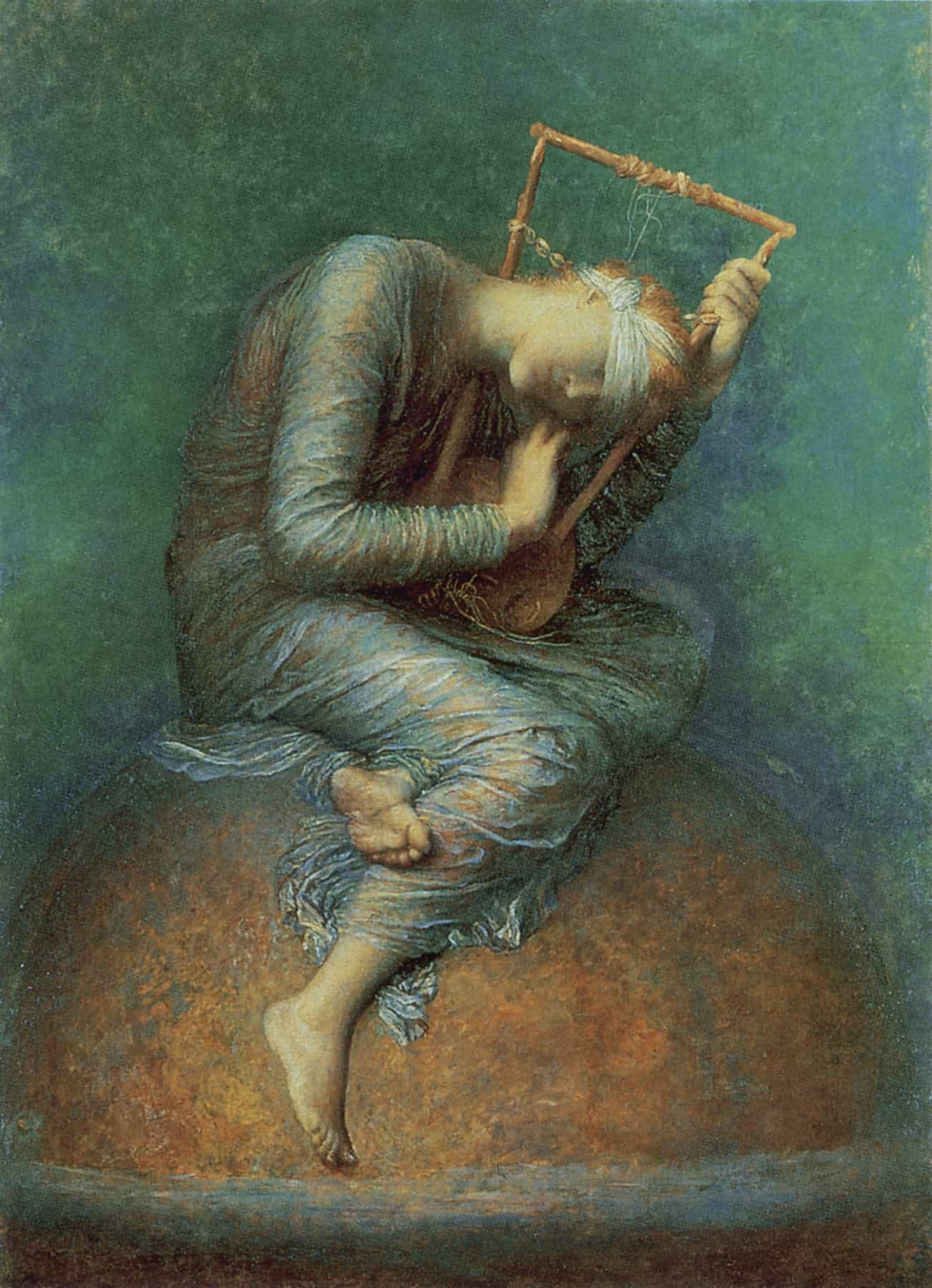
Have you ever walked around a gallery, looked at dozens of paintings, and found yourself returning to the same one?
Perhaps it was not the largest work in the room. It may not have been by an artist you knew. You might not even have been able to explain what you liked about it.
But after looking elsewhere, there you were again.
That experience gets to the heart of our emotional connection to art. We do not always choose the paintings that are easiest to understand, the most technically impressive or the ones somebody else tells us are important. Sometimes an artwork simply holds our attention.
It can happen immediately. It can also happen slowly. A painting you barely notice on first viewing may become the work you remember later that evening.
Why does that happen? Why do paintings move us? Why can two people stand in front of exactly the same artwork and feel completely differently about it? And if you are choosing art to live with, should that emotional response influence what you buy?
There is no single answer, because looking at art is never just about what is on the canvas. It is also about what we bring to it.
What Is an Emotional Connection to Art?
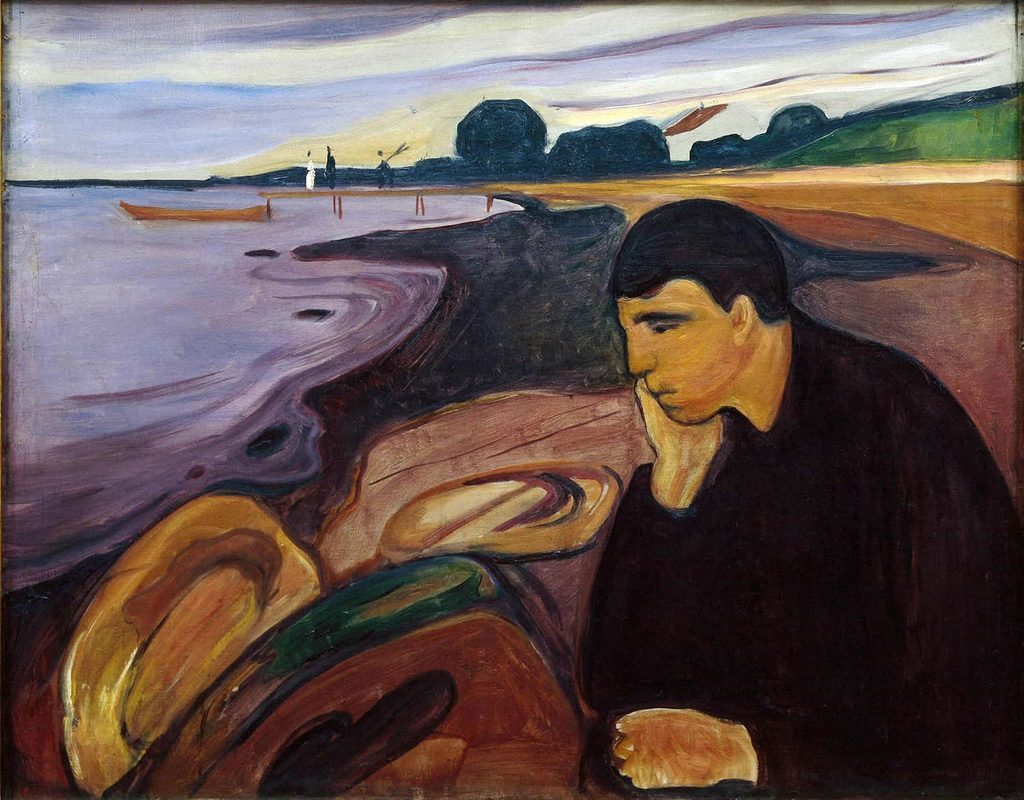
An emotional connection to art is the personal response that occurs when an artwork affects us beyond simply recognising what it depicts.
You might feel calm in front of a quiet landscape.
A portrait might make you curious about someone you have never met.
A loosely painted figure might remind you of a person without actually resembling them.
An abstract painting might create excitement, unease or stillness without depicting anything recognisable at all.
Sometimes the response is even harder to name. You simply want to keep looking.
That matters because experiencing art is not the same as identifying objects in an image. When we look at a painting, we can respond to colour, composition, texture, scale, subject, gesture, atmosphere and associations from our own lives simultaneously.
The result can be emotional before it becomes intellectual.
You may feel something before you know why.
Why Do We Connect with Certain Paintings?
There is a tempting idea that if a painting is “good”, everybody should respond to it in roughly the same way.
Real life does not work like that.
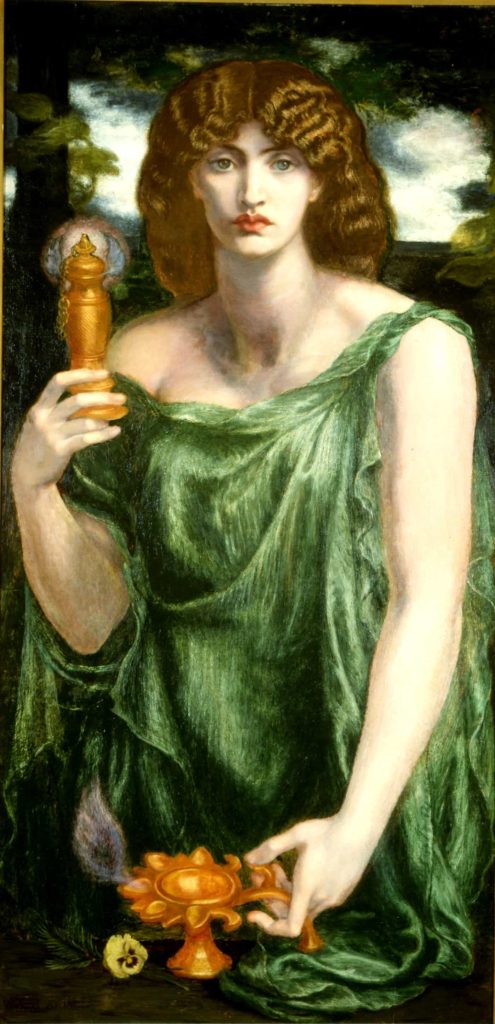
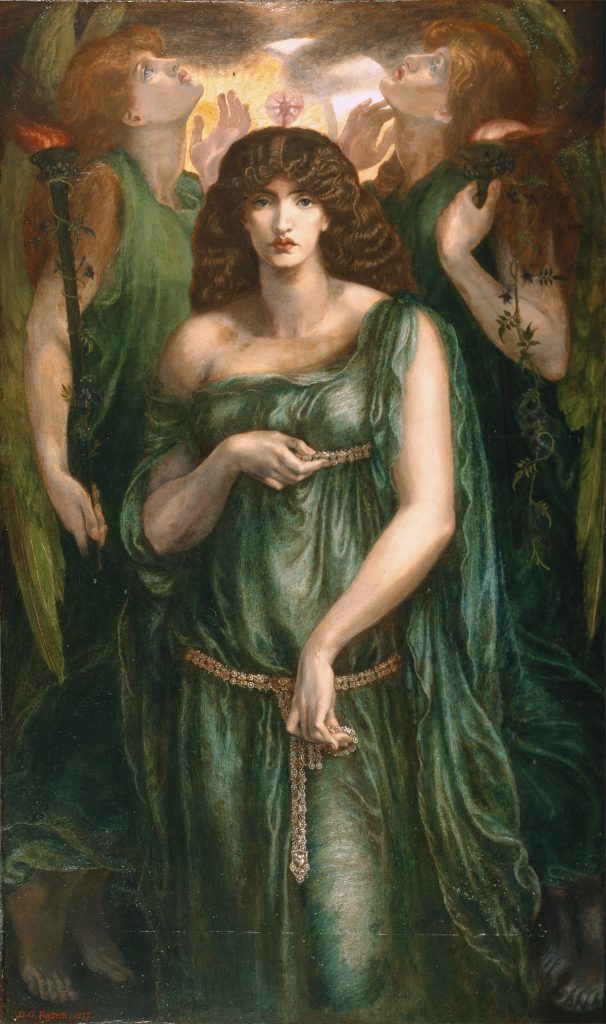
Walk through a gallery with another person and notice where each of you stops. You may be fascinated by a painting they barely acknowledge. They may love something you would never choose for yourself.
Part of our response comes from the artwork itself, but part comes from us.
Our memories, experiences, visual preferences, cultural background and familiarity with different kinds of art can all affect what holds our attention.
Even our mood can matter.
The painting that seems sombre one day might feel peaceful another day.
This is one reason personal taste in art is so interesting. It is not necessarily a fixed list of colours, styles and subjects that you like. It develops as you see more.
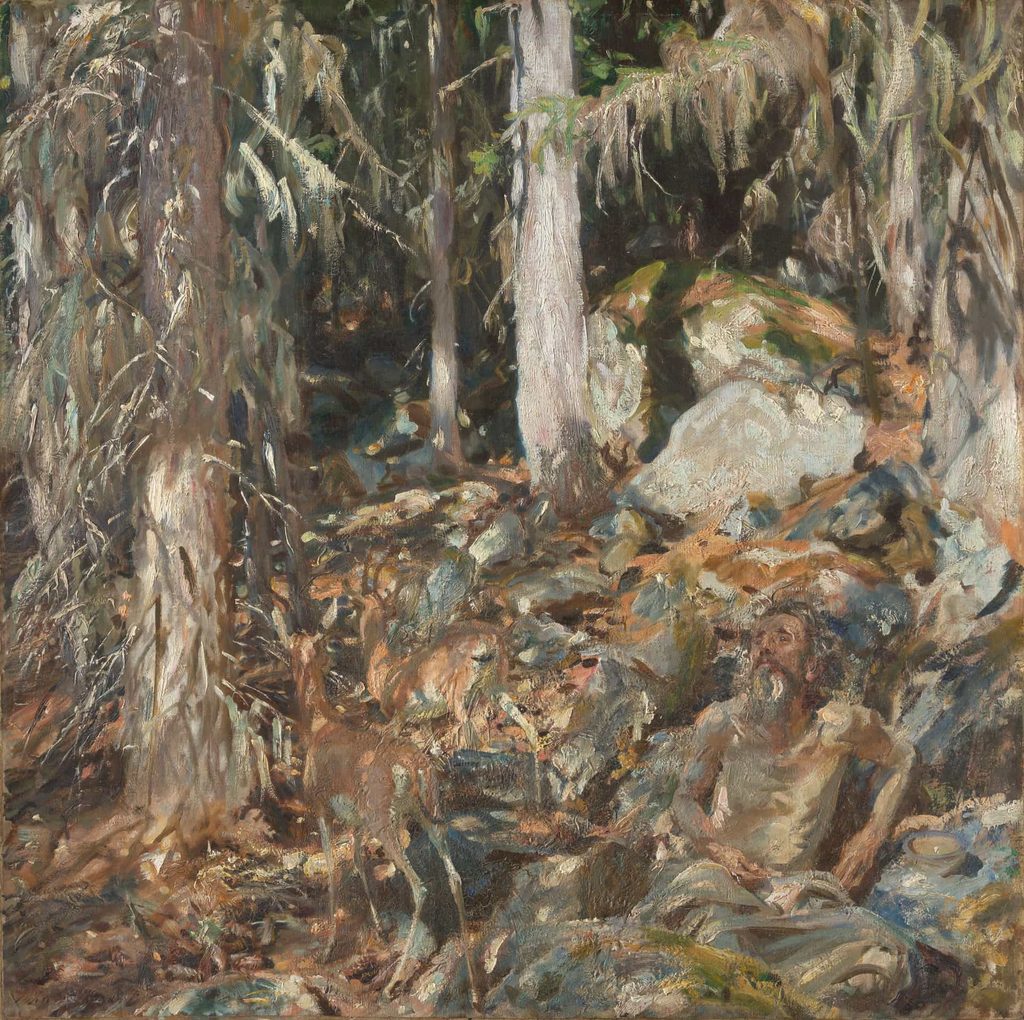
The Difference Between Liking a Painting and Connecting with It
Not every painting you like becomes important to you.
You can appreciate an artwork because it is beautiful, skilful or visually impressive and then forget about it ten minutes later.
Another painting might be much quieter but stay in your mind for days.
That distinction is useful when thinking about choosing art.
Immediate visual appeal has value. There is nothing wrong with seeing a painting and simply thinking, “I love that.”
But a deeper connection often reveals itself through attention.
You look once.
Then again.
You notice something you missed.
You walk away.
You return.
That repeated attention can tell you more about your response than trying to decide whether a work meets somebody else’s definition of good art.
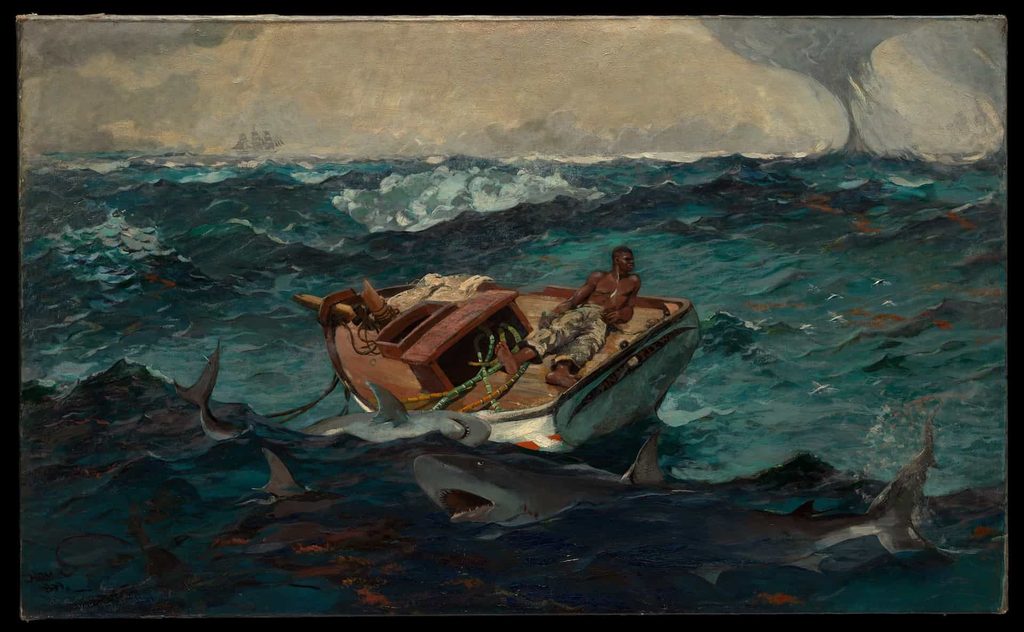
Why Do Paintings Move Us?
Paintings can affect us through several things happening at once.
Subject is the obvious one.
A painting of a solitary figure may suggest loneliness. A family scene might trigger memories. A landscape can remind us of a particular place.
But subject alone cannot explain our emotional response to art.
Two artists can paint the same view and produce completely different experiences.
One might use pale colour, open space and soft edges. Another might use heavy paint, compressed perspective and strong contrasts.
The location has not changed.
The feeling has.
That is because paintings communicate through visual decisions as much as through subject matter.
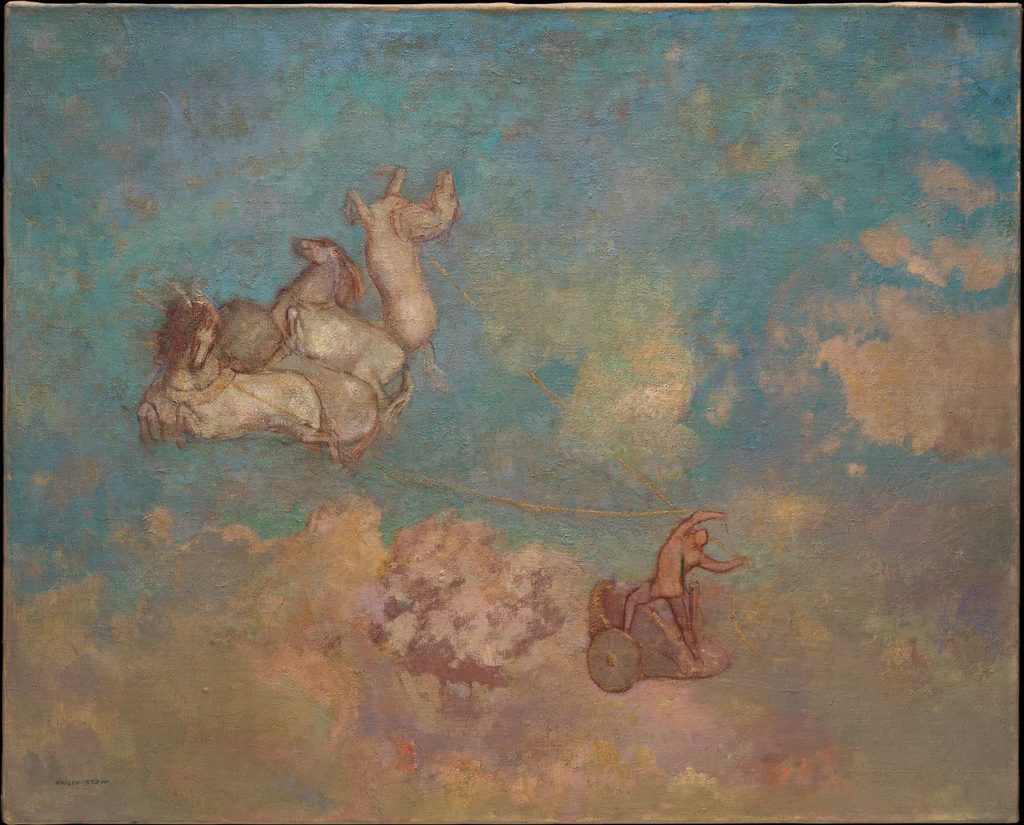
Colour Can Affect the Mood Without Telling You What to Feel
Colour is one of the first things many people notice in a painting.
But the relationship between colour and emotion is more complicated than rules such as blue equals sadness or red equals anger.
A dark blue painting can feel peaceful.
A pale painting can feel unsettling.
A bright red might feel joyful in one work and threatening in another.
What matters is how colours relate to everything around them.
Artists can use harmony to create calm or contrast to create tension. A small area of intense colour can pull the eye across a large canvas. Muted colours can make a work feel distant, quiet or atmospheric.
Often we respond to these relationships without consciously analysing them.
We feel the painting before we begin describing its palette.

Composition Changes How a Painting Feels
Where things sit within a painting can affect us just as strongly as what those things are.
A figure placed close to the edge of a canvas may create unease.
A large empty space can suggest solitude, openness or anticipation.
A tightly cropped composition can feel immediate.
A distant viewpoint can make us observers rather than participants.
Balance matters too.
Some paintings give us an immediate sense of stability. Others deliberately keep the eye moving.
These structural decisions help explain why two paintings containing similar subjects can produce very different emotional responses.
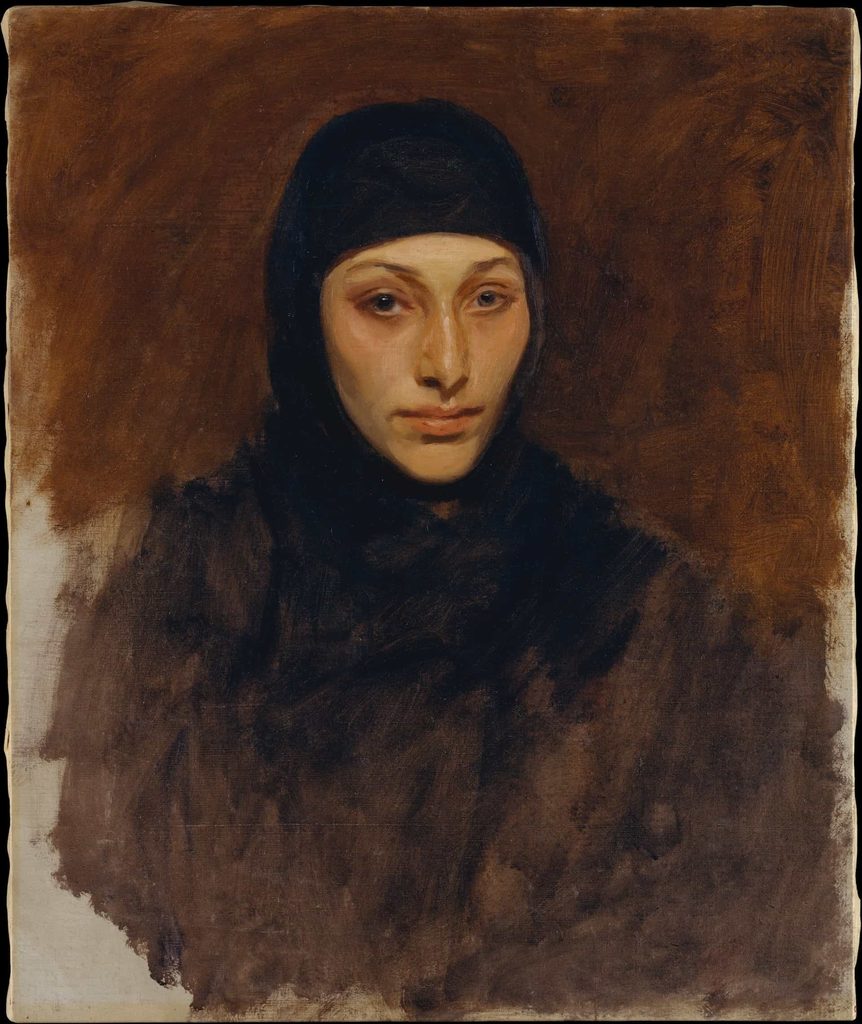
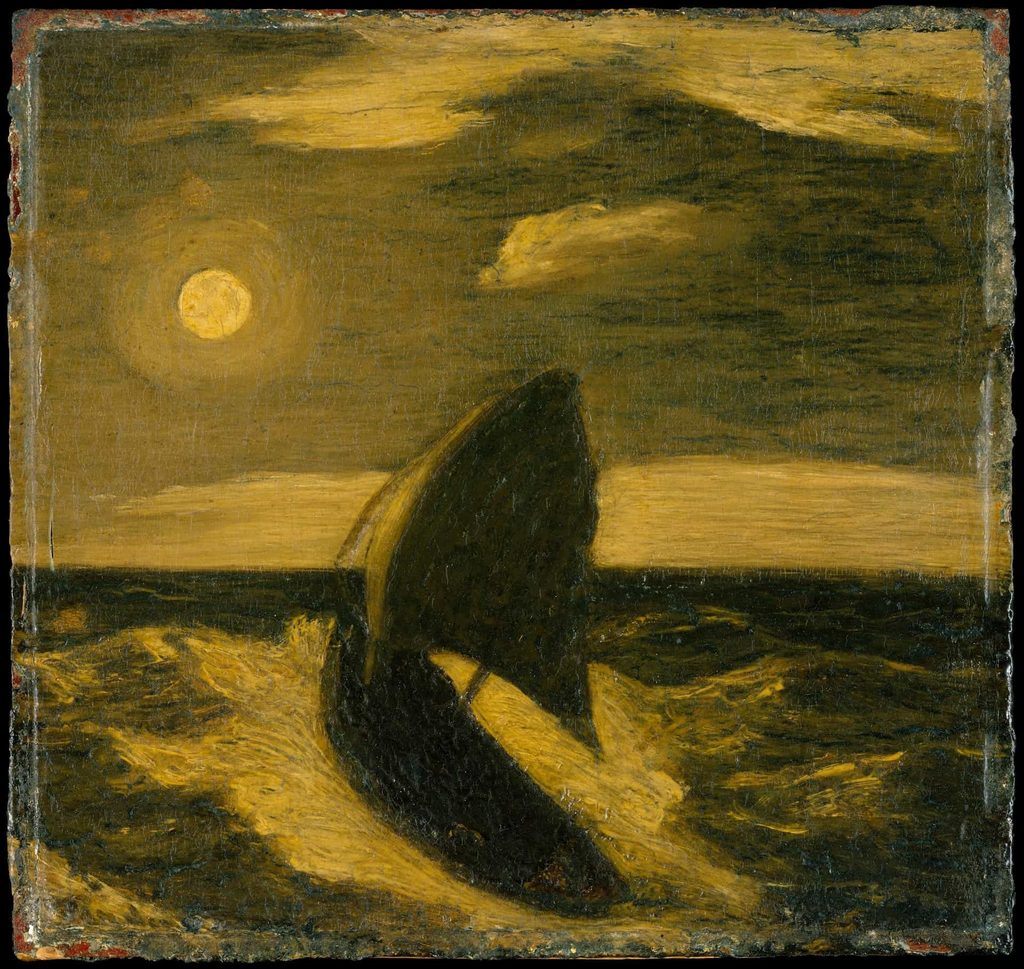
Brushwork Lets Us Feel the Artist’s Hand
Original paintings have a physical quality that is difficult to experience fully through a screen.
Paint can be thin, translucent and almost invisible.
It can also be scraped, layered, dragged, scratched or applied so thickly that the surface begins to catch its own shadows.
Brushwork gives us evidence of decisions.
We can sometimes see where an artist moved quickly, where they slowed down, where a mark was changed and where something was left unresolved.
This can make a painting feel remarkably immediate.
You are not only looking at an image. You are looking at the physical traces of somebody making it.
That can contribute strongly to an emotional connection with original art.
Why Texture Matters More in Person
Texture is one reason paintings often feel different in a gallery from the way they do online.
A photograph of an artwork turns a physical object into a flat image.
In front of the original, you can see how light catches raised paint. You notice variations in the surface. Thin passages may sit beside thick ones. The edges of marks become clearer.
Even the scale of the brushwork changes your understanding of how the painting was made.
This does not mean art cannot affect us through a reproduction. Of course it can.
But seeing the original can reveal another layer of the work.
Sometimes the painting you thought you understood online turns out to be much quieter, rougher, larger, smaller or more complex than expected.

Scale Changes Your Relationship with Art
Size is not simply a practical question about whether an artwork fits above a sofa.
Scale changes how we experience a work.
A very large painting can occupy much of our field of vision. We may feel as though we are looking into it rather than simply at it.
A small painting asks for something different.
You have to move closer.
The experience becomes more private.
Neither is automatically more powerful. A painting only a few centimetres across can hold enormous emotional weight.
But scale affects the physical relationship between the viewer and the artwork, and that relationship can become part of the feeling.
Memory Is Often Hiding Behind Our Taste
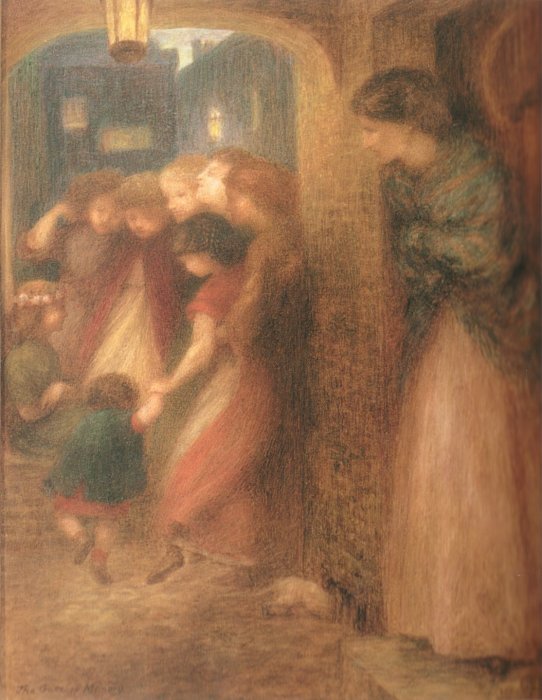
Sometimes we understand immediately why an artwork affects us.
A landscape resembles somewhere we grew up.
A figure reminds us of someone.
A certain kind of light recalls a particular time of day or season.
At other times, the association is much less obvious.
A colour combination may feel familiar without producing a specific memory. An interior might remind us of childhood without resembling any actual room we knew.
This is one reason an emotional response to art can be difficult to explain.
The artwork does not have to illustrate a memory directly. It may simply touch something associated with it.
The painting becomes personal because part of its meaning comes from the viewer.
Place Can Create an Unexpected Connection
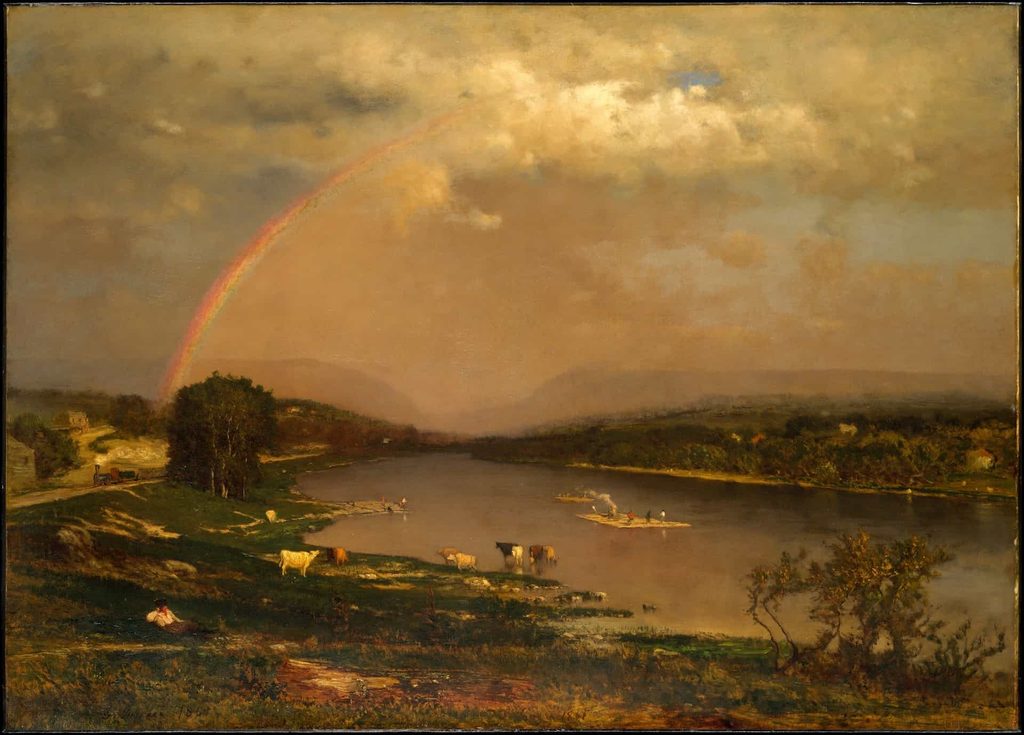
Landscape painting demonstrates this particularly well.
People often respond strongly to places they know, but recognition is only part of the story.
A painting of the coast may matter because you know that exact stretch of shoreline.
Or it may matter because you know another coast entirely.
The painting becomes a meeting point between the artist’s place and your own experience.
This can happen with city streets, domestic interiors, gardens, rivers, hills and almost any other setting.
An artwork does not need to reproduce your memories accurately to awaken them.
Why Abstract Art Can Feel Surprisingly Personal
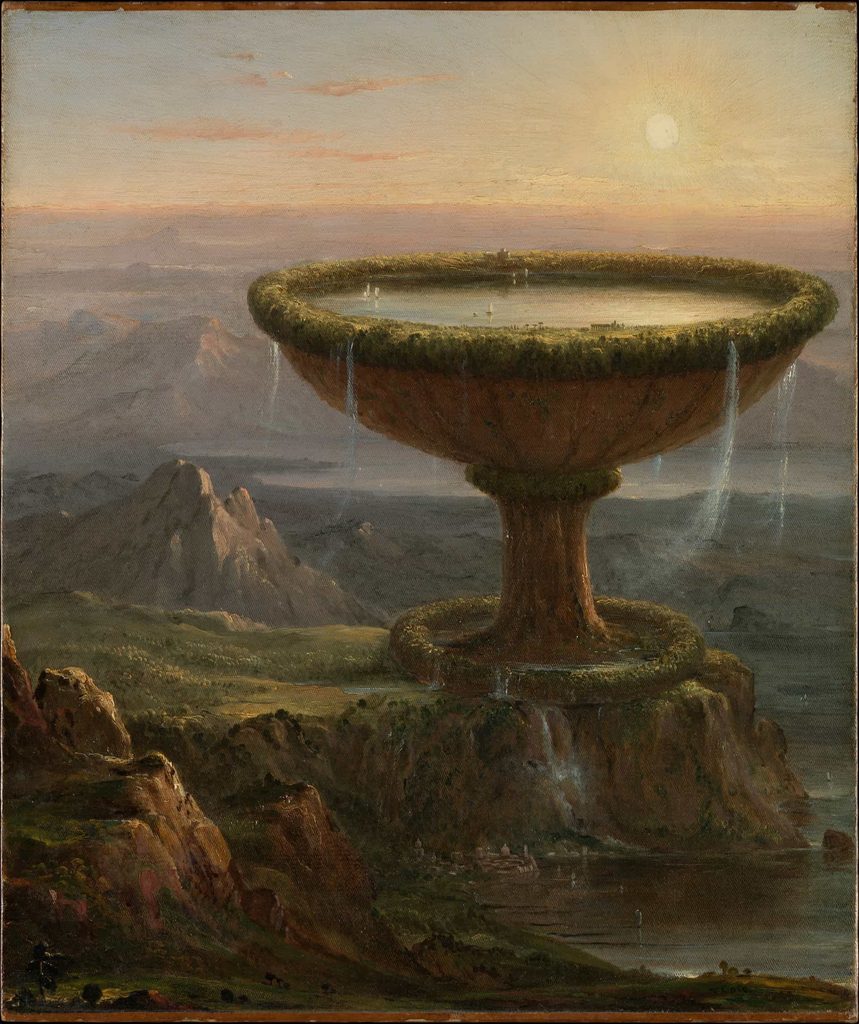
People sometimes assume that emotional art needs an obvious subject.
Abstract art shows why that is not true.
Without a recognisable figure or landscape, colour, rhythm, shape, line, space and texture become the subject of our attention.
One viewer might find a large abstract painting peaceful while another finds it tense.
Neither response has to be wrong.
Abstract work can leave more space for the viewer’s own associations. Rather than being told what the picture represents, you encounter relationships between forms and respond to them.
That freedom can make the experience highly personal.
You do not necessarily have to “understand” an abstract painting before responding to it.
Looking is enough to begin.

Does Understanding an Artwork Make You Like It More?
Sometimes.
Learning about an artist’s ideas, process or circumstances can completely change how we see a work.
A mark that first looked accidental may turn out to be deliberate.
A repeated shape may have personal meaning for the artist.
Knowing how a work was made can increase our appreciation of its difficulty.
Context can open doors.
But information cannot manufacture an emotional connection.
You can know everything about a famous painting and still not particularly like it.
You can also know nothing about an unknown artist and be stopped in your tracks by their work.
Knowledge can deepen looking, but it does not dictate taste.
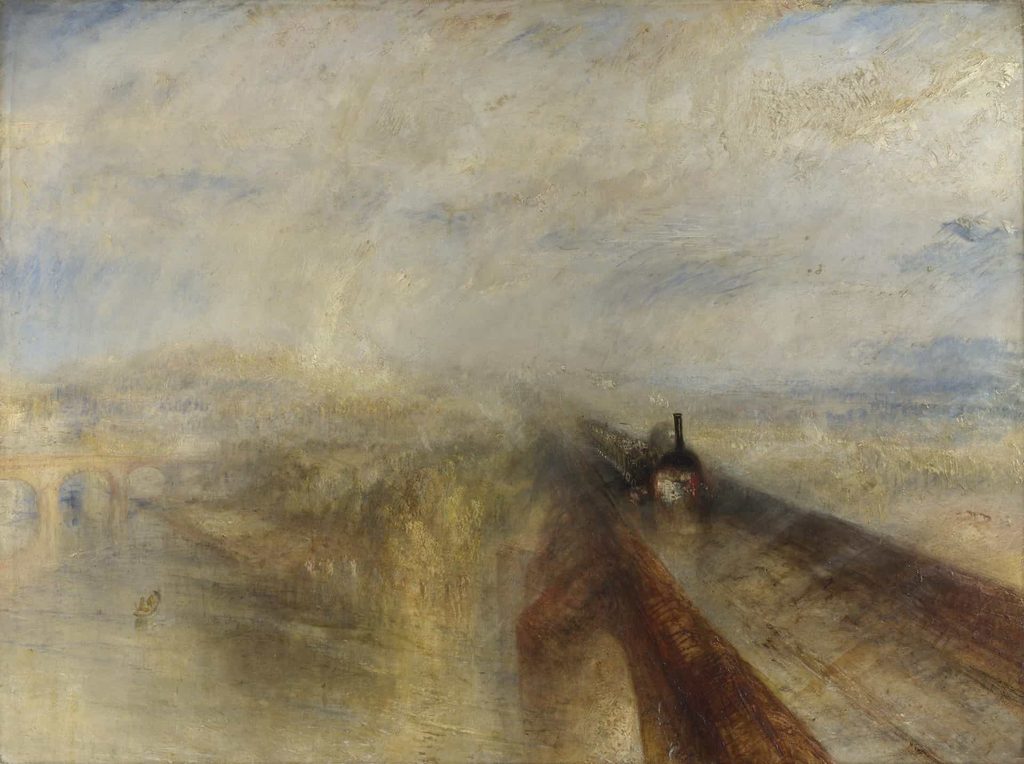
Can Your Taste in Art Change?
Absolutely.
One of the pleasures of looking at art regularly is discovering that your taste is less predictable than you thought.
Perhaps you once believed you only liked realistic painting and gradually became interested in abstraction.
Perhaps you thought strong colour was not for you until you encountered an artist who used it in a completely different way.
Exposure matters.
The more art you see, the more comparisons you can make. You begin noticing subtler differences in colour, composition, mark-making and materials.
You also become more comfortable with work that does not reveal everything immediately.
That is why there is value in visiting galleries even when you have no intention of buying anything.
Looking develops taste.
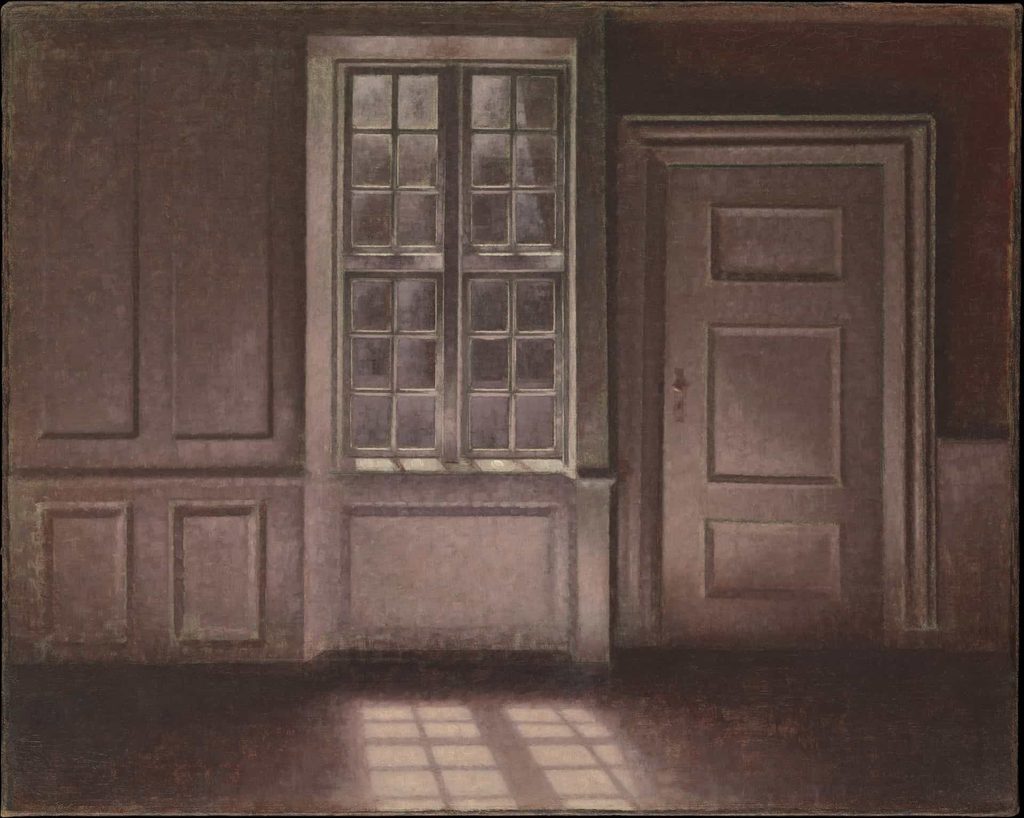
Why the Painting You Initially Ignore Can Become Your Favourite
First impressions are powerful, but they are not always final.
Some artworks are immediately striking. Strong colour, dramatic scale or a recognisable subject can grab attention from across a room.
Other works operate more slowly.
You notice the way one colour sits beside another.
Then the surface.
Then a small detail.
Then something about the composition begins to make sense.
This slower experience can be rewarding because the artwork continues to give you reasons to look.
The painting does not have to explain itself in the first few seconds.
That quality becomes particularly important when considering art for your home.
You are not choosing something to look at once.
You may be choosing something you will see thousands of times.
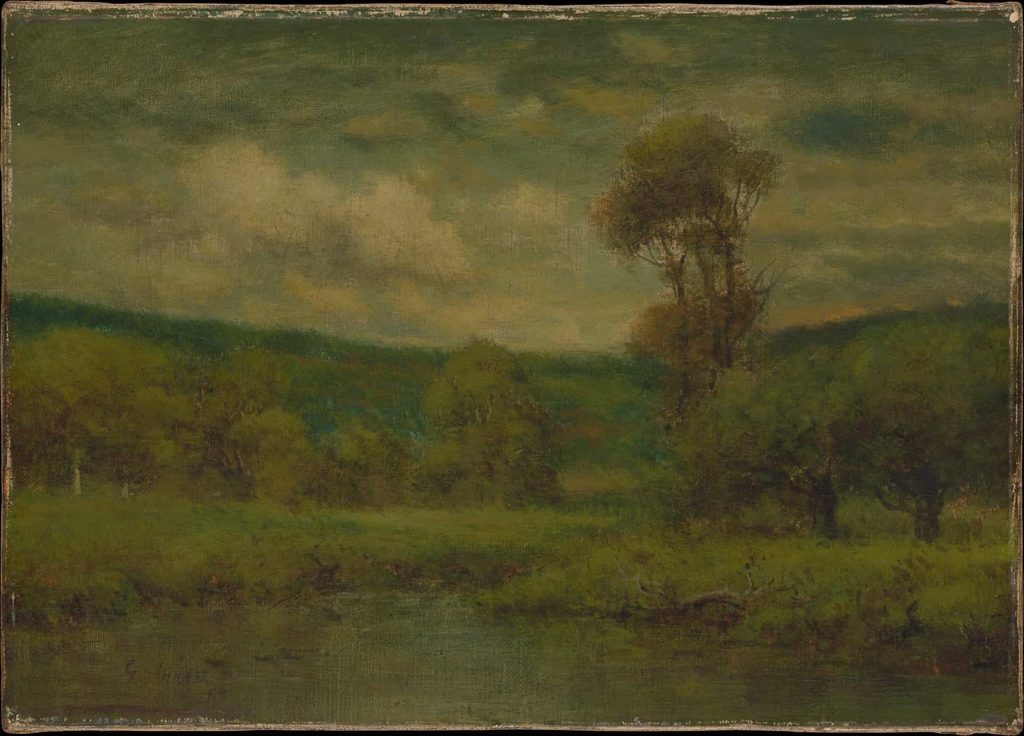
Why Art Can Feel Different on Different Days
Living with art reveals something a brief gallery visit cannot.
The artwork stays the same, but you do not.
Morning light may reveal colours you had not noticed at night.
Your attention may fall on different parts of the composition.
A painting that once felt energetic may seem calmer as you become familiar with it.
Personal events can also change what an image means to you.
This is not a weakness in the artwork.
It is part of what makes living with art interesting.
A painting can remain physically unchanged while your relationship with it develops.
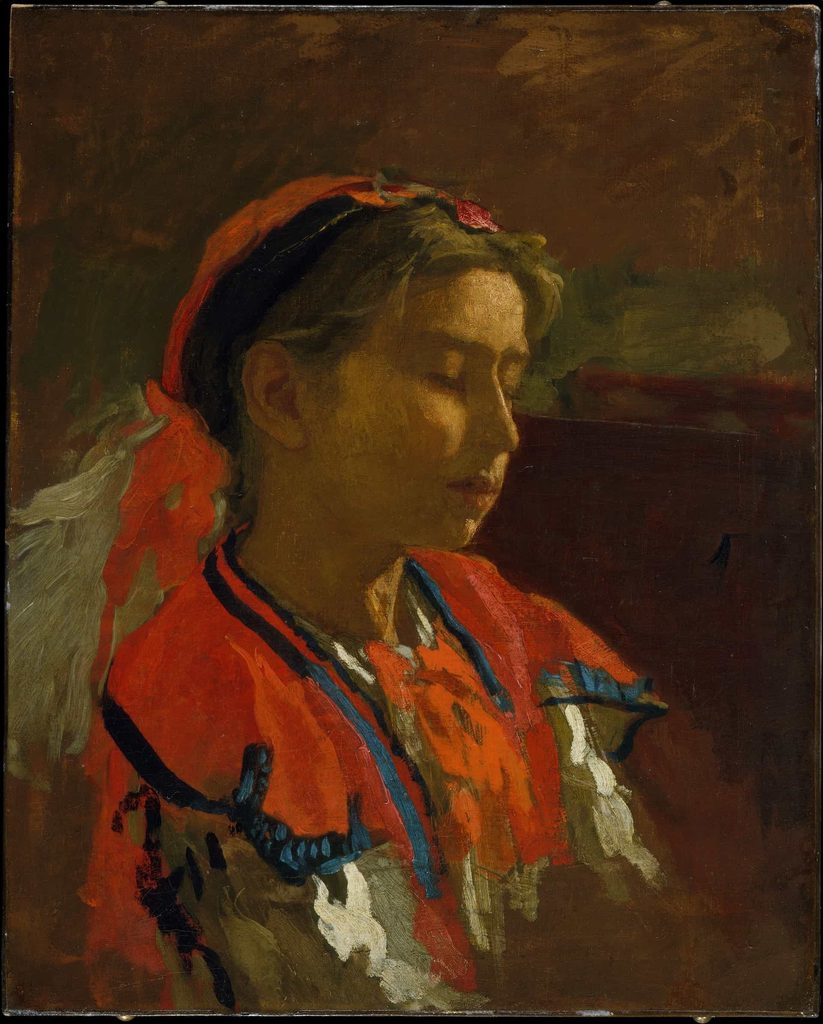
Should You Trust Your Emotional Response When Buying Art?
If you are buying art for yourself, your response should matter enormously.
That does not mean ignoring practical considerations.
You may need to think about budget, dimensions, framing, materials, condition and where the work will live.
But those questions come after a more fundamental one:
Do you actually want to keep looking at it?
It sounds obvious, yet people can become surprisingly uncertain when buying art.
They worry about whether they are choosing the “right” artist.
They wonder whether friends will like it.
They question whether the colour works with the furniture.
They may even worry that they do not know enough about art to make the decision.
None of those questions tells you whether you want to live with the work.
Choosing Art You Love Is Different from Choosing Decoration
There is nothing wrong with considering your home when buying art.
Size matters.
Light matters.
Placement matters.
Framing matters.
But choosing an artwork purely because it matches a room can be limiting.
Rooms change.
Walls are repainted.
Furniture is replaced.
People move house.
An artwork you genuinely care about can move with you.
Instead of asking only, “Does this match the room?”, it can be more useful to ask, “Would I want to find a place for this wherever I lived?”
That is a much harder test.
It is also often a better one.
Should You Buy Art Immediately or Think About It?
There is no universal rule.
Sometimes you know.
At other times, walking away is useful.
If you find yourself thinking about the artwork later, remembering particular details or wanting to see it again, that tells you something.
The important distinction is between uncertainty about the artwork and nervousness about making a purchase.
Those can feel similar.
You may be completely certain that you love a painting while feeling uncertain about spending the money.
That is different from trying to persuade yourself to like something because you think you ought to.
What If Nobody Else Likes the Painting You Love?
Then you have discovered something about your own taste.
Art would be remarkably dull if everyone wanted the same thing.
Personal taste means accepting that another person may not experience an artwork as you do.
They do not have your memories.
They do not notice exactly what you notice.
They may prefer different colours, subjects, styles or materials.
When choosing art for your own home, universal approval is not necessarily the goal.
In fact, a collection becomes more interesting when it reflects the person who assembled it rather than a checklist of fashionable artists or interior trends.
How Do You Know If You Really Love an Artwork?
There is no test, but there are useful questions.
Do you keep looking at it?
Do you notice something new when you return?
Did you remember it after leaving the gallery?
Are you interested in it beyond whether it matches your home?
Would you still want it if nobody complimented it?
Does it make you curious about the artist?
Can you imagine wanting to see it every day?
Would you be disappointed if you came back and discovered somebody else had bought it?
That final question can be surprisingly revealing.
You Do Not Need to Be an Art Expert
One of the biggest barriers to enjoying and buying art is the belief that you need specialist knowledge before your opinion counts.
You do not.
Art history can enrich your understanding. Learning about materials and techniques can sharpen your eye. Knowing an artist’s background can add context.
But none of that is a licence required before you are allowed to respond to a painting.
Looking comes first.
Pay attention to where your eye goes.
Notice which artworks make you stop.
Ask yourself why.
Then look again.
Over time, those small acts of attention become your taste.
Spend Longer with Fewer Paintings
Galleries can encourage a strange kind of speed.
There may be dozens or hundreds of works to see, and we can feel that we should somehow look at all of them.
But seeing more art does not necessarily mean experiencing more art.
Try the opposite.
Choose a handful of works and give them more time.
Look from across the room.
Move closer.
Notice the surface.
Look at the edges of the composition rather than only the main subject.
See where your eye travels.
Notice what you missed initially.
Then walk away and return.
The painting that changes as you spend time with it may tell you more than the one that gives you everything immediately.
What Makes Art Stay with Us?
It would be convenient if there were a formula.
There is not.
Sometimes it is colour.
Sometimes it is a face.
Sometimes it is a landscape that feels strangely familiar.
Sometimes it is a rough brushstroke, an awkward figure, an empty space or a tiny detail in the corner.
Sometimes we cannot explain it at all.
That uncertainty is part of the experience.
Our emotional connection to art is created somewhere between what the artist has made and what we bring to it.
The artist controls the painting.
They cannot completely control what it will mean to every person who sees it.
That final part belongs to us.
Frequently Asked Questions
Why do we feel an emotional connection to art?
Art can engage memory, perception, personal experience and emotion at the same time. Colour, subject, composition, texture, scale and the associations we bring to an artwork can all influence our response.
Why do certain paintings make us emotional?
A painting may connect with personal memories, familiar places or experiences, but emotion can also come from purely visual qualities such as colour, light, composition and brushwork. We do not always consciously know why a particular artwork affects us.
Why do I like a painting but cannot explain why?
Your response to art does not have to begin with a verbal explanation. We often react to visual relationships before consciously analysing them. Understanding why you like something may come later, and sometimes it never needs to.
Why do people have different tastes in art?
People bring different experiences, memories, cultural backgrounds, knowledge and visual preferences to an artwork. These differences help explain why one person can love a painting that leaves another person unmoved.
Can your taste in art change over time?
Yes. Seeing more art can introduce you to unfamiliar styles, materials and artists. Your experiences also change, so an artwork or style that once meant little to you may become important later.
Does knowing about art make you appreciate it more?
Knowledge can deepen appreciation by revealing an artist’s process, context and intentions. However, specialist knowledge is not required to have a meaningful response to art.
Should you buy art simply because you love it?
Emotional connection is an important consideration when buying art for yourself, particularly if you plan to live with it for years. Practical matters such as price, size, condition, materials, framing and placement should also be considered.
How do I choose art for my home?
Start with artworks you genuinely want to keep looking at. Consider size, light, placement and framing afterwards. Choosing solely by matching colours to furniture can result in something that works decoratively but means little to you personally.
Why does original art feel different in person?
An original artwork has physical qualities that photographs and screens cannot fully reproduce. Scale, texture, brushwork, surface, subtle colour differences and the way light interacts with paint can all change the experience.
How do I develop my own taste in art?
Look at a wide range of art without putting pressure on yourself to like what is considered important or fashionable. Notice which works hold your attention, revisit them, learn about artists that interest you and allow your preferences to change.
The painting you keep coming back to is worth paying attention to.
Not because returning to an artwork proves it is objectively better than everything else in the room, and not because every emotional response needs to end in a purchase.
It matters because attention is one of the clearest ways we discover our own relationship with art.
The more you look, the more you begin to recognise what holds you.
Perhaps it is colour. Perhaps it is quietness. Perhaps it is energetic brushwork, an ordinary scene, an unfamiliar face or a place that reminds you of somewhere else.
Eventually, you stop trying quite so hard to work out what you are supposed to like.
You start noticing what you actually do.
And sometimes that is the beginning of living with art rather than simply looking at it.
Leave a Reply