
No products in the cart.
Original Art vs Prints: What Are You Actually Paying For?
Imagine finding a painting in a gallery that you would love to own.
The original costs £900. A print of the same image costs £120.
The colours look almost identical. The composition is exactly the same. Both could hang on your wall.
So what accounts for the £780 difference?
Part of the answer lies in the materials and the time spent creating the original. But there is another distinction worth understanding before you spend anything.
Not every print is a reproduction.
An etching, woodcut or lithograph can be an original artwork in its own right, even when several impressions exist.
To understand what you are buying, it helps to recognise three different categories.
| Type of artwork | What you are buying |
|---|---|
| Unique original | A particular painting, drawing or other one-off artwork |
| Original print | An impression created through an artistic printmaking process |
| Reproduction | A printed copy of an artwork created in another form |
Each can be worth owning. The important thing is knowing what makes them different.
1. What Makes an Original Artwork Original?
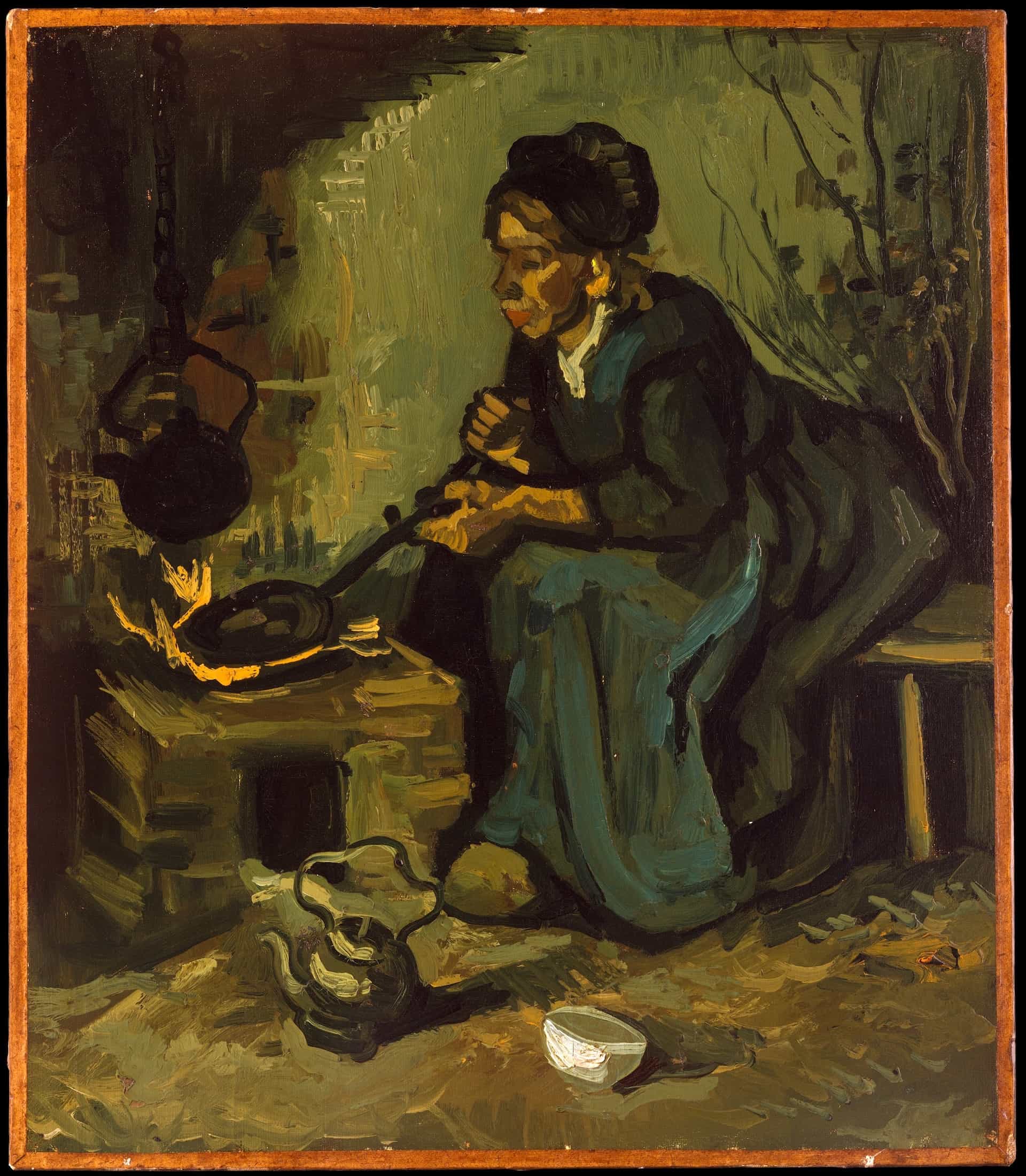
Consider an oil painting.
The artist begins with a surface, perhaps canvas or board, and builds the image through individual decisions.
Colours are mixed. Marks are added. Some areas are painted over, while others are scraped back or left unfinished.
The result is a physical object carrying evidence of how it was made.
Look closely at an original painting and you may see thick brushstrokes, changes in colour beneath the surface or the texture of the canvas showing through.
A photograph records the appearance of the painting, but not the experience of seeing those physical details.
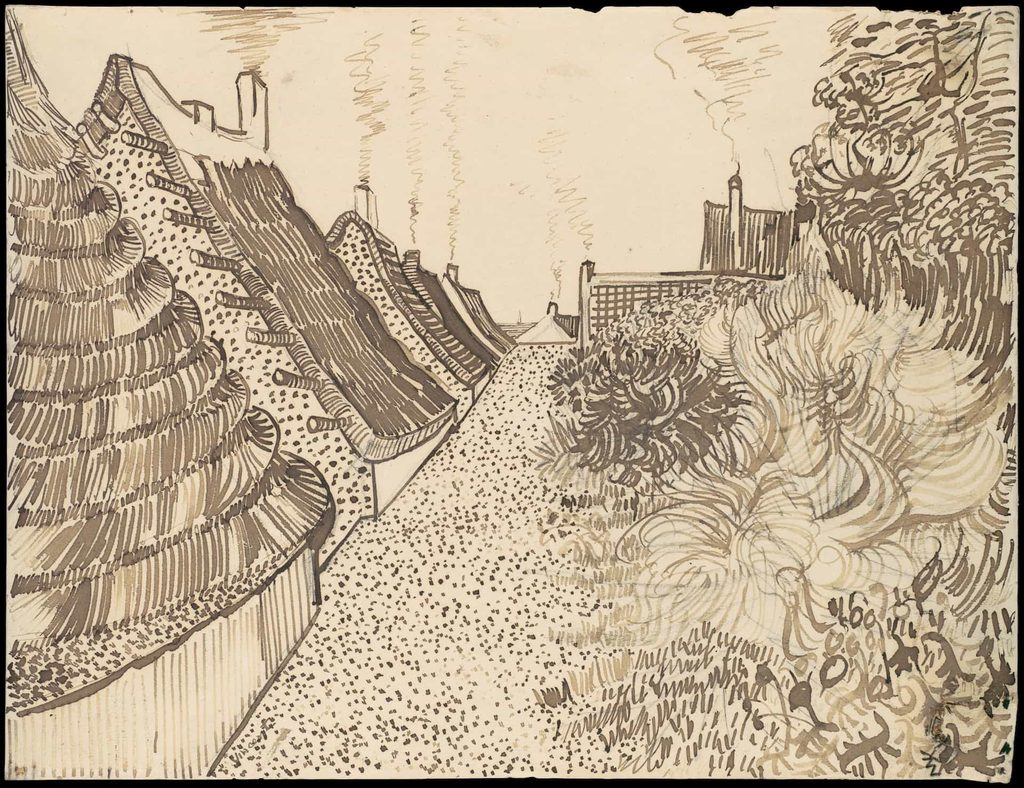
Original drawings offer a different kind of evidence.
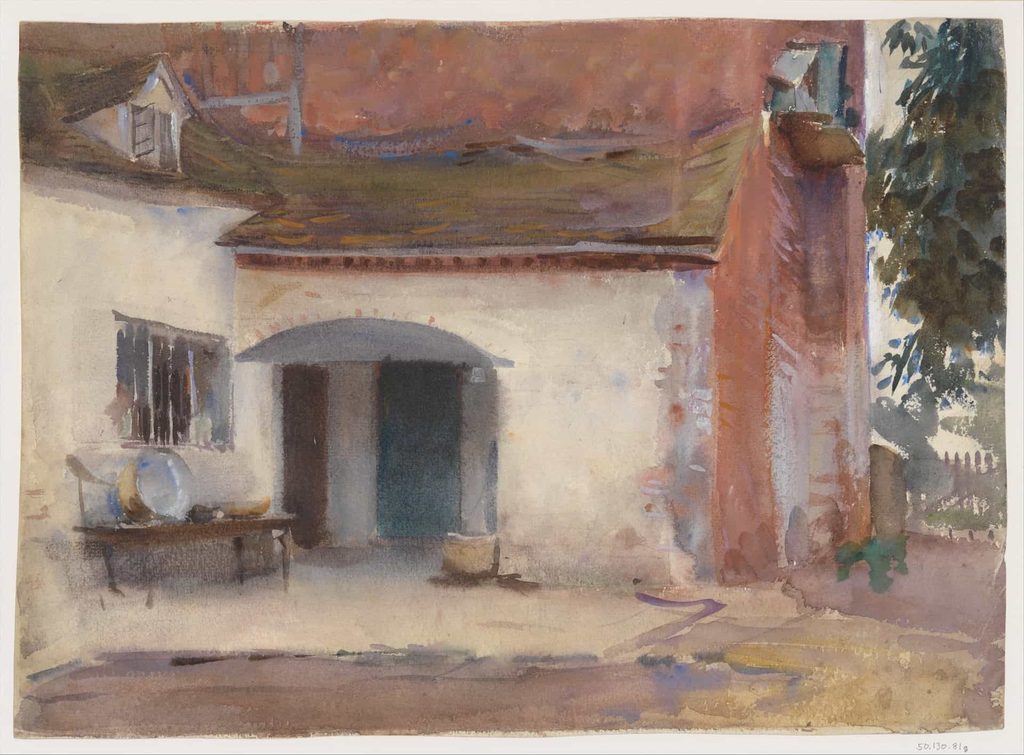
In a pen-and-ink drawing, the pressure and direction of the marks remain visible. In a watercolour, the artist may leave areas of paper untouched, allowing them to become part of the composition.
These details belong to the particular artwork.
When you buy a unique original, you acquire that physical object. Another painting of the same subject, even by the same artist, is a separate artwork.
However, originality and uniqueness are not quite the same thing.
That distinction becomes important when we look at printmaking.
2. Why an Original Print Is Still Original Art
An original print begins with an artist creating an image through a printing process.
In a woodcut, the artist cuts away parts of a wooden block. Ink is applied to the remaining raised surface and transferred onto paper.
In an etching, lines are created in a metal plate, traditionally using acid. Ink held in those lines is transferred to paper under pressure.
A lithograph uses a different principle, traditionally involving a drawing on stone or a specially prepared plate.
The finished impression is not necessarily a copy of a painting. The artist may have developed the image specifically for that printing process.
Albrecht Dürer’s woodcuts, Rembrandt’s etchings and Toulouse-Lautrec’s lithographs are all examples of original printmaking.
Their images were made to be printed.
This is why a print can be an original artwork even when several impressions exist.
Two impressions from the same plate may contain small differences caused by inking, paper, pressure or the condition of the printing surface.
In some techniques, such as monotype, the process may produce only one principal impression.
Original printmaking therefore deserves to be understood as an artistic medium, not simply an inexpensive alternative to painting.
There is also a historical complication: some skilled printmakers created prints after existing paintings. Those prints can be original examples of printmaking while also reproducing another artist’s composition.
The description and history of the work matter more than the word ‘print’ alone.
3. What Is a Reproduction Print?
Suppose an artist finishes a painting and has it professionally photographed.
The resulting image can be reproduced on paper, canvas or other materials.
A reproduction may look remarkably close to the original, particularly when high-quality printing methods are used.
But the printed image is not the painted object.
It cannot reproduce the original layers of paint, the raised brushstrokes or the precise physical character of the surface.
The idea of reproducing artworks is not new.
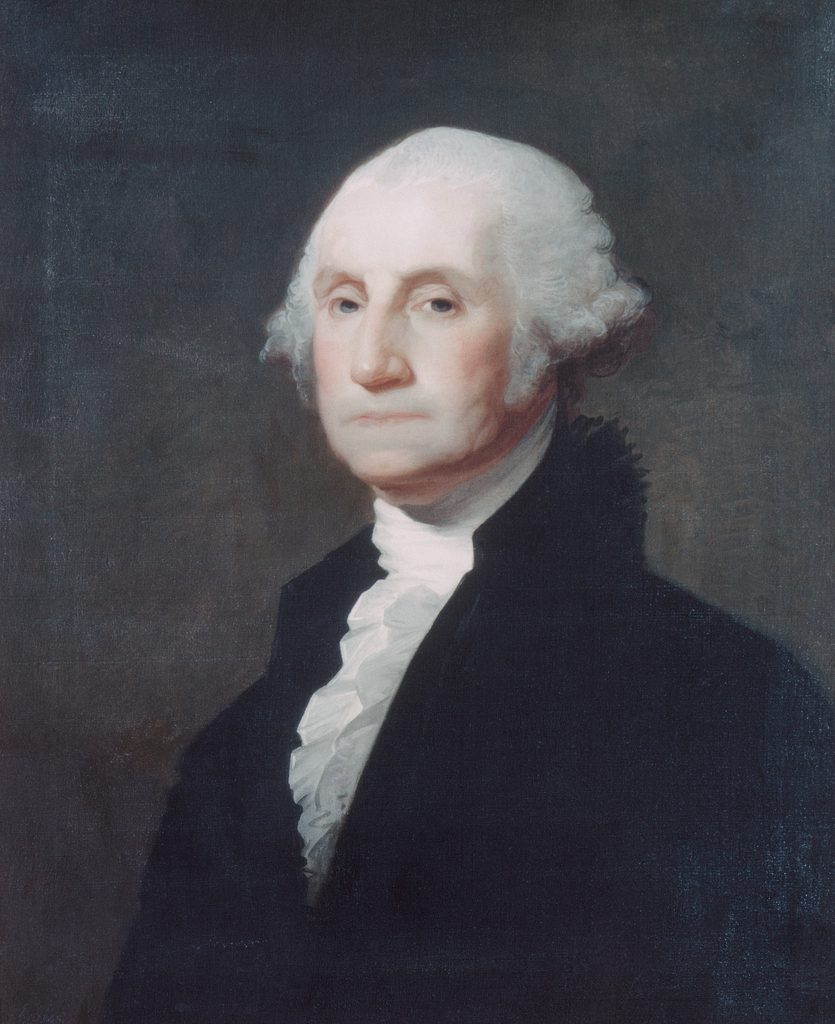
Before photography became widely available, engravers and lithographers produced printed interpretations of famous paintings and portraits.
Gilbert Stuart’s portraits of George Washington, for example, inspired numerous printed versions. These helped circulate the image far beyond the people who could see the paintings themselves.
Today, photographic and digital printing make the process much easier.
You may encounter the term giclée.
Giclée generally refers to high-quality inkjet printing, often using pigment-based inks and fine art paper.
It describes a printing method, not whether the image is an original artwork.
A giclée made from a photograph of an oil painting is a reproduction.
A work conceived digitally and issued in an authorised print edition may have a different status, with the print intended as the finished artwork.
Good reproductions have their place.
They allow people to enjoy images that would otherwise be unavailable or unaffordable.
But an expensive reproduction should not be mistaken for a unique original simply because it is printed on canvas or signed by the artist.
4. What Does Limited Edition Actually Mean?
Imagine a print marked 12/50.
This usually means it is numbered twelve in an edition of fifty.
The number does not necessarily tell you the order in which the impressions were printed.
An original etching might be issued in a limited edition of fifty.
A reproduction of an existing painting could also be sold in a limited edition of fifty.
Both may be signed and numbered.
The edition size tells you about the quantity authorised for that edition, but not whether the work was created as an original print or reproduced from another artwork.
There may also be artist’s proofs, often marked AP or A/P, along with trial proofs or impressions produced during the development of an image.
Some artists alter the printing surface as they work, creating different states of the same print.
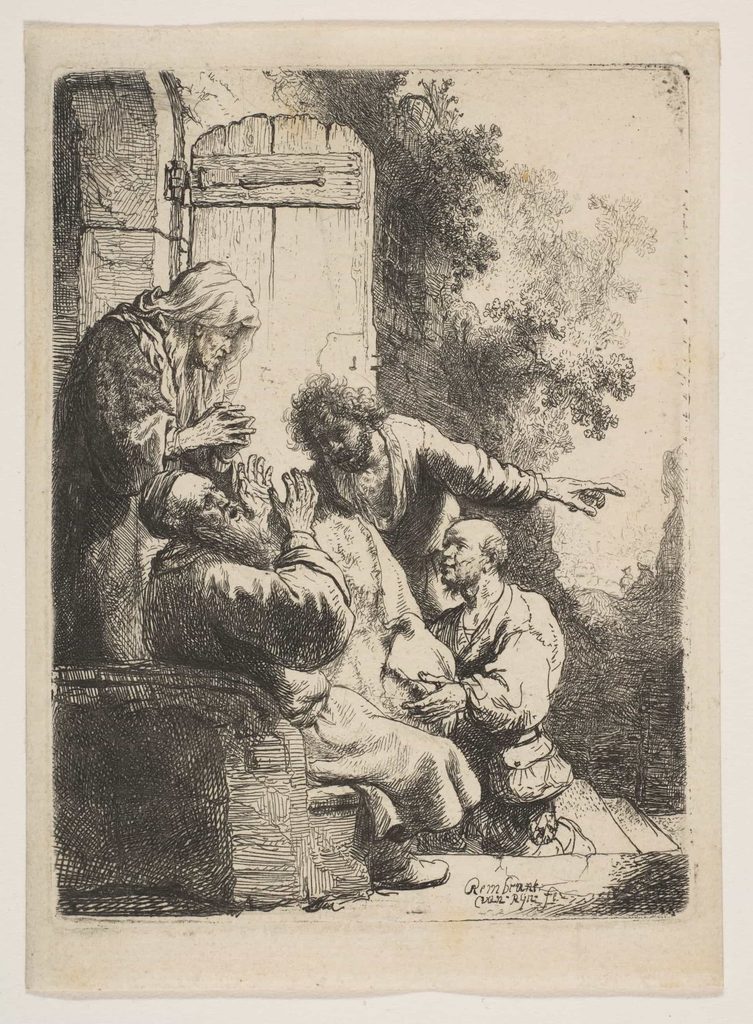
Rembrandt’s Joseph’s Coat Brought to Jacob provides an example.
The Metropolitan Museum of Art holds impressions showing two states of the etching. A later printmaker also made an etching after Rembrandt’s design.
Viewed together, they demonstrate how a printed image can be developed, altered and copied.
This is different from simply numbering fifty identical digital reproductions.
Before buying a limited edition, ask whether there are additional proofs, other editions, different sizes or later printings.
A small edition can be desirable, but it does not automatically make a print valuable.
5. Why Does an Original Artwork Cost More?
The cost of an original artwork reflects several things, although there is no universal rule that originals must always be more expensive than prints.
An original painting may involve weeks of work, expensive materials and a long process of experimentation.
A skilled printmaker also invests time developing the image, preparing plates or blocks, testing impressions and selecting suitable paper.
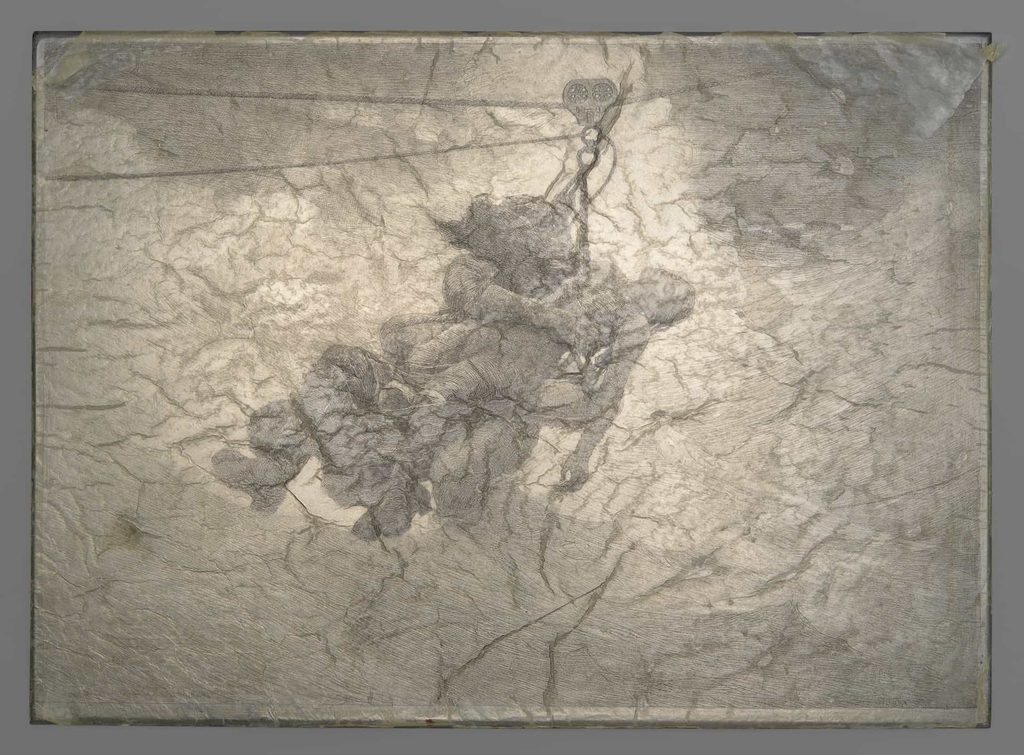
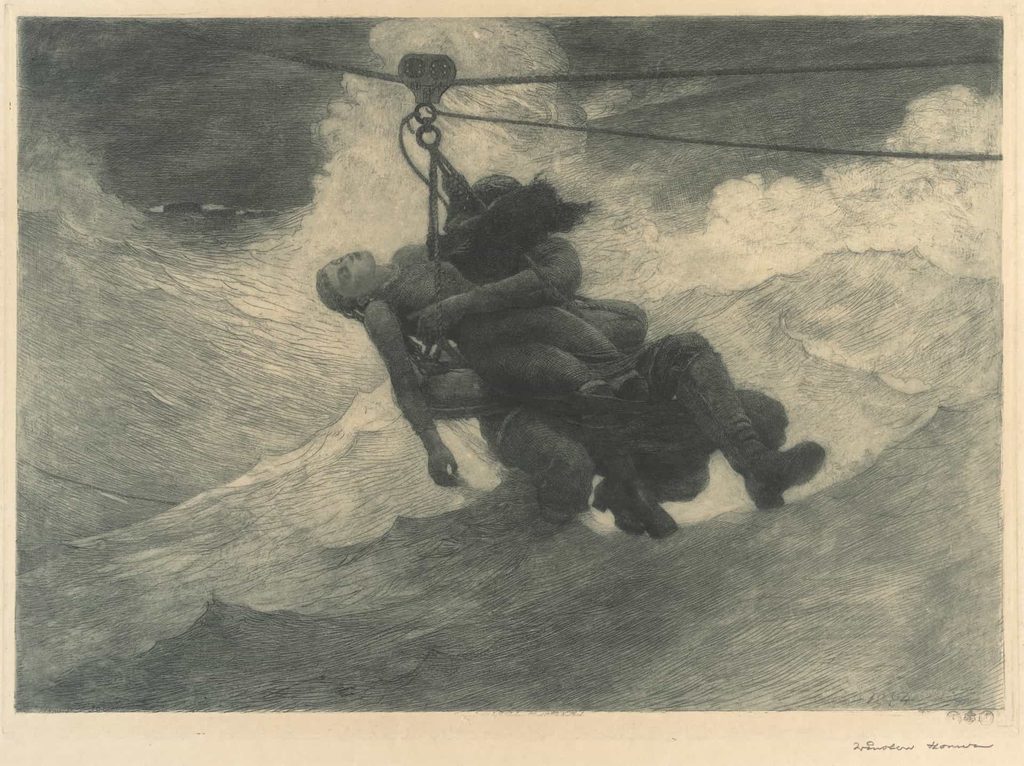
Consider Winslow Homer’s etching The Life Line.
The Metropolitan Museum of Art holds both an etched copper plate and a printed impression of the subject.
The plate is the prepared printing surface. The impression is the image transferred onto paper.
This is a useful reminder that the printing process involves real materials, equipment and specialist knowledge.
A reproduction has production costs too, including photography, colour management, paper, ink and printing.
However, the image may be reproduced repeatedly without the artist having to create a new painting each time.
Scarcity also affects price.
A unique painting exists as one object. An editioned print may have a defined number of impressions. An open-edition reproduction may be printed whenever another copy is needed.
The artist’s reputation, exhibition history, collector demand and the importance of an individual work can influence prices as well.
Finally, compare the complete purchase cost.
Framing, delivery and presentation may substantially change what you pay.
A relatively inexpensive original drawing can sometimes cost less than a large, professionally framed reproduction.
6. How Can You Tell Whether an Artwork Is Original?
Start with the gallery label or written description.
‘Oil on canvas’ describes a painting.
‘Original etching on paper’ identifies a print made through an intaglio printmaking process.
‘Giclée reproduction of an oil painting’ identifies a printed copy of an existing work.
Then consider the physical object.
An original painting may contain visible brushstrokes, changes in paint thickness or marks created by the artist’s tools.
An etching can show an indentation around the image where the printing plate pressed into the paper.
A woodcut may have slight variations in the inked surface.
But these are clues, not guarantees.
Some original paintings have very smooth surfaces. Some reproductions imitate the texture of paint. Certain printing processes do not leave an obvious plate mark.
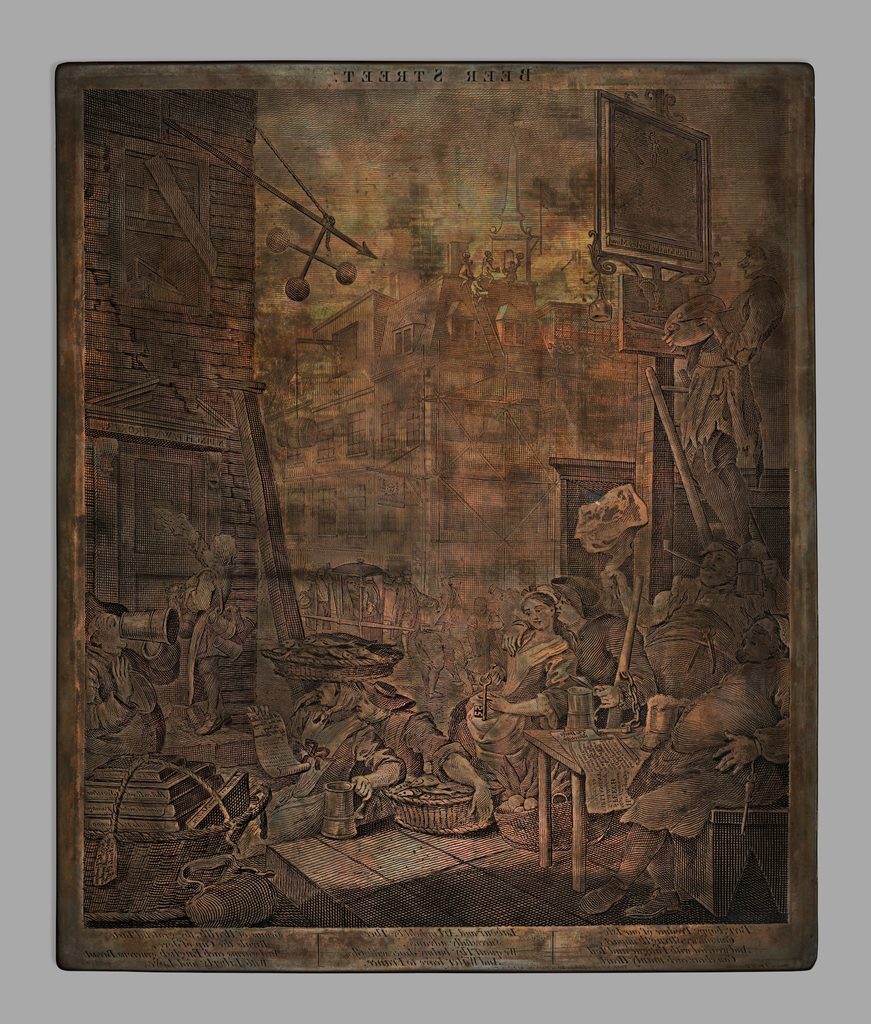
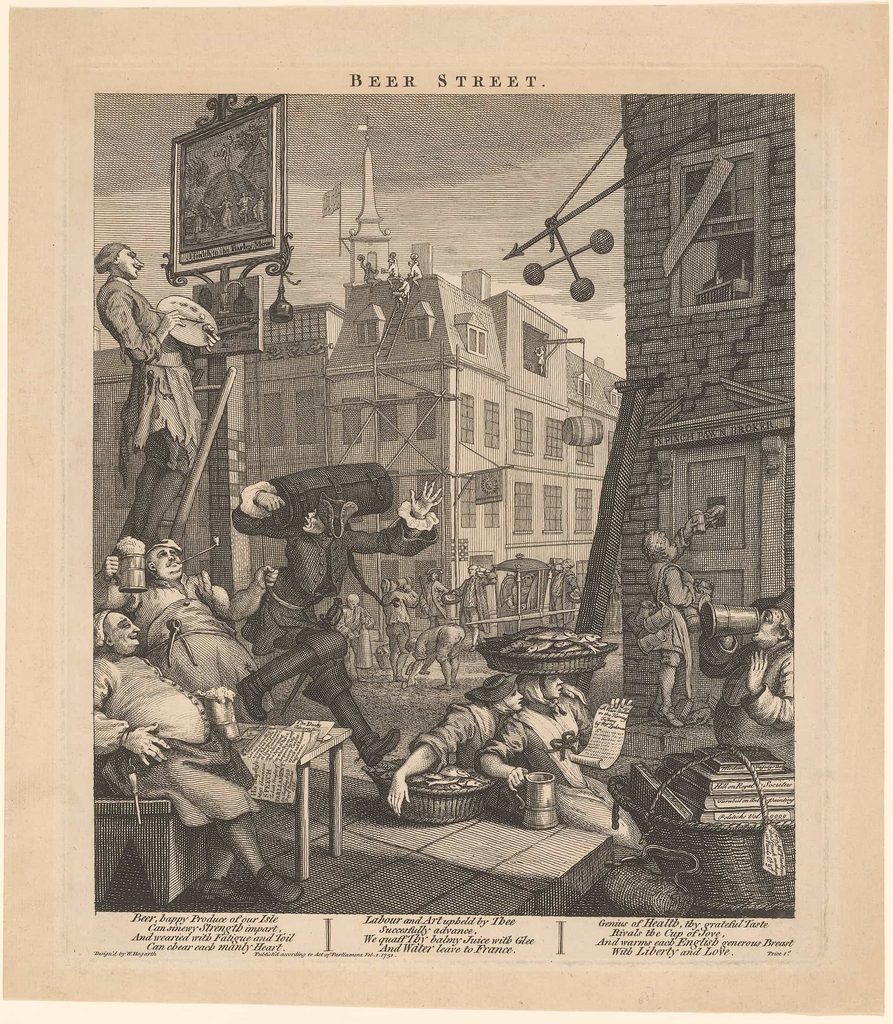
William Hogarth’s Beer Street provides a particularly useful example.
The Metropolitan Museum of Art holds both an engraved copper plate and impressions of the print.
The printing plate contains the worked design, while the impression shows how that design appears on paper.
Seeing the two together makes the process easier to understand than a written description alone.
When buying from a gallery, ask whether the work is unique, an original print or a reproduction.
A signature, edition number or certificate of authenticity should not replace a clear explanation of what the artwork actually is.
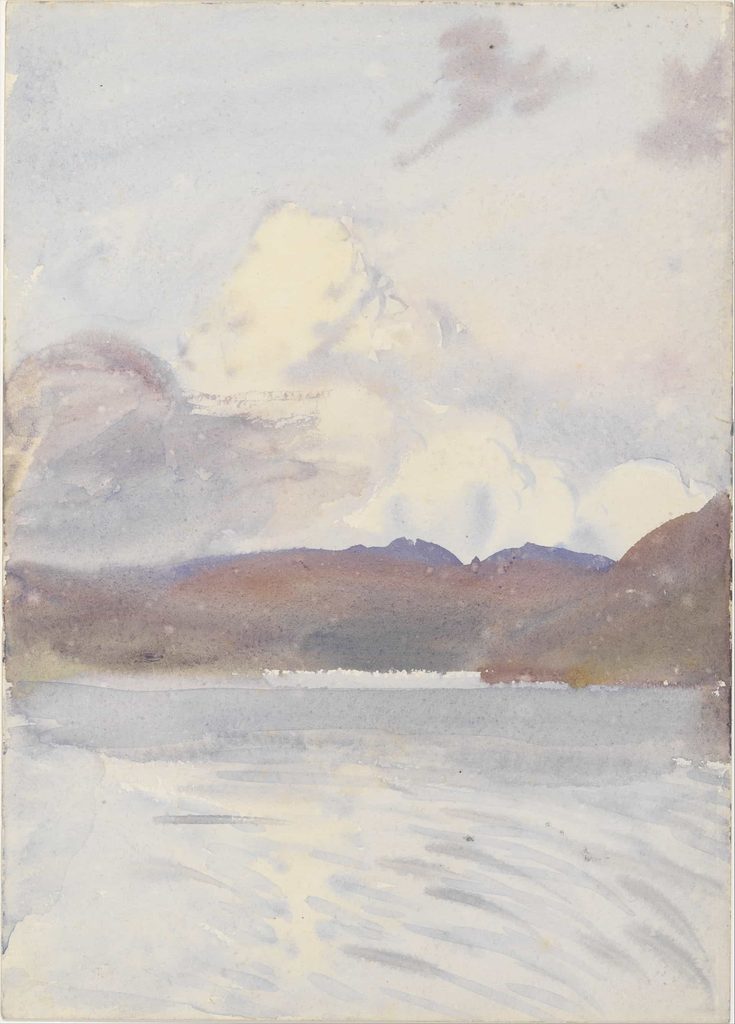
7. Are Originals More Valuable Than Prints?
Original paintings can increase in value. So can original prints.
But neither is guaranteed to do so.
A rare etching by a highly collected artist may be worth considerably more than an original painting by someone with a smaller audience.
An unsigned reproduction may have little resale value, while a signed and documented edition could attract collectors.
The artist, quality, authenticity, condition, scarcity, provenance and market demand all influence value.
There is also the difference between an artwork’s price and what it means to its owner.
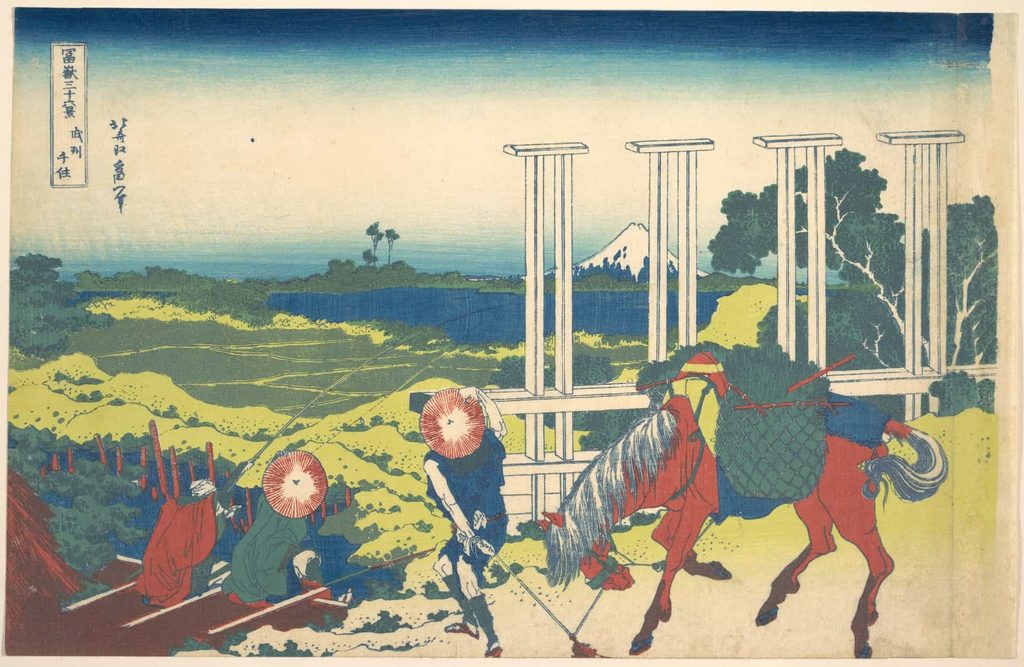
A reproduction that has hung in your home for twenty years may be something you would never want to part with.
An original drawing can offer a more direct connection to an artist’s working process through its physical marks and materials.
Neither needs to become more expensive to justify owning it.
If you are interested in art as a financial investment, future resale values are uncertain, and transaction costs can make selling difficult.
For a first purchase, appreciation of the work itself is a more dependable starting point.
8. Should You Buy an Original Painting, an Original Print or a Reproduction?
The right choice depends on what matters to you.
Choose a unique original if you want the physical object made by the artist, including its individual marks and material qualities.
Choose an original print if you enjoy printmaking as a medium and want an impression created through that artistic process.
Choose a reproduction if you love a particular image and want to enjoy it at a more accessible price.
There is no requirement to begin collecting with an expensive painting.
Small drawings, watercolours, studies and original prints can offer interesting work at different prices.
Before making a purchase, ask:
- Is the artwork unique, an original print or a reproduction?
- How was the image created?
- What materials and printing techniques were used?
- If editioned, how many impressions and proofs exist?
- Is the work signed, and by whom?
- What is included in the price?
- What documentation will I receive?
- How should the work be cared for?
You should also ask about the condition of the artwork and the seller’s returns policy.
If possible, examine the piece in person. A photograph rarely communicates its exact scale, texture or physical condition.
Frequently Asked Questions
Is a limited edition print an original artwork?
Not necessarily. Original prints and reproductions can both be issued in limited editions. The printing process and the nature of the original work determine the distinction.
Is a signed print worth more than an unsigned print?
A genuine signature can affect value, but its significance depends on the artist, authenticity, type of print and collector demand. A signature does not automatically make a reproduction an original artwork.
Is a giclée print the same as an original painting?
No. A giclée reproduction of a painting is a printed copy. Giclée refers to a printing process, not the creation of an original painting.
Are original linocuts genuine original art?
Yes. A linocut made as an original work of printmaking is original art, even if the artist produces an edition of impressions from the block.
Do original artworks always increase in value?
No. Artwork prices and resale demand can change, and many works do not increase in market value.
The Difference Is More Than the Image
A painting, an original etching and a reproduction may share the same subject, but they are not necessarily the same kind of artwork.
One carries the physical marks of a unique creative process.
Another may be one impression from a carefully prepared printing surface.
The third may reproduce an existing image so that more people can enjoy it.
Understanding what you are buying does not mean you must always choose the most expensive option.
It means recognising the artist’s work, the materials, the process and the object you will actually own.
Once you know the difference, you can make a decision based on the artwork itself rather than assumptions about the label attached to it.
Leave a Reply