
No products in the cart.
Why Buy Art from a Living Artist?
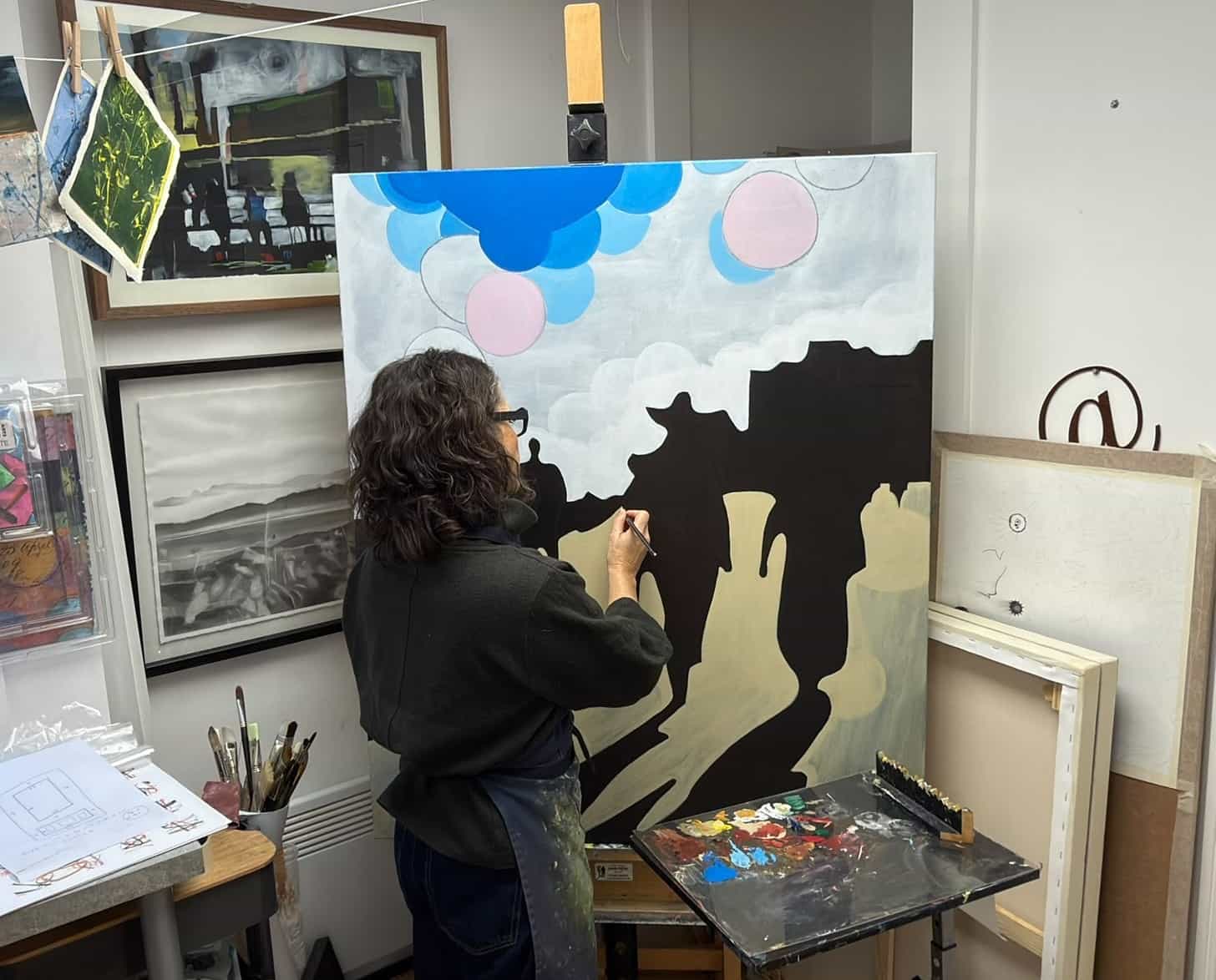
At some point, every artwork was new.
Before a painting entered a museum collection, appeared in an art history book or became associated with a famous name, it existed in an artist’s studio. Someone had to decide it was worth buying, often without knowing whether the artist would ever become widely recognised.
That part of art history is easy to overlook. We tend to encounter art after its reputation has been established, when exhibitions, critics and collectors have already decided which names deserve attention.
But art is being made all around us, right now, by people whose work is still developing.
Buying art from a living artist gives you an opportunity to discover that work while its story is still unfolding. You can learn about the person who made it, understand their process and, through your purchase, help make their future work possible.
There are good reasons to buy contemporary original art beyond its appearance or potential financial value. Some of them become apparent only when you begin thinking about the person behind the artwork.
You Are Buying Art While Its Story Is Still Being Written
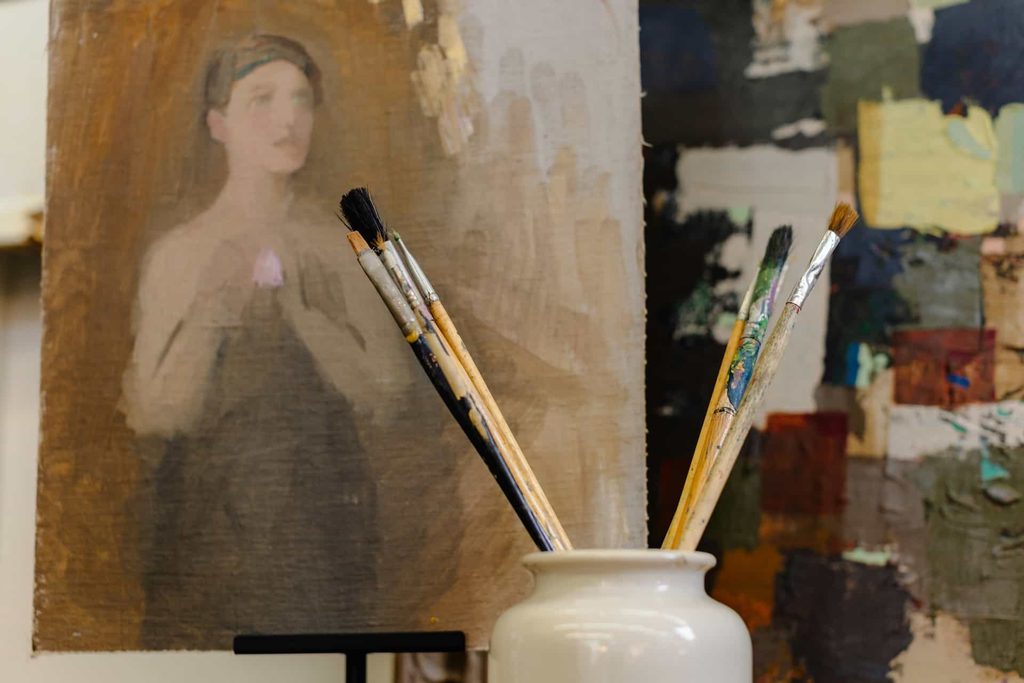
When we look at a painting by an artist who died a century ago, we already know something about how their career turned out.
We can see which works became important, how their style changed and where their paintings eventually ended up. Their creative life has become a completed story.
With a living artist, things are different.
Their latest exhibition might introduce an entirely new direction. A small drawing might lead to a series of paintings. An experiment with unfamiliar materials could become a defining part of their practice.
You have the opportunity to encounter these developments as they happen.
Imagine buying a small painting from an artist whose work you have followed for several years. Over time, you might see them revisit the same subject, change their approach to colour or begin producing work on a much larger scale.
The painting you bought remains the same, but your understanding of it grows.
You know where it belongs within the artist’s development because you were paying attention while that development was taking place.
That is something no later account of an artist’s career can quite reproduce.
Your Purchase Helps Make the Next Artwork Possible
Artists need time, materials, working space and financial stability to continue making work.
A painting might require weeks of preparation and execution. A sculptor may need specialist equipment or materials. A printmaker has the costs of plates, inks, paper and workshop access.
Much of this work happens before an artwork is ready to sell.
When someone buys an original piece from a living artist, the money contributes to sustaining that creative practice. It can help cover the ordinary costs of working as an artist, from studio rent to materials and the time needed to develop new ideas.
The connection is particularly clear when purchasing newly available work directly from an artist or through a gallery representing them.
Independent galleries also play a part. They introduce artists to new audiences, organise exhibitions, present work professionally and provide opportunities for people to discover artists they might never otherwise encounter.
A gallery normally retains a share of the selling price to cover its services and costs, with the agreed balance going to the artist.
This is different from purchasing a previously owned artwork through a resale market, where the money generally goes to the current seller.
Both are legitimate ways to buy art. But buying newly available work can have a more immediate effect on an artist’s ability to continue working.
The painting you take home is something finished. For the artist, the sale may help them begin something new.
You Can Discover the Person Behind the Work
An artwork can tell us a great deal without explanation. Sometimes its meaning is deliberately left open.
Still, there is something valuable about being able to ask an artist how a piece came into existence.
Why did they choose that particular subject? What interests them about working with certain materials? Is the painting part of a larger series? Did the work change substantially between the initial idea and the finished piece?
The answers are not always what you expect.
A seemingly abstract painting may have begun with observations of a familiar landscape. A sculptural piece might incorporate objects collected over many years. A simple drawing may be the result of weeks spent studying a single subject.
Knowing this does not mean you have to interpret the work exactly as the artist does.
You can appreciate a painting for reasons that have little to do with its original inspiration.
But learning how it was made can introduce details you might otherwise miss.
Artists are often encountered through gallery exhibitions, open studios, talks and local arts events. These settings can provide opportunities for conversation, although not every artist will want to explain every aspect of their work.
Even when you do not meet the artist personally, a knowledgeable gallery can help you understand their practice, materials and exhibition history.
The result is a more informed relationship with the artwork, built on curiosity rather than reputation alone.
Original Art Has a Physical Presence of Its Own
Part of the pleasure of owning original art comes from seeing the decisions that went into making it.
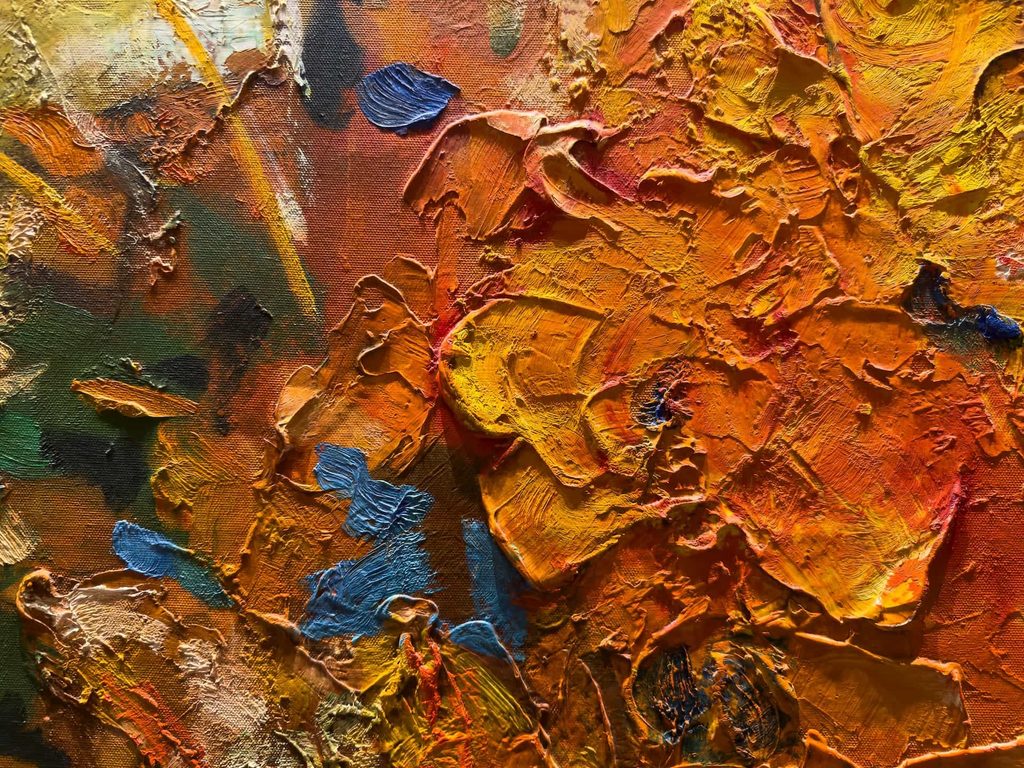
A painting may contain visible brushstrokes, areas where paint has been removed, changes to the composition or subtle variations in texture.
A work on paper might reveal the pressure of a pencil, the movement of charcoal or the way watercolour has settled into the surface.
In sculpture and assemblage, the choice of materials can be just as important as the finished form.
These details make the work more than an image.
They allow you to see something of the artist’s working process, including decisions that might not be apparent in a photograph.
This does not mean every original is unique in the same way.
An original painting or drawing is generally a one-off work. An original print, such as an etching, linocut or screenprint, can be produced in an edition, with each impression created through the printmaking process.
A reproduction print, by contrast, is a copy of an existing artwork.
All these forms can be enjoyable to own, but understanding the difference helps you recognise what you are buying.
For many people, the attraction of original art lies in its physical individuality. The surface, materials and scale are part of the experience, not simply a means of displaying an image.
You Do Not Need to Buy a Famous Artist’s Work
One of the most persistent misconceptions about art collecting is that it belongs to people with considerable wealth or specialist knowledge.
In reality, there are many ways to begin buying work from living artists.
An artist may produce large paintings alongside smaller studies, drawings and works on paper. Some create original prints in editions, making their work available at different prices.
Emerging artists may also offer opportunities to acquire original work before their prices become more established.
But a relatively low price does not automatically make something a bargain, just as a high price does not guarantee artistic quality.
A better starting point is to look at the work itself.
Does it continue to hold your attention? Are you interested in what the artist is doing? Does the piece have something you would enjoy returning to over the years?
You might find yourself more drawn to a small, relatively inexpensive drawing than to a large painting by a recognised name.
There is nothing wrong with that.
The most satisfying collections often develop through personal discovery rather than attempts to imitate established collectors.
You do not need to predict who will become famous. You need to develop confidence in what you find interesting.
Buying Through an Independent Gallery Still Supports the Artist
Buying directly from an artist can be a rewarding experience. You may visit their studio, see work in progress and speak with them about the pieces available.
However, buying through an independent gallery can be equally worthwhile.
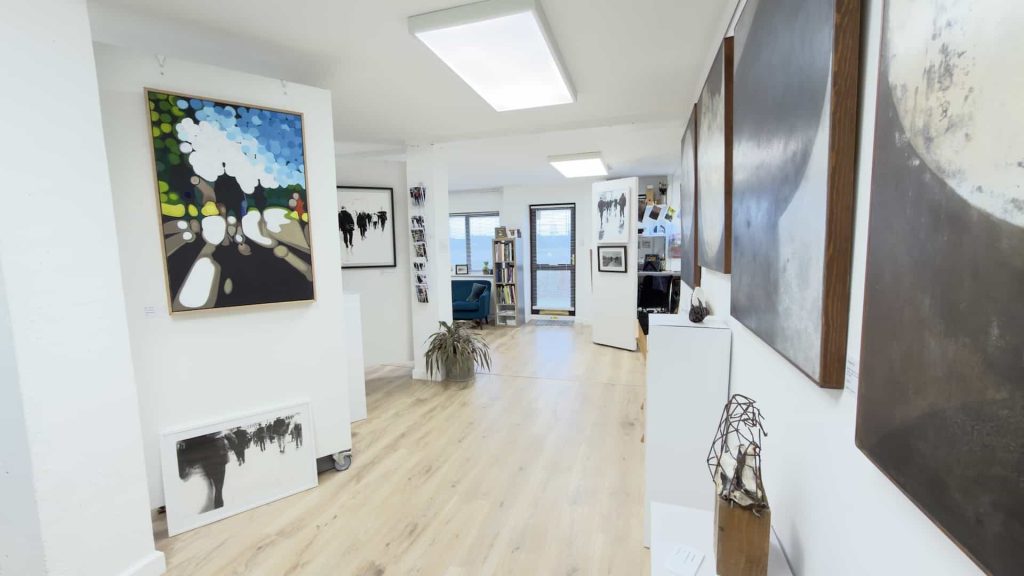
A good gallery does more than provide a wall on which to hang paintings.
It selects artists, brings different practices together, organises exhibitions and helps visitors understand the work on display.
For someone buying their first original artwork, this can be particularly useful.
You can compare work by different artists, ask about materials and prices, and receive guidance without needing to arrange individual studio visits.
The gallery may also provide documentation, advice about caring for the artwork and assistance with delivery or presentation.
Buying directly is not necessarily cheaper, and buying through a gallery does not mean the artist is being overlooked. Prices and commissions depend on the artist’s arrangements.
What matters is that you understand who you are buying from, what is included in the purchase and how the work is represented.
For people interested in discovering contemporary art, local galleries and open studios are often good places to start.
They offer the opportunity to see artwork properly, rather than making every decision from a photograph on a screen.

Is Buying Art from a Living Artist a Good Investment?
It is possible for artwork by a living artist to increase in value over time.
An artist may develop a larger audience, receive critical recognition, exhibit more widely or become more sought after by collectors.
But none of these outcomes is guaranteed.
Many talented artists never develop a substantial resale market, and even established artists can experience changes in demand.
Buying original art solely in the hope of making a financial return is therefore risky.
There is another kind of value worth considering.
A painting that you live with for twenty years becomes part of your surroundings and personal history.
You notice it in different light. You associate it with a particular period of your life. You might discover new details or find that your response to it changes.
If you have followed the artist’s work during that time, the painting may also remind you of the moment when you first discovered them.
None of this appears in an auction estimate.
It is also not a substitute for checking the price, authenticity, condition and documentation before buying.
But it is a useful reminder that financial appreciation is not the only reason an artwork can be worth owning.



How to Buy Art from a Living Artist
If you are interested in buying original art by contemporary artists, there are several places to begin.
Independent galleries offer a selection of work and the chance to compare different artists. Open studio events allow visitors to see where art is made and, sometimes, meet the people making it.
Local exhibitions, degree shows and artist-led events can introduce you to work that has not yet reached a wider audience.
Many artists also sell through their own websites or reputable online galleries.
Wherever you find a piece, take time to understand what is being offered.
Before purchasing, it is worth asking:
- Who made the artwork, and when?
- Is it a unique original, an original print or a reproduction?
- What materials and techniques were used?
- Is the work signed, and is there a record of its origin?
- Is framing included in the price?
- What care will the artwork need?
- Will you receive an invoice or receipt identifying the work?
For an editioned print, ask about the edition size and whether it is signed and numbered.
These questions are ordinary parts of buying art. They are not reserved for experienced collectors.
Most importantly, see the work in person whenever practical. The scale, surface and relationship between colours may be different from what you expected after seeing photographs.
Give yourself time to look. You do not need to make a decision immediately.
Frequently Asked Questions
Why is it important to buy art from living artists?
Buying newly available art from living artists helps sustain their careers and supports the creation of future work. It also gives collectors an opportunity to discover artists during their working lives, learn about their creative process and follow the development of their practice.
Is it better to buy art directly from the artist or from a gallery?
Both have advantages. Buying directly can provide personal contact with the artist. An independent gallery offers curation, opportunities to compare work and professional advice. Both can support an artist financially when you purchase newly available work.
Is art by emerging artists worth buying?
It can be. Emerging artists may offer distinctive original work at accessible prices, but future recognition or resale value is uncertain. The strongest reason to buy is that you appreciate the work itself and can comfortably afford it.
Do original artworks always increase in value?
No. Artwork prices are affected by demand, reputation, condition and market trends. Many original artworks never increase substantially in resale value. Buy something you want to own rather than relying on the possibility of a financial return.
The Value of Buying Art Now
We often learn to appreciate artists through the work they have left behind.
We visit exhibitions, read biographies and examine finished careers, trying to understand how particular artworks came to exist.
With living artists, the work is still happening.
New ideas are being tested. Materials are being explored. Paintings are being started, abandoned, reconsidered and completed.
Buying a piece during that process allows you to experience art as part of the present, rather than only as something preserved from the past.
You might never know whether the artist will become widely recognised. You do not need to.
You have found a piece that matters to you, made by someone whose creative life is still unfolding.
That is a good enough reason to buy it.
Leave a Reply