
No products in the cart.

Shadows In Art: How Artists Use Darkness To Build Mood And Meaning
Shadows are one of the quietest forces in art, but they do some of the heaviest work. They build atmosphere, shape space, suggest time, direct attention and transform ordinary scenes into something charged. A figure standing in sunlight can feel calm, open and legible. Place the same figure half in shadow, and the image becomes more complex. It may feel intimate, secretive, threatening, reflective or unstable. The subject has not changed, but the emotional temperature has.
That is why shadows in art deserve more attention than they often receive. People tend to notice colour first, subject matter second and composition after that. Shadows are sometimes treated as background effects, useful for realism but secondary to the real meaning of the image. In practice, they are often central. Artists use darkness not only to describe form but to create feeling. A shadow can turn a room into a stage, a face into a mystery, a landscape into a memory or a still life into a meditation on time.
For readers searching for shadows in art, chiaroscuro, light and shadow in painting, mood in art, dramatic lighting in art, tenebrism, dark paintings, shadow meaning in art or how artists create atmosphere, the deeper question is usually the same. Why does darkness feel so powerful in a picture? Why can a painted shadow seem more emotionally loaded than the object casting it? And why do artists across centuries keep returning to shadow as one of the most expressive tools they have?
This guide explores those questions in depth. It looks at how shadows work formally, how they shape mood and meaning, how different artists have used them across art history, and why shadow remains so important in contemporary painting, photography and installation. The aim is to make the subject accessible without making it simplistic, and to show that darkness in art is rarely empty space. It is often where the work begins to think.
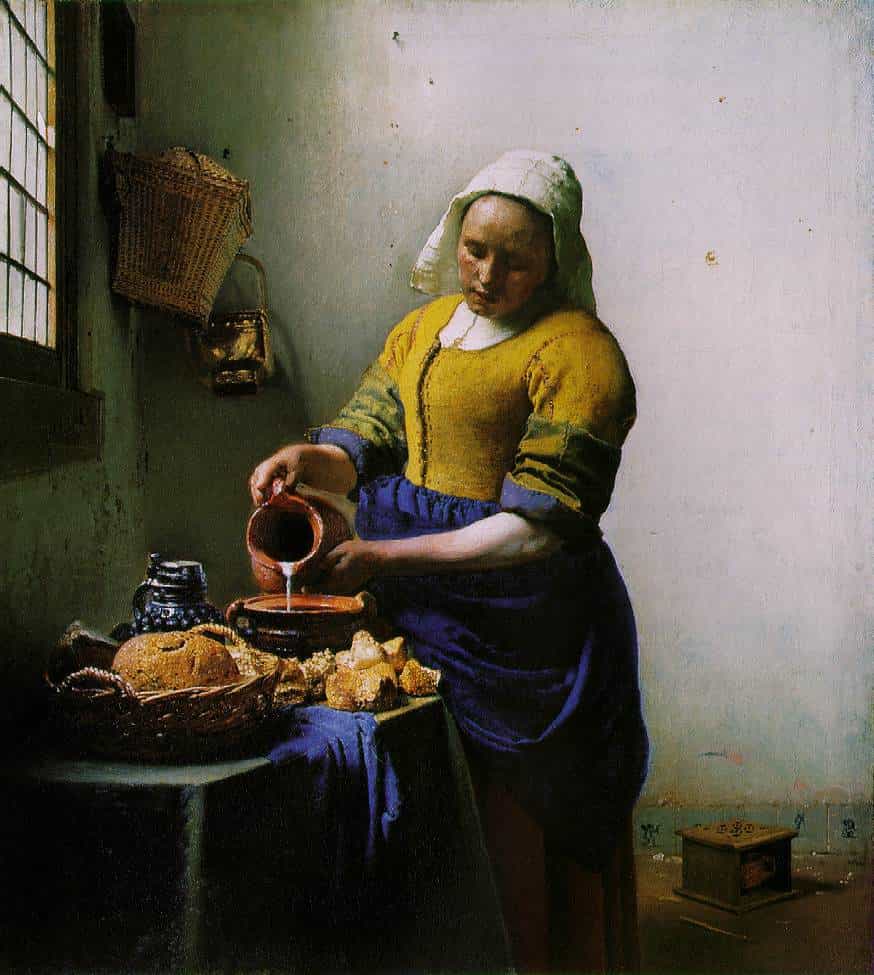
Why shadows matter in art
At the most basic level, shadows help create depth. They make objects look solid, show where a light source is coming from and give a flat image the illusion of three dimensional form. Without some understanding of shadow, a painted figure or object can look weightless, disconnected or oddly artificial.
But artists have never used shadows only for realism. They quickly discovered that shadow carries emotional force as well. Darkness can hide, reveal, dramatise, soften, isolate or intensify. A strong cast shadow can anchor a figure in space, but it can also suggest threat. A face in half light can appear thoughtful, divided or evasive. A room with deep shadows can feel private, sacred, theatrical or ominous depending on how the image is constructed.
This is where shadow becomes more than a technical device. It becomes a way of directing interpretation. Shadows tell the viewer how to feel time, space and psychological tension. Even small adjustments in light and dark can change the entire reading of an image.
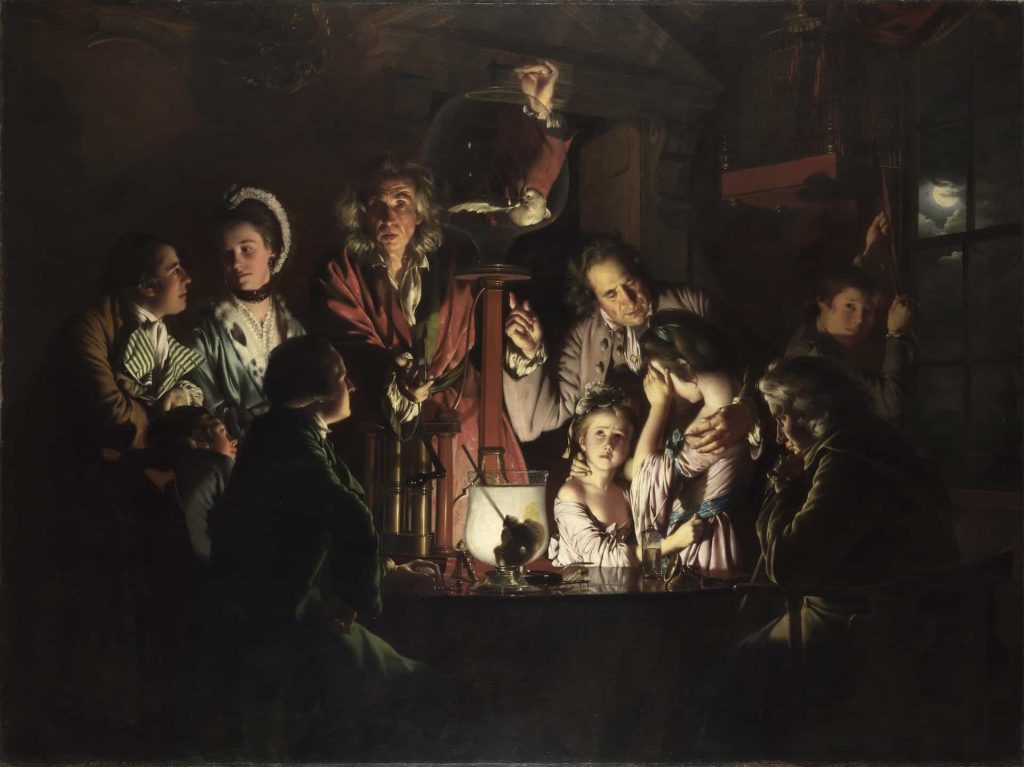
The Italian term chiaroscuro is useful here. It literally means light-dark and refers to the balance and pattern of light and shade in painting or drawing. Major museum glossaries point out that artists such as Leonardo da Vinci and Caravaggio used chiaroscuro not only to create three dimensionality but also to heighten emotional effect. That second part matters. Light and dark are never only structural. They are expressive.
Chiaroscuro, tenebrism and the language of darkness
When people talk about shadows in art history, two terms often appear. The first is chiaroscuro. The second is tenebrism. They are related but not identical.
Chiaroscuro refers broadly to the use of light and shade to model form and create volume. It can be subtle or dramatic. A softly shadowed cheek, a hand emerging from dim light, or a landscape built through tonal contrast can all be part of chiaroscuro.
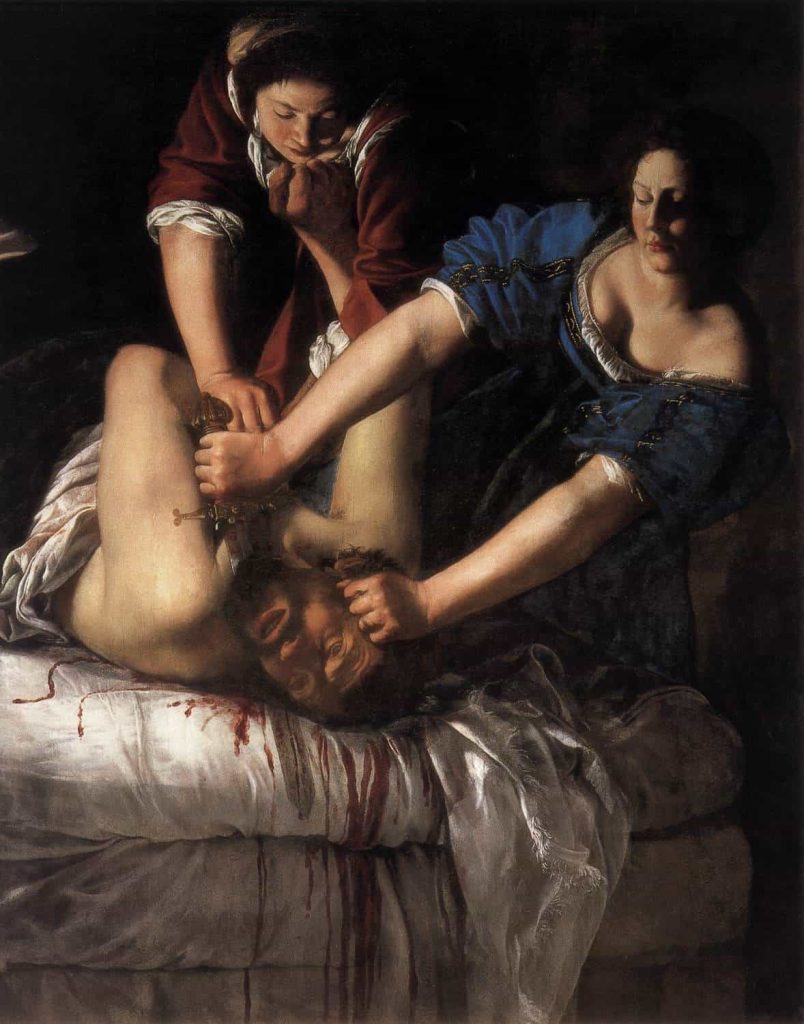
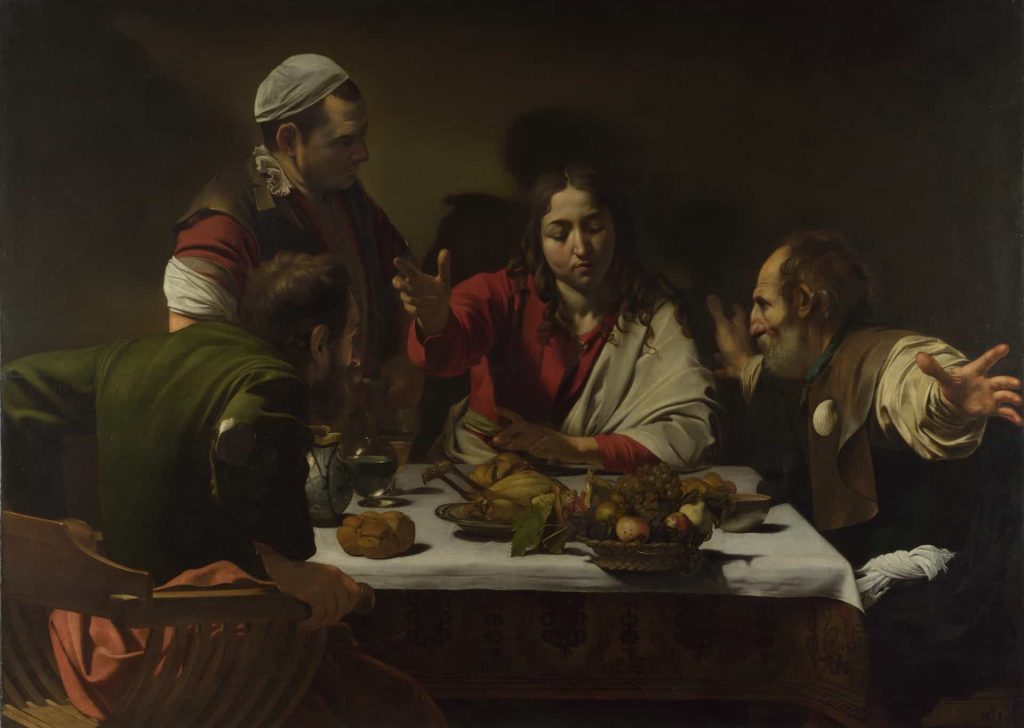
Tenebrism is more extreme. It uses stark contrasts in which large areas of darkness dominate the image while selected elements are hit by intense light. If chiaroscuro can describe form gently, tenebrism tends to feel more theatrical. It stages revelation. It isolates gestures and faces. It can make the viewer feel as if a spotlight has suddenly picked out the crucial human drama inside a larger darkness.
Caravaggio is the most common example because he used dramatic turns of light and dark to underline feeling, conflict and physical presence. But what matters here is not simply the label. It is the insight behind it. Artists realised that shadow was not just absence. It could become pressure, suspense and meaning.
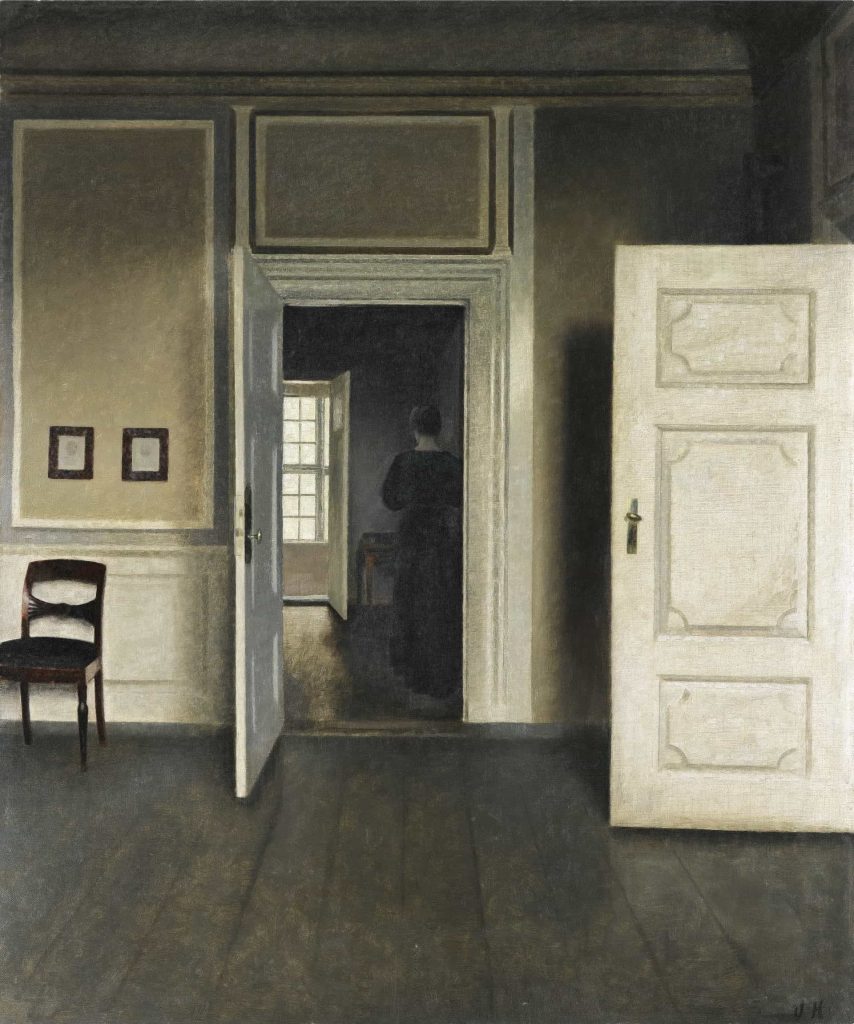
How shadows create mood
One of the reasons shadows matter so much is that they allow artists to build mood without relying on explicit storytelling. A scene may contain no obvious drama, yet the shadows can make it feel tense, mournful or uncanny.
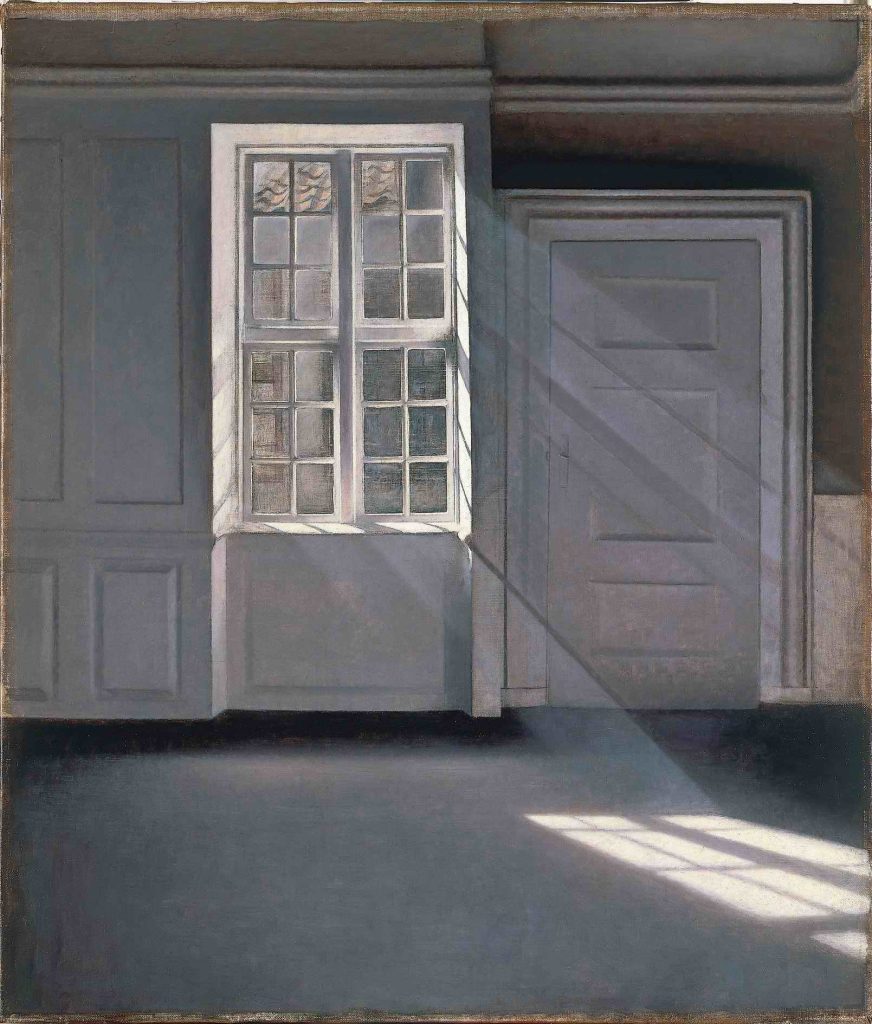
This works in several ways.
First, shadows create uncertainty. The eye cannot fully settle in darkness. When part of a room, figure or landscape is hidden, the viewer becomes more alert. Shadow suggests that not everything is available at once. This alone can create suspense.
Second, shadows slow the image down. Brightly lit scenes often feel more immediate and open. Shadowed scenes invite lingering. They resist instant legibility. That gives them psychological depth.
Third, darkness can separate the viewer emotionally from the subject, or bring them closer to it. A dim room may feel inward and private. A figure emerging from darkness may feel confessional. A shadowed face can seem inaccessible or deeply vulnerable.
Fourth, shadow changes time. Long shadows suggest evening, endings, transience and the passing of a day. Soft interior shadows may suggest stillness or contemplation. Harsh shadows can imply noon, artificial lighting or dramatic interruption. In all these cases, shadow does more than describe a moment. It shapes the emotional meaning of that moment.
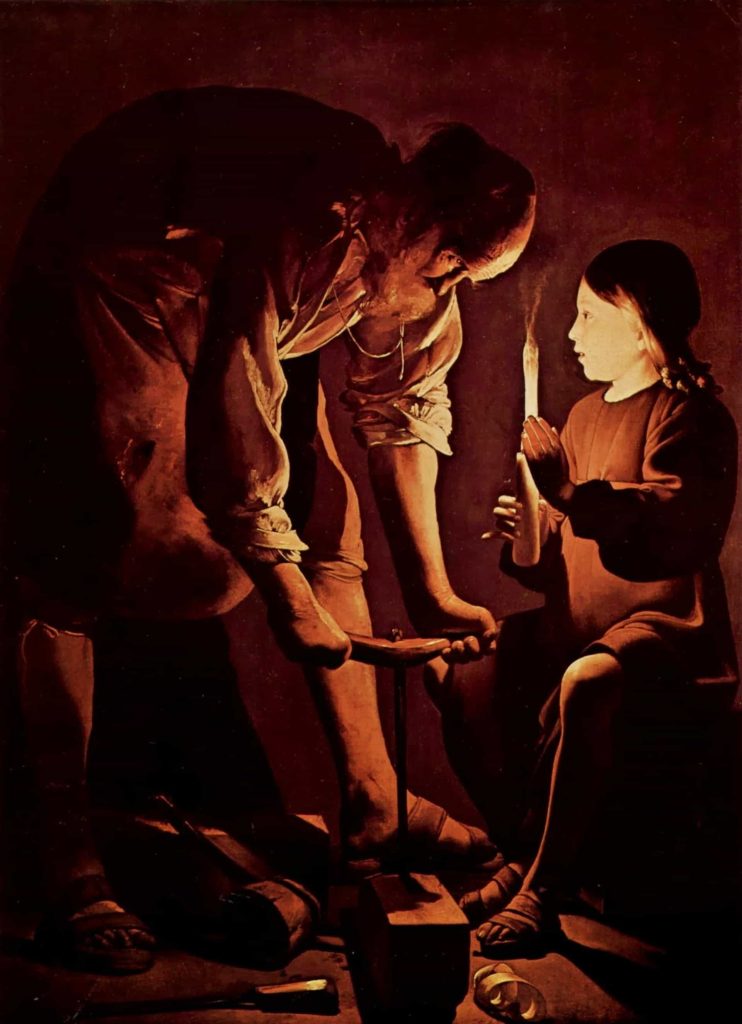
Shadows and the drama of religion and myth
In religious and mythological art, shadows have often been used to heighten revelation, suffering and spiritual intensity. Artists working with biblical or sacred subjects discovered that darkness could make a scene feel morally or emotionally concentrated.
Caravaggio remains a major reference point because his paintings use darkness to strip away distraction. Backgrounds fall into shadow, while hands, faces or wounds catch the light. This does not merely dramatise the story. It forces the viewer into close contact with it. A gesture becomes sharper. A glance becomes more charged. An ordinary space becomes a site of encounter.
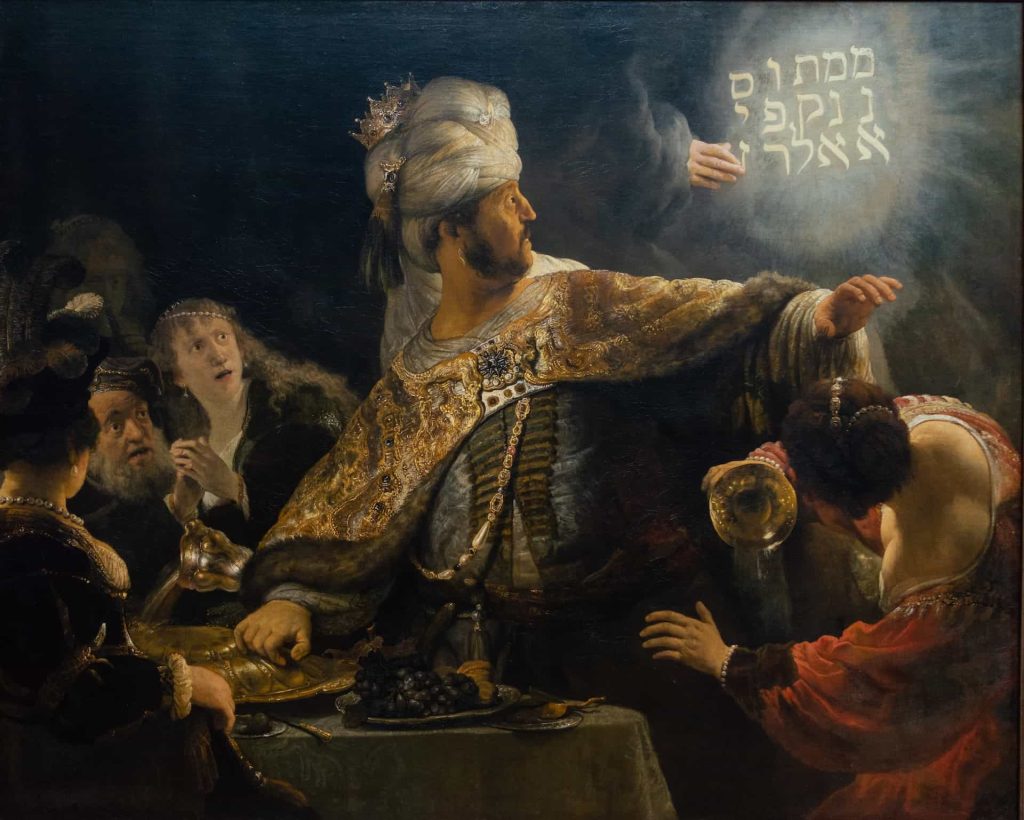
The same principle appears in other traditions too. Religious paintings often use shadow to separate the earthly from the divine, the visible from the hidden, or the everyday from the miraculous. Darkness can suggest spiritual testing, uncertainty or mystery. Light breaking through shadow can suggest revelation, grace or truth.
This is one reason shadows remain so powerful even for viewers who do not approach such works through faith. The emotional structure is still legible. We understand, almost instinctively, that shadow can make a moment feel serious, unstable or sacred.
Portraiture and the psychology of shadow
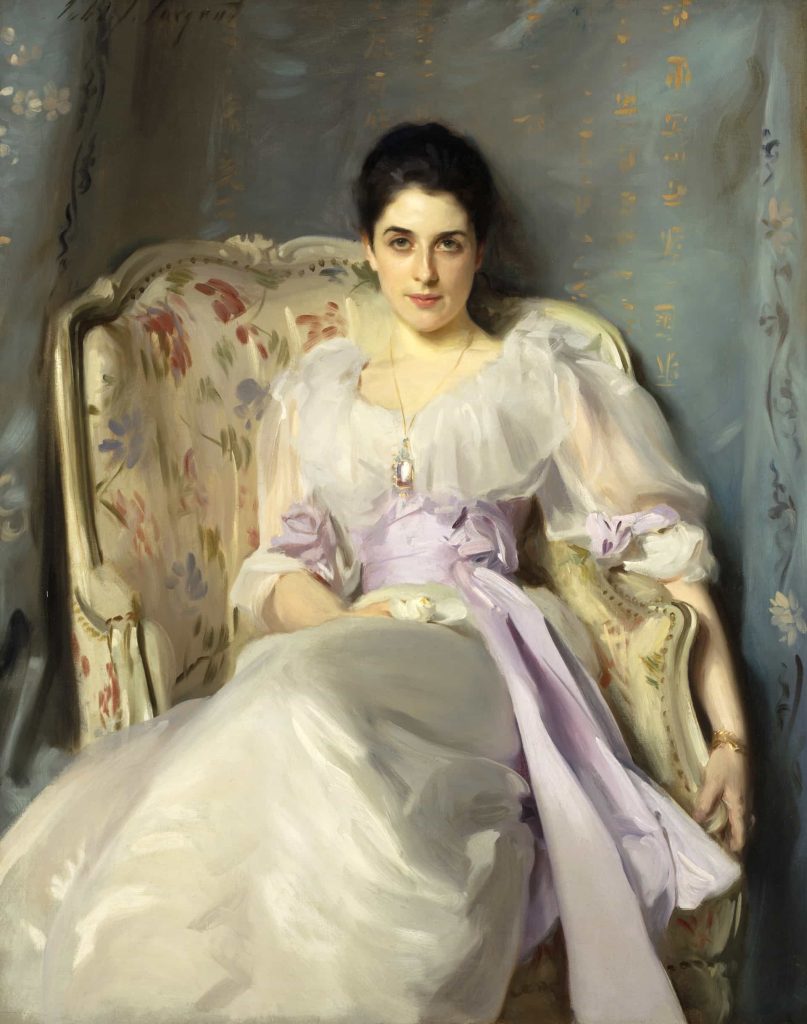
Portraits become especially interesting when artists use shadow to complicate the face. Full illumination can make a sitter seem socially available and clearly readable. Once the light shifts, the portrait changes. A shadow across the eyes or cheek can suggest introspection, reserve, melancholy, authority or tension. The image becomes less about likeness alone and more about character, or at least the suggestion of it.
Rembrandt is central here. His portraits and self portraits often use light and shadow to model the face with extraordinary emotional subtlety. The sitter is not simply described. They are revealed gradually. Parts of the face emerge while others remain partially withheld. This gives the image depth in both visual and psychological terms.
In later portraiture, shadow continues to play this role. It can soften glamour, intensify vulnerability or introduce ambiguity into an otherwise formal presentation. It can also create a sense of inward life. A shadowed face suggests that something is taking place beneath appearance.
This is why portrait photography borrowed so much from painting. Once artists and photographers understood how shadow could shape identity, it became one of their most useful tools. A face in shadow can feel more human because it feels less completely given.
Landscape, weather and the shadowed world
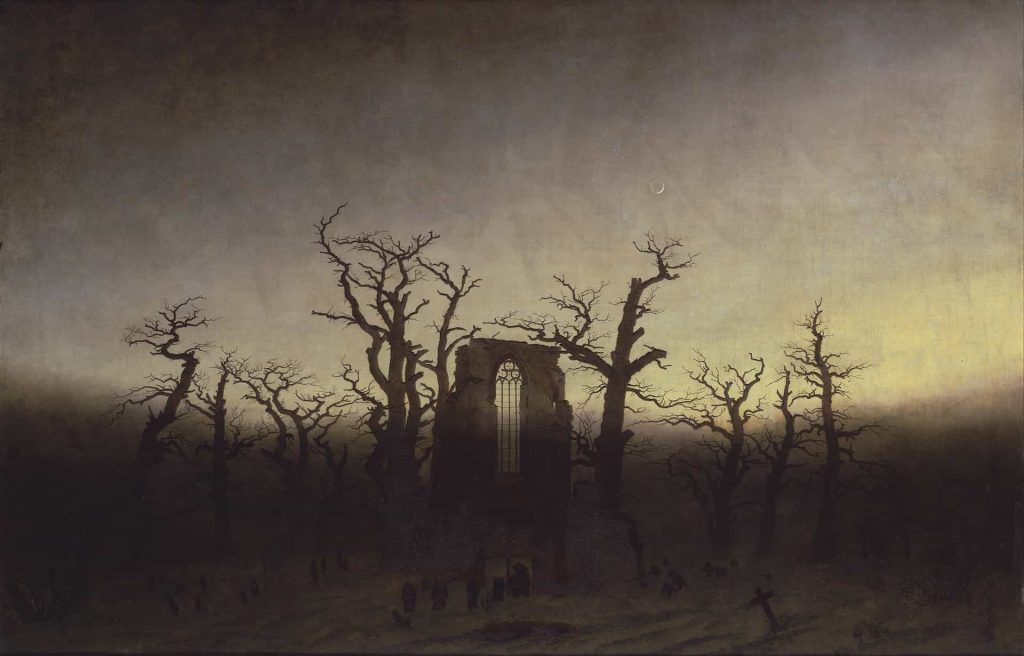
Shadows matter just as much in landscape art, though in a different way. Here they often help shape time, atmosphere and scale. A landscape with little tonal contrast may feel static or flat. Introduce deep shadow, and suddenly the land acquires weight, weather and emotion.
Long shadows across a road or field can suggest late afternoon, solitude, or a passing season. Deep cloud shadows over hills can make a landscape feel unstable, sublime or melancholy. Tree shadows can break open a sunlit field and give the eye a path through the image. In coastal painting, shadows can thicken a sky, flatten sea light or create a sense of approaching change.
This is one reason shadow is so important in British art. A landscape shaped by changing weather often depends more on tone than on bright colour alone. Artists interested in the sea, chalk, woodland or open sky frequently use shadows to suggest transience. A moving cloud can alter an entire hillside. A darkening shoreline can carry the tension of weather before the storm appears.
Shadow in landscape also often carries memory. A place partly shadowed can feel remembered rather than simply recorded. The darkness introduces mood, and mood makes the landscape personal.
Still life and the quiet intensity of dark space
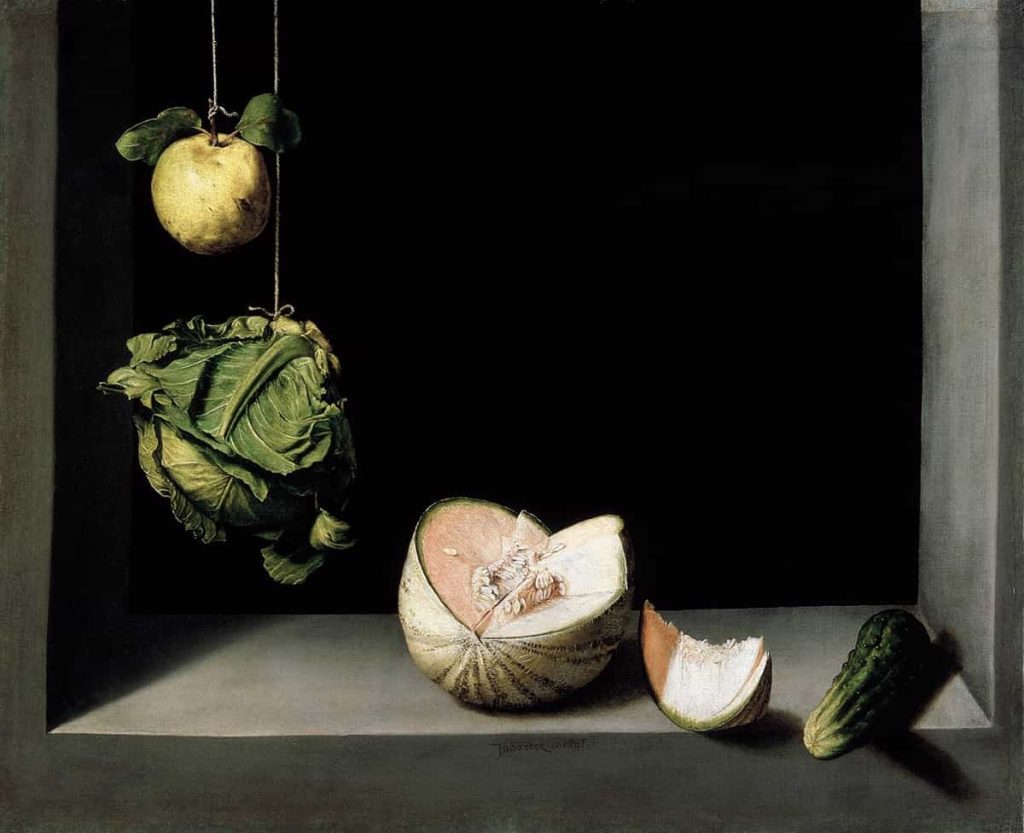
Still life is another place where shadows become more meaningful than they first appear. In a still life, every object is already heightened by selection and arrangement. Shadows intensify that arrangement. They separate forms, connect them, deepen texture and introduce a sense of stillness or fragility.
A shadow behind a bowl, bottle or flower stem can do more than anchor it in space. It can create silence. It can make the object appear isolated, precious, perishable or solemn. In darker still life traditions, shadow often carries the weight of mortality. Fruit glows briefly before it spoils. Flowers lean towards decay. Reflections fade into darkness. The scene becomes a meditation on time.
This is why shadow is especially important in vanitas painting, where objects such as skulls, candles, wilting flowers or watches already point to passing life. Darkness does not simply surround these objects. It becomes part of their meaning. It reminds the viewer that beauty and disappearance are linked.
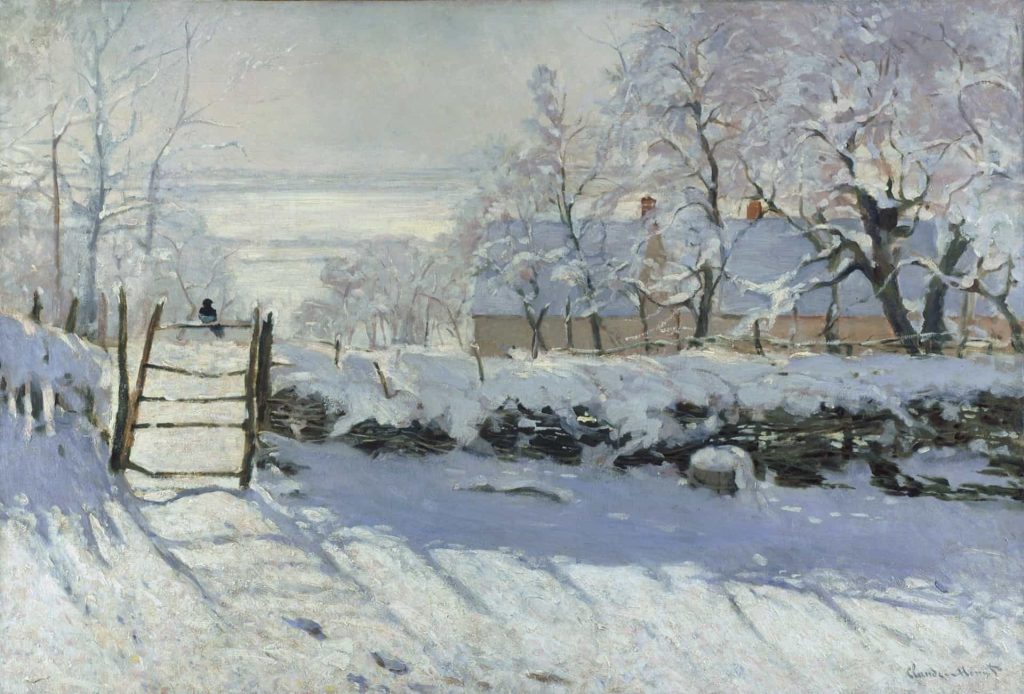
The move from black shadows to coloured shadows
Although dramatic darkness is a major part of the history of shadow in art, not all shadows are black or brown. One of the big shifts in art history came when artists began treating shadows as full of colour.
The Impressionists were crucial here. Instead of using neutral darks to model shadow, they often painted shadows in blues, violets, greens and other unexpected tones. Museum essays on Impressionism point out that these artists rendered shadows and highlights in colour rather than relying on black. That altered not only technique but mood. Shadows no longer had to imply heaviness or moral drama. They could become luminous, fleeting and atmospheric.
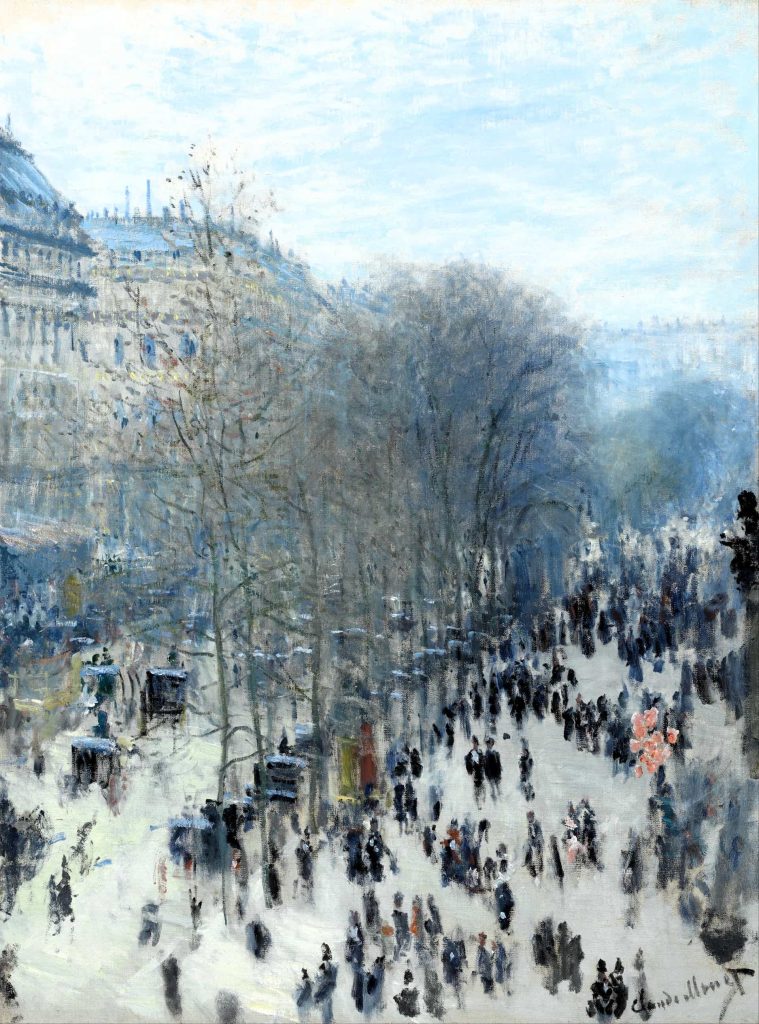
This matters because it expanded what shadow could do. It could still build depth, but it could also capture time of day, reflected light and the optical complexity of lived experience. In a sunlit landscape, shadow could become one of the most colourful parts of the image.
Even then, however, shadows remained emotionally active. A blue shadow on snow or a violet shadow in a garden may feel lighter than a Caravaggio darkness, but it still shapes mood. It introduces coolness, distance, calm or transience. The emotional vocabulary changes, but the function remains.
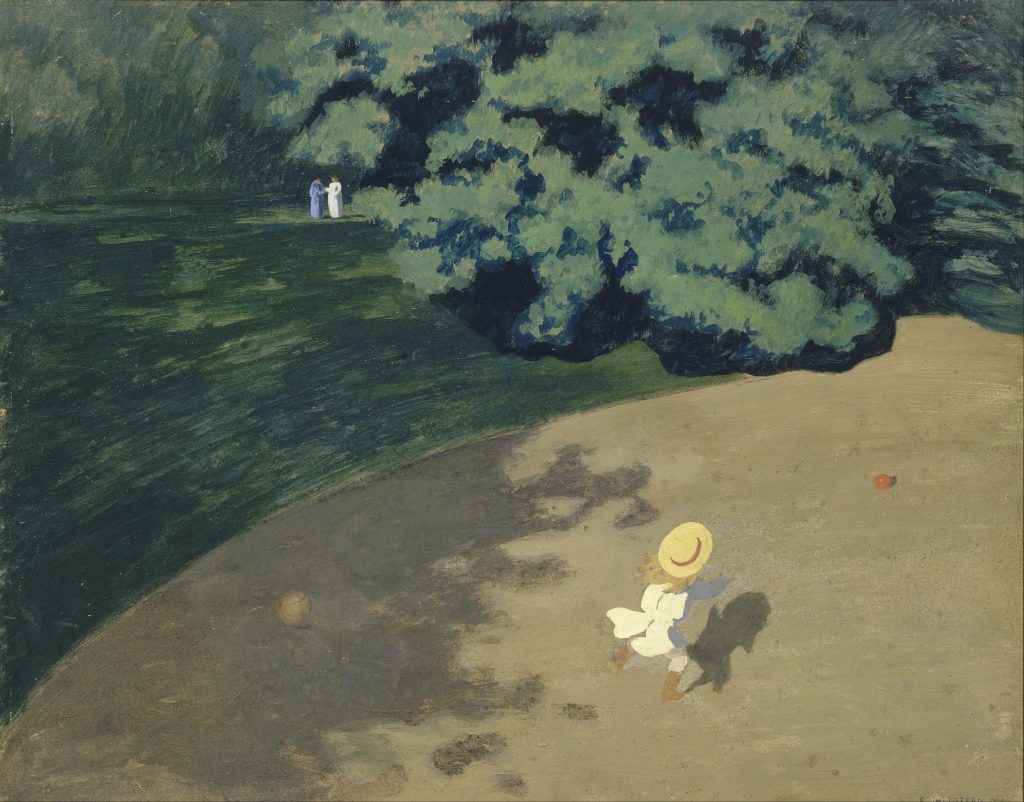
Modern art and the fragmenting of shadow
As modern art moved away from straightforward realism, shadow changed too. In some cases it remained central. In others it became less about naturalistic lighting and more about structure, rhythm or psychology.
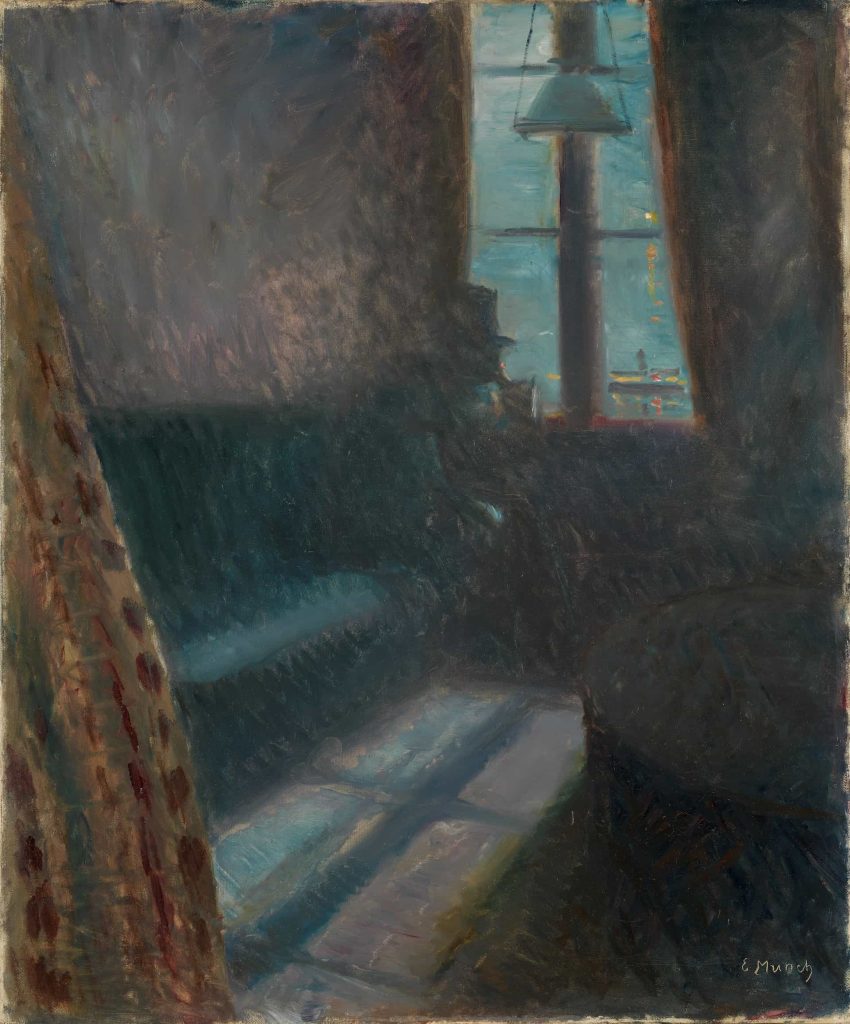
Expressionist artists often used darkness less to imitate real light than to intensify emotional atmosphere. A shadow might become jagged, exaggerated or oppressive. In Surrealism, shadows could feel uncanny, detached from their expected source or stretched into dreamlike forms. Giorgio de Chirico’s long shadows are a famous example of how empty space and directional darkness can turn a quiet street into a psychological puzzle.
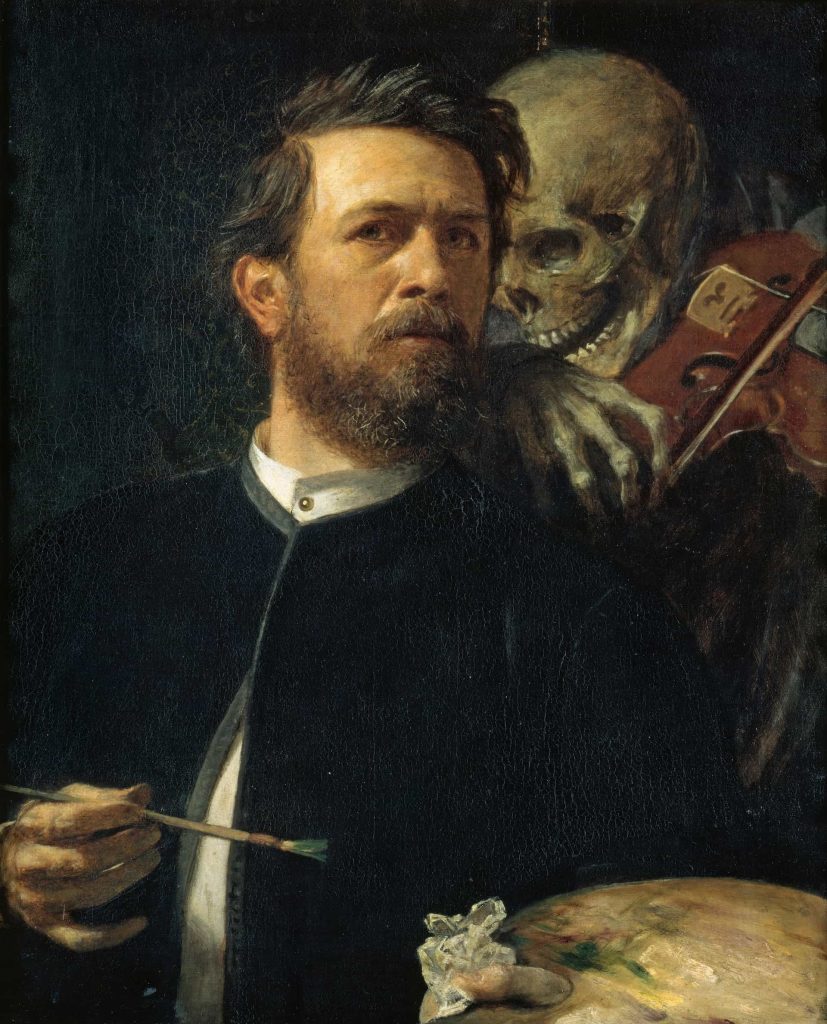
In photography and film, shadow became even more important. German Expressionist cinema, film noir and later art photography all show how darkness can build tension, unease and ambiguity with extraordinary efficiency. Painters and photographers alike learned that a shadow does not need to explain itself fully to have power. In some cases, the less legible the darkness, the more suggestive it becomes.
This is one reason shadows in art remain such a rich topic. They adapt to changing styles without losing their force. Whether the image is realistic, abstract, surreal or cinematic, shadow continues to shape how the work is felt.
Shadows in abstract and contemporary art
It may seem that abstract art would have less need for shadow, but that is not really true. Even in abstraction, artists use dark forms, tonal weight and spatial contrast to create tension, rhythm and emotional depth. A dark band across a painting can function like a shadow even when it is not describing a literal object. It can suggest pressure, silence, interruption, distance or grounding.
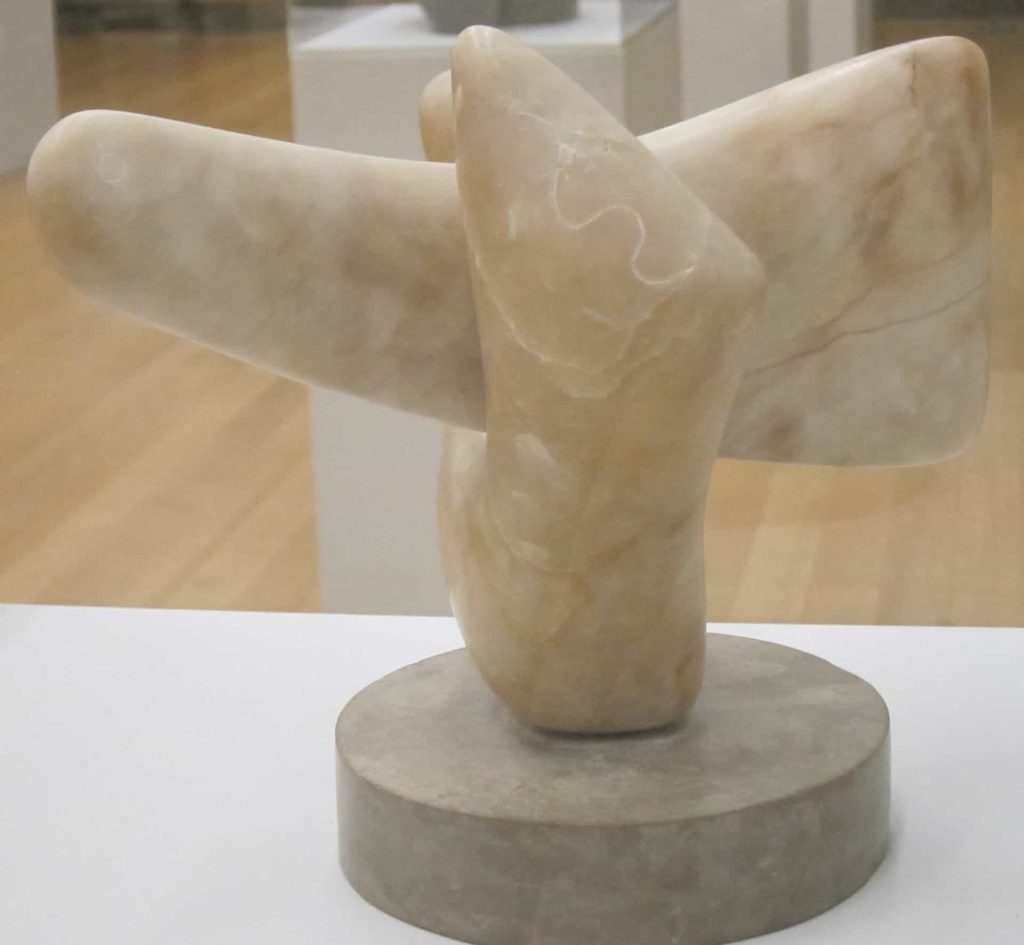
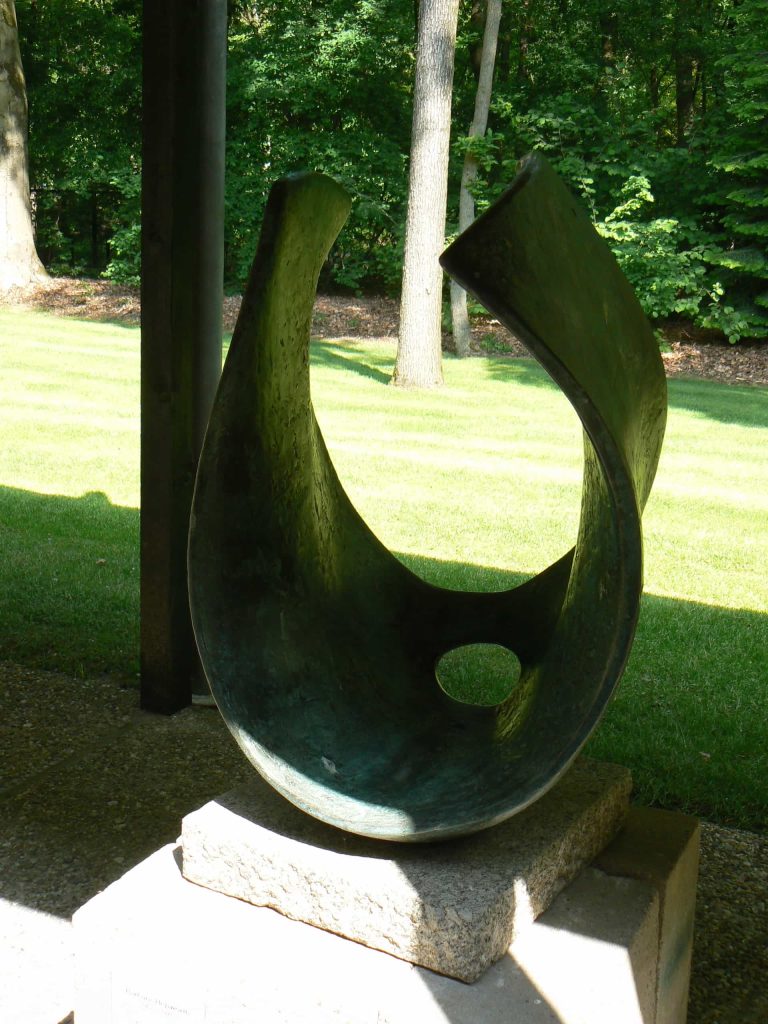
In contemporary art, shadows often appear in more expanded ways. Installation artists use actual light and shadow in gallery space. Sculptors allow the cast shadow of the work to become part of the piece. Photographers use darkness to complicate portraiture, landscape and staged scenes. Painters continue to use shadow to carry mood, but often with a heightened awareness of art history and visual culture.
Some contemporary works use shadow almost as a second medium. The object may be simple, but its projected shadow becomes unstable, oversized or narratively loaded. This approach is especially powerful because it reminds viewers that shadows are not only representational devices. They are events in space.
Contemporary artists are also interested in the politics of darkness. Who is seen clearly and who remains obscured? What does it mean for a body or image to be partially withheld? How does shadow relate to memory, disappearance, surveillance or uncertainty? These questions show that darkness in art is never only formal. It can also be social and cultural.
How shadows direct the eye
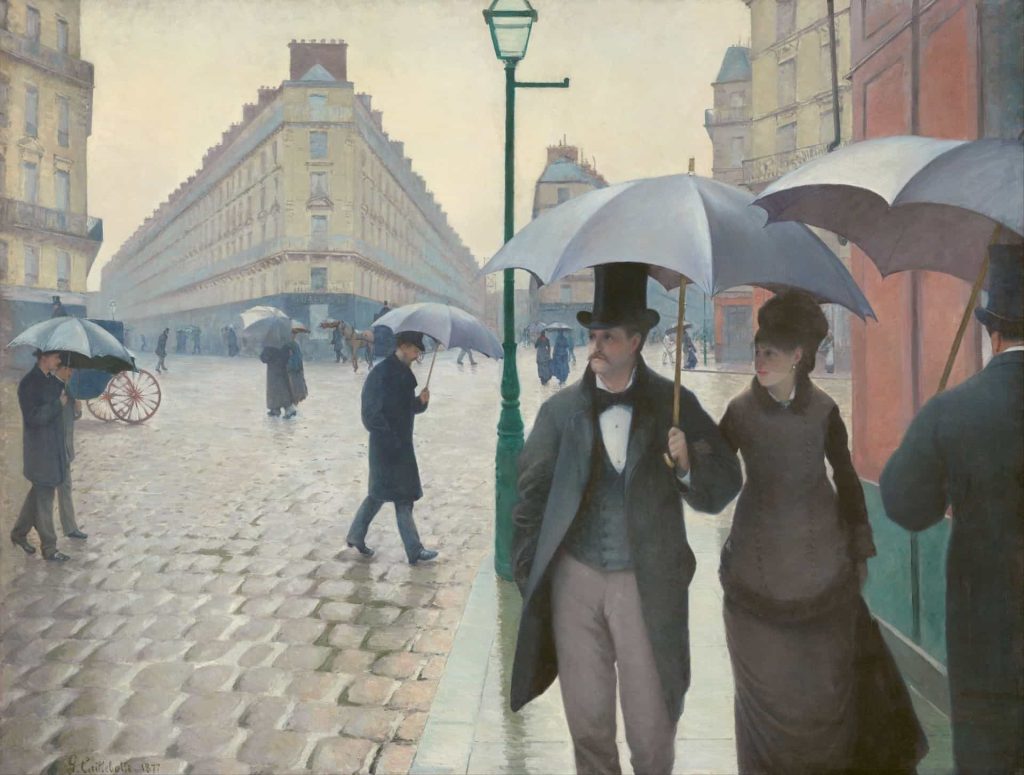
One reason artists rely on shadow so heavily is that it helps control attention. The eye naturally moves towards areas of contrast. A lit face against a dark ground becomes immediately important. A hand emerging from shadow can carry more narrative weight than a bright object elsewhere. A darkened corner can delay the viewer, creating suspense before the image reveals itself more fully.
This is true in simple and complex compositions alike. Shadow can push background elements away, bring a face forward, create visual pauses, or build a route through the picture. In some works, the shadow itself becomes the route. It guides the eye from one object to another and quietly determines how the scene is read.
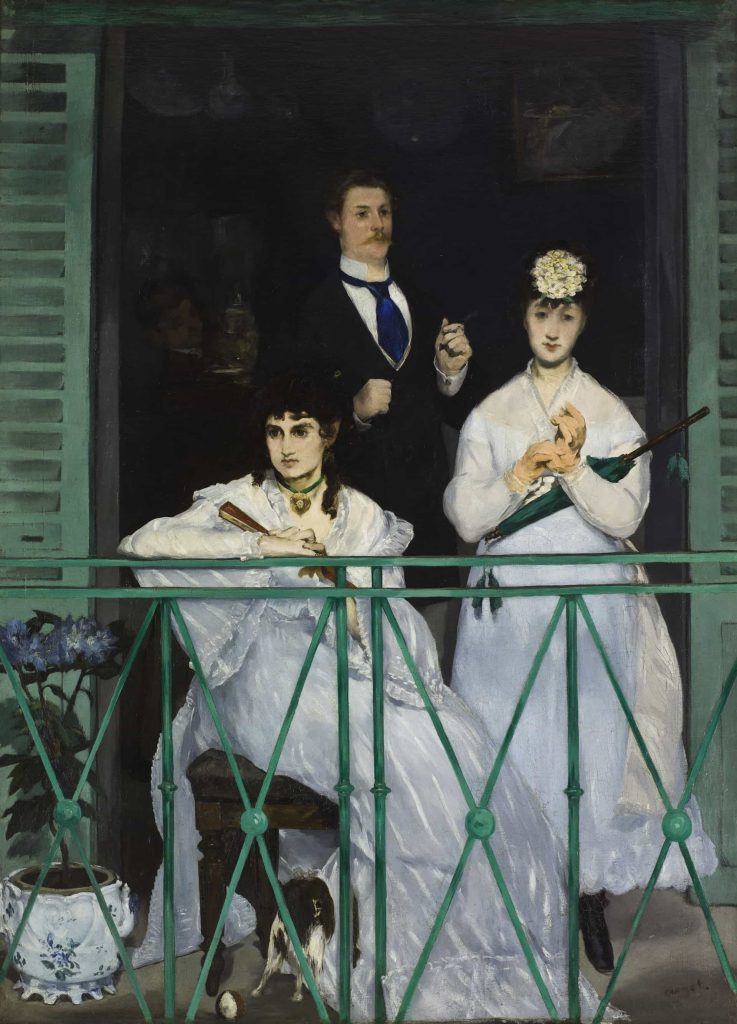
That is why shadows matter to composition as much as mood. They are not just after effects. They are structural decisions. If an artist changes the placement of a shadow, the narrative and emotional emphasis of the whole image may change with it.
The symbolic life of shadows
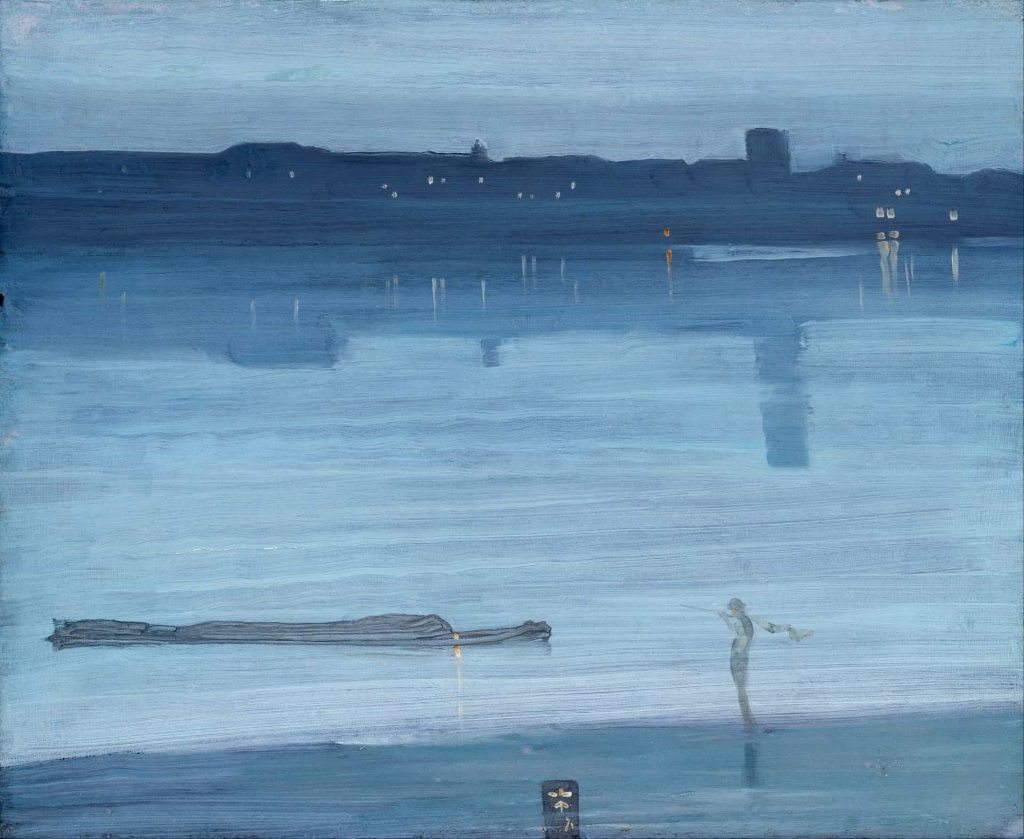
Shadows also carry symbolic meaning. Across different traditions, darkness can suggest death, memory, secrecy, fear, uncertainty, mourning, hidden knowledge, desire or the subconscious. None of these meanings are fixed in every artwork, but they hover around shadow as part of its cultural charge.
This symbolic flexibility is one of shadow’s greatest strengths. It can suggest danger, but also shelter. It can imply concealment, but also intimacy. It can stand for the unknown, but also for thoughtfulness and inwardness. Artists use this ambiguity to their advantage.
A shadow behind a figure may make them appear haunted. A shadow falling across a doorway may imply threshold or transition. A silhouette can reduce a person to shape while making them more emblematic. A deep field of darkness can feel empty, but also full of possibility.
That symbolic life is why shadows are so often central to narrative painting, photography and film. They allow an artwork to imply more than it states directly.
How to look at shadows in art
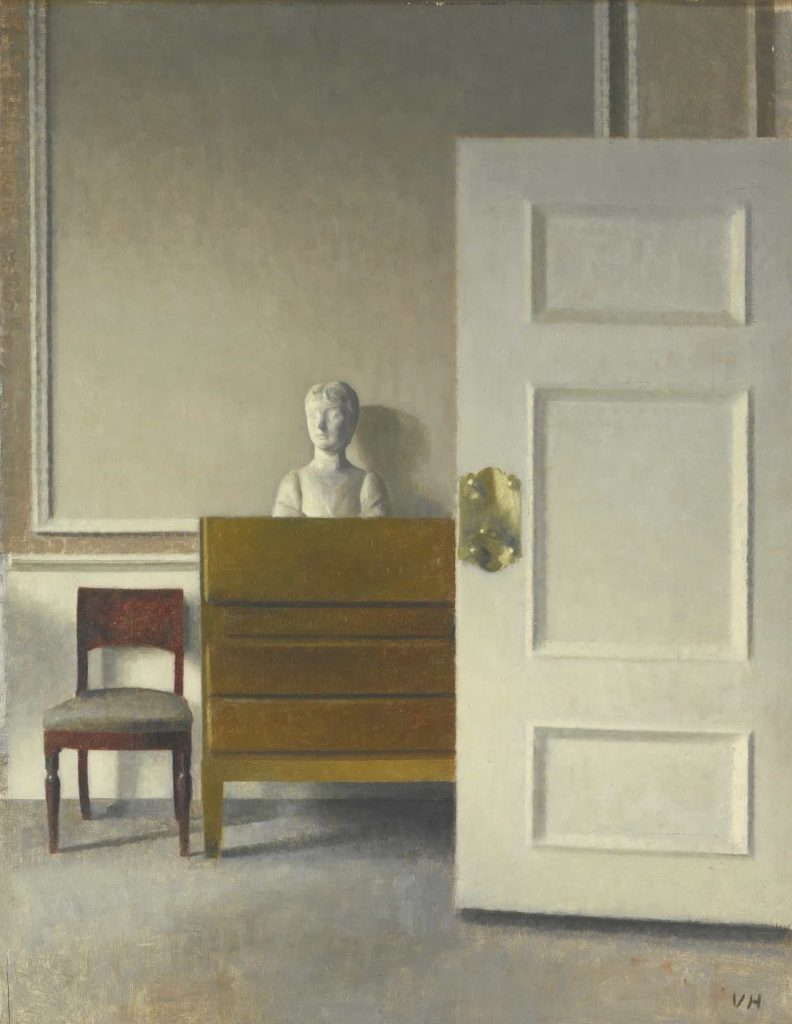
If you want to get more from shadows in art, it helps to slow down and ask a few simple questions.
Where is the light coming from?
This will immediately tell you something about the image’s structure and about how deliberate the shadows are.
What are the darkest parts of the work doing?
Are they hiding information, creating focus, building atmosphere, or shaping the geometry of the composition?
What mood would the image have without those shadows?
This is often the fastest way to understand their importance. Remove the darkness mentally, and the image may lose tension, intimacy or weight.
Are the shadows naturalistic or expressive?
Some artists use shadow to mimic real light. Others exaggerate it to create a psychological or symbolic effect.
Do the shadows carry colour?
In some works, especially from the nineteenth century onwards, coloured shadows are central to the feeling of the image.
Do the shadows feel empty or active?
A good shadow rarely feels accidental. It is usually doing something, even if that something is subtle.
Common misconceptions about shadows in art
They are only there to create realism
Not true. Shadows certainly help create form and depth, but artists also use them to build mood, direct attention and suggest meaning.
Darkness is always negative
Not necessarily. Shadows can imply threat or sorrow, but they can also suggest stillness, privacy, tenderness or concentration.
The best art is brightly lit
Many powerful works depend on restraint. A shadowed image may offer less information quickly, but more feeling over time.
Shadows are secondary to colour
Again, not true. Tone often carries more emotional weight than colour. In many paintings, the handling of light and shadow is what gives the image its structure.
Why shadows still matter now
Shadows remain relevant because they still do what few other tools can do so quietly. They make images feel psychological. They suggest that what matters is not always fully visible. They allow art to carry uncertainty without collapsing into vagueness.
That matters in contemporary visual culture, where so much imagery is overlit, immediate and aggressively legible. Shadows slow things down. They create room for ambiguity. They bring viewers into a more searching relationship with the image.
They also remain important because we still live with darkness symbolically as well as visually. Fear, memory, secrecy, vulnerability and the hidden self have not gone away. If anything, modern life has made these themes more complicated. Artists continue to use shadows because darkness remains one of the most effective ways to speak about what cannot be entirely shown.
In contemporary painting, photography and installation, shadows still shape atmosphere and meaning. In digital culture, where screens flatten and brighten so much of what we see, the deliberate use of darkness can feel newly powerful. It resists the demand for instant clarity. It reminds us that not everything of value is immediately available.
Shadows in art are never just empty spaces beside the real subject. They are part of how the subject becomes real, emotional and meaningful in the first place. They give form to objects, but they also give weight to feeling. They can turn an image towards drama, silence, mystery, sorrow, tenderness or suspense with extraordinary economy.
From the chiaroscuro of Renaissance and Baroque painting to the coloured shadows of Impressionism, from the uncanny darkness of Surrealism to the spatial experiments of contemporary installation, artists have used shadow to shape how viewers see and how they feel. Darkness in art is not absence. It is pressure, atmosphere and structure.
That is why shadows still matter. They remind us that art does not only communicate through what it shows clearly. It also communicates through what it withholds, softens or leaves partly unresolved. In a culture that often prizes brightness, speed and instant explanation, shadows keep open another possibility. They make room for mood, ambiguity and depth.
The next time you stand in front of a painting, photograph or installation, pay attention to where the shadows fall. Notice what they conceal, what they reveal, and how they change the emotional weight of the work. Very often, the shadow is not sitting quietly at the edge of the image. It is carrying the meaning.
That is what makes shadows in art such a rich subject. They do not simply describe darkness. They show how artists turn darkness into form, feeling and thought.
Leave a Reply