
No products in the cart.
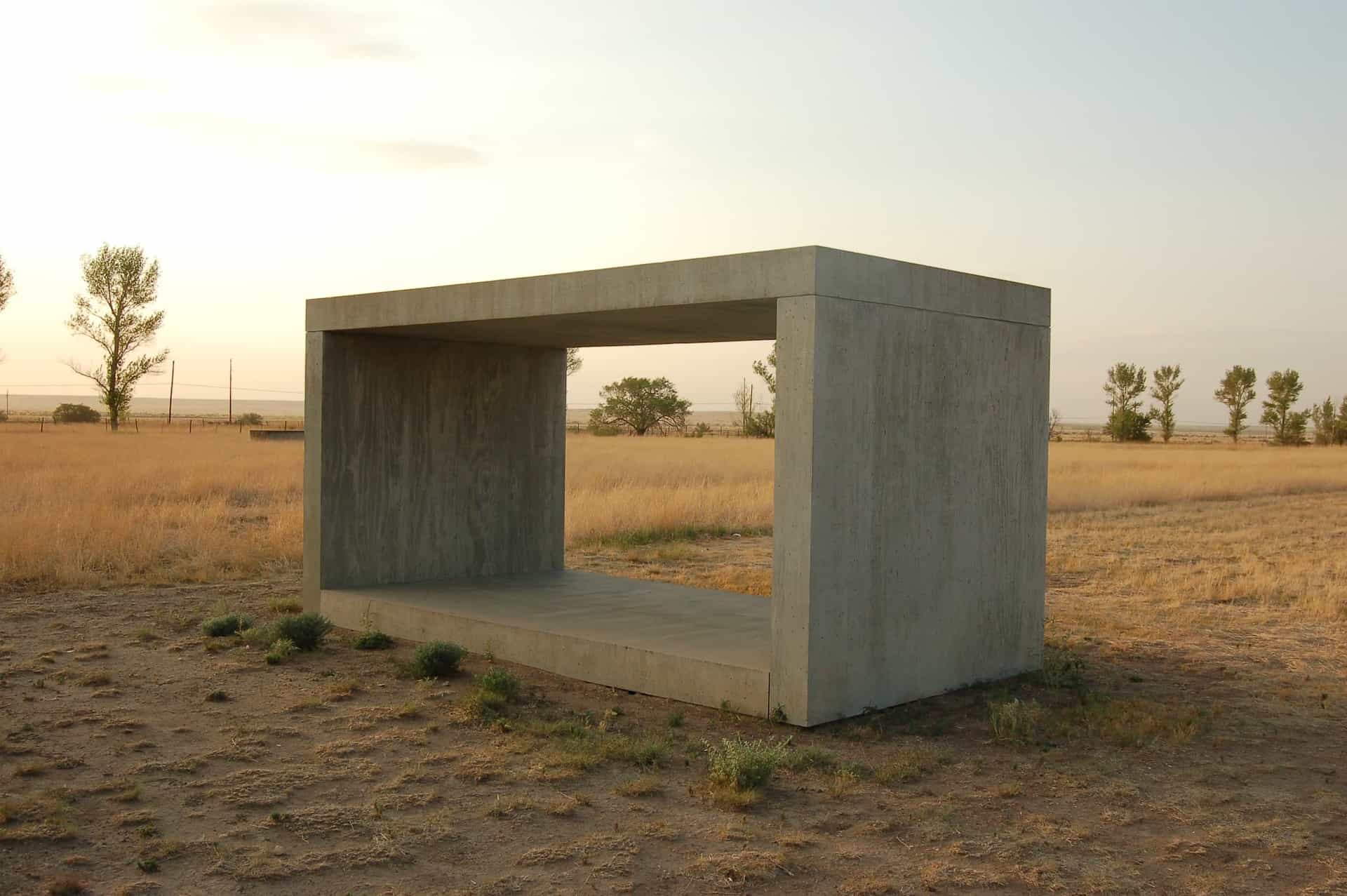
Minimalism vs Conceptual Art: What Is The Difference?
If you have ever stood in a gallery looking at a plain cube, a row of repeated forms, a short sentence on a wall, or an ordinary object placed with unusual seriousness, you may have asked the same question many visitors ask. Is this Minimalism or Conceptual Art?
It is a reasonable question, because the two movements often sit close together in museum displays, developed strongly during the same decades, and sometimes even involve the same artists. Both can look stripped back. Both can seem cool, restrained or resistant to traditional ideas of beauty. Both reject a lot of the emotional brushwork and heroic self expression that dominated earlier modern art. Both can make viewers feel that the artwork is asking them to think rather than simply admire.
And yet Minimalism and Conceptual Art are not the same thing.
Understanding the difference matters because the two movements ask for different kinds of attention. Minimalism is usually concerned with form, material, repetition, scale, space and the viewer’s physical experience. Conceptual Art shifts the emphasis towards the idea, the proposition, the system or the question behind the work. Minimalism often asks you to look closely at what is in front of you. Conceptual Art often asks you to think through what the work is doing, why it is framed that way, and what changes when an idea becomes the artwork.
That does not mean the boundary is always neat. Some works overlap. Some artists move between both territories. Sol LeWitt is a classic example because his work has a Minimalist clarity of form but also a strongly conceptual structure built around instructions and systems. This overlap is part of why people confuse the two. But overlap does not erase difference. In fact, it makes the distinction more interesting.
For readers searching for Minimalism vs Conceptual Art, difference between Minimalism and Conceptual Art, what is Minimalist art, what is Conceptual Art, Minimalism art movement, Conceptual Art movement, Donald Judd, Sol LeWitt, Joseph Kosuth, Conceptual Art examples, or how to tell Minimalism from Conceptualism in a gallery, the real question is usually practical. What am I actually looking at, and how should I read it?
This guide answers that clearly. It explains what Minimalism is, what Conceptual Art is, how they developed, where they overlap, where they diverge, and why the difference still matters in contemporary art. The aim is not to force every artwork into a strict box, but to give you a reliable way of looking.
A quick answer first
If you want the shortest useful distinction, it is this.
Minimalism is mainly about reducing form to essentials and focusing attention on material, repetition, scale, structure and the viewer’s bodily experience of the object in space.
Conceptual Art is mainly about making the idea the central artwork, with the object often functioning as evidence, vehicle or one part of a wider proposition.
In other words, Minimalism asks, what happens when art is reduced to its basic physical terms? Conceptual Art asks, what happens when the idea becomes more important than the object?
That simple difference will take you a long way. But to use it properly, it helps to understand the history behind both movements.
What is Minimalism?
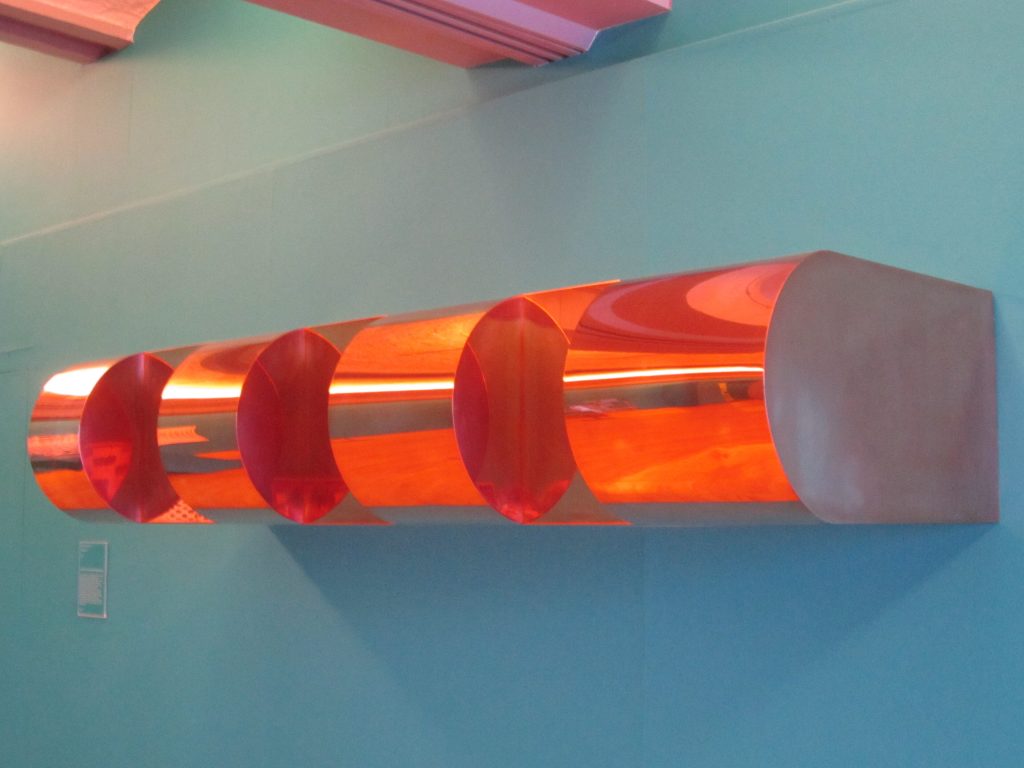
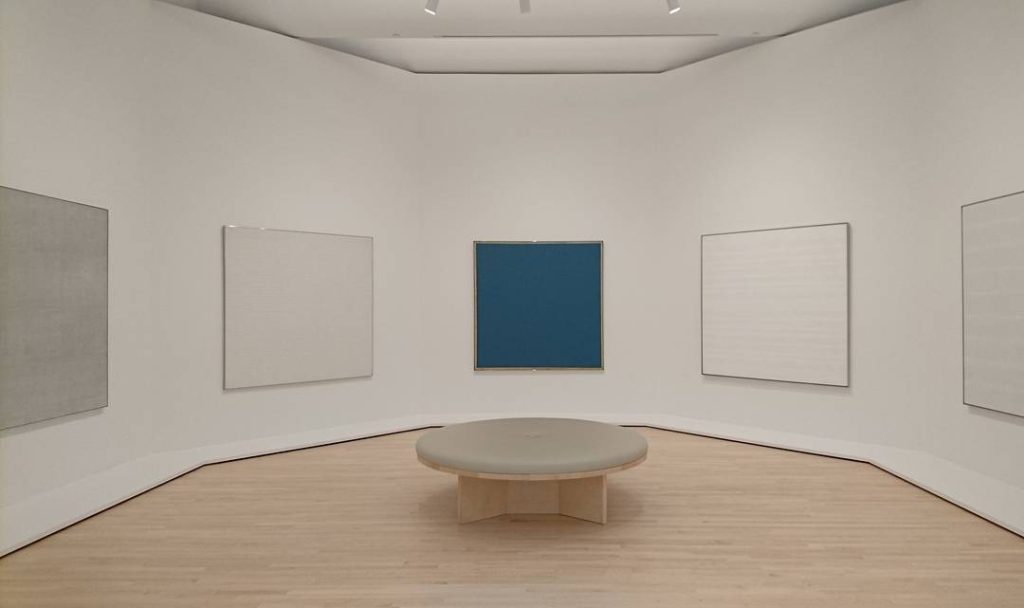
Minimalism emerged in the United States in the late 1950s and 1960s, especially in painting and sculpture. It is usually associated with artists such as Donald Judd, Carl Andre, Dan Flavin, Robert Morris, Anne Truitt and Agnes Martin, although not all of these artists accepted the label in the same way.
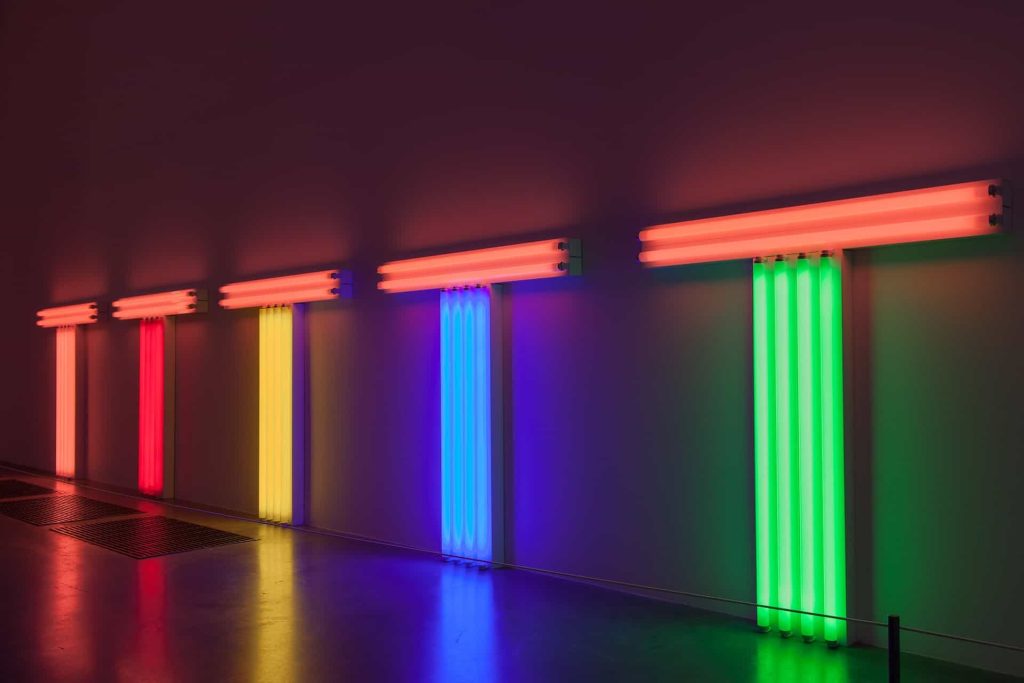
The movement reduced visual language to simple forms, repeated units, industrial materials and direct spatial relationships. Minimalist art often avoids overt symbolism, expressive brushwork and illusionistic depth. Instead, it foregrounds the object itself. A stack of metal units, a line of bricks, a fluorescent light installation, or a set of repeated boxes may look simple, but the simplicity is deliberate. It strips away narrative and gesture so that form, material and spatial relation become the main subject.
Minimalism developed partly as a reaction against Abstract Expressionism, which had dominated post war American art with its emphasis on gesture, emotion and individual expression. Where Abstract Expressionism could feel dramatic, personal and painterly, Minimalism often appears cool, impersonal and sharply controlled.
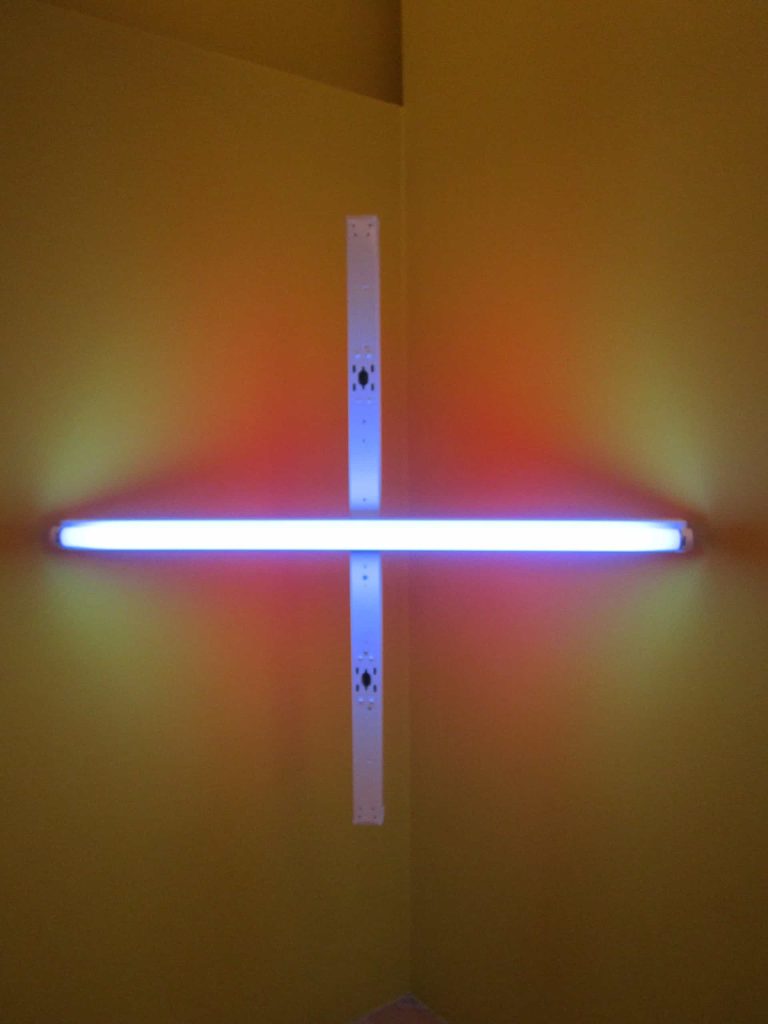
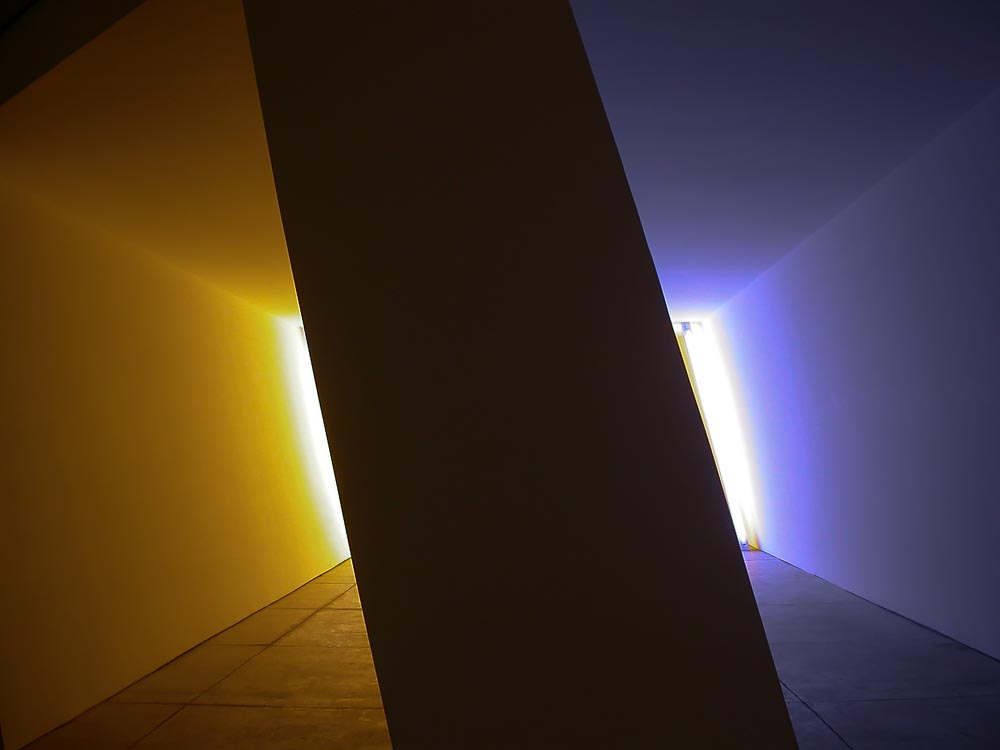
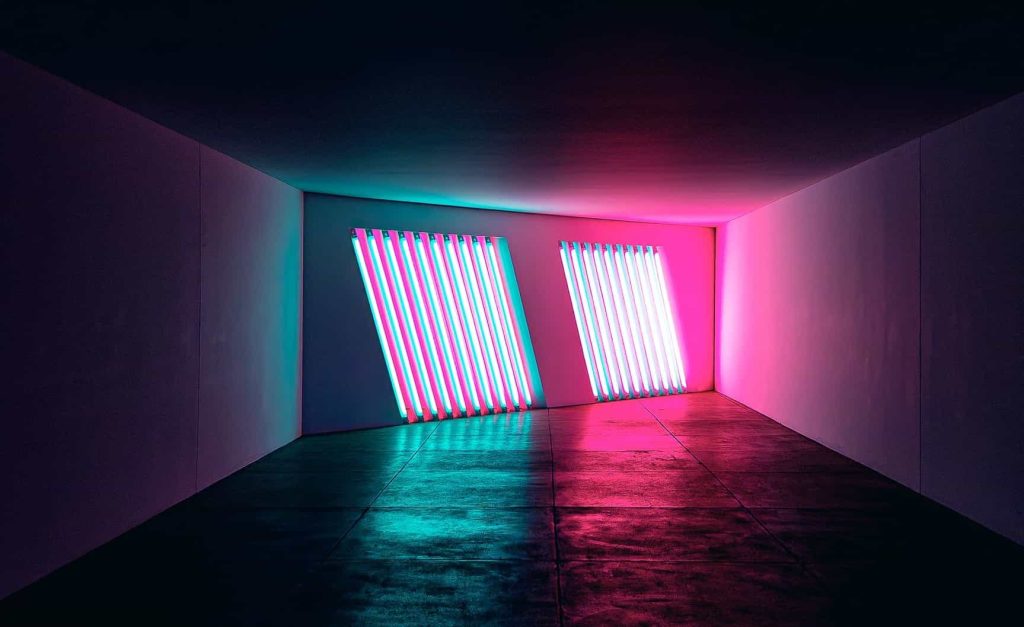
But Minimalism is not empty. Its seriousness lies in how it asks viewers to encounter the work physically. A Donald Judd stack is not only a visual arrangement. It changes how you move through space and how you experience proportion, interval, surface and industrial finish. A Dan Flavin fluorescent work is not merely an object on the wall. It alters the light of the whole room and therefore changes how you experience the space itself.
That attention to direct physical encounter is central. Minimalist works often do not want you to interpret them symbolically before you have registered their scale, material and placement.

What is Conceptual Art?
Conceptual Art emerged strongly during the 1960s and early 1970s, although it has roots in earlier experimental practices and in the example of Marcel Duchamp. It is generally defined as art in which the idea or concept behind the work is more important than the finished object.
That definition sounds simple, but it changes everything. In Conceptual Art, the object may still exist, but it is no longer the unquestioned centre of meaning. The artwork may be a statement, an instruction, a proposal, a set of rules, a photograph of an event, a document, a map, a list or a temporary action. The point is that the work’s deepest content lies in the concept rather than in the crafted physical form alone.
Artists associated with Conceptual Art include Joseph Kosuth, Lawrence Weiner, Sol LeWitt, Douglas Huebler, Robert Barry, Art & Language, On Kawara and Yoko Ono, among many others. Their works vary enormously in appearance, but they share an interest in ideas, language, systems, documentation and the status of art itself.
Conceptual Art often questions the structures around art. What counts as an artwork? Where does meaning reside? In the object, the instruction, the context, the title, the definition, the institution, or the viewer’s interpretation? These are not side questions in Conceptual Art. They are often the work.
This is why Conceptual Art can look so different from one example to another. It is not a style. It is a shift in emphasis. The same gallery might contain a sentence on the wall, a stack of papers, a photograph of a performance, a typed certificate and an object placed in a very precise context. What joins them is not their look, but the priority given to the concept.
Why people confuse Minimalism and Conceptual Art
There are several good reasons the two movements are often mixed up.
First, they emerged at roughly the same historical moment. Both became visible during the 1960s, especially in New York and other major art centres. Both formed part of a wider break with older ideas of artistic expression.
Second, they often share a stripped back appearance. A Minimalist object may look spare and unemotional. A Conceptual work may also look spare and unemotional. To a general viewer, both can appear reduced, severe or difficult.
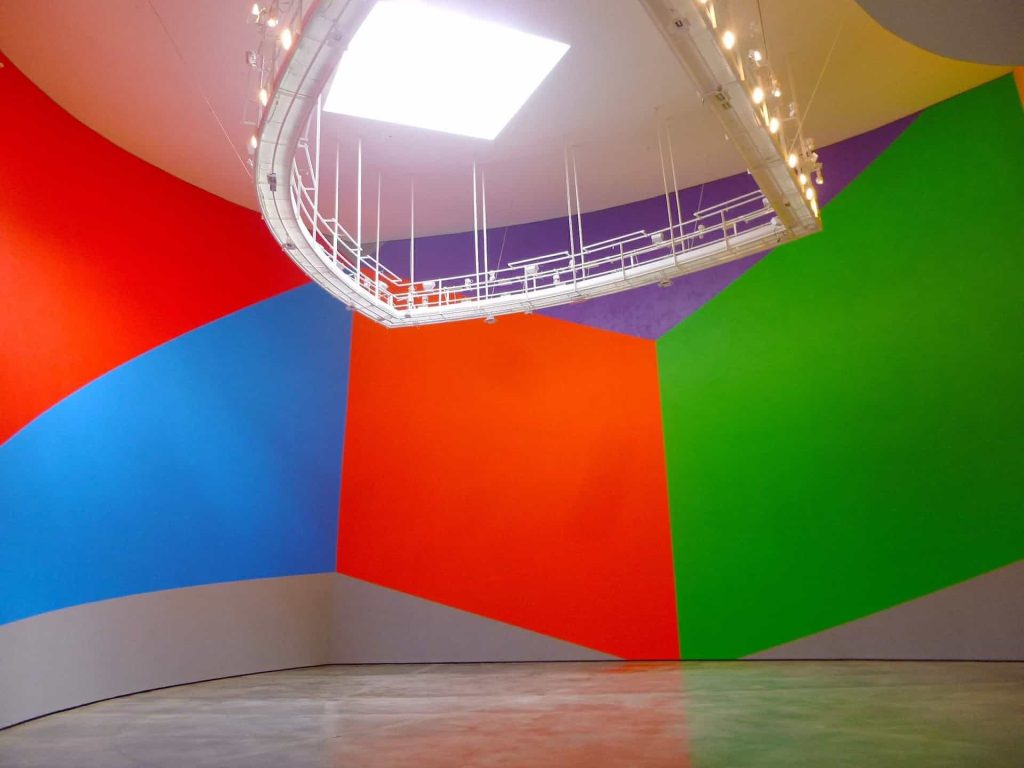
Third, some artists sit close to both movements. Sol LeWitt is the obvious case. His structures can feel Minimalist in their geometry, but his wall drawings and writings make clear that the underlying system and idea are central, which pushes the work firmly towards Conceptual Art.
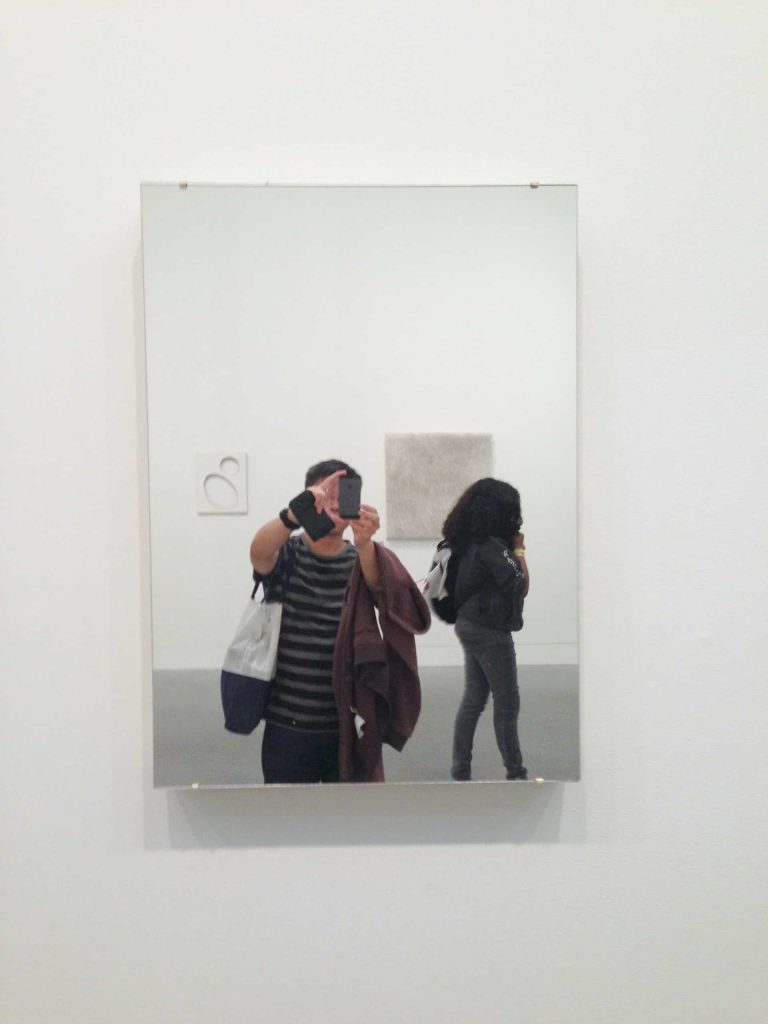
Fourth, both movements challenge traditional expectations about art. Neither gives the viewer an easy narrative scene, a conventional portrait or an obvious display of manual virtuosity. If you come to a gallery expecting art to be expressive in a familiar way, both Minimalism and Conceptual Art can look similarly resistant.
But if you spend more time with them, the distinctions become clearer. Minimalism remains grounded in the encounter with form and material in space. Conceptual Art often moves the centre of gravity away from the object and towards the idea behind it.
Minimalism is about objects in space
The clearest way to understand Minimalism is to focus on the object and its relation to space.
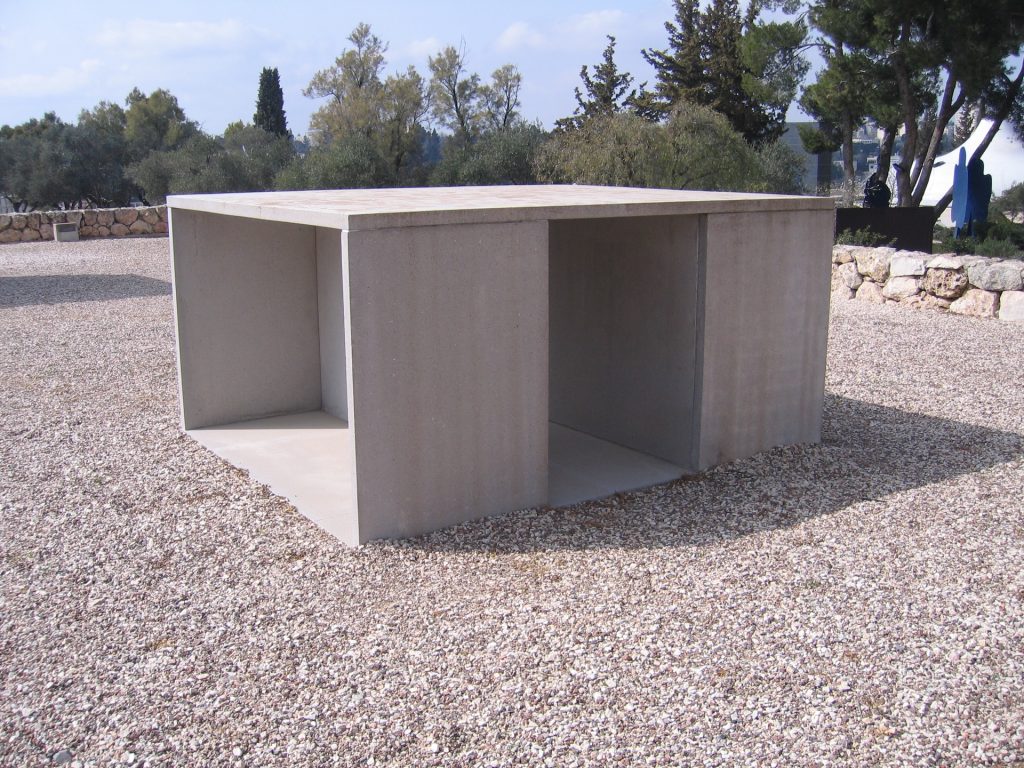
Donald Judd is a helpful example. He preferred the term “specific objects” to the broader labels critics placed on his work. His boxes, stacks and wall mounted units are not trying to stand in for anything else. They do not represent another reality. They exist as objects with actual dimensions, materials, intervals and surfaces. They are built to be experienced directly.
This matters because Minimalism is often less symbolic than many viewers expect. It does not necessarily want you to decode hidden meanings. Instead, it wants you to notice scale, seriality, repetition, industrial finish, spatial interval and the relation between the object, the room and your body.
Carl Andre offers another strong case. His floor works, often made of bricks or metal plates, do not rise up theatrically from the ground. They ask the viewer to notice how a simple arrangement changes the surface of the floor and the act of walking. Again, this is not mainly about storytelling or hidden narrative. It is about material, placement and experience.
Dan Flavin’s fluorescent works push this further by making light itself the material. These works transform the architecture around them. You do not only look at them. You stand inside their coloured atmosphere. That is a deeply physical encounter, and it is one of the reasons Minimalism is often best understood in person.
Conceptual Art is about ideas and propositions
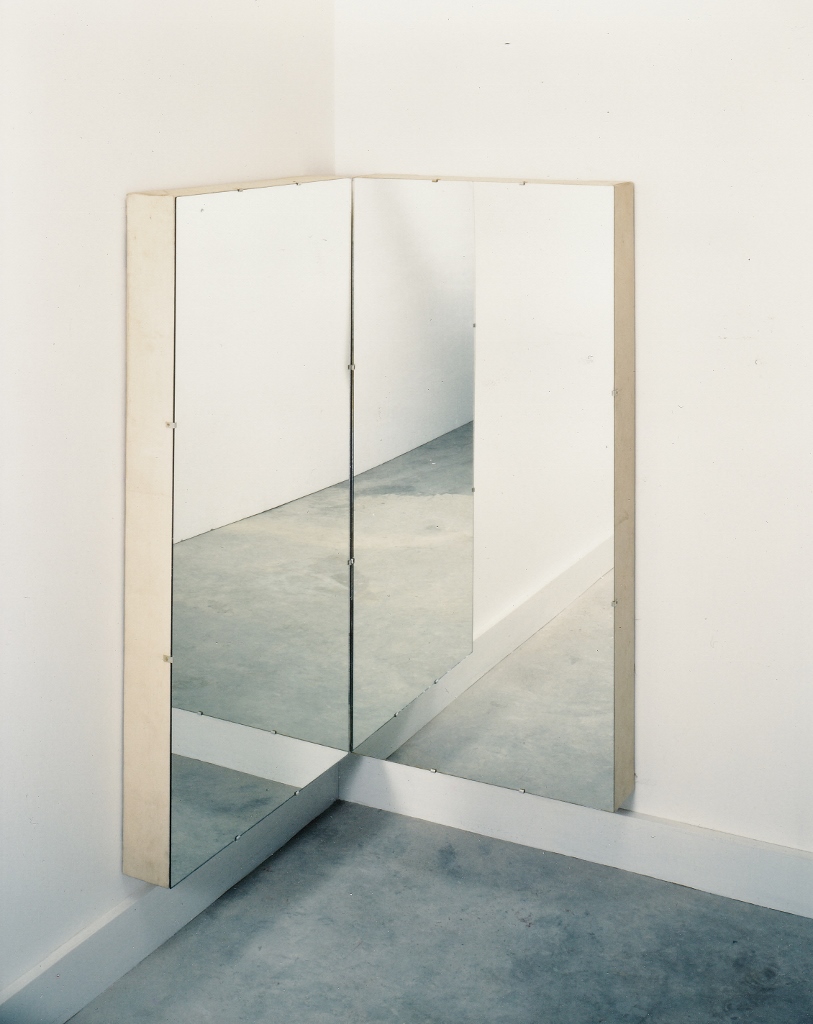
Conceptual Art asks a different question. Rather than concentrating primarily on the object in space, it asks what the work means as an idea, system or proposition.
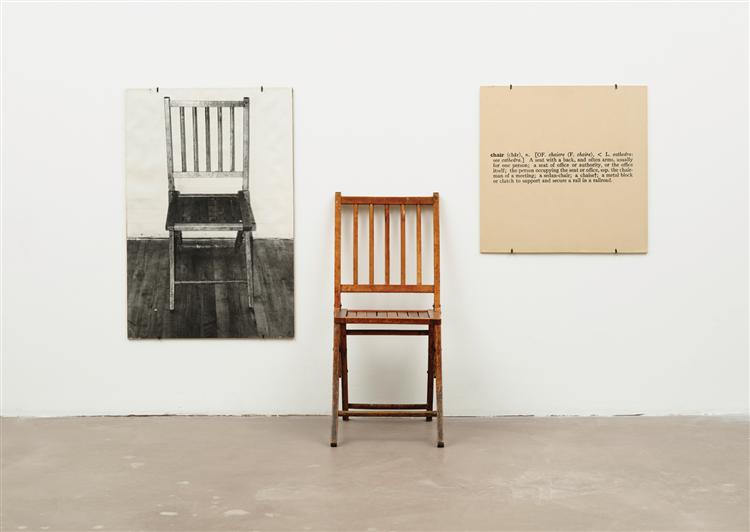
Joseph Kosuth’s One and Three Chairs is a standard example for good reason. It presents a real chair, a photograph of that chair and a dictionary definition of the word chair. The work is not really about furniture. It is about language, representation and meaning. The physical chair matters, but it matters as one part of a wider conceptual structure.
Lawrence Weiner is another clear example. Many of his works are text based statements placed on walls. They are not captions describing a separate object. The language itself is the work. The viewer reads, interprets and mentally activates the piece.
On Kawara’s date paintings and telegram works also help explain the movement. A work may consist of the date on which it was made, or a telegram stating “I am still alive”. The emotional force lies in the idea, the context and the serial logic, not in visual elaboration.
This is why Conceptual Art often feels more dependent on context than Minimalism. If you removed the title, instruction or underlying premise from many Conceptual works, their meaning would collapse. With Minimalism, the physical encounter remains primary even if the label disappears.
A simple rule that usually works
If you want a quick test in a gallery, try this.
Ask yourself: if I removed the title, wall text or instructions, would the work still operate strongly as an experience of material, scale and form?
If the answer is yes, it may lean towards Minimalism.
If the answer is no, and the work depends heavily on the idea, statement or system to function, it may lean towards Conceptual Art.
This is not a perfect rule, but it is often a very useful one.
Materials and making: another key difference
Minimalist materials are often industrial, fabricated and deliberately impersonal. Painted steel, aluminium, fluorescent tubes, plywood, bricks and smooth surfaces are common. The finish matters. The precision matters. Even when the form is simple, the making is exact.
Conceptual Art can use any material at all, but the choice is usually driven by the idea rather than by a commitment to a particular kind of objecthood. A Conceptual work might use a chair, a map, a note, a photograph, a sound recording, a typed statement, a book, an action, or no stable object at all.
This difference in material attitude is important. Minimalism often retains a strong commitment to the object as a physical event. Conceptual Art may treat the object as one possible support among many.
In Minimalism, the object’s material reality is central.
In Conceptual Art, the material may be secondary to the structure of thought.
The role of the viewer
Both Minimalism and Conceptual Art changed the role of the viewer, but they did so differently.
Minimalism made the viewer more bodily aware. You become conscious of size, interval, floor space, wall relation, light and movement. Your body is part of the meaning because the work unfolds through physical encounter.
Conceptual Art made the viewer more mentally active. You become conscious of language, ideas, framing, systems, definitions and institutional context. Your interpretation is part of the meaning because the work unfolds through thought.
This is one of the most useful distinctions in practice.
Minimalism activates perception through space.
Conceptual Art activates perception through thought.
That does not mean there is no thinking in Minimalism or no bodily encounter in Conceptual Art. Of course there is both. But the emphasis differs.
Minimalism, emotion and the myth of coldness
One reason viewers sometimes resist Minimalism is that it can seem cold. The clean edges, repeated forms and industrial finishes may appear to reject feeling.
But that reading is often too quick. Minimalism is not sentimental, but it can still produce strong emotional responses. A Judd stack can feel severe, calm, elegant or strangely meditative. An Agnes Martin grid can feel fragile, disciplined and deeply quiet. A Flavin installation can feel immersive, even intimate.
The emotion is simply carried differently. Instead of expressive brushwork or narrative tension, Minimalism works through restraint, proportion, duration and bodily experience. It may not perform emotion openly, but it can still shape mood with great precision.
Conceptual Art, emotion and the myth of pure intellect
Conceptual Art suffers from a different stereotype. It is often treated as purely cerebral, as though ideas automatically cancel feeling.
Again, that is too simple. Conceptual Art can be funny, moving, tender, unsettling, bureaucratic, absurd or politically charged. The difference is that the emotional force often comes through the concept itself rather than through visual drama.
Yoko Ono’s instruction pieces can feel open, vulnerable and poetic. On Kawara’s date works can feel lonely or profound because of their serial insistence on time and existence. Felix Gonzalez-Torres, though often discussed slightly later and in a different context, shows how concept driven work can be deeply emotional.
So while Conceptual Art may look less visually expressive than traditional painting, it is not emotionally empty. It simply places pressure on different parts of the encounter.
The historical overlap between the two
Minimalism and Conceptual Art did not develop in isolation. They often overlap historically and artistically.
Minimalism’s reduction of form and rejection of illusion created conditions that helped Conceptual Art emerge. Once art had been pared down to repeated units, industrial fabrication and literal presence, some artists went further and asked whether the object itself was still necessary. If painting no longer needed narrative and sculpture no longer needed modelling, perhaps art could move even closer to language, systems and ideas.
This is one reason museum guides often discuss the two together. MoMA’s educational material does exactly this, presenting Minimalism and Conceptualism as linked responses to earlier art. That pairing is historically useful, as long as we do not collapse one into the other.
Minimalism reduces the object to essentials.
Conceptual Art questions whether the object should remain central at all.
That is the hinge between them.
Sol LeWitt: the artist who sits between both camps
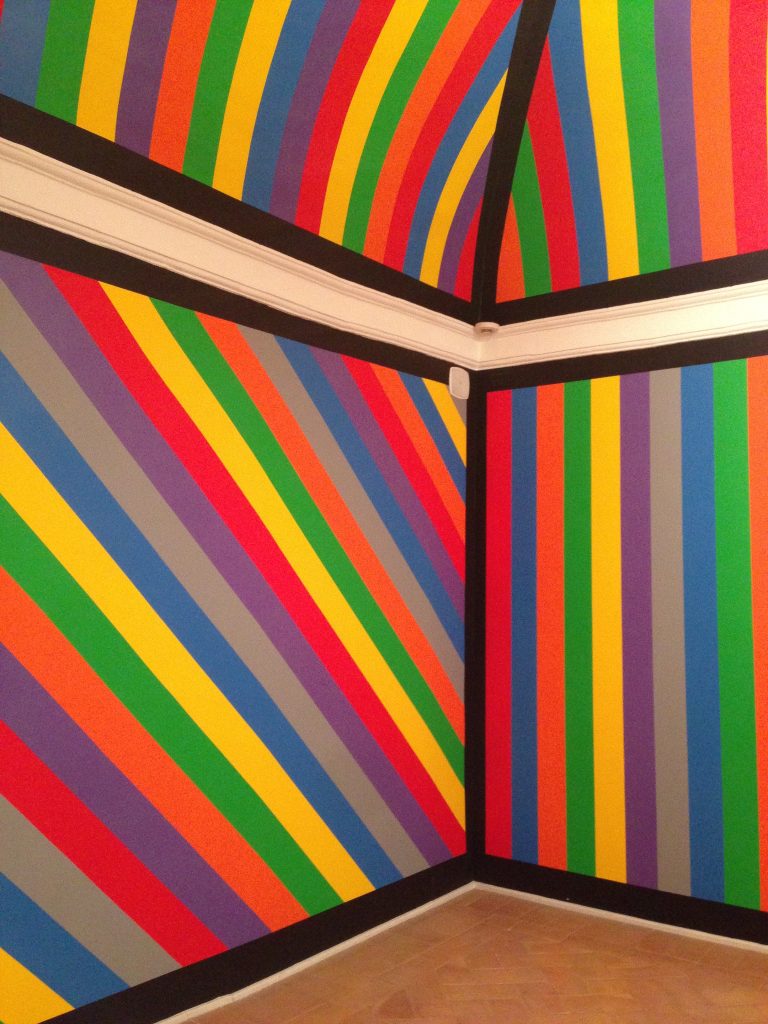
No comparison of Minimalism and Conceptual Art is complete without Sol LeWitt, because his work sits on the border in a way that makes the difference easier to understand.
His early open structures, cubes and repeated modular forms often look Minimalist. They are geometric, serial and stripped back. But LeWitt also wrote one of the key texts of Conceptual Art, arguing that in conceptual work the idea or concept is the most important aspect of the piece.
His wall drawings make this especially clear. The final visual form may be elegant and often highly structured, but the work exists through a plan or set of instructions that others can execute. This shifts the centre of gravity away from the handcrafted object and towards the concept.
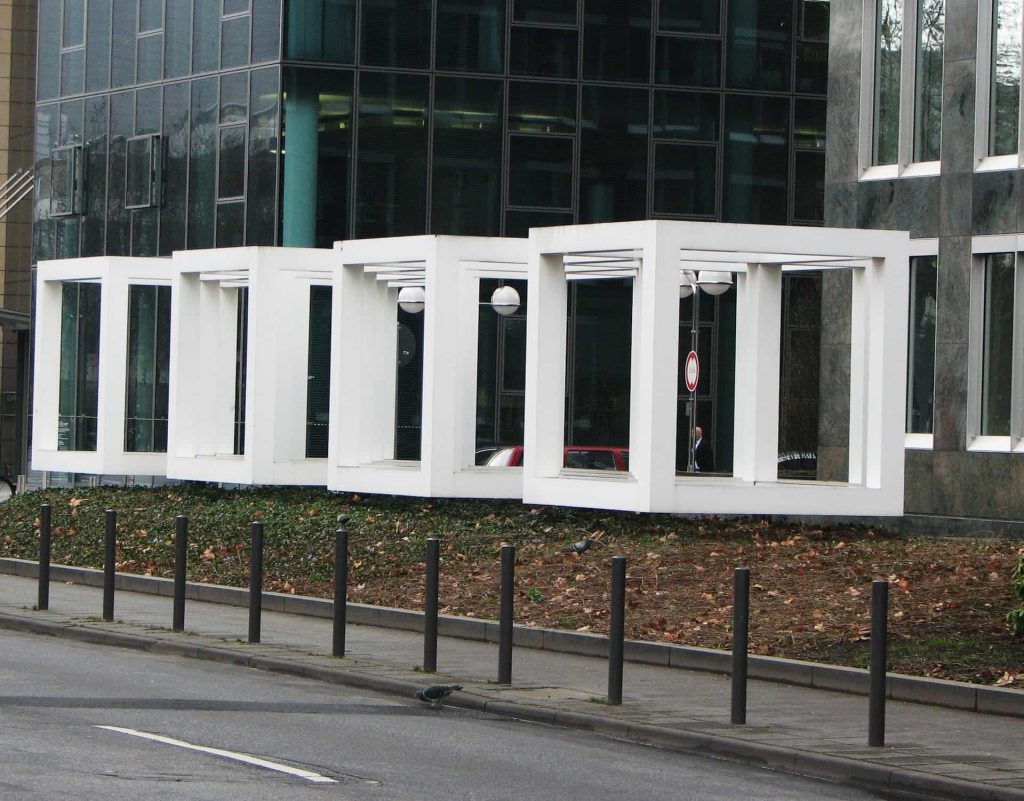
LeWitt therefore helps us see both the connection and the break.
His forms can feel Minimalist.
His method is Conceptual.
That does not make the distinction impossible. It makes it more precise.
Donald Judd vs Joseph Kosuth: a useful contrast
If you want two artists who clarify the difference sharply, put Donald Judd beside Joseph Kosuth.
Judd makes objects that insist on their own physical reality. They are about interval, proportion, material, repetition and the viewer’s relation to space. They do not need to represent another thing in order to work.
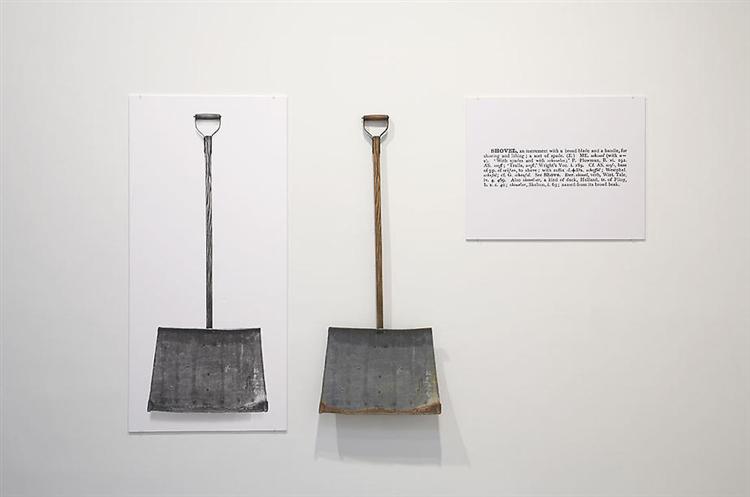
Kosuth makes works that turn language, definition and representation into the central issue. The object matters, but not in the same way. It matters as part of a thought structure.
Judd asks you to encounter an object.
Kosuth asks you to think through a concept.
That contrast gets very close to the core difference.
Minimalism vs Conceptual Art in a real gallery
Imagine walking into a gallery and seeing a stack of identical metal boxes running up the wall.
If the work is by Donald Judd, you are being asked to attend to repetition, interval, industrial finish, proportion and how the object occupies the wall and the room.
Now imagine walking into another gallery and seeing a real chair, a photograph of that chair and a dictionary definition of the word chair.
If the work is by Joseph Kosuth, you are being asked to think about language, representation and the unstable relationship between thing, image and concept.
Both works may appear spare. Both may initially seem cool and non expressive. But the nature of the encounter is different.
One is grounded in object and space.
The other is grounded in idea and structure.
This is why knowing the difference can change a visit completely. It stops you asking the wrong questions of the work.
Where the line gets blurred
Of course, not every work sits neatly on one side.
Some Minimalist works carry strong conceptual structures. Some Conceptual works use objects very powerfully. Some later artists inherit both traditions at once. Post-Minimalism, installation art and many forms of contemporary practice complicate the distinction further.
This is why the question should not be treated like a school exam where every answer must be final. In practice, it is often better to ask: what is doing the main work here?
Is the work primarily creating meaning through the physical encounter with form, material and space?
Or is it primarily creating meaning through the idea, the system, the proposition or the context?
That question is usually more useful than trying to force a label too quickly.
Why the difference still matters now
This distinction still matters because both Minimalism and Conceptual Art continue to shape contemporary art very strongly.
Many contemporary installations inherit Minimalism’s attention to space, seriality and bodily experience.
Many contemporary works built from text, archives, instructions, administration, documentation or research inherit the logic of Conceptual Art.
Contemporary artists often combine both traditions, but the balance between them still affects how the work should be approached. If you mistake a concept driven work for a purely formal one, you may miss its central proposition. If you treat a highly spatial Minimalist work as though it were only a coded intellectual puzzle, you may miss its physical force.
That is why the difference is not just academic. It improves looking.
How to talk about the difference in plain English
You do not need specialist jargon to explain the distinction.
You can say:
Minimalism is more about what the object is doing in space.
Conceptual Art is more about what the idea is doing in your head.
Or:
Minimalism asks you to notice structure, scale and material.
Conceptual Art asks you to notice ideas, systems and framing.
Or:
Minimalism usually keeps the object central.
Conceptual Art often makes the object secondary to the concept.
Those simple formulations are often clearer than more academic ones.
Common misconceptions
If it looks simple, it must be Minimalist
Not necessarily. Many Conceptual works also look simple. Simplicity of appearance is not enough.
If it uses text, it cannot be Minimalist
Usually text pushes a work towards Conceptual Art, but some works may combine Minimalist presentation with conceptual content.
Minimalism is only about cubes and boxes
Those are familiar examples, but Minimalism is broader than a few forms. It is a way of reducing and clarifying the object in space.
Conceptual Art means there is no object at all
Not always. Many Conceptual works do use objects. The key issue is whether the concept rather than the object carries the main meaning.
One is better than the other
This is the wrong question. They simply ask for different kinds of attention.
How to decide what you are looking at
If you are in front of an unfamiliar work, try this short checklist.
What would still remain if all the explanatory text vanished?
If the work would still strongly operate through material, scale and spatial encounter, it may lean towards Minimalism.
Is the main interest in the object itself, or in the idea around it?
If the idea is doing most of the work, it may lean towards Conceptual Art.
Does the work ask you to move through space, or to rethink a category?
Minimalism often emphasises movement and bodily relation. Conceptual Art often emphasises thought and redefinition.
Are the materials chosen for their physical presence, or because they serve a proposition?
This can often clarify the difference quickly.
What is the role of the title?
If the title or statement is essential to the work’s function, that often signals Conceptual Art.
Conclusion
Minimalism and Conceptual Art are close neighbours in modern art, but they are not the same house. Minimalism reduces form to essentials and keeps attention on object, material, repetition, scale and space. Conceptual Art shifts the centre towards the idea, the system, the question or the proposition behind the work.
That is the core difference.
Minimalism asks what remains when art is stripped back to physical essentials.
Conceptual Art asks what happens when the idea becomes the artwork’s real centre.
The confusion between them is understandable, especially because some artists move between both territories and because both challenged older ideas of artistic expression. But once you learn to ask the right questions, the distinction becomes clearer.
What is this object doing in space?
What is this idea doing in thought?
Those two questions will help you separate Minimalism from Conceptual Art more reliably than almost anything else.
And once you can do that, a great deal of post war and contemporary art begins to make more sense. The gallery stops feeling like a room full of similar stripped back works and starts to reveal different intentions, different pressures and different ways of asking what art can be.
Leave a Reply