
No products in the cart.
Portrait Art Explained: Identity, Power And Presence On The Canvas
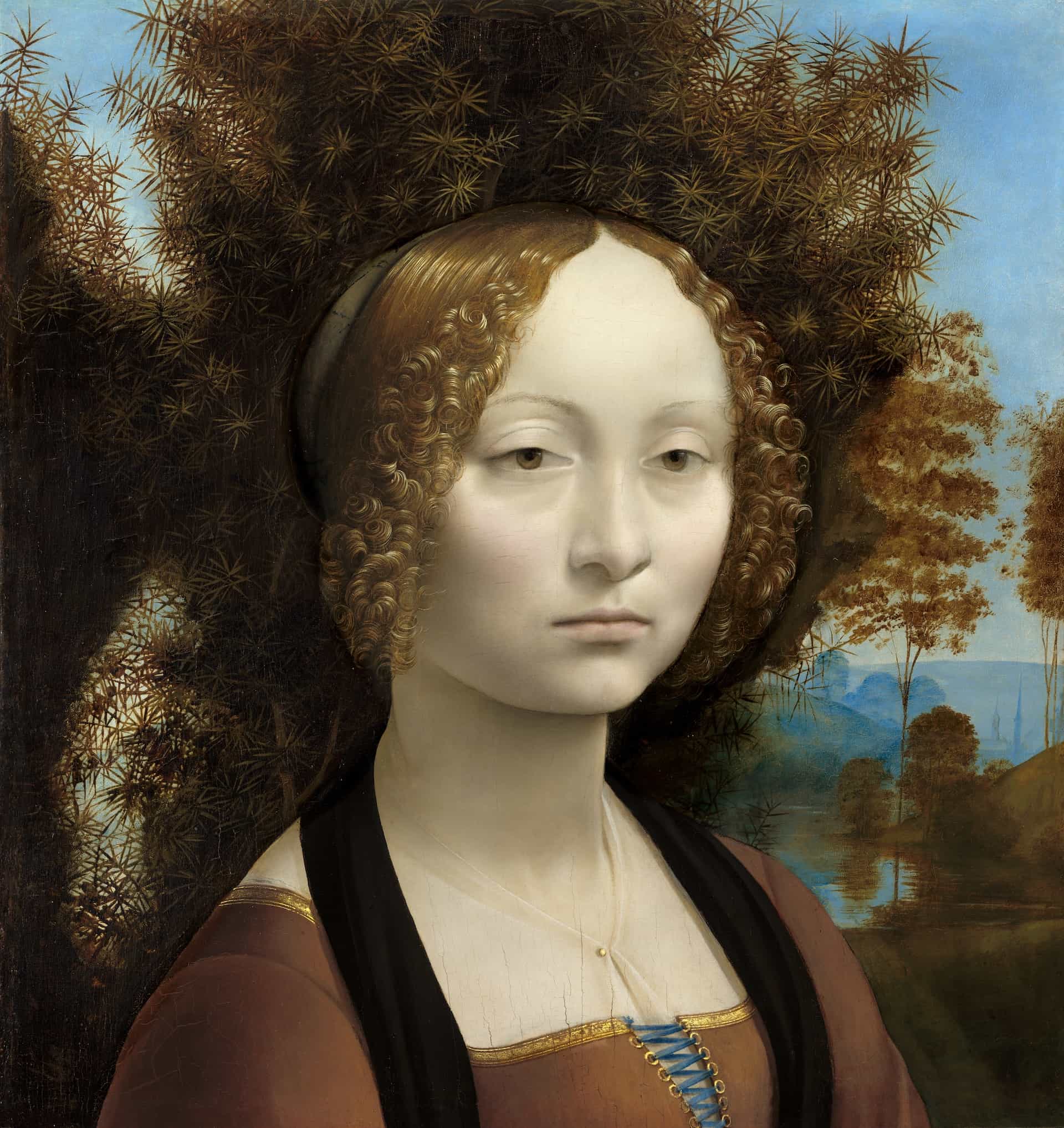
Portrait art has never been only about likeness. At its simplest, a portrait may appear to record a face, body or sitter with recognisable features. But the best portraits always do more than that. They shape how a person is seen. They can flatter, idealise, glorify, humanise, question, commemorate, expose or complicate. A portrait can make someone appear powerful, fragile, distant, intimate, devout, rebellious, fashionable, untouchable or entirely ordinary. That is why portrait art remains one of the richest and most revealing forms in the history of art.
Most people recognise a portrait when they see one. A face looks back. A body occupies the frame. A name may be attached. Yet portraiture is much less straightforward than it first appears. A portrait is never only the person depicted. It is also a record of choices. Who commissioned the work? Who made it? What was the sitter trying to project? What did the artist decide to emphasise or withhold? What details of dress, gesture, setting, colour or pose have been arranged to shape meaning? Even the most apparently natural portrait is full of design and intent.
That is why portrait art matters far beyond simple visual resemblance. It tells us how societies understand status, beauty, identity, power, memory and the self. It reveals how people want to be seen, and how artists negotiate that desire. It also helps explain why portraits still feel so relevant now. In an age saturated with photographs, profile pictures and self presentation, painted and drawn portraits remain powerful because they slow the act of looking down. They make us ask what a person’s image is really doing.
For readers searching for portrait art, portraiture explained, what is portrait art, famous portraits, self portrait art, contemporary portraiture, portrait painting meaning, identity in art, power in portraiture or how to read a portrait, the deeper question is often the same. What makes a portrait feel alive rather than merely accurate? Why do some portraits seem to carry the weight of a person’s presence, while others feel like costumes or symbols? And how have artists used portraiture across history to explore not only faces but class, politics, character, memory and the performance of the self?
This guide looks at those questions clearly and in depth. It explains what portrait art is, how it developed, why identity and power sit at its centre, how artists create presence on the canvas, and how portraiture continues to evolve in contemporary art. The aim is to make portrait art easier to understand without flattening its complexity, and to show that portraits are never only about what someone looked like. They are about what an image of a person can mean.
What is portrait art?
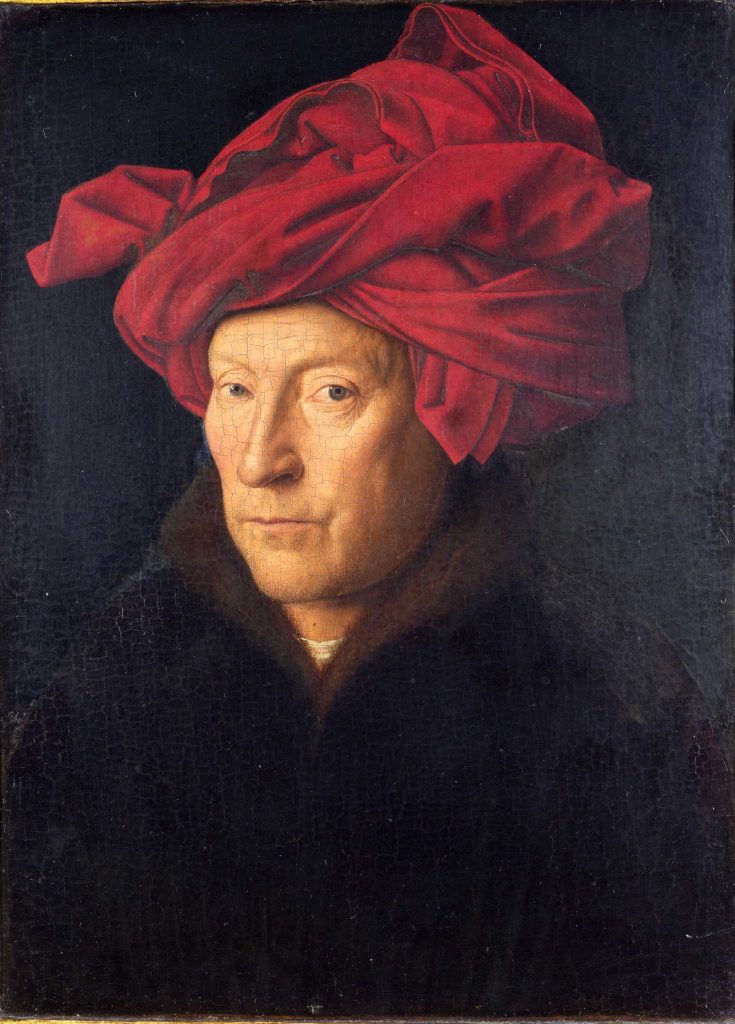
Portrait art is the representation of a person or group of people with the aim of capturing something recognisable about them. That recognition may be physical, but it can also be social, psychological or symbolic. A portrait often records features, expression, posture and dress, yet it also carries a broader impression of who the sitter is, or who they wish to appear to be.
That distinction matters. A portrait is not the same as a simple record. A passport photograph can identify a person, but it is not necessarily a portrait in the fuller artistic sense. Portrait art usually goes beyond identification and enters interpretation. It asks how a person should be framed, lit, posed, coloured and placed in space. It turns likeness into meaning.
This is why portrait art appears across so many media. Portraits can be paintings, drawings, prints, sculptures, photographs, video works or mixed media pieces. They can be formal commissions or private studies. They can be monumental or intimate. They can be realist, abstracted, symbolic or stylised. What joins them is not one visual formula but a shared interest in the human subject as something worth looking at, thinking about and presenting to others.
At its strongest, portrait art creates an encounter. It makes the viewer feel the presence of another person, even across centuries. That presence may be warm, enigmatic, difficult, commanding or unsettled. But it is rarely neutral.

Why portraiture matters so much
Portraiture matters because people matter, and because images of people are never innocent. To make a portrait is to decide what deserves attention. To commission or sit for a portrait is to enter into a negotiation about identity, status and memory.
Historically, portraits have helped construct public image. Kings, queens, aristocrats, military leaders, writers, merchants, religious figures and political thinkers all used portraiture to shape how they would be seen. These images were not merely decorative. They were instruments of power, continuity and legitimacy.
But portrait art has also served more intimate purposes. It has been used to remember the dead, honour relatives, record friendships, explore the self and represent communities that were otherwise ignored. Portraits can sustain affection, challenge stereotypes and resist erasure. They can offer visibility where visibility has been denied.
This range is one reason portraiture remains so enduring. It moves between public and private life very easily. A portrait can be propaganda, love letter, memorial, document, performance or critique. Sometimes it is several of these things at once.
Portraiture and likeness
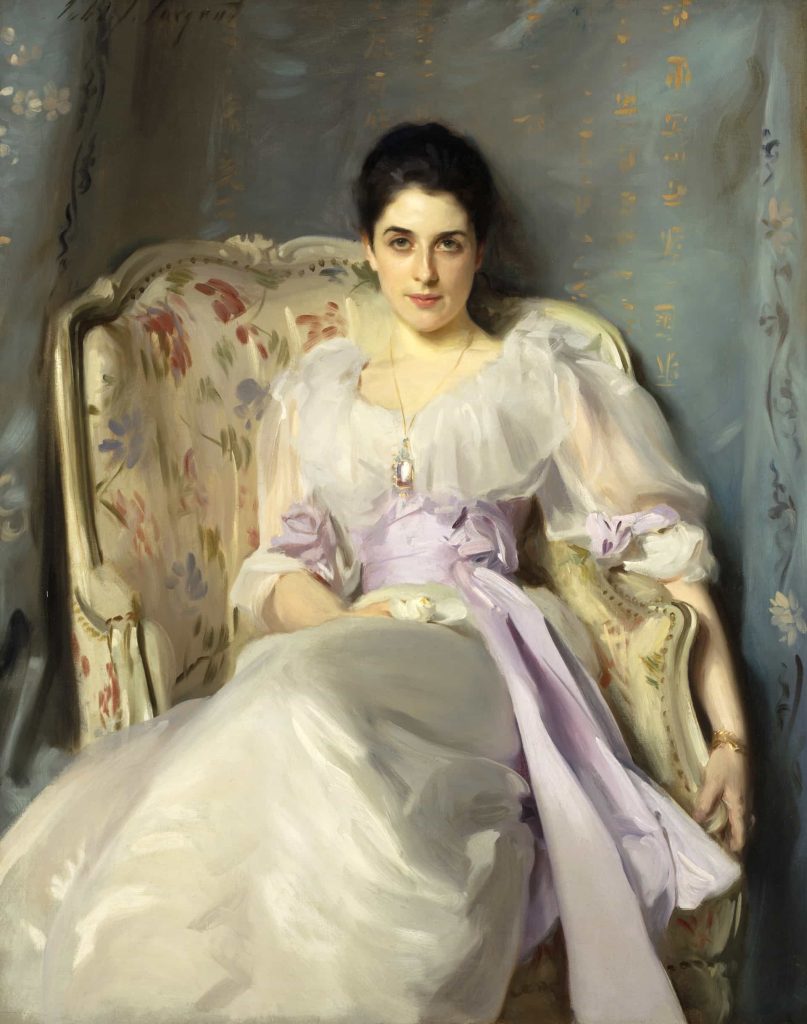
One of the first things people ask of a portrait is whether it looks like the sitter. Likeness matters, but it is not the whole story. A portrait can be technically accurate and still feel lifeless. Another can depart from strict realism and yet feel truer to the person.
Artists have always understood that likeness is selective. The face is not copied neutrally. Features are emphasised or softened. Skin tone, expression and pose are chosen. Clothing and setting matter. A slight turn of the head can change the entire tone of the image. A portrait does not simply reveal a person. It constructs a version of them.
This is why portrait art often works through tension. It tries to balance resemblance with interpretation. Too much idealisation, and the portrait becomes stiff or hollow. Too much distortion without purpose, and it may lose connection to the sitter entirely. The best portraiture sits in that difficult space where outer appearance and inner suggestion meet.
This is also why portraits remain interesting even when photography exists. A painted or drawn portrait is not trying to outdo the camera at recording detail. It is doing a different kind of work. It filters the person through the artist’s decisions, through time, through observation, through feeling. That filtration is not a weakness. It is part of what gives portrait art depth.

Identity and the portrait
Identity is one of the central concerns of portrait art because a portrait never shows only a face. It also shows how a person is positioned in the world. Gender, class, race, age, profession, family role, cultural background, political significance and self understanding can all enter the image.
Sometimes these aspects are declared openly through costume, symbols and setting. A judge may appear in robes. A monarch may appear with regalia. An artist may include tools of their practice. A scholar may appear among books. At other times identity is conveyed more subtly through posture, gaze, handling of paint, or the degree of informality in the image.
Modern and contemporary portraiture often makes identity more complicated rather than more fixed. Instead of presenting a stable social role, it may explore contradiction, fragmentation, performance or self invention. A contemporary portrait might ask how identity is shaped by migration, memory, race, sexuality, disability, family history or public expectation. It may resist the idea that a person can be summed up in a single image.
This is one reason portrait art feels so current. It remains a vital space for asking who gets seen, how they are seen, and who has the power to shape the image.

Power in portrait art
Portraiture has always been closely tied to power. For much of history, the people most often represented were those with money, influence or institutional importance. To commission a portrait was to declare that one’s image mattered and deserved preservation. In royal and aristocratic portraiture especially, the image often worked as a form of public authority.
Power in portrait art appears through many devices. Scale matters. A large portrait can overwhelm the viewer and assert importance. Pose matters. An upright stance, direct gaze or elevated viewpoint can suggest command. Dress matters. Luxurious fabrics, armour, jewellery and formal costume all reinforce status. Setting matters too. A throne room, column, drapery or expansive landscape can enlarge the sitter’s significance.
Yet power in portraiture is not always straightforward. Some portraits reinforce hierarchy, but others question it. A portrait may reveal the strain beneath authority, the performative nature of status, or the instability of a public role. Artists can complicate power by making it look theatrical, brittle or uneasy.
Contemporary portrait art often turns this history inside out. Many artists now use portraiture to reclaim visibility for people historically excluded from powerful representation. In these works, portraiture becomes not only a mirror of power but a challenge to it. The act of painting someone with seriousness, scale and attention can itself be political.

Presence on the canvas
Presence is one of the hardest things to define in portrait art, but viewers recognise it quickly. Some portraits feel merely descriptive. Others seem to contain a person in a fuller way. They hold the viewer’s attention. They suggest interior life. They make the sitter feel somehow there.
Artists build presence through a combination of means. The gaze is often central. A sitter looking directly at the viewer creates a different relation from one looking away. Eye contact can feel confrontational, intimate, vulnerable or commanding.
Scale matters too. A face painted larger than life can feel monumental. A close cropped head can intensify encounter. A small portrait, if handled well, can feel private and psychologically charged.
Surface matters. The way paint is handled can shape presence as much as likeness. Thick paint may create physical immediacy. Smooth paint can lend coolness or distance. Visible revisions and brushwork can make the sitter feel unstable or alive.
Silence also matters. Some portraits feel powerful because so much is withheld. The sitter does not explain themselves. The image leaves room for uncertainty. That uncertainty can make a portrait feel more human than a fully resolved, polished image.
Presence is therefore not simply realism. It is the effect of a convincing relation between artist, sitter and viewer.
Portrait art through history & early self fashioning
Portraiture is one of the oldest forms of art. Ancient Egyptian, Greek and Roman cultures all developed ways of representing the human face and body for political, memorial or religious purposes. Roman portrait busts in particular often pursued a striking combination of realism and status, recording age and character while also asserting civic importance.
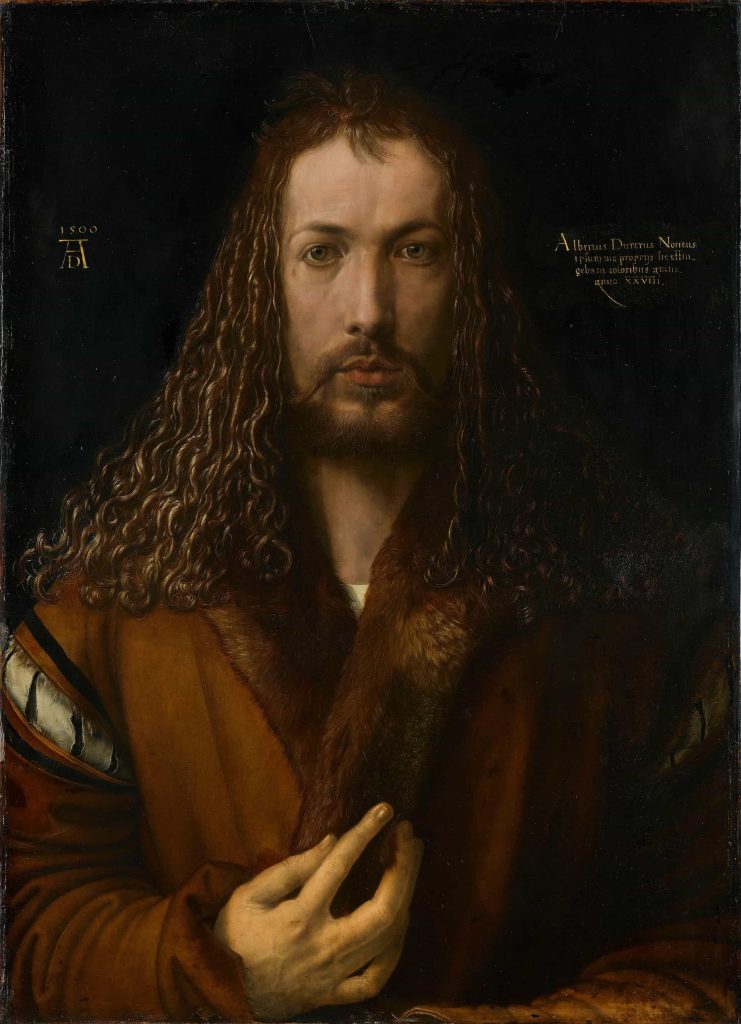
During the Renaissance, portrait art expanded dramatically. The rise of wealthy patrons, courts and mercantile classes meant that portraits became more common and more sophisticated. Artists such as Leonardo da Vinci, Raphael, Titian and Hans Holbein the Younger developed highly influential models of portraiture, balancing likeness, pose, costume and psychological suggestion.

The seventeenth century brought extraordinary depth to portrait painting through artists such as Velázquez, Rembrandt, Van Dyck and Frans Hals. Portraits from this period often combine social performance with remarkable sensitivity to character and surface.
In the eighteenth and nineteenth centuries, portraiture remained central to public life, from royal commissions to bourgeois family portraits. At the same time, artists became increasingly interested in mood, individuality and the instability of appearance. By the time modernism arrives, portraiture becomes a field where experiment and tradition collide.
This long history matters because contemporary portrait art is always working with or against it. Even the most innovative portrait today is still in conversation with older traditions of likeness, status and self presentation.

Self portraiture and the construction of the self
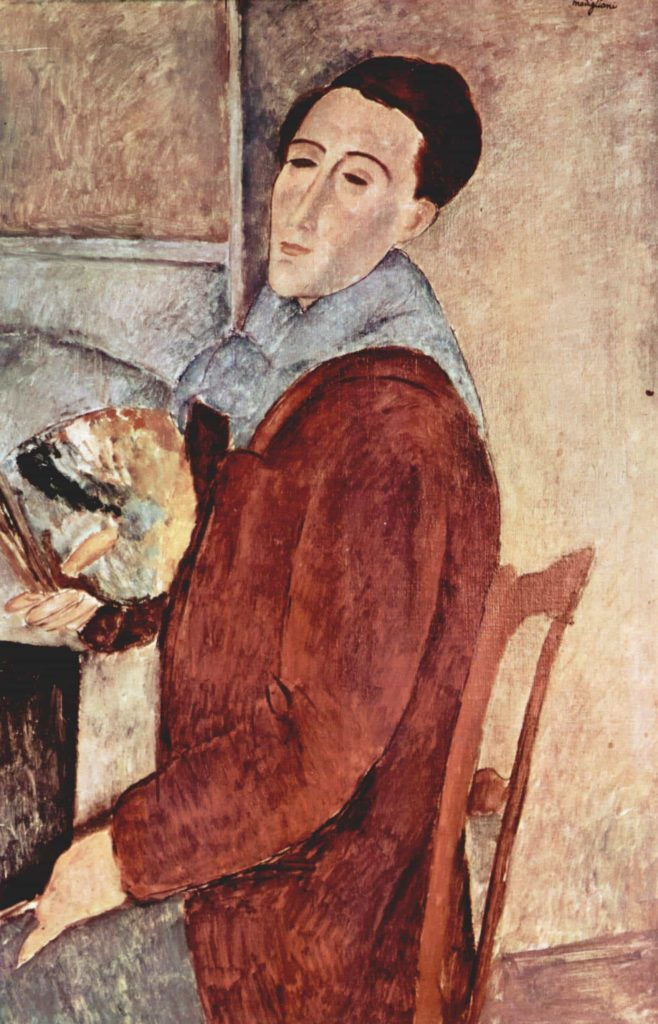
Self portraiture deserves special attention because it changes the dynamics of portrait art. When artists depict themselves, the portrait becomes both observation and performance. The sitter and maker are the same person, but that does not make the result more direct or simple. In fact, it often makes it more layered.
A self portrait can be a form of self study, self invention, confession, critique or myth making. Artists may use it to test style, assert status, explore ageing, record illness, stage identity or question the act of representation itself.
Rembrandt’s many self portraits remain central because they show how a face can become a lifelong site of study. Vincent van Gogh’s self portraits carry urgency and instability. Frida Kahlo turned self portraiture into a powerful space for pain, symbolism and identity. Cindy Sherman, working through photography, complicated self portraiture further by using costume and persona to show the self as constructed and performative.
This is why self portraiture remains one of the most compelling strands of portrait art. It reveals that identity is not simply something an artist discovers. It is also something they shape.
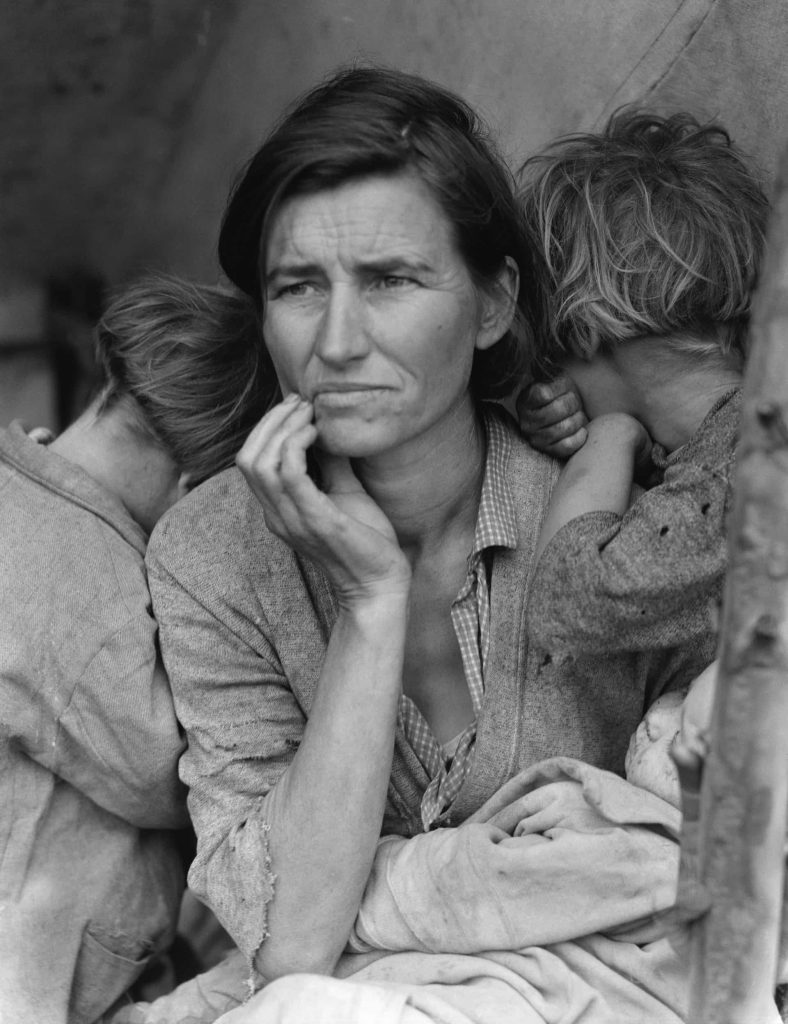

The portrait as social document & symbolism
Portrait art does not only tell us about individuals. It tells us about the world around them. Clothing, hairstyle, domestic interiors, tools, furniture, architecture and gesture all place the sitter within a wider social structure.
This is one reason portraits are so valuable historically. They reveal who was considered worth depicting and how social roles were visually coded. They can show wealth, aspiration, labour, race, empire, family structure and cultural values. They also reveal absence. Looking at the history of portraiture means noticing who was left out or represented only through stereotype or subordination.
Contemporary artists often respond directly to this history. Some remake older portraits from a new perspective. Some fill gaps in representation. Some challenge the conventions through which power and respectability were historically pictured. In these cases, portrait art becomes a site of revision as well as record.
Portraiture and symbolism
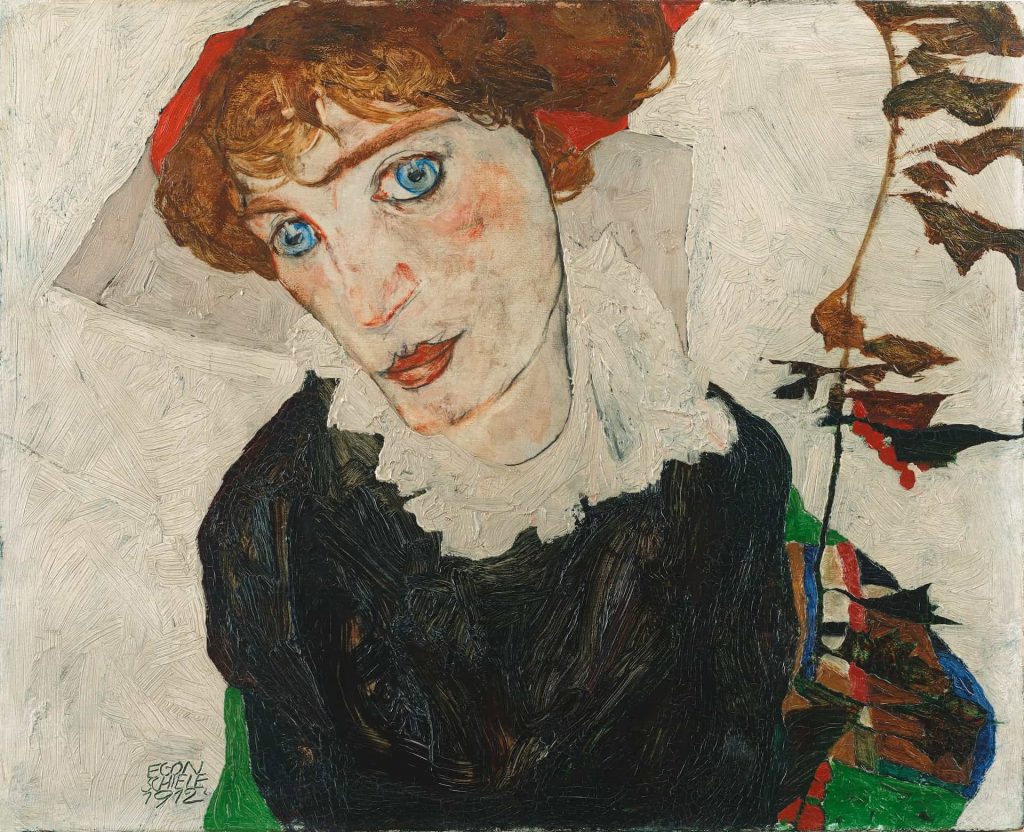
Although portrait art is often associated with likeness, symbolism plays a major role. Many portraits include objects, colours, animals, flowers, books, mirrors, gloves, letters, tools or architectural features that deepen the sitter’s meaning.
These details can signal profession, virtue, wealth, education, mourning, fertility, devotion or political allegiance. In some periods, these symbols are quite direct. In others, they are more atmospheric.
Even when the symbolism is subtle, it matters because it shows that portraiture is never only about the face. Artists build a whole language around the sitter. A portrait may therefore work on two levels at once: immediate human presence and a more coded field of ideas.
This layering helps explain why portraits hold up so well over time. They reward both quick recognition and slower reading.
Contemporary portrait art and representation
Contemporary portrait art has expanded the field significantly. It no longer assumes that portraiture must present a stable social identity or conform to traditional standards of realism. Instead, many artists use portraiture to question how identity is formed, who has historically been seen, and what happens when portraiture becomes a space of repair, assertion or challenge.
Current portraiture often engages directly with issues of race, migration, gender, queer identity, disability, class and the politics of visibility. Some artists work from archival images. Others invent composite figures. Some exaggerate colour or scale to shift the emotional register of the portrait. Some combine realism with pattern, text or symbolic environments. Others keep the image spare and intimate.
What matters is that portraiture remains one of the most flexible ways to talk about who people are and how they move through systems of power. It can honour, complicate or contest identity at the same time.
This is also where many viewers feel contemporary portrait art most directly. Even when the style changes, the human subject remains a point of connection. A contemporary portrait can feel both singular and shared. It shows one person, but often opens onto broader questions about how any of us are seen.

Photography and the changing meaning of portraiture
The invention of photography changed portrait art permanently, but it did not make painting or drawing irrelevant. Instead, it forced portrait artists to rethink what portraiture could do.
Photography made likeness easier, faster and more widely accessible. Portrait painting therefore no longer needed to function only as the primary means of recording someone’s appearance. This freed artists to explore other possibilities. They could focus more on mood, interpretation, distortion, structure, paint handling or symbolic intensity.
At the same time, photography became a portrait medium in its own right. It developed its own history of studio portraiture, documentary portraiture, celebrity portraiture and conceptual self portraiture. The relationship between painting and photography has therefore been competitive, collaborative and transformative.
Today, portrait art includes both, and the boundary between them is often fluid. Painters work from photographs. Photographers borrow from painted portrait traditions. Some artists move between media. The result is that portraiture has become broader rather than narrower.
How artists make a portrait feel alive
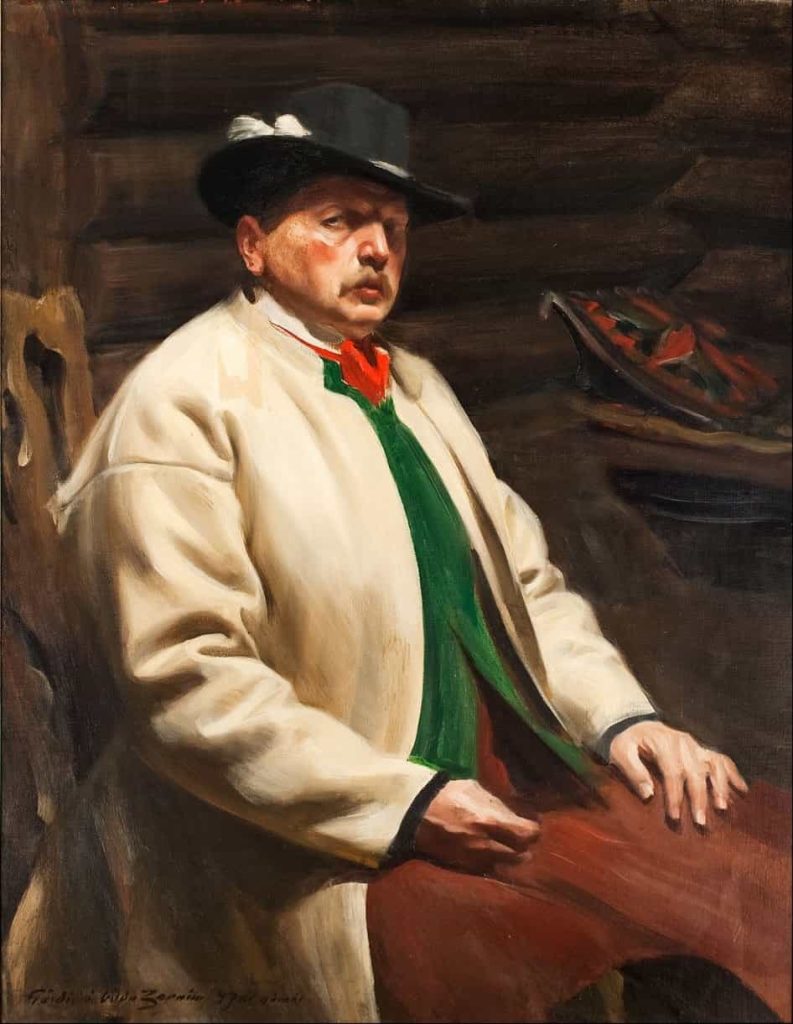
Viewers often ask why one portrait feels alive and another does not. There is no single formula, but several qualities tend to matter.
Attention matters. A convincing portrait usually suggests that the artist looked hard and long, not only at the sitter’s features but at their manner, tension, rhythm and stillness.
Editing matters. A portrait becomes stronger when the artist knows what to leave out. Not every detail deserves equal emphasis.
Structure matters. Even the most spontaneous portrait depends on sound composition. The placement of the head, the relation of figure to background and the pattern of light all shape presence.
Psychological openness matters too. Some portraits fail because they over explain the sitter. Others succeed because they leave room for complexity. A face that cannot be fully pinned down often feels more human.
Material handling matters as well. The way charcoal drags across paper, the way oil paint thickens around the eyes, or the way a wash softens an edge can all help create a sense of life. Portrait art is not only about who is shown. It is also about how the medium behaves.
How to read a portrait in a gallery
If you want to get more from portrait art in a gallery, begin with a few practical questions.
Who is this person, and how are they being presented?
Look at pose, scale, clothing, background and expression. These choices are never neutral.
What kind of power is present?
Is the sitter powerful, or is the portrait questioning power? Does the image flatter, challenge or complicate authority?
How does the artist handle the face?
Is it tightly controlled, loose, layered, idealised, awkward, vulnerable? The treatment of the face often tells you a great deal.
What role does the background play?
A plain background may intensify presence. A detailed setting may widen the portrait into a social world.
What do the hands, posture and gaze do?
Portraits do not communicate through the face alone. Body language can be decisive.
What kind of feeling does the portrait leave behind?
Calm, tension, sadness, pride, distance, intimacy, unease, warmth. These responses are part of the work, not distractions from it.
Portrait art rewards slow looking. A quick glance may identify the sitter. A longer look reveals the structure of the image and the pressure inside it.
Common misconceptions about portrait art
It is only about likeness
No. Likeness matters, but portrait art is also about power, identity, memory, social role and interpretation.
Portraiture is conservative or old fashioned
Historically it can be formal, but contemporary portrait art is one of the most active and politically alive fields in art today.
A portrait must show the whole person
Impossible. Every portrait is partial. What makes it successful is not total completeness but meaningful selection.
Photography replaced portrait painting
Photography transformed portraiture, but it also opened new possibilities for painting, drawing and mixed media portraiture rather than ending them.


Why portrait art still matters now
Portrait art still matters because the human face and body remain powerful sites of meaning. In a culture full of fast images and self presentation, portraiture slows the question of identity down. It asks not just what someone looks like, but what it means to picture them at all.
This is especially important now because so many debates around visibility, representation and power are also debates about images. Who gets seen with dignity? Who is flattened into stereotype? Who controls the terms of their own image? Who is remembered? Who is overlooked?
Portrait art remains a vital place for asking these questions because it is flexible enough to hold both history and change. It can honour the old seriousness of portraiture while opening it to new subjects and new forms of seeing.
It also matters because portraits create encounters that still feel distinct from ordinary image culture. A good portrait does not only present information. It asks for attention. It holds presence in a way that resists quick scrolling. It invites the viewer into a slower, more searching relation with another person.
Portrait art is far more than the painting of a face. It is one of the most complex ways art can think about identity, power and presence. Across centuries, portraits have shaped public image, preserved memory, explored status, challenged hierarchy and opened new ways of seeing the self.
That is why portraiture endures. It adapts to each period without losing its central force. A portrait may be formal or intimate, realist or experimental, public or private, celebratory or critical. What unites the best examples is that they make the human subject feel meaningful rather than merely visible.
To understand portrait art more fully is to understand that every portrait is a negotiation. Between sitter and artist. Between likeness and interpretation. Between image and identity. Between presence and performance.
The next time you stand in front of a portrait, ask not only who the person is, but what kind of image is being built around them. Look at the pose, the colour, the surface, the expression, the setting and the gaze. Notice what power is being asserted, what identity is being shaped, and what remains unresolved.
That is where portrait art becomes most interesting. Not when it simply records a person, but when it shows how much is at stake in making a person visible.
Leave a Reply