
No products in the cart.
Artist of History, Rembrandt van Rijn Maestro of Light and Shadow
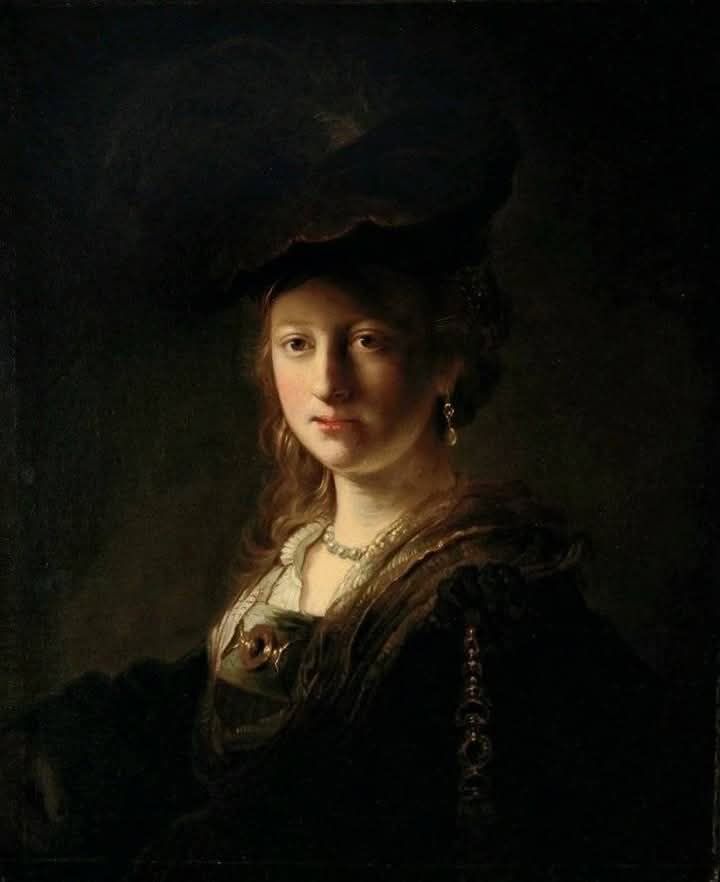
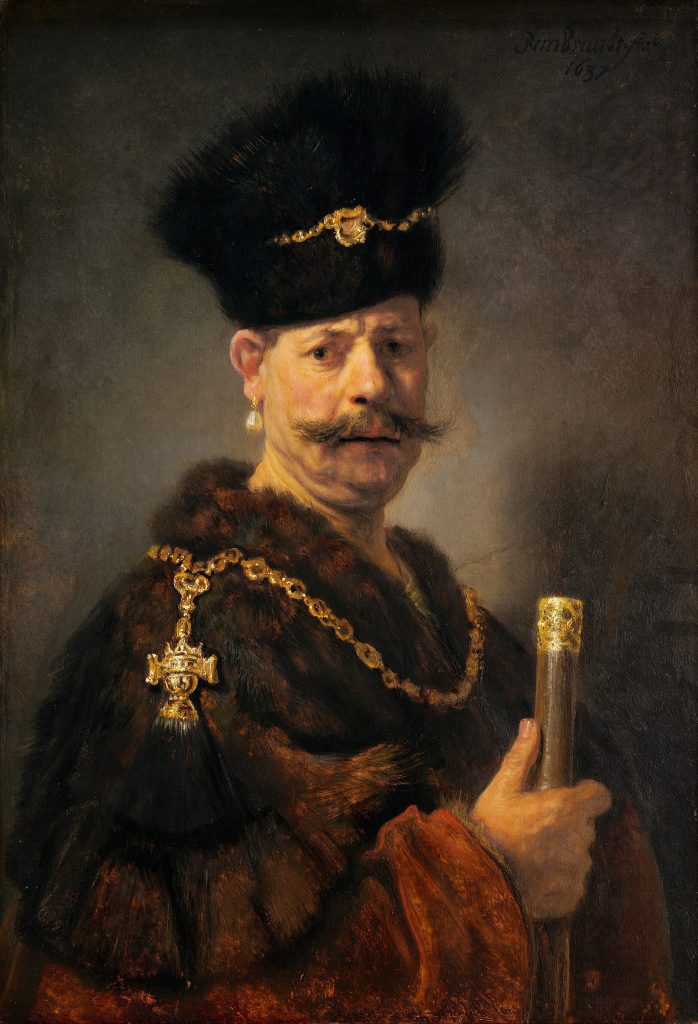
Few names in the history of art resonate as profoundly as Rembrandt Harmenszoon van Rijn. A central figure during the Dutch Golden Age, Rembrandt is widely regarded for his unmatched ability to manipulate light and shadow, using them not only to bring visual depth to his work but also to capture the emotional complexity of his subjects.
Born in the city of Leiden in 1606, Rembrandt began his artistic journey in an era of great cultural and economic prosperity in the Netherlands. Over the years of his life, he developed a body of work that spans paintings, drawings and etchings, many of which are still considered some of the most influential in Western art. His deeply human approach to storytelling and technical mastery positioned him not just as an artist of his time, but as one whose influence has endured across centuries.
From his early training and rise to fame, to iconic works such as The Night Watch and The Anatomy Lesson of Dr Nicolaes Tulp, we will trace how Rembrandt helped shape the narrative of art history through both innovation and introspection.
From Leiden to Mastery: Rembrandt’s Early Life, Education and Artistic Foundation
Birth and Family Background
Rembrandt Harmenszoon van Rijn was born on 15 July 1606 in Leiden, a thriving university city in the Dutch Republic. He was the ninth of ten children in a large, respectable, and relatively comfortable family. His father, Harman Gerritszoon van Rijn, worked as a miller, operating a windmill on the ramparts of the city a profession that offered a stable income. His mother, Neeltgen Willemsdochter van Zuytbrouck, came from a family of bakers. Though not members of the elite or landed class, the van Rijn family were well-positioned in the artisan middle class and had the means to provide their children with an education.
Early Schooling and Classical Education
Rembrandt’s academic path began at the Latin School of Leiden, where he studied classical languages, including Latin and possibly some Greek, alongside rhetoric and scripture. This type of schooling was designed to prepare boys for university and public life, and it introduced him to the kinds of moral and biblical themes that would later influence his art.
In 1620, at the age of just 14, Rembrandt enrolled at the University of Leiden, though his time there was short-lived. There is little evidence he pursued any formal academic degree. Instead, it appears that he had already begun to feel drawn toward the arts, and left university to pursue painting a decision that would set the course for his entire life.
Artistic Training: Learning the Craft
In 1621, Rembrandt began his artistic apprenticeship under Jacob van Swanenburgh, a local painter known for his depictions of religious and mythological scenes, often involving complex spatial arrangements and dramatic lighting. He studied with van Swanenburgh for around three years, learning the fundamentals of oil painting, perspective, and composition.
To refine his style further, Rembrandt moved to Amsterdam in 1624 to study under Pieter Lastman, one of the most respected history painters of the time. Lastman’s work was distinguished by its theatricality, rich detail, and the effective use of light and shadow to heighten drama elements that would become central to Rembrandt’s own artistic vocabulary. Though their time together was relatively brief, the influence of Lastman was profound and long-lasting.
Early Collaborations and Return to Leiden
Following his training with Lastman, Rembrandt returned to Leiden and established his own studio around 1625. Around this time, he formed a working partnership with Jan Lievens, another young and ambitious painter from Leiden. The two artists, close in age, shared ideas, models, and techniques. In fact, their styles during this early period were so similar that even expert critics have occasionally had difficulty attributing works definitively to one or the other.
This collaborative period with Lievens marked the beginning of Rembrandt’s professional career. It was also the first time his work began attracting serious attention outside his hometown including from art dealers and collectors in Amsterdam, which would soon become the centre of his life and career.
Rise to Prominence
Move to Amsterdam and Professional Breakthrough
By the early 1630s, Rembrandt’s growing reputation in Leiden caught the attention of patrons and collectors in Amsterdam, then a booming cultural and economic centre of the Dutch Republic. In or around 1631, he made the strategic decision to move there permanently. This move was pivotal. Amsterdam not only had a larger, wealthier clientele but also offered Rembrandt access to a sophisticated network of art dealers, intellectuals and civic institutions.
One of the most influential figures in Rembrandt’s early Amsterdam career was Hendrick van Uylenburgh, a respected art dealer and entrepreneur. Van Uylenburgh managed a busy studio that provided portraits and decorative works to the city’s elite. He offered Rembrandt studio space and introduced him to a steady stream of high-profile clients. This relationship gave Rembrandt exposure and professional stability at a critical time in his development. It was also through van Uylenburgh that he met Saskia van Uylenburgh, Hendrick’s cousin, who later became Rembrandt’s wife.
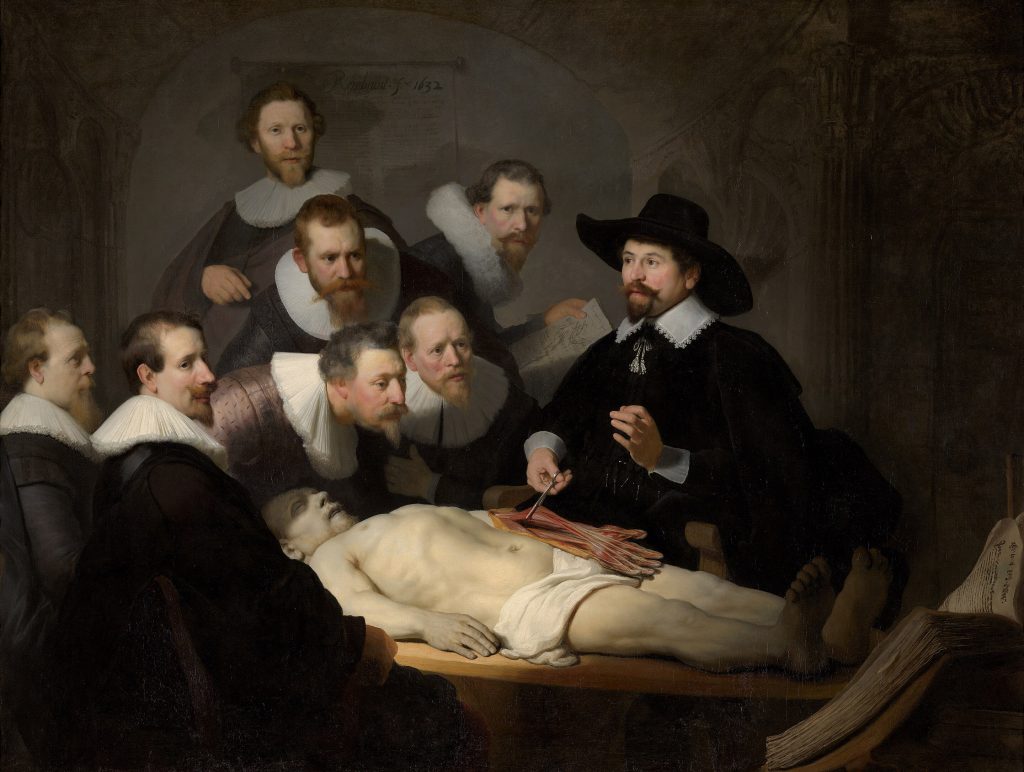
The Anatomy Lesson of Dr Nicolaes Tulp
One of Rembrandt’s earliest and most celebrated public commissions in Amsterdam was The Anatomy Lesson of Dr Nicolaes Tulp, completed in 1632. The painting shows Dr Tulp and his fellow guild members observing a dissection a formal group portrait with striking theatricality and moral depth. Its composition, use of chiaroscuro, and emotional intensity immediately set it apart from more conventional civic portraits of the time.
The painting was groundbreaking for its time, demonstrating Rembrandt’s ability to combine anatomical precision with psychological insight. It firmly established him as a serious and imaginative portraitist capable of handling prestigious public commissions.
This masterpiece is now part of the collection at The Mauritshuis in The Hague. The painting is also explored in detail through educational materials provided by the National Gallery. Additionally, it is discussed on platforms such as Khan Academy, where it is examined within the broader context of Dutch civic portraiture and 17th-century art.
Laying the Foundations for a Lifelong Career
Following this breakthrough, Rembrandt became one of Amsterdam’s most sought-after portraitists. He received a steady stream of commissions, both from individuals and from institutions. These years were among the most professionally secure of his life, laying the groundwork for many of the large-scale history paintings and intimate studies of human emotion that would later define his legacy.
Mastery of Light and Shadow
Light as Emotion, Not Just Illumination
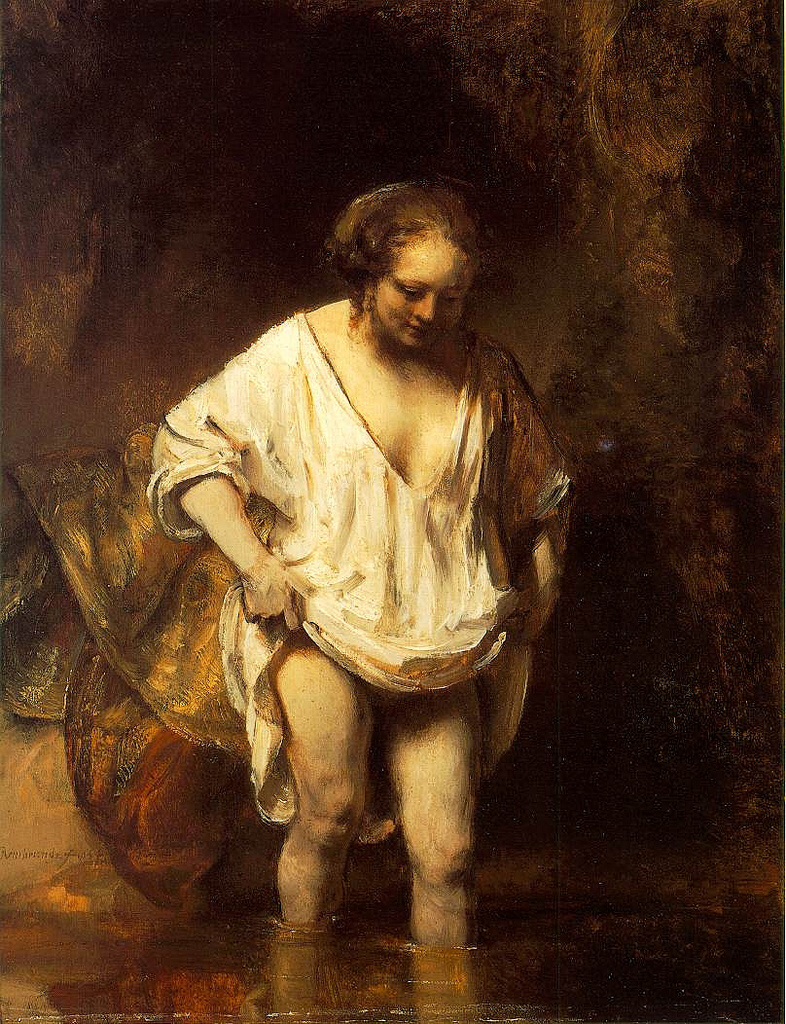
For Rembrandt, light was never just a technical element. It was a narrative tool. He used it to build atmosphere, focus attention and express the inner lives of his subjects. While the technique of using strong contrast between light and dark, known as chiaroscuro, had existed before him, Rembrandt turned it into a personal language.
Rather than filling a canvas with even light, he would often let large areas remain in shadow. From this darkness, faces and figures would emerge slowly, sometimes partially. This gave his work a sense of intimacy and mystery, drawing the viewer into the story unfolding on the canvas. In doing so, he broke away from the more polished and staged approaches used by many of his contemporaries.
Storytelling in Shadow
Rembrandt’s most moving works often carry a quiet emotional power, and his handling of light plays a central role in that. In The Return of the Prodigal Son, now housed in the Hermitage Museum, a soft glow illuminates the father’s hands as they rest on the back of his kneeling son. The rest of the scene retreats into darkness. There is no unnecessary detail. Only feeling.
In his self-portraits, light falls unevenly across his face, accentuating age, vulnerability and thought. His portrayal of himself changes over time, but always keeps a certain honesty. He never flatters himself, even when painting in later years with deep lines and tired eyes.
Drawing with Light
Rembrandt’s mastery of light extended beyond painting. In his drawings and etchings, he used delicate lines and tonal variation to similar effect. His etching Christ Preaching, often called The Hundred Guilder Print, shows Christ gently illuminated while the surrounding crowd fades into the background. With ink alone, Rembrandt created a powerful sense of spiritual presence and emotional focus.
This ability to tell stories using contrast and suggestion made him stand out not only in his time but for generations to come.
A Lasting Influence
Rembrandt’s handling of light inspired countless artists after him. His approach can be seen in the work of painters like Goya, in the psychological tension of later portraiture, and even in modern photography and film. Wherever artists use shadow to evoke feeling or direct the eye, Rembrandt’s legacy is present.
Signature Works
Rembrandt created hundreds of paintings and etchings during his lifetime, but a handful stand out as defining moments in his career and in the development of European art. These are works that not only showcase his technical ability, but also his emotional insight, narrative skill and deep understanding of the human condition.
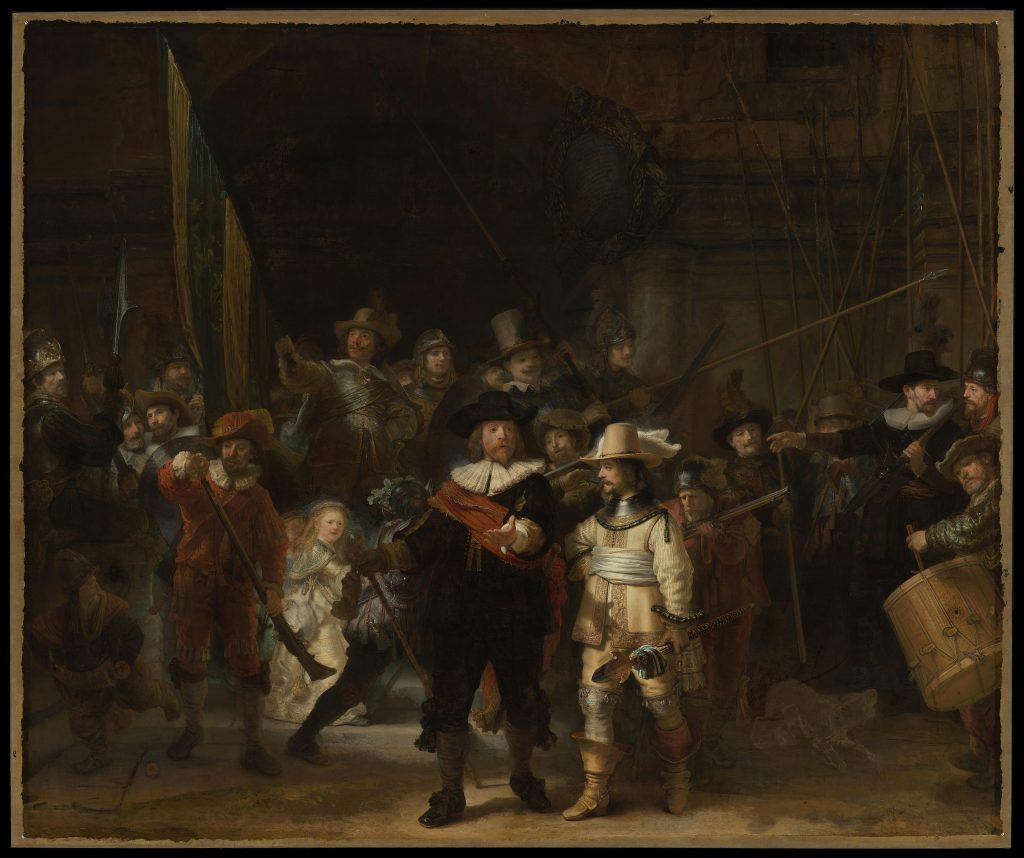
The Night Watch (1642)
Perhaps Rembrandt’s most famous painting, The Night Watch is a monumental group portrait of a militia company, commissioned by the city of Amsterdam. Unlike earlier portraits of civic groups that were rigid and formal, this composition is dynamic and full of movement. The figures are arranged in a dramatic scene, as if caught in the middle of a procession or action.
What makes this painting so important is the way it broke conventions. Rembrandt included light and shadow to highlight certain faces and gestures, drawing the viewer’s eye around the canvas. Not every subject is equally visible or flattered, which caused some controversy at the time. But it is precisely this realism and theatricality that has made The Night Watch a masterpiece of 17th-century painting.
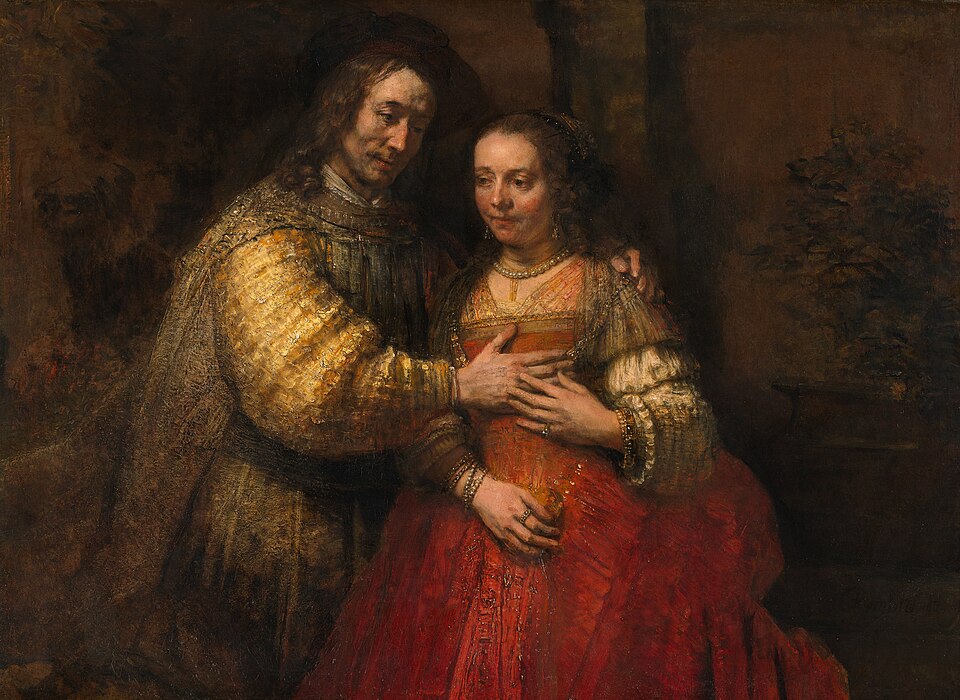
The Jewish Bride (c. 1665–1669)
This later work is a deeply personal and intimate portrayal of a couple, possibly a father and daughter or husband and wife. The identities of the subjects are unknown, and that mystery adds to the painting’s quiet emotional power.
What sets The Jewish Bride apart is its tenderness. Rembrandt uses rich, textured brushwork and subdued colours to capture a moment of connection between two people. There is no action or narrative, just affection and stillness. It is often considered one of the most moving depictions of love in Western art.
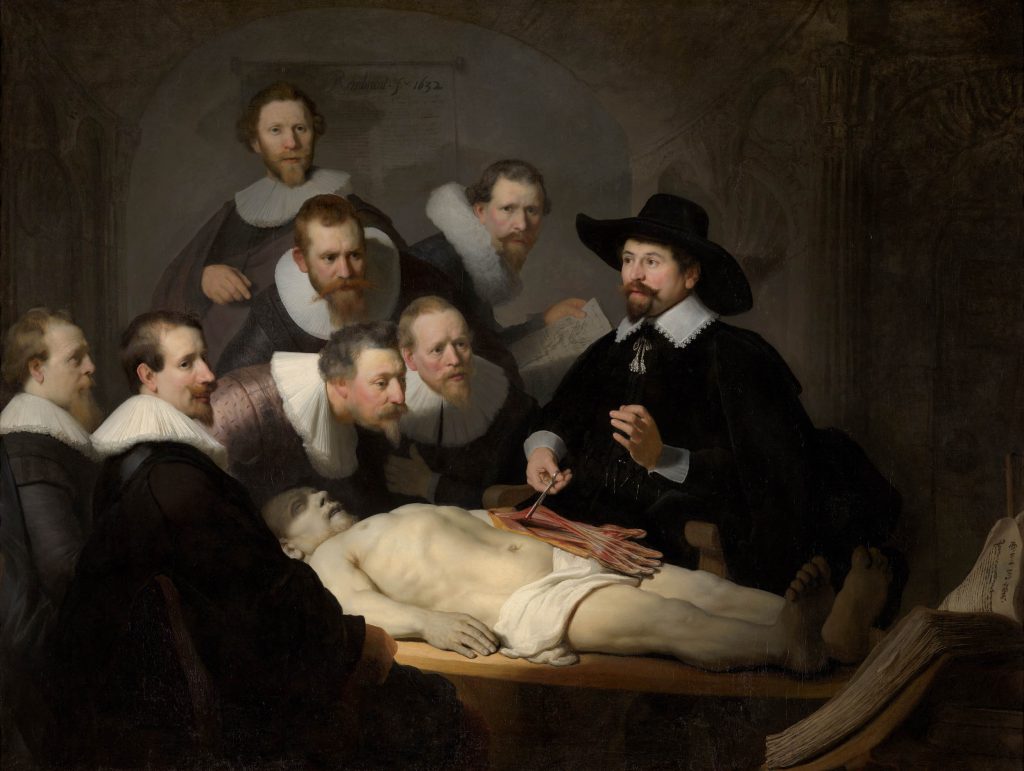
The Anatomy Lesson of Dr Nicolaes Tulp (1632)
This work was a breakthrough for Rembrandt and marked his arrival in Amsterdam’s art scene. Commissioned by the Surgeons’ Guild, it depicts a public dissection led by Dr Tulp. Rather than painting a flat, posed group, Rembrandt gave the scene dramatic lighting and tension, with each participant caught in a naturalistic moment.
The painting’s composition and psychological depth helped establish Rembrandt as one of the leading artists of his generation.
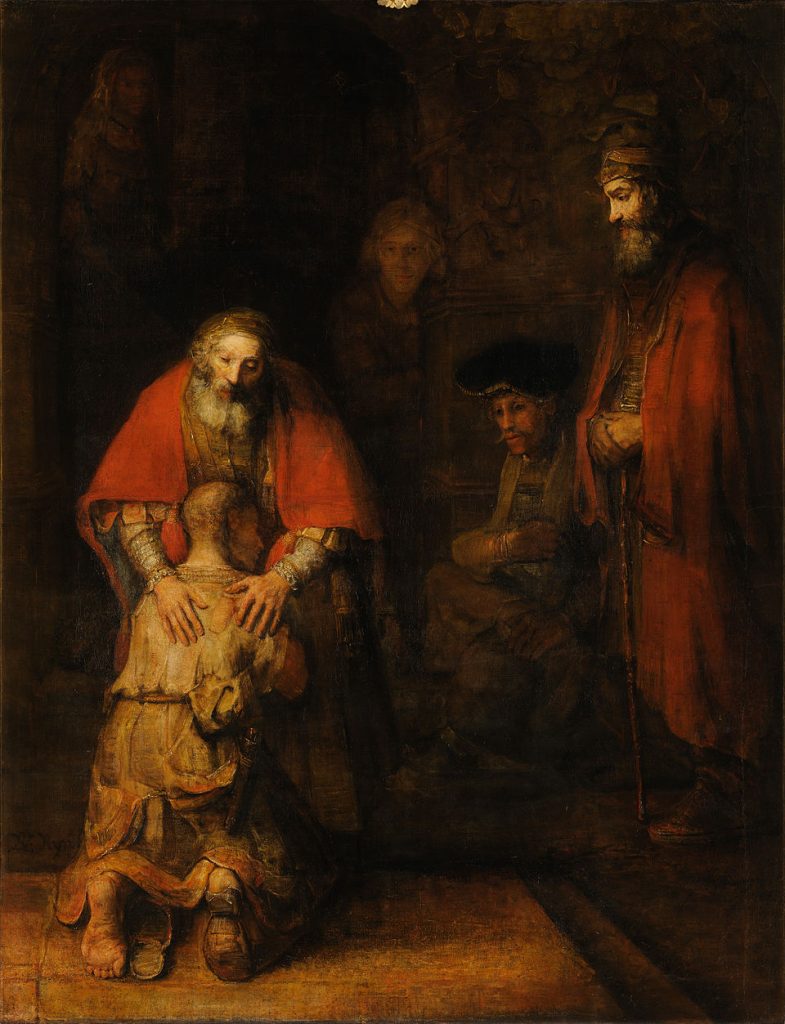
The Return of the Prodigal Son (c. 1669)
Completed near the end of his life, this painting shows the biblical moment when a father welcomes back his lost son. The lighting is soft and focused, drawing attention to the father’s hands resting gently on his son’s back. Other figures observe from the shadows.
This painting is often seen as one of Rembrandt’s most profound works, both spiritually and emotionally. It reflects his interest in forgiveness, human vulnerability and the quiet dignity of compassion.
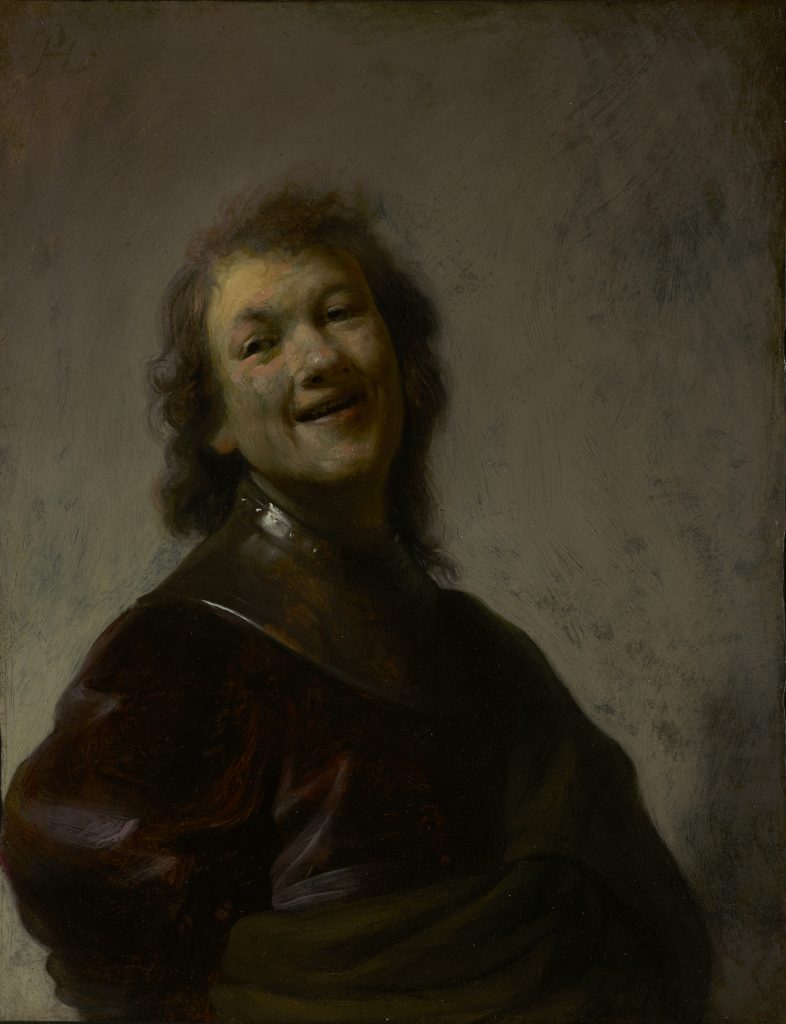
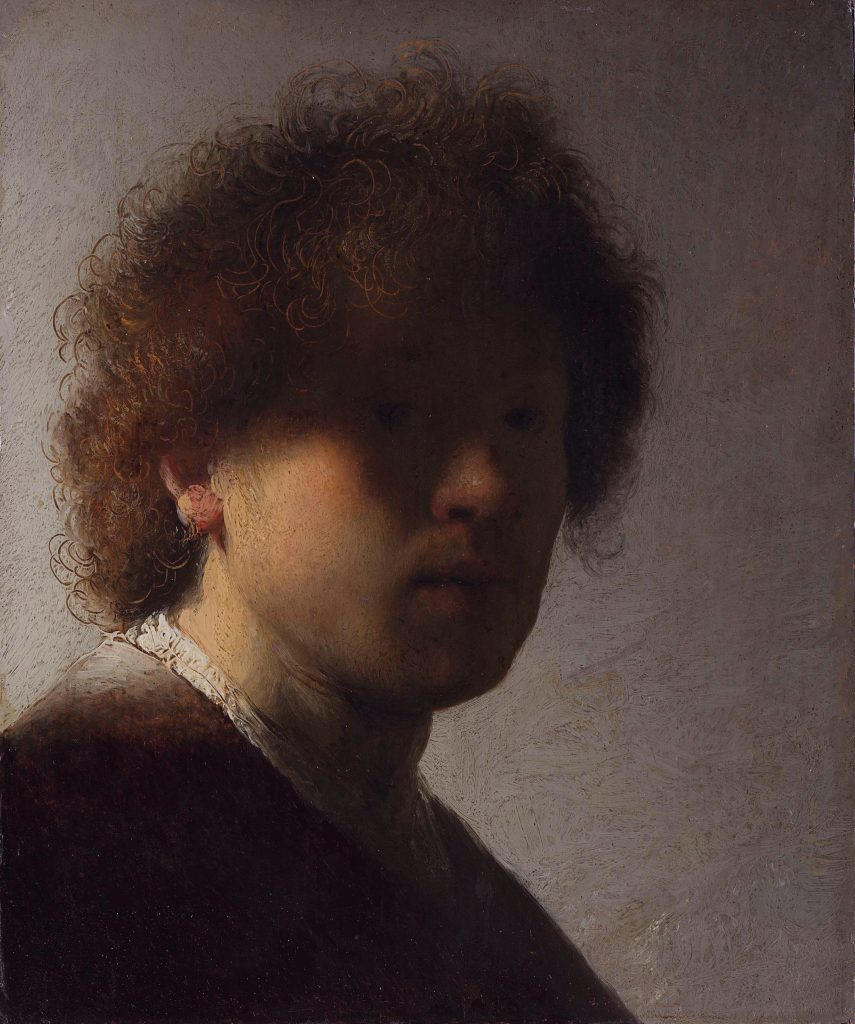
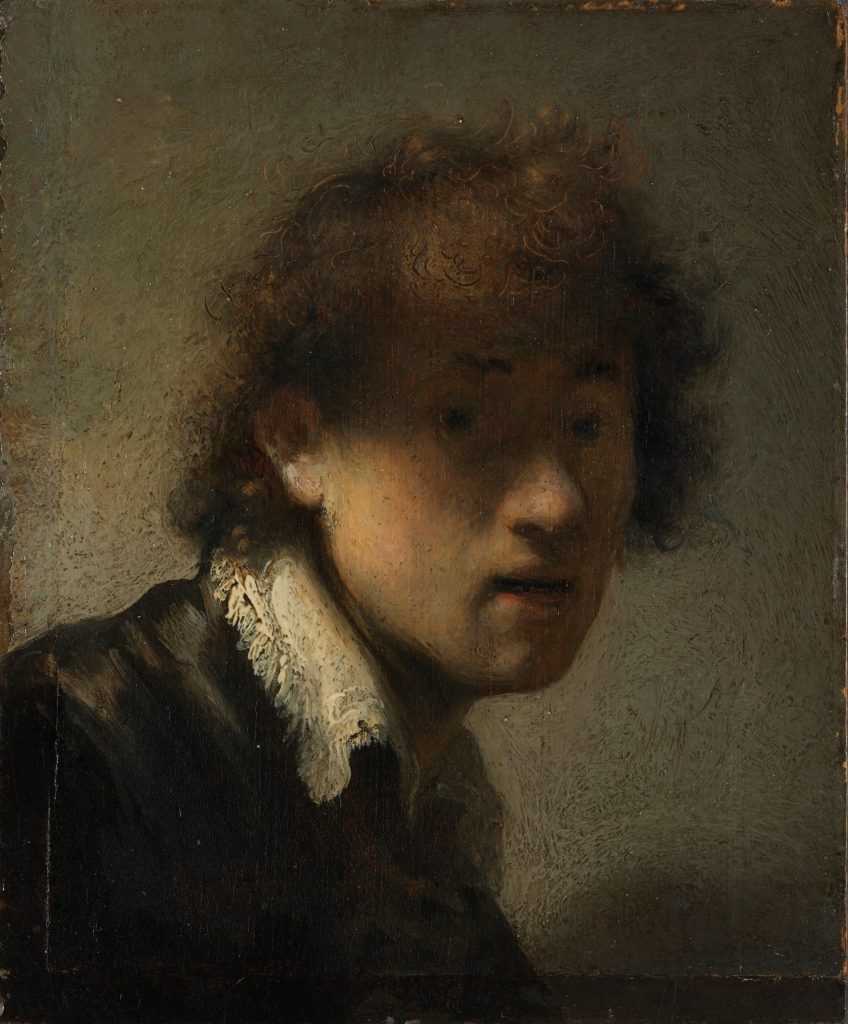
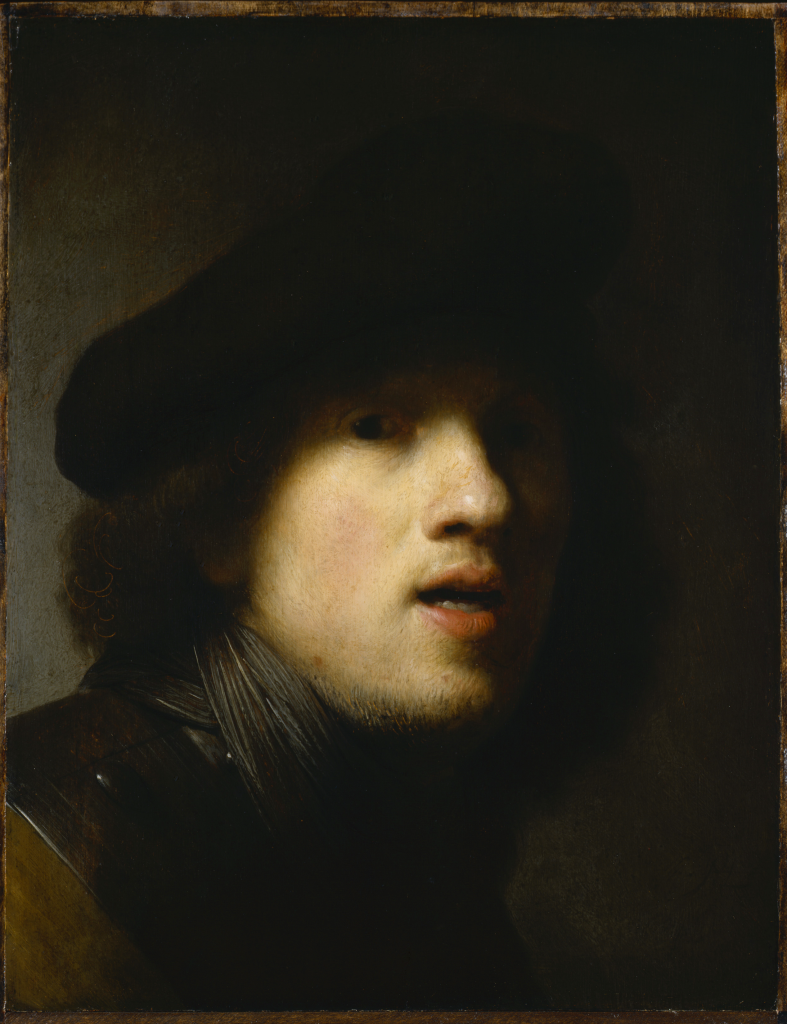
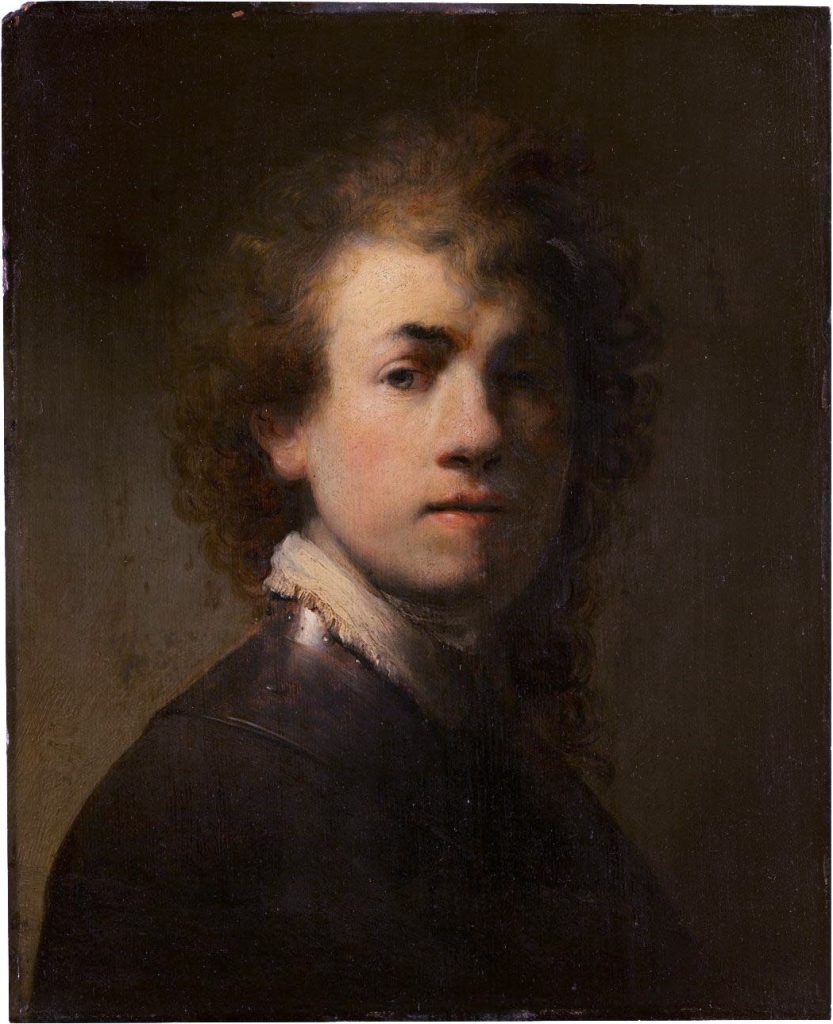
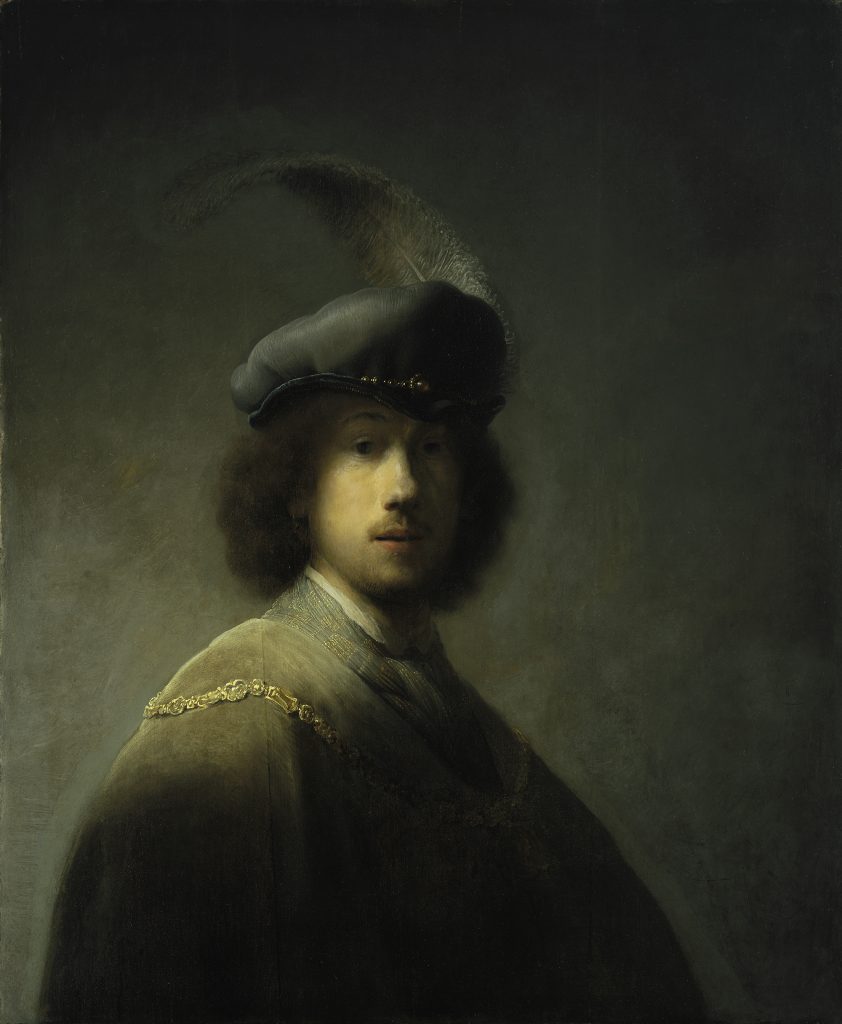
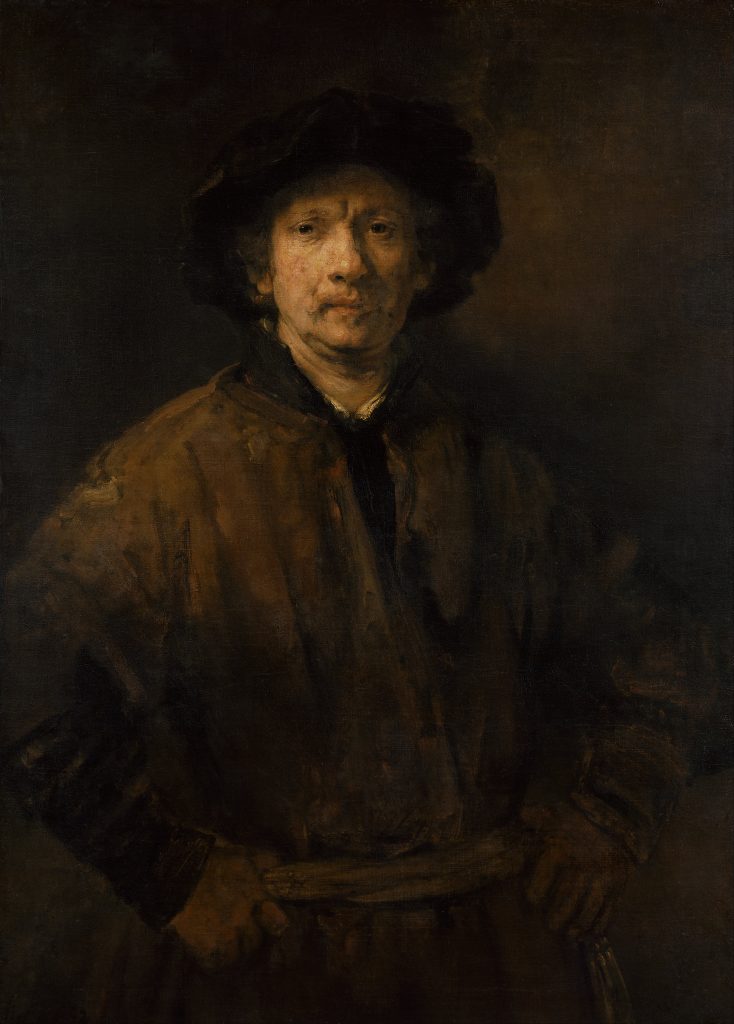
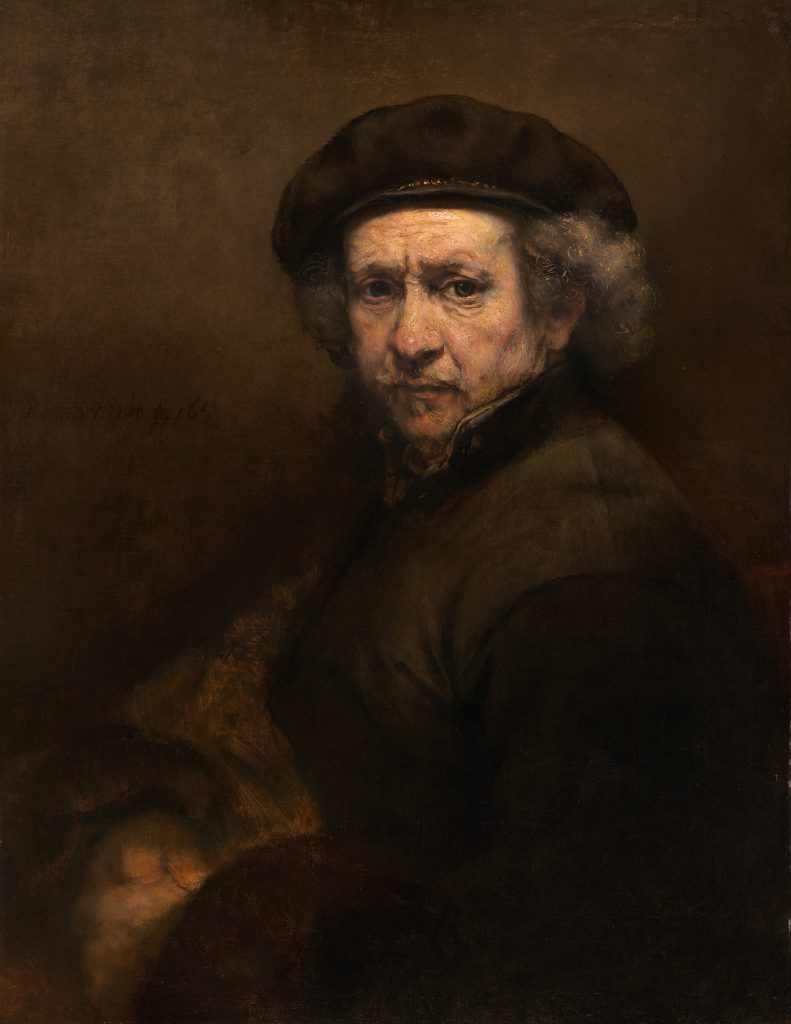
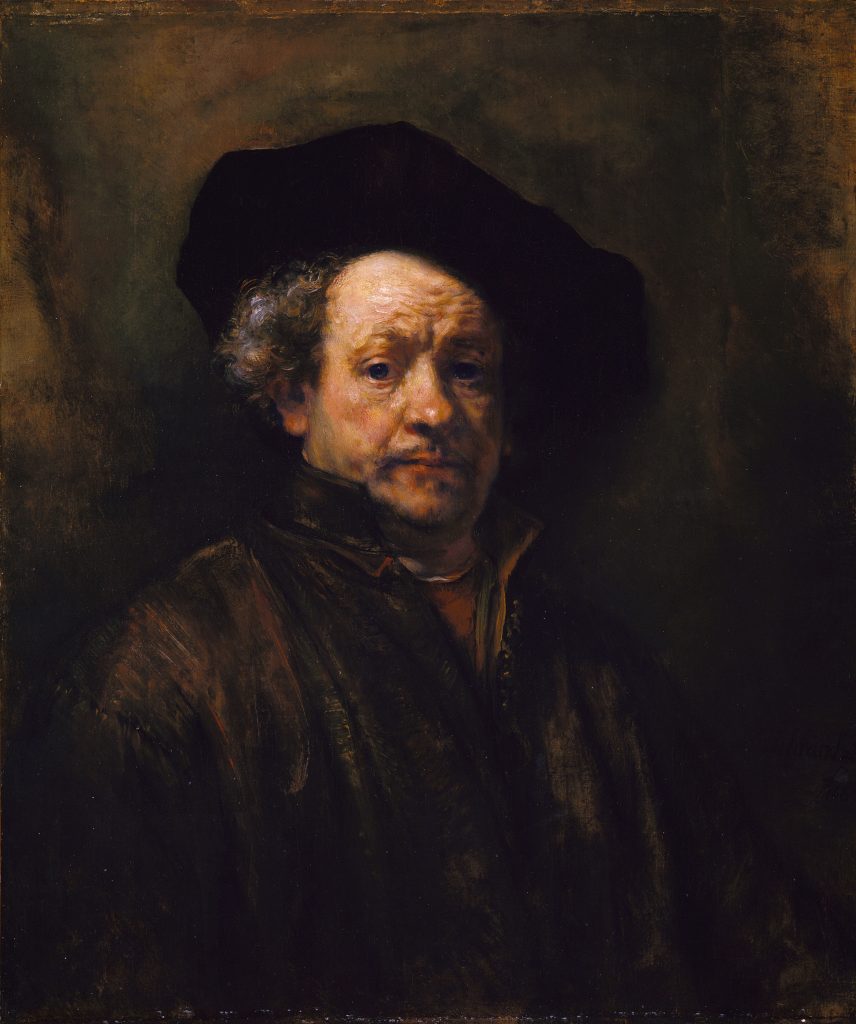
Self-Portraits (1620s to 1669)
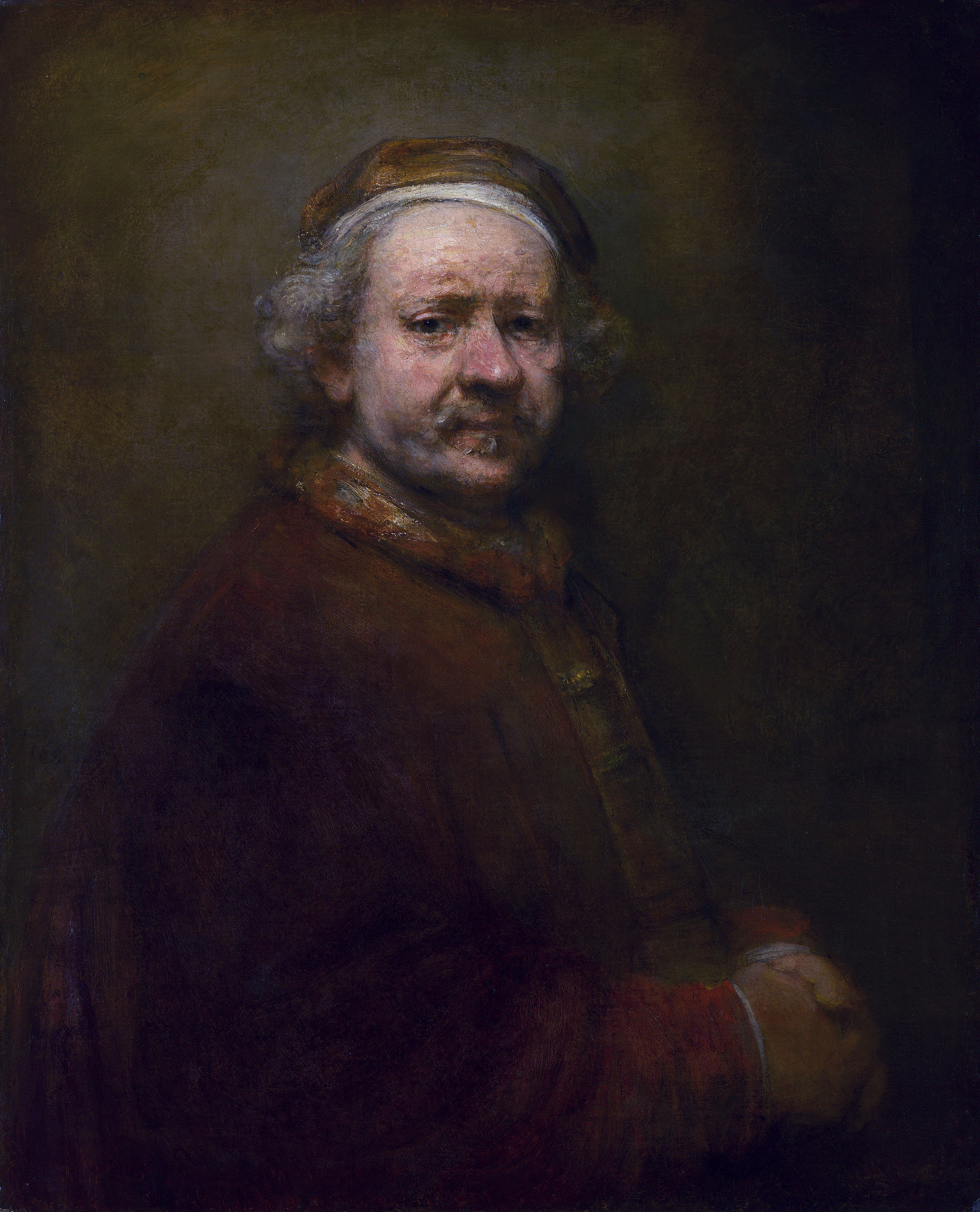
Across four decades, Rembrandt painted over 40 self-portraits. These works form a unique visual diary, documenting his growth as an artist and the effects of time on his face. Early self-portraits show confidence and experimentation, while later ones are introspective and unflinching.
These portraits were not merely studies of appearance. They were acts of observation, honesty and vulnerability. Today, they offer an extraordinary insight into the life of one of history’s greatest painters.
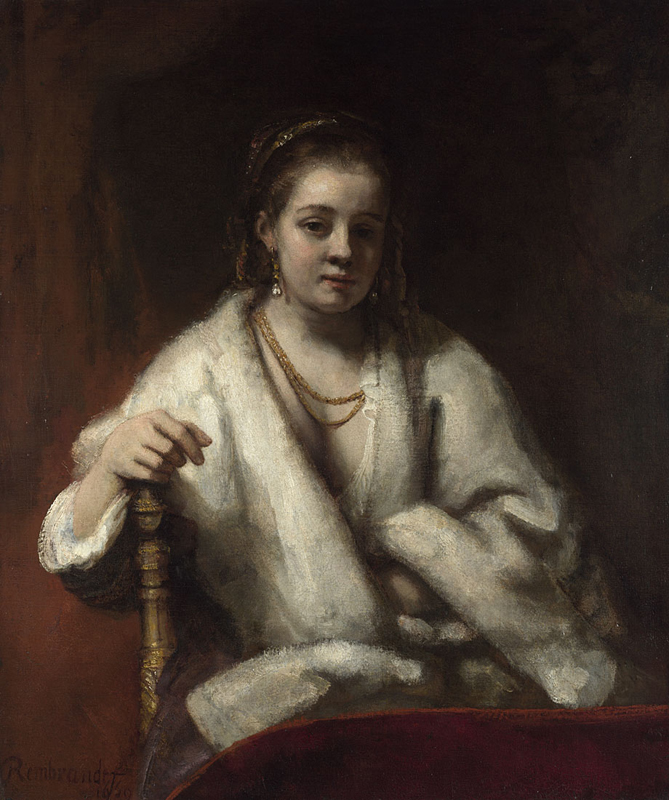
Oil on canvas, 101.9 x 83.7 cm, Bought with a contribution from the Art Fund, 1976
https://www.nationalgallery.org.uk/paintings/NG6432
Personal Life and Challenges
A Marriage of Love and Loss
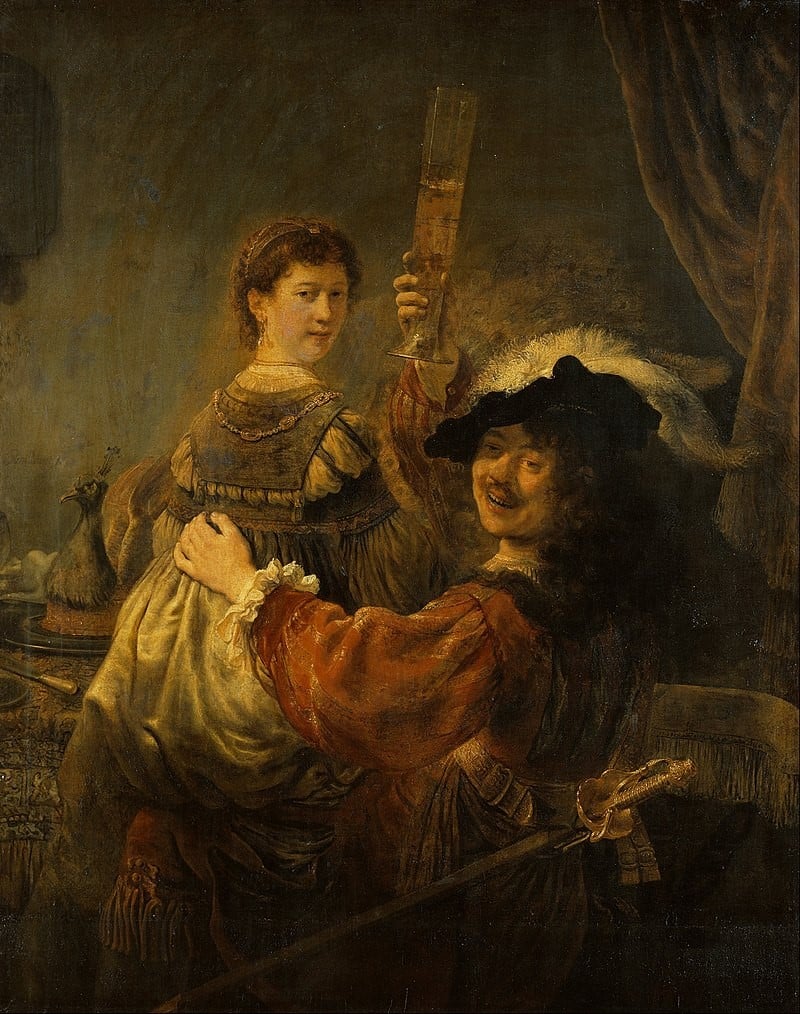
In 1634, Rembrandt married Saskia van Uylenburgh, the cousin of art dealer Hendrick van Uylenburgh. Saskia came from a well-off Frisian family and brought a generous dowry, which helped Rembrandt establish himself more securely in Amsterdam. The couple lived comfortably, and Saskia served as a model for many of his paintings and drawings.
Their marriage, though filled with artistic inspiration, was also marked by personal tragedy. Of the four children they had, only one, Titus, survived beyond infancy. Saskia herself died in 1642, possibly from tuberculosis, just months after the completion of The Night Watch. Her death deeply affected Rembrandt, both emotionally and artistically. Many believe the somber tone of his later works began around this time.
Later Relationships and Family Life
Following Saskia’s death, Rembrandt developed a relationship with Hendrickje Stoffels, a young woman who had worked in his household. Though they never officially married, she became his common-law wife and bore him a daughter, Cornelia. Hendrickje appeared in several of Rembrandt’s paintings, often portrayed with great tenderness and dignity.
Their relationship, however, was not without social difficulties. Hendrickje was reprimanded by the Dutch Reformed Church for living with Rembrandt outside of marriage, a reminder of the moral pressures of 17th-century society.
Financial Decline and Bankruptcy
Despite his early success, Rembrandt’s later years were overshadowed by financial trouble. He had a tendency to live beyond his means, purchasing expensive art, prints and antiques. After years of declining commissions and the collapse of the Dutch art market, his income could no longer support his lifestyle.
In 1656, Rembrandt was forced to declare bankruptcy. His house and possessions were auctioned off, and he moved into more modest accommodation. Although he continued to paint and receive some commissions, he was no longer the celebrated figure he once had been. Still, some of his greatest works were created during this period, reflecting a rawness and honesty that came from personal hardship.
How His Struggles Shaped His Work
The emotional and financial trials Rembrandt endured later in life are often seen in the tone and subjects of his paintings. His brushwork became looser, his colour palette darker, and his subjects more introspective. Works like The Jewish Bride and his final self-portraits are filled with compassion and gravity.
Far from weakening his creativity, these challenges seemed to bring a new depth to his art. They gave him a more profound understanding of human vulnerability, dignity and resilience, qualities that continue to resonate with viewers today.
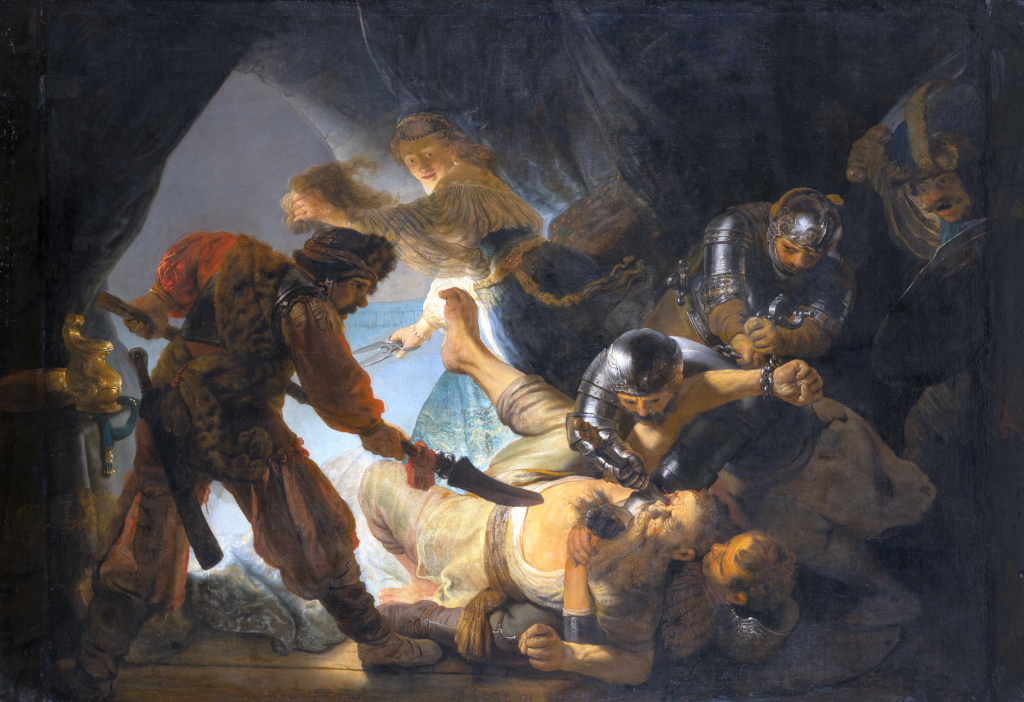
Rembrandt’s Legacy
Influence on Art Across Centuries
Rembrandt’s influence on the history of art is vast and enduring. During the Dutch Golden Age, he stood apart from his peers not only in technique, but in depth of feeling and human insight. His ability to portray character, emotion and narrative in both grand history paintings and intimate portraits was unmatched in his time.
His work influenced generations of artists across Europe. From 18th-century Romantic painters to 20th-century expressionists and even contemporary portraitists, Rembrandt’s raw humanity and expressive use of light remain a benchmark of artistic depth. His approach continues to inform how artists think about storytelling, form and psychological realism in visual art.
Where His Work Lives Today
Rembrandt’s paintings, drawings and etchings are held in some of the world’s most respected art collections. The Rijksmuseum in Amsterdam houses many of his major works, including The Night Watch and The Jewish Bride. His former home, now the Rembrandt House Museum, preserves a large archive of his etchings and provides insight into his life and techniques.
Other significant collections can be found in the National Gallery in London, the Louvre in Paris, the Hermitage in Saint Petersburg and the Metropolitan Museum of Art in New York. Exhibitions dedicated to his work continue to attract record numbers of visitors, proving that his appeal crosses generations and cultures.
Why He Still Matters
Rembrandt remains relevant because his work goes beyond technique. He painted people not as ideals, but as they truly were: flawed, vulnerable and beautiful in their imperfection. His storytelling was quiet but profound, often built on silence, subtle glances or the gentle fall of light on a face.
In today’s fast-moving and polished world, Rembrandt’s paintings offer a moment of stillness and truth. His exploration of the human soul continues to resonate, reminding us that art’s deepest power lies in its ability to reflect who we are.
A Lasting Impression on the World of Art
Rembrandt Harmenszoon van Rijn left a body of work that continues to shape how we view painting, portraiture and narrative art. His journey from a miller’s son in Leiden to a master artist in Amsterdam is a testament to his skill, vision and resilience. Despite personal tragedy and financial hardship, his work never lost its clarity or purpose.
From powerful group portraits like The Night Watch to quiet and introspective self-portraits, Rembrandt showed that art can express not just what people look like, but who they truly are. His treatment of light, emotion and character set a new standard that remains relevant centuries later.
An Invitation to Discover
To truly understand Rembrandt’s legacy, one must spend time with his work. Visit museums, study his etchings, or simply pause in front of one of his portraits. His art does not demand attention with spectacle, but invites reflection through honesty and depth.
In a world often focused on the surface, Rembrandt offers something deeper. He invites us to see ourselves, and others, more clearly.
Leave a Reply