
No products in the cart.
What Makes a Contemporary Figurative Painting Feel Human?
A figurative painting can show a person and still feel empty. Another can show only a shoulder, a turned head, a hand on a table or a figure half hidden in shadow, and somehow feel deeply human.
That difference is not only about technical skill. A perfectly painted face can feel cold. A loosely painted body can feel more alive than a detailed portrait. What matters is the relationship between the figure, the surface, the space around the body, and the feeling the artist allows to remain unresolved.
Contemporary figurative painting has become one of the most interesting areas of modern painting because artists are no longer trying to prove that they can copy the human body. Photography, film and digital images already do that quickly. Painters today often ask a more difficult question: what does it mean to paint a person now?
The answer changes from artist to artist. For some, the painted figure is about identity, race, gender, memory or history. For others, it is about touch, flesh, solitude, family, desire, grief, awkwardness or power. Some painters work from life. Some work from photographs. Some invent figures completely. Some paint the body with tenderness. Others distort it because distortion feels more honest than polish.
This guide looks at what makes contemporary figurative painting feel human. It is written for gallery visitors, collectors, artists, students and anyone who wants to understand why the painted figure still holds our attention.

What is figurative painting?
Figurative painting is painting that keeps a clear connection to the real world, especially the human figure. It may show a person, body, face, group of figures, interior scene, animal, object or landscape. In everyday art writing, the phrase is often used for paintings of people.
A figurative painting does not need to be realistic. It can be loose, expressive, distorted, fragmented, symbolic, flat, decorative or almost abstract. What matters is that the viewer can still recognise a reference to the visible world.
- A realistic portrait is figurative.
- A loosely painted body is figurative.
- A distorted face can be figurative.
- A group of invented people can be figurative.
- A painting based on a photograph can be figurative.
- A painting that only hints at a body through shape, gesture or outline can still be figurative.
This makes figurative painting broader than portrait painting. A portrait usually focuses on a particular person or likeness. Figurative painting may show a real person, an invented person, a body without identity, a group, a social scene or a figure used as a way to explore wider questions.

What is contemporary figurative painting?
Contemporary figurative painting usually means figurative painting made from the late twentieth century to the present day. It includes living artists and recent generations who paint the body, face and human presence in ways shaped by current life.
It is not one style. Contemporary figurative painting can look realistic, rough, delicate, flat, graphic, expressive, dreamlike, theatrical or quiet. What connects it is the continued use of the figure at a time when artists have many other choices.
A contemporary figurative painter may be interested in:
- The body
- Portraiture
- Identity
- Race
- Gender
- Family
- Memory
- Queer life
- Migration
- Interiors
- Public space
- The history of painting
- Photography
- Social media
- Clothing
- Gesture
- Domestic life
- Political visibility
- The gaze
- Vulnerability
- Everyday private moments
What makes the work contemporary is not simply the date. It is the awareness of the world the figure now lives in. A painted person today carries the history of portraits, nudes, religious figures, colonial images, photography, fashion, cinema, advertising and online self-image. Contemporary painters cannot approach the body innocently. They know the human figure has been admired, judged, idealised, controlled and misrepresented for centuries.
That is why the best contemporary figurative painting often feels alert. It knows that a figure is never just a figure.
Why is figurative painting still important?
Figurative painting matters because people still look for people.
A face, body or hand gives the viewer a point of recognition. Even when the painting is strange, we instinctively read posture, expression, distance and touch. We know what it means to turn away, sit heavily, lean forward, avoid eye contact or hold someone close. The body is a language we read before words.
This is why figurative painting has not disappeared, even after abstraction, conceptual art, photography and digital media. The human figure remains one of art’s most direct subjects.
But contemporary figurative painting is not simply a return to tradition. It often questions tradition. For a long time, many bodies were painted through narrow ideals: heroic male bodies, passive female nudes, wealthy sitters, religious figures, colonial subjects and portraits of power. Contemporary artists have challenged those limits by painting different bodies, different rooms, different relationships and different forms of selfhood.
Figurative painting remains important because it can hold recognition and challenge at the same time. We recognise the body, but the painting asks us to see it differently.
The difference between a figure and a human presence
A figure is a shape in a painting.
A human presence is something more difficult to define.
A painting can show the full human body and still feel lifeless. Another can show only the back of a head and feel full of thought. Human presence comes from the way the painter handles the figure’s relation to space, light, surface and silence.
A figure begins to feel human when it seems to have an inner life, even if that inner life is hidden. This does not mean the artist must paint facial expression in detail. A face can be blank and still feel human. A body can be turned away and still carry feeling.
Human presence often comes through:
- Posture
- Gesture
- Weight
- Hands
- Distance
- Eye contact
- Clothing
- Skin
- Scale
- Setting
- Touch
- Silence
- Uncertainty
A convincing figurative painting leaves the viewer sensing that something is happening beneath the visible surface.
The face is not always the centre
Many people assume the face is the key to figurative painting. It often is, but not always.
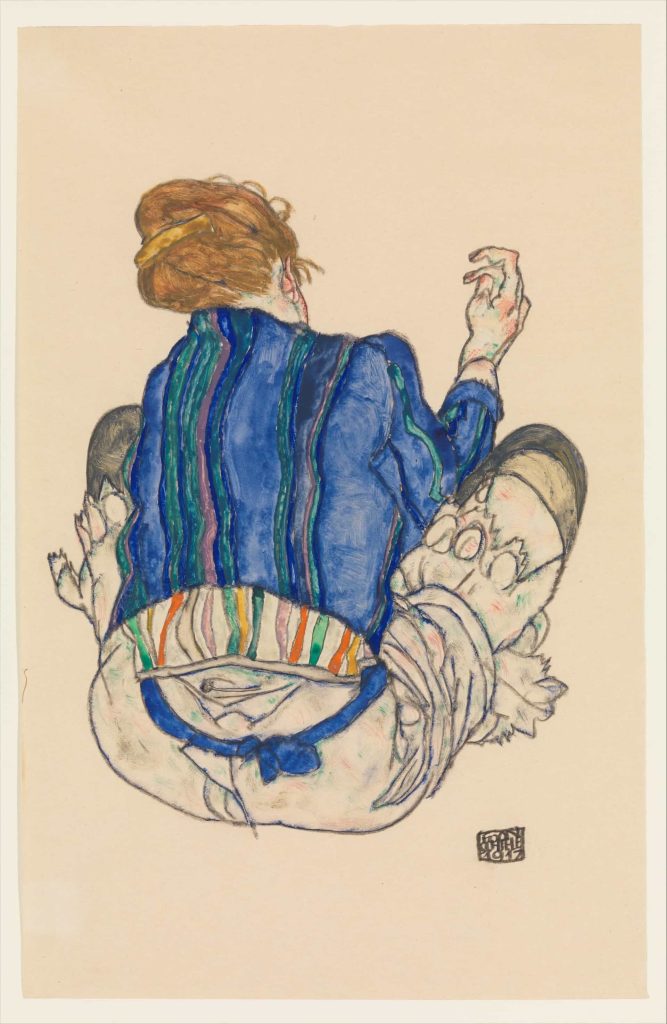
A painter can make a figure feel human without giving us a clear face. The back of a body, the slump of shoulders, the curve of a spine, the placement of a foot or the angle of a wrist can carry as much feeling as a portrait.
This is important because contemporary figurative painting often avoids easy expression. A smiling face can be too simple. A crying face can be too direct. Some painters prefer quieter signals because they feel more truthful.
Think about how people behave in real life. Emotion is not always displayed clearly. People hide feelings, perform confidence, look away, sit still, fidget, fold their arms, turn towards a window or hold tension in their hands. Painting can notice those small human facts.
A good figurative painting does not need to tell us exactly what the person feels. It needs to make us care enough to keep looking.

Gesture: the body before words
Gesture is one of the strongest ways a figurative painting becomes human.
A gesture can be tiny. A hand near the mouth. A head turned slightly down. A knee pulled in. A body leaning away. A foot placed at an awkward angle. These small details can make a painted figure feel alive because they suggest habit, hesitation or mood.
Gesture also reveals what a figure will not say. A person may face the viewer, but their body may seem guarded. Another may turn away, but the curve of the back may feel intimate. A group may sit together, yet each body may reveal distance.
For artists, gesture is often more useful than expression. Expression can become theatrical. Gesture can stay subtle.
When looking at a figurative painting, ask:
- Where is the weight of the body?
- Are the shoulders relaxed or tense?
- Are the hands active or still?
- Does the figure face us, avoid us or ignore us?
- Does the pose feel natural, staged or impossible?
- What does the body reveal that the face hides?
These questions help move the viewer beyond likeness into presence.
Skin, flesh and the painted surface
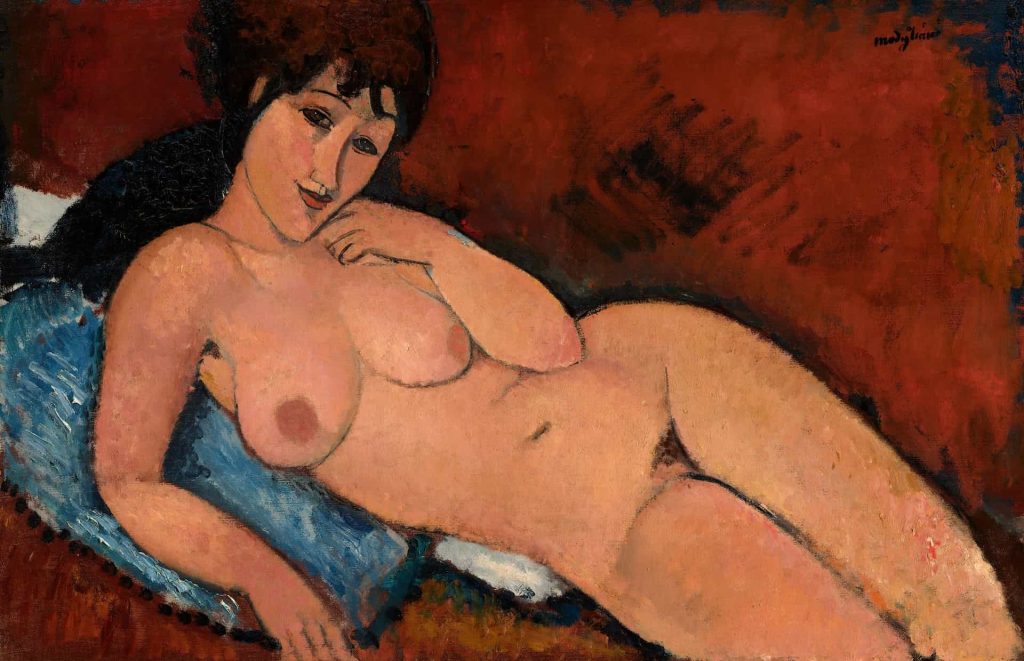
Skin is one of the hardest things to paint because it is never only colour. Skin carries light, warmth, age, touch, injury, pressure, identity and history.
In contemporary figurative painting, skin can be painted in many ways. Jenny Saville uses flesh as weight, pressure and physical fact. Lucian Freud painted skin with dense scrutiny, making the body feel exposed and particular. Lynette Yiadom-Boakye often paints dark skin with tonal restraint, giving her invented figures depth without over-explaining them. Marlene Dumas uses diluted paint and staining to make faces and bodies feel psychologically unstable.
Skin in painting is not just surface. It is where the body meets the world.
Some painters use thick paint to make flesh feel heavy. Others use thin washes to make the body feel fragile or ghostlike. Some use unexpected colours because natural skin tones are not enough to describe the feeling of being seen.
This is where painting has an advantage over photography. Paint does not simply record skin. It can interpret it. It can make skin feel bruised, luminous, tired, soft, resistant, exposed or protected.
A figurative painting feels human when the surface of the paint seems connected to the surface of the body.
Imperfection and the feeling of life
Human beings are not symmetrical, polished or still. We move, age, tense, sag, lean, flush, bruise, scar and shift. A figurative painting that tries to make the body too perfect can lose the very thing that makes it feel alive.
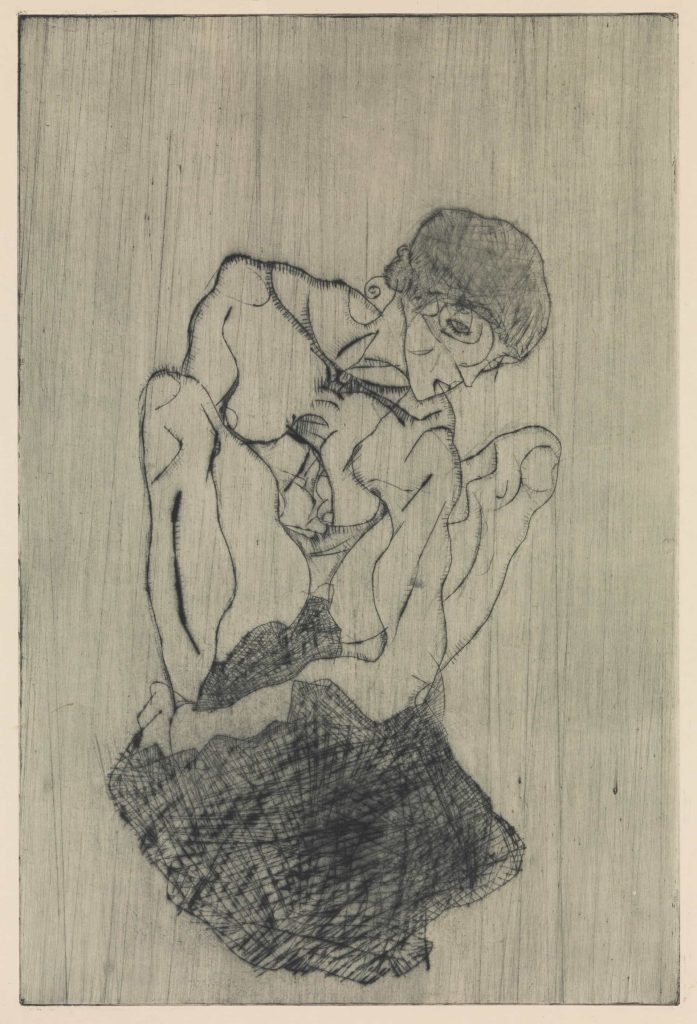
Contemporary figurative painters often use imperfection deliberately. A face may be uneven. A hand may be roughly painted. A figure may be awkwardly cropped. A body may be too large for the space. Paint may drip, blur or remain unfinished.
These decisions can make the figure feel more human, not less.
Imperfection matters because the viewer recognises it. The body in the painting seems to have lived. It has pressure, gravity and time. It is not an ideal. It is a presence.
This does not mean technical weakness is automatically good. Awkwardness only works when it feels intentional and connected to the painting’s meaning. A distorted body can feel powerful if the distortion reveals something. It can feel careless if it has no purpose.
The best figurative painters know when to sharpen and when to leave something unresolved.

Why eye contact changes everything
Eye contact is one of the most powerful tools in figurative painting.
When a painted figure looks directly at us, the relationship changes. We are no longer simply looking at them. They seem to look back. That exchange can feel intimate, confrontational, calm, suspicious, inviting or uncomfortable.
When a figure avoids eye contact, the effect is different. They may appear lost in thought, private, withdrawn, tired or unreachable. The viewer becomes an observer, sometimes welcome, sometimes intrusive.
Contemporary figurative painting often uses gaze carefully because the history of looking is complicated. Who gets to look? Who is looked at? Who controls the image? Who is exposed? Who is protected?
A painting can make the viewer aware of their own looking. This is especially important in paintings of women, Black bodies, queer bodies and bodies historically treated as objects of display. Many contemporary painters reclaim the gaze by making the subject active, guarded, unreadable or self-possessed.
A figure feels human when the painting gives them some kind of agency, even if they remain silent.
The room around the figure
A figure is shaped by the space around it.
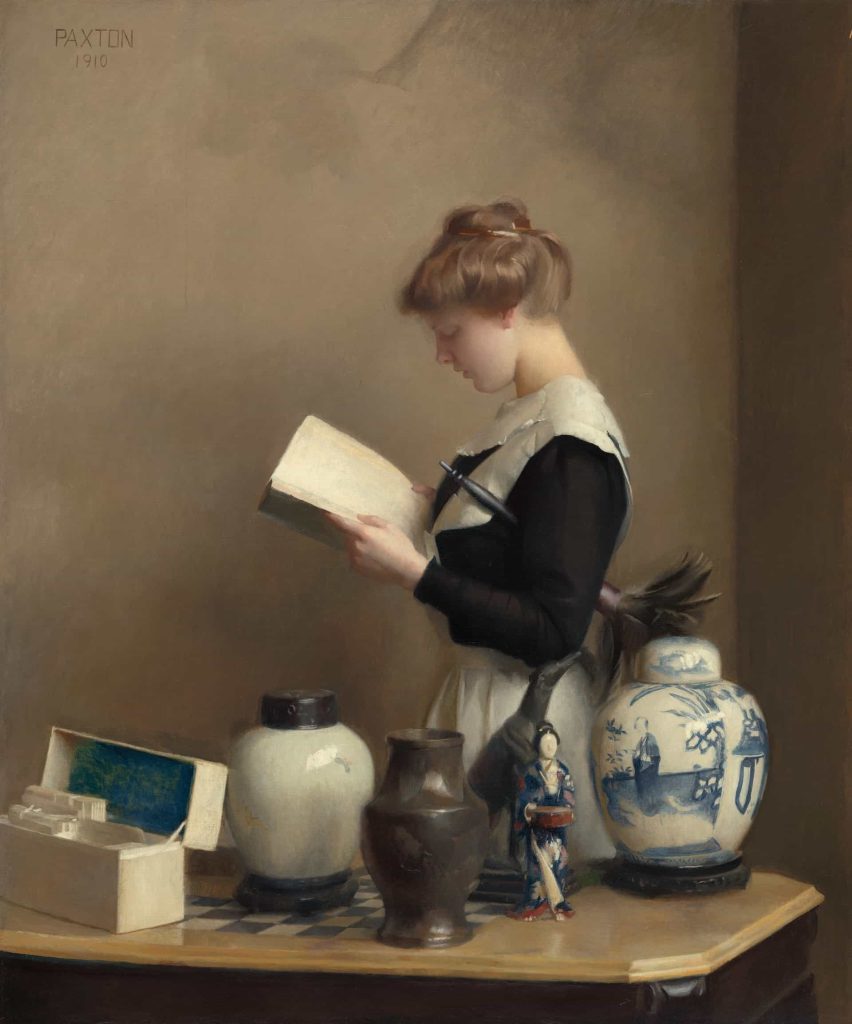
An empty background can make the body feel isolated. A crowded room can make it feel surrounded by memory, taste, class or family history. A domestic interior can make the figure feel private. A street scene can place the body in public life. A flat colour field can make the figure feel iconic or suspended.
Contemporary figurative painting often uses interiors to explore identity and daily life. Njideka Akunyili Crosby, for example, paints intimate interiors layered with references to family, migration, domestic space and cultural memory. The figure is not separate from the room. The room helps tell us who the figure is, or what kinds of worlds they carry.
Jordan Casteel’s paintings often give sitters a strong sense of presence within social and everyday spaces. Lynette Yiadom-Boakye often does the opposite, removing clear time and place so her invented figures become mysterious and difficult to pin down.
Both approaches can feel human. One gives context. The other protects privacy.
When looking at a figurative painting, ask:
- Where is the figure?
- Does the space feel real, remembered or invented?
- Is the room full of clues or stripped bare?
- Does the setting explain the person or make them harder to read?
- How much breathing space does the figure have?
A figure does not exist alone. The space around it speaks too.
Clothing, pattern and self-presentation
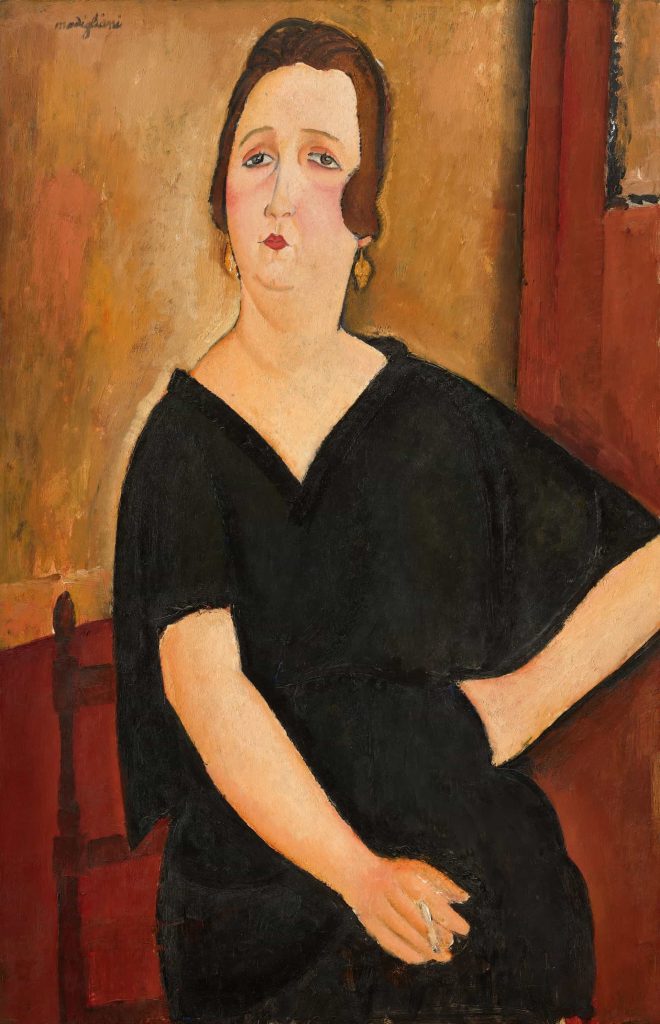
Clothing is never just clothing in figurative painting. It can suggest class, culture, age, gender, labour, performance, desire, history or mood.
A painted coat can make a figure feel guarded. A dress can become a field of pattern. A uniform can suggest power or service. A loose shirt can suggest rest. Bare skin can suggest vulnerability, confidence, intimacy or exposure, depending on the painting.
Contemporary painters often use clothing as part of identity. Patterned fabric, sportswear, work clothes, domestic garments and ceremonial dress can all carry meaning.
This is one of the reasons figurative painting remains useful in a visual culture shaped by photography and fashion. A painter can slow down the act of seeing a person. They can make us notice the way clothing sits on the body, the way fabric folds, the way colour changes the figure’s mood and the way presentation becomes part of selfhood.
A human figure feels more convincing when clothing and body belong to each other. Clothes should not feel pasted on. They should carry weight, texture and social meaning.
The figure and the viewer
Every figurative painting creates a relationship between the painted person and the viewer.
Sometimes the viewer feels invited. Sometimes pushed away. Sometimes made uncomfortable. Sometimes placed in the position of witness. Sometimes made aware of their own assumptions.
This relationship is one of the things that makes figurative painting so powerful. We bring our own experiences to the figure. We read age, posture, expression, clothing, skin, gender and setting almost instantly. The painting can use that instinct, interrupt it or complicate it.
A painted figure may seem familiar at first, then become harder to understand. That difficulty can be valuable. It stops the viewer from consuming the image too quickly.
A contemporary figurative painting feels human when it resists being reduced to one sentence. The figure remains partly unknowable, like a real person.
Why mystery matters
A figurative painting does not need to explain everything. In fact, too much explanation can flatten it.
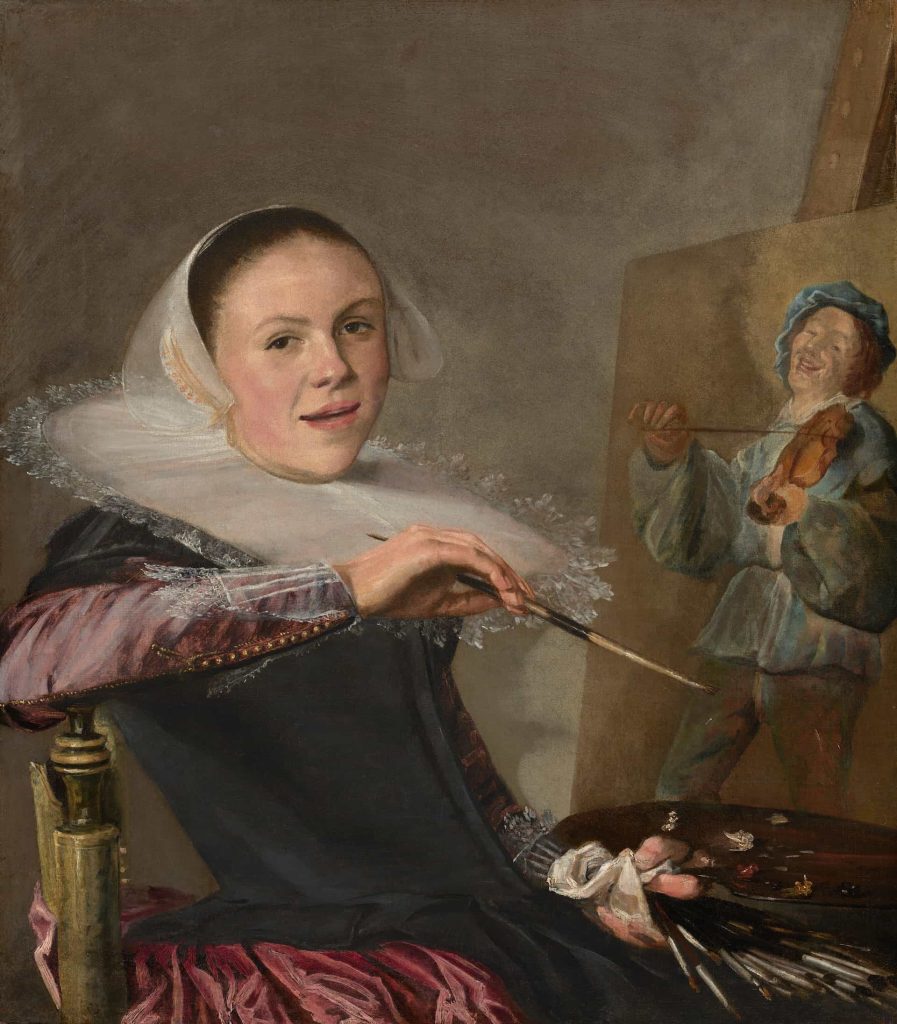
Lynette Yiadom-Boakye’s invented figures are a good example. Her paintings often appear to show people who could exist, yet they are not portraits of real sitters. Their clothing, settings and expressions are deliberately hard to place. This uncertainty gives them a strange authority. They are present, but not available for easy interpretation.
Mystery does not mean vagueness. It means the painting leaves enough space for the viewer to think.
A human figure in a painting may have a story, but the artist does not have to give us the whole story. A partial story can feel more like life. We rarely know everything about another person. We read fragments: a look, a posture, a room, a silence.
Figurative painting becomes human when it honours that incompleteness.
Contemporary figurative painting and identity
Identity is one of the central concerns of contemporary figurative painting.
For many artists, painting the figure is a way to address who has been seen, how they have been seen and who has been left out of art history. Portraiture and figurative painting were once strongly tied to power: monarchs, religious figures, wealthy patrons, heroic bodies and approved ideals of beauty. Contemporary painters have widened that field.
Kerry James Marshall has made major paintings centred on Black figures and Black life, directly challenging the absence of Black subjects in much Western art history. Njideka Akunyili Crosby brings together Nigerian and American references, family, domestic space and photographic transfer. Chantal Joffe paints women, children and friends with a directness that refuses polished idealisation. Salman Toor paints queer social and private life with vulnerability, humour and unease.
These artists differ widely, but they share an understanding that the figure carries history.
When a body appears in a painting, it brings questions with it:
- Who is represented?
- Who is missing?
- Who controls the image?
- Is the figure exposed, protected or self-possessed?
- What histories sit behind this body?
- What does the painting ask the viewer to recognise?
This is why contemporary figurative painting can feel personal and political at once.
The body after photography
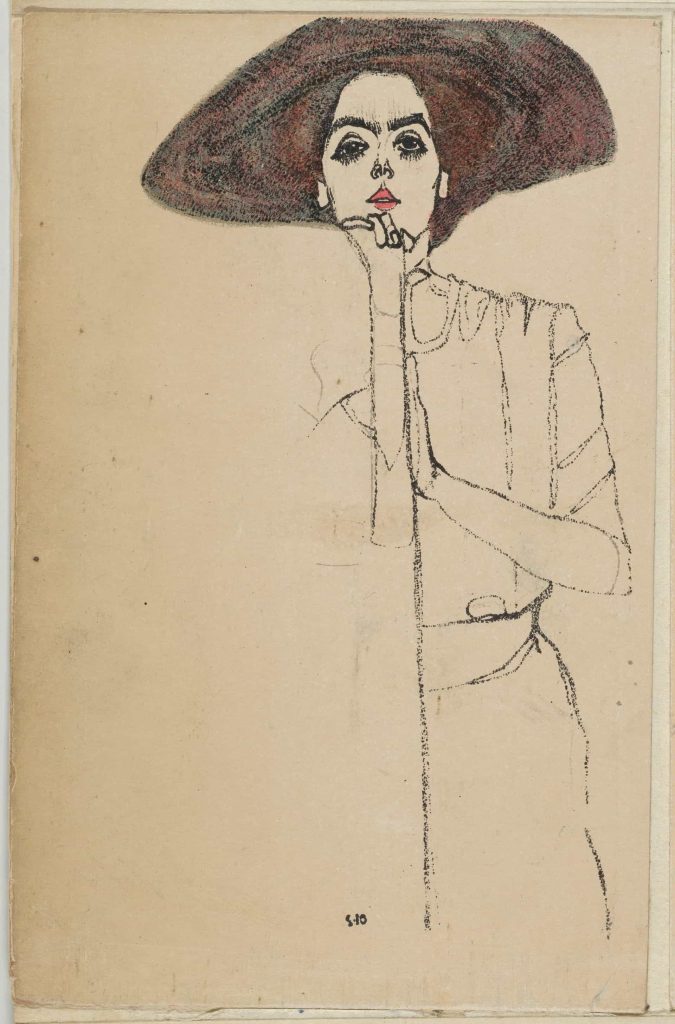
Painting the human figure changed after photography. Once photography could record likeness quickly, painting no longer had to compete with mechanical accuracy.
This freed painters in several ways. They could distort, simplify, blur, exaggerate, crop, combine sources or invent figures entirely. They could use photographs as starting points, but transform them through paint.
Many contemporary figurative painters work from photographic sources. Some use family photographs, archival images, film stills, fashion images, social media, magazines or their own staged photographs. The painting is not simply a copy. It is a translation.
That translation matters. Paint slows the image down. It changes skin, space and time. A photograph may catch a moment. A painting can make that moment feel remembered, questioned or rebuilt.
A figurative painting feels human when it does something that photography cannot do in the same way: it shows the process of attention. We see not only the figure, but the artist’s choices about how to hold that figure in paint.
The body in an age of digital images
People are now surrounded by digital images of bodies: selfies, filters, adverts, avatars, influencers, news footage, dating profiles and AI-generated images. This has changed how we look at the figure.
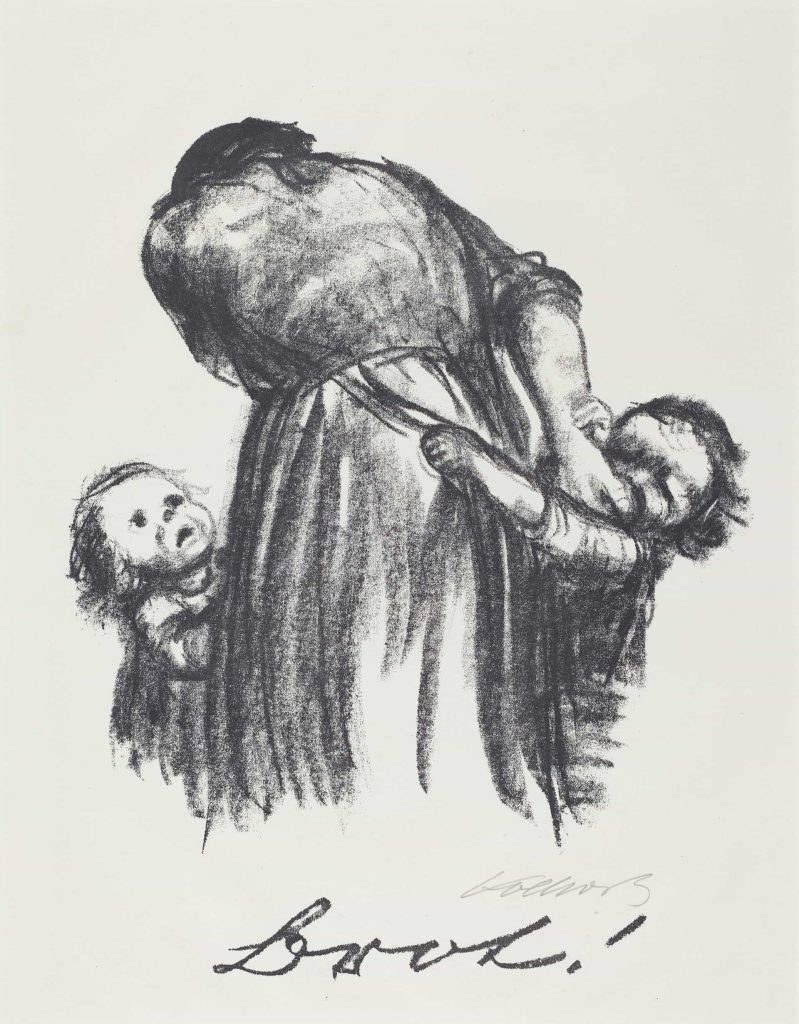
Contemporary figurative painting can resist that speed. It asks the viewer to spend longer with a body or face. It may also show bodies that do not fit digital polish: tired bodies, ageing bodies, large bodies, ordinary bodies, awkward bodies, ambiguous bodies, private bodies.
This does not mean painting is automatically more truthful than digital imagery. Paintings can also idealise or manipulate. But painting has slowness built into it. Even a quick painting carries time: the time of looking, mixing, layering, scraping, correcting and leaving marks.
That slowness can make the figure feel human. We sense that someone has spent time with the image. The body has not been generated instantly or consumed in a second. It has been worked through.

What makes a figurative painting good?
A good figurative painting is not simply one that looks accurate.
Accuracy can be impressive, but it is not enough. A contemporary figurative painting needs a reason to exist as a painting. It needs to do more than reproduce a photograph or show that the artist understands anatomy.
A strong figurative painting often has:
- A clear sense of presence
- A meaningful relationship between figure and space
- Paint handling that supports the subject
- Gesture that feels alive
- A reason for its scale
- A surface that rewards close looking
- A tension between what is shown and what is withheld
- A figure that feels more than decorative
- An awareness of art history without becoming trapped by it
- A visual decision that could only happen through painting
A good figurative painting makes you look again. Not because it shouts, but because something in the figure remains active.
The role of scale
Scale changes the way a figurative painting feels.
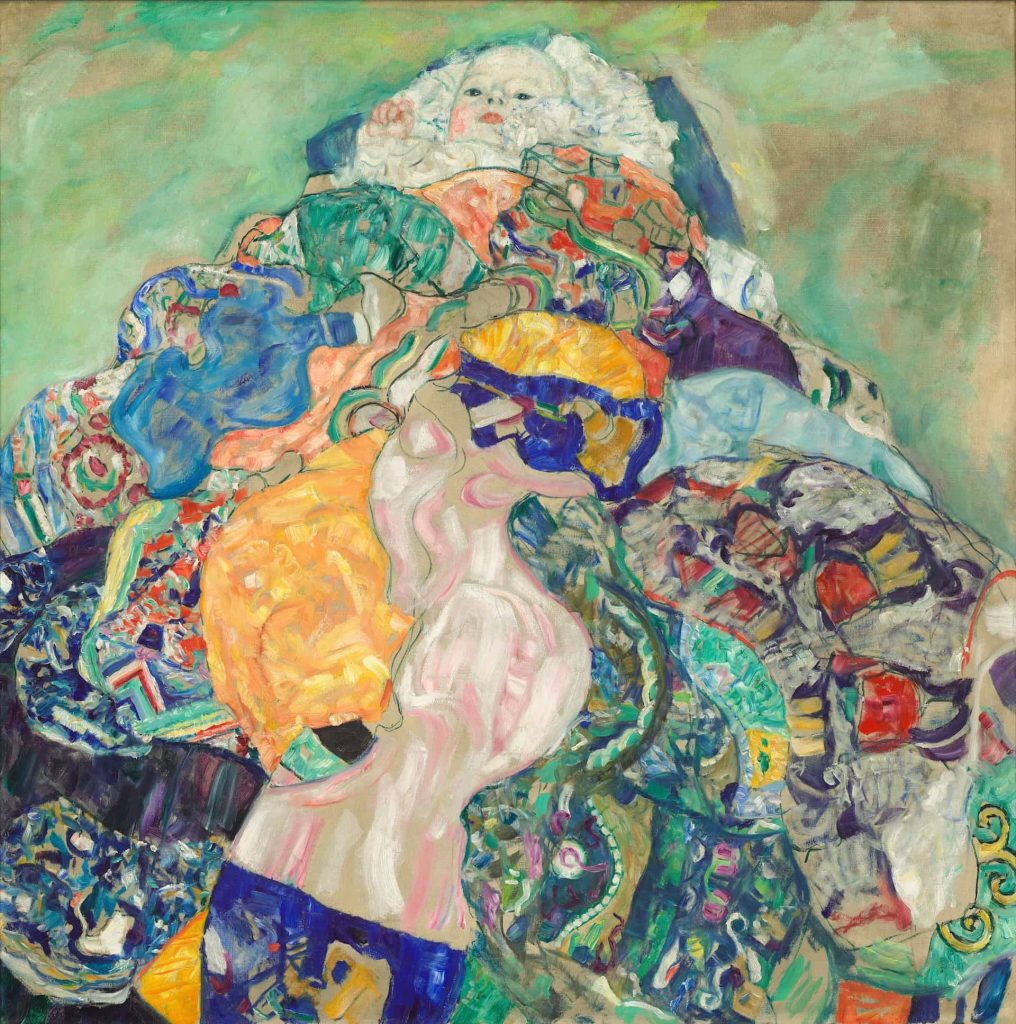
A small portrait can feel intimate, as if the viewer is holding a private encounter. A large body can feel confrontational, architectural or overwhelming. A life-sized figure can create a direct relationship with the viewer’s own body. A tiny figure in a large space can suggest loneliness, distance or memory.
Contemporary figurative painters use scale carefully. Jenny Saville’s large bodies make the viewer physically aware of flesh, weight and looking. Small works by other painters may create a quieter form of attention, asking us to come closer.
When looking at scale, ask:
Is the figure larger than me, smaller than me or close to my size?
Does the scale make the person feel powerful, vulnerable or distant?
Could the painting have worked at another size?
Does the scale match the emotional force of the image?
Scale is not only a practical choice. It shapes the human relationship between viewer and figure.

Hands, feet and the truth of the body
Hands and feet are often where the truth of a figurative painting appears.
A face can be made theatrical. Hands are harder to fake. They can reveal age, labour, tension, tenderness, awkwardness or thought. Feet can reveal weight, discomfort and contact with the ground.
Many viewers look first at the face, but artists often know that hands carry the emotional charge. A hand gripping fabric, resting on a knee, touching another body or hanging loosely can change the whole painting.
In a painting, hands can say:
- I am waiting.
- I am tense.
- I am tired.
- I am holding back.
- I am reaching.
- I am protecting myself.
- I am here.
If a figurative painting feels human, look at the hands. They may be doing more than the face.
Paint handling and emotional tone
The way paint is applied affects how the figure feels.
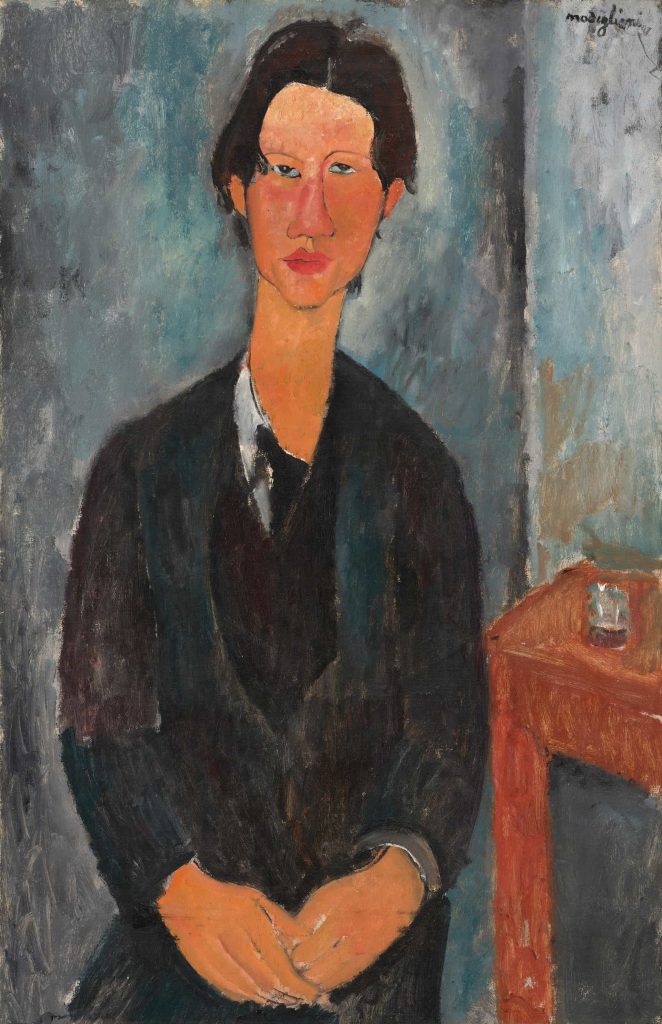
Thick paint can make the body feel physical and present. Thin paint can make it feel fragile, ghostly or remembered. Smooth paint can feel controlled. Rough paint can feel urgent. Scraped paint can suggest damage or revision. Loose brushwork can keep the figure moving. Hard edges can make the figure feel graphic or staged.
Paint handling should not be separate from subject. If a painting is about vulnerability, the surface may need openness or softness. If it is about pressure, the paint may need weight. If it is about distance, the figure may be blurred, flattened or withheld.
This is where figurative painting becomes more than image. The surface itself carries feeling.
When looking at a contemporary figurative painting, move close enough to see the paint. Ask:
- Where is the paint thick?
- Where is it thin?
- What has been left unresolved?
- Where has the artist slowed down?
- Where has the artist worked quickly?
- Does the paint feel like skin, light, fabric, memory or thought?
The human feeling is often in the handling.

Why some figures feel staged
Many contemporary figurative paintings look staged, and this can be deliberate.
A staged figure may stand or sit as if aware of being watched. The background may feel theatrical. The pose may be too still to feel casual. This can create tension.
Staging is not a weakness. It can make us think about performance, identity and self-presentation. People perform versions of themselves all the time, in public, online, at work, in family photographs and in social spaces. Figurative painting can make that performance visible.
A staged painting feels human when the performance has cracks. A too-perfect pose may reveal discomfort. A glamorous setting may feel lonely. A confident figure may seem guarded.
The question is not whether the figure is natural. The question is what the staging reveals.
Why some figures feel private
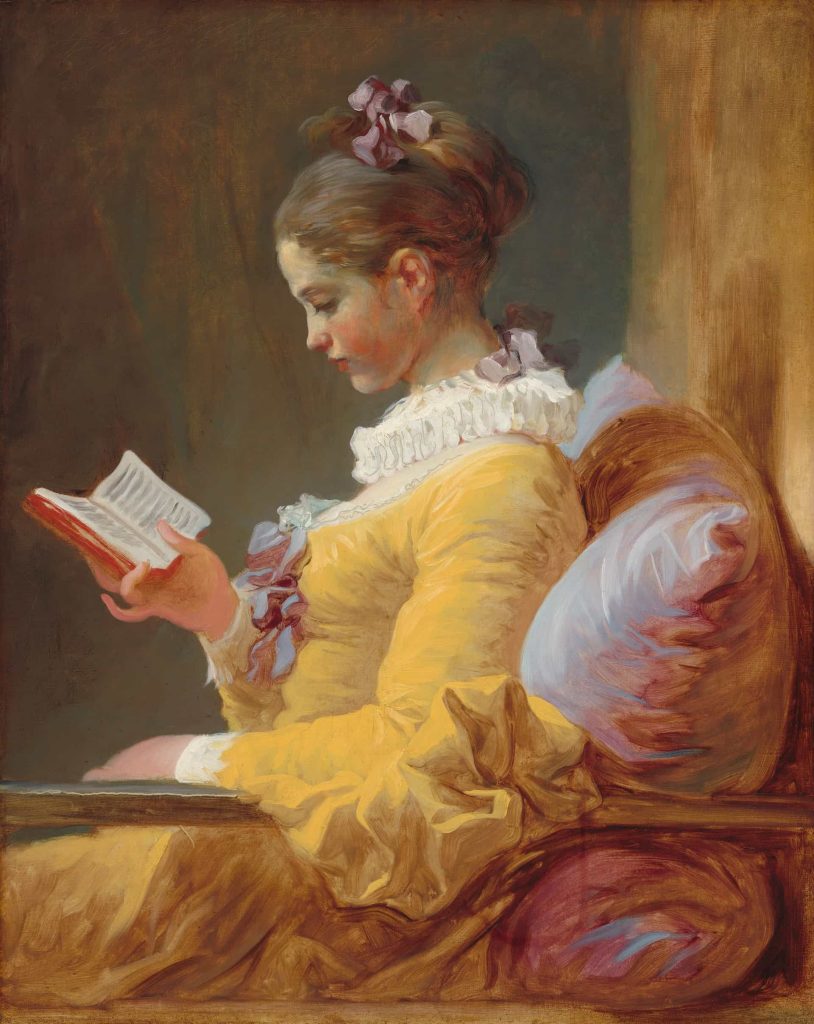
Other figurative paintings feel private. The person may be reading, sleeping, smoking, dressing, sitting alone or looking away. These paintings can feel intimate because the figure does not perform for us.
This privacy can be tender, but it can also be uncomfortable. Are we allowed to look? Does the painting invite us in, or make us aware that we are intruding?
Contemporary painters often use private scenes to challenge older forms of looking. Instead of presenting the body for display, they show a person inside their own time. Resting, thinking, recovering or simply being.
A private figure feels human because they seem to exist beyond the viewer.
The difference between empathy and sentiment
A figurative painting can feel human without becoming sentimental.
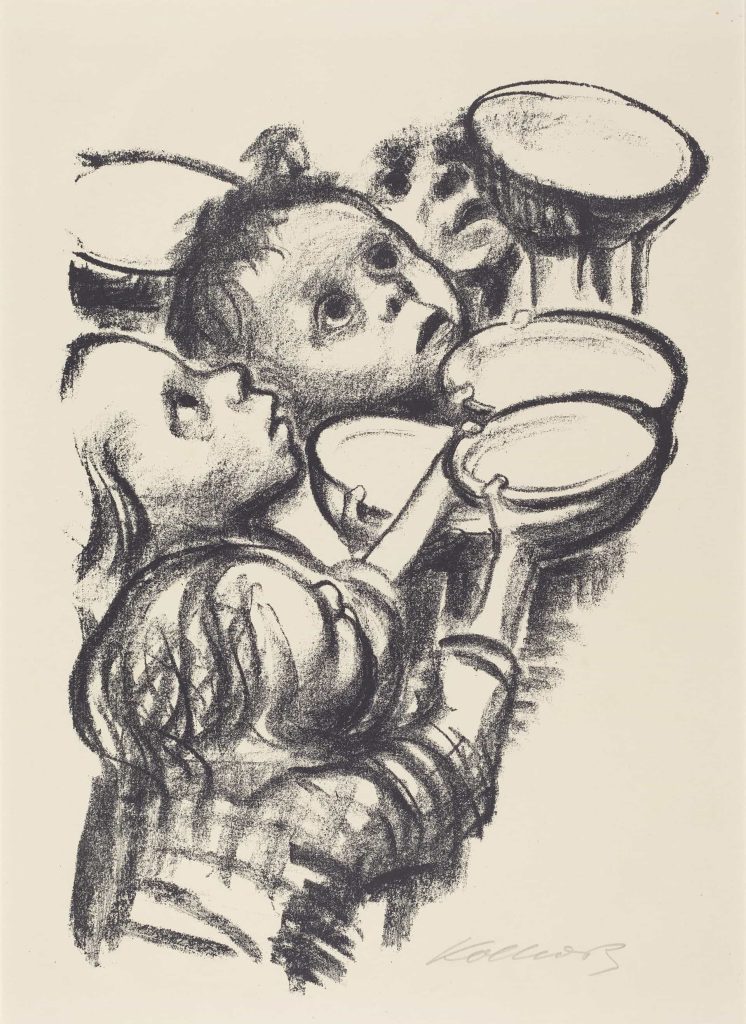
Sentiment tells the viewer exactly what to feel. Empathy leaves room for complexity.
A sentimental painting may make emotion too easy. A truly human painting often holds mixed feelings: tenderness and distance, beauty and discomfort, confidence and vulnerability, presence and absence.
This is important for contemporary figurative painting because the body is rarely simple. A person can be strong and tired. Guarded and open. Visible and unknowable. Comfortable and uneasy.
The best figurative painters avoid reducing the figure to a mood. They allow contradictions to remain.

What collectors should notice in figurative painting
If you are thinking about buying a contemporary figurative painting, look beyond whether you like the subject.
Ask:
- Does the figure have presence?
- Does the painting reward close looking?
- Is the body handled with care, tension or intelligence?
- Does the artist have a clear relationship to art history?
- Is the figure more than decorative?
- Does the space around the figure matter?
- Does the paint handling support the mood?
- Does the work feel stronger after a second look?
- Can you live with the figure?
That last question matters. Figurative painting is different from abstract art because you may be living with a person, or something close to a person. A figure in a room changes the room. It can watch, rest, confront, comfort or unsettle.
Collectors should also look at the artist’s wider practice. One strong figurative painting is good, but a consistent body of work is better. Does the artist return to the figure in meaningful ways? Are they developing their own language? Do their paintings feel necessary, or merely fashionable?
What artists can learn from contemporary figurative painting
For artists, contemporary figurative painting offers many practical lessons.
First, do not begin with style. Begin with the human question. Why this figure? Why this pose? Why this room? Why this scale?
Second, study gesture. The smallest change in posture can alter the painting.
Third, do not over-explain expression. A quiet figure can hold more feeling than a dramatic one.
Fourth, think about the space. A figure’s room, chair, bed, street or blank background changes how we read them.
Fifth, treat clothing as part of the figure. Fabric, pattern and colour carry meaning.
Sixth, allow the painting to be a painting. Do not simply copy a photograph. Let paint change the image.
Seventh, leave room for the viewer. A painting that explains everything may be easier to understand, but less rewarding to return to.

How to look at a contemporary figurative painting in a gallery
Start from a distance. Notice the figure’s scale and placement. Is the person close, far away, central, cropped, turned away or facing you?
Then move closer. Look at the paint. Notice where the artist has worked carefully and where they have left marks loose or unfinished.
Then look at the body. What is the posture doing? Where is the weight? What are the hands doing? What is the figure looking at?
Then look at the space. Is the setting detailed or empty? Does it tell you where the person is, or keep the person outside a clear time and place?
Then ask what the painting withholds. What do you not know? Is that uncertainty frustrating, interesting or moving?
A good figurative painting will often change as you move between these questions.

Contemporary figurative painters to know
This is not a complete list, but these artists offer useful entry points into contemporary figurative painting.
Jenny Saville
Known for large-scale paintings of the body, flesh and physical presence. Her work challenges idealised images of the body and brings painting, anatomy and vulnerability together.
Lynette Yiadom-Boakye
Known for invented Black figures painted with ambiguity, elegance and restraint. Her figures often feel timeless and mysterious, refusing simple biography.
Kerry James Marshall
Known for major paintings centred on Black figures, history, domestic life and visibility. His work has reshaped how many viewers think about representation in Western painting.
Njideka Akunyili Crosby
Known for layered interiors and figures that combine painting, drawing, collage and photographic transfer. Her work often explores migration, family and cultural memory.
Marlene Dumas
Known for fluid, psychologically charged paintings of faces and bodies. Her works often draw from photographic sources but transform them through loose, staining paint.
Chantal Joffe
Known for direct paintings of women, children, friends and family. Her figures often feel intimate, awkward and emotionally plain-spoken.
Jordan Casteel
Known for portraits of people in everyday environments, often with a strong sense of colour, presence and social context.
Michael Armitage
Known for figurative paintings that bring together East African narratives, art history, politics and dreamlike compositions.
Salman Toor
Known for paintings of queer social life, intimacy, nightlife, anxiety and private moments, often with a greenish, atmospheric palette.
Danielle Mckinney
Known for intimate paintings of solitary women in interiors, often exploring rest, privacy and interior life.
These artists show that contemporary figurative painting is not a single revival of old portraiture. It is a wide field of human presence, memory and painted thought.
Why figurative painting feels urgent now
Figurative painting feels urgent now because bodies are constantly being shown, judged, edited and circulated. Images of people move through screens all day. Faces become profiles. Bodies become data, content, evidence, desire, argument and performance.
Painting cannot compete with the speed of these images, and it does not need to. Its strength is slowness.
A contemporary figurative painting asks the viewer to stay with one body or face longer than usual. It allows uncertainty. It makes the act of looking feel physical again. It reminds us that the human figure is not only an image. It carries presence, history and feeling.
In a fast image culture, that slowness can feel radical.
FAQs about figurative painting
What is figurative painting?
Figurative painting is painting that keeps a clear reference to the real world, especially the human figure. It can be realistic, expressive, distorted, symbolic or partly abstract.
Is figurative painting the same as portrait painting?
No. Portrait painting usually focuses on a specific person or likeness. Figurative painting is broader and can include invented figures, bodies, groups, scenes, interiors and human presence without being a portrait.
What makes contemporary figurative painting different?
Contemporary figurative painting is shaped by current concerns such as identity, gender, race, memory, photography, digital images, social life and the history of representation. It often questions older traditions of painting the body.
Does figurative painting have to be realistic?
No. A figurative painting can distort, simplify or fragment the body. It only needs to retain some recognisable connection to the figure or visible world.
Why is figurative painting popular again?
Figurative painting speaks directly to questions of identity, visibility, body image, memory and human experience. It also offers a slower, more physical alternative to the flood of digital images.
What should I look for in a good figurative painting?
Look for presence, gesture, paint handling, scale, space, tension and whether the figure feels more than decorative. A strong figurative painting should reward repeated looking.
Who are important contemporary figurative painters?
Important contemporary figurative painters include Jenny Saville, Lynette Yiadom-Boakye, Kerry James Marshall, Njideka Akunyili Crosby, Marlene Dumas, Chantal Joffe, Jordan Casteel, Michael Armitage, Salman Toor and Danielle Mckinney.
Can figurative painting be abstract?
Yes. Many figurative paintings contain abstract elements. A body may be simplified into shape, colour, rhythm or gesture while still remaining recognisable.
Is figurative painting good for collectors?
Yes, but collectors should look carefully. A good figurative painting should have presence, strong paint handling, a clear artistic voice and a meaningful relationship between figure and space. It should also be something you can live with.
How can artists improve figurative painting?
Artists can improve figurative painting by studying gesture, anatomy, light, posture, composition, paint handling and the relationship between figure and space. It also helps to ask why the figure needs to be painted, not only how to paint it.
Contemporary figurative painting feels human when it gives the figure more than a shape. It gives the body weight, history, privacy, tension, gesture and time. It allows the person in the painting to remain partly unknowable.
That is why figurative painting still matters. It does not survive because artists keep returning to old traditions without question. It survives because the human figure keeps changing. Every generation has to decide how the body should be seen, painted, protected, exposed or remembered.
A painted figure can be direct, but it should not be simple. It can meet our eyes or turn away. It can sit in a room, stand in a crowd, disappear into colour or emerge from a few marks. What matters is whether the painting makes us feel that a human presence has been held there, in paint, long enough for us to look again.
Leave a Reply