
No products in the cart.

From Trompe-l’œil to Digital Magic: The Evolution of Art Illusions
Art has always played with perception, inviting viewers to question what they see and how they experience reality. From the intricate realism of ancient Greek paintings to modern digital illusions that interact with their audience, artists have continually pushed the boundaries of visual trickery. These illusions, whether through clever use of perspective, shading, or digital manipulation, challenge our understanding of space, depth, and form.
This blog will explore the fascinating history of art illusions, tracing their evolution from classical trompe-l’œil techniques to the mind-bending possibilities of digital art.
Why Art Illusions Fascinate Us
The human brain is wired to recognise patterns, depth, and movement, which is why optical illusions have long been a captivating artistic tool. By playing with perspective, light, and colour, artists create images that trick the eye, making flat surfaces appear three-dimensional or static images seem to shift and move. These illusions force viewers to question what is real, challenging our visual understanding of the world.
What This Blog Covers
This blog takes a journey through different eras of illusionistic art, from the first-known uses of perspective in ancient Greece to Renaissance masters refining trompe-l’œil, and finally, the cutting-edge digital illusions of today. Whether it’s the hyper-realistic murals of Andrea Pozzo or Salvador Dalí’s surrealist double images, each era has found new ways to deceive and intrigue the eye.
Explore the science of optical illusions at The Smithsonian Museum of Optical Art.
The Origins of Art Illusions in the Ancient World
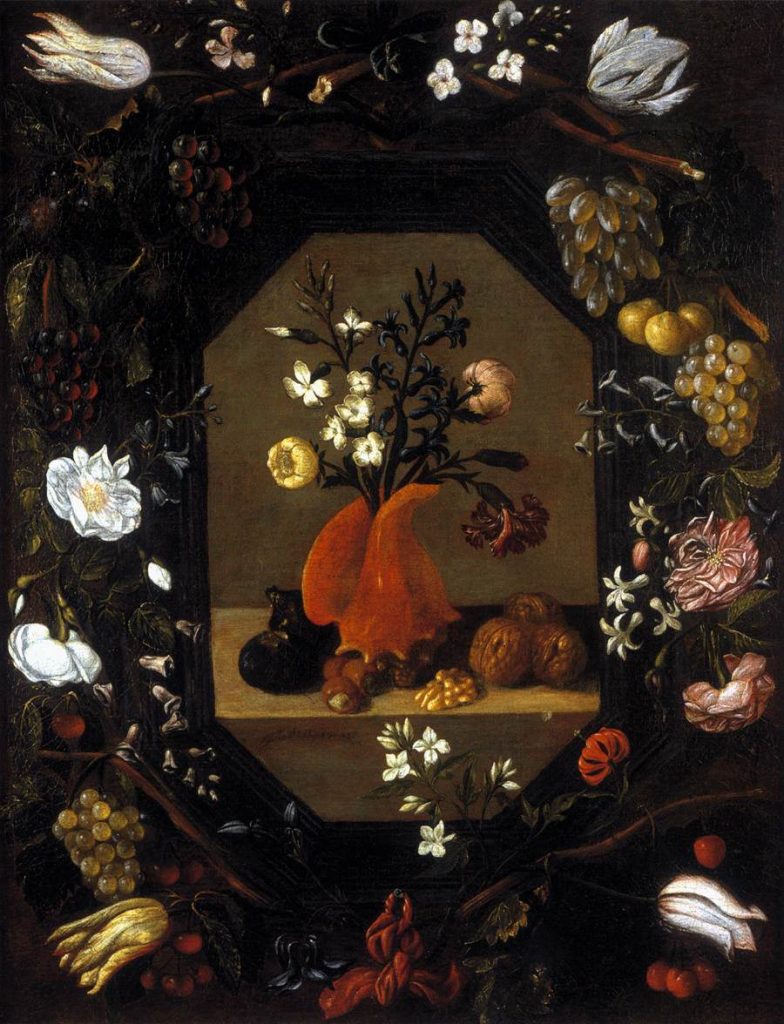
Artistic illusions are not a modern invention; they have fascinated viewers for thousands of years. Long before the Renaissance refined perspective techniques, ancient Greek and Roman artists were already experimenting with ways to trick the eye into seeing depth and realism on flat surfaces. These early innovations laid the foundation for future advancements in illusionistic art.
Greek and Roman Illusionistic Techniques
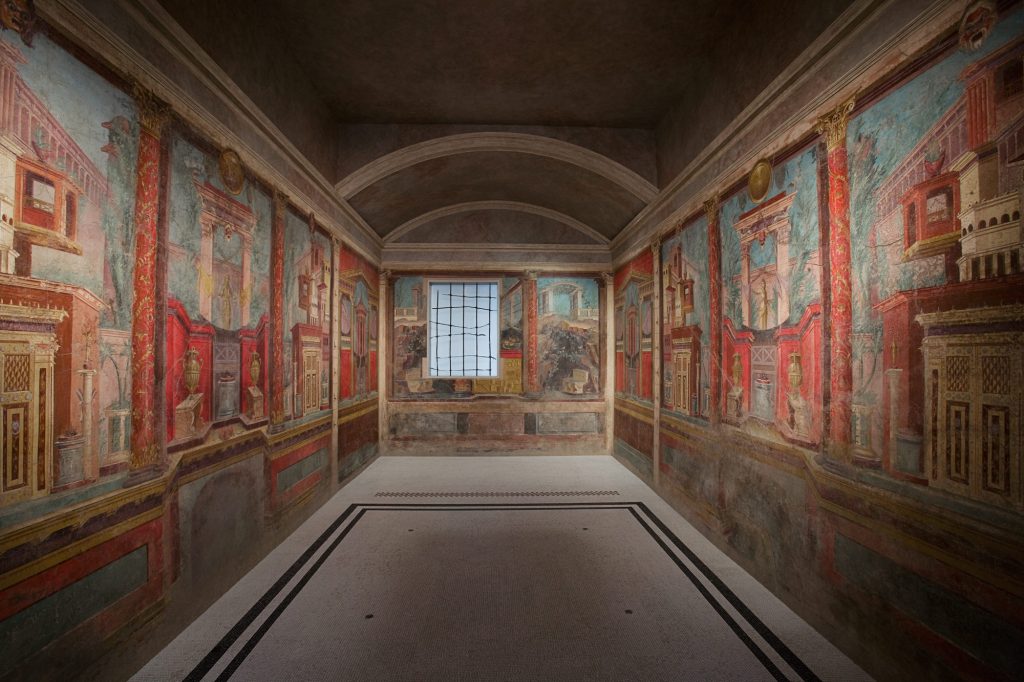
The Greeks were among the first to explore perspective in art, using techniques to make two-dimensional images appear three-dimensional. Artists such as Apollodorus and Zeuxis mastered the ability to create visual deception, famously fooling audiences into mistaking painted objects for real ones.
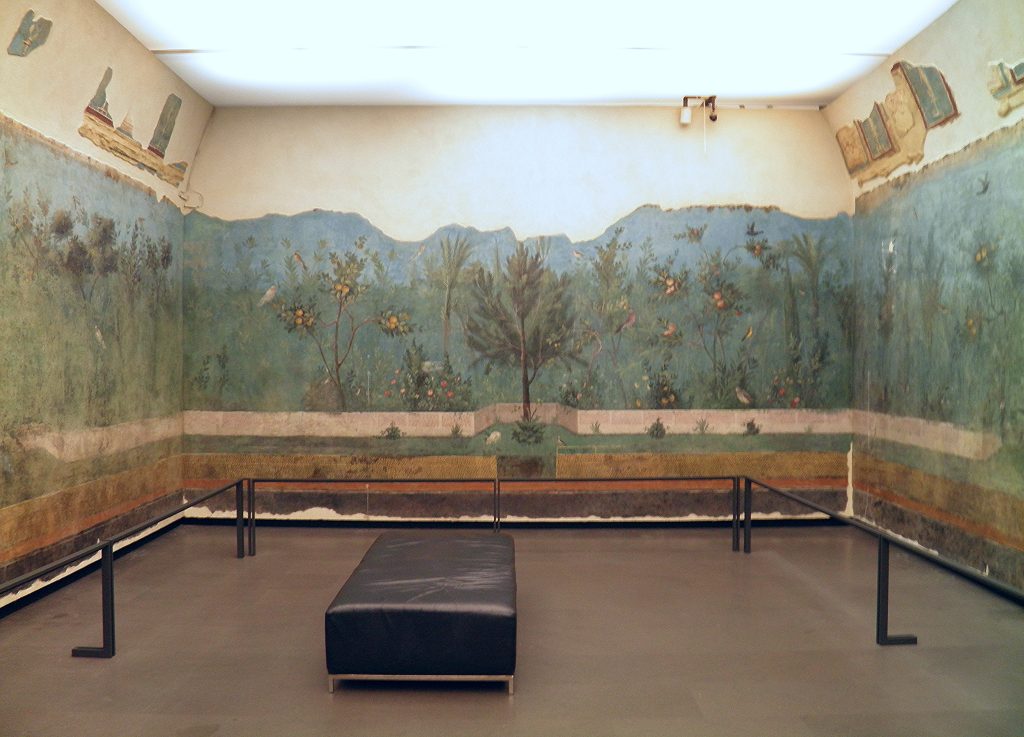
Roman artists further developed these methods, particularly in their wall paintings. In places like Pompeii, frescoes were painted with intricate architectural details, using depth and shading to make rooms appear larger or to create imaginary windows and landscapes. Some of the best-preserved examples of this technique can still be seen today.
View ancient Roman wall paintings at The British Museum
,_Palazzo_Massimo_alle_Terme,_Rome_(8534633558).jpg)
The Role of Perspective in Classical Art
One of the most significant contributions of Greek and Roman artists was their use of perspective. By understanding how the human eye perceives depth, they developed techniques such as foreshortening and vanishing points to create the illusion of space and realism in their work. These principles, though still in their infancy during the classical period, would later be perfected by Renaissance painters like Andrea Mantegna and Andrea Pozzo, who pushed the boundaries of trompe-l’œil.
Without these early explorations of illusionistic techniques, later movements in art—such as the dramatic ceiling paintings of Baroque Italy or the surrealist manipulations of Salvador Dalí—might never have existed.
Trompe-l’œil: The Renaissance Masters of Illusion
By the Renaissance, artists had developed an advanced understanding of perspective, allowing them to create paintings that not only captured depth but also deceived the eye entirely. This mastery of illusionistic techniques became known as trompe-l’œil, a French term meaning “to deceive the eye.” Renaissance and Baroque painters elevated these techniques, making walls, ceilings, and even entire rooms appear as though they extended far beyond their physical boundaries.
Andrea Mantegna and the Illusion of Depth
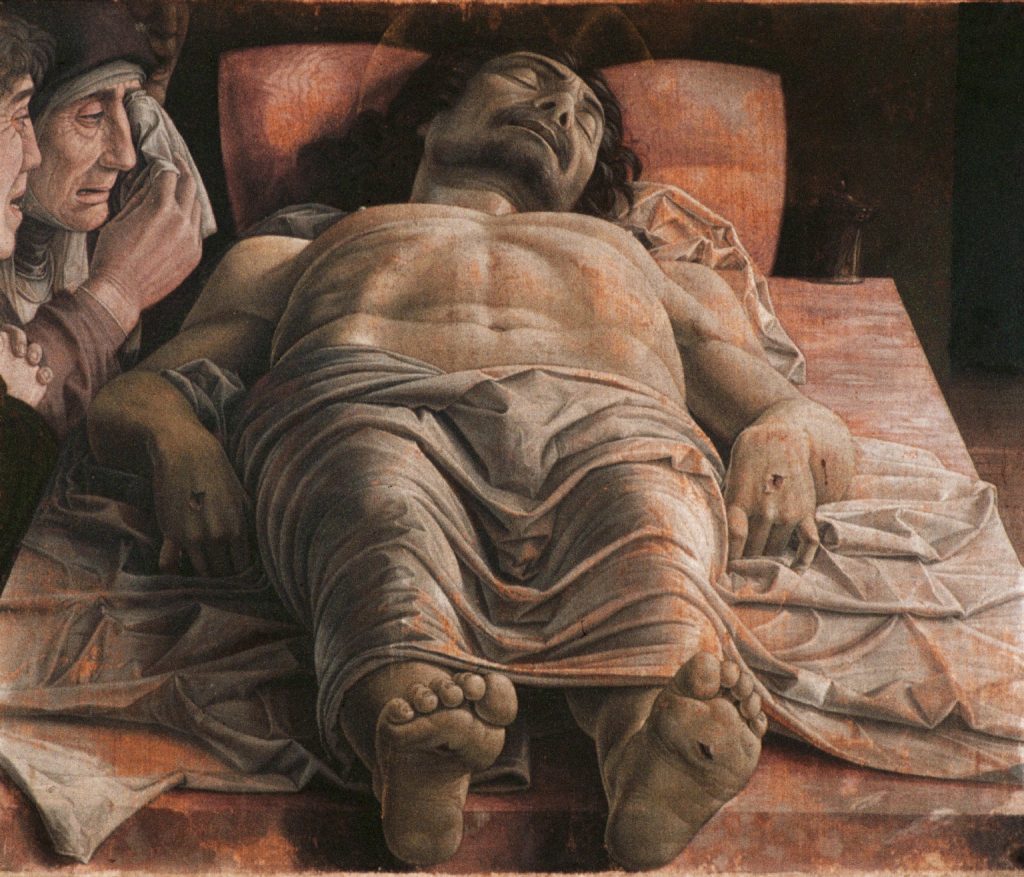
One of the earliest masters of perspective was Andrea Mantegna, an Italian painter whose work set new standards for realism. His painting The Lamentation over the Dead Christ is a striking example of foreshortening—an artistic technique that manipulates proportions to create a dramatic sense of depth. By altering the way Christ’s body is presented, Mantegna achieved an incredibly lifelike composition that gives the viewer the impression of looking down at the scene from an actual physical space. His ability to create such a powerful illusion of perspective cemented his legacy as a pioneer of Renaissance illusionism.
Andrea Pozzo and the Illusionistic Ceilings of Italy
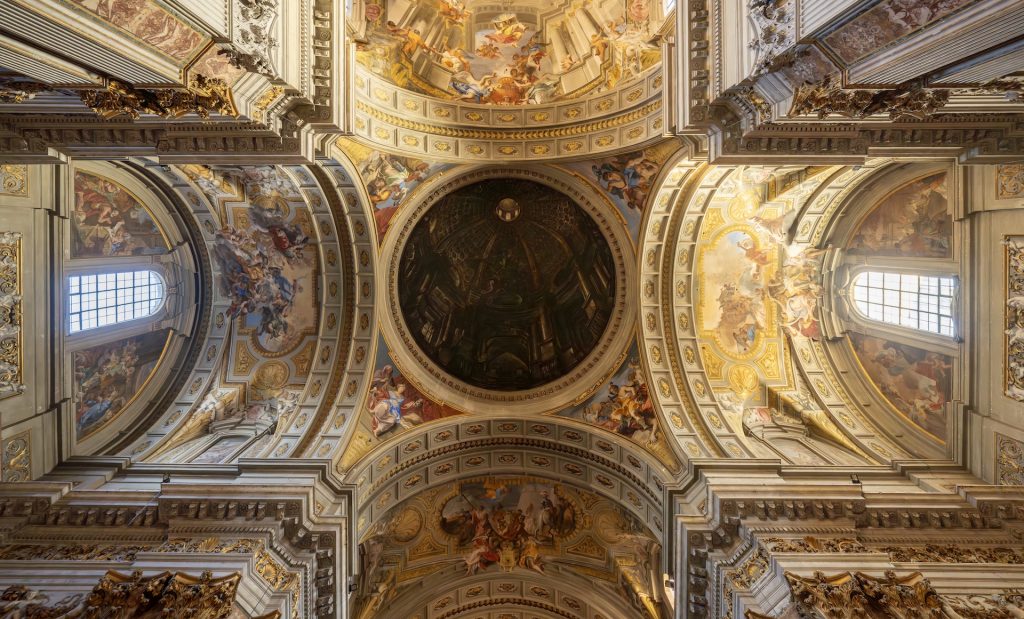
While Mantegna perfected illusionistic depth on canvas, Andrea Pozzo expanded the concept onto vast architectural surfaces. Pozzo was a Baroque master known for his ceiling frescoes, which transformed flat surfaces into breathtaking domes and celestial realms. His most famous work, located at Sant’Ignazio Church in Rome, appears to open the ceiling into the heavens, with figures seemingly suspended in midair. The illusion is so convincing that many viewers are surprised to learn that the church does not actually have the grand dome that Pozzo’s artwork suggests. His pioneering work in quadratura, the technique of extending architectural space through painting, remains one of the greatest examples of illusionistic art.
Visitors to The Vatican Museums can experience some of the finest examples of trompe-l’œil in Baroque Italy, including Pozzo’s stunning use of perspective and depth.

How Trompe-l’œil Became a Distinct Artistic Genre
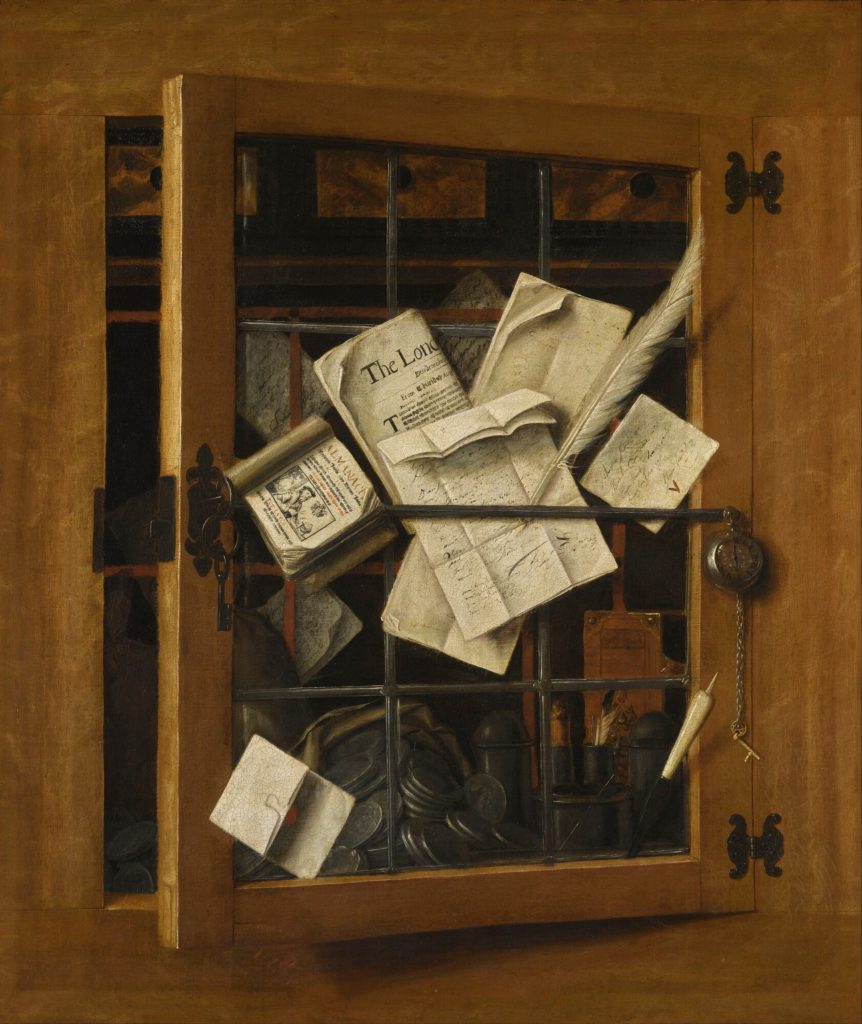
Though illusionistic art had existed for centuries, it was during the 17th century that trompe-l’œil became a widely recognised artistic movement. Painters aimed to create hyper-realistic depictions of objects, tricking viewers into believing that a painted element—whether a curtain, a letter, or a window—was a real part of their surroundings. This technique was not only used in grand church ceilings and palace murals but also in still-life paintings and decorative works, reinforcing its status as both a practical and aesthetic art form.
Surrealism and the New Wave of Optical Illusions
As art continued to evolve in the 20th century, illusionistic techniques took on new forms, embracing abstraction, psychology, and movement. While Renaissance trompe-l’œil aimed to replicate reality, modern artists sought to challenge it, playing with perception in increasingly surreal and dynamic ways.
Salvador Dalí and the Mind-Bending Realities of Surrealism
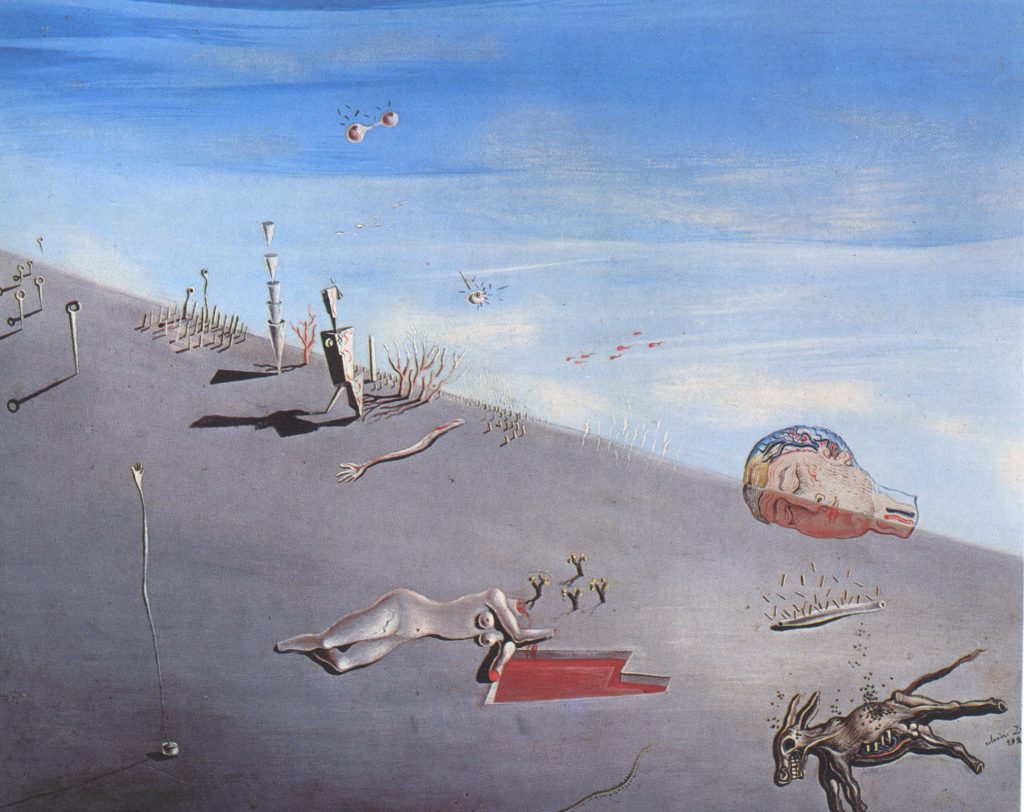
One of the most influential figures in illusionary art was Salvador Dalí, whose surrealist paintings blurred the boundaries between dream and reality. Unlike classical illusionists who used perspective to create spatial depth, Dalí introduced double images—clever compositions that allow viewers to see multiple subjects within the same painting. His work Swans Reflecting Elephants is a striking example of this technique, where the reflection of swans in the water takes the shape of elephants, challenging the viewer’s perception and demonstrating how easily the mind can be tricked.
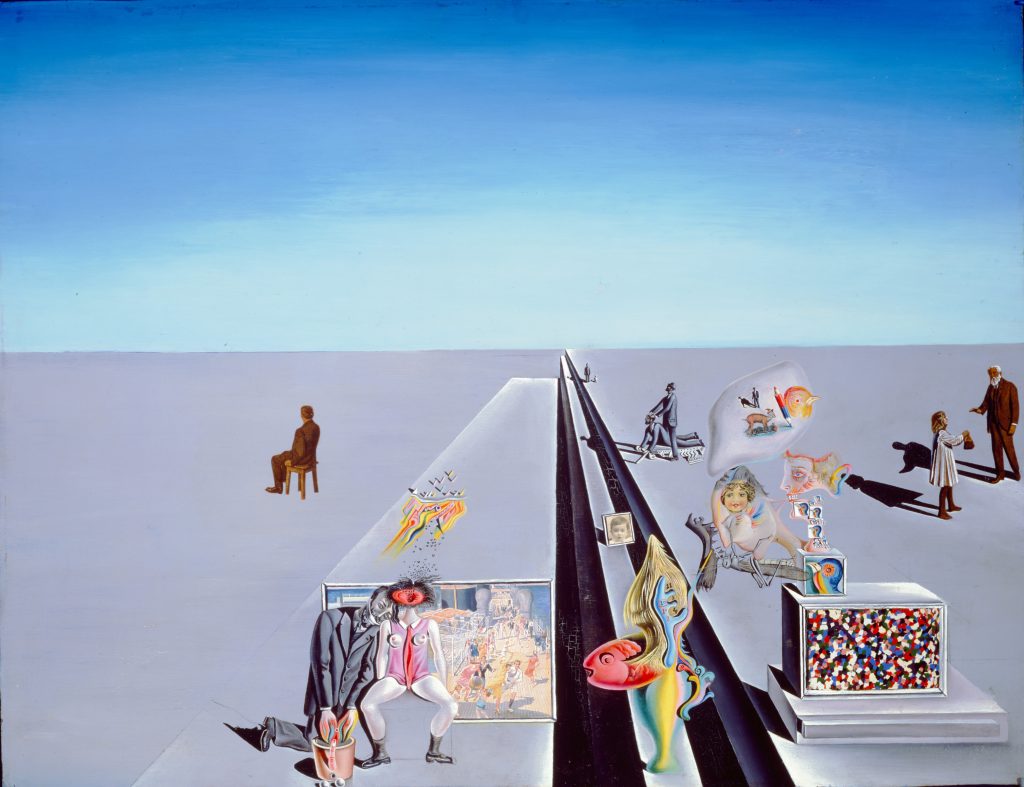
Dalí’s surrealist approach expanded the possibilities of visual illusions, using melting clocks, distorted perspectives, and optical tricks to create dreamlike landscapes that remain some of the most recognisable in modern art.
20th-Century Op Art: The Rise of Geometric Optical Illusions
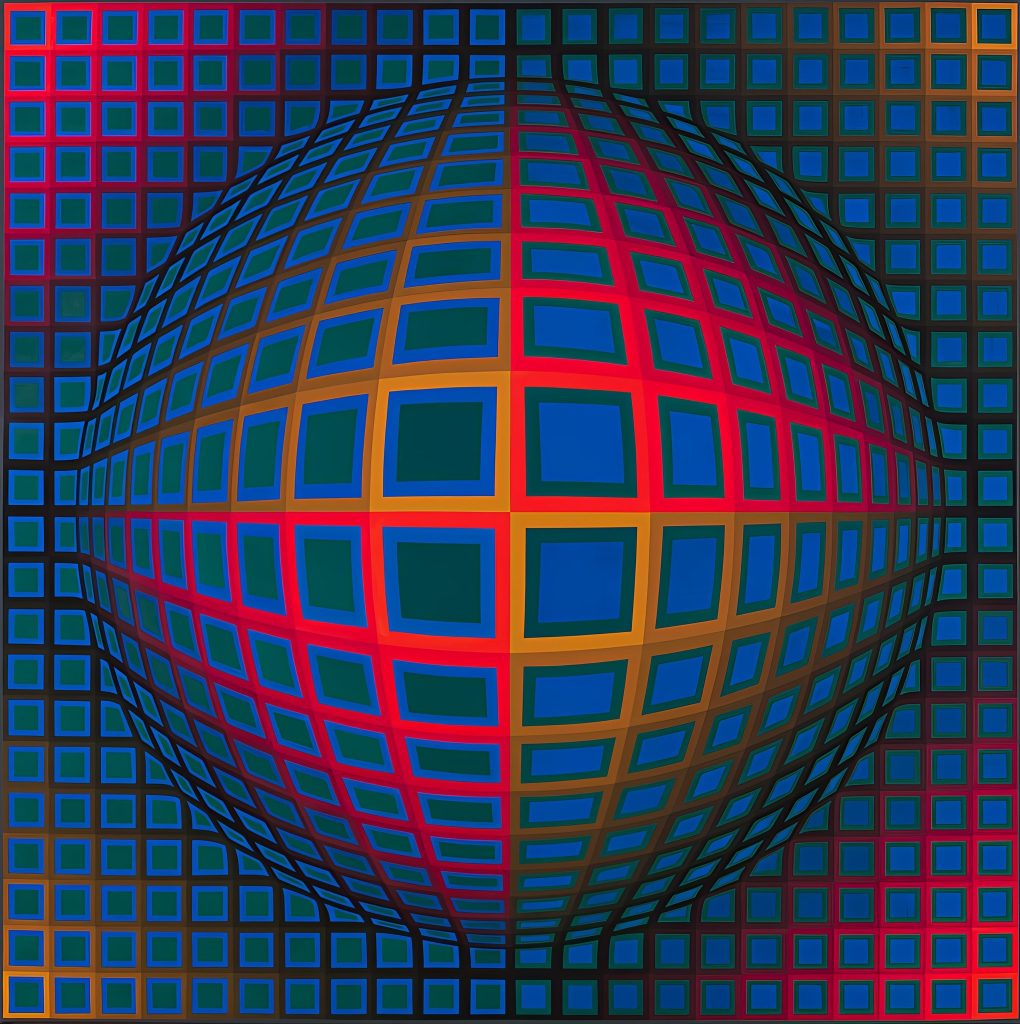
As surrealists experimented with perception through subconscious imagery, another movement took a more mathematical approach to optical deception. Op Art, short for Optical Art, emerged in the 1960s as artists like Bridget Riley and Victor Vasarely used geometric shapes, colour contrast, and repetition to create illusions of movement and depth. Unlike traditional paintings, Op Art pieces do not depict physical objects but instead rely on precise arrangements of lines and colours to make static images appear as though they are shifting or pulsating.
Bridget Riley’s black-and-white compositions, such as Blaze, are prime examples of how simple visual elements can trick the brain into perceiving motion. Meanwhile, Victor Vasarely’s work plays with three-dimensional depth, making flat surfaces seem as if they are bulging or receding into space. These works continue to be studied not just for their artistic impact but also for their effects on human perception.
Art lovers looking to explore the fascinating world of optical illusions in modern art can find many of these works at The Tate Modern, where the Op Art movement remains a key part of the museum’s contemporary collection.
The Psychological Impact of Illusionary Art
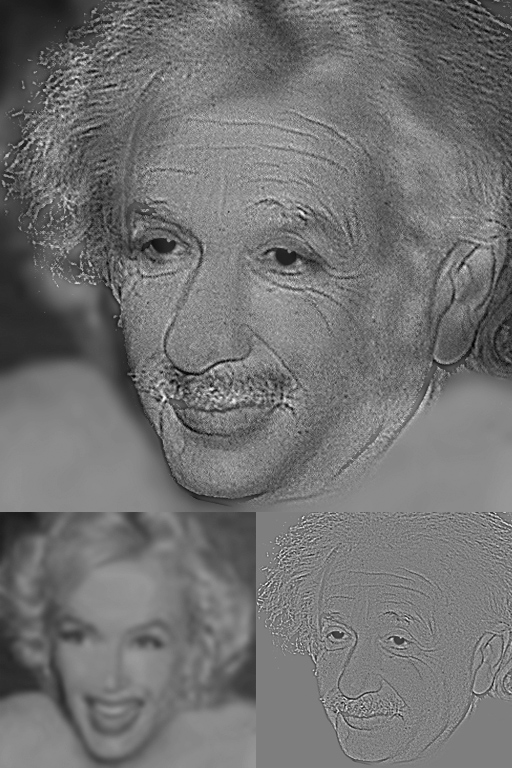
Unlike classical illusionistic paintings, which primarily aimed to trick the eye, modern optical illusions engage the brain in new ways. Surrealist double images force viewers to re-examine their perceptions, while Op Art’s high-contrast patterns create physiological effects, sometimes even inducing dizziness or visual aftereffects. These works demonstrate that illusion in art is not just about realism but about shaping human perception itself.
The Future of Art Illusions
The evolution of illusionistic art is far from over. With advancements in artificial intelligence, virtual reality, and interactive digital installations, the way we experience art is becoming more immersive and mind-bending than ever. The future of illusionistic art will not just be about tricking the eye but engaging all the senses, blurring the boundaries between physical and digital spaces.
Virtual Reality and Immersive Experiences
Virtual reality (VR) has redefined how we engage with art, transforming static images into fully interactive experiences. Unlike traditional paintings that rely on perspective and depth to create illusions, VR allows viewers to step inside an artwork, moving through spaces that shift and react in real-time.
One of the most prominent figures in VR-based art is Android Jones, whose digital creations take viewers on psychedelic journeys through constantly shifting landscapes. His work, featured in experiences such as Microdose VR, offers a multi-sensory approach to illusionistic art, combining sound, motion, and surreal visuals to create a fully immersive reality. His installations can be experienced at digital festivals such as Burning Man VR or through his website.
Another groundbreaking VR experience is TeamLab’s Borderless Museum in Tokyo. This digital collective creates interactive spaces where light, colour, and motion blend seamlessly to generate evolving environments. Visitors can walk through rooms that respond to their movement, with projections shifting in real time, making them feel as if they are inside a living painting.
Visit TeamLab Borderless in Tokyo
Holography and Augmented Reality in Art
While VR immerses viewers in entirely new worlds, holography and augmented reality (AR) bring illusions into our everyday environment. These technologies allow artists to project digital objects into real-world spaces, making sculptures float in mid-air or paintings come to life with movement.
A leader in this field is Refik Anadol, whose AI-driven digital illusions use machine learning and real-time data to generate fluid, dreamlike compositions. His works, such as Melting Memories, transform brainwave activity into stunning visual displays, offering a glimpse into the intersection of neuroscience and digital art. His installations have been showcased at major museums, including the Museum of Modern Art (MoMA) in New York and Ars Electronica in Austria.
Another emerging figure is Nancy Baker Cahill, a multimedia artist known for her use of AR to create illusionary sculptures in public spaces. Her project Liberty Bell, for instance, placed virtual, monumental bells in various cities across the United States, visible only through an augmented reality app. These works challenge the idea of permanence in art, allowing digital illusions to temporarily exist in real-world landscapes.
AI-Generated Optical Illusions
Artificial intelligence is rapidly becoming one of the most innovative tools in illusionistic art. By processing vast amounts of data, AI can generate entirely new visual styles, creating illusions that human artists alone could not conceive.
One of the pioneers in AI-generated illusions is Mario Klingemann, a German artist whose neural network-based creations challenge the boundaries of perception. His piece Memories of Passersby I is an AI-powered installation that generates an infinite series of surreal, ever-changing portraits. The artwork, which evolves in real time, can be seen at exhibitions worldwide, including digital art festivals and contemporary galleries.
Another AI-driven project that plays with perception is Google’s DeepDream, an algorithm that enhances and distorts images to create dreamlike, illusionary visuals. This tool, originally developed for image recognition, has been adapted by artists to generate entirely new styles of hallucinatory, shifting artworks.
Where Is Illusionistic Art Headed?
With ongoing advancements in technology, the future of illusionary art will continue to merge digital and physical realities in increasingly interactive ways. Some key trends to watch include:
- Hyper-Realistic Deepfakes – AI-generated video and image manipulations that create almost undetectable visual illusions.
- Interactive Light Installations – Large-scale public art projects that respond to environmental changes and viewer movements.
- Haptic Illusions in Art – Innovations in sensory feedback that allow viewers to “feel” digital art using touch-sensitive surfaces.
- Quantum Art – Experiments in quantum computing that may allow for visual experiences that shift depending on observation.
As technology continues to evolve, so too will the ways in which artists explore perception, creating ever more intricate illusions that redefine how we engage with the world around us.
The Enduring Allure of Art Illusions
Art illusions have fascinated audiences for centuries, continually evolving to challenge perception in new and innovative ways. Whether through the meticulous realism of classical trompe-l’œil, the dreamlike distortions of surrealist painters, or the immersive wonders of digital illusions, this art form continues to captivate, deceive, and inspire.
Why Art Illusions Will Always Captivate Us
At its core, illusionistic art taps into the brain’s natural desire to understand and interpret visual information. Ancient frescoes by Greek and Roman artists sought to create depth on flat surfaces, while Renaissance painters like Andrea Pozzo used perspective to trick the eye into seeing expansive, non-existent spaces. The surrealists, led by artists such as Salvador Dalí, explored how the subconscious could influence perception, while the Op Art movement of the 20th century used geometric patterns to create a sense of movement on still canvases.
In the modern era, digital artists have taken illusionistic techniques to new heights, incorporating artificial intelligence, virtual reality, and interactive media. The widespread accessibility of digital tools has allowed a new generation of artists to experiment with optical deception in ways that were previously unimaginable.
The Optical Illusions Art Archive is a great resource for discovering how different artistic periods have contributed to the ongoing evolution of visual trickery.
Expanding the Role of AI in Generating Optical Illusions
Artificial intelligence is not only advancing traditional art but is also revolutionising the way illusions are created and experienced. AI algorithms are capable of analysing thousands of historical artworks, identifying patterns, and generating new compositions that challenge perception in ways that human artists alone might not conceive.
One of the most intriguing aspects of AI-generated illusions is its ability to evolve over time. Unlike a static painting, AI-generated visuals can change in response to real-time data, creating an ever-shifting experience for viewers.
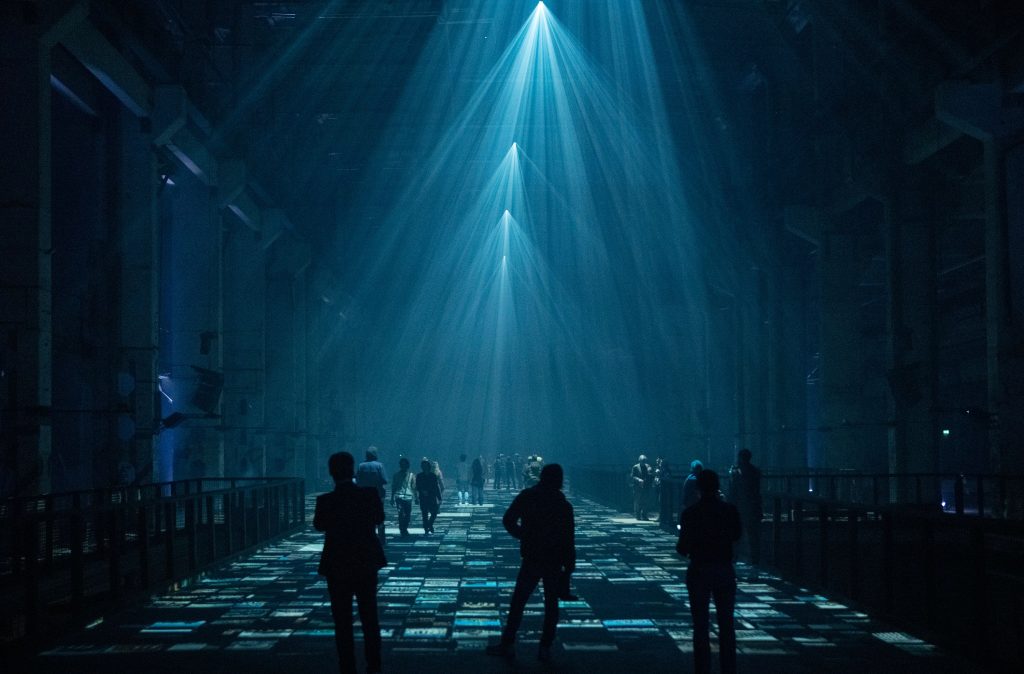
Notable figures in AI-driven art include:
- Refik Anadol – His AI-generated artwork transforms raw data into hypnotic visual compositions that mimic human perception. His installation Machine Hallucinations at the Museum of Modern Art (MoMA) in New York used machine learning to generate a dreamlike illusion of urban landscapes.
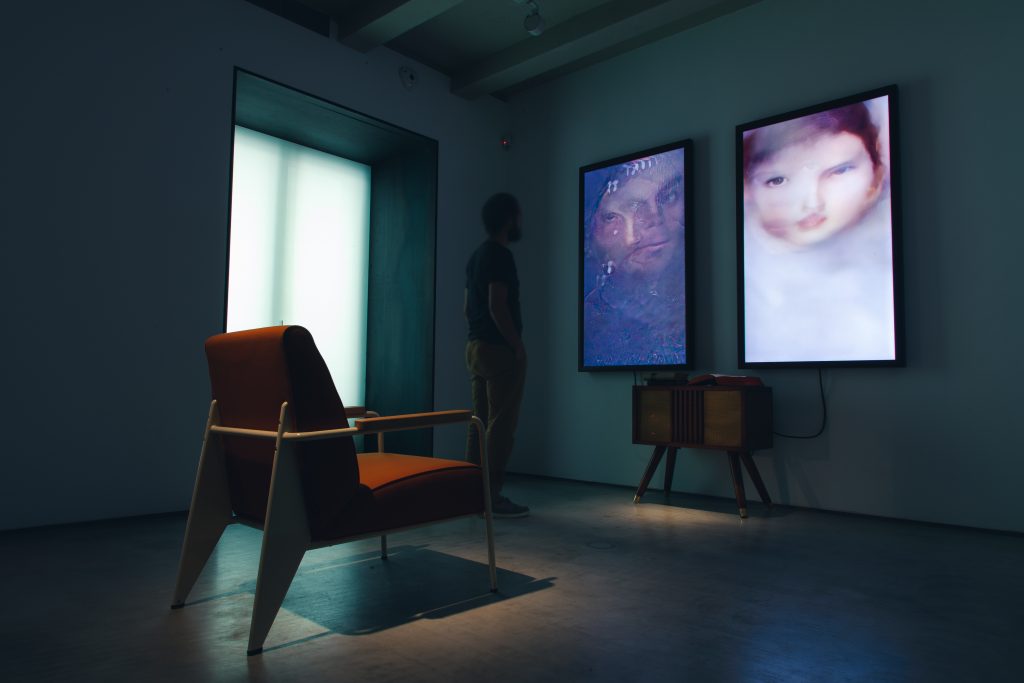
- Mario Klingemann – Known for his AI-generated portraits, Klingemann’s works evolve in real-time, creating ever-changing visual distortions. His piece Memories of Passersby I is a perfect example of AI using neural networks to generate haunting, illusionistic portraits.
- Sougwen Chung – A multidisciplinary artist who collaborates with AI and robotics to create immersive, illusionary experiences. Her work blurs the line between human and machine creativity, using AI-generated strokes that mimic traditional brushwork.
These artists are redefining the boundaries of what illusionistic art can achieve, bringing AI-driven creativity into museums, digital platforms, and public installations.

Engagement Prompt: What Fascinates You the Most?
As technology continues to push the boundaries of illusionistic art, it’s fascinating to see how different styles still resonate with audiences today. From the precise brushwork of Renaissance trompe-l’œil painters to the surreal dreamscapes of Dalí and the mesmerising patterns of Op Art, every era has contributed to this ongoing visual dialogue.
With the rise of AI and digital technology, illusionistic art is no longer limited to static images—it is interactive, ever-changing, and deeply immersive. But which style of illusionary art do you find most captivating?
Do you prefer the classical techniques of perspective painting, the surreal distortions of 20th-century artists, or the interactive illusions of modern digital creations? Share your thoughts below!
Leave a Reply