
No products in the cart.

The Ultimate Guide to Framing Artwork – Choosing the Perfect Frame
Framing is more than just a finishing touch—it plays a crucial role in enhancing an artwork’s presentation, preserving its condition, and ensuring it fits seamlessly within its surroundings. Whether you are framing contemporary art, oil paintings, or black and white photography, choosing the right frame can make all the difference in how the piece is perceived and protected.
Why Framing Matters
A carefully selected frame does more than simply encase an artwork. It serves multiple purposes, including:
- Enhancing the artwork – The right frame complements the colours, textures, and overall style of the piece, drawing attention to its finer details.
- Protecting against damage – Frames provide essential support and, when paired with UV protection glass or acid-free materials, help prevent fading, dust accumulation, and deterioration.
- Blending with interior decor – A frame should not only suit the artwork but also harmonise with the space in which it is displayed, whether it’s a home, gallery, or office.
Selecting a frame requires an understanding of different frame styles, materials, and finishes to ensure the perfect balance between aesthetics and functionality.
What This Guide Covers
This guide will walk you through everything you need to know about how to frame your art effectively. We’ll explore:
- The different frame styles and how they affect the artwork’s overall presentation
- How to choose the perfect frame for specific types of artwork, including oil paintings, acrylics, and photography
- The variety of materials available, from wood and metal frame options to contemporary alternatives
- The importance of UV protection and conservation framing for longevity
- Tips on matching frames with interior decor for a cohesive display
Whether you’re looking for a minimalist frame to enhance modern artwork or a bold black frame for high-contrast pieces, this guide will help you make a good choice.
Town Quay Studios Expertise
At Town Quay Studios, expert framers offer a wide range of custom frames tailored to suit different artworks and personal preferences. With years of experience in framing everything from traditional paintings to contemporary art, their expertise ensures that every piece of art receives the perfect frame to enhance its beauty while providing long-term protection.
For professional guidance on framing artwork, visit Town Quay Studios to explore framing services and consultation options.

How to Choose the Right Frame for Your Artwork
Selecting the right frame is about more than just aesthetics—it plays a crucial role in how an artwork is presented and preserved. The right choice enhances the artwork, ensuring that it stands out without overpowering its composition. When framing a piece of art, it’s essential to consider frame style, size, and how the frame complements the subject and mood of the work.
Understanding Frame Styles
Different frame styles can dramatically alter the way an artwork is perceived. The choice between classic, contemporary, minimalist, or ornate designs should be guided by the nature of the artwork and the setting in which it will be displayed.
- Classic frames – Traditional wooden frames with decorative mouldings work well for oil paintings, historical artworks, and pieces that require a timeless, sophisticated presentation.
- Contemporary frames – Sleek, modern designs in neutral or bold colours suit contemporary art, abstract pieces, and black and white photography.
- Minimalist frames – Thin, simple frames allow the artwork to take centre stage, ideal for modern and understated compositions.
- Ornate frames – Heavily decorated frames add drama and grandeur, often suited to classical artworks or statement pieces.
Choosing the right frame style ensures that it enhances the artwork rather than distracting from it.
How Frame Style Affects the Artwork
The frame should complement the colours, mood, and subject of the artwork. A black frame, for instance, adds depth and contrast to monochrome photography, while a warm wooden frame enhances the richness of oil paintings. Metal frames often create a striking contrast with contemporary art, adding a polished finish.
Additionally, the setting in which the artwork will be displayed plays a role. A sleek frame might work best in a modern home, while an ornate gold frame might be better suited for a more traditional or gallery-style environment.
Size Considerations
Choosing the right size frame is essential to ensure a balanced composition. If a frame is too small or too large for the artwork, it can distort its proportions or diminish its impact.
- Thin frames are ideal for smaller works, keeping the focus on the artwork itself.
- Thicker frames add weight to larger pieces, providing a structured and finished appearance.
- Matting options can enhance the framed artwork by creating a space between the frame and the piece itself, particularly useful for prints and watercolours.
Taking these elements into account ensures the frame complements the artwork while also fitting seamlessly into its display space.
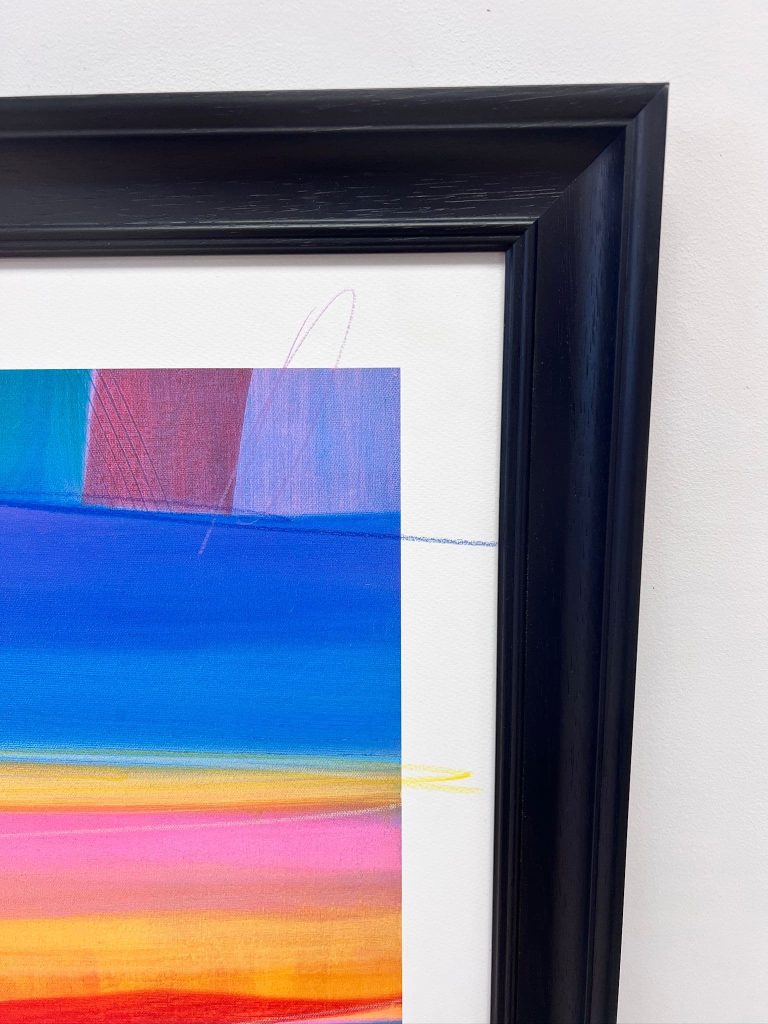
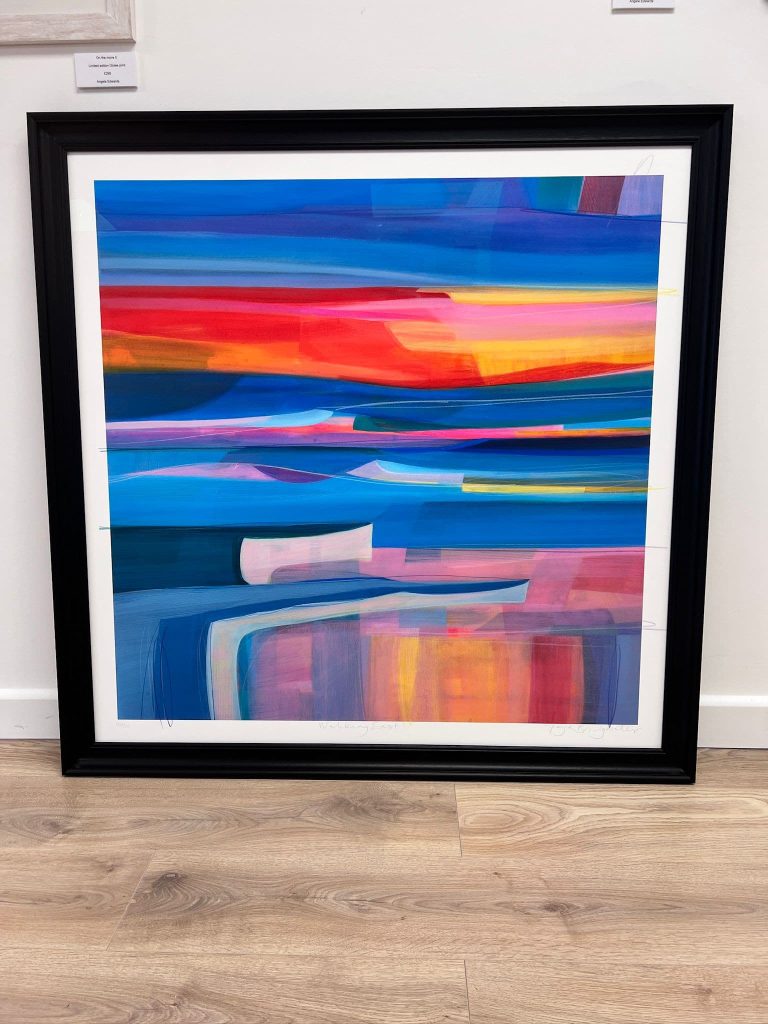
Exploring Frame Materials: Finding the Best Option for Your Art
The material of the frame plays a significant role in both the appearance and longevity of an artwork. Depending on the type of artwork being framed, different materials offer distinct advantages in terms of durability, weight, and visual impact.
Wood Frames
Wood frames are a traditional choice, offering warmth and a timeless appeal. They are particularly well-suited for oil paintings and acrylic artworks, adding depth and richness to the presentation. Available in a variety of materials, from light oak to deep mahogany, wood frames can be tailored to suit both classic and contemporary interiors.
For those looking for a more refined appearance, wood frames with hand-carved detailing add elegance, making them a popular choice for gallery-style displays.
Metal Frames
Metal frames provide a sleek and modern finish, making them a popular option for contemporary art and black and white photography. Their clean lines and polished surfaces offer a minimalist appeal that allows the artwork to stand out.
A metal frame can also provide contrast—pairing a simple aluminium frame with a bold abstract piece, for example, can enhance the colours and structure of the artwork. Additionally, metal frames tend to be lightweight and durable, making them a practical option for large-scale prints and modern compositions.
Acrylic and Composite Frames
Acrylic and composite frames are lightweight, cost-effective alternatives to traditional wood or metal frames. These frames come in a variety of materials and finishes, allowing for a high degree of customisation. They are particularly suitable for casual or modern settings and offer a contemporary look with a wide range of colour options.
Many acrylic and composite frames include UV protection, helping to prevent fading over time. This is particularly useful for artworks displayed in areas with significant exposure to sunlight.
Custom Frames vs. Ready-Made
For those seeking a truly personalised presentation, custom frames provide the advantage of tailored sizing, material selection, and specialist finishes. Custom framing ensures that the frame is the perfect fit for the artwork, enhancing its impact while providing optimal protection.
Ready-made frames, on the other hand, are a more affordable and convenient option. While they may not always provide the same level of precision as custom frames, they offer a practical solution for standard-sized artworks, prints, and photographs.
Choosing between custom and ready-made frames depends on the value of the artwork, the level of preservation required, and the desired aesthetic outcome.
Selecting the right frame material is a crucial part of framing your art, ensuring that it not only looks visually appealing but also receives the protection it deserves. Whether opting for a natural wood finish, a sleek metal frame, or a minimalist acrylic alternative, choosing the right frame can elevate the overall impact of the artwork.
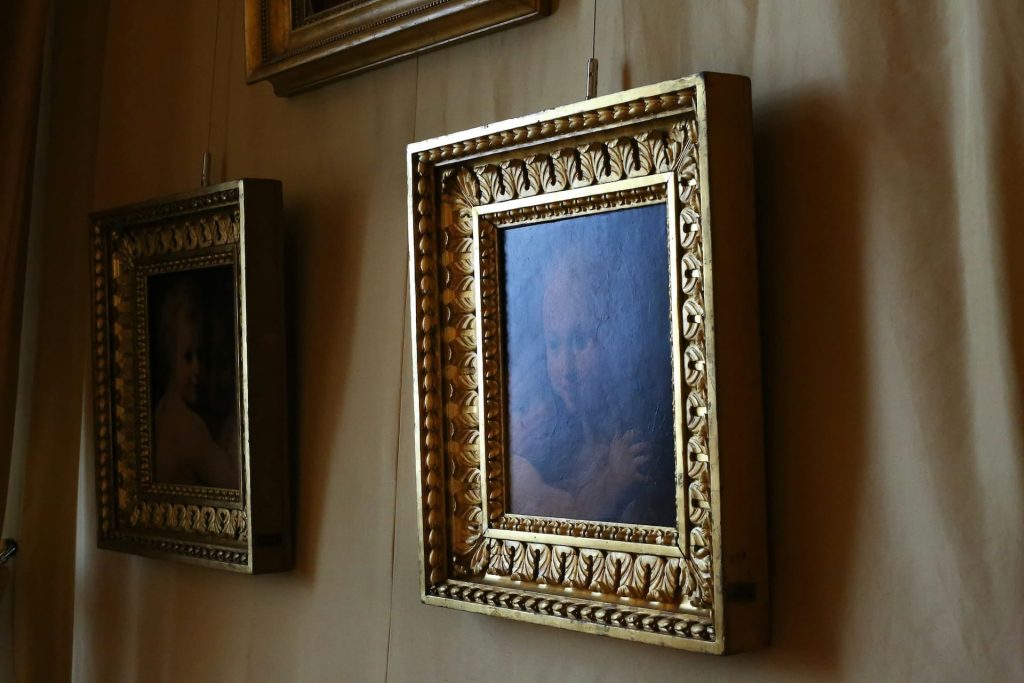
Choosing the Perfect Frame for Different Types of Artwork
Different types of artwork require different framing approaches to ensure they are both aesthetically pleasing and well-preserved. Whether you are framing oil paintings, photography, or prints, selecting the right frame style and materials will help protect and enhance your artwork.
Framing Oil and Acrylic Paintings
Oil and acrylic paintings often require deeper mouldings to accommodate the canvas and provide structural support. A key consideration for these paintings is protection from light, dust, and moisture, making the choice of framing materials critical.
- UV protection glass helps prevent fading, particularly for paintings displayed in well-lit rooms.
- Floating frames work well for stretched canvases, providing a modern, unobtrusive look.
- Traditional wood frames can add warmth and depth, complementing textured brushwork.
Choosing the right frame can help highlight the richness of colours in oil paintings while also ensuring longevity.
Black and White Photography
Framing black and white photography requires careful attention to contrast and composition. The right frame should enhance the depth and tonal variations within the photograph without overpowering the image.
- A black frame offers a sleek and contemporary look, reinforcing the contrast within the image.
- A minimalist frame with a white or neutral mount allows the photograph to stand out.
- Matting options can create a buffer between the photograph and the frame, adding dimension.
A high-quality mat border can also enhance the perception of depth, giving black and white photography a gallery-style presentation.
Watercolour and Prints
Watercolours and prints are delicate and often require extra protection. These artworks benefit from light-coloured frames and float mounting, which add elegance without overwhelming the piece.
- Float mounting is ideal for prints, giving the impression that the artwork is suspended within the frame.
- A light-coloured wood frame complements the soft tones of watercolour paintings.
- UV protection glass helps prevent fading, ensuring longevity.
Using conservation-grade materials will help keep the artwork in its best condition over time.
Canvas vs. Paper Artworks
The choice of framing style differs significantly between stretched canvas artworks and those created on paper.
- Stretched canvas paintings can be framed without glass, using floating frames or traditional deep-set frames.
- Paper-based artworks require framing with glass or acrylic to prevent exposure to dust and moisture.
- Mounted prints should be protected with acid-free materials to avoid long-term damage.
Understanding the differences in framing techniques ensures that each artwork receives the appropriate treatment for both protection and presentation.
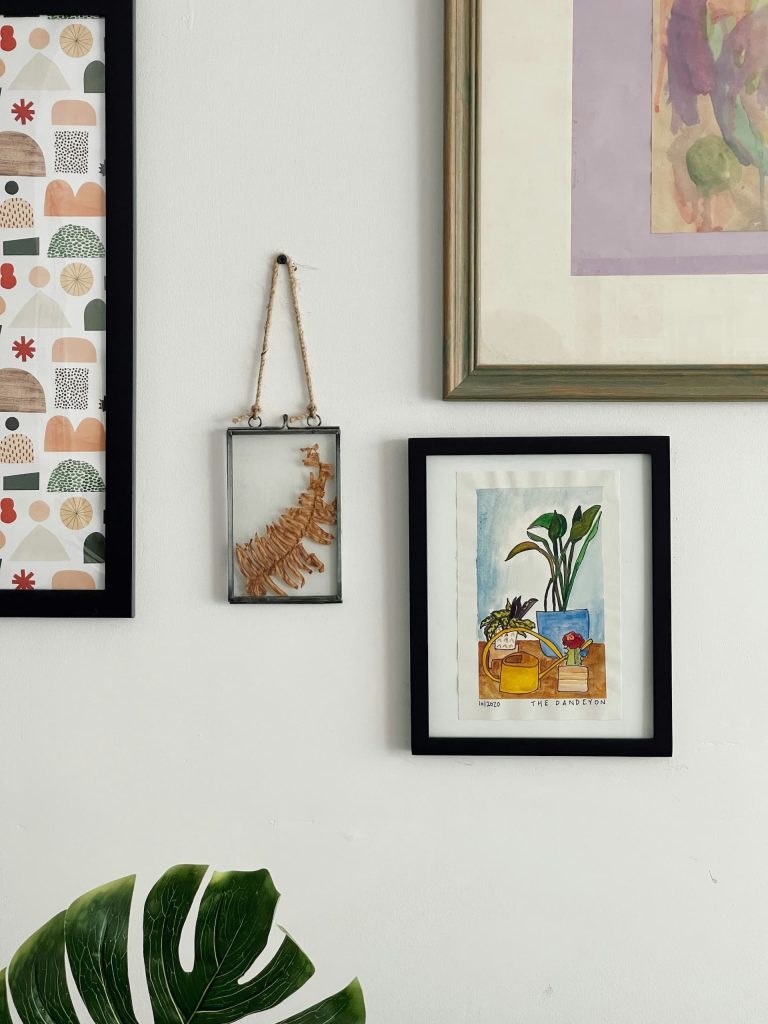
Protecting Your Artwork: Glass, Mounting, and Conservation Framing
Proper framing is not only about aesthetics but also about preserving artwork for years to come. Using the right glass, mounting techniques, and materials can help protect artwork from environmental damage.
UV Protection
Exposure to direct light can cause colours to fade over time. Using UV protection glass helps minimise the effects of sunlight and artificial lighting.
- Museum glass provides high-quality UV protection with minimal glare.
- Acrylic glazing is lightweight and shatter-resistant, making it ideal for large artworks or areas prone to breakage.
- Anti-reflective coatings help maintain visibility while reducing light distortion.
UV protection is particularly important for oil paintings, acrylics, and delicate prints displayed in bright spaces.
Matting and Mounting Options
Matting serves both decorative and protective purposes. It creates a space between the artwork and the glass, preventing condensation buildup that could damage the piece.
- Neutral-coloured mats allow the artwork to take centre stage.
- Double matting adds depth and visual appeal, especially for prints and photographs.
- Float mounting works well for prints, giving them a clean, modern look.
Using the right mount type enhances presentation while keeping the artwork in good condition.
Acid-Free Materials
Conservation framing requires the use of acid-free materials to prevent yellowing and deterioration. Standard framing materials can contain acids that break down artwork over time.
- Acid-free mat boards and backings help preserve artwork longevity.
- Archival mounting techniques ensure that artwork remains undamaged if it needs to be reframed.
- Hinged mounting methods allow artwork to expand and contract naturally, reducing stress on delicate pieces.
Using conservation-grade materials is especially important for historical prints, limited edition artworks, and valuable paintings.
Framing for Different Environments
The framing approach should also take into account where the artwork will be displayed. Different settings require different framing considerations:
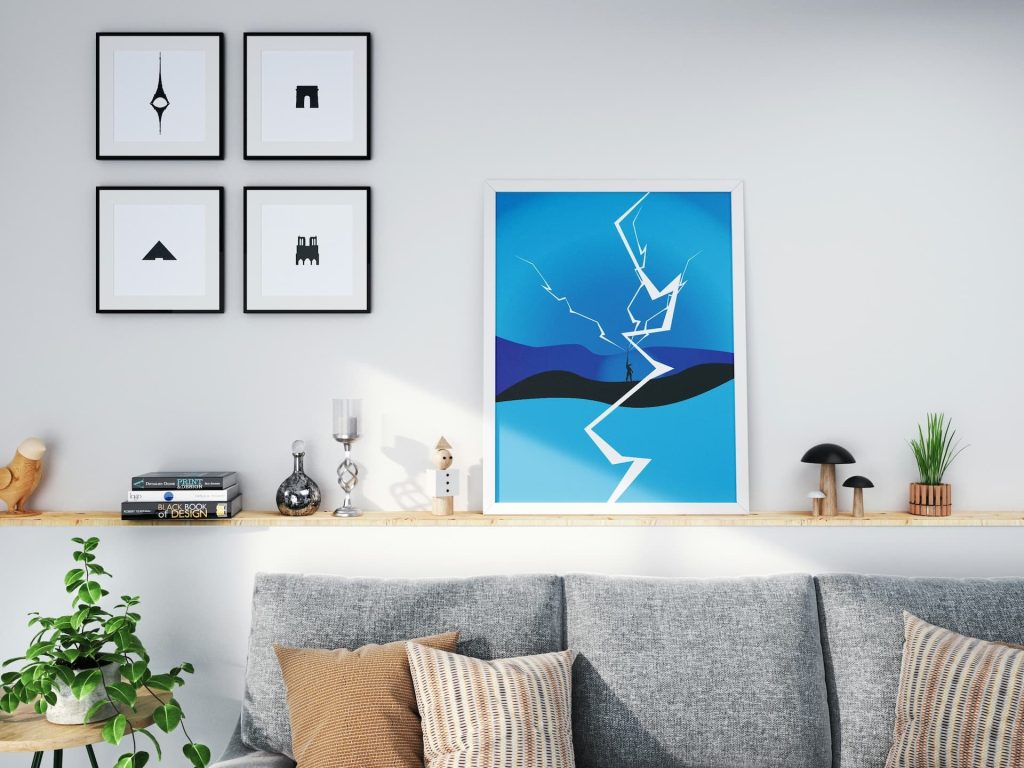
- Gallery framing uses high-quality materials for professional display, often incorporating UV protection and conservation techniques.
- Home framing allows for more customisation, with frames chosen to match interior decor while offering sufficient protection.
- Corporate framing requires durable materials that maintain artwork integrity while creating a professional aesthetic.
Ensuring that artwork is framed correctly for its environment prevents unnecessary wear and maintains its original condition for years to come.
Choosing the right frame not only enhances an artwork’s appearance but also ensures its longevity. Whether it’s a traditional oil painting, a contemporary black and white photograph, or a delicate watercolour print, selecting the right framing techniques will provide both aesthetic appeal and protection.
How to Frame Your Art to Complement Your Space
Framing artwork isn’t just about preserving and presenting the piece—it’s also about ensuring it fits seamlessly into your space. A well-chosen frame can enhance both the artwork and the surrounding decor, creating a cohesive and visually pleasing environment.
Matching Frames to Interior Design
When selecting a frame, it’s important to consider the overall aesthetic of the room where the artwork will be displayed. The frame should not overpower the artwork, but it should also harmonise with the surrounding elements.
- Traditional interiors – Classic wooden frames in warm tones complement period-style decor and vintage furnishings.
- Modern and minimalist spaces – Sleek metal frames or thin black frames work well in contemporary settings.
- Rustic or industrial design – Natural wood frames with a distressed finish enhance the organic feel of the space.
- Eclectic styles – Mixing and matching frames in different colours and materials can create a dynamic and artistic atmosphere.
By choosing the right frame style, you can create a balance between the artwork and your interior decor.
Minimalist Frame vs. Ornate Frame
The choice between a minimalist frame and an ornate frame depends on both the artwork and the space in which it will be displayed.
- Minimalist frames – Thin black or metal frames provide a clean, modern look, ideal for contemporary art and photography.
- Ornate frames – Heavily detailed frames, often with gold or silver finishes, suit classic paintings, traditional oil paintings, and historical prints.
A minimalist frame allows the artwork to be the focal point, while an ornate frame adds a touch of grandeur and elegance. Selecting the right balance ensures the artwork enhances the space without feeling out of place.
Mixing and Matching Frames
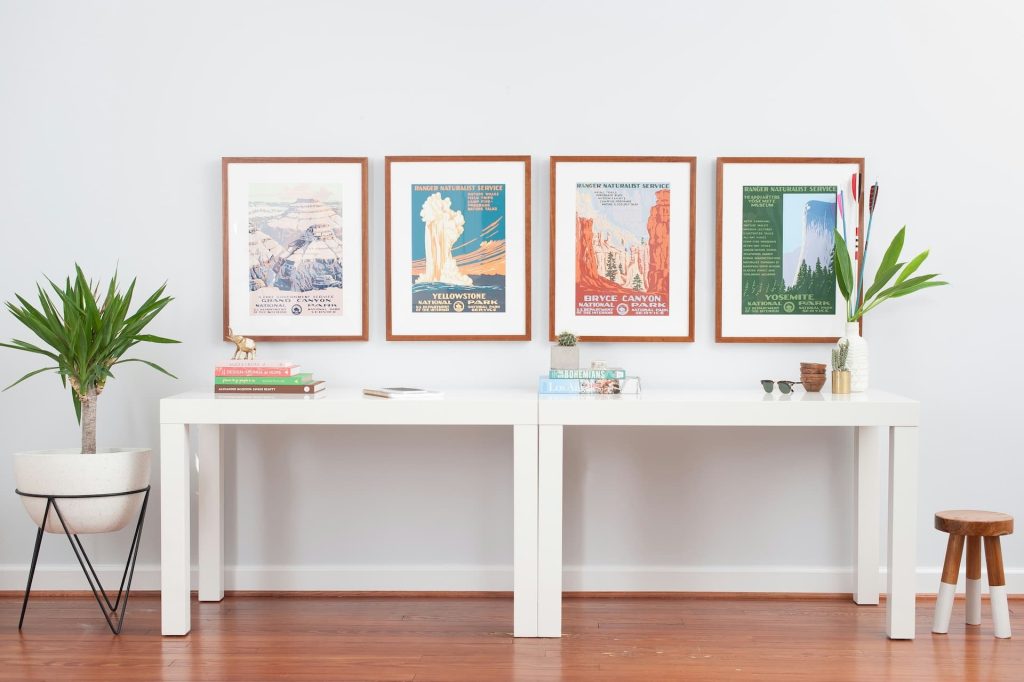
Creating a gallery wall with multiple framed artworks requires careful planning to achieve a cohesive look.
- Use frames of similar colours or materials to maintain unity while showcasing different pieces of art.
- Combine different frame styles for a curated, artistic feel while keeping a consistent theme.
- Arrange artworks in a balanced layout, ensuring that frames and artwork sizes complement each other.
Whether you are framing a single statement piece or an entire collection, considering how frames interact with the space will ensure a harmonious display.
Where to Get Professional Framing Services
While ready-made frames offer convenience, professional framing services provide tailored solutions that enhance and protect your artwork for years to come.
Why Choose a Professional Framing Service?
A professional framer ensures that your artwork is framed to the highest standard, using materials and techniques that extend its lifespan. Benefits of choosing professional framing include:
- Expert craftsmanship – Custom frames are built with precision, ensuring a perfect fit.
- High-quality materials – Conservation-grade materials help protect artwork from environmental damage.
- Personalised options – Choose from a variety of frames, mounts, and finishes tailored to your style.
- Long-term preservation – Acid-free backing and UV protection glass help maintain artwork integrity.
Investing in professional framing ensures that your artwork is both beautifully displayed and well-preserved.
How Town Quay Studios Can Help
Town Quay Studios offers a range of custom framing options for paintings, photography, prints, and more. Their expert framers work closely with clients to create the perfect frame, whether for contemporary art, oil paintings, black and white photography, or limited edition prints.
Services include:
- Bespoke framing consultations to help you choose the best frame for your artwork
- A wide selection of frames and mounts to match different styles and preferences
- Conservation framing techniques for long-term preservation
- High-quality materials, including wood, metal, and acrylic frames
With an emphasis on craftsmanship and attention to detail, Town Quay Studios provides framing solutions that enhance the beauty and longevity of your artwork.
How to Get Started
Ordering a custom frame from Town Quay Studios is a straightforward process:
- Consultation – Discuss your framing needs with an expert to determine the best frame style and materials.
- Choose Your Frame – Select from a variety of materials, including wood, metal, and minimalist frames.
- Customisation – Decide on mount options, glass choices (including UV protection), and finishing details.
- Framing and Assembly – Skilled framers will carefully frame your artwork, ensuring a high-quality finish.
- Collection or Delivery – Pick up your framed artwork or arrange for secure delivery.
For expert framing services, visit Town Quay Studios to explore their framing options and book a consultation.
Selecting the right frame is essential for enhancing your artwork while ensuring it is well protected. Whether you are looking for a classic wood frame, a sleek black frame, or a custom frame tailored to your space, Town Quay Studios offers expert solutions to meet your framing needs.
Final Thoughts
Choosing the right frame is essential for both enhancing and protecting artwork. Whether you are framing oil paintings, contemporary art, black and white photography, or prints, the right frame style, material, and size can make a significant difference in how the artwork is perceived and preserved.
Throughout this guide, we’ve covered:
- The importance of selecting a frame that complements the artwork and your interior space
- How different frame materials, from wood frames to metal frames, influence presentation
- Special considerations for oil paintings, acrylics, watercolours, and photography
- The role of UV protection, matting, and conservation framing in maintaining the artwork’s longevity
- Why custom frames offer the best solution for ensuring a perfect fit and professional finish
Investing in a high-quality frame ensures that your artwork is properly displayed, preserved, and appreciated for years to come.
If you’re looking for expert guidance in choosing the perfect frame, Town Quay Studios offers a range of custom frames and professional framing services tailored to your artwork’s unique needs. Whether you prefer a minimalist frame, a bold black frame, or a handcrafted wood frame, their skilled framers can help bring out the best in your artwork.
Explore our framing services and book a consultation to find the right frame for your piece.
We’d love to hear from you! What’s your biggest challenge when choosing a frame for your artwork? Share your thoughts in the comments or reach out for expert framing advice.
Leave a Reply