
No products in the cart.
10 Cultural Artists You Should Know: Diversity, Heritage and Expression
Art is never made in a vacuum. It carries traces of language, place, family, migration, belief, memory, politics, craft and the body. Even when an artwork looks abstract, it can still hold a relationship to culture. A colour, a material, a pattern, a method of making or a repeated symbol can point to stories that are much older than the artwork itself.
That is why Cultural Artists matter. They help us understand how identity and heritage can be expressed without being simplified. Their work often asks difficult questions. Who gets remembered? Whose stories are displayed in museums? What happens when traditions are carried across borders? Can a material speak about labour, trade, empire or home? How does the personal become historical?
This guide introduces 10 Cultural Artists whose work has shaped modern and contemporary art. Some are known for painting, some for textiles, photography, ceramics, sculpture, collage or installation. What connects them is not one style, movement or background. It is the way they use art to think about belonging, cultural memory and expression.
For anyone visiting galleries, collecting original art, joining art classes or simply trying to look more closely, these artists offer a strong place to start.
What are Cultural Artists?
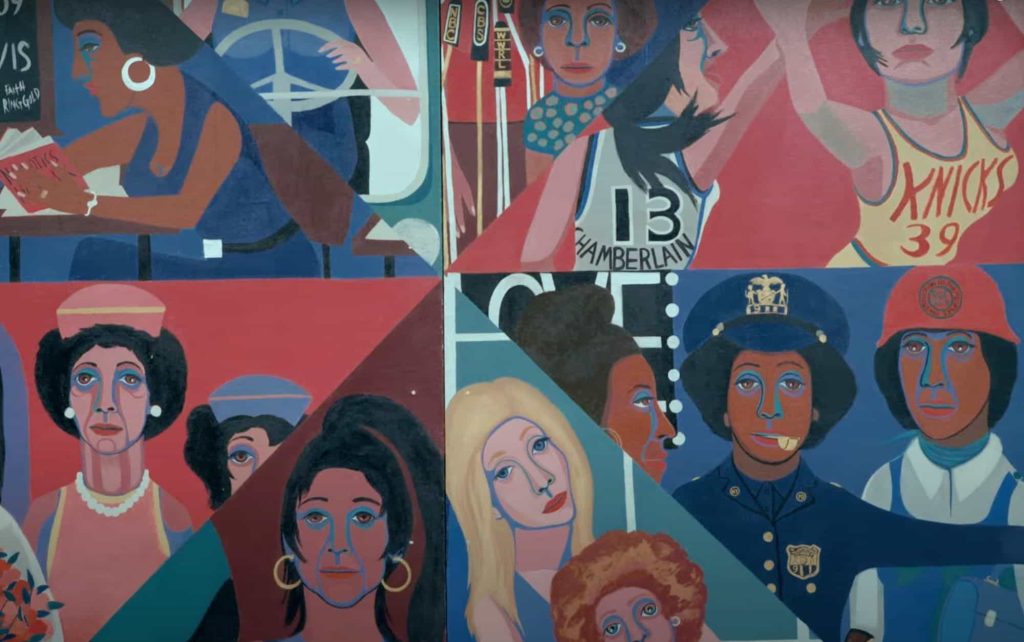
Cultural Artists are artists whose work explores culture as a living subject. This might include heritage, identity, ancestry, migration, community, ritual, language, craft, family history, place or political memory.
The term can describe artists working with traditional materials, but it should not be limited to traditional art. Many Cultural Artists work in very contemporary ways. They might use film, installation, photography, performance, found objects, ceramics, textiles, digital media or large scale sculpture. Some refer directly to cultural heritage. Others work through fragments, symbols, absences and questions.
The best Cultural Artists do not simply illustrate culture. They examine it. They test it. They show how culture can be inherited, changed, misunderstood, protected or remade.
A cultural artwork might ask:
- How does personal identity connect to wider history?
- What does heritage feel like when people move from one place to another?
- How do materials carry memory?
- How have museums shaped what we call art?
- Who has been left out of art history?
- What happens when artists reclaim old images, stories or techniques?
This is why the subject is important for both beginners and experienced art lovers. Cultural art gives viewers more than a surface image. It invites them to look at the layers behind the work.
Why cultural identity matters in art
Cultural identity in art is not about placing people into fixed categories. It is about understanding how artists think through experience. Identity can be personal, but it can also be shaped by public history. A self portrait can speak about gender. A textile can speak about trade. A ceramic vessel can suggest the body, ceremony and the memory of making. A photograph can become an archive for communities that have been ignored or misrepresented.
This matters because galleries and museums have not always represented all voices equally. For a long time, many artists from outside dominant European and American traditions were framed as peripheral, ethnographic, decorative or simply overlooked. Cultural Artists have helped challenge that. Their work shows that modern art has never belonged to one centre. It has always been shaped by movement, exchange and resistance.
A good cultural artwork does not need to explain everything at once. In fact, the strongest works often leave space for uncertainty. They ask the viewer to notice what is present and what is missing.
How to look at work by Cultural Artists
When looking at cultural art, begin with the artwork before the biography. Biography can help, but it should not replace close looking. Notice the materials first. Is the artist using paint, cloth, clay, metal, paper, photography or found objects? Does the material have a history beyond the studio?
Then look at repetition. Are there repeated marks, patterns, symbols, figures or gestures? Repetition can suggest ritual, memory, labour, trauma, celebration or inheritance.
Pay attention to scale. Some artists use large installations to make viewers feel surrounded by history. Others use small objects to draw attention to intimacy and care.
Finally, ask what the work refuses to simplify. Cultural Artists often work against easy answers. Their art may hold pride and pain at the same time. It may honour tradition while questioning it. It may be beautiful and unsettling in the same moment.
1. Frida Kahlo: self portrait as cultural memory
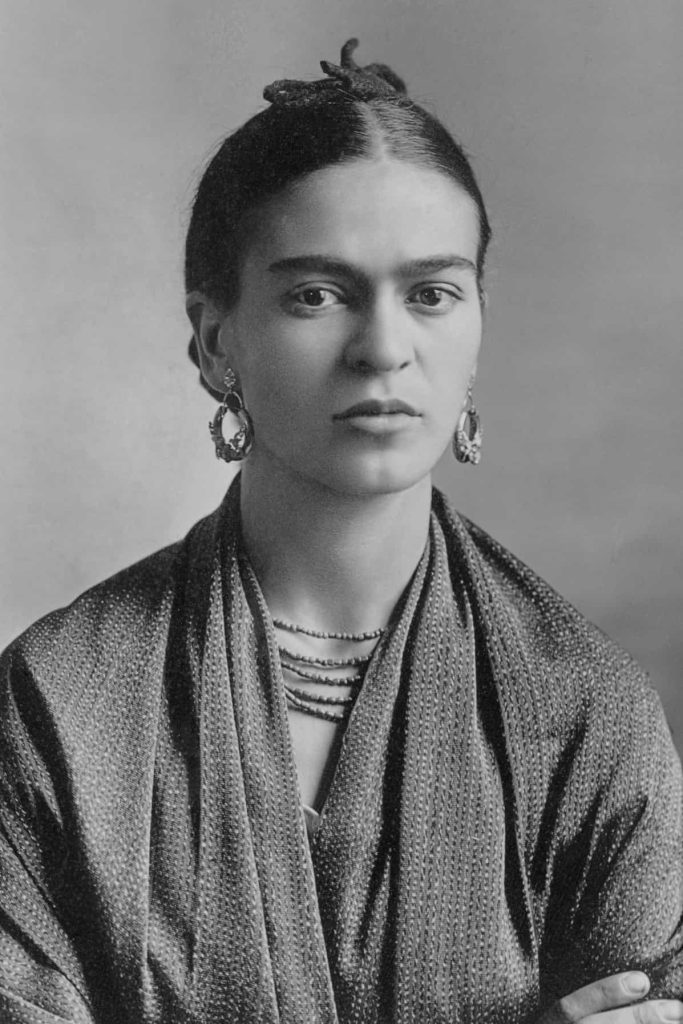
Frida Kahlo is one of the most recognised artists in the world, but her familiarity can sometimes make people look too quickly. Her self portraits are not simply images of the artist. They are carefully constructed works about the body, Mexican identity, gender, pain, love, politics and self invention.
Born in Mexico in 1907, Kahlo began painting seriously after a bus accident in 1925 left her with lasting injuries. Her work is often autobiographical, but it is not only personal. She used self portraiture to build a visual language that connected her own life with Mexican heritage, Catholic imagery, Indigenous references, political symbolism and modern ideas about identity.

© Frida Kahlo Self portrait – Used according to Educational Fair Use
Kahlo understood clothing as image making. Her use of Tehuana dress, jewellery and flowers was not decorative background. It was part of how she staged the self. In many portraits, the viewer sees an artist who is both vulnerable and completely in control of her image.
What makes Kahlo one of the essential Cultural Artists is the way she turns the self into a site of history. Her face appears again and again, but each return reveals something different. Sometimes the body is wounded. Sometimes it is defiant. Sometimes it is split between identities, places and emotional states.
Kahlo’s art also matters because it refuses the old division between personal experience and serious art. Physical pain, miscarriage, desire, heartbreak and gender expression all become subjects worthy of painting. Her work helped open a door for later artists who explored the body not as an ideal form, but as a lived reality.
What to notice: the clothing, plants, animals, medical imagery and double selves. Kahlo’s paintings reward slow looking because every object is part of the meaning.
2. Faith Ringgold: quilts, stories and the politics of memory
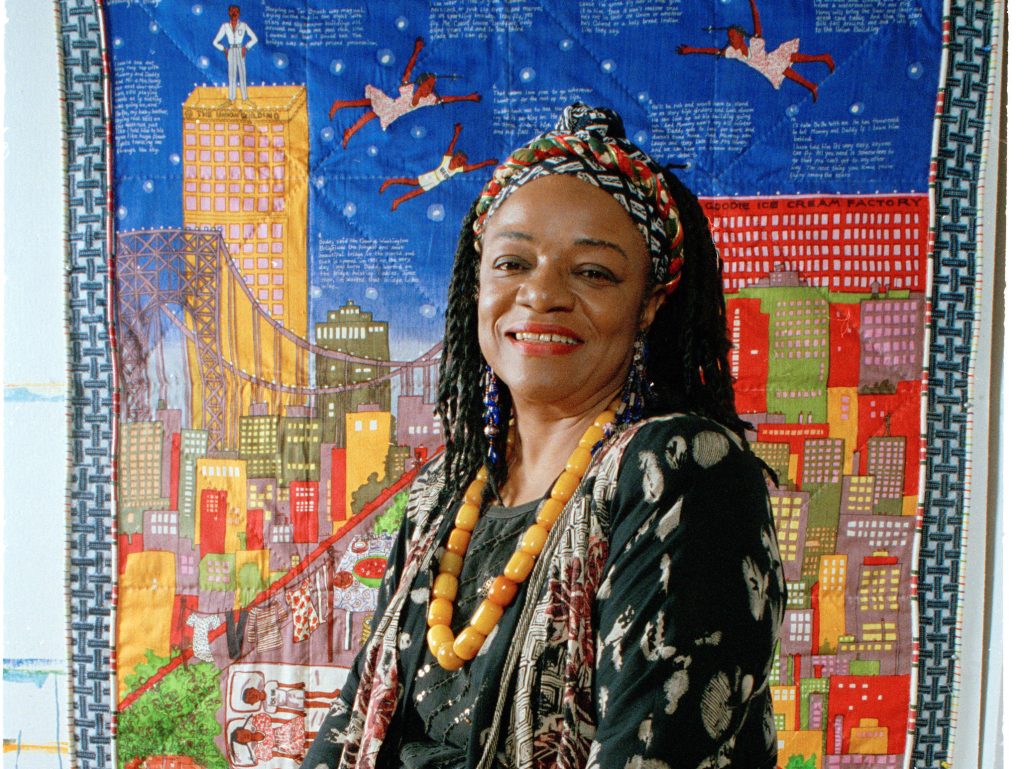
Faith Ringgold was an American artist, writer, teacher and activist whose work moved across painting, quilts, soft sculpture and children’s books. Born in Harlem in 1930, she became known for art that joined political urgency with storytelling, family memory and the traditions of textile making.
Ringgold’s early paintings, including works from her American People series, confronted racism, violence and social division in the United States. Later, her story quilts became one of her most influential forms. These works combined painted images, fabric borders and written narrative. They challenged the idea that painting belonged in one category and quilting in another.
That challenge is important. Textile work has often been dismissed as craft, domestic labour or women’s work, even when it carries immense technical and cultural meaning. Ringgold took a form associated with home, inheritance and community, then used it to speak about history, race, gender and imagination.
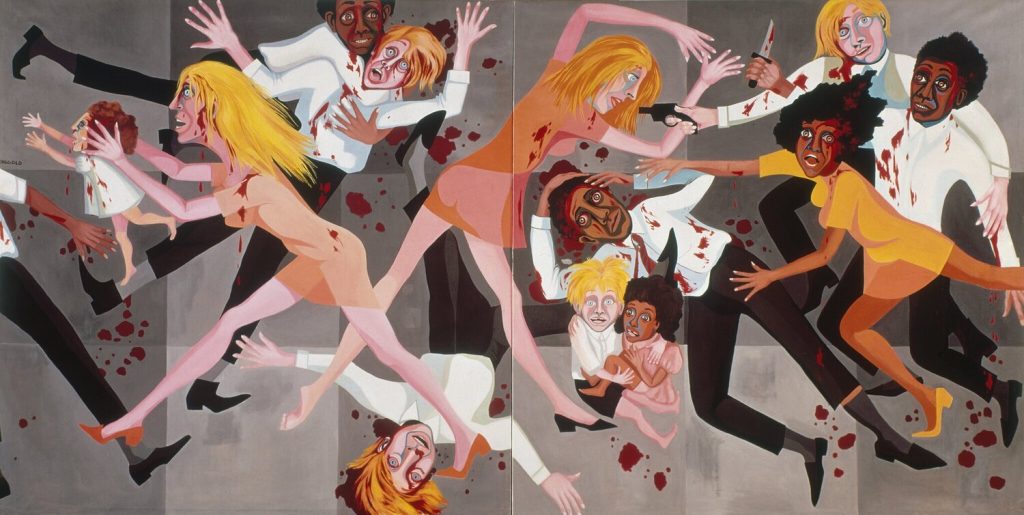
Her celebrated work Tar Beach tells the story of a young Black girl imagining freedom as she flies over New York City. It is both a personal narrative and a wider statement about aspiration, exclusion and possibility. Ringgold often used storytelling not as escape, but as a way to claim space.
As one of the key Cultural Artists of the twentieth and twenty first centuries, Ringgold showed that culture lives in family stories, sewn edges, oral history and repeated acts of making. Her quilts are not secondary to painting. They are a radical form of painting, writing and memory held together.
What to notice: the borders, handwritten text, domestic references and shifting relationship between image and story. Ringgold’s work asks viewers to read and look at the same time.
3. Lubaina Himid: making overlooked histories visible
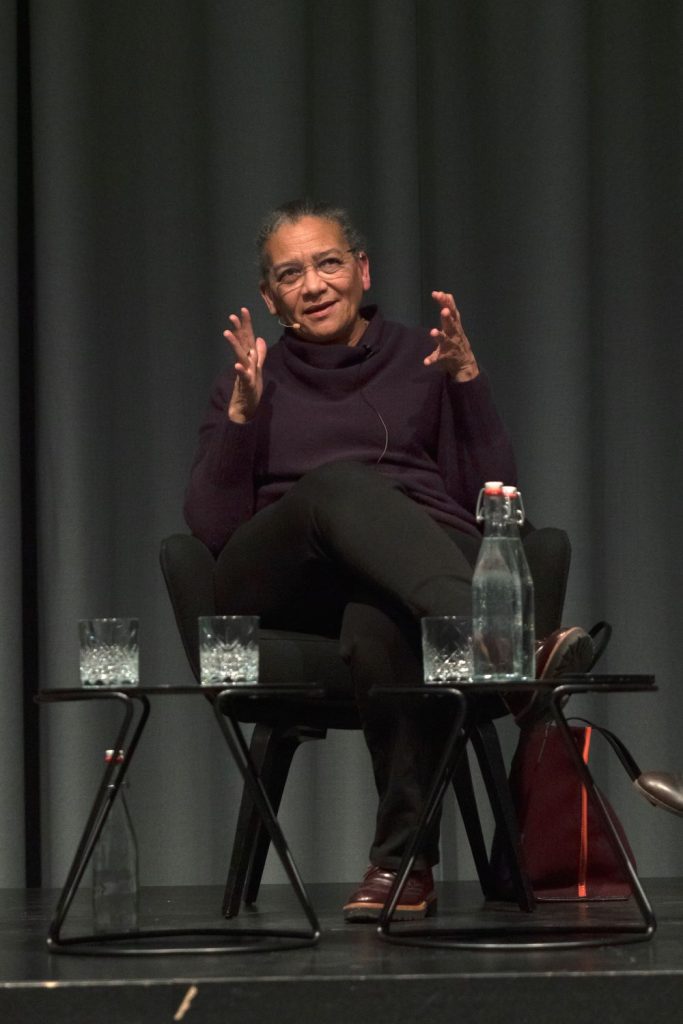
Lubaina Himid is a British artist, curator and educator who became a central figure in the British Black Arts Movement. Born in Zanzibar in 1954, she moved to Britain as a child and later studied theatre design before developing a painting and installation practice that often feels staged, architectural and conversational.
Himid’s work is deeply concerned with history, especially the lives and labour of Black people who have been pushed to the margins of British and European visual culture. Her paintings and installations often place figures in rooms, on ships, in public spaces or in patterned environments. They look as if they are waiting to speak, perform or be recognised.
One of the reasons Himid is so important is that she has also worked as a cultural organiser. She did not only make art about visibility. She helped create space for other Black artists, especially women artists, at a time when British institutions were slow to recognise their work.
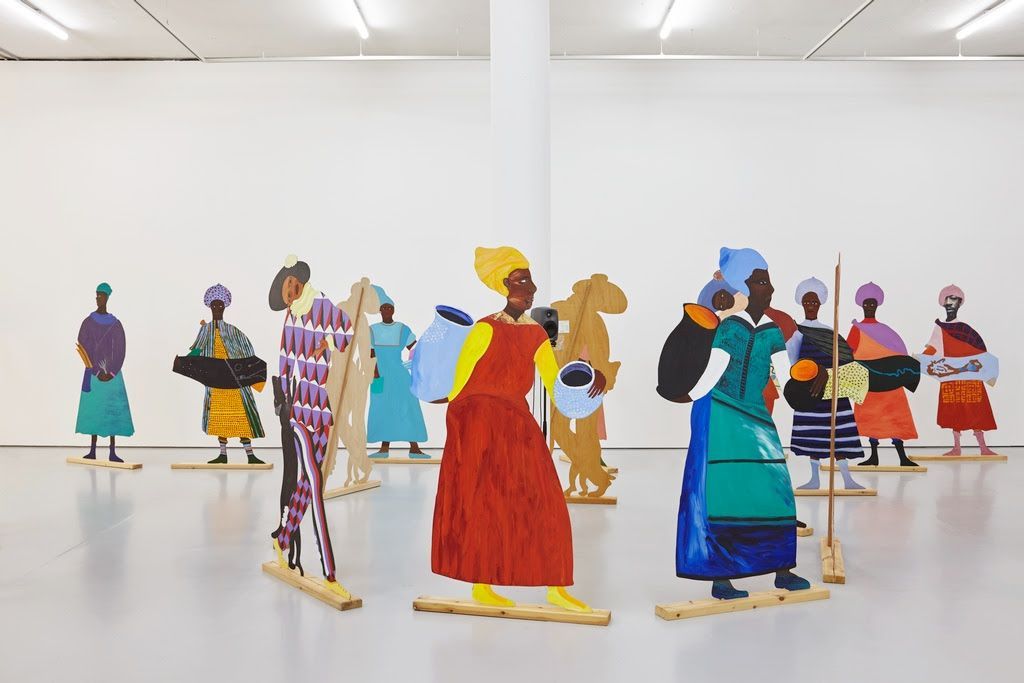
Her Turner Prize win in 2017 marked a major public recognition, but her influence began much earlier. Himid’s art asks us to reconsider who appears in history paintings, who is allowed to occupy space and who gets remembered as part of national culture.
As one of the most important Cultural Artists working in Britain, Himid shows that culture is not just inherited. It is also curated, argued over and rebuilt. Her work often has a theatrical intelligence. Figures, colours and objects are arranged in ways that make viewers aware of their own act of looking.
What to notice: the use of pattern, repeated figures, empty spaces and objects that suggest trade, service, movement or performance. Himid’s paintings often seem calm at first, but they carry a sharp historical charge.
4. Yinka Shonibare: fabric, empire and the question of authenticity
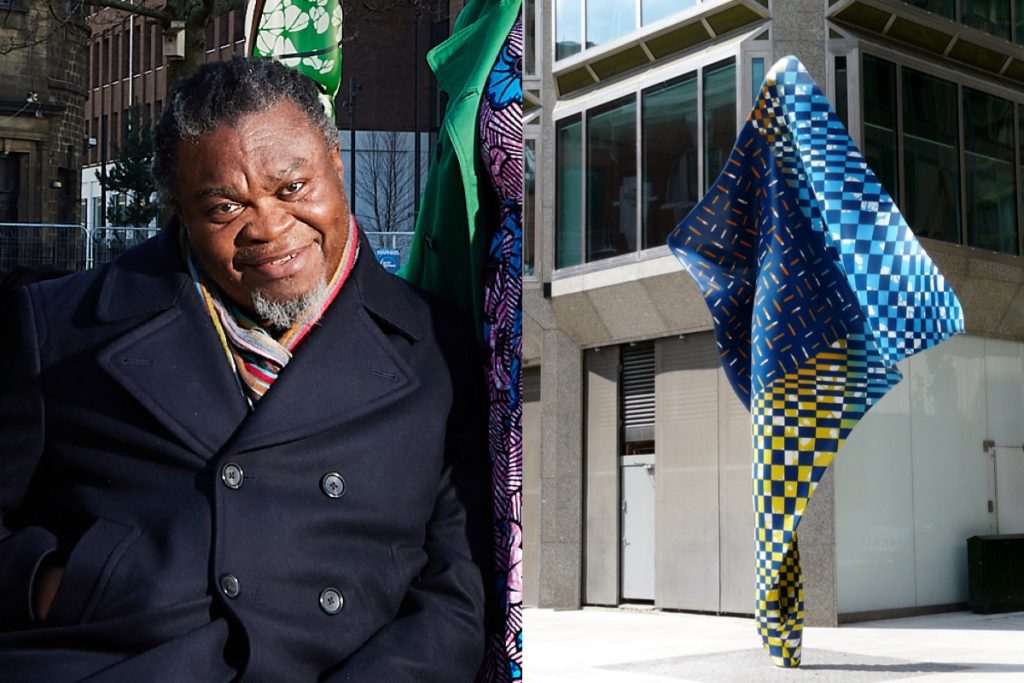
Yinka Shonibare is a British Nigerian artist whose work examines colonial history, class, taste, identity and global trade. Born in London in 1962 and raised partly in Nigeria, Shonibare is widely known for using brightly coloured Dutch wax fabric in sculpture, installation, photography and film.
That fabric is central to the meaning of his work. Many viewers associate Dutch wax cloth with African identity, but its history is more complicated. It is connected to Indonesian batik, European manufacturing and West African markets. Shonibare uses this complexity to question simple ideas of cultural authenticity.
His figures often appear in eighteenth or nineteenth century European dress, but the clothing is made from patterned fabric associated with African style. Many of the figures are headless, which can suggest both anonymity and the violence of history. Works such as The Swing after Fragonard and Nelson’s Ship in a Bottle rework European art and British imperial imagery through a global lens.
Shonibare’s work is visually seductive, but it is not easy. The colour and pattern draw viewers in. Once inside the work, they are asked to think about empire, wealth, leisure, trade and who had the power to define culture.
He is one of the Cultural Artists who best shows how materials can carry complex histories. A piece of fabric is never just fabric. It can speak about migration, capitalism, colonialism, fashion and identity all at once.
What to notice: the fabric, the costumes, the missing heads and the art historical references. Shonibare often uses beauty as an entry point into difficult history.
5. El Anatsui: sculpture made from trade, labour and transformation
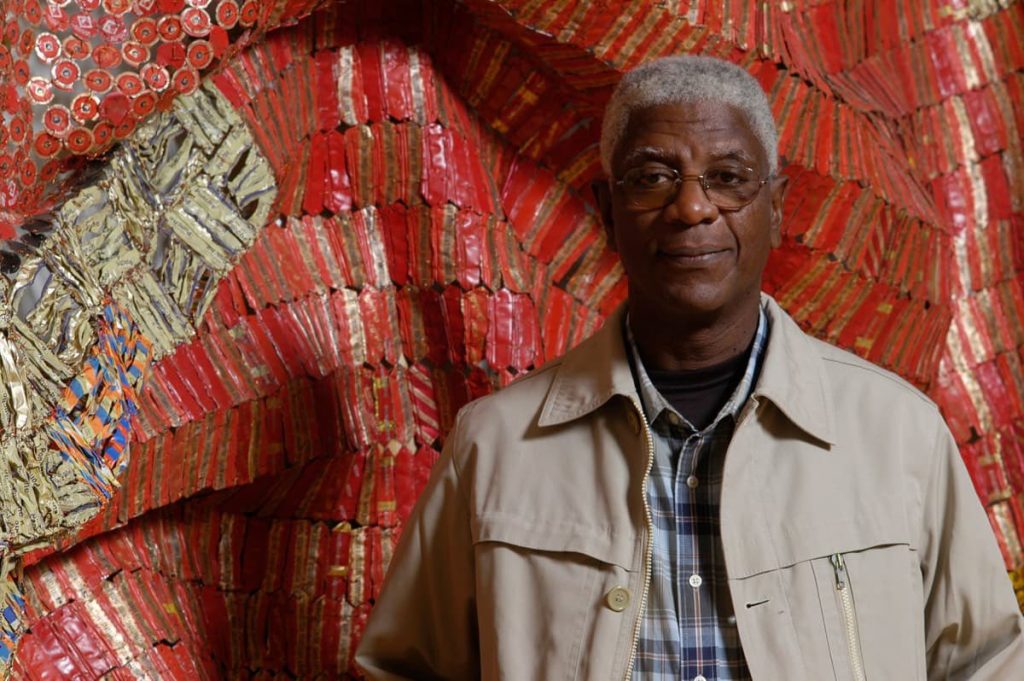
El Anatsui is a Ghanaian artist who has spent much of his career in Nigeria. He is best known for large scale sculptures made from thousands of metal bottle tops, aluminium strips and found materials. From a distance, these works can look like vast textiles, royal cloths or shimmering curtains. Up close, they reveal the labour and detail of their construction.
Anatsui’s work is often discussed through materials, and rightly so. The bottle tops are connected to consumption, trade, colonial history and everyday life. They also carry a link to alcohol, exchange and global movement. By cutting, flattening, folding and joining these fragments, Anatsui turns discarded material into sculpture with extraordinary presence.
The works are flexible. They can be hung differently each time they are installed. This means they resist the idea of a fixed, final form. They change with the architecture, the light and the decisions of the people who install them.
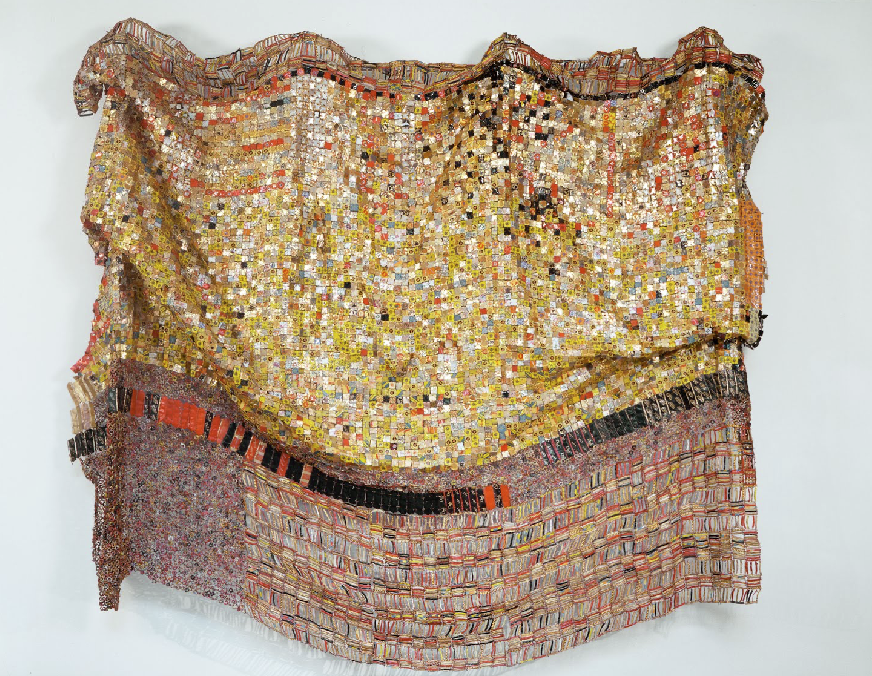
As one of the most influential Cultural Artists working with sculpture, Anatsui shows that heritage can be approached through process rather than illustration. His work does not simply depict African history. It creates a material language for thinking about trade routes, repair, collective labour and transformation.
There is also a strong relationship between his work and textile traditions, even though the pieces are made from metal. The draped surfaces recall kente cloth, ceremonial textiles and other forms of woven cultural expression, while also operating as contemporary sculpture.
What to notice: the shift between distance and detail. Step back and the work may look like fabric or landscape. Move closer and the individual fragments become visible.
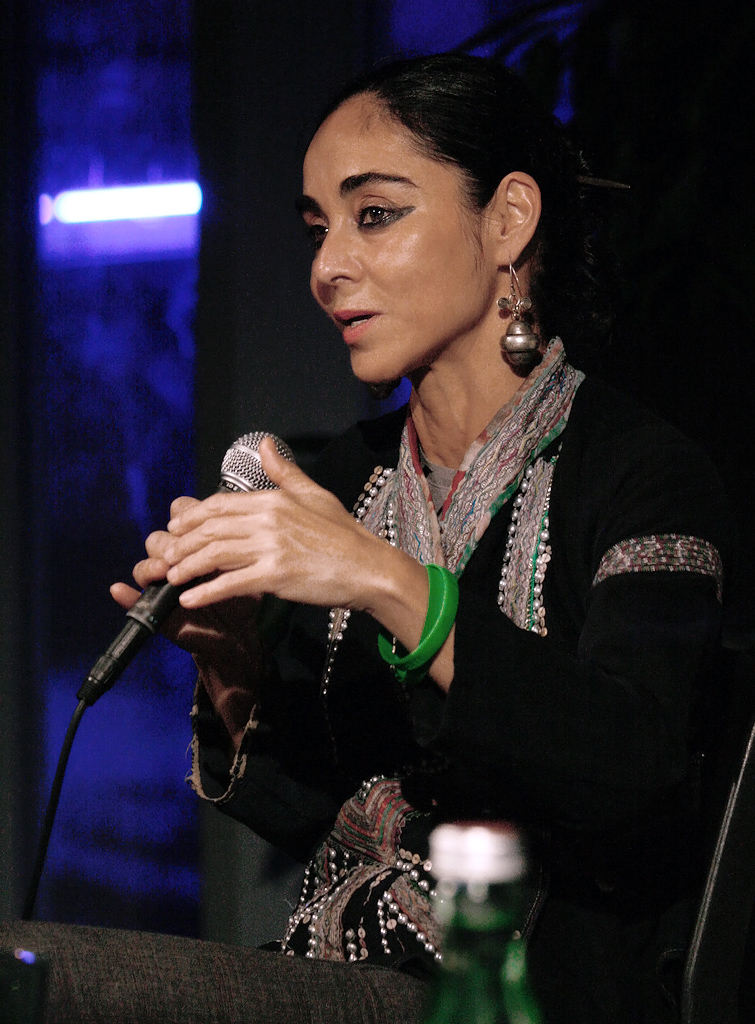
6. Shirin Neshat: photography, film and the experience of exile
Shirin Neshat is an Iranian born artist known for photography, film and video installation. Her work often explores gender, identity, exile, political change and the lives of women in relation to Iranian culture and wider global perceptions of the Middle East.
Neshat moved to the United States as a teenager in the 1970s. During her absence, Iran changed dramatically after the 1979 Revolution. This distance from home became an important part of her work. Rather than making simple statements about East and West, Neshat often creates images filled with tension, silence and contrast.
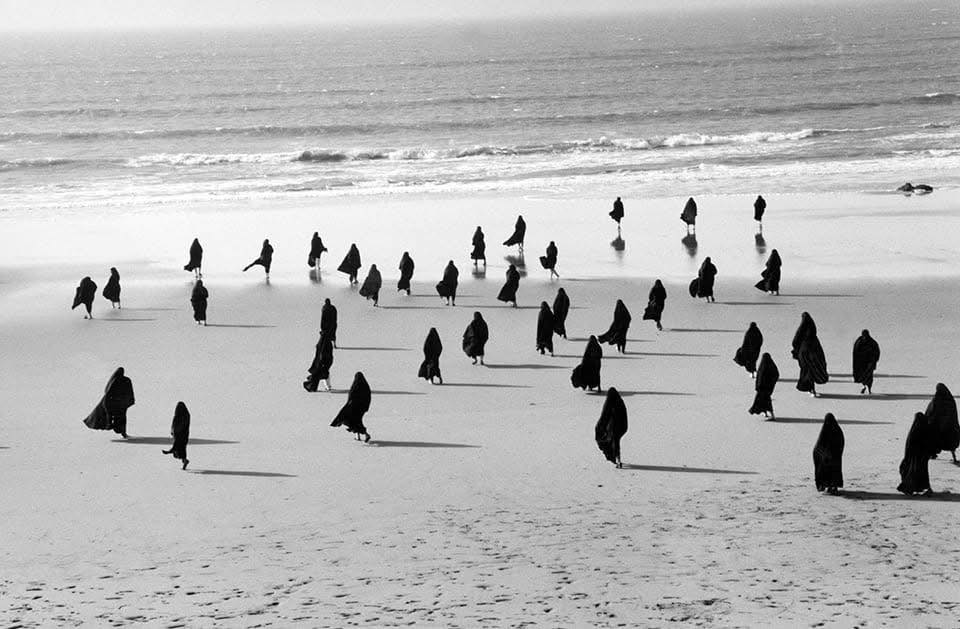
Her Women of Allah series brought her international attention. The photographs show women, veils, weapons, eyes, hands and Persian calligraphy. The images are striking because they refuse a single reading. They ask viewers to think about visibility, belief, politics, femininity and the way women’s bodies can be used as symbols by different cultures.
Neshat’s later moving image works often use sound, split screens and carefully choreographed scenes. They can feel poetic and cinematic, but beneath the beauty is a serious concern with separation, longing and power.
Among Cultural Artists, Neshat is important because she shows how cultural identity can be shaped by distance. Exile is not only loss. It can also create a complicated double vision. The artist sees home from elsewhere and sees elsewhere through the memory of home.
What to notice: the use of black and white, the role of calligraphy, the separation between men and women, and the way silence can carry meaning.
7. Magdalene Odundo: clay, the body and inherited forms
Magdalene Odundo is a Kenyan born British ceramic artist whose vessels are among the most refined and recognisable forms in contemporary studio ceramics. Born in Kenya in 1950, she has lived in Britain since the 1970s and has developed a practice that connects clay, the body, global ceramic traditions and the discipline of hand making.
Odundo’s vessels are often described in relation to the human body. They have necks, shoulders, bellies, lips and curves. This language is not accidental. Her work turns the vessel into something almost bodily, something that seems still but alive.
Her ceramics are also culturally layered. They draw on knowledge of African pottery, European studio ceramics, ancient forms and global histories of making. Yet they are never copies of traditional objects. Odundo absorbs references and transforms them through her own highly controlled process.
The surfaces of her vessels are burnished and fired to create deep red, orange, black or smoky tones. Their simplicity is deceptive. Each work depends on patience, skill and a deep understanding of material behaviour.
Odundo belongs in any serious discussion of Cultural Artists because she shows that cultural expression can be quiet. It does not always need dramatic imagery or political text. Sometimes heritage is carried through form, pressure, touch and the memory of hands.
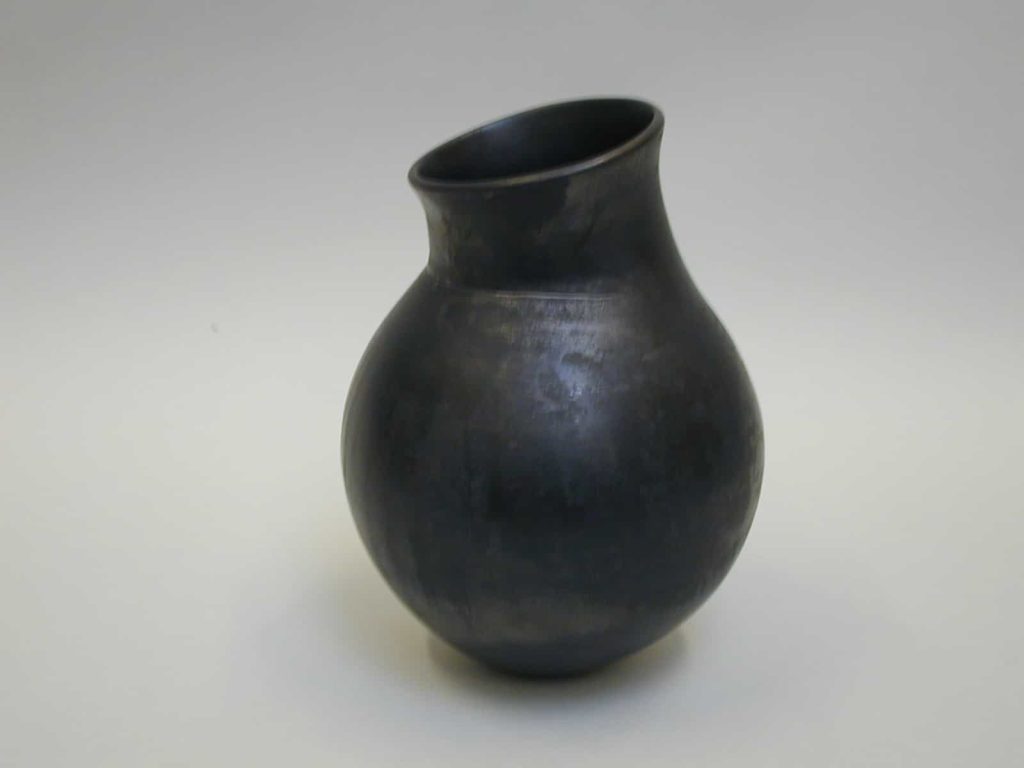
For anyone interested in art classes, ceramics or studio practice, Odundo’s work is a reminder that technique is not separate from meaning. The way something is made can be part of what it says.
What to notice: the silhouette, surface, balance and bodily associations. Her vessels often feel both ancient and contemporary.
8. Wangechi Mutu: collage, myth and the diasporic body
Wangechi Mutu is a Kenyan American artist whose work spans collage, drawing, sculpture, film and installation. Born in Nairobi in 1972, she moved to the United States in the 1990s to study art. Her work often examines migration, gender, race, ecology, violence, beauty and the way bodies are constructed by images.
Mutu’s collages are especially important. They often combine magazine cuttings, painted forms, ink, medical imagery, fashion photography, animal parts, plants and machine like fragments. The figures that emerge can look wounded, powerful, futuristic, ancient or hybrid. They resist being read as one thing.
This matters because Mutu is interested in how images shape cultural ideas about women, Africa, beauty and otherness. By cutting, joining and altering found images, she exposes how bodies are often assembled by external expectations. Her figures seem to reclaim that process. They become strange, assertive and impossible to control.
Her later sculptural works continue this interest in the body and myth. They often create female or hybrid figures that challenge inherited traditions of public monuments, museum architecture and classical sculpture.
As one of the key Cultural Artists of contemporary art, Mutu shows how collage can become a tool for cultural analysis. She does not simply combine images. She makes visible the pressures placed on bodies by history, media, fantasy and fear.
What to notice: the seams, cuts, hybrid forms and uneasy beauty. Mutu’s work often makes the viewer aware that identity is assembled, edited and contested.
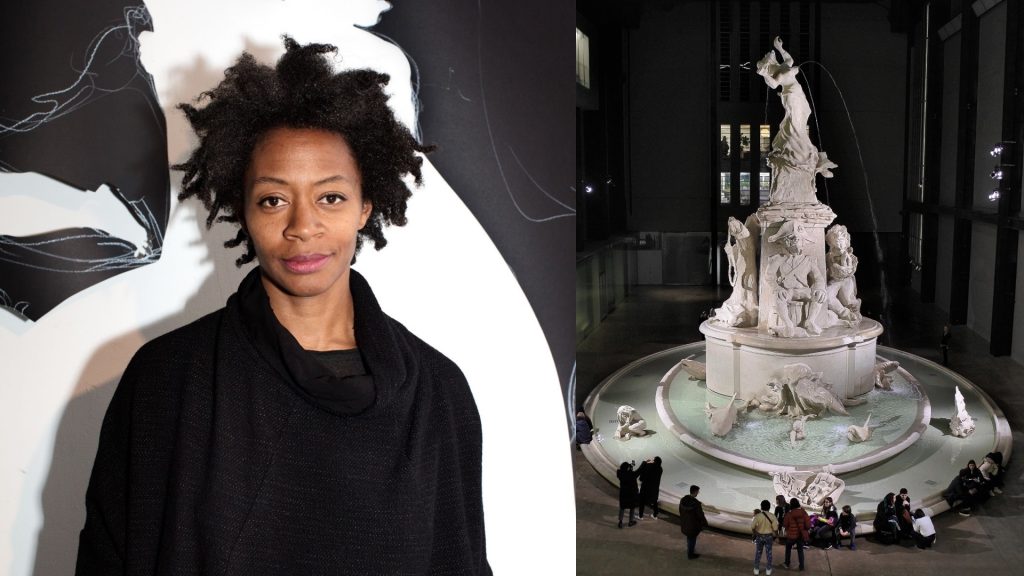
9. Kara Walker: silhouettes, history and uncomfortable looking
Kara Walker is an American artist known for her cut paper silhouettes, drawings, prints, films and large scale installations. Her work confronts the history of slavery, racism, gender, violence and power in the United States.
Walker’s use of silhouette is one of the most important aspects of her practice. The silhouette has an old association with polite portraiture and decorative domestic craft. Walker takes that familiar form and turns it into something deeply unsettling. Her black figures appear against white walls, often in scenes filled with brutality, satire and historical references.
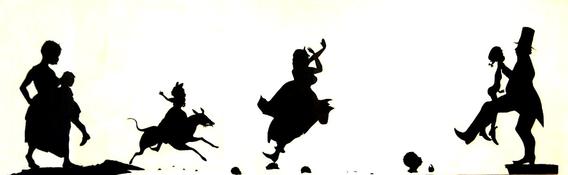
The contrast is sharp. At first glance, the works can look elegant because the cut forms are so controlled. Then the viewer begins to recognise the violence and discomfort in the scenes. That shift is part of the work. Walker makes the act of looking feel unstable.
Her art often deals with stereotypes, not by avoiding them, but by exposing how they were made and repeated. This approach can be difficult, but it is central to her importance. Walker asks how history continues to shape imagination, language and desire.
Among Cultural Artists, Walker is essential because she shows that cultural memory is not always comforting. Some images must be questioned because they still carry harm. Her work challenges viewers to examine how visual culture can preserve violence as well as beauty.
What to notice: the use of black and white, the theatrical arrangement of figures, the historical references and your own reaction as a viewer. Discomfort is often part of the meaning.
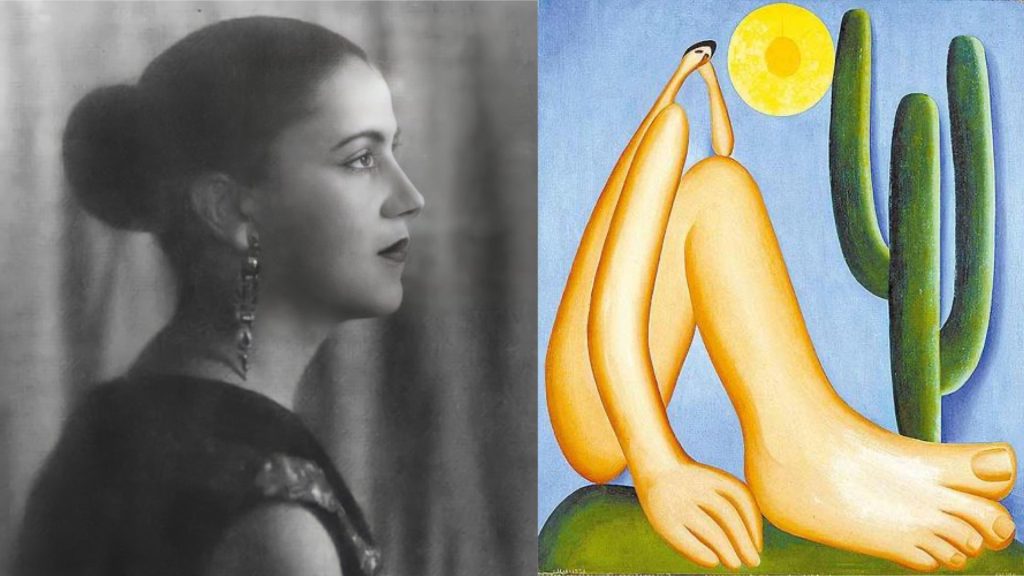
10. Tarsila do Amaral: modern art and the making of national identity
Tarsila do Amaral was a Brazilian modernist painter and one of the most important artists in Latin American modern art. Born in 1886, she studied in Brazil and Paris, then became central to the development of a modern Brazilian visual language.
Her statement that she wanted to be the painter of her country captures the ambition of her work. She absorbed lessons from European modernism, especially simplified forms and bold colour, but used them to create something rooted in Brazil. Her paintings often include landscapes, bodies, plants, architecture and dream like forms that feel both local and invented.
Tarsila’s work is important because it shows that modernism was not simply imported from Europe and copied elsewhere. Artists across the world adapted, challenged and remade modern art through their own cultural contexts. In Brazil, this process was tied to questions of national identity, colonial history, Indigenous presence, African heritage and the desire to create a modern culture that was not dependent on European approval.
Her painting Abaporu became especially important to the Anthropophagy movement, which used the idea of cultural consumption as a metaphor for transforming foreign influence into something new. That idea remains useful. Culture is not static. Artists borrow, digest, resist and remake.
As one of the major Cultural Artists of modernism, Tarsila helps widen the story of twentieth century art. She reminds us that modern art has many centres, many languages and many routes.
What to notice: the simplified forms, unusual bodies, intense colour and dream like landscapes. Her paintings turn national identity into something imaginative rather than fixed.
What these Cultural Artists teach us
These 10 artists work in different countries, periods and materials, but several shared ideas connect them.
First, culture is not background. In their work, culture is active. It shapes the image, the material, the scale and the method.
Second, identity is not simple. These artists do not present heritage as a label. They show it as something layered, sometimes proud, sometimes painful, sometimes uncertain.
Third, materials matter. Fabric, clay, metal, paper, photographs and found objects are not neutral. They carry histories of labour, trade, memory and value.
Fourth, cultural art can be beautiful without being easy. Many of these works are visually striking, but their beauty often leads towards more difficult questions.
Fifth, art history is bigger than the version many people first learn. These Cultural Artists help expand the map. They connect Mexico, Brazil, Ghana, Nigeria, Kenya, Iran, Britain, the United States and many other histories into a wider understanding of modern and contemporary art.
Cultural Artists and the role of galleries today
Galleries have an important role in how cultural art is seen. A gallery is not just a room where objects are placed. It creates context. The way artworks are selected, framed, lit, labelled and discussed affects how people understand them.
For Cultural Artists, that context matters even more. Their work can be misunderstood if it is treated only as biography, decoration or social message. Good gallery interpretation allows the viewer to see both the artwork and the wider cultural questions behind it.
This is also why smaller galleries, artist studios, framing workshops and art classes are important. They make art feel closer to everyday life. They give people the chance to see original work, ask questions, understand materials and think about how art is made.
A framed print, a ceramic vessel, a stitched textile or a painted portrait can all carry cultural meaning. The more time we spend with original work, the more we begin to notice details that are easy to miss online.
How Cultural Artists can inspire your own art practice
You do not need to copy another artist’s style to learn from them. In fact, copying the surface of cultural art can miss the point. A better approach is to ask what the artist is doing with memory, material and meaning.
From Frida Kahlo, you might learn how self portraiture can explore more than appearance.
From Faith Ringgold, you might learn how text and image can work together.
From Lubaina Himid, you might learn how to bring overlooked figures into view.
From Yinka Shonibare, you might learn how one material can hold several histories.
From El Anatsui, you might learn how discarded objects can be transformed through repetition and care.
From Shirin Neshat, you might learn how silence, contrast and distance can shape meaning.
From Magdalene Odundo, you might learn how form and technique can carry cultural memory.
From Wangechi Mutu, you might learn how collage can question the images we inherit.
From Kara Walker, you might learn how an old visual language can be used to confront history.
From Tarsila do Amaral, you might learn how artists can remake modernism from their own place and perspective.
For beginners, this can be a useful way to approach making. Start with a question rather than a style. What object, material, place, memory or story matters to you? What form could hold it? What would happen if you repeated it, changed it, enlarged it, cut it apart or placed it beside something unexpected?
That is how cultural expression becomes more than theme. It becomes method.
FAQs about Cultural Artists
Who are Cultural Artists?
Cultural Artists are artists who explore identity, heritage, community, memory, place, migration or tradition through their work. They may use painting, sculpture, textiles, photography, ceramics, printmaking, film, installation or performance.
What is cultural identity in art?
Cultural identity in art refers to the ways artists express or question their relationship to heritage, language, history, belief, family, nationality, race, migration, gender or community. It is not always direct. Sometimes it appears through materials, symbols, colours, processes or repeated forms.
Is cultural art the same as traditional art?
No. Traditional art can be cultural art, but cultural art is not limited to tradition. Many Cultural Artists use contemporary materials and ideas while still engaging with heritage, memory and identity.
Why is heritage important in contemporary art?
Heritage gives artists a way to think about where images, materials and stories come from. It can also help challenge narrow versions of art history. Contemporary artists often use heritage to ask new questions rather than simply preserve the past.
Can artists explore culture without being limited by identity?
Yes. The strongest Cultural Artists are not limited by identity. They use identity as one part of a wider artistic language. Their work can also address form, colour, material, history, politics, emotion, memory and imagination.
How can beginners understand cultural art?
Start by looking closely. Notice the materials, symbols, figures and scale. Then read about the artist’s context. Avoid reducing the work to a single message. Good cultural art usually holds more than one meaning at once.
Why are Cultural Artists important for galleries?
They broaden the stories galleries can tell. Their work encourages viewers to think about whose histories are visible, how materials carry meaning and how art can connect personal experience with public memory.
Final thoughts
Cultural Artists help us see art as a meeting point between the personal and the historical. Their work can hold memory, place, identity, craft, politics and imagination in the same frame. They remind us that culture is not fixed in the past. It is made and remade through objects, images, stories and acts of looking.
The artists in this guide are not important because they represent one simple idea of diversity. They are important because each has changed how art can speak about heritage and expression. Some use the body. Some use cloth. Some use clay, metal, text, photography or cut paper. Some work through beauty. Others work through discomfort. Many do both.
For anyone interested in galleries, original art, art classes or collecting, their work offers a useful lesson: look beyond the surface. Ask what the material remembers. Ask what history is being questioned. Ask who is being brought into view.
That is where cultural art becomes more than a subject. It becomes a way of seeing.
Leave a Reply