
No products in the cart.
A Beginner’s Guide to Collecting Art from Independent Galleries
Collecting Art does not have to begin with auctions, private dealers or expensive rooms where nobody tells you the price. For many people, it starts in a much quieter way: a small gallery visit, a print spotted in an artist studio, a painting that stays in your mind after you leave, or a conversation with someone who knows the artist’s work well.
Independent galleries are often the best place to begin. They are closer to artists, more open to questions and more personal than the larger parts of the art market. They also give new collectors a chance to see original artwork in real life, understand materials, ask about framing and learn how artists build a body of work over time.
This guide is for anyone who wants to start collecting art but does not want to feel foolish, rushed or out of place. You may be buying your first original artwork, looking for art for your home, thinking about limited edition prints, or trying to understand why one piece costs more than another. You do not need a large budget to start. You need curiosity, patience and a clearer way to look.
What does collecting art really mean?
Collecting Art simply means choosing and living with artworks that matter to you. A collection can include oil paintings, watercolours, drawings, ceramics, sculpture, photography, linocut prints, screenprints, textiles, mixed media works or small studies on paper.
It does not need to be large. It does not need to impress anyone. A thoughtful collection can begin with one framed print or one small painting. The difference between buying random wall art and collecting art is attention. A collector starts to notice artists, materials, subjects, editions, framing, condition and the relationship between one work and another.
A good collection is not built in one afternoon. It grows through looking. You visit galleries. You see what you return to. You notice whether you prefer quiet landscapes, abstract colour, figurative drawing, printmaking, ceramics, coastal work, still life, photography or work that carries social or cultural meaning.
The word “collector” can sound too grand at first. Do not let that put you off. If you buy art with care, keep records, learn about the artist and think about how the work sits in your life, you are already collecting.
Why start with independent galleries?
Independent galleries are useful because they sit close to the making of art. Many work directly with living artists. They may know how the work was made, what inspired it, how the artist prices their pieces and whether more work is available.
This matters for new collectors. Online images can be helpful, but they rarely show scale, surface, texture, paper quality, brushwork or the true weight of colour. In a gallery, you can stand near the work. You can step back. You can see how it changes in natural light. You can ask why a piece is framed in a certain way or how an edition is numbered.
Independent galleries also tend to be less intimidating than people expect. The best ones are happy to talk, even if you are not ready to buy. They understand that people need time. They may show you work by several artists, explain the difference between an original and a print, or suggest a piece that suits your room, budget or taste.
Buying through an independent gallery also supports the artist. It helps keep local and regional art scenes alive. It gives artists a route to audiences beyond social media. It also gives buyers more confidence because there is a real person, a real space and a clear record behind the work.
The first rule: look before you buy
Before buying your first piece, spend time looking without trying to make a decision. Visit galleries, open studios, museum shows, art fairs and local exhibitions. Save images of work you like, but also write down what you liked about them.
Do not only ask, “Would this match my wall?” Ask better questions:
- What kind of work do I stop in front of?
- Do I prefer stillness or movement?
- Do I like strong colour, soft colour or very little colour?
- Am I drawn to figures, landscape, abstraction, interiors, text, pattern or objects?
- Do I like visible marks and texture?
- Do I prefer paintings, prints, drawings, photographs, ceramics or sculpture?
- Do I want the work to feel calm, strange, joyful, serious, personal or atmospheric?
The aim is not to lock yourself into one taste forever. It is to notice your first instincts. Many new collectors buy too quickly because they think they should know. Slower looking leads to better buying.
Try visiting the same artwork more than once if you can. A piece that still feels alive after a second look is usually a better sign than something that only catches your eye for a few seconds.
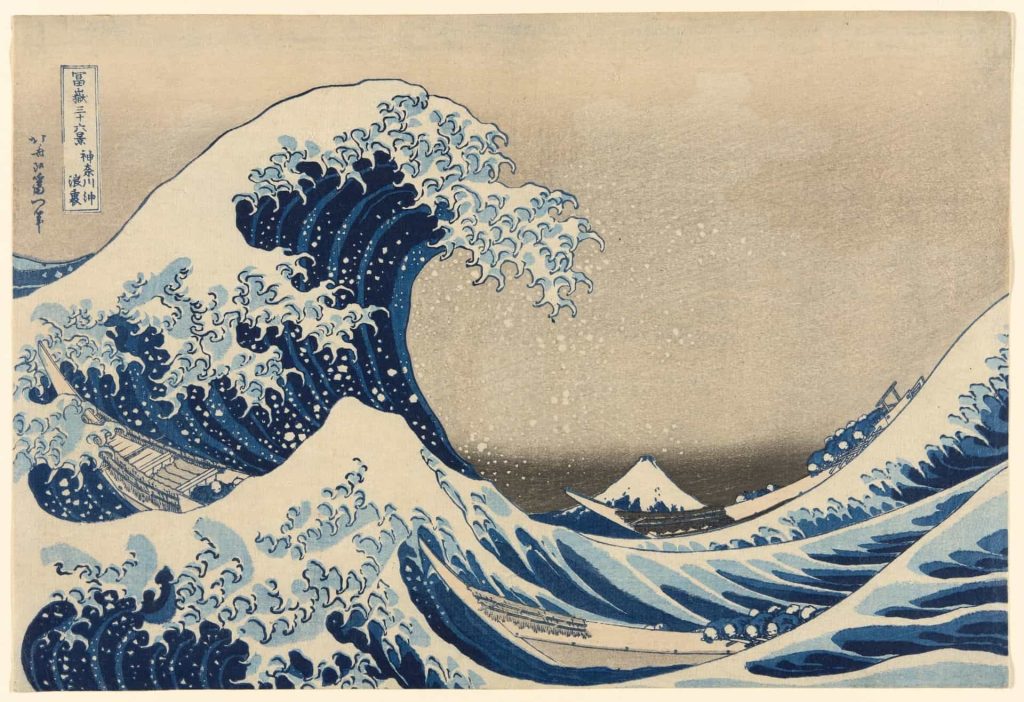
1830/33 Artist: Katsushika Hokusai 葛飾 北斎 Japanese, 1760-1849
Original art, prints and editions: what should you buy first?
One of the first choices in collecting art is whether to buy an original artwork or a print. Both can be good decisions.
An original artwork is a unique piece. It may be a painting, drawing, collage, ceramic object, sculpture or mixed media work. There is only one. The value lies partly in that direct connection with the artist’s hand and the fact that no identical version exists.
A print can mean different things, so it is worth checking. A fine art print may be an original print made through a process such as linocut, etching, screenprint, lithography or woodcut. In those cases, the artist creates the image through the printmaking process itself.
A reproduction print is different. It is a printed copy of an existing artwork, often made from a photograph or digital scan. Reproduction prints can still be lovely to live with, but they are not the same as original prints.
Limited edition prints sit between accessibility and collectability. The artist or publisher makes a set number of prints, often signed and numbered. A print marked 12/50 means it is the twelfth print in an edition of fifty.
Open edition prints have no fixed edition size. They are usually more affordable, but less collectable.
For a first purchase, prints can be a good way in. They allow you to buy work by an artist you admire at a lower price than a painting. Original drawings, small paintings and studies can also be good first pieces. They often feel intimate and direct.
How much should you spend on your first artwork?
There is no correct amount. A first piece might cost £80, £300, £800 or more. The right budget is the one that lets you buy with care rather than anxiety.
Set a range before you visit a gallery. It helps you avoid being swayed by pressure or excitement. You might decide you are comfortable spending up to £250 on a print, up to £600 on a small original work, or more if you have been looking for a while and know what you want.
Do not spend your full budget on the artwork alone. Remember framing, delivery, insurance if needed and installation. A £350 work on paper may need a professional mount and frame. That can be the difference between a piece that looks temporary and one that is properly protected.
If you are unsure, ask the gallery what is available within your budget. A good gallery will not make you feel embarrassed. Many artists work at different price points, from small works on paper to larger paintings.
Avoid buying purely because something is cheap. Also avoid assuming that a higher price always means better work. Price is shaped by size, medium, artist reputation, exhibition history, time, materials, demand and gallery representation.
What makes an artwork worth buying?
For a new collector, the best question is not, “Will this go up in value?” A better question is, “Does this piece have enough strength to stay with me?”
An artwork worth buying usually has several of these qualities:
- You keep thinking about it after seeing it.
- It has a clear relationship to the artist’s wider work.
- The materials feel considered.
- The composition holds your attention.
- It changes when viewed from different distances.
- It carries some emotional, visual or intellectual pull.
- It is well presented and in suitable condition.
- The price can be explained.
- You would still like it even if nobody else saw it.
That last point matters. Art should not be bought only for approval. Trends pass. Taste changes. A piece that has personal meaning is more likely to remain part of your life.
This does not mean buying only with emotion. Good collecting sits between instinct and care. You can love a piece and still ask practical questions.
Questions to ask before buying from a gallery
New collectors often worry that asking questions will make them look inexperienced. In reality, questions are normal. A good gallery expects them.
Ask:
- Who is the artist?
- What medium is the work made in?
- Is it unique or part of an edition?
- If it is an edition, how many were made?
- Is it signed?
- Is the work framed?
- Is the frame included in the price?
- When was it made?
- Has it been exhibited before?
- Is there a certificate of authenticity or invoice?
- Can the gallery provide details for your records?
- What is the best way to care for it?
- Can it be delivered?
- Can it be reserved for a short time while you think?
For works on paper, ask about the paper, mount and glazing. For paintings, ask whether the work is varnished, stretched, framed or ready to hang. For ceramics, ask about stability, display and cleaning. For photography and prints, ask about edition size, paper type and whether more editions are available.
None of this needs to sound formal. You can simply say, “I am new to buying original art. Could you tell me a bit more about this piece?”
Understanding price without feeling awkward
Many people feel uncomfortable asking about price in galleries. That is understandable, especially if prices are not displayed. But price is part of the buying process. It should not be treated as a secret.
If a work interests you, ask directly and politely: “Could you let me know the price of this piece?” You can also ask whether framing is included and whether there are other works by the same artist at different sizes or prices.
Galleries price work in different ways, but common factors include:
- Artist experience
- Size
- Medium
- Time involved
- Material cost
- Edition size
- Exhibition history
- Demand
- Framing
- Gallery commission
The gallery commission is not an added trick. It is part of how galleries stay open, pay staff, hold exhibitions, market artists and create a space where people can see work in person.
If a price is outside your budget, you can still learn from the conversation. Ask whether the artist has smaller works, studies, prints or future exhibitions. Many collections begin with a modest work by an artist and grow later.
Should you buy art as an investment?
Some artworks increase in value. Many do not. Some become harder to find as an artist’s career develops. Others stay close to their original price. The art market is not predictable, especially at beginner level.
If you are new to collecting art, avoid making investment your main reason for buying. It can lead you away from your own eye and towards speculation. It can also make you dependent on trends, names and claims that may not mean much in the long term.
That does not mean you should ignore value. You should still buy carefully. Keep invoices. Ask for artist details. Understand whether a work is original, editioned or reproduced. Check condition. Think about the artist’s practice and whether the price makes sense.
A better aim for a beginner collector is this: buy work you want to live with, from artists you respect, through sources you trust, at a price you can afford.
If the work grows in value later, that is a bonus. If it does not, you still have something that belongs in your life.
How to spot your taste
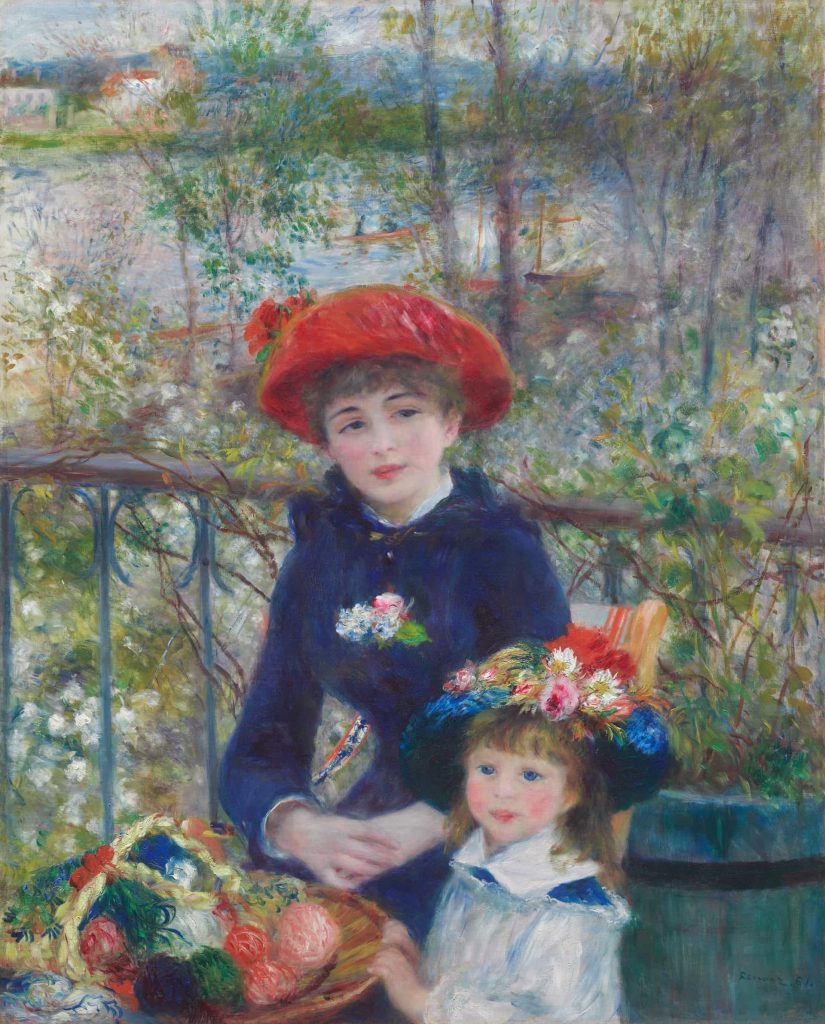
Taste is not something you are born with. It develops through looking. At first, you may like everything or nothing. That is normal.
A useful exercise is to create a private folder of artworks you like. Do not overthink it. Save paintings, prints, ceramics, photographs and drawings. After a few weeks, look for patterns.
You may notice repeated subjects: sea, figures, rooms, flowers, architecture, abstract marks, still life, skies, animals, text or urban scenes.
You may notice repeated moods: quiet, bright, strange, spare, dense, playful, serious, romantic or raw.
You may notice repeated materials: oil paint, ink, charcoal, clay, paper, textile, wood, metal or print.
This helps you avoid buying work that only looks fashionable. It also helps when talking to a gallery. Instead of saying, “I do not know what I like,” you might say, “I seem to be drawn to works on paper with strong lines and muted colour,” or “I like coastal paintings, but not anything too decorative.”
That kind of self knowledge makes collecting easier.
Why independent galleries are good for emerging artists
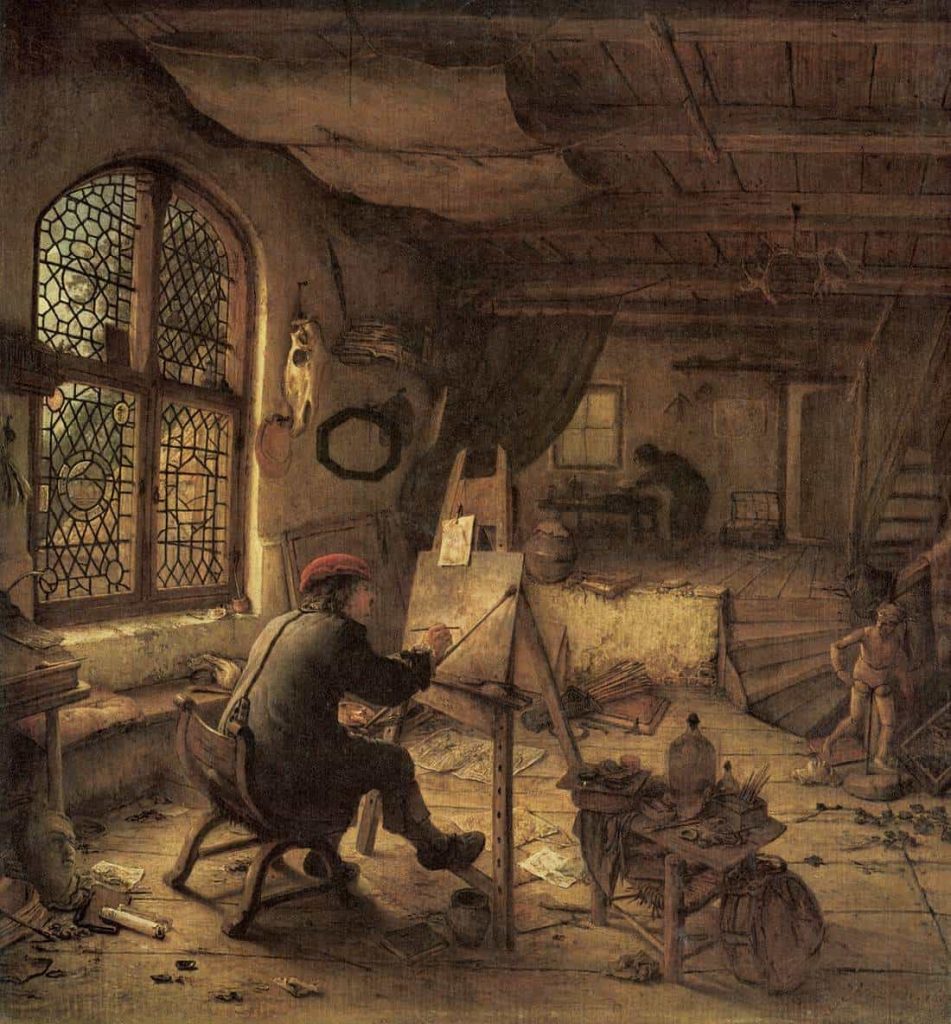
Independent galleries often show emerging and mid career artists before they reach wider recognition. This gives new collectors a chance to buy meaningful work early, sometimes at more accessible prices.
An emerging artist is not necessarily young. The term usually means an artist whose market, exhibition record or public profile is still developing. They may already have a strong practice, but not yet have major institutional recognition.
Buying work by emerging artists can be rewarding because you are supporting art while it is still forming. You may follow the artist’s work over several years and see how their themes, materials and confidence develop.
Look for signs of seriousness rather than fame:
- A consistent body of work
- Clear use of materials
- Regular making
- Exhibitions or open studio activity
- A thoughtful artist statement
- Work that changes over time but still feels connected
- A gallery that can explain the artist’s practice clearly
Do not expect every emerging artist to become a famous name. That is the wrong measure. The point is to buy work that has strength now and gives you a connection to a living practice.
The role of framing in collecting art
Framing is not an afterthought. It affects how an artwork looks, how it lasts and how it sits in a room.
A poor frame can make a good piece feel flat. A well chosen frame can give the work space to breathe. For works on paper, framing also protects against dust, handling, moisture and light damage.
When buying from an independent gallery, ask whether the work is framed and whether the frame is included. If a piece is unframed, ask what kind of frame would suit it.
For prints, drawings and watercolours, a mount can help separate the work from the glass and give the image visual space. Conservation grade materials are worth considering, especially for original works and limited editions.
For oil paintings, the right frame depends on the work. Some paintings need a traditional frame. Others work better in a tray frame or with no frame at all. Acrylic and mixed media works may have different needs.
If you are building a collection slowly, framing consistency can help. This does not mean every frame must match. It means the choices should feel calm together. Simple frames often work best because they let the artwork lead.
How to choose art for your home
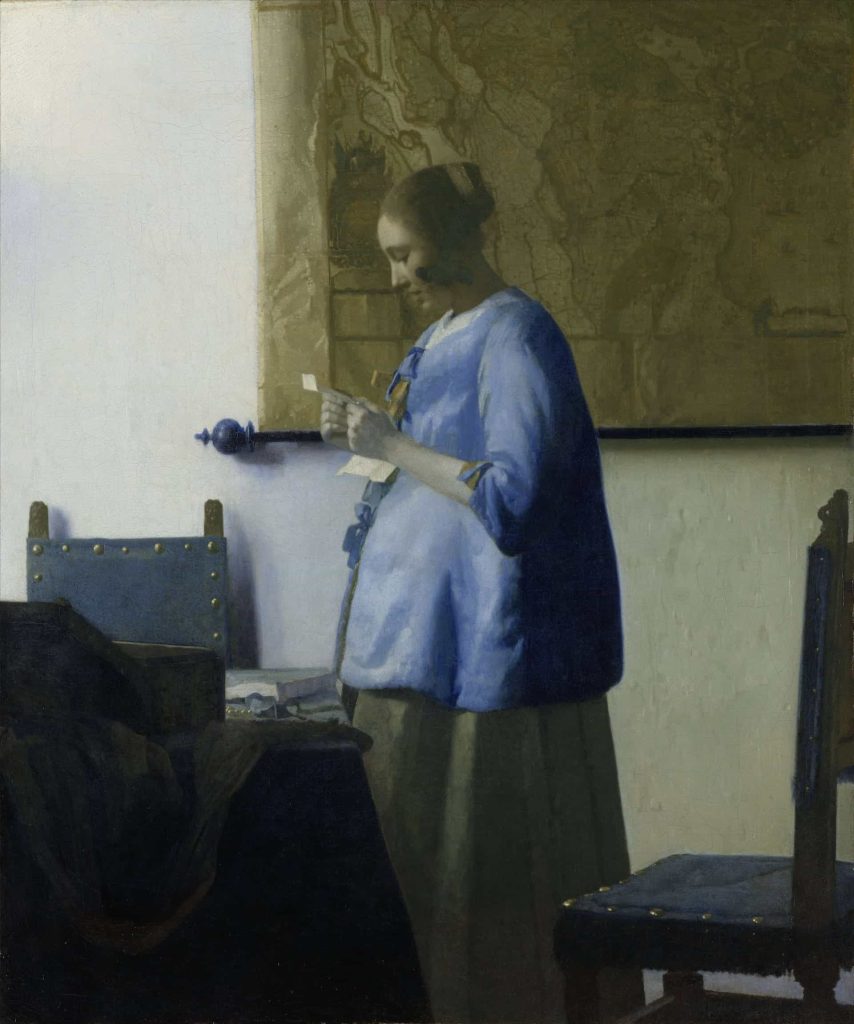
Buying art for your home is not the same as buying furniture. A sofa needs to fit the room. Art can do more than fit. It can change the room.
Still, practical questions matter. Before buying, think about:
Where might the work hang?
How much natural light reaches the wall?
Is the room dry and stable?
Will the scale suit the space?
Does the work need glass?
Can it be hung safely?
Will the colours fight the room or bring it together?
Does the work feel right from across the room and close up?
Do not buy art only to match cushions or paint colours. That can make the work feel decorative in a narrow way. Instead, think about the mood of the room. A bedroom might suit quiet drawings, soft paintings or small works with personal feeling. A hallway can take something bold. A kitchen may suit prints, ceramics or smaller pieces. A living room can hold a stronger focal piece.
For smaller homes or apartments, works on paper, small paintings and grouped prints can work beautifully. You do not need a large wall to begin collecting art.
Buying art online from an independent gallery
Buying art online is now normal, but it needs care. Good online gallery listings should give you enough information to make a confident enquiry.
Look for:
- Clear images
- Detail shots
- Accurate dimensions
- Medium
- Date
- Artist name
- Price or enquiry route
- Edition details if relevant
- Framing status
- Delivery information
- Return policy where available
- Artist biography
If any of this is missing, ask. You can request extra images, a photo of the work in a room, a short video, or a view of the back of the work. Seeing the back can help confirm labels, signatures, framing and condition.
For overseas buyers, ask about shipping, packing, insurance and customs. Do this before paying. Works on paper are often easier to ship than large framed paintings, but they still need proper handling.
If you are not sure about scale, mark the dimensions on your wall with paper or low tack tape. Many people underestimate how different a work feels in real space.
Records every collector should keep
Even if you are buying one modest print, keep records from the start. It is easier than trying to reconstruct details years later.
Keep:
- Invoice or receipt
- Artist name
- Title
- Date of work
- Medium
- Dimensions
- Edition number if relevant
- Gallery name
- Purchase date
- Price paid
- Framing details
- Certificate of authenticity if supplied
- Any artist statement or exhibition notes
- Photographs of the work and frame
- Delivery details
Store these digitally and, if possible, keep printed copies too. This is useful for insurance, resale, gifting, estate planning or simply remembering the story of the work.
For original art, an invoice from a reputable gallery can be an important part of the record. A certificate of authenticity can help, but not every artwork comes with one. What matters is a clear, traceable purchase record.
Red flags when buying art
Most gallery purchases are straightforward, but new collectors should still be careful.
Be cautious if:
- The seller refuses to answer basic questions.
- The price changes without explanation.
- The edition details are unclear.
- A work is described as original, but appears to be a reproduction.
- The artist cannot be identified.
- The condition is poor but not mentioned.
- The work is said to be a guaranteed investment.
- There is pressure to buy immediately.
- The gallery gives vague claims instead of clear information.
- The work has no invoice or purchase record.
Pressure is one of the biggest warning signs. A good gallery may tell you that a work has interest from others, but it should not make you feel trapped. If you need time to think, ask whether a short reserve is possible.
Trust your eye, but also trust your discomfort. If something feels unclear, pause.

How to build a collection with a thread
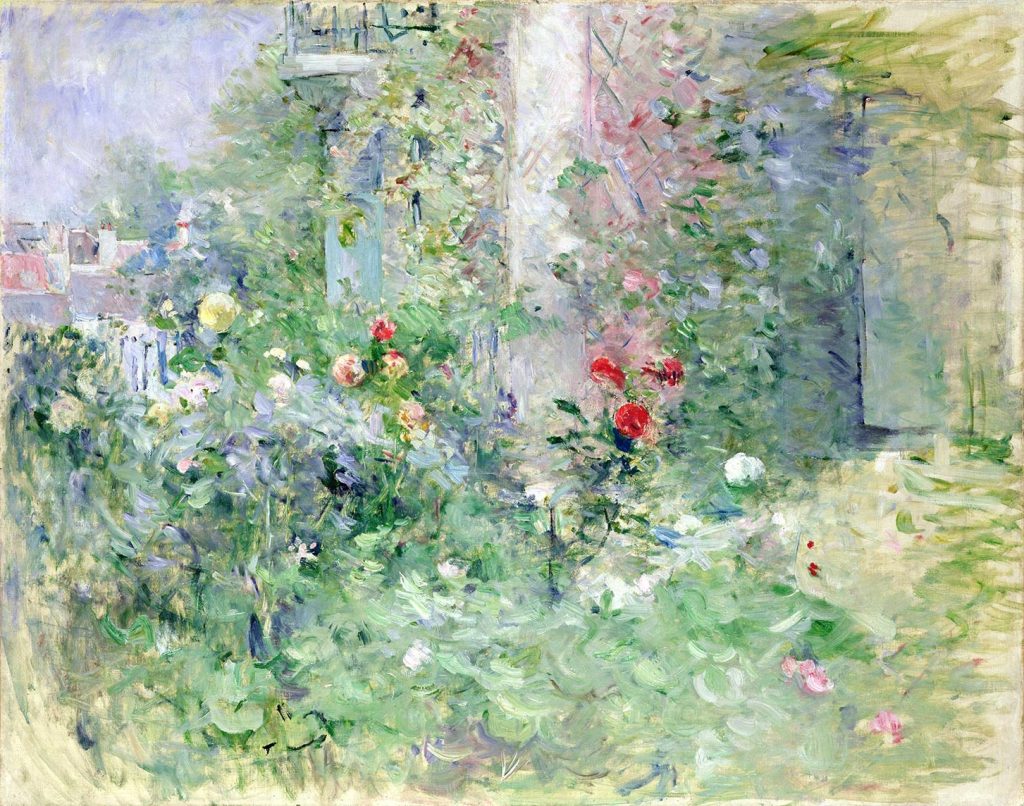
A collection does not need a theme, but it often becomes stronger when there is some kind of thread. That thread can be visual, emotional, material or subject based.
Examples:
- Works on paper by contemporary British artists
- Coastal paintings and prints
- Black and white photography
- Small abstract works
- Ceramics and drawings
- Women artists
- Local artists from a particular region
- Printmaking
- Art connected to landscape and weather
- Portraits and identity
- Still life and domestic space
You do not need to choose this at the start. Often the thread appears after you have bought a few pieces. You may realise you keep choosing certain colours, subjects or materials.
A thread helps future decisions. It stops collecting art from becoming random shopping. It also makes your home feel more personal because the works begin to speak to one another.
How many pieces should you buy?
Buy fewer pieces than you think. A small number of well chosen works is better than a large number of rushed purchases.
New collectors sometimes buy too many affordable pieces quickly, then later realise they would rather have saved for one stronger work. There is nothing wrong with buying small pieces, but each one should earn its place.
A good approach is to buy slowly. Live with each piece. Notice how it changes your space. Notice whether you still enjoy it after a few months. This teaches you more than buying ten works at once.
If you love an artist but cannot afford a large painting, look for a drawing, print, small study or work from an earlier series. This can be a better decision than buying several weaker pieces just to fill a wall.
Visiting an independent gallery: what to do
If you feel nervous visiting galleries, give yourself a simple plan.
- Walk around once without reading labels.
- Notice where you stop.
- Return to two or three works.
- Read the details.
- Ask one question.
- Take a price list if available.
- Do not apologise for looking.
You are allowed to visit without buying. Galleries need visitors as well as buyers. Interest, conversation and return visits are part of how art scenes grow.
If a gallery assistant approaches you, you can say, “I am just having a look, thank you,” or “I am new to collecting art and interested in learning more.” Either is fine.
If you like a piece but are unsure, ask whether you can take details away. Some galleries can email images and information. This lets you think without pressure.
Should you meet the artist?
Meeting an artist can add depth to a purchase, especially at open studios, private views or gallery talks. It gives you a chance to hear about materials, process and ideas directly.
But you do not need to meet the artist to buy well. Some people prefer the work to speak first. Others enjoy knowing the story behind it.
If you do meet the artist, ask simple, respectful questions:
- What started this series?
- What materials do you use?
- How did this piece develop?
- Is this subject one you return to often?
- How do you think about scale or colour?
Do not ask for a discount directly from the artist if the work is represented by a gallery. The gallery relationship matters. If price is a concern, speak to the gallery.
Art fairs, open studios and gallery exhibitions
Independent galleries are one route into collecting art, but they connect well with other ways of looking.
Art fairs are useful because you can see many galleries in one place. They help you compare prices, mediums and presentation. They can also feel busy, so take breaks and do not rush.
Open studios are more informal. They let you see where and how artists work. You may find sketches, studies or smaller pieces that are not shown elsewhere.
Gallery exhibitions offer a more edited view. They help you see an artist’s work in context rather than as isolated pieces. This can make buying easier because you can understand the series, not just one image.
A strong collector uses all three: fairs for range, open studios for process and galleries for trust and careful presentation.
How to care for your art
Once you buy art, care for it properly. This does not need to be complicated.
Avoid hanging works on paper in direct sunlight. UV light can fade paper, ink and pigments. Avoid damp rooms, especially bathrooms and poorly ventilated spaces. Keep artwork away from radiators, open fires and sudden temperature changes.
Dust frames gently with a soft dry cloth. Do not spray cleaning products near artwork. Do not clean paintings yourself unless you have professional guidance. If a painting looks dirty, speak to a conservator or experienced framer.
For framed works, check fixings from time to time. Heavy pieces need proper hanging hardware. If in doubt, ask a professional installer or framer.
Keep records of framing and any conservation work. These details may matter later.
When to reframe a piece
You may buy a work already framed, then later decide the frame does not suit your home or the artwork. Reframing can be sensible, but do it carefully.
Reframe when:
- The frame is damaged.
- The mount is discoloured.
- The work is touching the glass.
- The frame distracts from the artwork.
- The materials are not conservation grade.
- The work needs better UV protection.
- Your display has changed.
Do not throw away labels, notes or backing information without checking. Sometimes the back of a frame carries useful history. Ask a framer to preserve any important labels where possible.
For valuable or delicate works, use a framer who understands conservation methods.
How to collect art on a budget
Collecting art on a budget is not about settling for less. It is about looking carefully.
Good options include:
- Original prints
- Small works on paper
- Drawings
- Artist studies
- Photography editions
- Ceramics
- Works by emerging artists
- Open studio pieces
- Local exhibition work
- Student or graduate shows
- Smaller paintings
Do not assume bigger is better. Small works often have a strong presence because they invite close looking. A small drawing in the right frame can carry more feeling than a large decorative canvas.
Set a yearly art budget if you can. Even a modest amount helps you make calm decisions. You might buy one good piece a year rather than several rushed ones.
Also remember that framing can be staged. You might buy the work first, then frame it properly a month later. Just store it safely in the meantime.
Common mistakes new collectors make
- Rushing the first purchase.
- Buying only to match a room.
- Ignoring framing costs.
- Not asking about edition size.
- Confusing reproduction prints with original prints.
- Buying from unclear sources.
- Forgetting to keep records.
- Choosing trends over personal response.
- Buying too many pieces too quickly.
- Hanging work in direct sunlight.
- Assuming art has to be expensive to matter.
The biggest mistake is thinking you need to know everything before you begin. You do not. Collecting art is learned by looking, asking and living with work.
A simple first purchase checklist
Before buying, check:
- Do I still like it after looking for more than a few minutes?
- Do I know who made it?
- Do I know the title, date, medium and size?
- Is it original, editioned or a reproduction?
- Is the price clear?
- Is framing included?
- If unframed, do I know the likely framing cost?
- Is the condition acceptable?
- Will I receive an invoice or receipt?
- Do I know how to care for it?
- Can I afford it without regret?
- Do I want to live with it?
If the answer is yes to most of these, you are in a good position to buy.

Katsushika Hokusai
Why collecting art feels different from buying decor
There is nothing wrong with decorating a home. But collecting art asks for a different kind of attention. Decor is often chosen to complete a room. Art can alter how a room feels and how you feel inside it.
A painting might remind you of a place. A print might connect you to a process. A ceramic object might make a shelf feel less ordinary. A drawing might hold a line so direct that it feels almost spoken.
Original art carries decisions: the artist’s hand, the pressure of a mark, the choice of paper, the weight of colour, the edge of a plate, the trace of revision. These details are part of why people collect.
You may begin by wanting something for a wall. Over time, you may find yourself interested in the artist, the process, the story, the frame and the way one piece changes the next.
That is the shift from buying decor to collecting art.
How independent galleries help new collectors trust their eye
Trusting your eye takes time. At first, you may want someone to tell you what is good. A gallery can help, but it should not replace your own response.
The best galleries explain without taking over. They can tell you why an artist matters, how a piece was made, where it sits within a series and what makes it different from another work. This gives you context, not orders.
Over time, you begin to hear your own preferences more clearly. You may still ask for advice, but you will know when something feels right.
Collecting art from independent galleries works best as a relationship. You might return to the same gallery several times before buying. You might follow an artist through more than one exhibition. You might ask about framing, new work, payment options or a piece you missed.
That relationship is part of the value. It gives your collection a human source.
Collecting art when you live far from the gallery
Many people now discover galleries online before ever visiting in person. Some may live in another city or another country. This can still work, as long as the gallery provides enough information.
Ask for:
- High quality images
- Close up details
- Photos in natural light
- A short video if possible
- Scale shown beside furniture or a person
- Condition notes
- Frame details
- Shipping cost
- Packing method
- Insurance during transit
- Payment terms
For framed work, ask whether it is safer to ship framed or unframed. For works on paper, ask how the work will be protected. For larger paintings, ask whether the stretcher, frame and corners will be secured.
If you are buying internationally, ask about customs duties, taxes and delivery times. A good gallery should be able to explain what they can and cannot handle.
Distance should not stop you from collecting art, but it does make clarity more important.
How art classes can make you a better collector
You do not need to be an artist to collect art. But taking an art class can change how you look.
When you try drawing, painting, printmaking or ceramics, you begin to notice decisions that might have been invisible before. You see how hard it is to make a line feel alive. You understand how colour changes when placed beside another colour. You notice paper, pressure, layering, drying time, mistakes and revision.
This makes you a more thoughtful buyer. You are less likely to judge work only by subject. You begin to value process, restraint and skill.
Art classes also make galleries feel less remote. Once you have tried making something yourself, you look at original work with more respect. You may still prefer some pieces over others, but your eye becomes more patient.
For new collectors, this is useful. The more you understand making, the better you become at choosing.
A note on trends
The art world has trends, like everything else. Certain colours, subjects, materials and styles become popular. Social media can make this happen quickly.
There is nothing wrong with liking something current. Problems start when you buy only because a style is everywhere. If a work looks good on a screen but does not hold your attention in person, be careful.
Ask yourself:
- Would I like this if it were not popular?
- Does the artist have more than one idea?
- Is the work strong beyond the trend?
- Can I imagine living with it in five years?
- Does it feel personal to me?
A collection built only from trends can date quickly. A collection built from attention can age well, even when your taste changes.
FAQs about collecting art
What is the best way to start collecting art?
The best way to start collecting art is to look widely before buying. Visit galleries, museums, open studios and local exhibitions. Notice what you return to, set a comfortable budget and begin with one piece you genuinely want to live with.
Do I need a big budget to collect art?
No. Many people start with prints, small drawings, photography, ceramics or works by emerging artists. A modest budget can still buy meaningful art if you take time and choose carefully.
Is it better to buy original art or prints?
Both can be good choices. Original art is unique, while prints can make collecting more accessible. Limited edition prints, original printmaking and small works on paper are often strong first purchases.
How do I know if art is fairly priced?
Ask the gallery how the price has been set. Factors may include size, medium, artist experience, edition size, framing, demand and exhibition history. Compare other works by the same artist and similar artists, but do not judge by size alone.
Should I buy art online?
Yes, but ask for clear details. Check images, dimensions, medium, framing, edition size, condition, delivery cost and return terms where available. If you are unsure, ask for extra photographs or a short video.
What records should I keep when buying art?
Keep the invoice, artist name, title, date, medium, dimensions, edition number, gallery name, purchase date, price, framing details and any certificate or artist information. Good records protect the story and value of the work.
Can art be a good investment?
Some art rises in value, but no beginner should rely on that. Buy work you care about, from sources you trust, at a price you can afford. Treat any future increase in value as a bonus, not the main reason to buy.
Why buy from independent galleries?
Independent galleries often work closely with artists and can explain the work clearly. They give buyers access to original art, emerging artists, local art scenes, framing advice and a more personal buying experience.
Collecting Art begins with attention. Not status, not jargon, not a perfect budget. Just attention.
Independent galleries are a good place to begin because they let you see work properly, ask questions and build trust slowly. You can learn about artists, understand materials, compare prints and originals, think about framing and make decisions without treating art as a mystery.
Start with one piece. Choose something you want to keep looking at. Keep the records. Frame it well. Live with it. Then keep looking.
Over time, your collection will begin to show what you notice, what you value and how your eye has changed. That is the real pleasure of collecting art. It becomes a record of attention, one artwork at a time.
Leave a Reply