
No products in the cart.
You’ve Found a Painting You Love. How Do You Know If You Should Buy It?
You have found the painting.
Perhaps you noticed it as soon as you walked into the gallery. Perhaps you looked at everything else first and somehow ended up standing in front of it again. Maybe you found it online, closed the page, then opened it again later that evening.
You know you like it.
The difficult question comes next.
Should you actually buy it?
Buying a painting is unusual because there is rarely a practical need for it. You are not replacing a broken appliance or choosing something because the old one has worn out. An original painting might enter your home simply because you want to keep looking at it.
That can make the decision feel surprisingly serious.
Is the price reasonable? Will you still like it in five years? Does it need to match your room? How do you know it is really an original? What should come with it? Does the artist’s reputation matter? What about framing? And how can you tell whether you genuinely love the painting or are simply caught up in the moment?
There is no formula for buying a painting, but there are sensible questions that can separate a good decision from an impulsive one.
The important thing is to consider both sides of the purchase.
First, there is your response to the painting.
Then there is the practical reality of owning it.
When both make sense, the decision often becomes much clearer.
Quick Answer: Should I Buy This Painting?
If you are standing in front of a painting and wondering whether to buy it, ask yourself these six questions:
- Do I keep wanting to look at it?
- Would I be disappointed if somebody else bought it?
- Can I comfortably afford it?
- Do I understand exactly what I am buying?
- Can I reasonably display and care for it?
- Am I buying it because I love the work, rather than because I think I ought to?
If your answers are mostly yes, you have a good reason to consider buying it.
Before paying, check the practical details: artist, medium, dimensions, condition, framing, price, authenticity, documentation and delivery.
You do not need to turn buying original art into an investigation.
But you should know what you are taking home.
Start with One Question: Do You Actually Want to Keep Looking at It?
Before thinking about price, investment, interiors or the artist’s CV, look at the painting again.
Does it still hold your attention?
That sounds almost too simple, but it is easy to lose sight of once buying enters the conversation.
A painting can be technically impressive without being something you want to own. You can admire an artist without wanting their work in your home. You can recognise that something is important without feeling any personal connection to it.
Buying a painting for yourself is different.
You will see it repeatedly.
Perhaps every morning.
Perhaps from the sofa every evening.
Perhaps as you walk through the hallway hundreds of times each year.
That makes sustained interest more useful than immediate impact.
Walk away from the painting for a few minutes.
Look at something else.
Then return.
Do you notice something new?
Does it still have the same pull?
If the answer is yes, pay attention to that.
Loving a Painting and Buying It Are Two Separate Decisions
You can love a painting and decide not to buy it.
There is nothing contradictory about that.
The work might be outside your budget. It might be too large for anywhere you could reasonably display it. It might need specialist care. You may simply not feel ready to make the purchase.
Equally, feeling nervous does not necessarily mean you should walk away.
This is where it helps to identify what kind of hesitation you are experiencing.
Practical hesitation sounds like:
Can I afford this?
Will it fit?
Does the price include the frame?
How will it be delivered?
Is it in good condition?
Will sunlight damage it?
Do I know whether it is an original?
Those questions need answers.
Emotional hesitation sounds more like:
Do I know enough about art to buy this?
What if other people don’t like it?
Is this artist important enough?
What if my taste changes?
Should I choose something safer?
Am I the sort of person who buys original art?
Those questions are really about confidence.
Separating the two can make buying a painting much easier.
You Do Not Need to Be an Art Expert
People sometimes approach galleries as though there is a test they have forgotten to revise for.
There isn’t.
You do not need to recognise every artist, movement or technique before buying original art.
Knowing more can certainly enrich the experience. Learning about an artist’s process may make you notice things you initially missed. Understanding the medium can help you care for the work. Knowing the context can change the way you see it.
But knowledge is not permission.
You are allowed to respond to a painting before you understand it.
In fact, buying your first painting can become the beginning of learning more.
You become curious because the artwork matters to you.
Who made it?
Why did they paint this?
What materials did they use?
Is this typical of their work?
How did they create that surface?
The interest comes first.
Knowledge can follow.
What Are You Actually Buying?
Before buying artwork, establish exactly what it is.
The terminology around art can be confusing, particularly when paintings, original prints, limited editions and reproductions are sold alongside one another.
An original painting is a unique physical work made by the artist. There is only one of that particular painting.
An original drawing or work on paper is also unique.
An original print is different. Techniques such as etching, linocut, woodcut, lithography and screenprinting can produce several impressions, but the printmaking process itself is how the artwork is created.
A reproduction is a copy of an existing artwork, usually produced photographically or digitally.
A limited edition reproduction is produced in a stated quantity and may be numbered or signed.
A giclée print describes a type of high-quality inkjet printing. The word itself does not tell you whether the image is a reproduction or part of an edition.
There is nothing inherently wrong with buying a print or reproduction.
The important thing is knowing what you are paying for.
If you believe you are buying an original painting, make sure it actually is one.
Look at the Painting from Across the Room
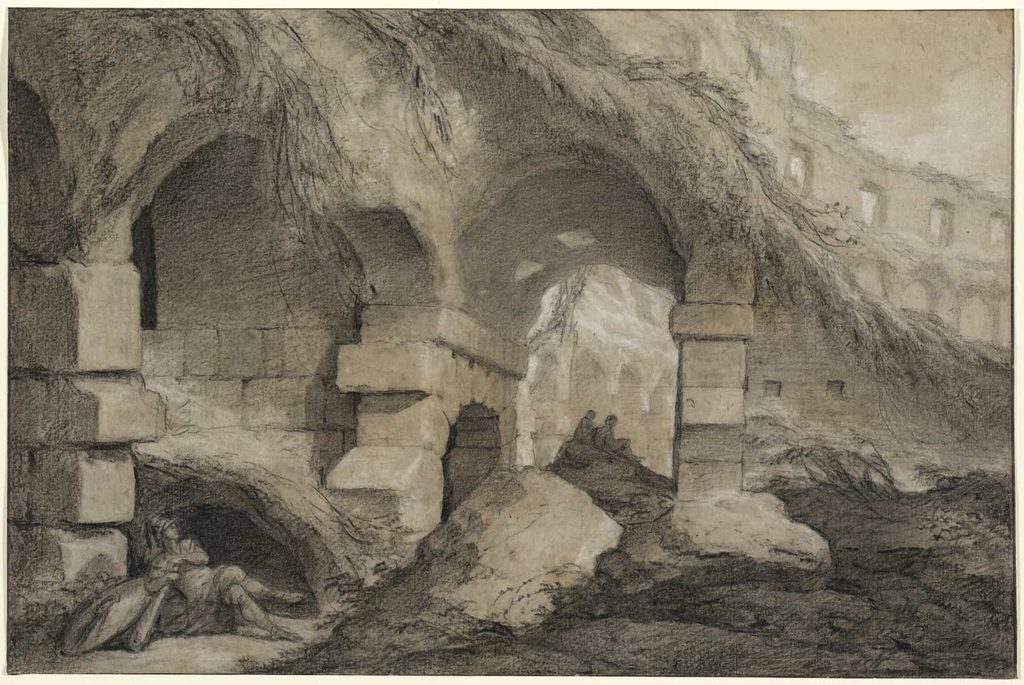
Paintings change with distance.
Before buying one, step back.
Does the composition still work?
Where does your eye go first?
Does the painting have the same presence from several metres away?
Then move closer.
Look at the surface.
You may see brushstrokes, scratches, layers of colour, pencil marks, areas where paint has been removed or passages where the artist changed direction.
Then step back again.
This movement between distance and detail is something a small online image cannot reproduce.
A painting that works from across a room and becomes more interesting as you approach it can be rewarding to live with because it offers more than one way of seeing it.
Why Seeing Original Art in Person Matters
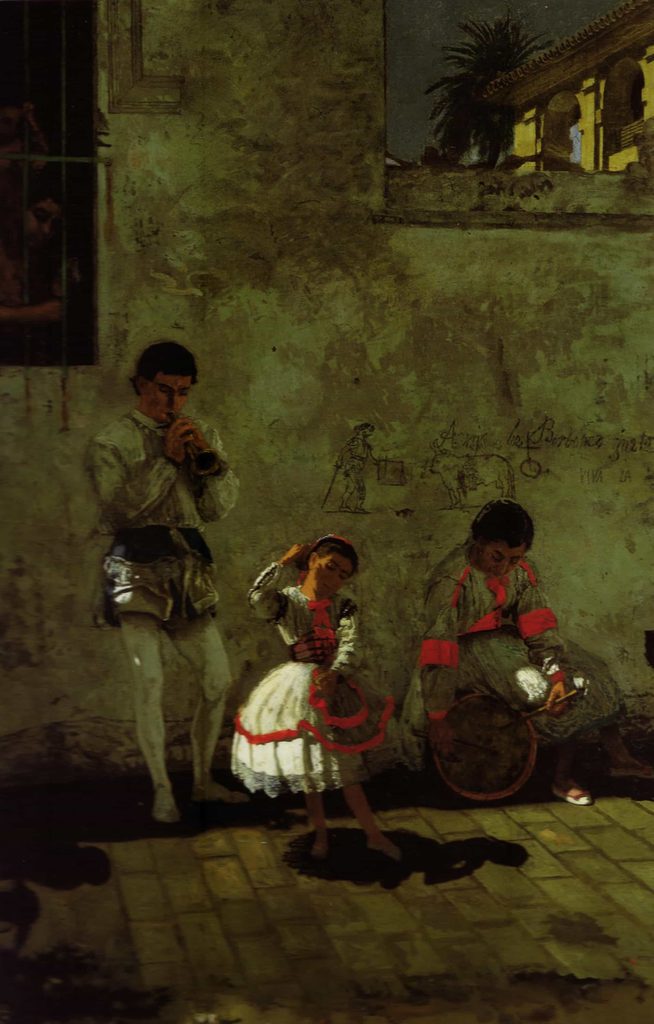
Buying art online has made discovering artists much easier, but paintings are physical objects.
Screens flatten them.
They also distort scale.
A painting that appears substantial online may be surprisingly intimate in person. Another may be far larger than you imagined.
Texture is particularly difficult to judge.
Thick paint can catch light and cast tiny shadows. Thin washes can reveal the surface beneath. Matt and glossy areas may react differently as you move past them.
Colour can also vary between photographs, monitors and phones.
None of this means you should never buy a painting online.
It means you should gather enough information to understand the object rather than relying on one photograph.
If you cannot see the painting in person, ask for close-ups, a photograph of the reverse, an image showing the work in scale and, where useful, a short video in natural light.
Would You Be Disappointed If Somebody Else Bought It?
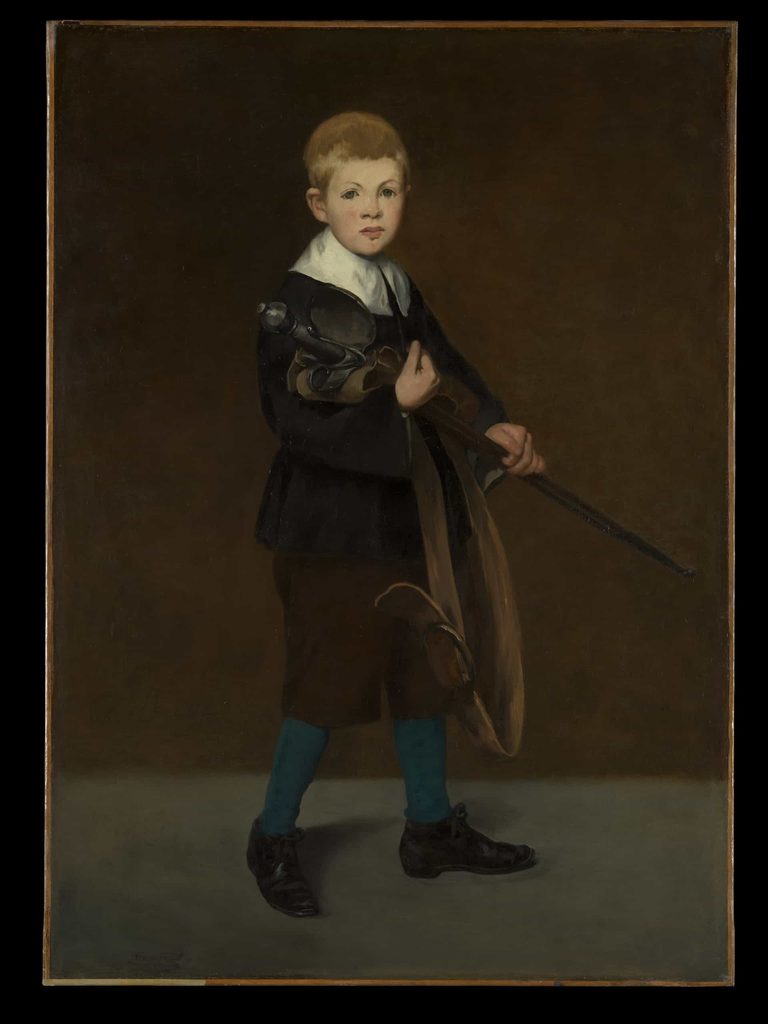
This is one of the simplest questions you can ask yourself.
Imagine going home without the painting.
Tomorrow you decide to return.
It has sold.
How do you feel?
If your first reaction is relief, that tells you something.
Perhaps you liked it but did not really want to own it.
If you immediately think, “I wish I’d bought it”, that tells you something too.
This is not an argument for rushing.
Original art should not be sold through panic.
But an original painting is unique. If somebody else buys it, there is not another identical one waiting in the stockroom.
Thinking about losing the option can help reveal how much the work actually matters to you.
Can You Comfortably Afford It?
The right budget for buying a painting is the amount you can spend without creating financial stress.
There is no respectable minimum.
There is no amount you have to spend before your purchase counts as collecting art.
Original artwork exists across a wide range of prices. Smaller paintings, studies and works on paper can sometimes offer more accessible ways to own unique work.
Decide what comfortable means to you.
And remember that the price on the label may not be the entire cost.
You may also need to consider:
Framing.
Delivery.
Installation.
Insurance for higher-value works.
Specialist glazing for works on paper.
Do not stretch yourself because you think serious art buyers are supposed to spend more.
The painting should add something to your life, not create anxiety every time you look at it.
Why Are Some Original Paintings More Expensive Than Others?
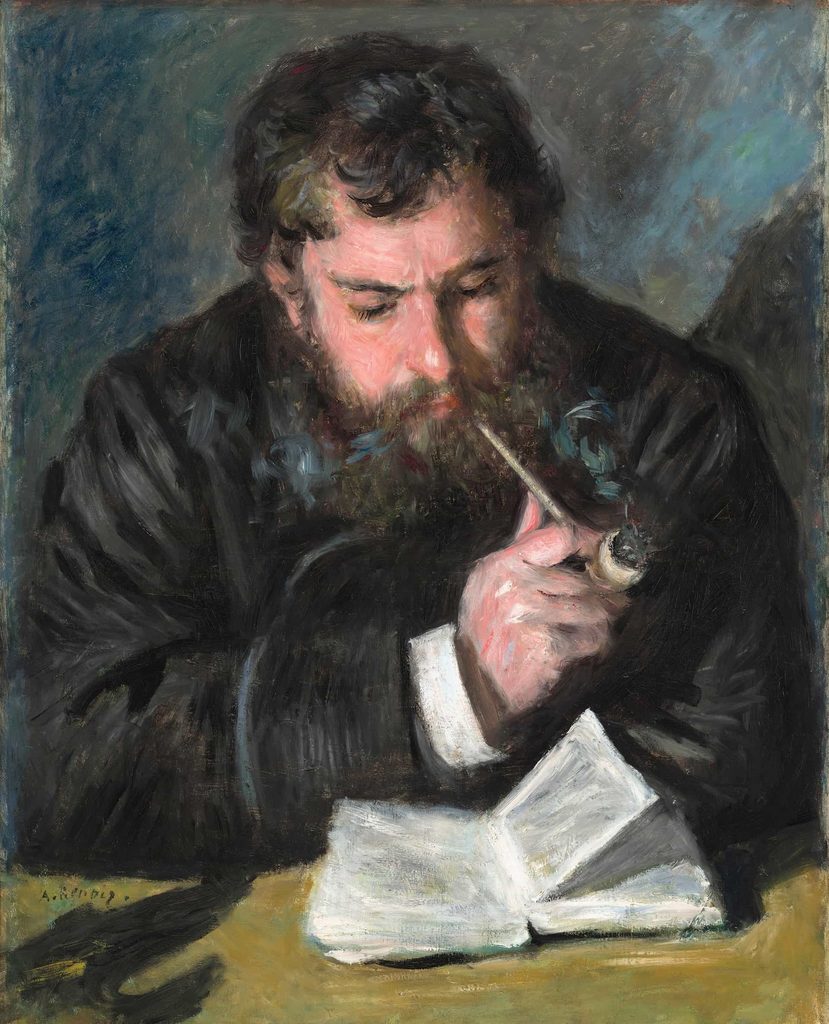
Art pricing can seem mysterious when you first begin looking.
Two paintings may be exactly the same size and have completely different prices.
That is because price is not calculated simply from canvas, paint and hours worked.
Factors can include:
The artist’s career stage.
Previous sales.
Demand for their work.
Exhibition history.
Gallery representation.
Medium and materials.
Size.
Complexity.
The artist’s established pricing structure.
The significance of a particular work within their practice.
Framing.
An artist who has spent twenty years developing a body of work is not simply charging for the hours spent making one canvas.
You are buying something produced within a much longer practice.
That does not mean you should accept any price without question.
It means that comparing paintings purely by size can be misleading.
Should You Research the Artist Before Buying?
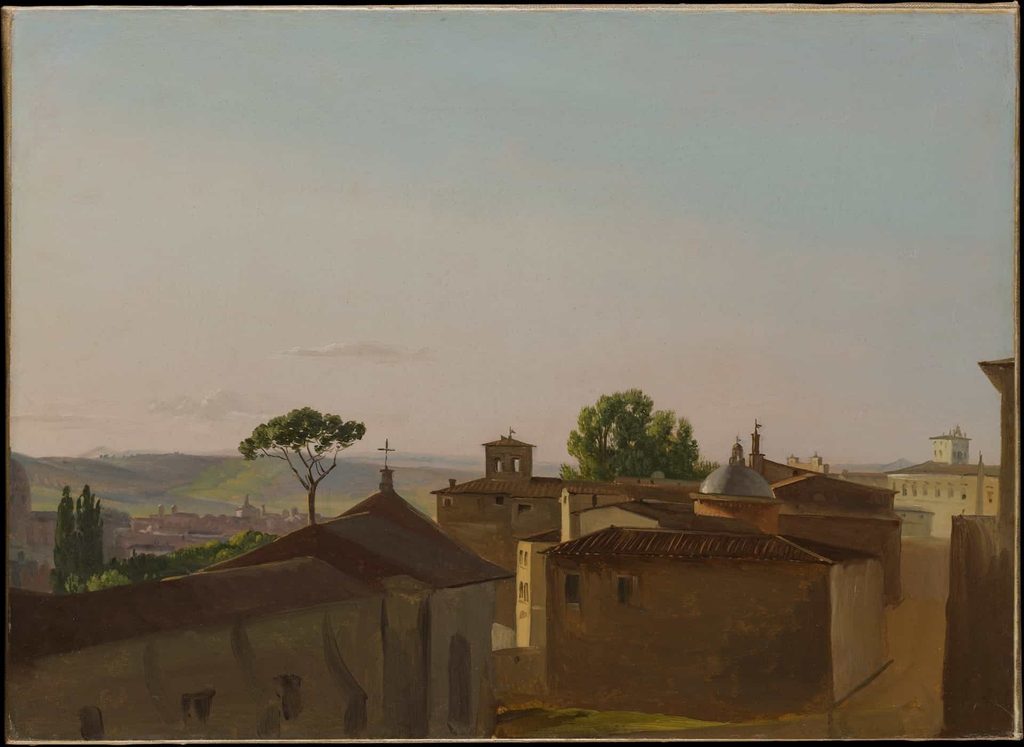
Yes, but do it to understand the work rather than to find permission to like it.
Look at other paintings by the artist.
Do you see recurring subjects, colours or ideas?
Is the painting you are considering typical of their work, or unusual?
How long have they been working?
Where have they exhibited?
Do they have a consistent body of work?
Does the gallery represent them regularly?
If possible, read something written by the artist themselves.
This can add context without turning your decision into a popularity contest.
An artist does not need to be famous for a painting to be worth owning.
And a famous name does not guarantee that you will want to live with a particular painting.
Do Not Buy the Artist’s Story Instead of the Painting
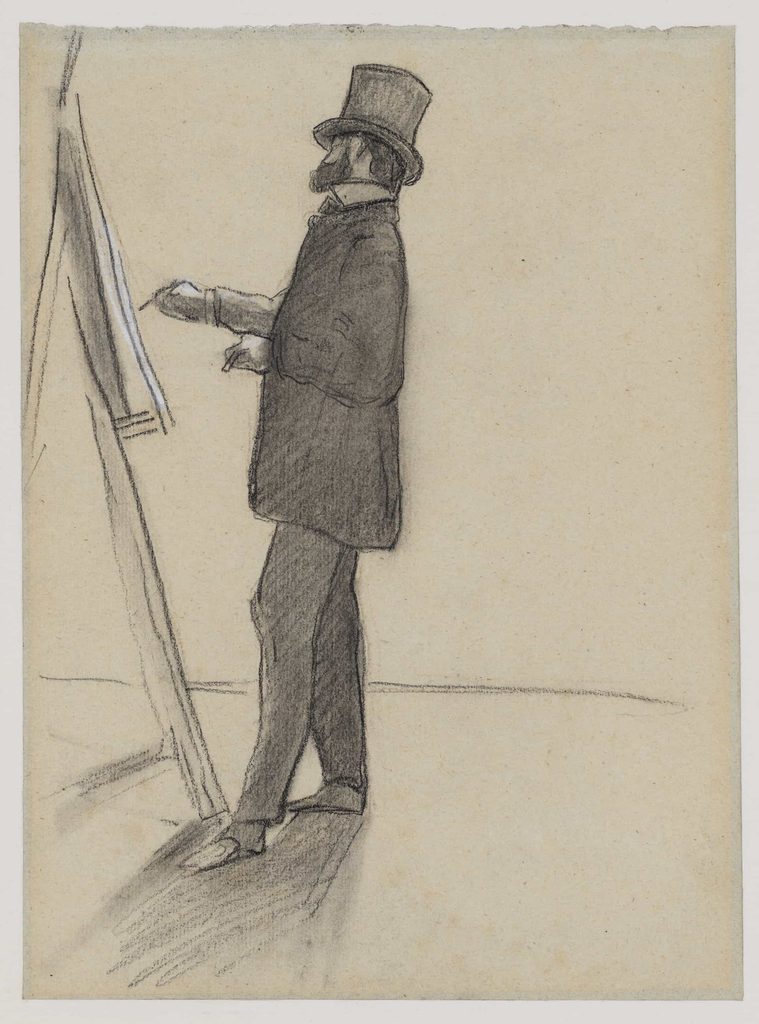
Stories can be powerful.
Perhaps the artist made the painting after travelling somewhere important.
Perhaps the landscape depicts a place you know.
Perhaps the work belongs to a series inspired by memory, family, weather or identity.
Learning this can deepen your understanding.
But there is a useful test.
Imagine you knew none of it.
Would you still want the painting?
A compelling artist story can add meaning to a work you already love.
It should not have to persuade you to love a painting that leaves you cold.
Eventually the story is no longer being told.
The painting is simply hanging on your wall.
It still needs to work there.
Check the Exact Size Before Buying a Painting
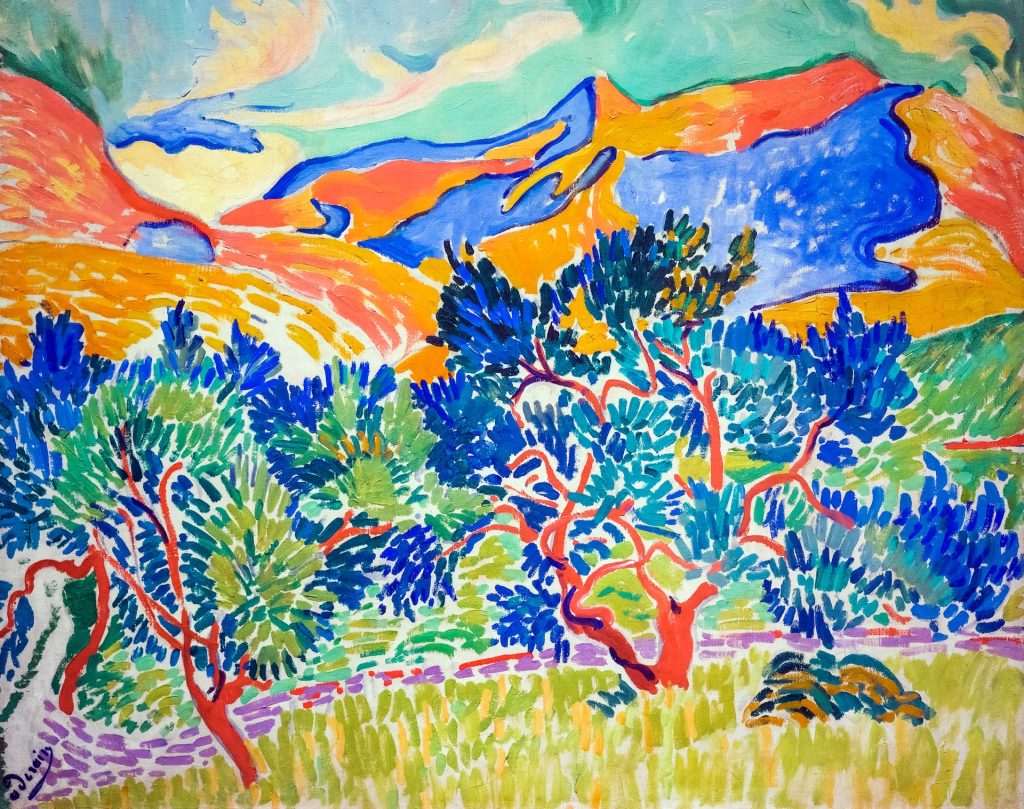
Never judge dimensions from an online photograph.
Check the measurements.
Then check what those measurements refer to.
Is it the painted canvas?
The paper?
The image?
Or the outside of the frame?
This matters because framing can change the finished size considerably.
If you have a wall in mind, measure it.
Use masking tape or paper to mark the painting’s dimensions.
Then step back.
Look from the doorway.
Sit where you normally sit.
Walk past it.
The goal is not to create a mathematically perfect interior.
It is simply to make sure the physical scale works.
A painting that looked modest in a gallery may dominate a small room.
A work that looked substantial online may disappear above a large sofa.
Measurements prevent surprises.
But Do Not Buy Art Only to Fill a Particular Gap
There is a difference between asking whether a painting can live in your home and asking whether it perfectly fills an empty rectangle above your furniture.
The second question can be too restrictive.
Furniture changes.
Walls are repainted.
People move.
A painting you genuinely care about can travel with you.
If you love a work but it does not fit the wall you originally imagined, ask whether there is another suitable place for it.
Could it work in a hallway?
Bedroom?
Dining room?
Study?
Another wall in the living room?
Do not reject an artwork you love simply because it is ten centimetres narrower than the space you had imagined filling.
Buy the painting first.
Let the room accommodate it where reasonably possible.
Should a Painting Match Your Interior?
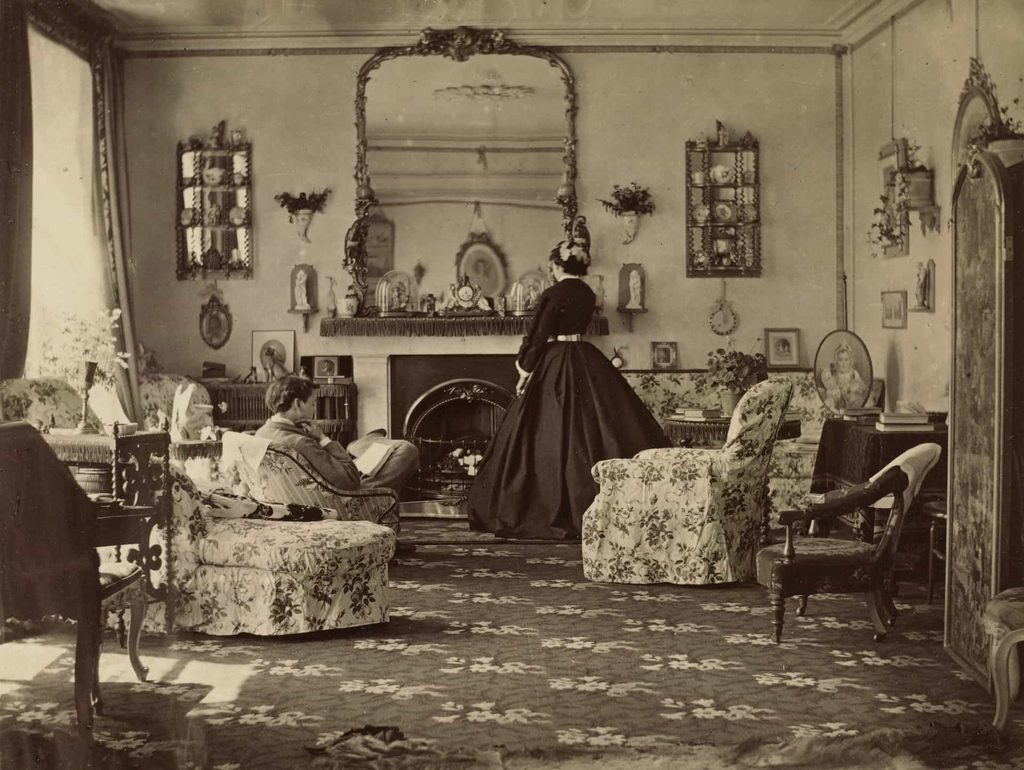
Not necessarily.
Artwork is not upholstery.
You do not need to find the exact blue from your cushions in the painting.
Of course, interiors matter. Scale, colour, architecture and light all affect how a painting feels in a room.
But matching is only one possible relationship.
Contrast can be much more interesting.
A colourful painting can transform a quiet room.
A restrained drawing can provide relief in a busy interior.
Traditional painting can work beautifully in a modern space.
Contemporary abstraction can look wonderful in an old building.
Instead of asking:
Does this match the room?
Try:
Does this belong here?
The distinction is small but useful.
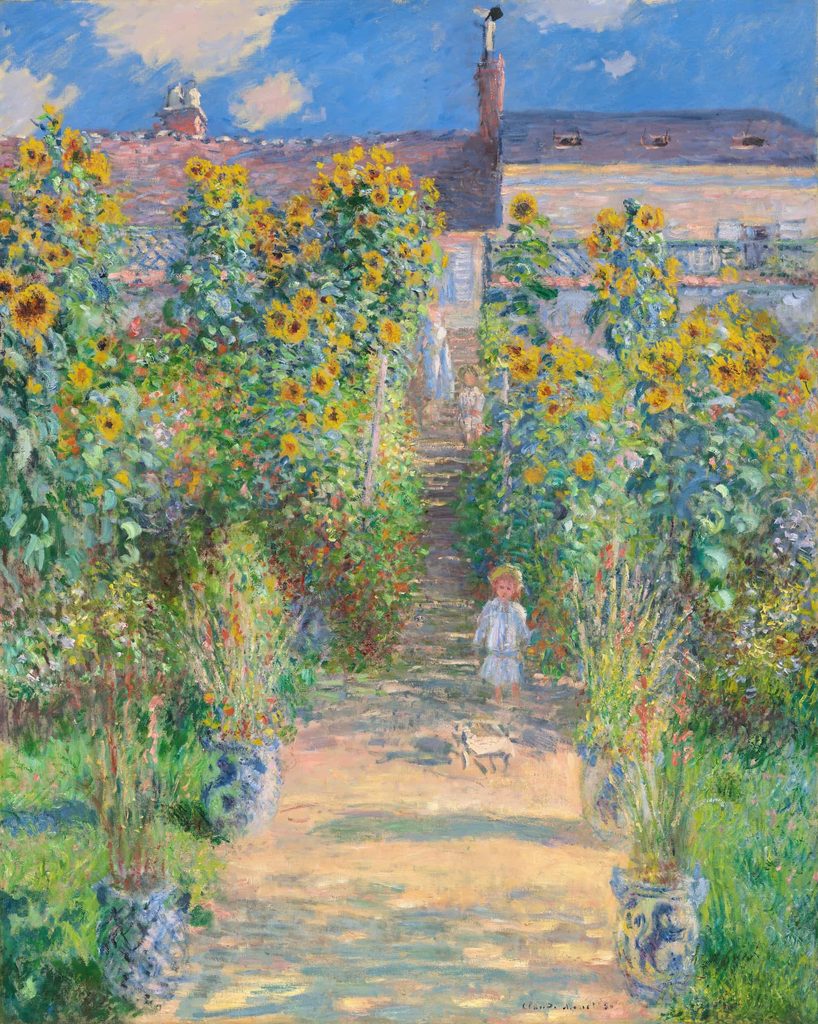
Think About Where the Painting Will Live
Once you know the size works, look at the environment.
Is the wall exposed to strong direct sunlight?
Is it close to a radiator?
Is there excessive humidity?
Will it be exposed to cooking grease or steam?
Could it easily be knocked?
Is there enough light to see it?
Does a window opposite create glare?
Original artwork deserves sensible placement.
Works on paper, photographs and watercolours can be particularly sensitive to light and may require appropriate glazing.
Paintings can have different conservation needs depending on their materials.
If you are unsure, ask the gallery, artist or framer.
You do not need museum conditions in your living room.
You simply want to avoid obvious risks.
Is the Frame Included?
Always ask.
A framed painting may be priced with the frame included, but do not assume.
If the work is unframed, find out whether it actually needs framing.
Some stretched canvases are intended to hang without a conventional frame.
Others look better in tray frames.
Paintings on board may benefit from framing.
Works on paper generally require suitable mounting and glazing.
If the artwork needs framing, include that in your budget before deciding.
A £600 work that needs £200 of framing is effectively an £800 purchase if you want it ready to hang.
That does not make it poor value.
It simply means you should know the full cost.
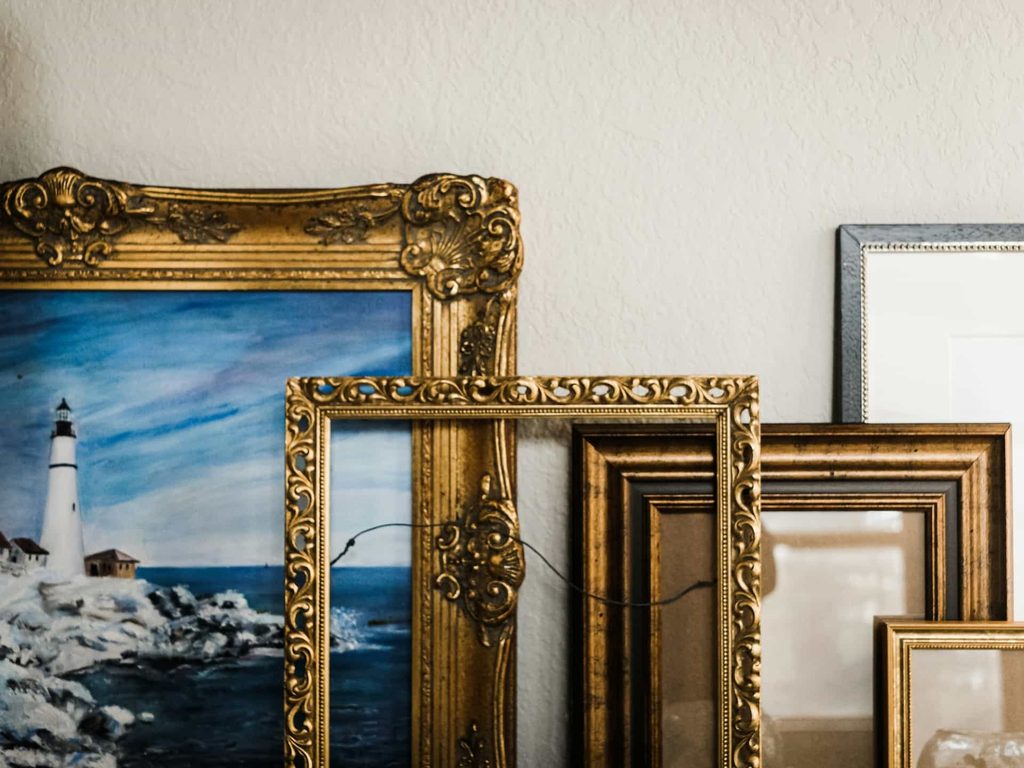
Do Not Reject a Painting Because You Dislike the Frame
Frames can be changed.
Paintings cannot.
If you love the artwork but dislike a heavy gold frame, dark wood, white mount or another presentation choice, ask what can be changed.
Sometimes removing or replacing a frame completely changes how a painting feels.
A good frame should support the artwork rather than compete with it.
It can also help the work sit comfortably in a new environment.
This is especially useful when buying older artwork, where the existing frame may reflect another period or owner’s taste.
Look at the painting separately from its presentation.
You may love one and dislike the other.
That is a solvable problem.
Check the Condition
When buying a new contemporary painting directly from an artist or gallery, condition is usually straightforward.
Still, look carefully.
Check the corners.
Look at the surface.
If it is canvas, look for dents, tears or unusual slackness.
Look at the frame.
If it is glazed, inspect the glazing.
For works on paper, check for staining, foxing, creasing, fading or other damage.
Older paintings deserve more attention.
Age does not automatically mean poor condition, and an older artwork does not need to look brand new.
The important thing is knowing what you are buying.
If you notice something unusual, ask.
For an expensive historic work, professional condition advice may be appropriate.
For a modest contemporary painting, common sense and a conversation with the gallery will usually answer what you need to know.
What Paperwork Should You Get When Buying Original Art?
Keep a proper record of the purchase.
At minimum, retain your invoice or receipt.
Ideally, your records should identify:
The artist.
Artwork title.
Date, if known.
Medium.
Dimensions.
Purchase price.
Purchase date.
Gallery, artist or seller.
Edition information, where relevant.
Some artworks also come with a certificate of authenticity.
Practices vary between artists and galleries, so the absence of a separate certificate does not automatically mean a work is questionable.
Clear purchase documentation from the artist or their gallery is itself useful provenance.
Keep your records somewhere safe.
Years later, that simple paperwork may be important.
What Is Provenance and Does It Matter?
Provenance means the history of ownership of an artwork.
For a new contemporary painting, it may be very simple:
The artist made it.
A gallery represented it.
You bought it.
That is still provenance.
For older or more valuable works, ownership history can become much more important. It can help establish authenticity, attribution and legal ownership.
If you are buying a contemporary painting directly from an artist or a gallery representing them, you generally do not need to become a provenance detective.
You simply need clear information about where the work came from and documentation of your purchase.
The higher the value and the further removed you are from the artist, the more important careful checking becomes.
Does a Signature Prove a Painting Is Original?
No.
A signature is useful, but it is not proof by itself.
Some artists sign the front.
Some sign the reverse.
Some use initials.
Some sign labels.
Some do not sign every work.
And signatures can be copied.
If you are buying directly from a living artist or their gallery, authenticity is usually established through the source of the work and its documentation rather than a signature alone.
For older or high-value works, authentication can involve provenance, catalogues, expert knowledge and technical examination.
Do not reject a contemporary painting simply because the signature is not prominently displayed in the bottom corner.
Ask instead.
Buying a Painting Online: What Should You Check?
Buying original art online can work extremely well, but you need more information because you cannot inspect the object directly.
Look for:
A clear full image.
Close-up photographs.
Accurate dimensions.
Medium and support.
Framed and unframed measurements where relevant.
Artist information.
Price.
Delivery costs.
Returns terms.
Condition information.
Ask for additional images if you need them.
A photograph of the artwork from the side can reveal depth and framing.
A photograph of the reverse can show the canvas, board, labels, signature and hanging system.
A short video can help show texture.
Ask how the work will be packed and whether delivery is insured.
If buying internationally, check whether taxes, duties or additional charges apply.
The more expensive the purchase, the less you should rely on a single attractive photograph.
Should You Buy Art as an Investment?
If this is your first painting and you are buying it for your home, investment potential should probably not be the deciding factor.
Art markets are unpredictable.
An artist becoming more successful does not guarantee that every work will increase significantly in value.
Likewise, a painting that never rises in monetary value can still be one of the best things you have bought if you enjoy living with it for decades.
Ask yourself:
Would I still want this painting if its financial value never changed?
If the answer is yes, you are making the decision using something you can actually judge.
If the answer is no, you may be making an investment decision rather than an art-buying decision.
Those are different things.
Should You Negotiate the Price of a Painting?
You can ask questions about price.
But do not assume that gallery prices are automatically negotiable.
Artists and galleries often work with established pricing structures. Consistency matters, particularly for living artists whose work is being sold through several exhibitions or galleries.
If your budget is lower than the price of the work, be open about it.
There may be another smaller painting.
A work on paper.
A study.
A print.
Another artist.
Some galleries may offer payment arrangements.
A straightforward conversation about budget is much more useful than treating buying art like bargaining at a market.
Should You Sleep on It?
Sometimes.
If you are unsure whether you actually like the painting, leaving and returning later can be useful.
See whether you think about it afterwards.
Can you remember it?
Do you find yourself describing it to someone?
Do you want to see it again?
Those reactions can reveal whether the interest lasted beyond the gallery visit.
But there is another kind of hesitation.
Sometimes you already know you love the painting.
You have checked the dimensions.
You understand the price.
You can afford it.
You know what it is.
The only thing stopping you is the unfamiliar feeling of spending money on art.
Sleeping on it will not necessarily answer that.
At some point, buying an original painting requires accepting that there is only one and making a decision.
Try the Ten-Minute Test
If you are seriously considering a painting, spend ten uninterrupted minutes with it.
Do not photograph it.
Do not search the artist.
Do not calculate whether it matches the sofa.
Look.
Start from a distance.
Move closer.
Look at the edges rather than only the focal point.
Look at the surface.
Find the area you like least.
Then find the area you keep returning to.
Step back again.
After ten minutes, ask:
Has the painting become more interesting or less?
Some works give everything immediately.
Others unfold slowly.
For something you may live with for years, the second quality can matter.
Try the Ordinary Tuesday Test
Gallery lighting can make buying art feel like a special event.
Your home will not.
Imagine the painting on an ordinary Tuesday morning.
The weather is grey.
You are making coffee.
There is washing to put away.
You are late.
You walk past the painting.
Would you still be pleased it is there?
Now imagine it after you repaint the room.
After you replace the sofa.
After you move house.
After five years.
The point is not to predict whether your taste will ever change.
Nobody can.
It is to imagine the artwork outside the excitement of buying it.
Can it become part of ordinary life?
That is what owning art really means.
What If Your Partner Doesn’t Like It?
Buying art for a shared home can be difficult when two people have different tastes.
Do not immediately reduce the conversation to matching the room.
Ask what each person actually responds to.
Is it the subject?
Colour?
Mood?
Style?
Scale?
Perhaps one person dislikes the frame rather than the painting.
Perhaps the size feels overwhelming.
Perhaps the subject genuinely makes them uncomfortable.
There is a difference between:
“I wouldn’t have chosen it”
and:
“I really don’t want to look at this every day.”
If the artwork will dominate a shared space, both reactions matter.
Sometimes there is a compromise.
Sometimes another painting is the better answer.
There is more art in the world.
What If You Love It but Have Nowhere to Put It?
First, check whether that is actually true.
People often imagine artwork has to go above the sofa, bed or fireplace.
It doesn’t.
Look at smaller walls.
Hallways.
Staircases.
Dining areas.
Bedrooms.
Home offices.
Spaces between windows.
A painting may work somewhere you had not considered.
But be realistic.
If the painting is two metres wide and you live in a small flat with no suitable wall, loving it does not create the space.
There is a difference between not having identified the perfect wall and genuinely being unable to accommodate the work.
Know which problem you have.
Buying Your First Painting Does Not Mean Becoming an Art Collector
You can buy one painting.
That can be the whole story.
You do not need to begin tracking auctions, building a collection strategy or learning specialist terminology.
You can simply own something made by an artist because you wanted it in your life.
Something often changes afterwards, though.
Once you live with original art, you begin noticing other works differently.
You pay more attention to surfaces.
You recognise materials.
You notice framing.
You discover artists.
You begin understanding what you like and, just as importantly, what you do not.
Eventually another artwork may interest you.
That is often how an art collection starts.
Not with a plan.
With one painting.
When Should You Walk Away from a Painting?
Walk away if you cannot comfortably afford it.
Walk away if the seller will not clearly explain what you are buying.
Walk away if important questions about authenticity or condition remain unanswered.
Walk away if you are being pressured.
Walk away if you only want it because somebody has told you it will rise in value.
Walk away if you are trying hard to persuade yourself that you like it.
Walk away if owning it would create practical problems you cannot reasonably solve.
And sometimes walk away simply because you are not sure.
Not every painting you admire needs to become yours.
Looking at art has value even when nothing is purchased.
When Might It Be Time to Say Yes?
Consider buying the painting when:
You keep returning to it.
You enjoy it from both near and far.
You have thought about it outside the gallery.
You understand what it is.
You know who made it.
You know the dimensions.
You understand the condition.
You know whether framing is included.
You know the total cost.
You can afford it comfortably.
You have somewhere reasonable for it to live.
You are not depending on future investment value.
And you would genuinely be disappointed to discover that somebody else had bought it.
At that point, you are no longer buying on impulse.
You have looked.
You have asked.
You have checked.
What remains is personal.
Questions to Ask Before Buying a Painting
Before buying an original painting, you should be able to answer most of these:
Who is the artist?
What is the title?
When was it made?
Is it an original?
What medium was used?
Is it painted on canvas, board, paper or another support?
What are the exact dimensions?
What is the framed size?
Is the frame included?
Is it ready to hang?
What condition is it in?
Is it signed?
Will I receive an invoice?
Is there a certificate of authenticity or other documentation?
How should I care for it?
Should it be kept out of direct sunlight?
Does it need specialist framing?
How will it be packed?
How will it be delivered?
Is delivery insured?
What is the total cost?
Can I afford it comfortably?
And finally:
Do I want to live with it?
Common Mistakes When Buying a Painting
Buying for the room instead of buying the artwork
Interiors change. Choose something you care about, then work out how it fits into your home.
Forgetting to measure
Always check the actual dimensions, including the frame.
Assuming expensive means better
Price and personal connection are not the same thing.
Buying because an artist might become valuable
Future prices cannot be guaranteed.
Ignoring framing costs
Know whether the work is framed and what additional presentation may cost.
Confusing an original with a reproduction
Ask exactly what you are buying.
Being embarrassed to ask questions
A good gallery expects questions.
Choosing what you think you should like
Your home does not need somebody else’s taste.
Buying because you feel pressured
Urgency should not replace judgement.
Waiting for absolute certainty
You may never feel completely certain. Once the practical questions have been answered, the final decision is personal.
A Simple Buying a Painting Checklist
Before buying, check:
- I genuinely want to keep looking at the painting.
- I have seen it properly or have enough detailed images to understand it.
- I know who the artist is.
- I understand whether it is an original painting.
- I know the medium and support.
- I know the exact dimensions.
- I know the framed dimensions.
- I know whether the frame is included.
- I understand its condition.
- I know how it should be cared for.
- I know the full price.
- I have included framing and delivery where necessary.
- I can afford it comfortably.
- I will receive proper purchase documentation.
- I have a reasonable place to display it.
- I am buying the painting rather than buying an investment story.
- I would be disappointed if somebody else bought it.
If you can comfortably tick most of those boxes, you have done more than simply fall for a painting.
You have thought seriously about owning it.
Frequently Asked Questions About Buying a Painting
How do you know if you should buy a painting?
Start with whether you genuinely want to keep looking at it. Then check the practical details, including price, size, condition, authenticity, framing and care. If you can comfortably afford the work, understand what you are buying and would be disappointed if somebody else bought it, you have a good reason to consider the purchase.
What should I look for when buying a painting?
Look at the painting itself first, including composition, colour, surface, texture and how it feels from different distances. Then check the artist, medium, dimensions, condition, frame, price and documentation.
How do I buy my first original painting?
Visit galleries, exhibitions, open studios and artist websites. Spend time looking before deciding. Once you find a painting you love, ask about the artist, materials, dimensions, condition, framing and price. Set a comfortable budget and keep documentation after purchasing.
How can I tell if a painting is original?
Ask the artist, gallery or seller directly and check the description and documentation. An original painting is a unique physical artwork rather than a printed reproduction. For older or particularly valuable works, authentication can require provenance and specialist expertise.
Should an original painting come with a certificate of authenticity?
Some do and some do not. Practices vary between artists and galleries. A detailed invoice, gallery records and clear information about the artist and artwork can also form useful documentation. For higher-value purchases, ask exactly what documentation is supplied before buying.
How much should I spend on my first painting?
There is no correct amount. Choose a budget you can comfortably afford after including any framing and delivery costs. A smaller original painting or work on paper can be a good way to begin if larger works exceed your budget.
Should I buy a painting if I don’t know the artist?
You can. An artist does not need to be famous for their work to be worth owning. Researching the artist can provide useful context, but your response to the actual painting remains important when buying for your own home.
Should artwork match my home?
It should work in the space, but it does not have to match your furniture or wall colour. Scale, light, placement and framing matter more than finding an exact colour match. Interiors change, while a painting you love may stay with you for decades.
Is buying original art a good investment?
Some artworks increase in value and others do not. Future prices are difficult to predict. If you are buying a painting primarily to live with, ask whether you would still be happy to own it if its monetary value never increased.
Is it better to buy art online or from a gallery?
Both can work. A physical gallery lets you experience the scale, colour and surface directly. Online buying offers wider access but requires careful checking of dimensions, detailed images, condition, delivery, returns and seller information.
What should I ask a gallery before buying a painting?
Ask about the artist, title, medium, dimensions, condition, date, framing, price, documentation, care and delivery. If anything about the work or purchase is unclear, ask before paying.
Should I sleep on it before buying a painting?
If you are uncertain about the artwork itself, taking some time can help. If you already know you love it and your only hesitation is the unfamiliarity of buying original art, more time may not change much. Remember that an original work can be bought by somebody else while you are deciding.
What happens after I buy an original painting?
Keep the invoice and any documentation, arrange suitable framing if needed, hang the work securely and protect it from unsuitable environmental conditions. Over time, the painting simply becomes part of your home, which is one of the pleasures of owning original art.
Finding a painting you love is not the end of the decision.
It is the beginning.
Look at it properly.
Walk away and return.
Check the dimensions.
Understand the materials.
Ask about the artist.
Know whether the frame is included.
Look at the condition.
Think about light.
Know the full cost.
Make sure you can afford it.
Keep the paperwork.
Then come back to the reason you stopped in front of the painting in the first place.
Do you still want to look at it?
Can you imagine it becoming part of ordinary life rather than remaining something you once saw in a gallery?
Would you take it with you if you moved?
Would you miss it if somebody else bought it?
Buying a painting does not prove that you understand art.
It does not have to impress visitors.
It does not need to match the sofa.
And it does not need to become more valuable to justify its existence.
Sometimes the strongest reason to buy a painting is much simpler.
You have looked carefully, asked the sensible questions, and you still want to take it home.
Leave a Reply