
No products in the cart.
What Is a Mural? A Guide to Wall Art, Public Art and Painted Spaces
A mural changes the way a wall behaves.
A plain wall can divide a room, hold up a building or mark the edge of a street. A mural turns that surface into an artwork. It can tell a story, brighten a public space, remember a community, create atmosphere in a room or make a building feel part of the place around it.
Murals are among the oldest forms of art. Long before paintings were framed and hung in galleries, people made images on cave walls, temple walls, tombs, churches, palaces and public buildings. A mural belongs to a surface. It is not simply placed in a space. It is made with the space in mind.
That is what makes mural art different from many other forms of painting. A mural is not only about the image. It is also about scale, architecture, location, movement, light and the people who pass by it.
Today, murals appear in many places: city streets, schools, hospitals, restaurants, community centres, homes, studios, offices, galleries, underpasses and public squares. Some are painted by one artist. Some are made with communities. Some are political. Some are decorative. Some are temporary. Some become landmarks.
This guide explains what a mural is, how mural art developed, why it matters, and how wall art can change the feeling of a place.
What Is a Mural? A Simple Definition
A mural is an artwork painted, drawn or applied directly onto a wall, ceiling or large permanent surface. It is usually made for a specific place, which means the wall, room, building or public setting becomes part of the artwork.
A mural can be made indoors or outdoors. It can be small and intimate, or large enough to cover the side of a building. It can be figurative, abstract, decorative, political, historical, playful or symbolic.
The key point is that a mural is connected to its surface.
A framed painting can be moved from one wall to another. A mural usually belongs to the wall it was made for. Even when a mural is painted on panels or a removable surface, it is often designed to act like part of the architecture.
A mural might appear on:
- A public wall
- A school corridor
- A ceiling
- A church or chapel wall
- A community centre
- A restaurant interior
- A studio wall
- A garden wall
- A shopfront
- A railway bridge
- A hospital
- A home interior
- A gallery wall
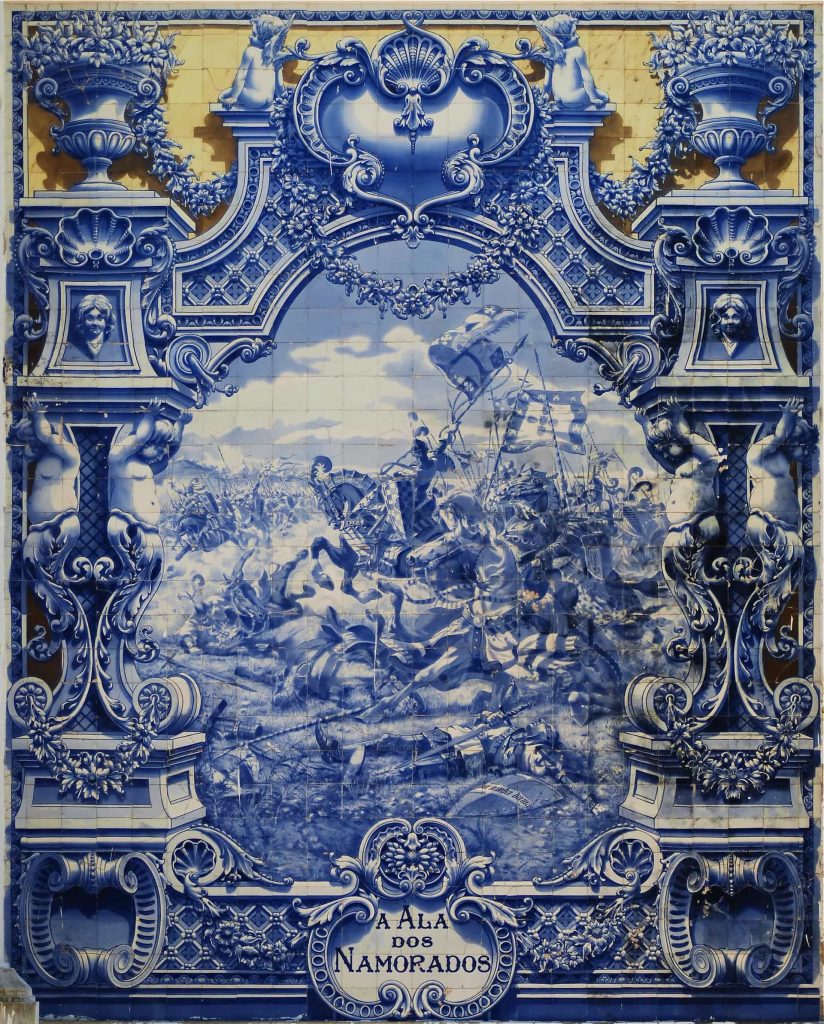
A mural can use paint, fresco, mosaic, tile, spray paint, digital printing, ceramic, relief, mixed media or other materials. What connects these forms is the idea of the artwork becoming part of a wall or place.
Why murals matter
Murals matter because they make art public.
Not everyone walks into a gallery. Not everyone collects paintings. Not everyone feels confident in formal art spaces. A mural can meet people where they already are: on the street, at school, at work, in a hospital, in a café, in a library or on the way home.
This gives murals a special role. They can make art part of daily life.
A mural can change how people feel about a building. It can make a dull wall feel cared for. It can bring colour into a neighbourhood. It can turn a blank surface into a landmark. It can celebrate local history, show shared values or mark a moment of change.
Murals also matter because they are often connected to place. A mural is rarely neutral. It has a relationship with the wall, the architecture and the people around it. Even a purely decorative mural changes the atmosphere of a room or street.
At their best, murals do more than fill empty space. They make a place feel seen.
Mural, wall art and public art: what is the difference?
The terms mural, wall art and public art are often used together, but they do not mean exactly the same thing.
A mural is an artwork made directly on or for a wall or ceiling. It is defined by its relationship to a surface.
Wall art is a broader term. It can include framed paintings, prints, posters, textiles, wall hangings, relief works, decorative panels and murals. Not all wall art is a mural.
Public art is art made for public spaces. It can include murals, sculptures, installations, monuments, light works, sound works, mosaics and community artworks. Not all public art is wall-based.
So a mural can be wall art. A mural can also be public art. But it is the direct relationship with the wall that makes it a mural.
A simple way to remember it:
Mural means artwork on or for a wall.
Wall art means art displayed on a wall.
Public art means art made for public space.
A short history of mural art
Murals are not a modern invention. They are one of the oldest ways humans have made images.
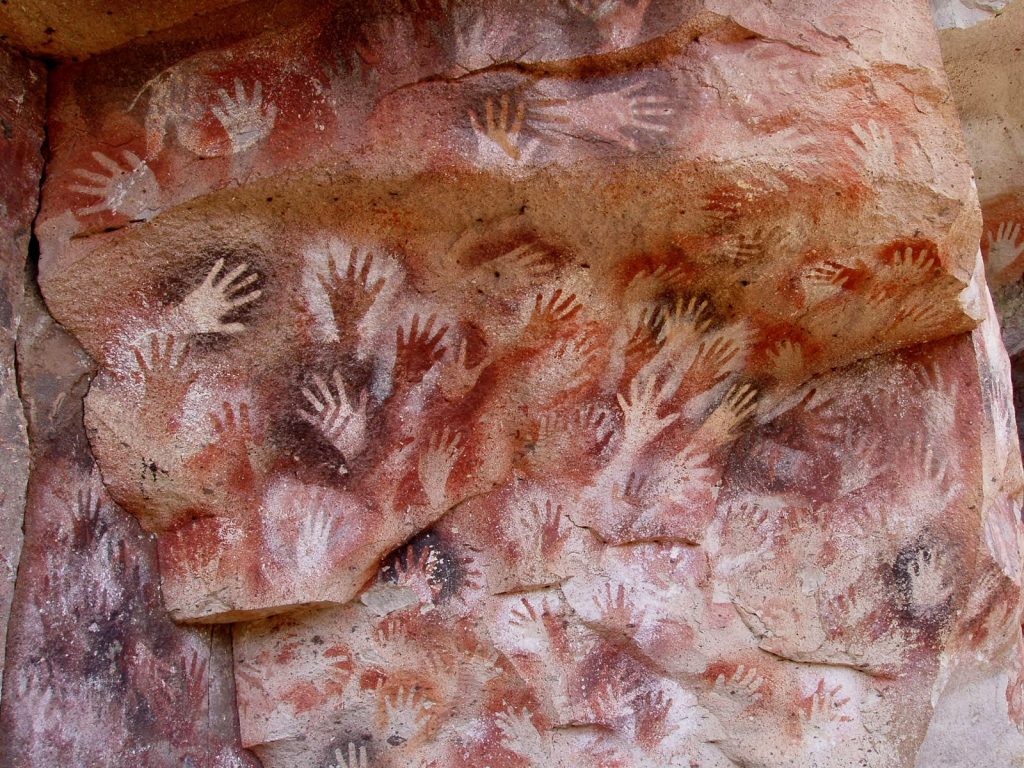
Prehistoric cave paintings show that people were making images on walls tens of thousands of years ago. These early wall paintings often included animals, signs, handprints and marks. They were not murals in the modern public-art sense, but they show that walls were among the first surfaces used for image-making.
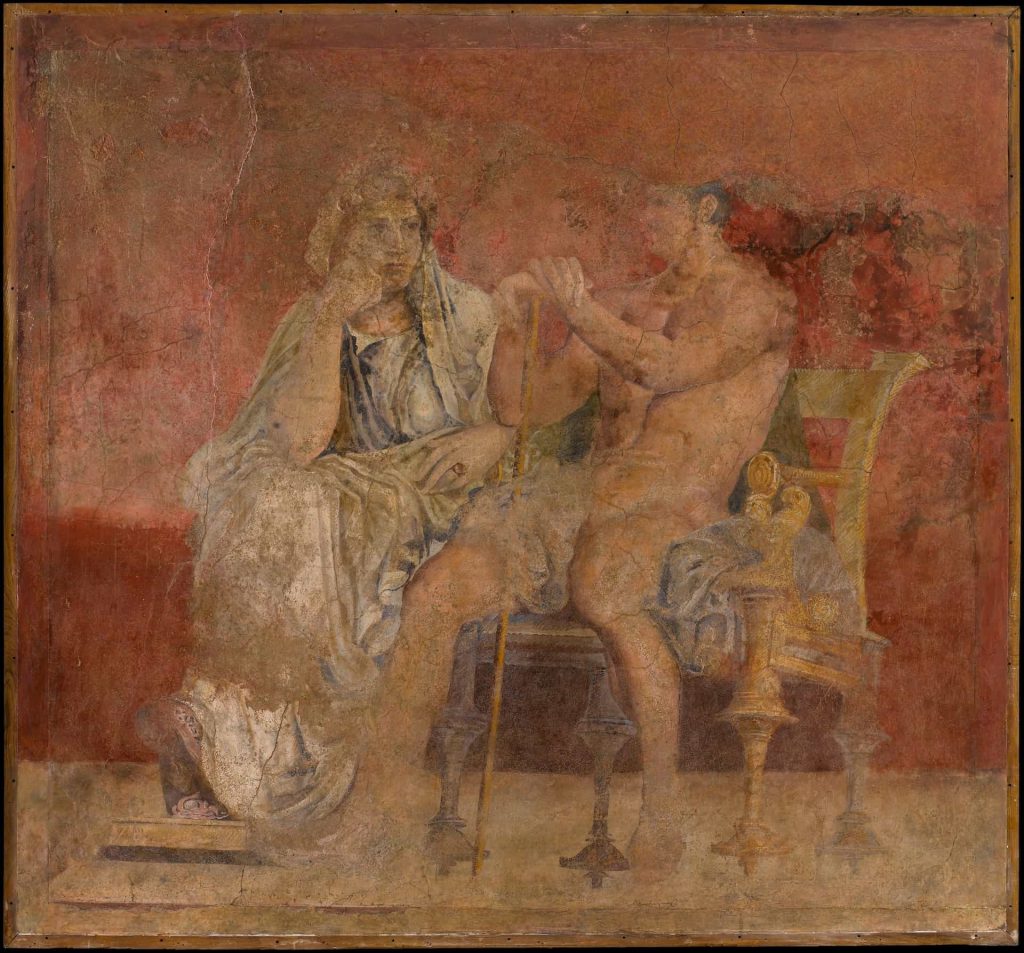
Ancient Egyptian tombs used wall painting to show journeys, rituals, figures, symbols and the afterlife. Ancient Greek and Roman interiors included painted walls, decorative scenes and illusionistic spaces. Pompeii remains one of the most famous examples of ancient wall painting, with rooms covered in colour, architecture, figures and ornament.
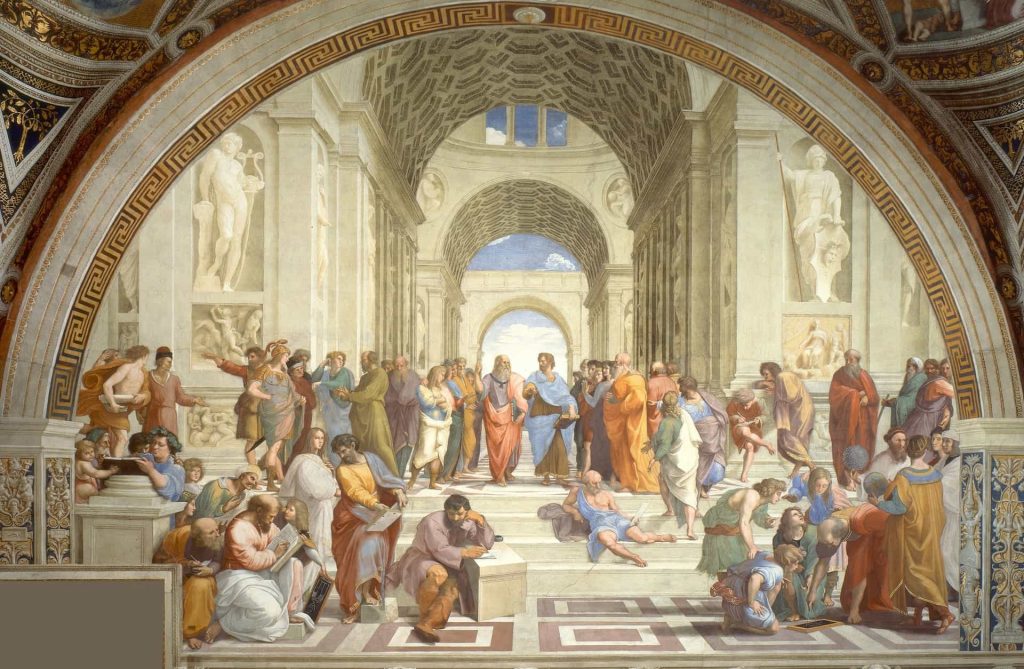
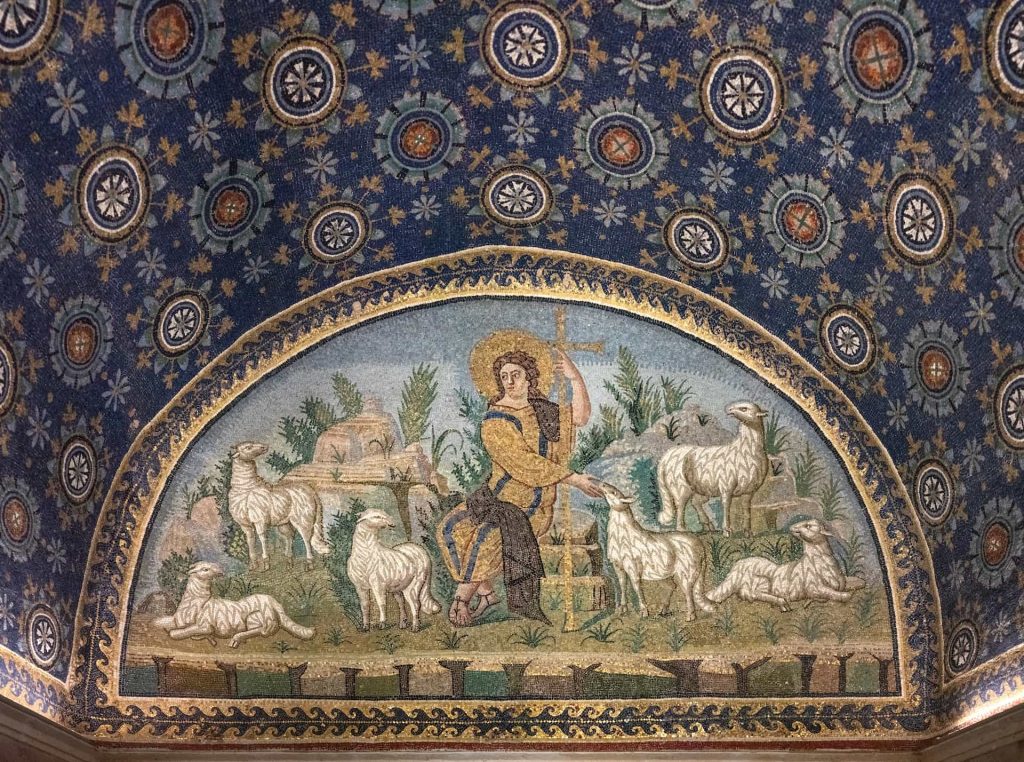
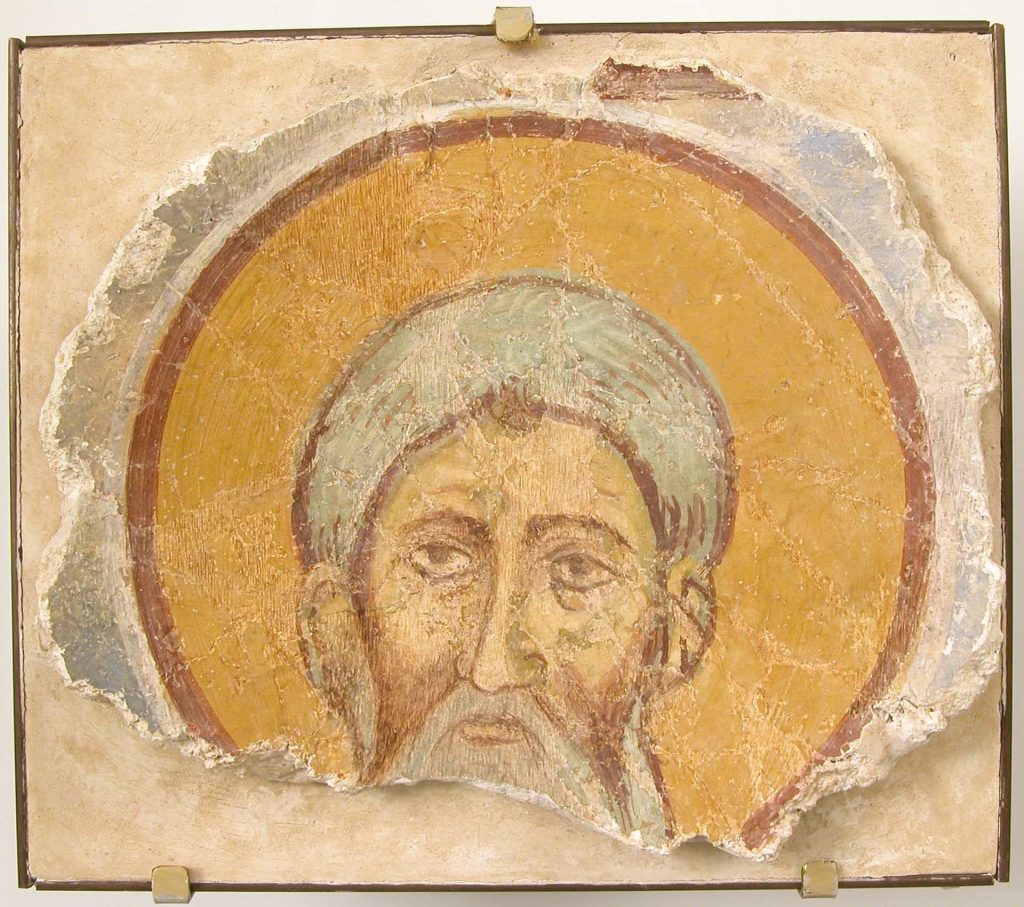
In churches, monasteries and chapels, murals became a way to teach stories, create atmosphere and shape religious experience. Fresco painting became especially important in medieval and Renaissance Europe, where artists painted onto wet plaster so that the pigment became part of the wall surface.
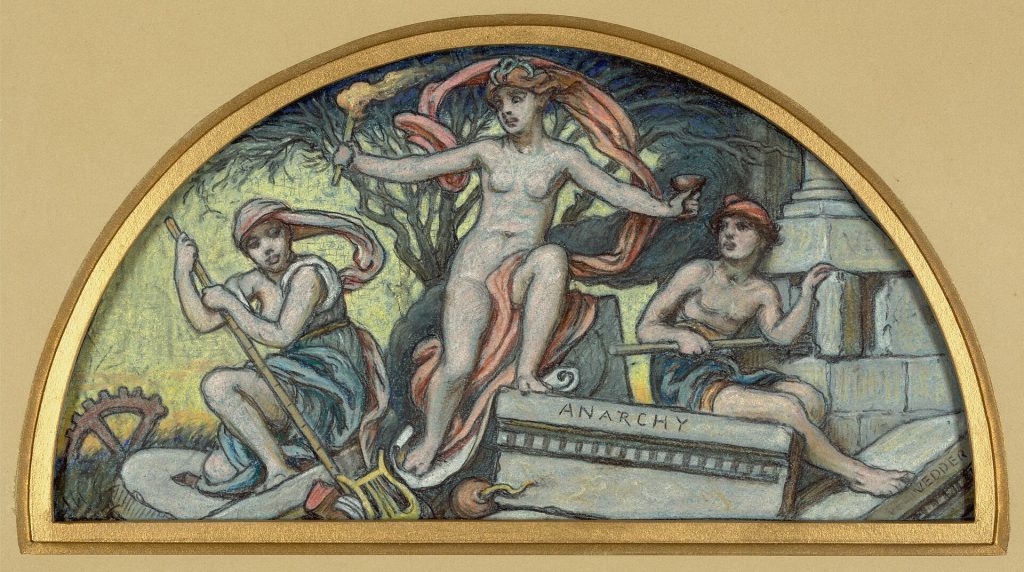
Later, murals were used in palaces, civic buildings, town halls, theatres and public institutions. They could celebrate power, faith, labour, history or national identity.
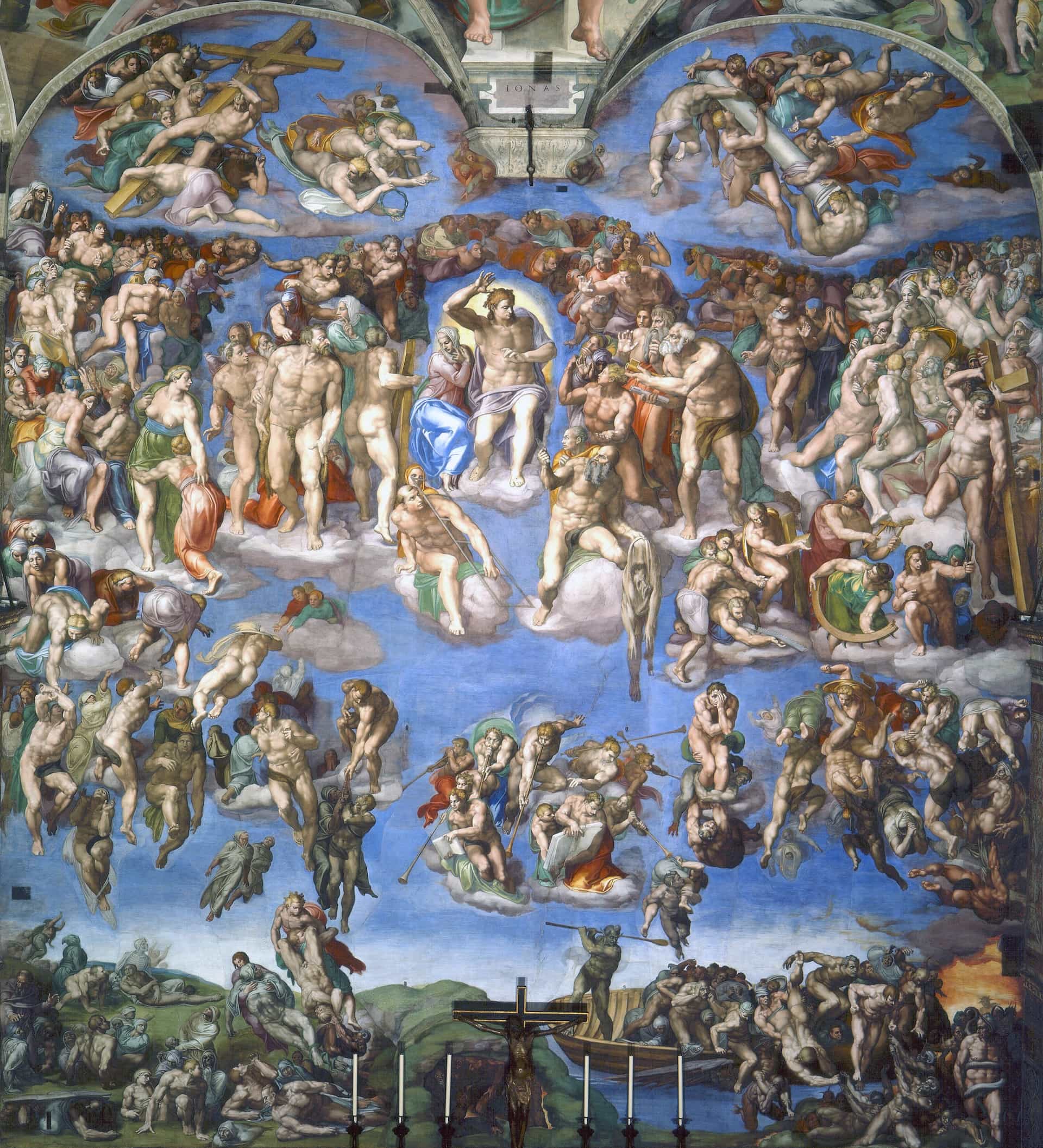
In the twentieth century, murals became especially important through Mexican Muralism and public art movements. Artists such as Diego Rivera, José Clemente Orozco and David Alfaro Siqueiros used murals to tell social, political and historical stories on a grand scale. Their work showed that murals could be ambitious, public and deeply connected to collective life.
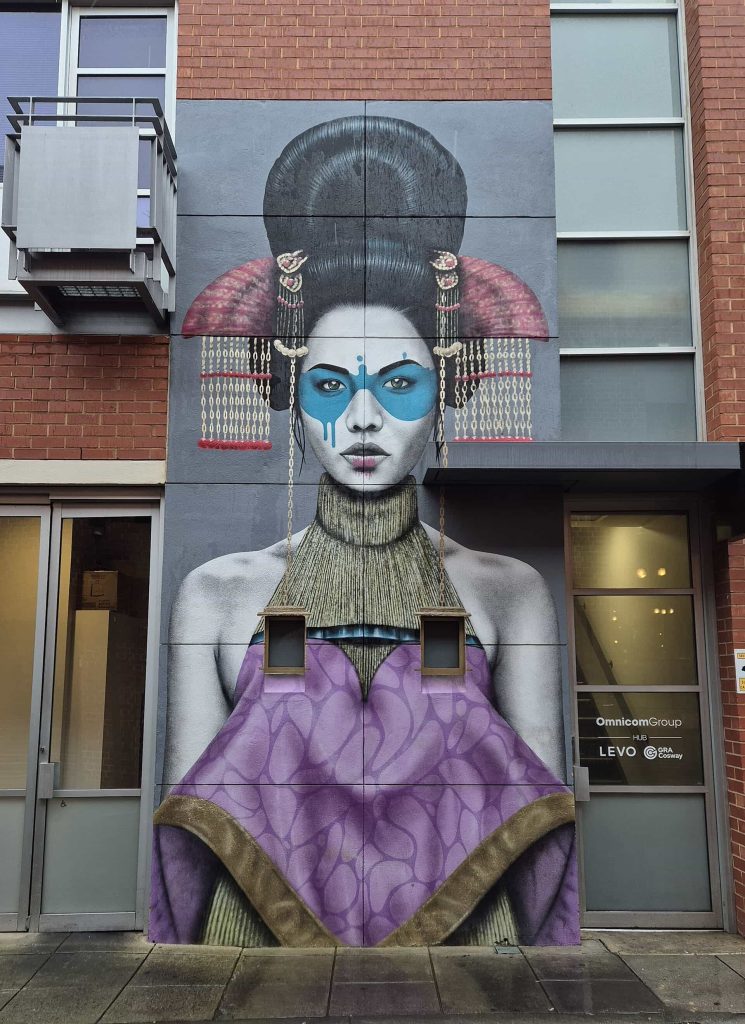
Today, mural art continues through street art, community projects, public commissions, interior design, cultural heritage, contemporary painting and large-scale installations.
Fresco: one of the great mural techniques
Fresco is one of the best-known mural techniques.
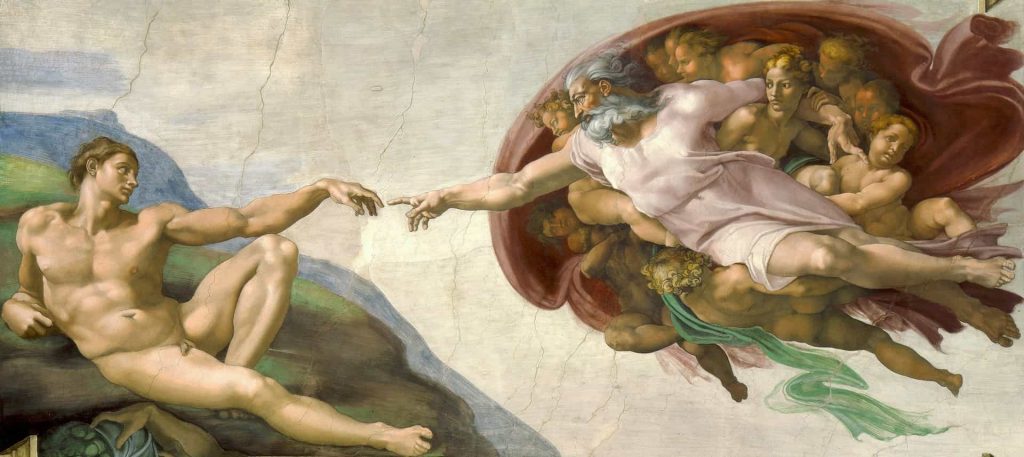
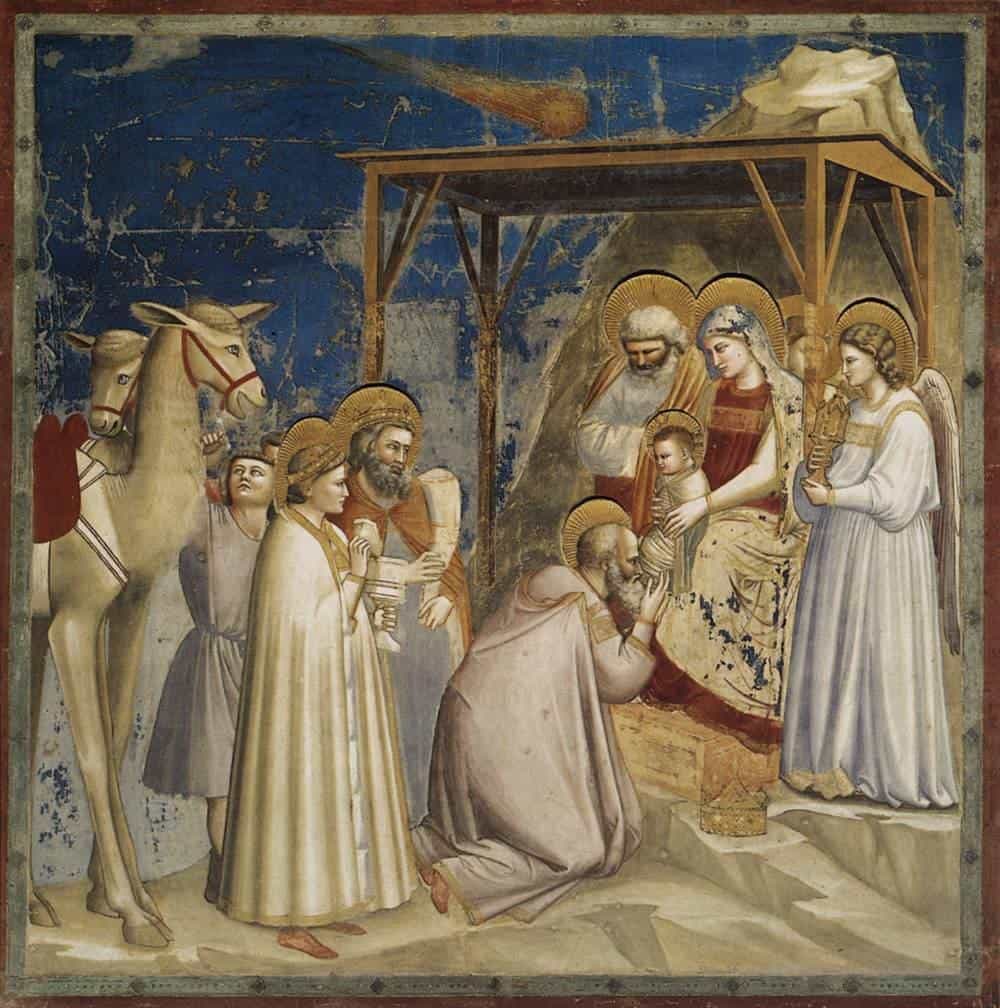
In buon fresco, pigment mixed with water is applied to wet lime plaster. As the plaster dries, the pigment becomes fixed into the wall surface. This makes fresco different from paint sitting on top of a dry wall. The image becomes part of the plaster itself.
Fresco was used widely in Renaissance Italy and is associated with artists such as Giotto, Michelangelo and Raphael. The technique requires planning and speed because the artist can only paint while the plaster is still wet.
There is also fresco secco, where paint is applied to dry plaster with a binding medium. This allows more time but is usually less durable than true fresco.
Fresco matters because it shows how technical mural painting can be. A large wall painting is not only a big picture. It involves surface preparation, timing, materials, scale, light and the building itself.
Even when contemporary murals use modern paints or spray techniques, the same basic challenge remains: how do you make an image work on a wall?
Murals and architecture
A mural is never separate from architecture.
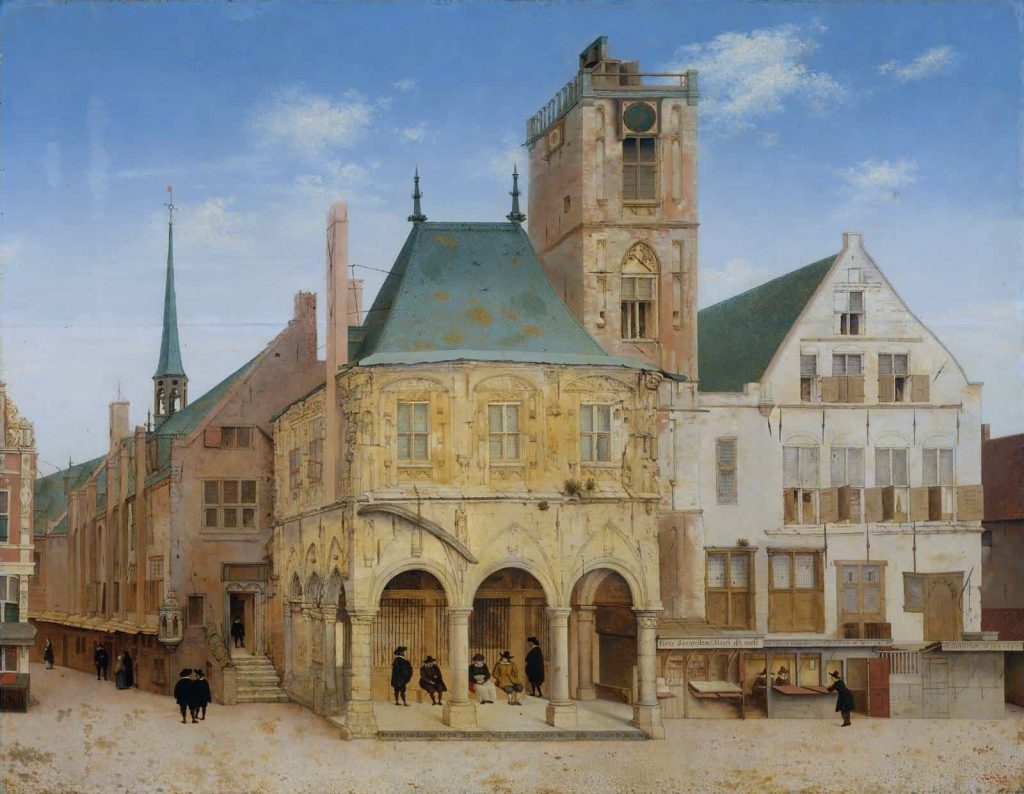
The shape of the wall matters. The height matters. The corners, doors, windows, beams, pipes, ledges and surrounding buildings all matter. A mural may need to work from far away and close up. It may need to be seen while walking past, sitting in a room or entering a building.
This is why a good mural should not be designed as if it were simply a small painting made bigger. Scale changes everything.
A small drawing can be delicate and private. A mural has to speak across distance. Its shapes, colours and composition must hold together on a large surface. Details may disappear from far away. Strong forms, rhythm and contrast become more important.
A mural can work with architecture in several ways:
- It can follow the shape of the wall.
- It can break the wall visually.
- It can create the illusion of depth.
- It can frame a doorway or entrance.
- It can draw attention to a corner.
- It can soften a hard building.
- It can make a room feel larger, calmer or more active.
- It can connect inside and outside.
The strongest murals feel as if they belong to the wall, even when they transform it completely.
Murals as storytelling
Many murals tell stories.
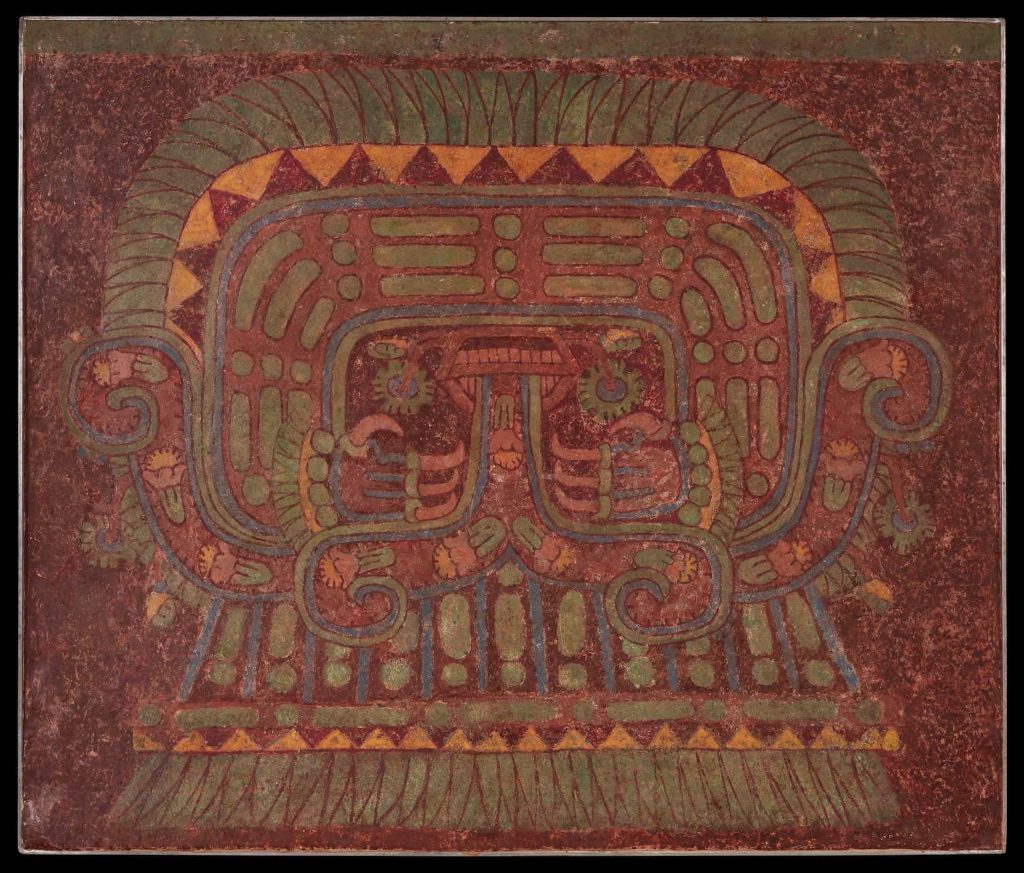
They may show local history, community life, myths, labour, migration, nature, protest, celebration, memory or imagined futures. Because murals are often large and public, they can hold many figures, scenes and symbols at once.
Storytelling in murals does not have to be literal. A mural might tell a story through colour, pattern, repeated shapes or fragments rather than a clear narrative. It might show a river, birds, tools, hands, buildings or abstract forms that refer to a place without spelling everything out.
This is important because murals are often viewed quickly. A person may see the mural from a bus, across a street or while walking to work. The image needs to make an immediate impression, but it can also reward longer looking.
A good storytelling mural works on more than one level. It catches the eye first. Then it gives people details to discover over time.
Public murals and community identity
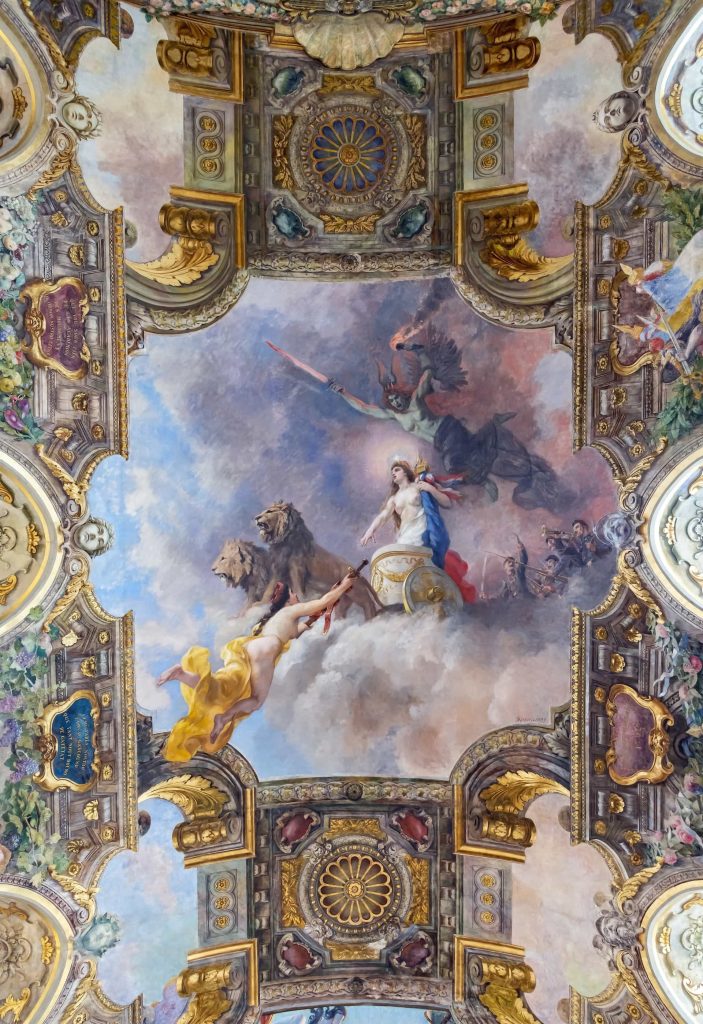
Public murals often become part of how a community sees itself.
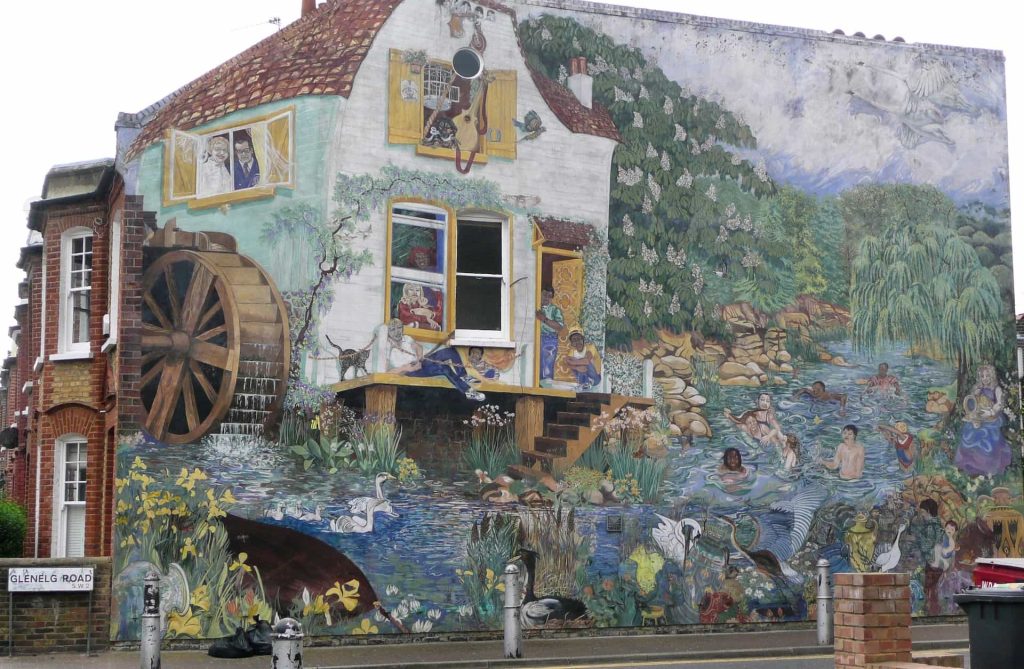
They can celebrate local people, mark histories that have been overlooked, brighten neglected spaces, support regeneration or give a neighbourhood a clearer visual identity. A mural can become a meeting point, a backdrop for photographs, a local landmark or a source of pride.
Community murals are especially powerful when the process matters as much as the finished image. Workshops, conversations, school involvement, local archives and shared design sessions can help a mural reflect the people who live near it.
But public murals also need care. A mural placed in a community without listening can feel imposed. It may look attractive but still miss the character of the place. The best public murals are not just painted onto a wall. They grow out of attention to the area.
Questions that matter include:
Who is the mural for?
Who will see it every day?
What stories belong to this place?
What should be remembered?
What should be avoided?
How will the mural age?
Who will maintain it?
A mural can bring people together, but only if it respects the place it enters.
Murals, politics and protest
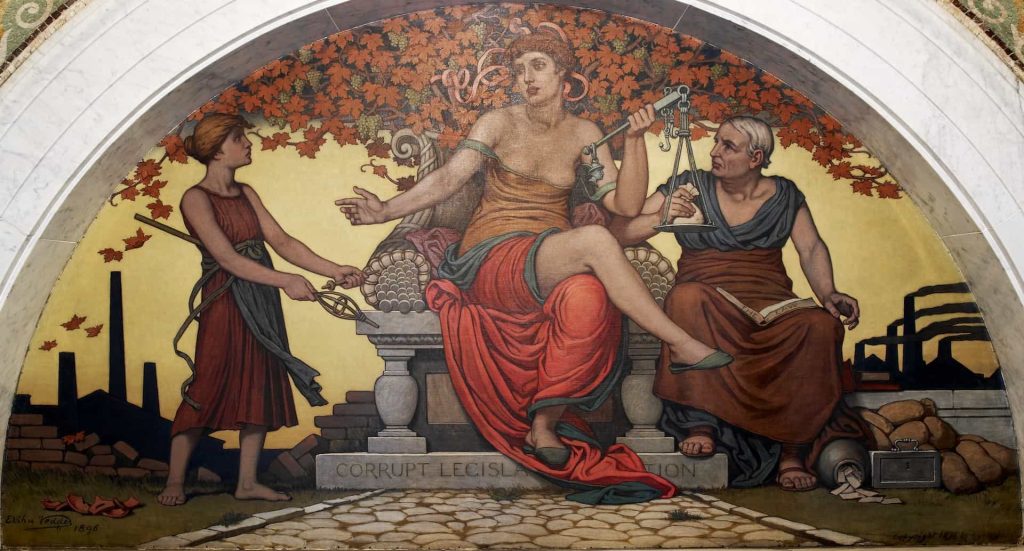
Murals have often been used for political expression.
Because they are public, visible and large, they can speak to people outside formal institutions. A mural can challenge power, remember injustice, celebrate resistance or bring attention to social issues. It can make a wall into a public statement.
Mexican Muralism is one of the strongest examples of this. After the Mexican Revolution, murals became a way to make art accessible and educational. Artists used public walls to tell stories about labour, history, indigenous culture, politics and national identity.
Street murals have continued that role in many cities. Murals connected to civil rights, anti-war protest, workers’ movements, environmental issues and local campaigns show how wall art can carry public feeling.
Political murals can be powerful because they are hard to ignore. They are not hidden in private collections. They occupy shared space.
This also makes them controversial. A public mural can raise questions about ownership, permission, censorship, funding and whose story is being told.
Murals and street art
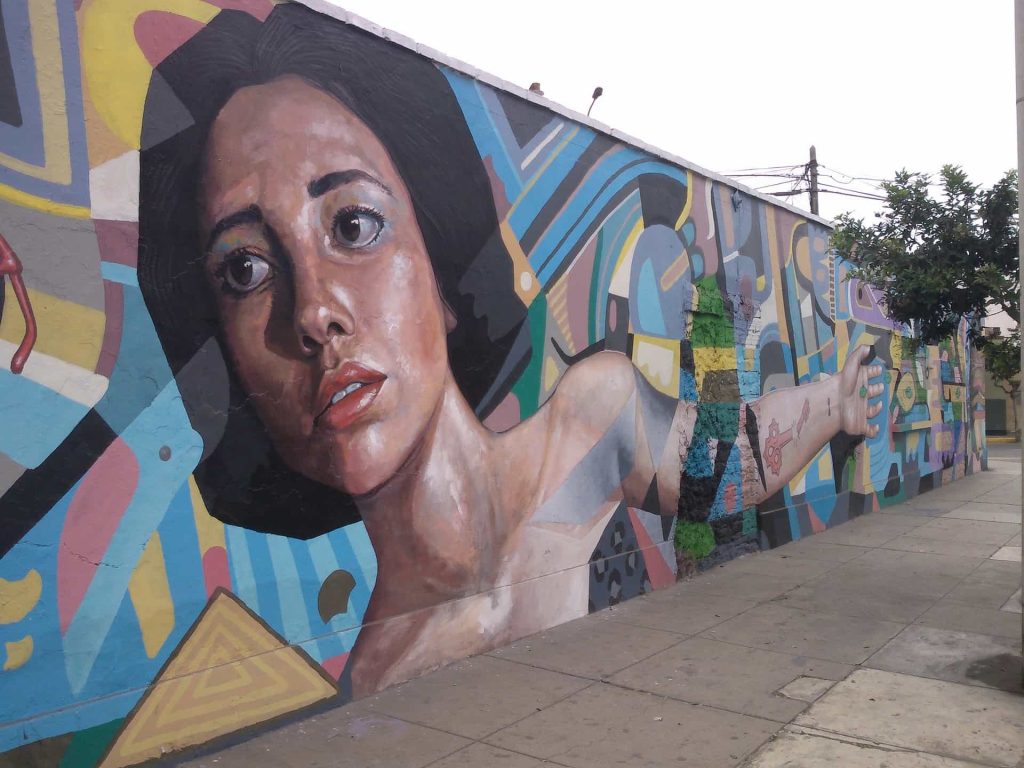
Murals and street art overlap, but they are not the same thing.
A mural can be commissioned, planned and painted with permission. Street art may be commissioned or unsanctioned. Graffiti may involve lettering, tagging, image-making or public marking, with its own histories and codes.
Some street artists make murals. Some muralists use street art techniques. Spray paint, stencils, paste-ups, large-scale lettering and bold graphic imagery have all shaped contemporary mural culture.
Street art has helped make murals feel current. It has also changed how people think about public walls. A wall can be a site of visual conversation, not only a boundary.
However, the difference between a public mural and unauthorised graffiti still matters legally and socially. Permission, ownership and context affect how an artwork is received.
A useful distinction is this:
A mural is defined by its wall-based format.
Street art is defined by its relationship to public space and street culture.
Graffiti is defined by its own visual language, marking traditions and histories.
They can overlap, but they are not interchangeable.
Indoor murals and painted interiors
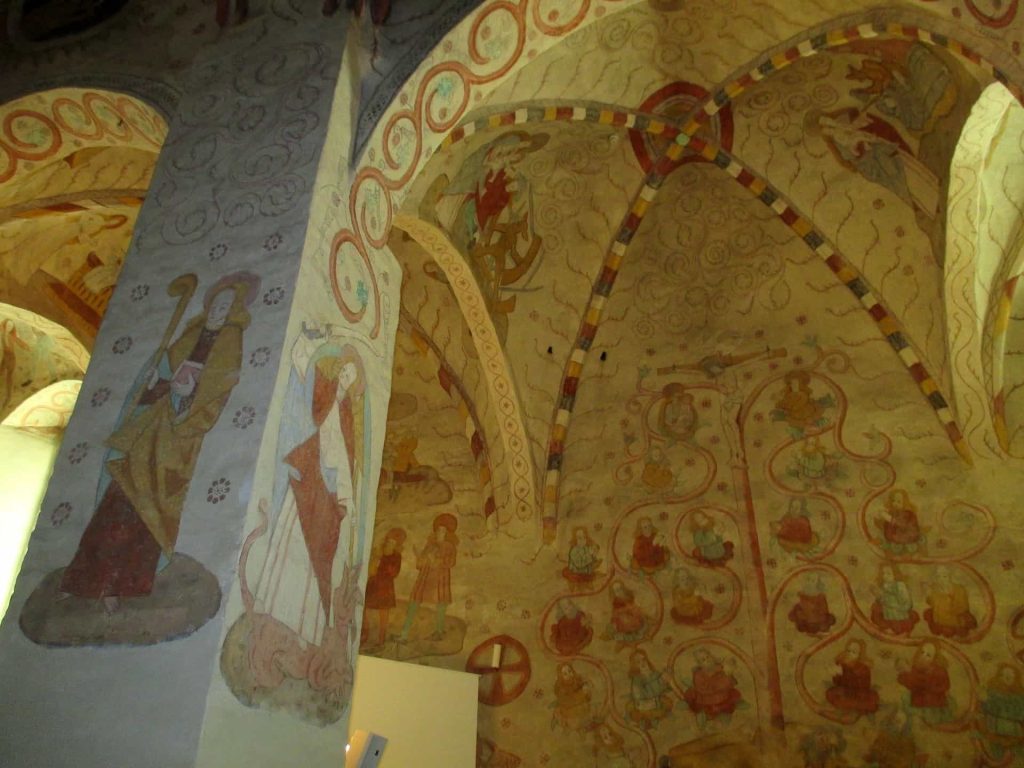
Not all murals are public.
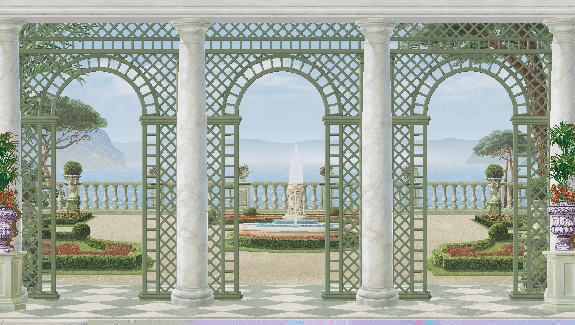
Indoor murals can transform homes, restaurants, hotels, schools, studios, galleries and workspaces. They can make a room feel more personal, atmospheric or memorable.
An indoor mural might be:
- A hand-painted landscape in a dining room
- A botanical wall in a bedroom
- A playful mural in a child’s room
- An abstract mural in a hallway
- A coastal scene in a café
- A heritage design in a public building
- A studio wall painted as part of an artist’s practice
A mural inside a room works differently from an outdoor mural. It is seen from closer range. It has to live with furniture, lighting, windows, floors, colour schemes and daily use. It may need to feel calmer than a public street mural because people spend longer with it.
Interior murals can be beautiful when they are designed for the room rather than simply added to it. The mural should consider the scale of the wall, the light, the height of furniture and the mood of the space.
Mural art in homes
Mural art in homes has become popular again because people want interiors that feel more personal than plain paint or repeated prints.
A mural can create a sense of place inside a room. It might show a landscape, garden, abstract pattern, imagined scene or painted texture. It can make a small room feel deeper, a hallway more interesting, or a plain wall more connected to the people who live there.
But a home mural needs careful thought. Unlike a framed artwork, it is not easy to move. It becomes part of the room.
Before commissioning or painting a mural at home, consider:
- Do you want the mural to be calm or bold?
- Will you still like it in five years?
- Will furniture cover part of it?
- Does the room have enough light?
- Is the wall surface suitable?
- Will the colours work at different times of day?
- Could a large framed artwork be a better choice?
A mural can be wonderful in a home when it feels intentional. The risk is treating it like a trend rather than a long-term part of the space.
Murals in artist studios and galleries
Artist studios and galleries have a special relationship with murals.
In a studio, a wall may become a testing ground. Artists often pin work to walls, draw directly on surfaces, map compositions at scale or use the studio wall as part of the thinking process. The wall becomes active.
In a gallery, a mural can change the way visitors move through a space. It can act as a temporary installation, a backdrop, a site-specific work or a way to connect a show to the building.
A mural in a gallery setting also raises an interesting question: what happens when an artwork cannot easily be bought, moved or framed?
This is where murals differ from many gallery objects. They often belong to an experience rather than a portable object. That can make them more public, but also more fragile. They may be painted over, documented, restored or remembered through photographs.
Murals remind us that art is not always a thing to own. Sometimes it is a space to stand inside.
How artists plan a mural
A successful mural usually begins long before paint touches the wall.
Planning may include:
- Measuring the wall
- Photographing the site
- Checking light and visibility
- Understanding who uses the space
- Testing colours
- Making sketches
- Creating a scale drawing
- Preparing the wall surface
- Choosing suitable materials
- Agreeing permissions
- Planning access, ladders or scaffolding
- Considering weather if outdoors
- Thinking about maintenance
The artist must think at several scales at once. The mural needs to work as a whole from a distance, but may also need close-up details. It must fit the wall, but not feel trapped by it.
Colour planning is especially important. Colours look different outdoors, under artificial light or across large areas. A colour that looks gentle on a small sample may feel overwhelming on a whole wall. A pale colour may disappear in bright sun. A strong black line may help the design hold together from far away.
Good mural design is practical as well as creative.
Materials used in mural painting
Mural materials depend on the surface, location and purpose of the work.
Common mural materials include:
- Acrylic paint
- Masonry paint
- Spray paint
- Fresco plaster and pigment
- Oil paint on prepared panels
- Ceramic tiles
- Mosaic
- Vinyl or printed wall covering
- Charcoal or chalk for temporary works
- Mixed media
Outdoor murals need materials that can handle weather, sunlight, pollution and surface movement. Indoor murals may need paints that suit plaster, wood, brick or prepared panels.
Preparation matters. A mural painted on a dirty, damp or unstable wall may fail quickly. The surface may need cleaning, sanding, priming, sealing or repair.
For outdoor murals, artists often think about UV resistance, water damage, anti-graffiti coating and maintenance. For interior murals, they may think more about finish, cleaning, lighting and how the wall will be used.
The beauty of a mural depends partly on the quality of the surface beneath it.
How murals change a space
A mural changes more than a wall. It changes how a person feels in the space.
A large mural can make a room feel theatrical. A soft mural can make a bedroom feel calm. A public mural can make a street feel safer, brighter or more cared for. A historical mural can make a building feel connected to memory. A nature-based mural can bring a sense of landscape into an urban setting.
Murals change space through:
- Scale
- Colour
- Pattern
- Story
- Light
- Movement
- Atmosphere
- Local meaning
- Human presence
A mural can also change how people move. It might draw people towards a wall, make them pause, create a photo spot or guide the eye through a room.
This is why murals are used in hospitality, public buildings, schools and community spaces. They help create identity. They make places easier to remember.
What makes a good mural?
A good mural is not just a large image.
It should understand the wall, the place and the audience. It should work from a distance and reward closer looking. It should have a clear relationship with scale. It should use colour with confidence. It should feel like it belongs where it is.
A good mural often has:
- A strong composition
- Clear visual rhythm
- Colours that suit the site
- Good surface preparation
- A design that fits the wall shape
- Enough simplicity to read at scale
- Enough detail to hold interest
- A reason to exist in that place
- A sense of care
A weak mural may look like a small drawing enlarged without thought. It may ignore doors, windows or sightlines. It may use too much detail, too many colours or a design that does not suit the setting.
The best murals feel site-aware. They understand where they are.
Mural ideas for different spaces
Different spaces need different kinds of murals.
A school mural may focus on imagination, learning, nature, local history or student involvement.
A hospital mural may need to feel calm, human and reassuring.
A restaurant mural may create atmosphere, identity and a memorable backdrop.
A studio mural may be more experimental, expressive or process-led.
A home mural may be quieter, more personal and connected to the room.
A public street mural may need strong scale, bold forms and a clear relationship with local life.
A gallery mural may be temporary, conceptual or directly connected to an exhibition.
The best mural idea begins with the space, not with a generic image. A mural should answer the place.

Murals and local history
Murals can be powerful ways to tell local history.
They can show buildings that have disappeared, people who shaped the area, industries that once defined a town, natural landmarks, rivers, festivals, migration stories, old shopfronts, historic events or everyday community life.
Local history murals work best when they avoid becoming cluttered. A mural does not need to include every fact. It needs a clear visual story.
Research can include:
- Old photographs
- Maps
- Local archives
- Oral histories
- Conversations with residents
- Museum collections
- Historic newspapers
- School projects
- Community workshops
A good local history mural does not simply copy the past. It helps people see the place they are in with more attention.
Murals, memory and place
Murals can hold memory in a way that feels public and shared.
A mural might remember a person, a lost building, a community struggle, a natural landscape, an old trade or a moment of change. It can give visible form to something that might otherwise disappear.
This is why murals often matter in towns, neighbourhoods and community spaces. They help people say: this happened here, this matters here, this belongs here.
Memory in a mural does not need to be nostalgic. It can be honest, layered and complex. A mural can celebrate a place while also recognising change, loss or tension.
Because murals are seen by many people, they can become part of shared memory themselves. Over time, the mural becomes something people remember seeing, walking past or growing up with.
Murals and wellbeing
Murals can affect how people feel.
A blank corridor, underpass or waiting room can feel cold. A considered mural can introduce warmth, colour and a sense of care. In schools, hospitals and community settings, murals can help make spaces feel less institutional.
This does not mean every mural has to be bright and cheerful. Wellbeing can also come from calmness, beauty, recognition, humour, nature, rhythm or softness.
A mural can support wellbeing by:
Making a space feel cared for
- Adding colour and warmth
- Reducing visual harshness
- Creating a sense of welcome
- Reflecting local identity
- Giving people something to look at
- Encouraging pride in shared spaces
- Bringing art into everyday life
The best murals for wellbeing are not patronising. They do not use art as decoration only. They create atmosphere with care.
Murals and accessibility
Because murals are often public, accessibility matters.
A mural is visual, but it can still be made more accessible through clear descriptions, audio guides, tactile elements, community interpretation, good lighting, readable signage and online information.
Public art should not assume that everyone experiences images in the same way. Some people may have low vision. Some may need context. Some may not know the history behind the mural. Some may only encounter it online.
A good mural project can include:
- A short written description
- An artist statement
- A QR code with more information
- Audio description
- Accessible online images
- Community interpretation
- Translations where relevant
- Maintenance so the work remains visible
- Accessibility does not weaken a mural. It helps more people enter the work.
Temporary murals and permanent murals
Not all murals are made to last forever.
Some murals are temporary. They may be part of an exhibition, festival, school project, theatre set, protest, shop display or seasonal event. Others are intended to last for years or decades.
Temporary murals can be freer because they do not carry the same long-term pressure. They can respond quickly to a moment. They can be experimental, playful or time-specific.
Permanent murals need more planning. They must consider materials, weather, maintenance, ownership and how the image will age.
Before starting a mural, it is important to know whether the work is intended to be temporary, long-term or somewhere between the two.
This affects materials, budget, design and expectations.
Can a mural be framed?
A traditional mural is not framed in the same way as a painting because it is part of the wall. But framing still matters as an idea.
A mural may be visually framed by architecture: a doorway, arch, border, window, panel, ceiling line or building edge. Some murals use painted borders to give structure. Others deliberately avoid borders so the image seems to spread across the wall.
Murals painted on panels can sometimes be moved, displayed or protected more like large artworks. Some public murals are also documented through framed prints, photographs, preparatory drawings or limited edition works.
This is where mural art connects with gallery and framing practice. A mural may be site-specific, but its sketches, studies and details can become collectible works in their own right.
A mural changes a wall. A frame changes how an artwork meets a wall. Both are about the relationship between image and place.
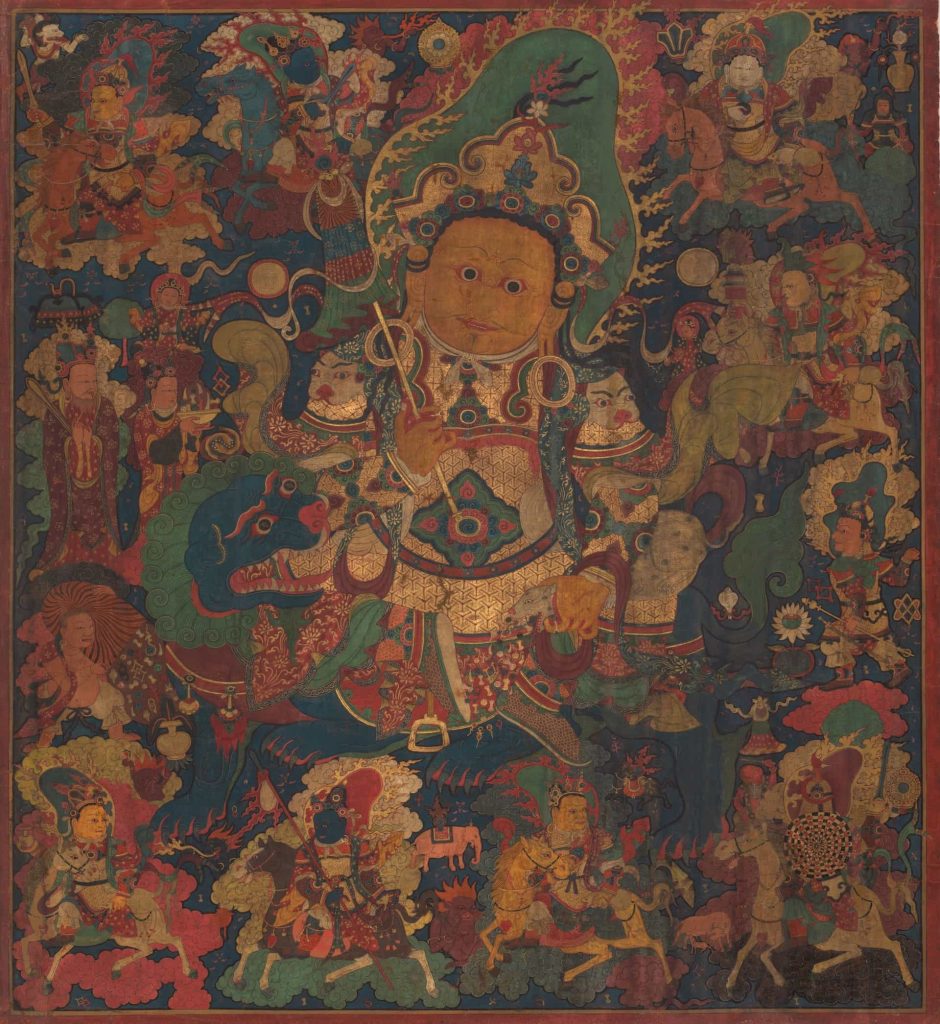
Famous mural traditions and examples
There are many important mural traditions around the world.
Prehistoric cave paintings show early human image-making on walls.
Ancient Egyptian tomb paintings used walls to tell symbolic and spiritual stories.
Roman wall paintings in Pompeii show domestic interiors filled with colour, architecture and illusion.
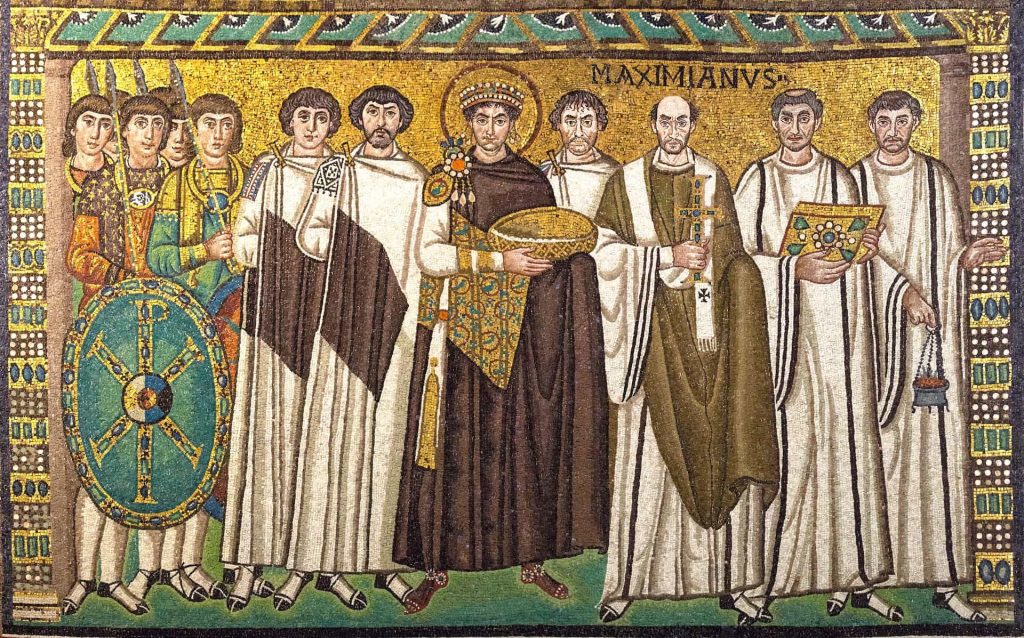
Byzantine and medieval church murals used walls to teach religious stories and shape sacred spaces.
Renaissance frescoes brought mural painting to extraordinary technical and artistic heights.
Mexican Muralism used public walls for history, politics, labour and national identity.
The Works Progress Administration in the United States supported public murals during the Great Depression.
Street art and contemporary mural festivals have brought murals into modern cities worldwide.
Community murals continue to give neighbourhoods a way to tell their own stories.
This wide history shows that mural art has never belonged to one style. It has always adapted to the needs of the wall, the place and the people.
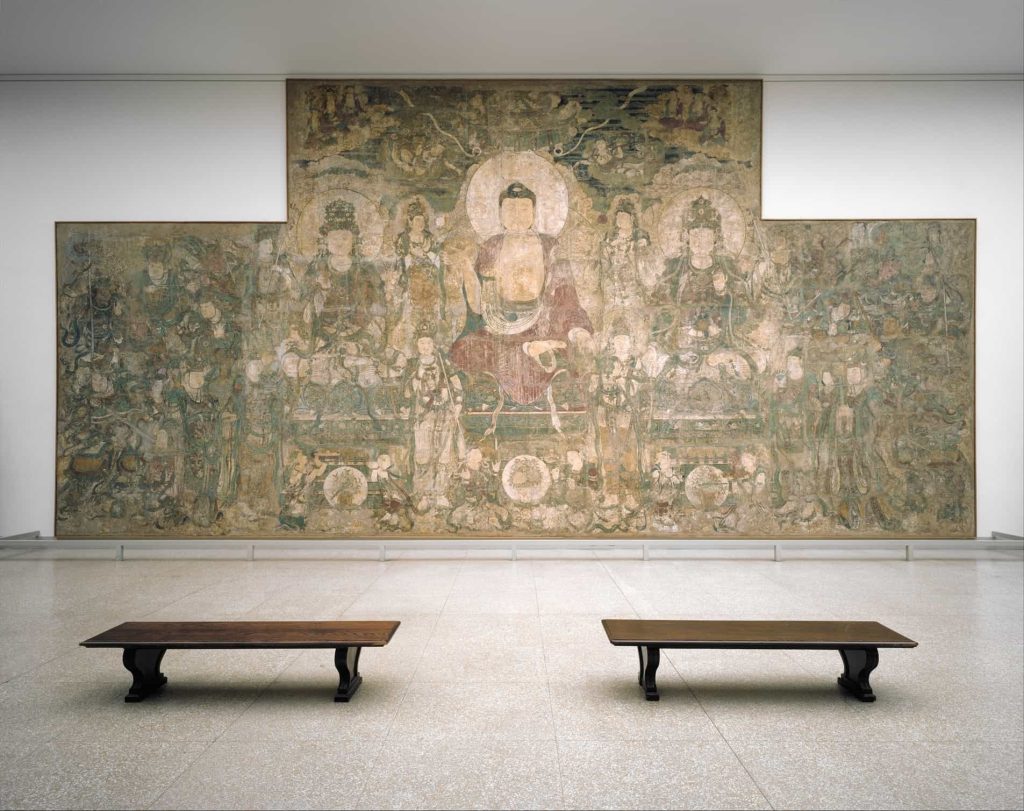
How to look at a mural
Looking at a mural is different from looking at a framed painting.
First, look from a distance. Notice the whole wall. How does the image fit the architecture? Does it follow the wall or fight against it? What is the first thing you notice?
Then move closer. Look at the surface, brushwork, texture, materials and details. Are there small elements you missed from far away?
Then look at the place. Why is the mural here? Does it relate to the building, street, room or community? Would the image mean the same thing somewhere else?
Then think about movement. How do people pass by it? Is it designed for slow looking or quick glimpses? Does it change as you walk?
Finally, ask what the mural gives to the space. Does it tell a story, create atmosphere, honour memory, add beauty, provoke thought or make the wall feel alive?
A mural is not only an image. It is an encounter with a place.
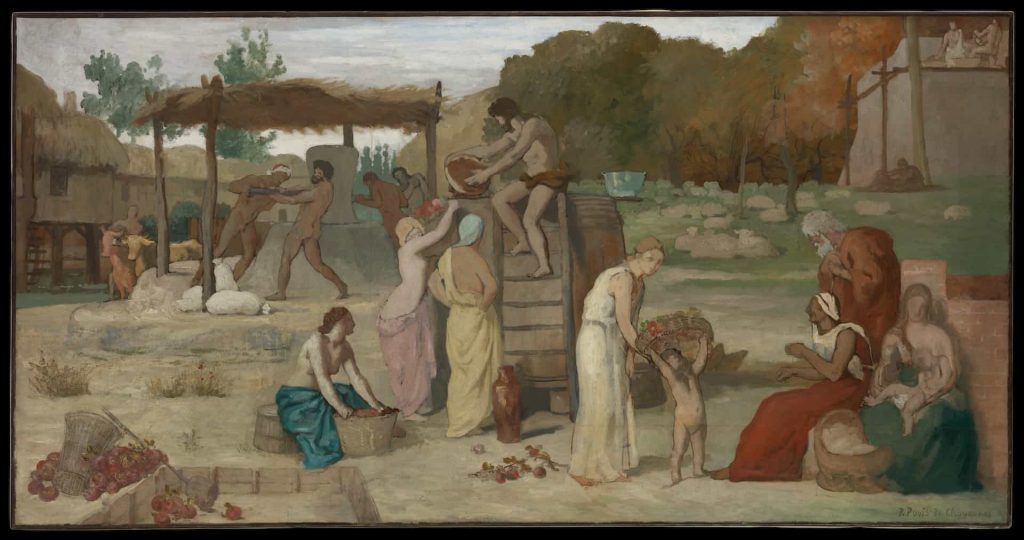
What collectors can learn from murals
Murals are usually not collectible in the same way as framed paintings, but collectors can still learn a lot from them.
Murals teach us to think about scale, site, colour and presence. They remind us that art changes depending on where it is seen. They also show how powerful an artwork can be when it has a strong relationship with place.
A collector choosing art for a home can use the same questions:
- Does the artwork suit the wall?
- Does the scale feel right?
- Does the colour change the room in a good way?
- Does the work relate to the place it will live?
- Does the artwork reward repeated looking?
- Will it still feel meaningful over time?
Murals also remind collectors that some art cannot be fully separated from its context. Place matters. Scale matters. Walls matter.
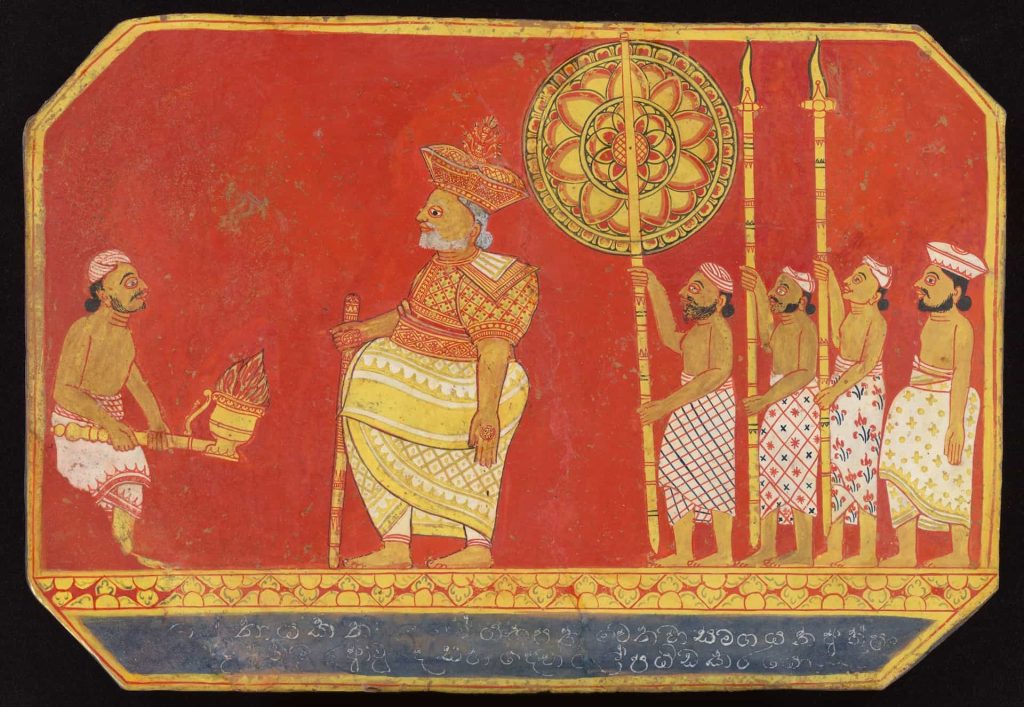
What artists can learn from murals
Artists can learn a great deal from mural making, even if they usually work on paper or canvas.
Murals teach artists to think bigger. They require planning, simplification and confidence. They also force the artist to think about the viewer’s body: how someone walks past, looks up, stands back or enters a space.
Artists can learn from murals by studying:
- Large-scale composition
- Colour from a distance
- Public visibility
- Narrative structure
- Site-specific thinking
- Community engagement
- Surface preparation
- How architecture affects image-making
- A mural does not allow the artist to hide in tiny details. It demands clarity.
Even for painters who work on small canvases, mural thinking can improve composition and scale.
Mural ideas for art classes and workshops
Murals can work well in art classes and workshops because they encourage collaboration.
A group mural can help participants think about shared space, local identity, colour, shape and storytelling. It can also make people less nervous about individual perfection because the work is collective.
Workshop mural ideas include:
- A local landscape mural
- A river or coastline mural
- A community memory wall
- A seasonal garden mural
- A pattern-based collaborative mural
- A mural based on local buildings
- A school values mural
- A map of a neighbourhood
- A nature and wildlife wall
- An abstract colour mural
The best workshop murals have a clear structure. Too much freedom can become messy. A strong plan allows individual contributions to work together.
Common mistakes in mural design
A common mistake is making the design too complicated. A mural has to work at scale. Tiny details may disappear, and too many competing elements can make the wall feel confused.
Another mistake is ignoring the wall itself. Doors, windows, corners, rough surfaces and sightlines all affect the design.
Another mistake is using colours that look good on screen but fail on the wall. Colours shift with light, scale and surface.
Another mistake is copying a trend without understanding the place. A mural should not feel like it could be dropped anywhere. It should have some relationship with its setting.
Other mistakes include:
- Poor surface preparation
- Using the wrong paint for the wall
- No maintenance plan
- Bad proportions
- No clear focal point
- Too much text
- Ignoring the audience
- Forgetting how people will actually see the mural
A mural is a public decision as much as an artistic one.
Is a mural right for your space?
A mural can be a strong choice if you want a wall to become part of the identity of a place.
It may be right if:
- You have a large blank wall.
- You want a room to feel more memorable.
- You want to tell a local or personal story.
- You want art made for a specific space.
- You want colour, atmosphere or visual impact.
- You are planning a public or community project.
- You want an artwork that cannot be mistaken for an afterthought.
It may not be right if:
- You want flexibility.
- You may move soon.
- The wall is damp or unstable.
- The space already feels visually busy.
- You are choosing it only because it is fashionable.
- A large framed artwork, series of prints, textile piece or gallery wall may sometimes be a better solution.
- The right choice depends on the wall, the space and how long you want the artwork to live there.
FAQs about murals
What is a mural?
A mural is an artwork painted, drawn or applied directly onto a wall, ceiling or large permanent surface. It is usually made for a specific place and often becomes part of the architecture or public space around it.
What is the difference between a mural and a painting?
A painting is usually made on a movable surface such as canvas, board or paper. A mural is made directly on or for a wall, ceiling or fixed surface. This makes the location part of the artwork.
Is a mural public art?
Many murals are public art, especially when they are painted on streets, public buildings or community spaces. However, murals can also be indoors or private, such as murals in homes, studios, schools or restaurants.
What materials are used for murals?
Murals can be made with acrylic paint, masonry paint, spray paint, fresco, mosaic, tiles, mixed media, printed wall coverings or other materials. The best material depends on the wall, location and intended lifespan.
What is fresco?
Fresco is a mural technique where pigment is applied to wet plaster. As the plaster dries, the colour becomes part of the wall surface. It is one of the most famous historic mural techniques.
What makes a good mural?
A good mural fits the wall and the place. It has strong composition, suitable colour, clear scale, good surface preparation and a reason to exist in that specific location.
Are murals the same as street art?
Not always. Murals and street art can overlap, but a mural is defined by being made on or for a wall. Street art is defined more by its relationship to public space and street culture.
Can murals be indoors?
Yes. Indoor murals can be painted in homes, restaurants, schools, studios, galleries, offices and public buildings. They are often designed to change the mood of a room.
Are murals permanent?
Some murals are permanent or long-term, while others are temporary. The lifespan depends on the materials, surface, location, weather, maintenance and purpose of the project.
Can a mural increase the value of a space?
A good mural can make a space more distinctive, memorable and cared for. In public spaces, it can support local identity. In interiors, it can create atmosphere. But the design needs to suit the place.
Final thoughts
A mural is more than a large picture on a wall.
It is an artwork made in conversation with a surface, a room, a building or a public place. It changes how people see and move through space. It can tell stories, hold memory, create atmosphere, support community identity and make art part of everyday life.
Murals matter because they bring image-making back to the wall, one of art’s oldest surfaces. From caves and frescoes to public art and contemporary street murals, the wall has always been a place where people leave marks, tell stories and make meaning visible.
A good mural does not simply cover a blank space. It gives that space a new presence.
Leave a Reply