
No products in the cart.
What Makes an Artwork Feel Personal? Identity, Memory and Place in Art
Some artworks catch your eye. Others stay with you.
You might walk past a technically impressive painting and feel almost nothing. Then a small landscape, a quiet interior, a loose drawing or a simple still life can stop you completely. It may remind you of a room you once knew, a coastline you miss, a person you loved, a mood you cannot easily explain, or a part of yourself you had not put into words.
That is the strange power of personal art. It does not need to tell your exact story to feel as if it belongs to you. It may be made by someone you have never met, in a place you have never visited, many years before you were born. Yet something in it feels close.
So what makes an artwork feel personal?
It is rarely just the subject. A painting of the sea will not feel personal to everyone who has seen the sea. A portrait will not move everyone in the same way. A still life of flowers may feel decorative to one person and deeply emotional to another. Personal connection comes from a mix of identity, memory, place, colour, material, scale and the private associations we bring to the work.
This guide looks at why certain artworks feel personal, how artists create that feeling, and how viewers and collectors can recognise it when choosing art for their home.
Quick answer: what makes an artwork feel personal?
An artwork feels personal when it connects with something the viewer recognises in themselves. That might be a memory, a place, a family story, a mood, a colour, a subject, an identity, a cultural reference or a private feeling.
Personal art does not have to be sentimental. It does not have to show a loved one, a favourite town or a familiar view. Sometimes it feels personal because it expresses something you have felt but never seen clearly before.
An artwork may feel personal because:
It reminds you of a place.
It reflects part of your identity.
It holds a memory or atmosphere.
It shows a familiar body, room, object or landscape.
It uses colours that feel close to your own taste or history.
It connects with your culture, family, childhood or sense of home.
It leaves space for your own interpretation.
It feels handmade, intimate or emotionally honest.
It seems to understand something about being human.
The best personal artworks often do not explain themselves too fully. They leave room for the viewer to enter.
Personal does not mean private
When people hear the word personal, they often think of something private: a family photograph, a portrait of someone known, a childhood drawing, a keepsake, or a painting made from direct experience. Those can all be personal. But art can feel personal without being autobiographical.
A landscape painted by someone else can feel personal if it recalls a place you know.
A still life can feel personal if it reminds you of a kitchen, table, garden or family ritual.
An abstract work can feel personal if its colour, rhythm or surface matches a feeling you recognise.
A public artwork can feel personal if it gives form to a shared history.
A portrait of a stranger can feel personal if the expression, posture or gaze feels familiar.
This is why personal art is not the same as private art. Private art begins in the artist’s life. Personal art happens in the space between the artist, the artwork and the viewer.
A painting may begin as one person’s memory, then become a doorway into someone else’s.
Identity: seeing yourself without being shown literally
Identity is one of the strongest reasons an artwork can feel personal.
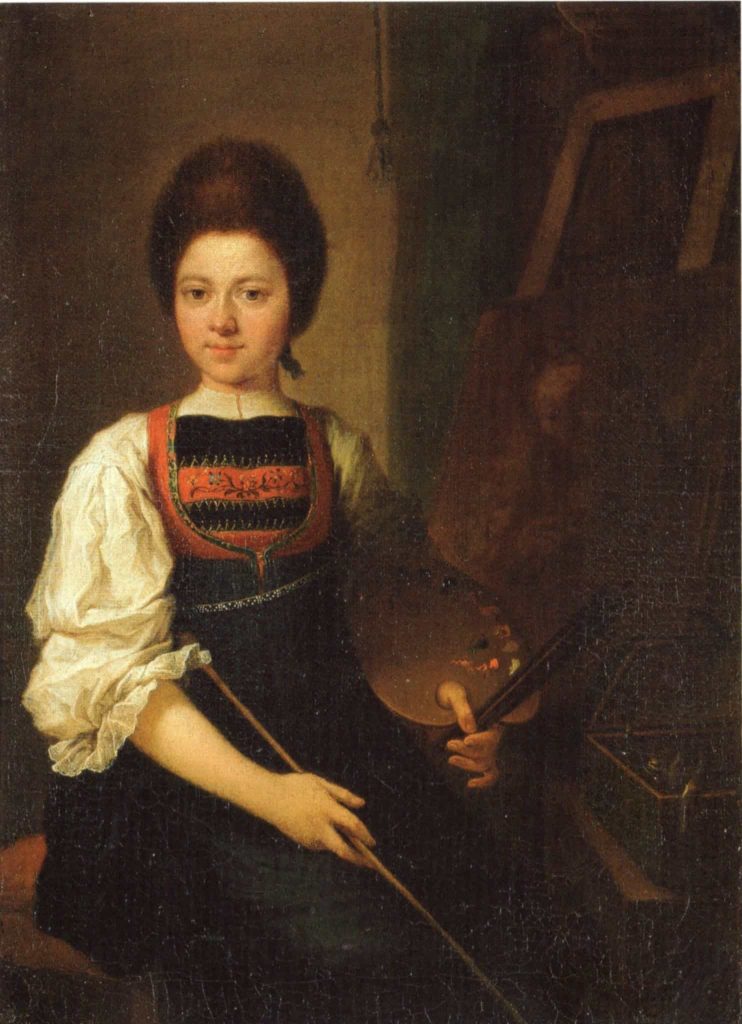
This does not mean the artwork has to look like you. It may connect with your identity through culture, gender, age, class, place, language, family history, clothing, faith, migration, work, sexuality, landscape or community.
For a long time, much of Western art history focused on narrow forms of identity: wealthy patrons, religious figures, royal families, heroic bodies, idealised women and dominant cultural narratives. Many people did not see themselves represented with depth or dignity. Contemporary art has widened that field, making space for different bodies, stories, homes and forms of belonging.
A work can feel personal when it recognises something that has often been ignored.
It might be the texture of a domestic room.
The gesture of an older hand.
The awkwardness of adolescence.
The weight of inherited culture.
The feeling of being between places.
The quiet pride of ordinary work.
The visibility of a body usually pushed to the edge.
The presence of language, pattern, food, dress or ritual.
Identity in art is not only about labels. It is about recognition. The viewer senses that the artwork has made room for a way of being that feels real.
Memory: why art can feel like something half remembered
Memory does not work like a photograph. It fades, sharpens, edits, repeats and confuses. We remember certain colours more strongly than facts. We remember the shape of a room, the sound of a place, the smell of a season, the feeling of light through a window, or the way someone stood in a doorway.
Art can work in the same way.
A painting does not need to record a place accurately to feel like memory. In fact, too much accuracy can sometimes make a work feel less personal. Memory is selective. It leaves things out. It changes scale. It keeps emotional detail and loses practical detail.
This is why a loosely painted landscape can feel more personal than a photographic view. It may hold the feeling of being there rather than the exact information of the scene.
Artists often use memory through:
Softened detail
Repeated motifs
Familiar objects
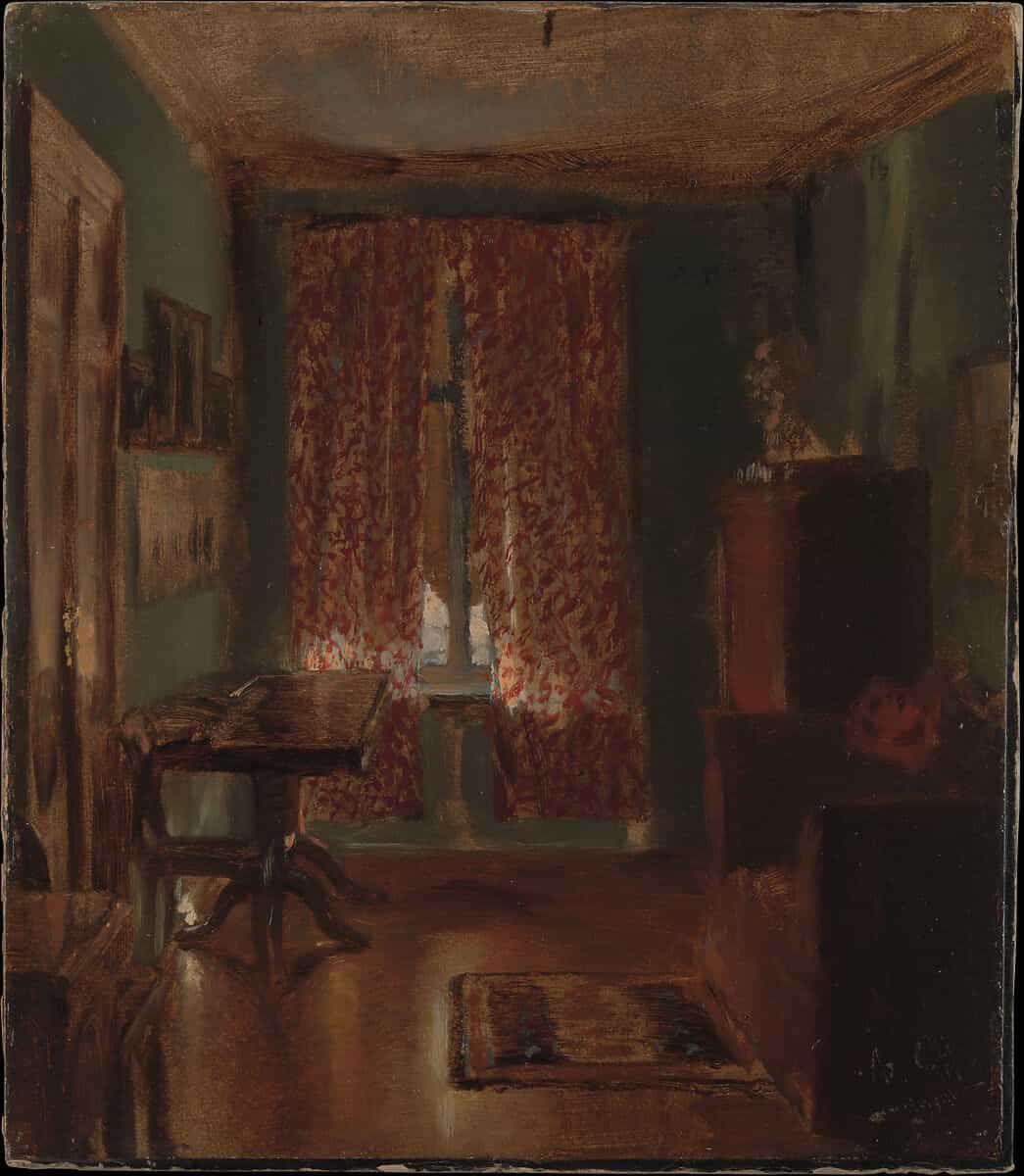
Domestic interiors
Places returned to over time
Old photographs
Family stories
Childhood landscapes
Fragmented compositions
Colour palettes tied to mood or season
An artwork feels personal when it behaves like memory: not complete, but true in feeling.
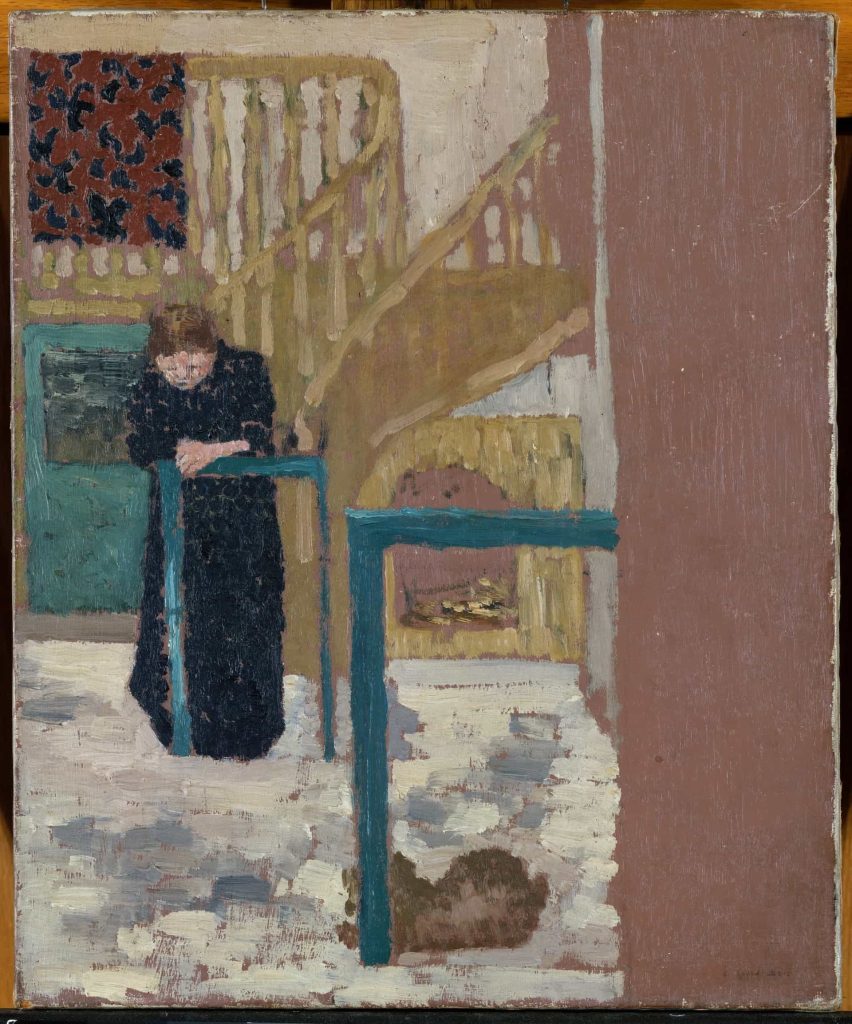
Place: when a landscape becomes more than a view
Place is one of the clearest ways art becomes personal. A place can hold childhood, grief, love, work, routine, escape, identity and belonging. A view is never only a view if it has been lived with.
This matters especially in landscape painting, coastal art, local art and paintings of familiar streets, rivers, gardens or interiors. A painting of a shoreline may carry weather, time, walks, family visits, work, moving house, loss or return. A harbour, field, river or town may mean something different to each viewer.
Place-based art does not need to be postcard-like. In fact, the most personal landscapes are often not the neatest ones. A scraped, layered or weathered painting may feel closer to how a place is remembered. A place is not only scenery. It is mood, movement, weather, history and habit.
When looking at art connected to place, ask:
Does this place feel observed or invented?
Does it feel lived in?
Does the artist understand the weather, light or atmosphere?
Is the place shown as beautiful, ordinary, changing or fragile?
Does it feel like somewhere seen once, or somewhere known over time?
A painting of place becomes personal when it feels less like a location and more like a relationship.
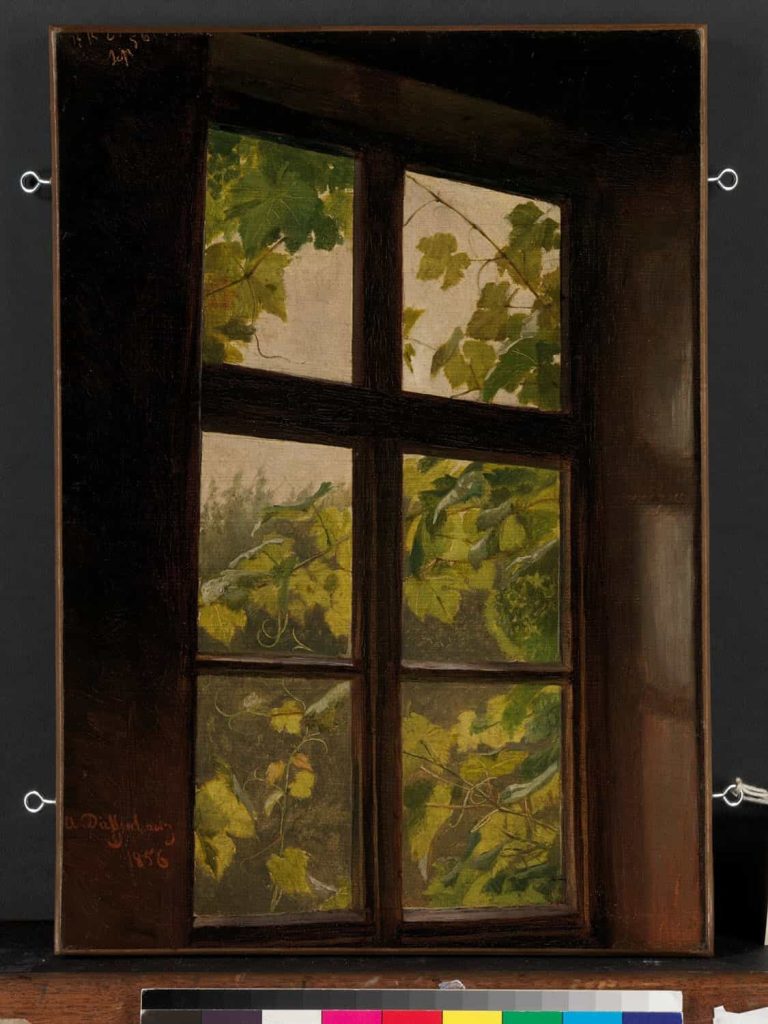
Why ordinary subjects often feel the most personal
Many personal artworks are not dramatic. They show simple things: a chair, a table, a window, a vase, a bed, a path, a doorway, a garden, a coat, a cup, a bowl of fruit, a dog, a figure reading, a room in afternoon light.
These subjects work because everyday life is where most memory lives.
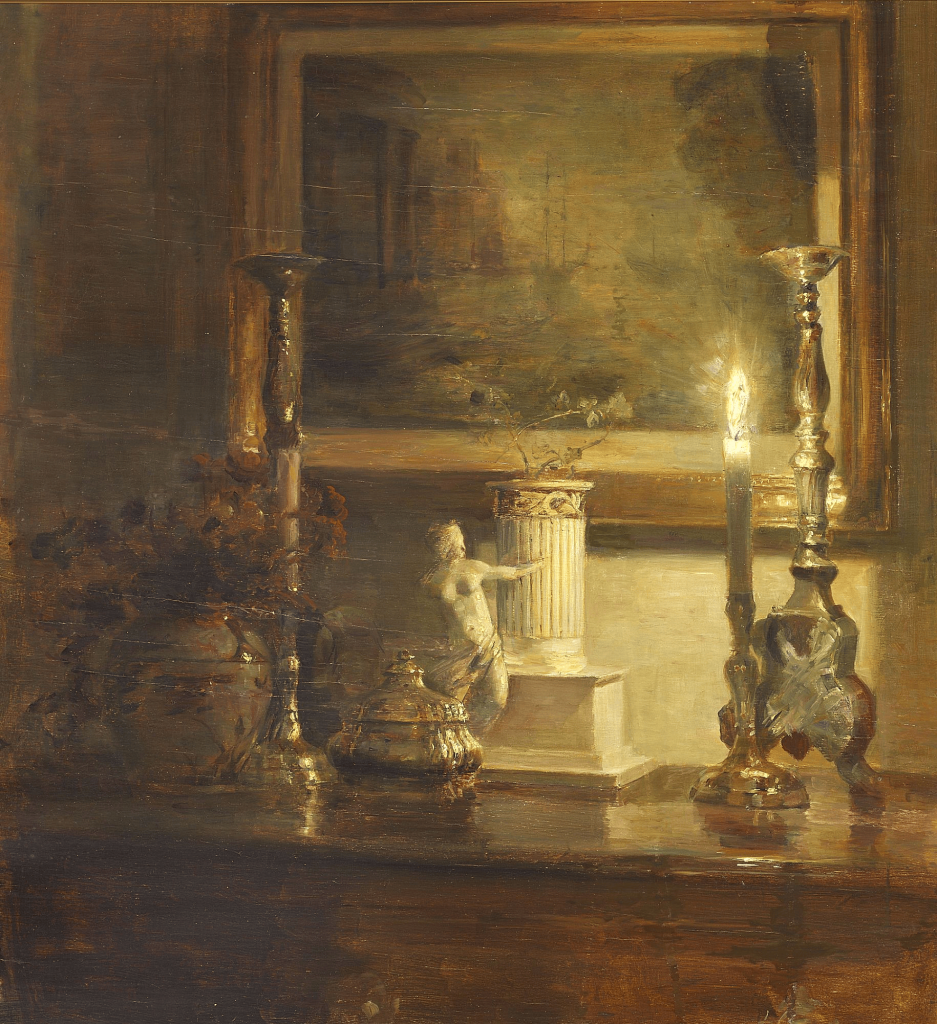
A still life can feel personal because it reminds us of meals, routines, family, care, making, collecting or domestic order.
An interior can feel personal because rooms hold traces of people.
A path can feel personal because it suggests walking, return or departure.
A window can feel personal because it connects inside and outside, safety and distance, present and past.
Ordinary subjects invite recognition without forcing emotion. They allow the viewer to bring their own life to the image.
This is why small works can be powerful. A modest drawing of a room or garden may feel more personal than a large dramatic painting if it carries the right kind of attention.
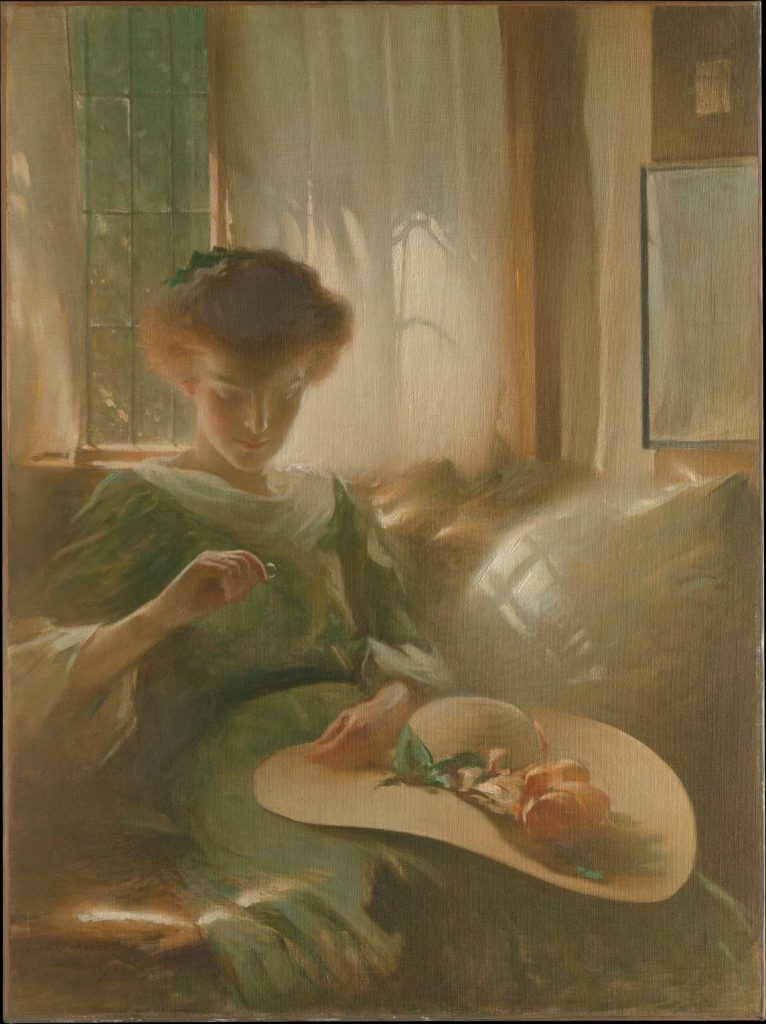
The human figure and personal connection
The human figure has always been one of the most direct ways art reaches people. We read faces, bodies, posture and gesture instinctively.
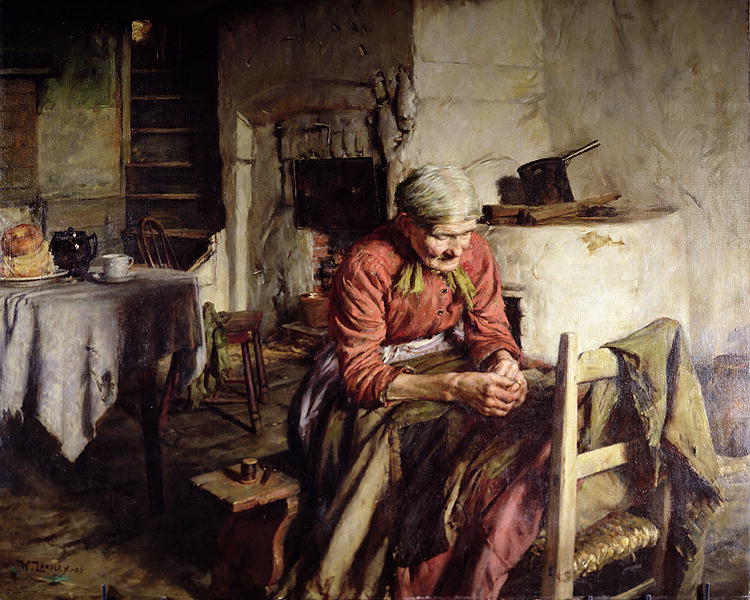
A figurative painting may feel personal because it shows something we know from our own body: tiredness, rest, guardedness, confidence, awkwardness, tenderness, ageing, tension, grief or stillness.
A portrait of someone unknown can still feel personal because expression and gesture are shared human languages. A turned head, folded arm, lowered gaze or hand near the mouth can say more than a detailed description.
Personal connection often comes through small human signs:
A face that does not perform.
A body that has weight.
A hand that seems unsure.
A figure sitting alone.
A person caught between looking and turning away.
A gesture that feels unplanned.
A room that seems to protect or isolate the figure.
The figure becomes personal when it feels like a life, not just a subject.
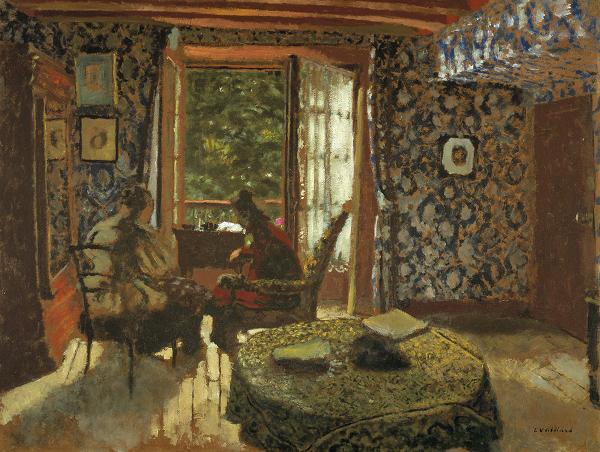
Colour and emotional memory
Colour can make an artwork feel personal before the viewer knows why.
Some colours are tied to memory: a childhood room, a summer dress, a school wall, a kitchen tile, a coastal sky, a garden flower, a family photograph, a religious festival, a favourite book cover, an old sofa, a particular street at dusk.
This is why colour in art can feel immediate. It bypasses explanation.
A blue may feel calm to one person and lonely to another.
A red may feel warm, threatening, festive or intimate.
A pale green may feel like illness, spring, old paint or quiet light.
A yellow may feel joyful, artificial, nostalgic or harsh.
Artists use colour to shape emotional temperature. Collectors and viewers often respond to colour because it meets them somewhere before language.
When choosing art for a room, colour does not need to match the furniture exactly. It needs to feel right. Sometimes a personal artwork works because its colour breaks the room open. Sometimes it works because it quietly belongs.
Material, texture and the feeling of touch
An artwork can feel personal because of how it is made.
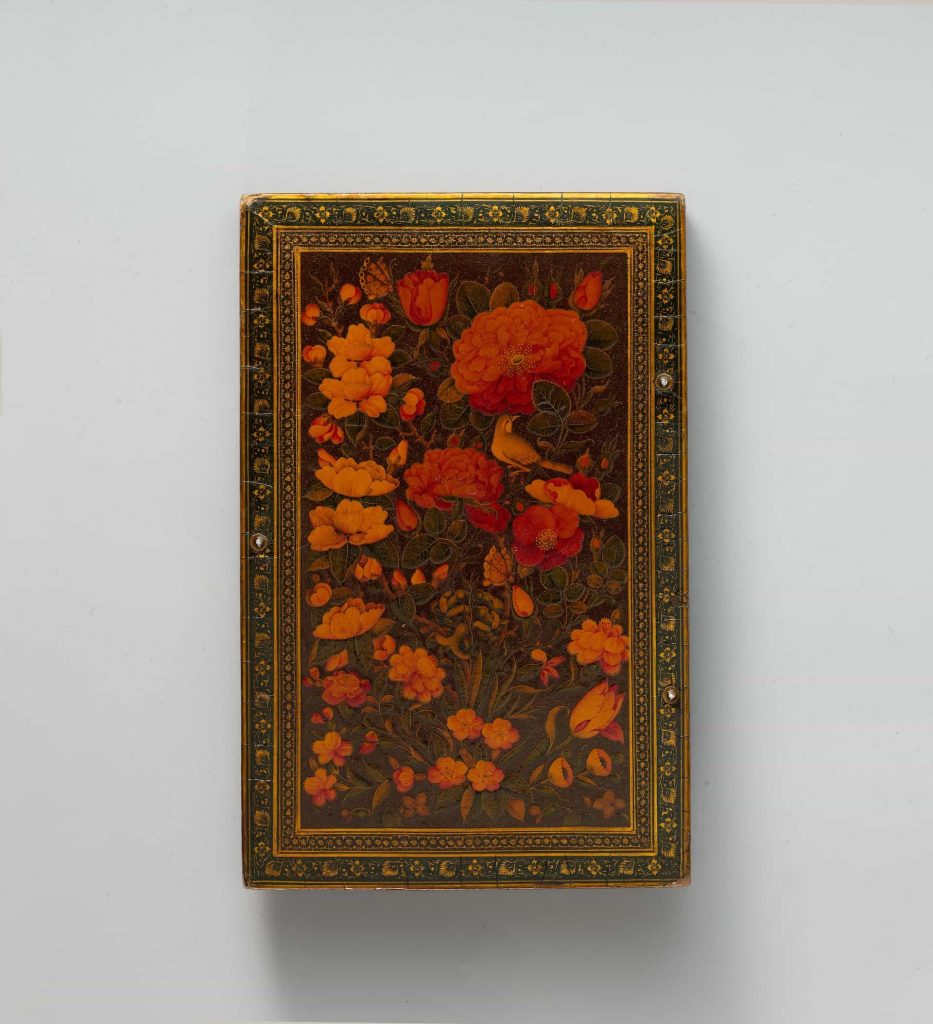
A thickly painted surface may feel physical and direct. A drawing may feel intimate because every line shows the hand. A print may feel precise and deliberate. A collage may feel like memory assembled from fragments. A textile work may carry associations with labour, home, care and the body. A ceramic piece may feel personal because it has been shaped by touch.
Materials have emotional weight.
Paint can hold revision.
Charcoal can hold speed and pressure.
Ink can feel immediate.
Paper can feel fragile.
Wood can feel warm.
Fabric can carry domestic memory.
Clay can feel bodily.
Found objects can bring real-world history into the work.
This is where handmade art differs from mass-produced decoration. The viewer can sense decision, risk and touch. Even when the work is quiet, the surface carries evidence that someone made it.
That evidence can create trust. The artwork feels personal because it contains time.
Why local art can feel more personal
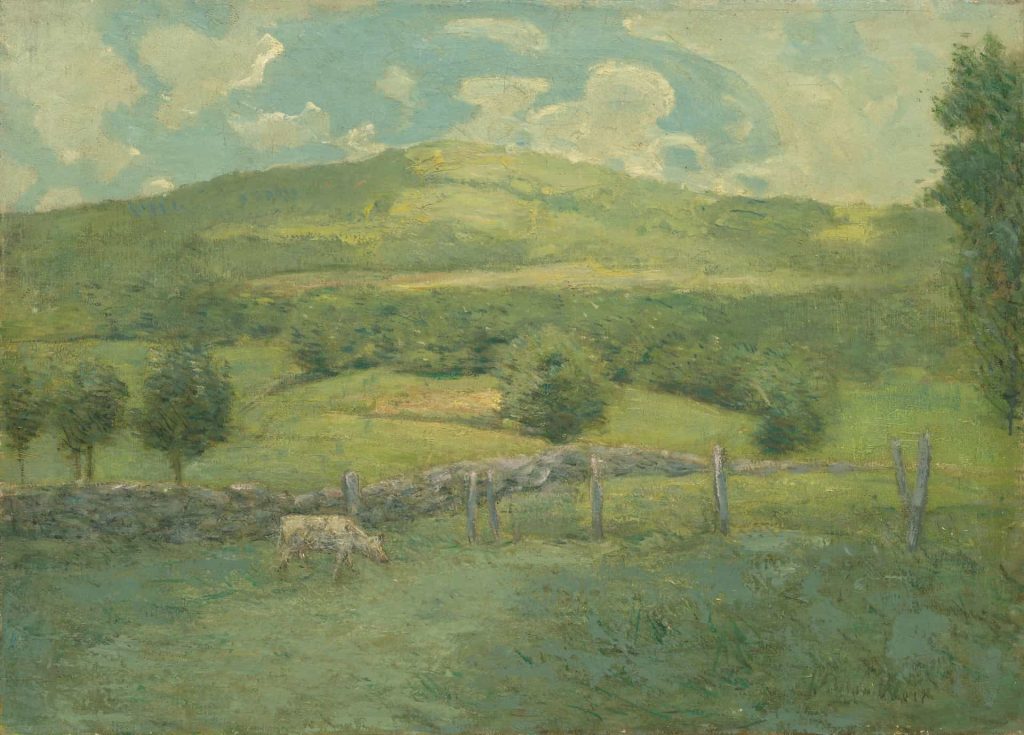
Local art often has a special kind of intimacy. It may show a place the viewer knows, but more importantly it may be made through repeated attention to that place.
A local artist may understand the weather, the light, the river, the streets, the coast, the working spaces, the ordinary views and the seasonal changes. That familiarity can make the work feel grounded.
Local art does not have to be literal. A local abstract painting may carry colours and forms drawn from the sea, harbour, downs, industrial edges, studio materials or walking routes. A local figurative painting may carry the character of a community without showing a recognisable location.
This is especially important for galleries and studios outside major city centres. People do not only buy art because it is stylish. They often buy it because it connects to a place they live in, visit, miss or want to remember.
A painting of a local place can become a personal landmark. It can hold a view that changes, a town that grows, a coastline that shifts, or a moment in someone’s life.
Art as a record of change
Art can feel personal because it marks a transition.
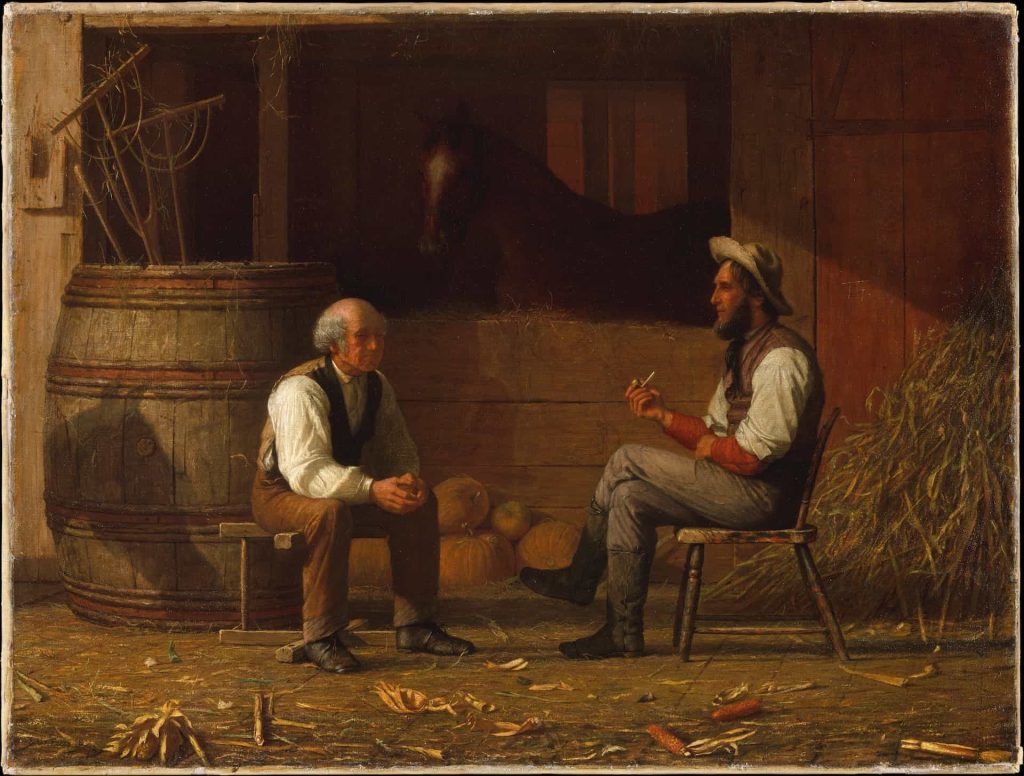
People often buy or keep artwork around moments of change: moving house, getting married, separating, having a child, losing someone, retiring, starting again, leaving a place, finding a new home, or wanting a room to feel more like themselves.
The artwork becomes attached to that moment. Over time, it may stop being only a picture and become a marker of a life stage.
This is why the story of how a person found an artwork often matters. It may have been bought on a trip, discovered in a small gallery, chosen after a long search, inherited, commissioned or framed after years in storage.
The artwork holds the moment of choosing.
A piece does not need to show the event to remember it. It simply needs to have been there.
Personal art and the home
An artwork changes when it enters a home.
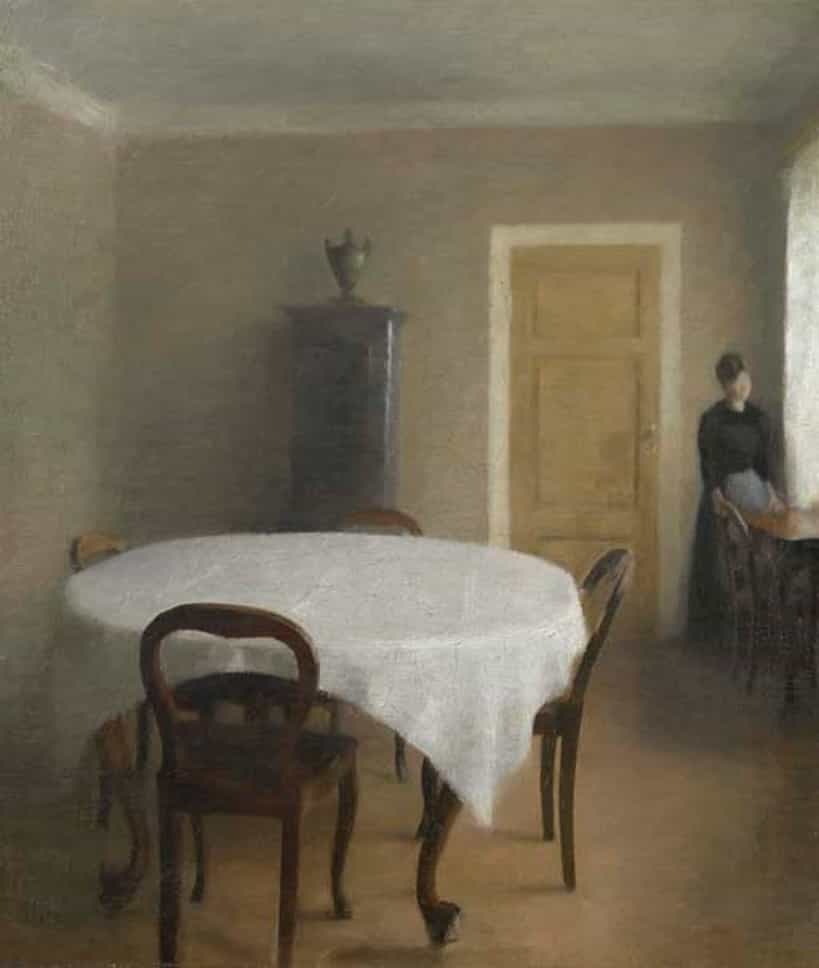
In a gallery, it is seen with space around it, often on a white wall, under careful lighting. In a home, it lives with furniture, books, meals, conversations, seasons, visitors, dust, changing light and ordinary life.
This can make the work more personal. The artwork becomes part of daily rhythm. You see it when making coffee, coming downstairs, sitting in the evening, working at a desk, or passing through the hallway.
Some artworks grow slowly in a home. They may not have been the loudest or most impressive piece at first, but they become familiar. They begin to hold the life around them.
This is one reason choosing art should not be rushed. Ask whether you want to live with the work, not only whether you like it at first glance.
A good personal artwork continues to give something back after the first week.
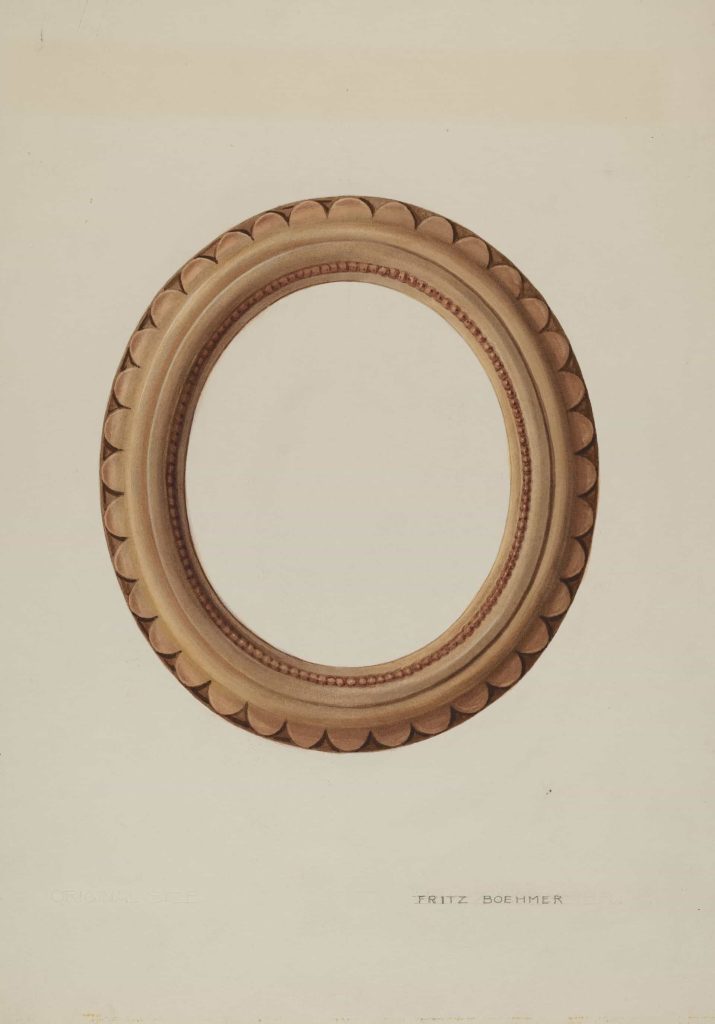
Framing and the personal value of artwork
Framing can change how personal an artwork feels.
A good frame does not only protect the work. It helps decide how the artwork enters a room and how it is looked at. A small drawing can gain importance through a generous mount. A print can feel calmer with the right frame. A painting can feel more settled when its edges are properly considered.
Framing can also carry personal choices. Some people prefer simple oak, black, white or painted frames. Others like warmer woods, deeper frames or more traditional finishes. The choice affects the mood of the work.
If an artwork has sentimental or personal value, framing can help honour it. A family drawing, inherited print, small watercolour, old photograph or local artwork may need thoughtful presentation to feel properly seen.
Framing can turn something stored away into something lived with.
That is one of the quiet powers of good framing. It makes care visible.

How to choose artwork that feels personal
Choosing personal art is different from choosing art to fill a gap.
Start with what you notice in yourself. What subjects do you return to? What colours do you keep choosing? Are you drawn to coast, city, rooms, figures, abstraction, still life, pattern, drawing, texture, humour, quietness, movement or weather?
Then ask what kind of connection you want.
Do you want the artwork to remind you of a place?
Do you want it to hold a mood?
Do you want it to bring energy into a room?
Do you want it to feel calm?
Do you want it to connect with family, identity or culture?
Do you want something you can keep looking at for years?
Do you want the artist’s hand to feel visible?
Do you want the work to tell a story, or leave space for your own?
A personal artwork does not need to tick every box. It needs to have a reason to stay with you.
Questions to ask before buying a personal artwork
Before buying a piece, take a moment to ask:
Why did I stop at this artwork?
Do I like the subject, the colour, the mood or the surface?
Does it remind me of something specific?
Does it make me feel something I cannot quite name?
Would I still like it if it did not match the room?
Can I imagine living with it?
Does it feel like my taste, or someone else’s idea of taste?
Does it reward a second look?
Do I want to know more about the artist?
Would I regret leaving it behind?
These questions help separate a passing attraction from a deeper connection.
The best sign is often simple: you keep returning to it.
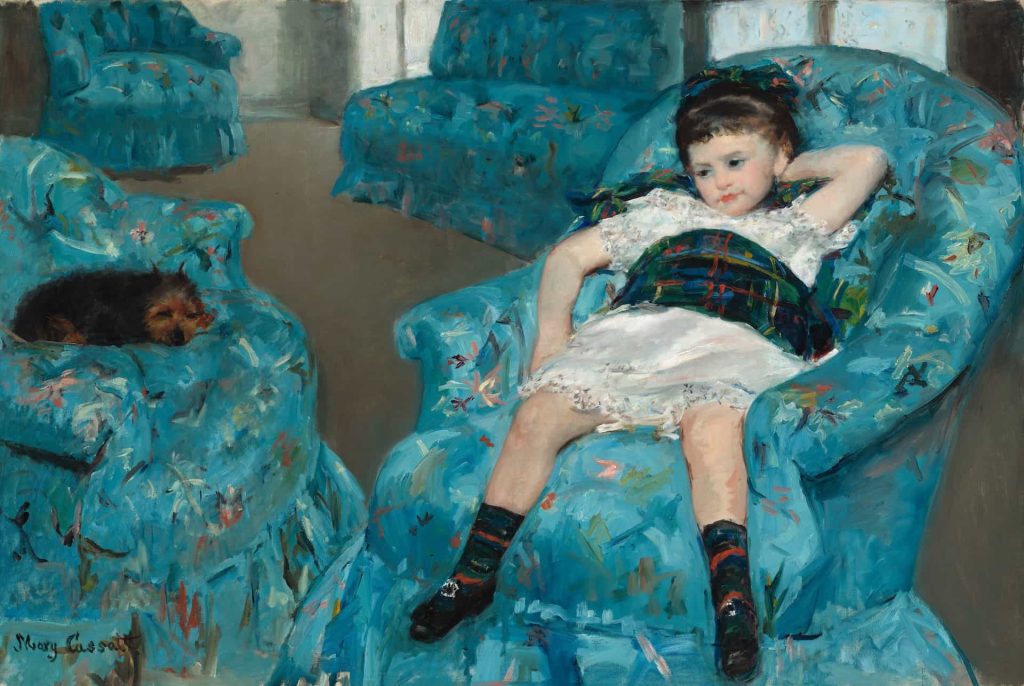
Public domain artworks that still feel personal
Many public domain artworks continue to feel personal because they deal with identity, memory, place and the private world in ways that still speak clearly.
Vermeer’s quiet interiors feel personal because they focus on inward attention, domestic light and the private act of reading or writing.
Gwen John’s portraits and interiors feel personal because they are restrained, quiet and psychologically close.
Henry Ossawa Tanner’s The Banjo Lesson feels personal because it shows teaching, care and generational connection without theatricality.
Mary Cassatt’s images of mothers, children and women reading feel personal because they take everyday care seriously.
Van Gogh’s landscapes and interiors feel personal because they turn place into emotional colour.
Vilhelm Hammershøi’s rooms feel personal because emptiness becomes memory.
Édouard Vuillard’s domestic interiors feel personal because pattern, wall, clothing and room seem to absorb human life.
Käthe Kollwitz’s prints feel personal because grief, labour and care are made direct and human.
These works are not personal because they show our exact lives. They are personal because they leave room for our lives to meet them.
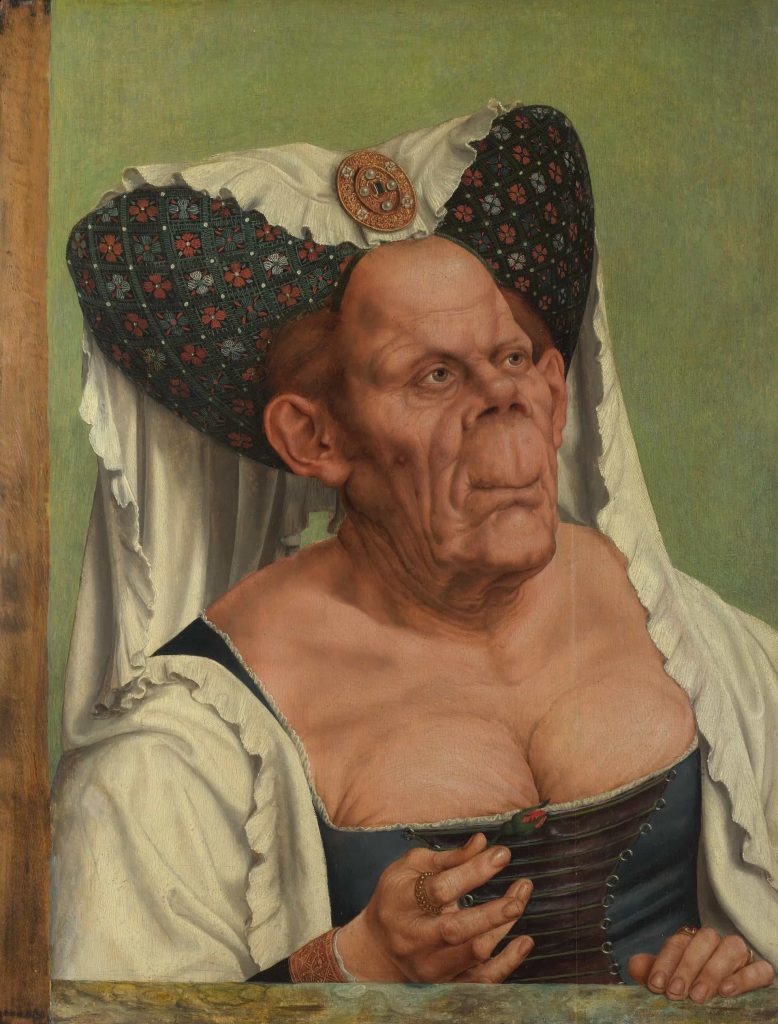
Why a personal artwork does not have to be beautiful
Beauty can be part of personal connection, but it is not always the main reason a work matters.
Some artworks feel personal because they are awkward, unsettled, raw or strange. They may connect with difficult memories, complicated identity, grief, loneliness, anger or uncertainty. A work does not need to be pleasing to be important.
This matters because people sometimes think they should only buy or display art that is easy to live with. But personal art can challenge a room as well as decorate it.
The question is not, “Is this artwork pretty?”
A better question is, “Does this artwork keep telling the truth for me?”
That truth might be peaceful. It might also be restless.
Personal connection and quality
Feeling personally connected to an artwork does not mean quality no longer matters. A weak artwork can still trigger a memory, but a strong artwork will usually hold that feeling more fully over time.
Quality can come through composition, colour, surface, drawing, material, scale, tension, atmosphere or the clarity of the artist’s choices.
A personal artwork should not rely only on the story you attach to it. It should also work as art.
Ask:
Is the composition strong?
Does the colour feel considered?
Does the surface reward close looking?
Does the artist seem in control of the material?
Does the work hold together from a distance?
Does it still interest me after the first emotional response?
The strongest personal artworks work on both levels. They touch memory, and they stand up visually.
Why some art feels personal to one person and not another
No artwork means the same thing to everyone.
A painting of a harbour may feel deeply personal to someone who grew up by the sea, and merely attractive to someone else. A portrait may remind one viewer of a relative and leave another unmoved. An abstract painting may feel calming to one person and cold to another.
This difference is not a problem. It is part of how art works.
Viewers bring their own histories. They bring places lived in, people lost, colours remembered, rooms known, languages heard, work done, families formed, books read and images seen. Art meets that inner material.
That is why personal taste should not be dismissed. Taste is not only preference. It is often memory in disguise.
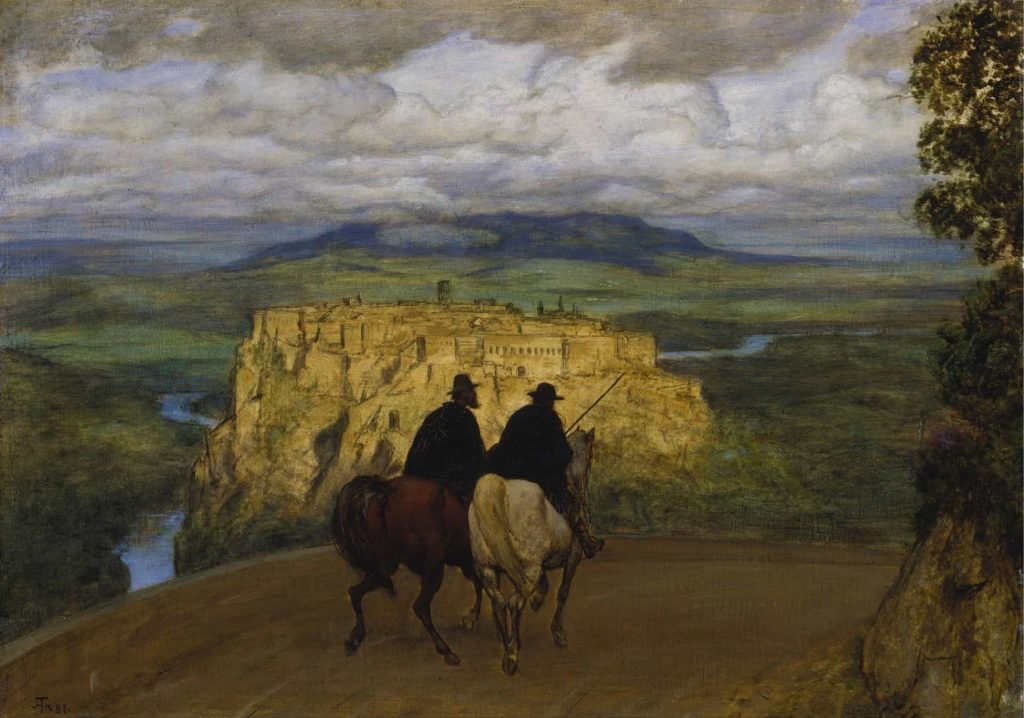
How artists make work that feels personal without over-explaining
Artists often face a difficult balance. If the work is too private, viewers may feel locked out. If it explains too much, the work may lose mystery.
The most effective personal art often gives enough detail to feel rooted, but not so much that the meaning closes down.
An artist might use:
A place they know well
A repeated object
A family photograph as a starting point
A remembered colour
A room from childhood
A symbolic material
A figure based on personal experience
A pattern linked to culture or home
A title that opens a clue without explaining everything
The aim is not to confess everything. The aim is to make the personal specific enough to feel real and open enough to meet the viewer.
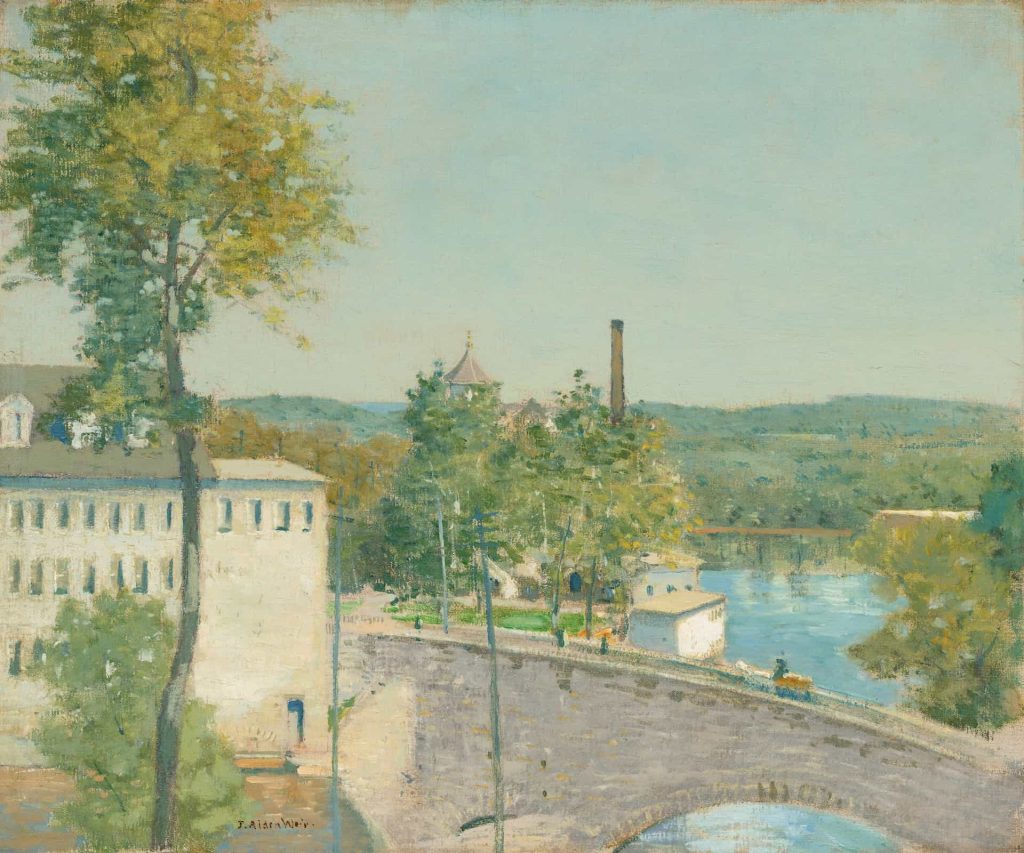
Artwork, memory and collecting over time
A collection becomes personal slowly.
At first, each artwork may be chosen separately. One print from a holiday. One painting from a local gallery. One drawing by an artist you met. One inherited piece. One work bought because the colour felt right. One framed photograph. One small ceramic object.
Over time, connections appear. You may realise you keep choosing certain colours, landscapes, figures, marks, materials or moods. Your collection starts to reflect you, even if you did not plan it.
This is why collecting does not need to begin with a grand strategy. It can begin with attention.
Buy what you want to keep looking at.
Keep records of the artist, title and date.
Frame pieces properly.
Move works around sometimes.
Notice what still matters after time has passed.
Let the collection change as your life changes.
A personal collection is not one that follows a trend perfectly. It is one that feels lived with.
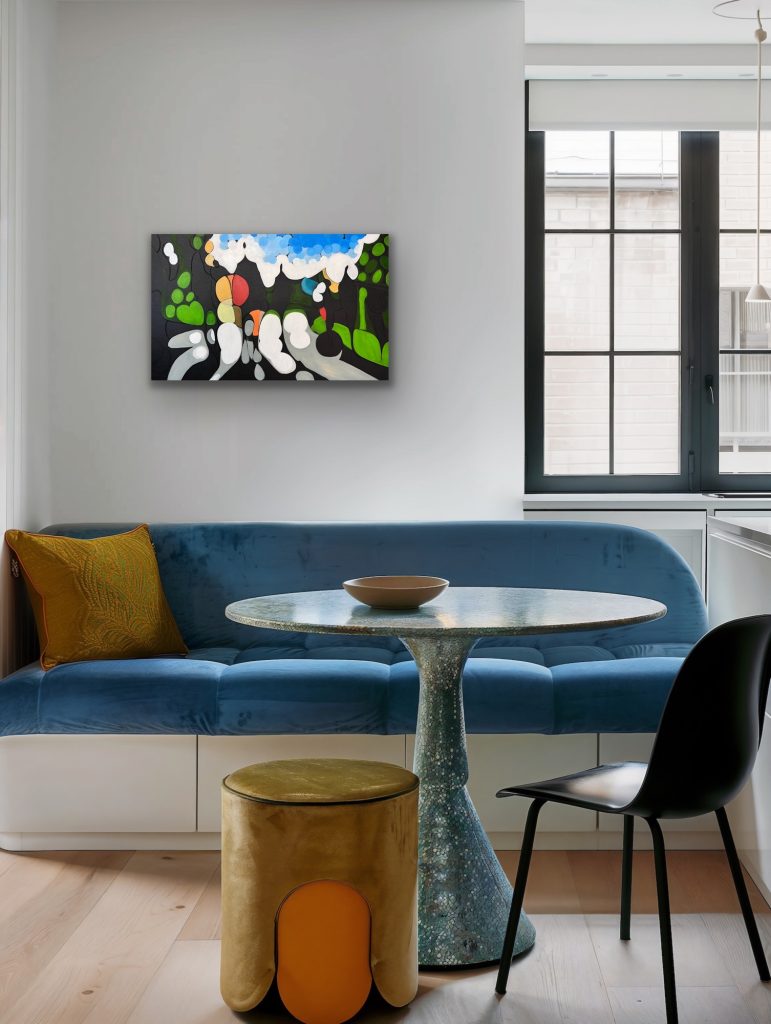
How personal art changes a room
A room without art can still be beautiful, but art adds human evidence. It shows that someone has chosen, remembered, cared, noticed.
Personal art can make a room feel less like a display and more like a life.
It can soften a formal space.
It can give a new room history.
It can make a hallway feel like a journey.
It can make a bedroom feel quieter.
It can make a dining room more generous.
It can turn a home office into a thinking space.
It can make a rented space feel less temporary.
The artwork does not need to explain who you are to every visitor. It only needs to make the room feel more honest to you.
Common mistakes when choosing personal artwork
One mistake is choosing art only because it matches the sofa. Matching is not the same as belonging.
Another mistake is choosing art only because it is fashionable. Trends move quickly. Personal connection usually lasts longer.
Another mistake is assuming bigger is always better. A small work with meaning can have more presence than a large empty image.
Another mistake is overthinking investment value before emotional value. Art can have financial value, but if it is going into your home, you also have to live with it.
Another mistake is ignoring framing. A meaningful work can look neglected if it is poorly framed or badly placed.
Another mistake is buying too quickly online without checking scale, material or surface. If possible, see the work in person, or ask for clear photographs and dimensions.
The biggest mistake is choosing what you think you should like instead of what you keep coming back to.
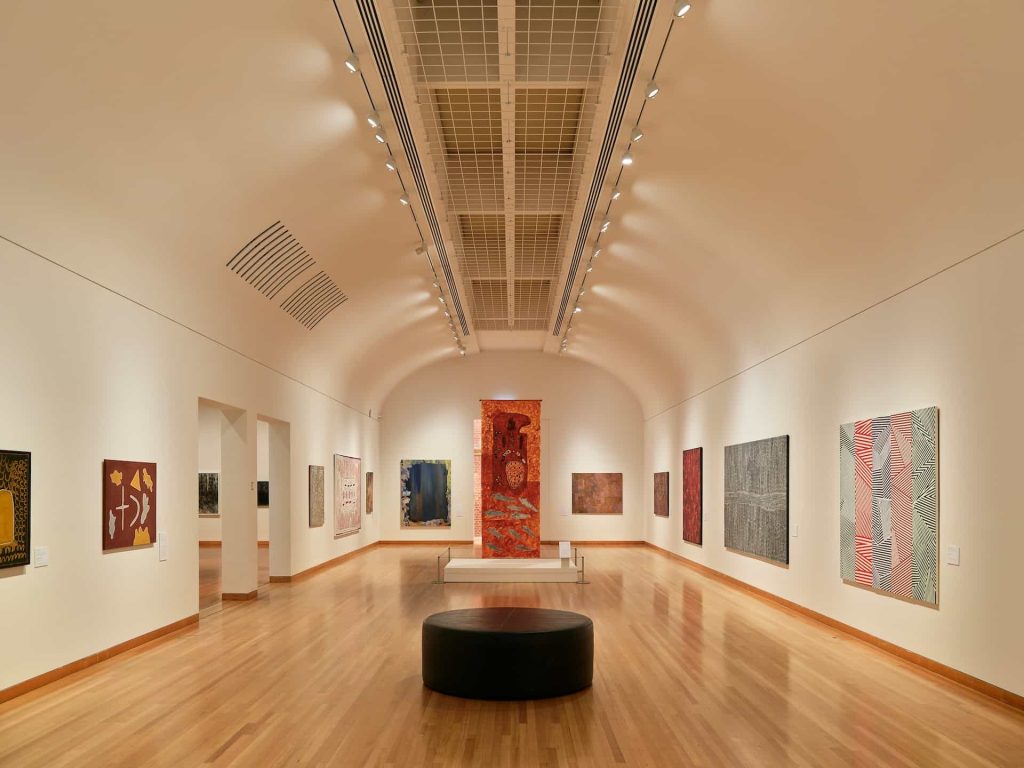
How to look at art in a gallery when searching for personal connection
When visiting a gallery, slow down. Do not try to like everything.
Walk through once without deciding. Notice which works catch you. Then go back.
Stand in front of the pieces that keep pulling you back and ask:
What did I notice first?
Was it colour, subject, mood, texture or memory?
Does the work change when I stand closer?
Does it feel better after a few minutes?
Does it remind me of a place, person or feeling?
Can I imagine it in my home?
Would I still want to look at it in winter, in the evening, on an ordinary day?
A personal artwork often reveals itself through return. It may not be the loudest piece in the room. It may be the one you cannot quite leave behind.
FAQs about personal artwork
What makes an artwork feel personal?
An artwork feels personal when it connects with the viewer’s identity, memory, place, emotions or lived experience. It may remind them of a person, home, landscape, colour, story or private feeling.
Does personal artwork have to show something from my life?
No. An artwork can feel personal without showing your exact life. It may connect through mood, colour, gesture, place, material or atmosphere.
How do I choose artwork that feels personal?
Start by noticing what you return to. Look for subjects, colours, textures and places that hold your attention. Choose work that still interests you after the first glance and feels like something you could live with.
Is local art more personal?
Local art can feel more personal when it reflects a place you know, live in, visit or care about. It can also carry the atmosphere, weather and character of a specific area.
Can abstract art feel personal?
Yes. Abstract art can feel personal through colour, movement, texture, scale and mood. It does not need to show a recognisable subject to connect with memory or emotion.
Why does some art remind me of memories?
Art can trigger memory through colour, light, subject, atmosphere, texture or place. Often it does not recreate a memory exactly, but touches the feeling attached to it.
Should artwork match my interior?
Artwork does not need to match your interior exactly. It should belong in the room, but that can happen through contrast, mood, scale, colour or framing. Personal connection matters more than perfect matching.
Is sentimental art bad?
No. Sentiment is not automatically bad. The question is whether the artwork still works visually and emotionally over time. A personal piece can be tender without becoming weak.
How does framing make art feel more personal?
Framing protects the artwork and gives it presence. A thoughtful frame can make a small drawing, print, photograph or inherited piece feel properly seen and cared for.
What should I ask before buying personal art?
Ask why you noticed it, whether it connects to a memory or feeling, whether you can live with it, whether it rewards a second look, and whether it feels like your taste rather than someone else’s idea of taste.
An artwork feels personal when it meets something already inside the viewer.
It may be identity, memory, place, colour, touch, atmosphere or a private association that is hard to explain. It may come from the artist’s life, or it may become personal only when someone else looks at it.
That is why art matters in a home, gallery or studio. It does not only fill walls. It holds attention. It gives shape to feeling. It lets places, people and memories remain visible in quiet ways.
The most personal artwork is not always the most obvious one. It may be a small painting, a drawing, a framed print, a landscape, a figure, a still life or an abstract work that keeps calling you back.
When that happens, trust the return. Often the artwork that feels personal is the one you are still thinking about after you have walked away.
Leave a Reply