
No products in the cart.
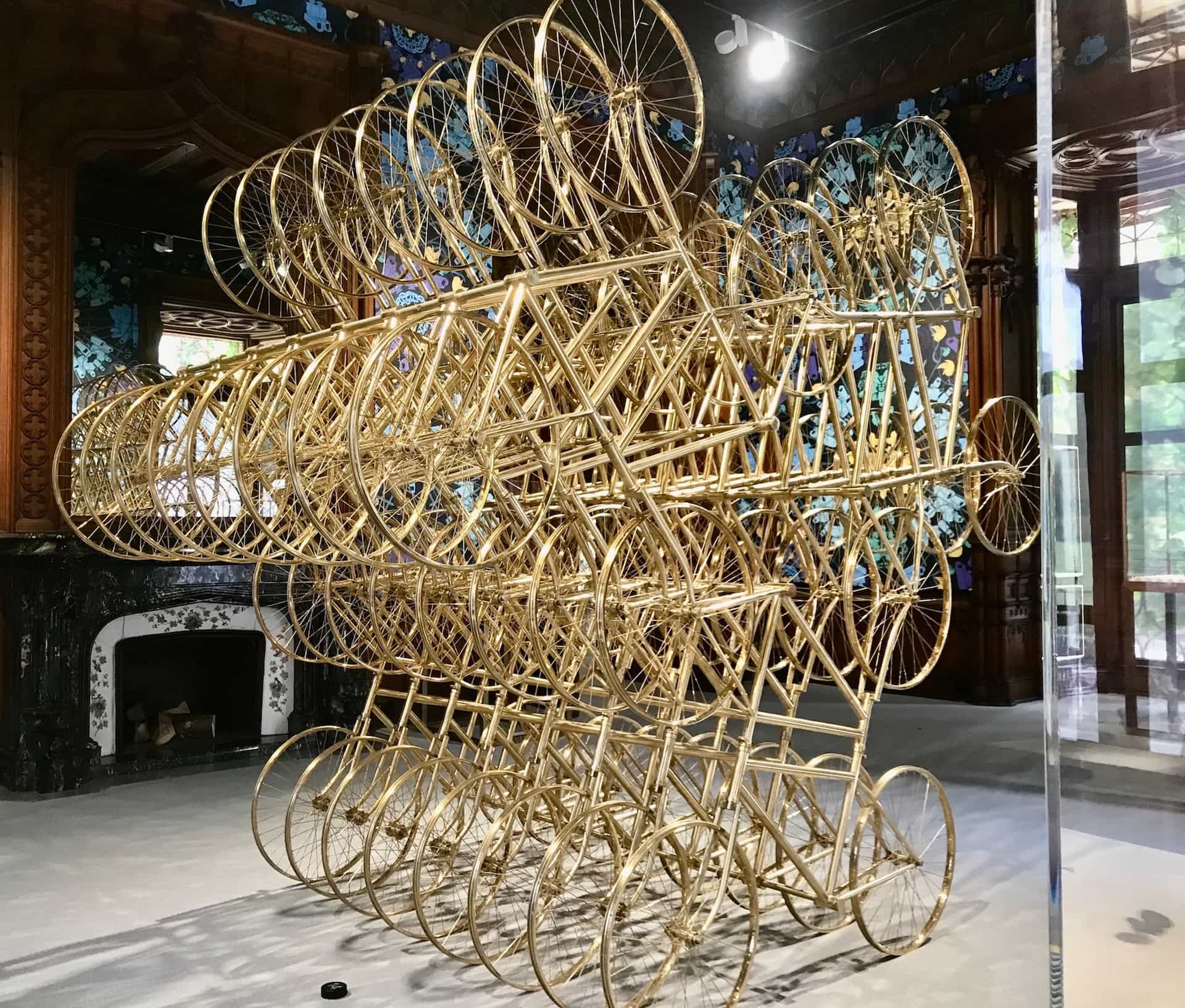
What Makes Contemporary Art Feel Human In An Age Of AI Images?
Something has changed in the way people look at images. We are surrounded by them more completely than ever, and many of them now arrive with a new kind of smoothness. They can be generated quickly, tailored precisely, polished instantly, and multiplied without friction. Faces glow, skies thicken, textures deepen, colours balance themselves, and compositions land in familiar, pleasing ways. At first glance, much of it looks impressive. Then, quite often, it slips away just as quickly. It can be vivid without feeling lived. It can be visually complete without feeling emotionally convincing.
That is one reason contemporary art feels newly important. In an age of AI images, people are not only asking whether an image is beautiful or clever. They are asking whether it feels human. They want to know what still carries pressure, vulnerability, thought, resistance, memory, awkwardness, touch, and time. They want to know why some works continue to hold attention while others, however technically fluent, feel strangely hollow after the first look.
This question matters because contemporary art is now being seen against a very different background from even a few years ago. A painting, sculpture, print, photograph, installation, textile work, video piece or mixed media object is no longer judged only against other artworks. It is judged against a visual environment in which almost any style can be imitated, almost any mood can be fabricated, and almost any subject can be rendered into image form within seconds. That does not make contemporary art less necessary. It may make it more necessary.
For readers searching for what makes contemporary art feel human, art in the age of AI, human touch in art, AI generated images vs art, why original art matters, handmade art in a digital age, or authenticity in contemporary art, the deeper question is often more personal than theoretical. Why does one image stay with you while another fades? Why can a rough, uncertain or materially awkward work feel more convincing than something visually perfect? And what are people really responding to when they say a piece of art feels human?
This guide explores those questions directly. It looks at how contemporary art holds onto human presence through process, material, time, imperfection, embodied experience, risk and context. It considers what AI images do well, where they tend to fall short, and why human made art continues to matter even in a culture filled with synthetic imagery. The aim is not to create a false battle between all digital tools and all traditional art. It is to understand more clearly what people are actually looking for now, and why contemporary art still meets that need in a way many AI images do not.
Why this question matters now
The phrase “AI images” now covers a huge range of things. It includes playful experiments, commercial mock ups, speculative concept visuals, fantasy portraits, design aids, image editing tools, and increasingly sophisticated generative systems that can imitate photographic, painterly and illustrative styles. Some of these tools are useful. Some are genuinely inventive. Some are ethically troubling. Most people encounter them not in a gallery but in feeds, adverts, design workflows, social media posts, moodboards and search results.
That everyday presence changes the context in which art is seen. When millions of plausible images can be generated quickly, visual novelty becomes cheaper. Style becomes easier to imitate. Surface becomes less trustworthy as a sign of depth. This makes older ideas of artistic value, such as finish, realism or visual polish, feel less stable on their own.
At the same time, this shift has made many viewers more sensitive to qualities they may not have named before. They notice when a work seems to carry actual decision making. They notice when material matters. They notice when an image feels too frictionless, too resolved, too eager to please. They notice when a piece of art feels like it came from a body moving through time rather than from a machine optimising patterns.
That is why the question of what feels human has become so pressing. It is not only a philosophical issue. It is a practical one. It shapes how people respond to painting, sculpture, printmaking, ceramics, installation, textiles, photography and even digital work made with a clearly human sense of pressure and choice.
What people usually mean when they say art feels human
When viewers say a work feels human, they rarely mean only that a person physically touched it. They are usually responding to a cluster of qualities at once.
They may mean the work feels vulnerable rather than perfectly controlled.
They may mean it contains evidence of decisions, revisions, hesitation or risk.
They may mean it reflects an individual way of seeing rather than a collage of familiar conventions.
They may mean the materials feel real and resistant.
They may mean the work carries lived experience rather than simulation.
They may mean the image leaves room for ambiguity instead of solving everything too quickly.
They may mean the work feels as though something was genuinely at stake in making it.
This is important because it moves the discussion beyond a simplistic opposition between handmade and machine made. Human feeling in art is not guaranteed by medium alone. A dull painting can feel dead. A digital work can feel intensely alive. What matters is whether the work carries the marks of attention, thought, experience and necessity.
In that sense, the question is not really whether contemporary art uses digital tools or avoids them. The question is whether the finished work still carries a human relation to making, feeling and meaning.

The human mark is not just a brushstroke
There is a temptation to reduce human presence in art to the visible trace of the hand. Brushstrokes, pencil lines, cuts, seams, fingerprints, layered paint, carved surfaces and irregular edges can all be powerful because they remind us that a body moved here. But the human mark goes further than that.
Sometimes it appears through rhythm rather than texture. A repeated form may feel human because it is slightly unstable, because pressure shifted, because the repetition is not mechanical. Sometimes it appears through pacing. A work may feel human because it does not give itself away instantly. It unfolds as if it was thought through in time. Sometimes it appears through editing. A work may feel human because it includes restraint, omission, uncertainty or even awkwardness.
This matters because AI images can imitate many visible surface effects. They can simulate brushwork, grain, paper texture, lighting and atmospheric wear. But simulation is not the same as consequence. A real brushstroke often matters because it records a decision under pressure. It is tied to gravity, drying time, resistance, revision and doubt. It belongs to a sequence of making that happened in the world. A simulated brushstroke can look similar, but it does not necessarily carry the same weight.
That does not mean viewers consciously analyse each mark this way. Often they simply sense the difference. The image feels more or less inhabited. More or less earned.
Material resistance and why it still matters
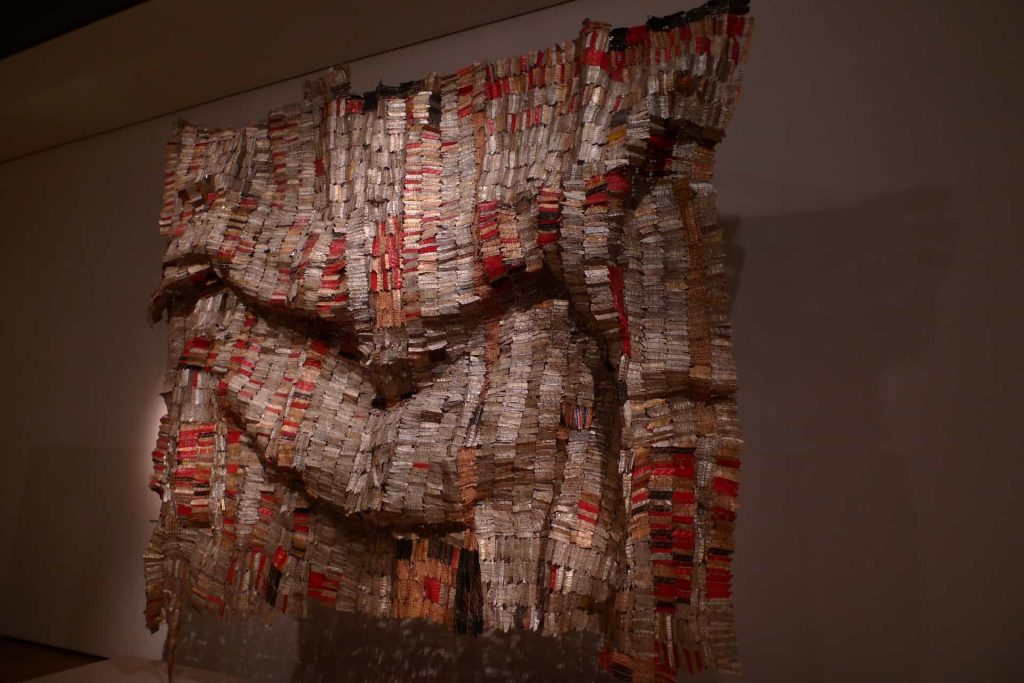
One of the strongest ways contemporary art feels human is through material resistance. Paint resists. Clay collapses. Fabric stretches. Wood splits. Metal carries weight. Ink bleeds. Paper buckles. Plaster cracks. Found objects arrive with histories that cannot be fully erased.
These materials do not merely obey intention. They push back. They complicate the process. They make the artist respond rather than simply command. This negotiation is one of the deepest human features of art. A work becomes convincing not because the artist controlled every variable perfectly, but because they stayed with the material long enough to let it shape the result.
That is one reason sculpture, ceramics, textile work and mixed media feel newly compelling in the present moment. Their material stubbornness is not incidental. It becomes part of the meaning. A fired ceramic form carries temperature, timing and risk. A stitched textile carries patience, rhythm and accumulation. A layered painting carries drying time, correction and change. A work made from reused materials carries social and physical history.
In all these cases, the viewer senses that the work did not simply appear. It had to be worked through. That process gives the finished object density. It feels lived rather than generated.
Time is part of what makes art feel human
Human making takes time, and that time often remains visible in the work.
A painting may show earlier decisions under later layers. A print may reveal plate marks or registration shifts. A hand built ceramic piece may carry the memory of pressure and turning. An installation may contain accumulated research, sourcing, arranging and testing. Even a seemingly simple drawing may carry hesitation, correction or confidence built line by line.
This temporal quality matters because it changes how the viewer relates to the work. A human made artwork often feels like something that has passed through duration. It contains before and after. It contains revision. It contains changing judgement. That gives it a sense of life.
AI images, by contrast, often collapse time into instant availability. They may be produced through many invisible computational steps, but the experience they offer is usually one of immediate arrival. That can be useful in some contexts, but it rarely produces the same feeling of lived duration. The image seems to appear all at once, already finished, already optimised.
Contemporary art often resists that smooth instantness. It reminds viewers that meaning may grow slowly. It may be built, doubted, damaged, revised or layered. That slowness can make a work feel more trustworthy because it suggests that the artist stayed inside the problem rather than leaping straight to the answer.
Imperfection and the value of friction
People often talk about imperfection in art as if it were automatically good. That is too simple. Not every flaw is meaningful. But friction matters.
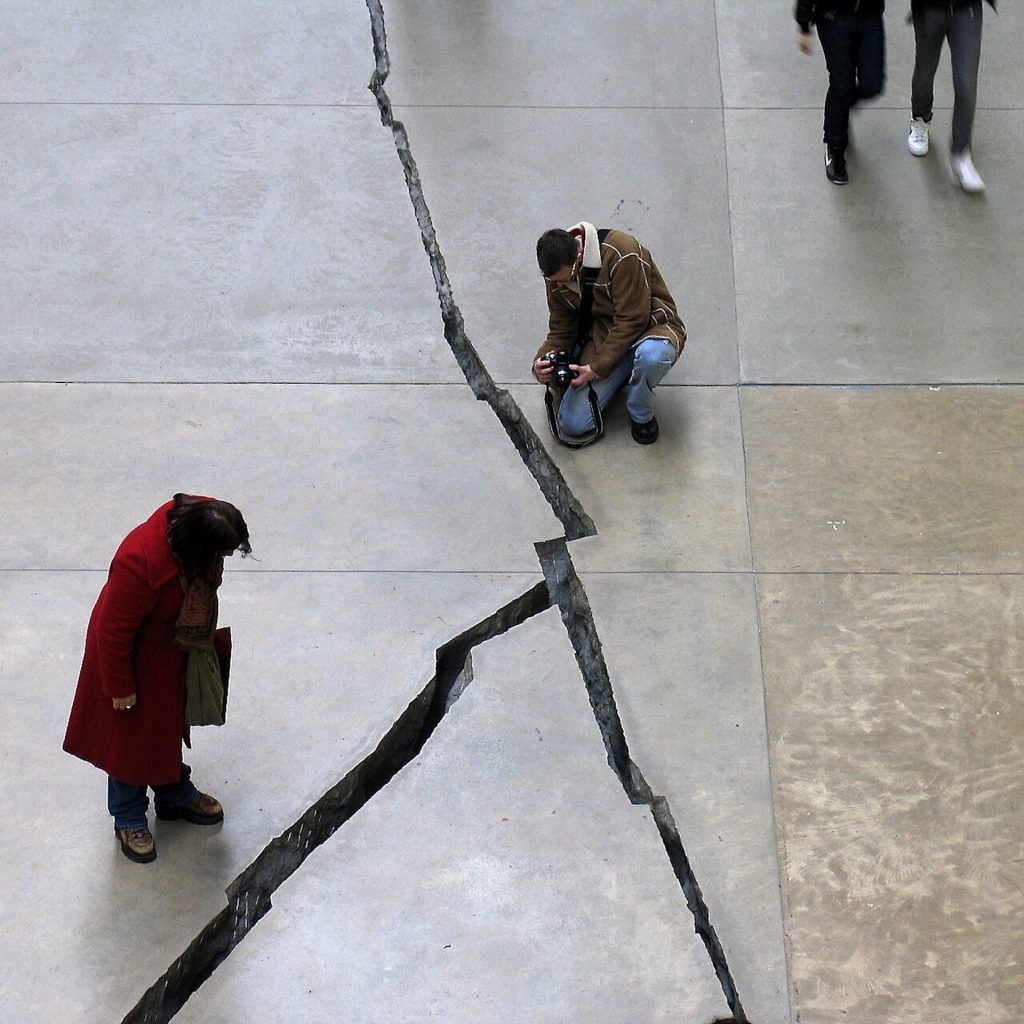
Contemporary art often feels human because it allows for slight misalignments, unresolved passages, contradictory textures, awkward scale shifts, and moments that are not entirely smoothed out. These are not always mistakes. Sometimes they are the spaces where feeling enters.
Perfectly coherent images can become strangely forgettable because they leave no room for the viewer to linger. Friction slows perception. It creates a point of contact. It makes you ask why this part is rougher, why this colour is slightly wrong, why this shape resists harmony, why this line feels under pressure.
This is true across mediums. In painting, it may be a stubborn patch that refuses polish. In sculpture, it may be a weight that feels slightly unbalanced. In photography, it may be an image that leaves some ambiguity rather than clarifying everything. In installation, it may be the tension between object and space. In all cases, friction makes the work feel less like a solved problem and more like an active encounter.
That active quality is often what people mean when they say a work feels human. It does not simply present a result. It lets you sense the struggle, the testing, the doubt or the vulnerability that made the result possible.
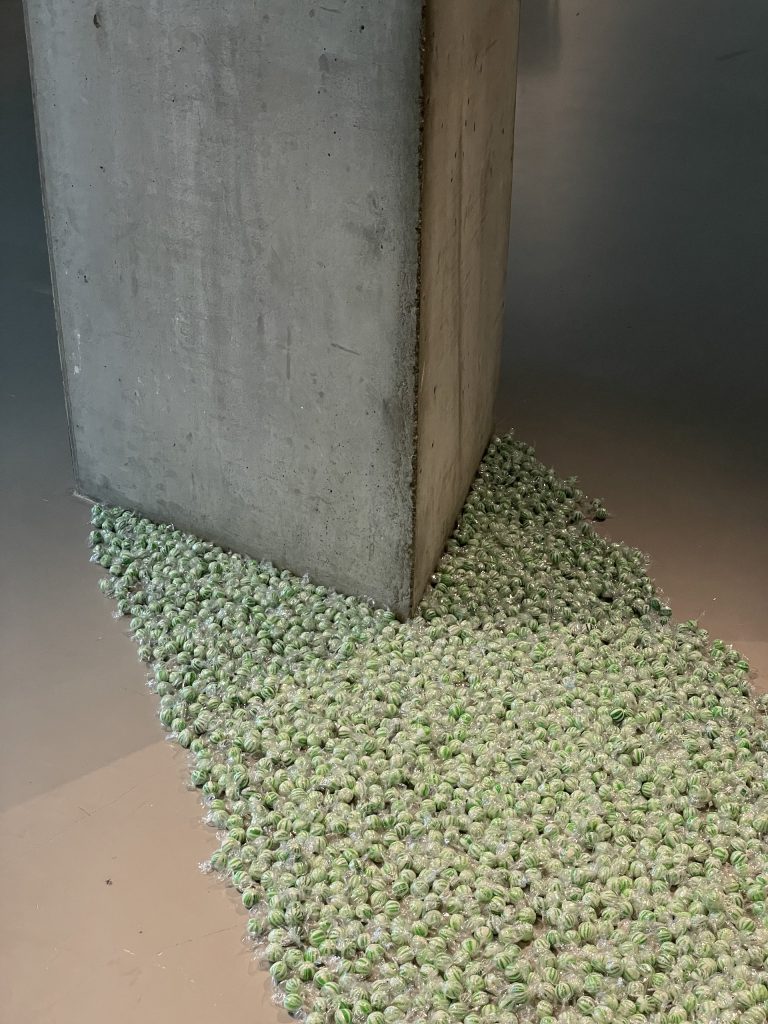
Lived experience cannot be reduced to style
One of the strongest distinctions between contemporary art and many AI images lies in the role of lived experience.
A style can be imitated. A mood can be imitated. A subject can be imitated. Even a rough surface can be imitated. But lived experience is not the same as a style cue. It enters art through pressure, memory, cultural context, physical history, place, language, grief, desire, labour and relation.
This does not mean art has to be autobiographical to feel human. It means the work usually carries some sense that it emerged from a situated life rather than from pattern assembly alone. That situatedness may show up in the specificity of the image, the material choices, the political urgency, the emotional restraint, the references, or the refusal to make the work easily digestible.
Contemporary art often feels human because it remains answerable to the world. It comes from somewhere. It has social and bodily consequences. It reflects conditions of living, not only conditions of looking.
This is especially important now because viewers are increasingly alert to the difference between generic emotional cues and actual emotional intelligence. A work can look “expressive” without carrying much experience. A quieter work may feel more human because it contains a more specific relation to reality.
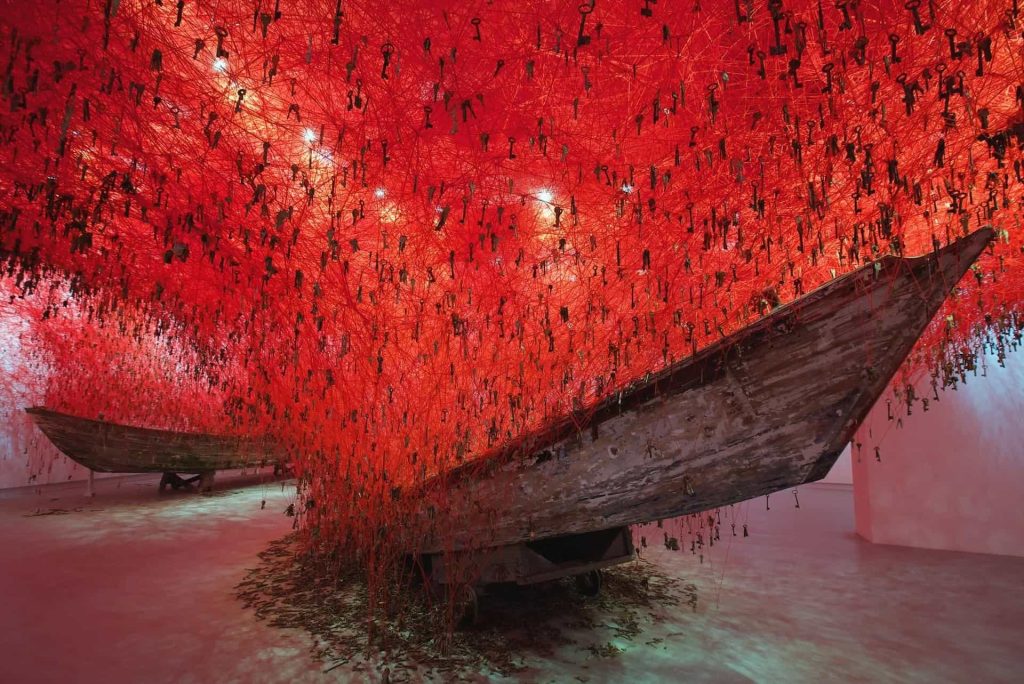
The role of ambiguity
Another reason contemporary art often feels human is that it leaves room for ambiguity.
Human experience is rarely neat. People hold conflicting feelings at the same time. They revise themselves. They misread situations. They remember selectively. They act with mixed motives. Good contemporary art often honours this complexity. It does not always rush towards instant clarity.
This is one area where AI images often feel thinner. They may be visually rich, but they frequently resolve themselves too quickly into recognisable mood or style. They can become over legible. The image says what it is trying to say immediately, and then there is not much left to do with it.
By contrast, contemporary art that feels human often contains tension that is not fully closed. It may be formally balanced but emotionally uneasy. It may be beautiful and abrasive at once. It may look simple but open into layered meanings over time. It may resist a single sentence explanation without becoming obscure for the sake of it.
Ambiguity matters because it allows the viewer to meet the work as another consciousness rather than as a finished product. The art does not only deliver information. It creates a relation.
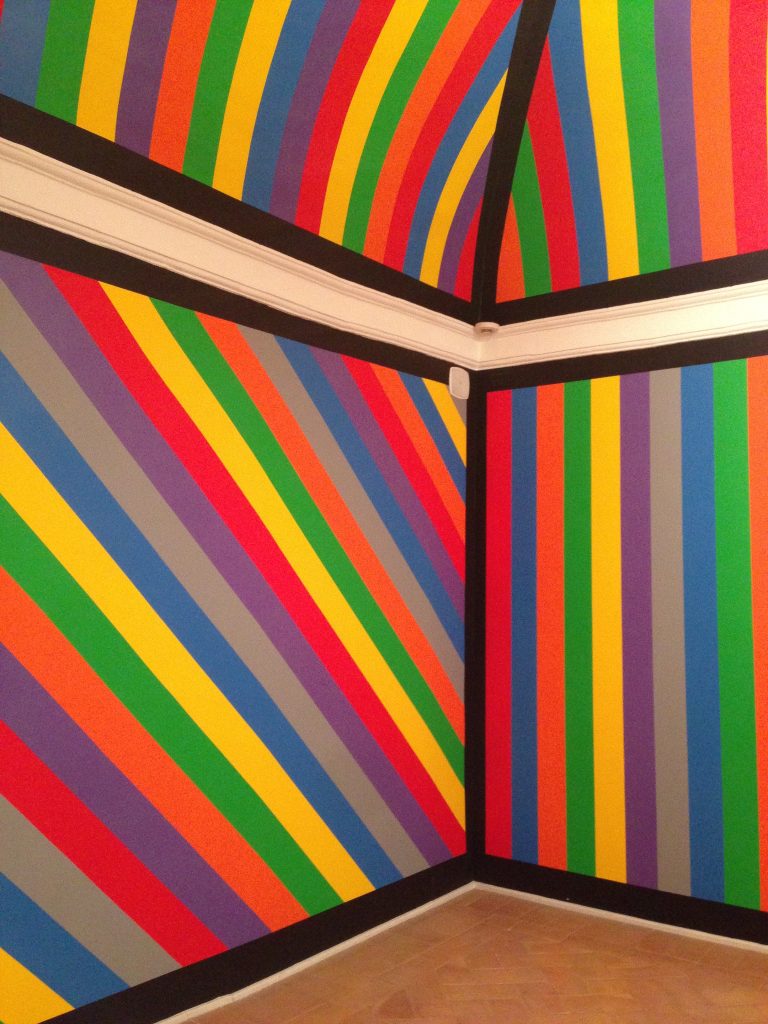
Why process matters more than ever
In the current climate, process has become more visible and more valuable. Viewers want to know not only what a work looks like, but how it was made, what materials it uses, what decisions shaped it, what references it draws on, and what kind of labour sits behind it.
This is not simply nostalgia for the handmade. It is a response to abundance. When images are easy to produce, process becomes a way of distinguishing depth from instant effect.
That is why artist led videos, studio shots, working drawings, material notes and installation views often hold people’s attention now. They restore a sense of sequence. They show that art is not only a result but a practice.
Contemporary art benefits from this because much of its strength lies in how it thinks through process rather than merely presenting finish. A work may contain research, conversation, walking, collecting, recording, stitching, carving, reworking or time based change. These things matter because they keep art tied to human activity rather than pure image output.
In this sense, process is not a side note. It is part of why the work feels alive.
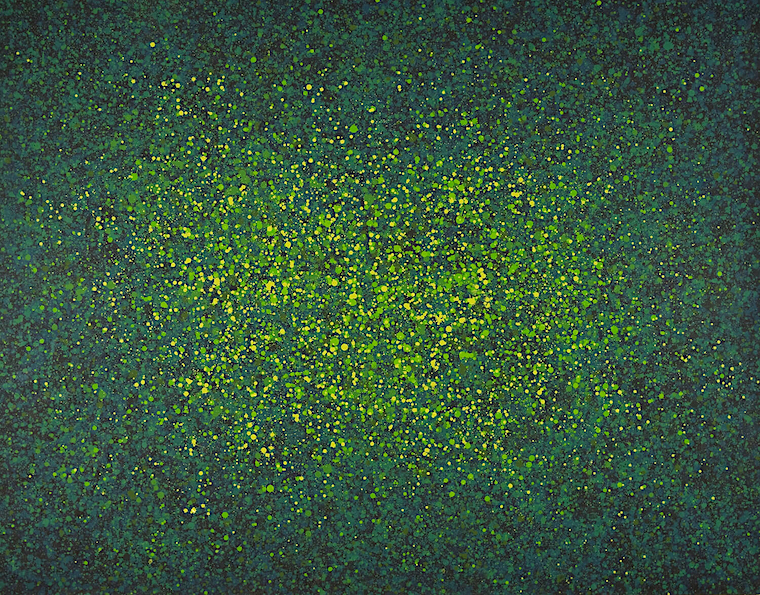
The body is still central
Contemporary art feels human partly because it continues to involve the body, both the artist’s and the viewer’s.
The artist’s body appears through scale, gesture, effort, fatigue, movement and making. The viewer’s body appears through attention, position, duration, proximity and response. This bodily relation is especially strong in sculpture, installation, performance, textiles and large scale painting, but it also matters in photography and video. You feel whether the work invites closeness, distance, tension, immersion or discomfort.
AI images often flatten this relation. Even when they depict bodies, they do not always carry bodily knowledge. Anatomy may look plausible, but the image can still feel disembodied because it lacks the pressure of actual physical experience. The body is treated as a visual problem rather than a lived one.
Contemporary art often resists that flattening. It reminds viewers that art is not only something seen. It is something encountered. Scale matters. Weight matters. Surface matters. Duration matters. Presence matters.
Why handmade does not mean old fashioned
It would be a mistake to treat all handmade art as automatically more meaningful or to assume that work made with digital tools cannot feel human. The issue is not whether a work is traditional. The issue is whether it carries a meaningful relation to making.
Many contemporary artists use digital tools brilliantly and still produce work that feels deeply human because the technology remains part of a larger process of decision, editing, research, embodiment and critique. Some artists work across drawing, coding, video, installation and digital image making without losing that sense of human pressure. Others use AI itself critically, testing what it reveals about authorship, bias, memory or image culture.
This matters because the most useful distinction is not analogue versus digital. It is hollow versus inhabited. A work may be technically digital and still feel intimate, specific and necessary. A work may be physically handmade and still feel formulaic.
The question is always what kind of attention shaped the work, and whether the work returns that attention to the viewer.
Contemporary art as relation, not just image
One of the biggest reasons contemporary art still matters is that it is often more than image. It may be object, installation, event, arrangement, encounter, text, sound, performance or social relation. Even when it is image based, it often exists within a context that matters: the gallery space, the artist’s broader practice, the material history of the work, the exhibition framing, the public conversation around it.
AI images often circulate as isolated outputs. They arrive detached from the fullness of context that helps contemporary art feel grounded. They may have prompts, edits and workflows behind them, but the viewer is usually invited to consume the image rather than enter into a deeper relation with its making or situation.
Contemporary art often resists this isolation. It asks where the work comes from, who made it, under what conditions, in relation to what materials, histories or communities. This context does not replace the artwork. It deepens it.
That is another reason art can feel human in the present moment. It is not only about visual surface. It is about relation.
The ethical dimension
As AI images have become more common, questions about source material, attribution, labour and consent have become more visible. Many people now look at images with a sharper awareness of where they may have come from and what kinds of human work may sit invisibly behind them.
Contemporary art is not free from ethical questions, but it often makes those questions easier to address because authorship, context and material history are more legible. You can ask who made the work, what references it draws on, what community it speaks from or towards, and what position it takes.
This ethical legibility matters. It contributes to the sense that contemporary art is made by people answerable for what they do. That answerability is part of what makes a work feel human. It exists in a field of responsibility, not only in a field of visual effect.
Why viewers are drawn back to original art
It is not surprising that more people are paying attention to original works, physical exhibitions and artist made objects at the same time that AI image tools are spreading. The more synthetic the visual field becomes, the more valuable direct encounter can feel.
An original painting or print does not only show an image. It shows scale, surface, edge, thickness, adjustment, material detail and presence. A sculpture shares space with you. A textile work reveals touch. A drawing shows pressure and hesitation. These are not romantic extras. They are part of the meaning.
That is why people still go to galleries even when high resolution images are everywhere. A reproduction can tell you what a work looks like in outline. It cannot fully convey what it feels like to stand in front of it.
In an age of AI images, this difference becomes even more noticeable. Physical art reminds viewers that attention can still be slow, grounded and embodied.
How to tell when a work feels genuinely human
If you want a practical way to think about this, try asking a few questions.
Does the work feel as if something was at stake in making it?
Does it carry evidence of time, resistance or revision?
Does it feel over resolved, or does it leave room for thought?
Do the materials matter, or could the image be detached from them without loss?
Is the work generic in its emotional cues, or specific in its pressure?
Does it invite a relation, or only deliver a surface?
Can you sense an individual way of seeing inside it?
These questions are not foolproof, but they can help. They move attention away from surface polish and towards the deeper conditions of making.
Common misconceptions
People often assume that what feels human must look visibly rough, hand drawn or imperfect. That is not always true. Some very polished works still feel deeply human because the pressure of decision and thought remains present. Likewise, a deliberately rough surface can become empty mannerism if it is not connected to something more substantial.
Another misconception is that AI images are automatically worthless. That is also too simple. AI can be used critically, experimentally or in combination with other forms of practice. The more useful question is whether the final work carries depth, context and consequence.
A third misconception is that contemporary art becomes human only when it tells a personal story. Many works feel human through structure, form, atmosphere, humour, silence or social relation rather than through obvious autobiography.
The point is not to create a checklist of authenticity. It is to pay better attention to what gives a work density.
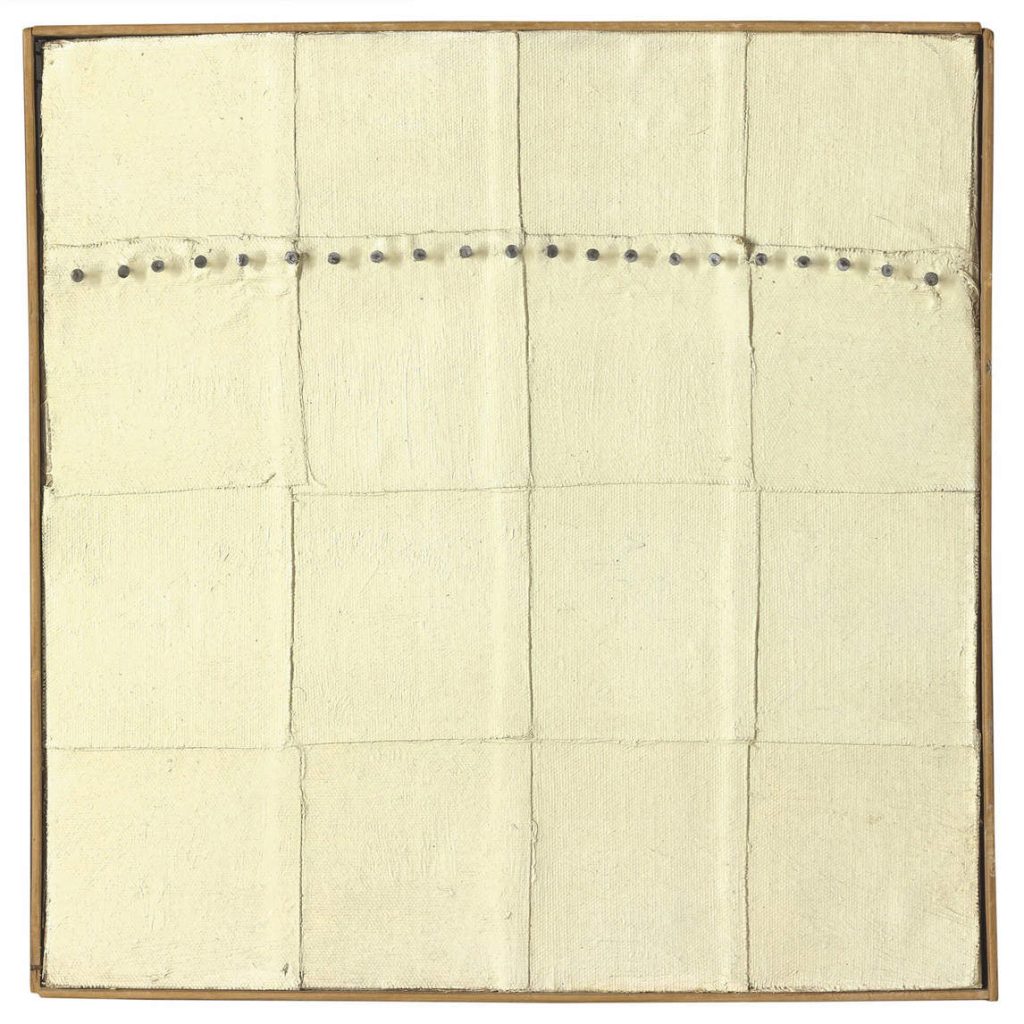
oil, nails, and canvas on canvas mounted on wood
Why contemporary art still matters
Contemporary art still matters because it offers something the current image economy often struggles to provide: sustained attention, material presence, difficulty, ambiguity, and a sense that another human being has thought and felt their way through form.
It matters because it slows looking down. It reminds viewers that not every image needs to resolve into instant recognition. It matters because it keeps alive forms of making that involve touch, resistance, care and revision. It matters because it can still surprise people with something that is not merely new, but necessary.
It also matters because it keeps asking what an image is for. Is it there to decorate, persuade, soothe, overwhelm, flatter, sell, or witness? Contemporary art does not always answer neatly, but it keeps the question open.
That openness is crucial in an age of AI images. The issue is not simply whether machines can make images. They clearly can. The issue is what kinds of seeing, feeling and relating people still need from art. Contemporary art continues to matter because it often answers that need with more than style. It answers with presence.
What makes contemporary art feel human in an age of AI images is not one single thing. It is the combination of time, material, resistance, decision, ambiguity, embodiment, context and risk. It is the sense that the work emerged from a life rather than from pattern assembly alone. It is the feeling that something real was negotiated, not simply rendered.
That does not mean contemporary art must reject technology or retreat into nostalgia. It means that what people value in art is becoming clearer. They are looking not only for visual skill, but for attention. Not only for beauty, but for consequence. Not only for novelty, but for density. They want work that feels inhabited.
In that sense, the rise of AI images may sharpen rather than weaken the case for contemporary art. The more easily images can be generated, the more people may value the works that still carry the marks of time, thought, risk and relation.
That is why contemporary art still feels human. It does not only show the world. It shows what it is like for a person to move through it, make sense of it, struggle with it, and leave something behind that another person can genuinely meet.
Leave a Reply